
Computer Communication Networks Lecture 8 Physical Layer Transmission

- Slides: 36
Computer Communication & Networks Lecture 8 Physical Layer: Transmission Media http: //web. uettaxila. edu. pk/CMS/coe. CCNbs. Sp 09/index. asp Waleed Ejaz waleed. ejaz@uettaxila. edu. pk 1
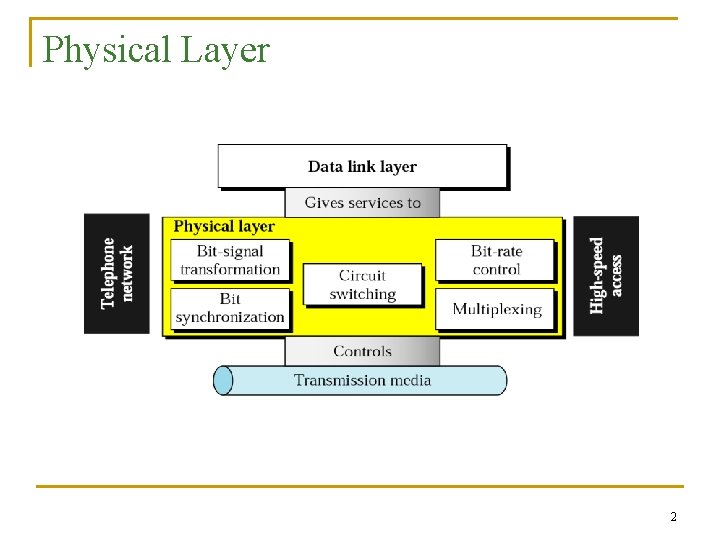
Physical Layer 2
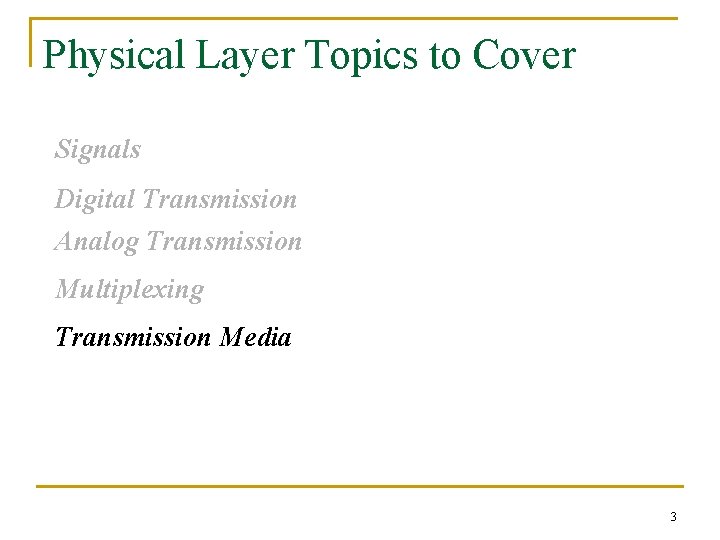
Physical Layer Topics to Cover Signals Digital Transmission Analog Transmission Multiplexing Transmission Media 3
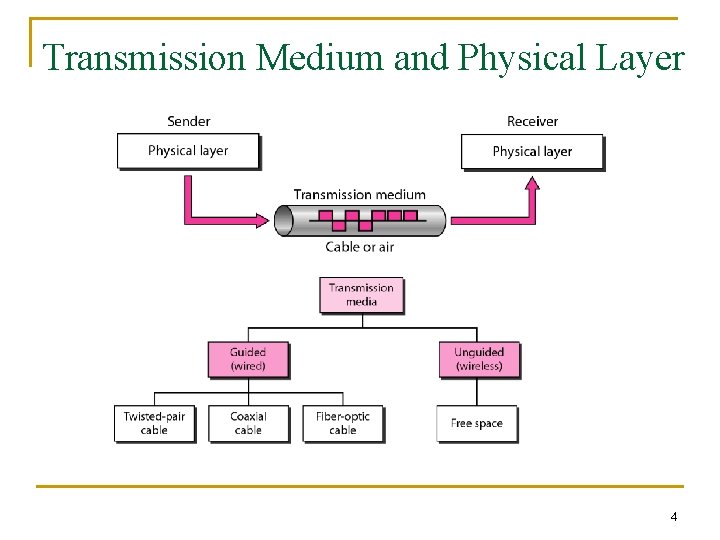
Transmission Medium and Physical Layer 4
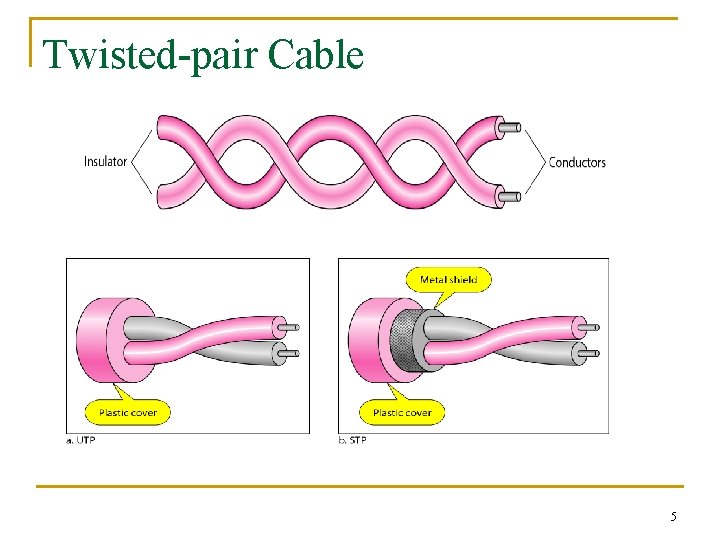
Twisted-pair Cable 5
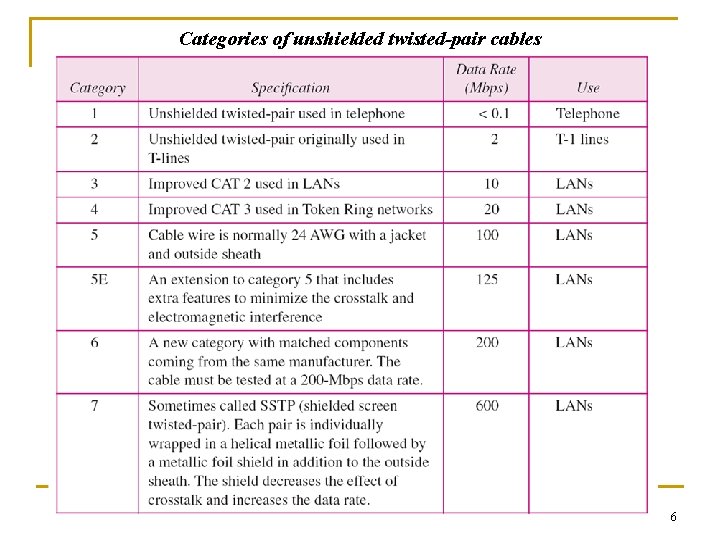
Categories of unshielded twisted-pair cables 6
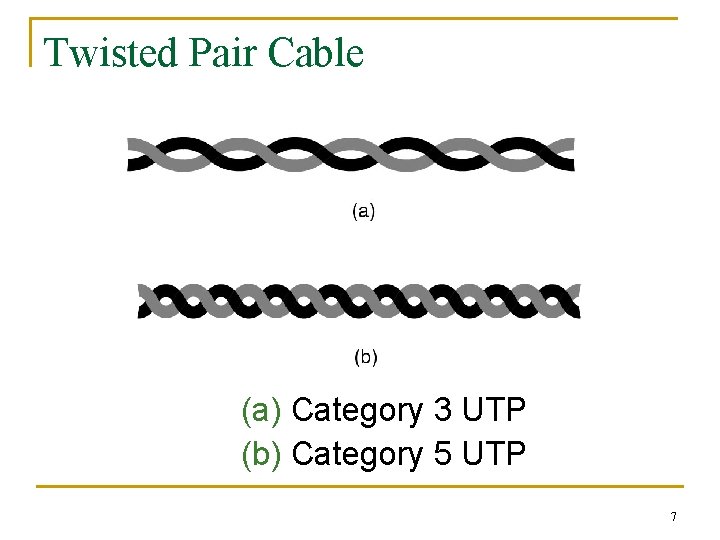
Twisted Pair Cable (a) Category 3 UTP (b) Category 5 UTP 7
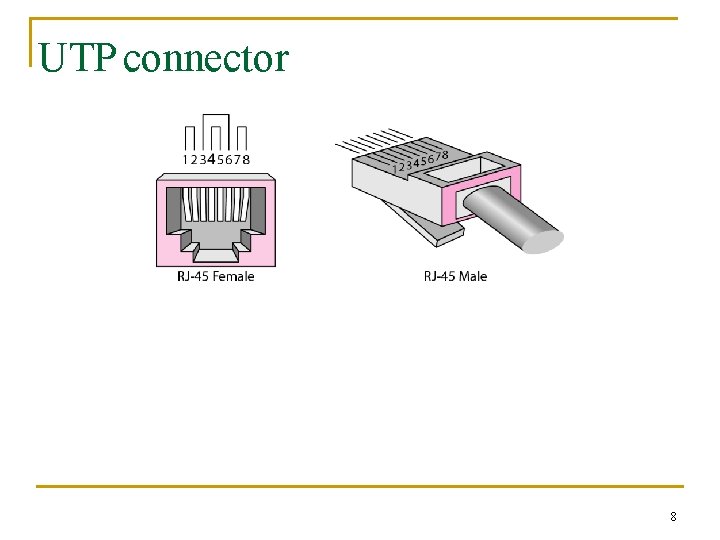
UTP connector 8
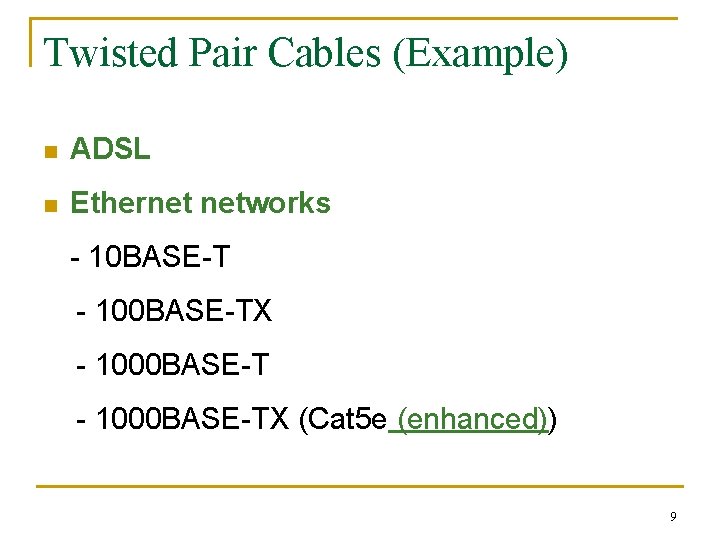
Twisted Pair Cables (Example) n ADSL n Ethernet networks - 10 BASE-T - 100 BASE-TX - 1000 BASE-TX (Cat 5 e (enhanced)) 9
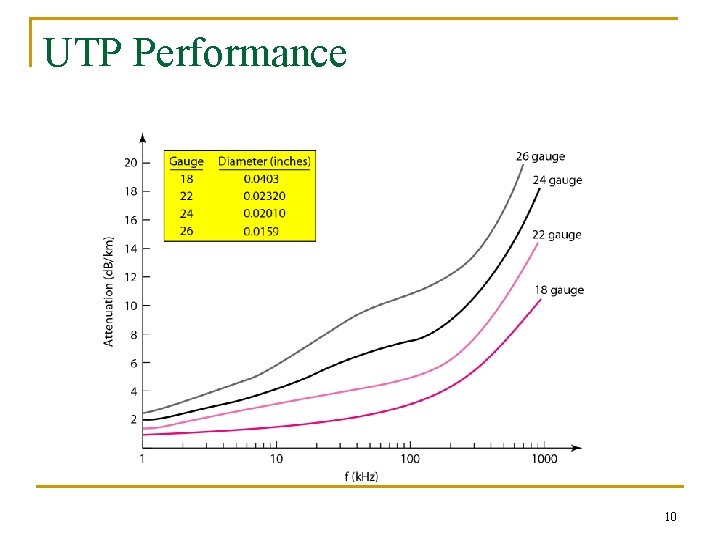
UTP Performance 10
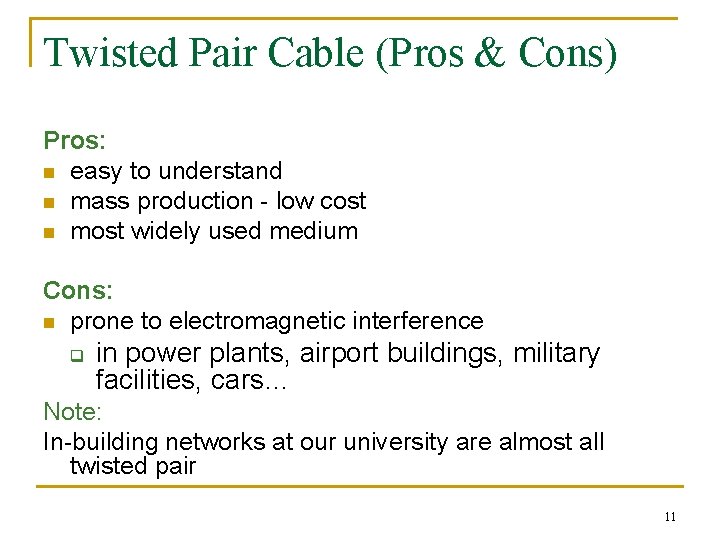
Twisted Pair Cable (Pros & Cons) Pros: n easy to understand n mass production - low cost n most widely used medium Cons: n prone to electromagnetic interference q in power plants, airport buildings, military facilities, cars… Note: In-building networks at our university are almost all twisted pair 11
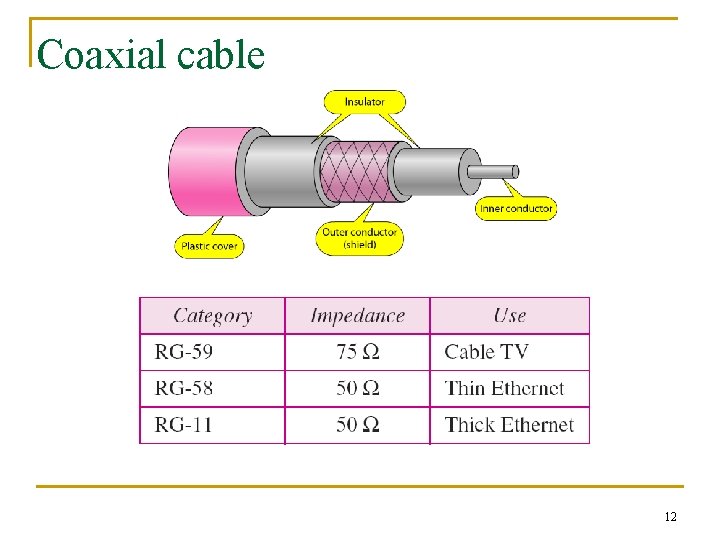
Coaxial cable 12
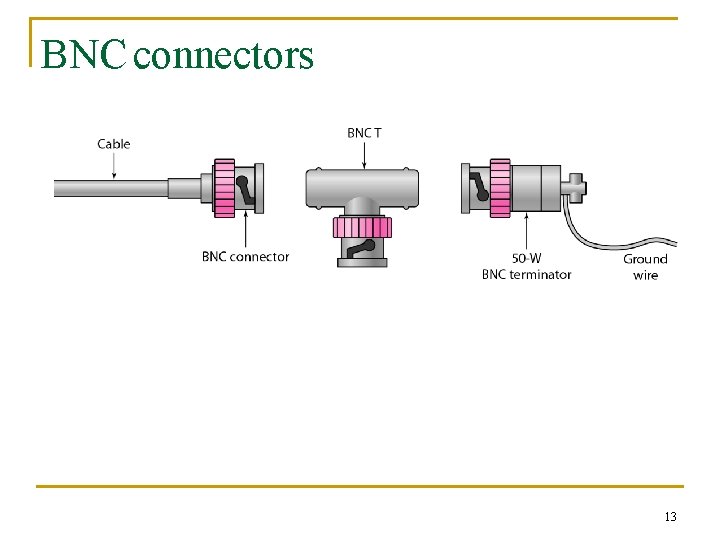
BNC connectors 13
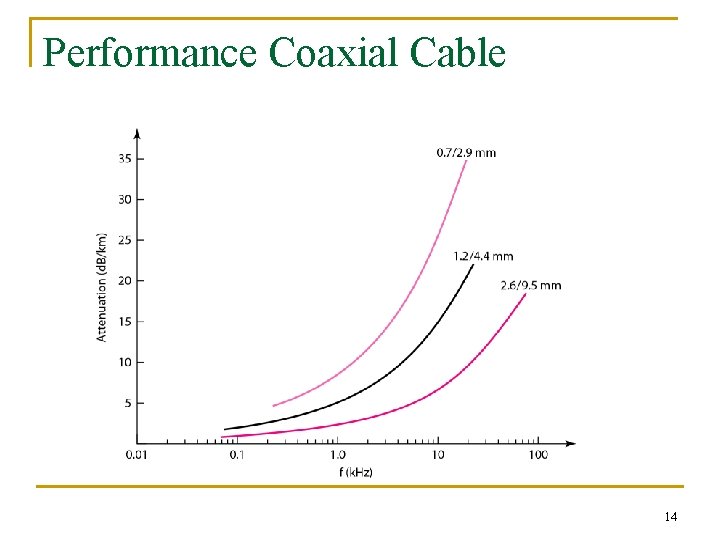
Performance Coaxial Cable 14
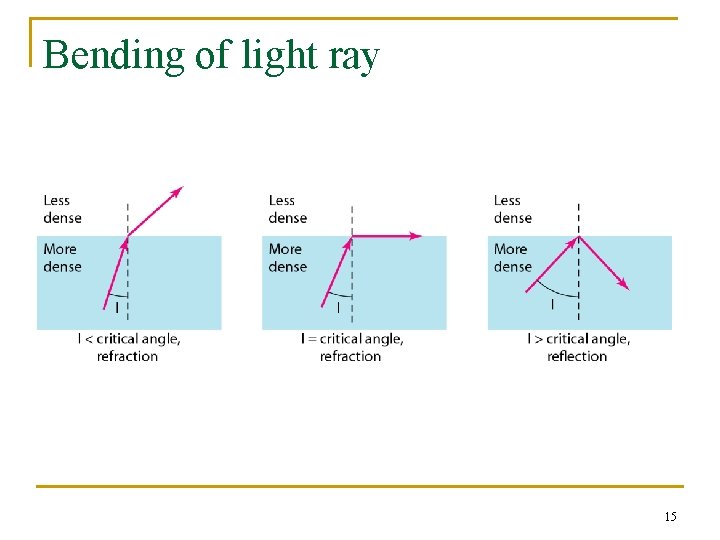
Bending of light ray 15
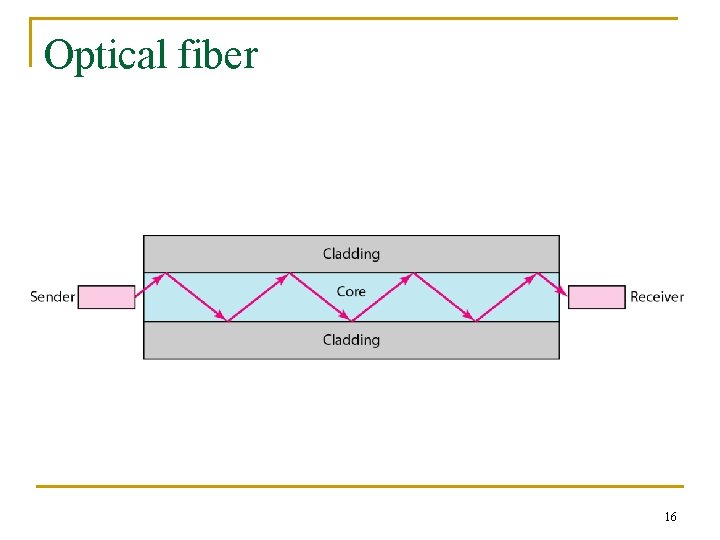
Optical fiber 16
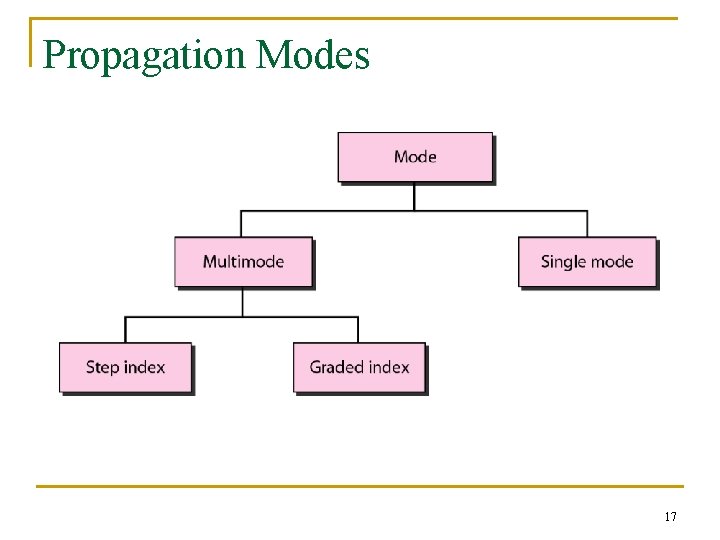
Propagation Modes 17
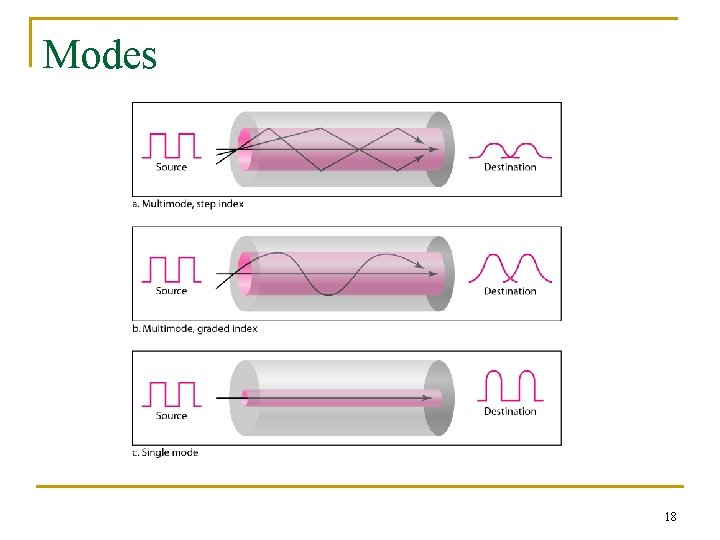
Modes 18
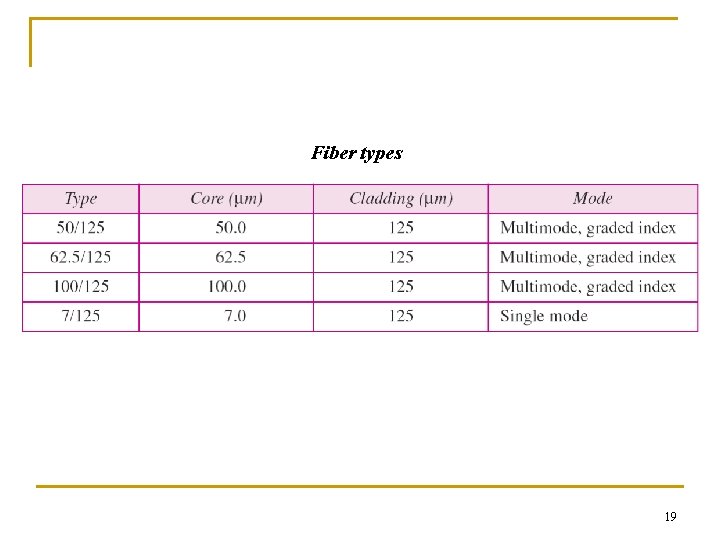
Fiber types 19
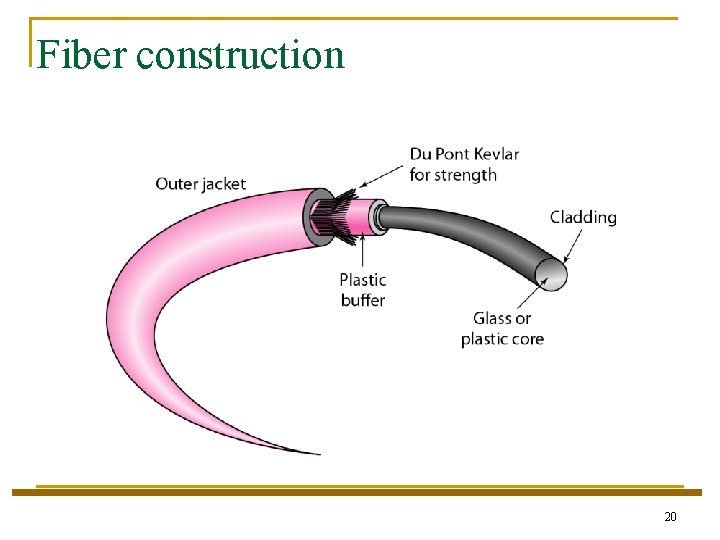
Fiber construction 20
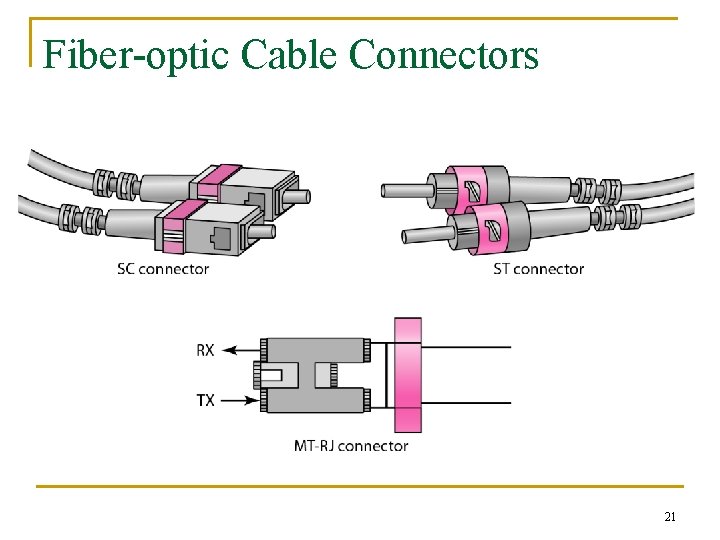
Fiber-optic Cable Connectors 21
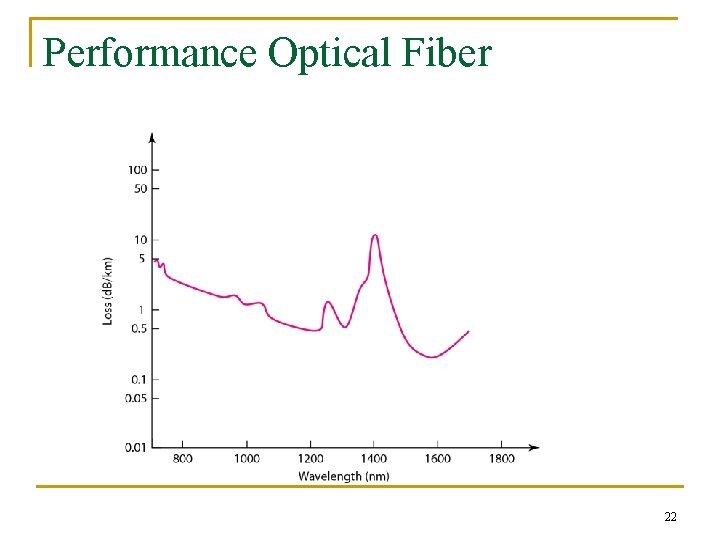
Performance Optical Fiber 22
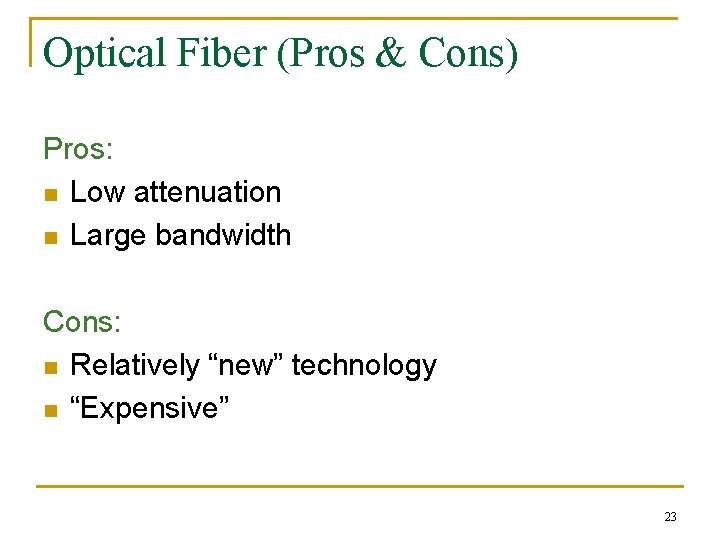
Optical Fiber (Pros & Cons) Pros: n Low attenuation n Large bandwidth Cons: n Relatively “new” technology n “Expensive” 23
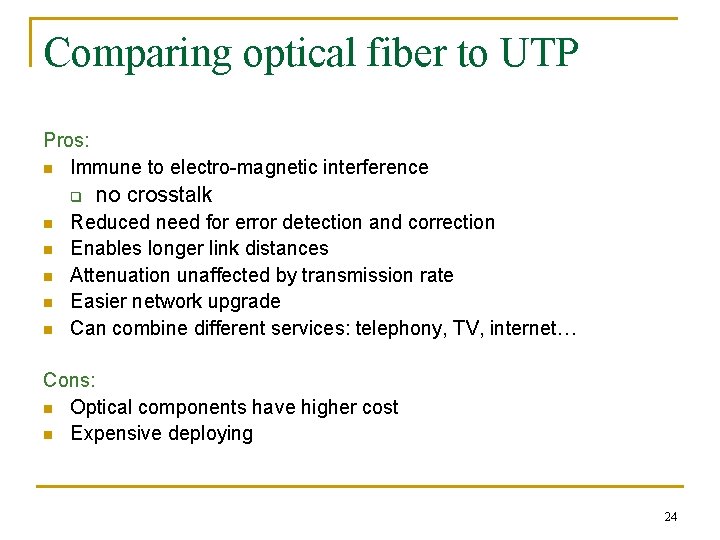
Comparing optical fiber to UTP Pros: n Immune to electro-magnetic interference q n n no crosstalk Reduced need for error detection and correction Enables longer link distances Attenuation unaffected by transmission rate Easier network upgrade Can combine different services: telephony, TV, internet… Cons: n Optical components have higher cost n Expensive deploying protocols 24
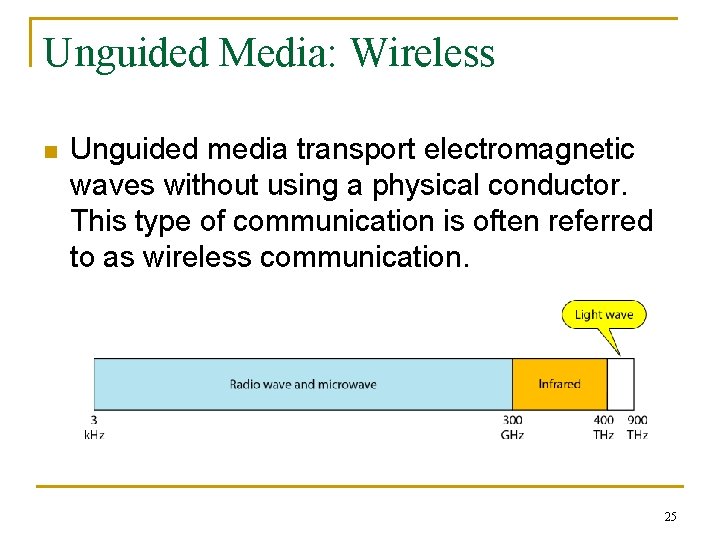
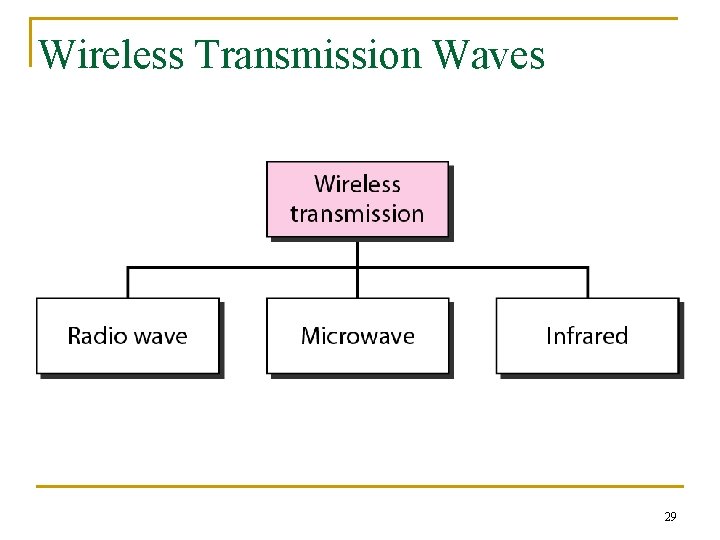
Unguided Media: Wireless n Unguided media transport electromagnetic waves without using a physical conductor. This type of communication is often referred to as wireless communication. 25
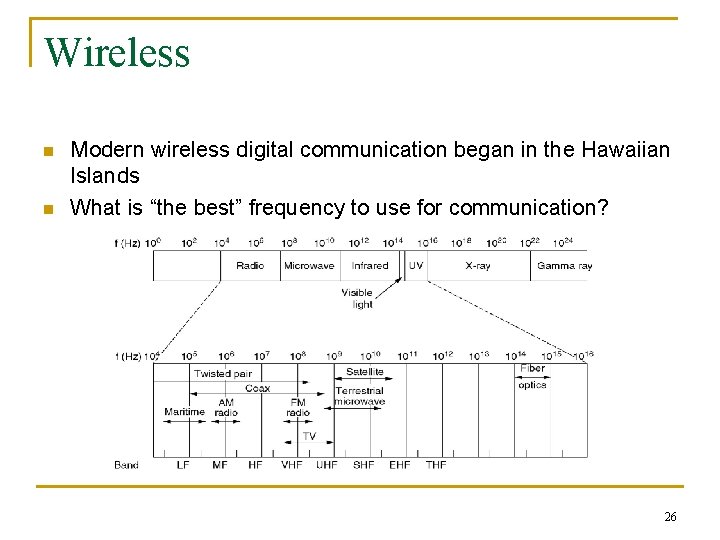
Wireless n n Modern wireless digital communication began in the Hawaiian Islands What is “the best” frequency to use for communication? 26
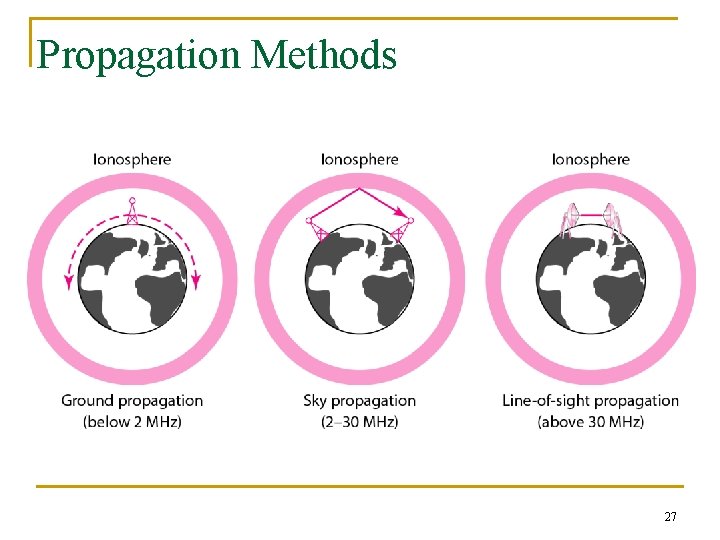
Propagation Methods 27
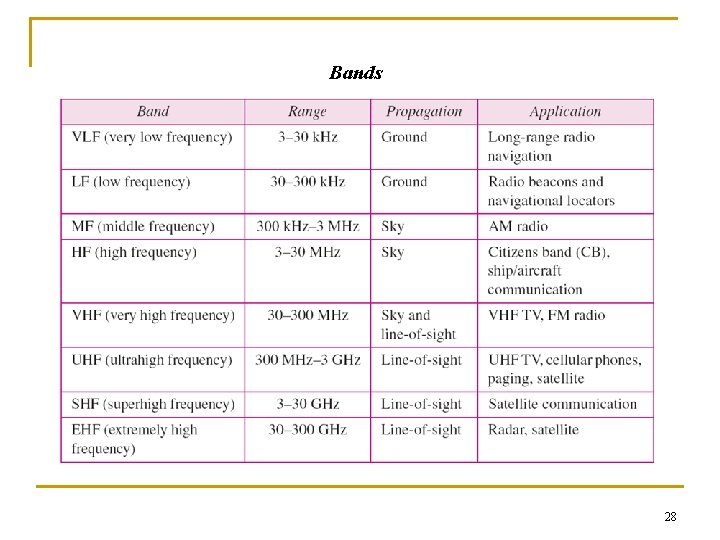
Bands 28
Wireless Transmission Waves 29
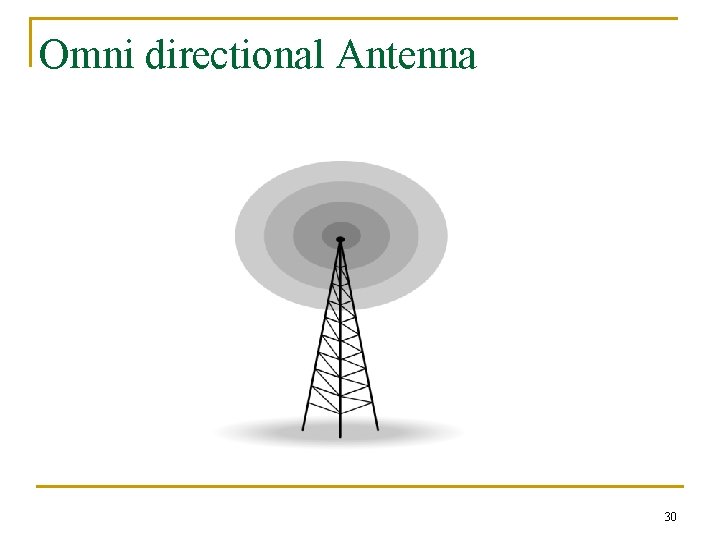
Omni directional Antenna 30
Note Radio waves are used for multicast communications, such as radio and television, and paging systems. 31
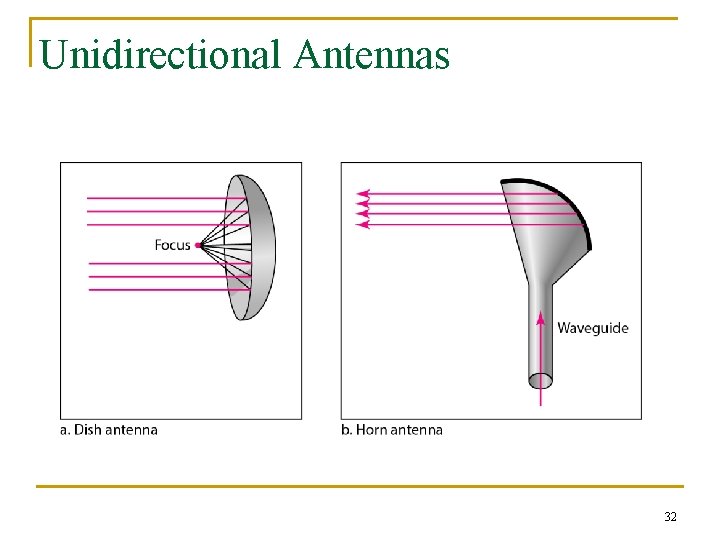
Unidirectional Antennas 32
Note Microwaves are used for unicast communication such as cellular telephones, satellite networks, and wireless LANs. 33
Note Infrared signals can be used for shortrange communication in a closed area using line-of-sight propagation. 34
Readings n Chapter 7 (B. A Forouzan) q Section 7. 1, 7. 2 35
36