
Computer Architecture Parhami 1 Figure 3 1 Subfields
Computer Architecture Parhami 1
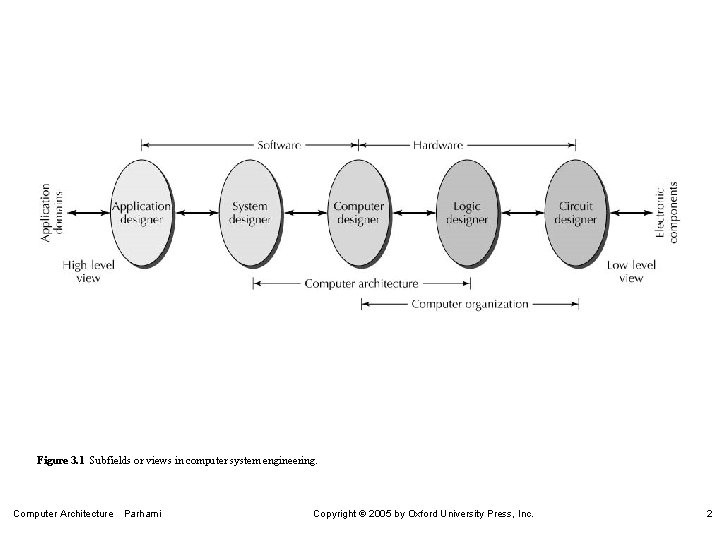
Figure 3. 1 Subfields or views in computer system engineering. Computer Architecture Parhami Copyright 2005 by Oxford University Press, Inc. 2
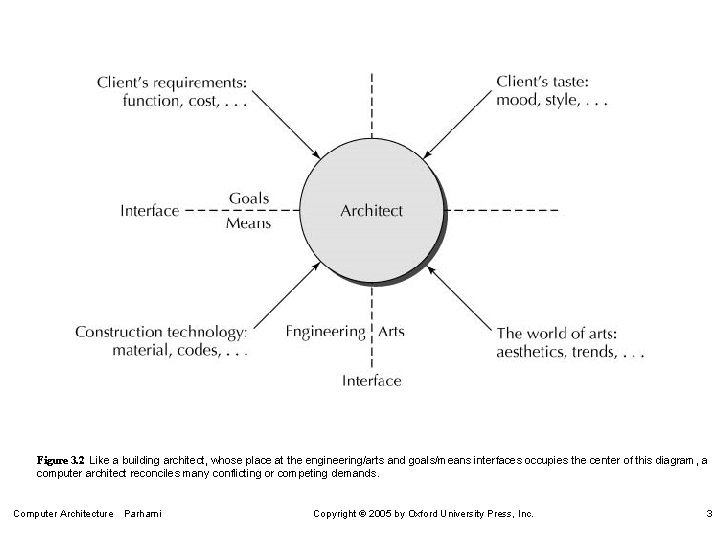
Figure 3. 2 Like a building architect, whose place at the engineering/arts and goals/means interfaces occupies the center of this diagram, a computer architect reconciles many conflicting or competing demands. Computer Architecture Parhami Copyright 2005 by Oxford University Press, Inc. 3
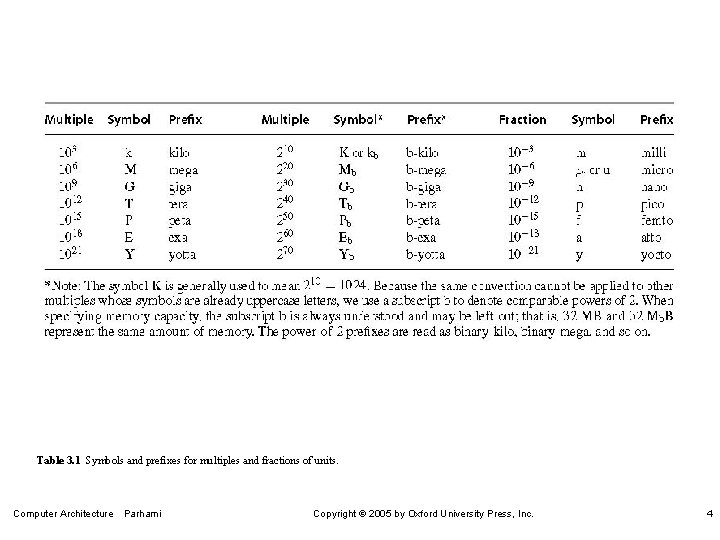
Table 3. 1 Symbols and prefixes for multiples and fractions of units. Computer Architecture Parhami Copyright 2005 by Oxford University Press, Inc. 4
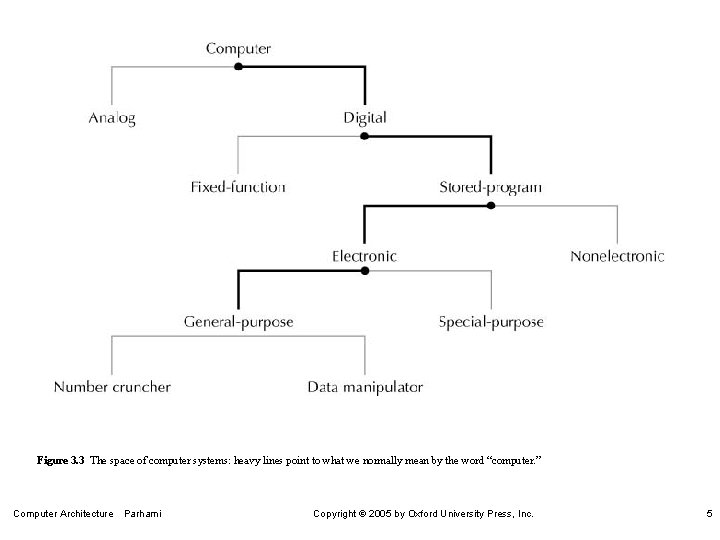
Figure 3. 3 The space of computer systems: heavy lines point to what we normally mean by the word “computer. ” Computer Architecture Parhami Copyright 2005 by Oxford University Press, Inc. 5
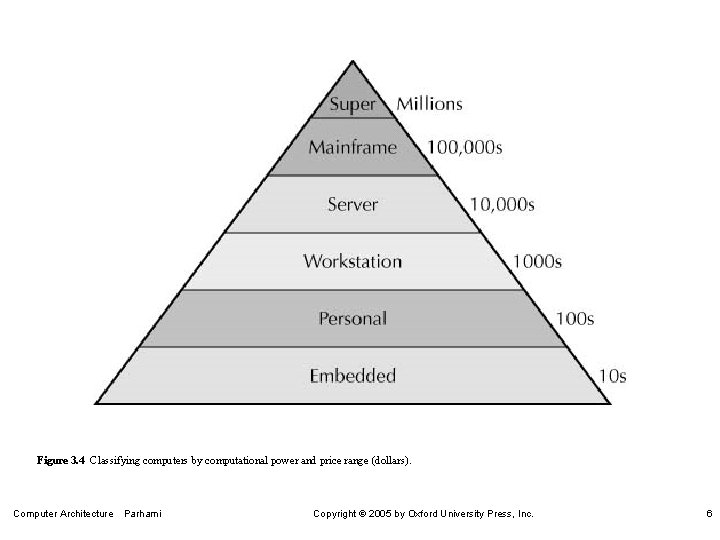
Figure 3. 4 Classifying computers by computational power and price range (dollars). Computer Architecture Parhami Copyright 2005 by Oxford University Press, Inc. 6
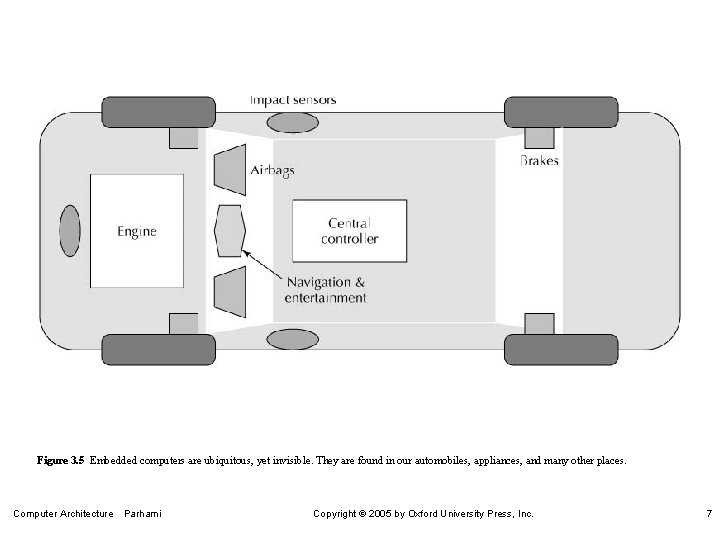
Figure 3. 5 Embedded computers are ubiquitous, yet invisible. They are found in our automobiles, appliances, and many other places. Computer Architecture Parhami Copyright 2005 by Oxford University Press, Inc. 7
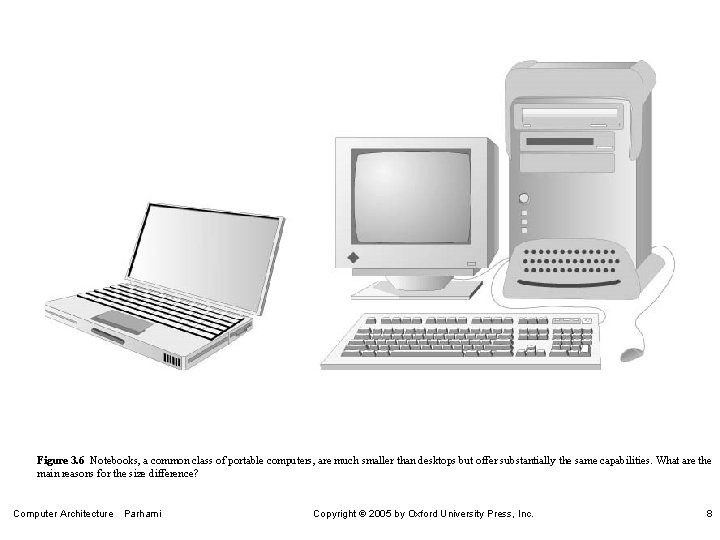
Figure 3. 6 Notebooks, a common class of portable computers, are much smaller than desktops but offer substantially the same capabilities. What are the main reasons for the size difference? Computer Architecture Parhami Copyright 2005 by Oxford University Press, Inc. 8
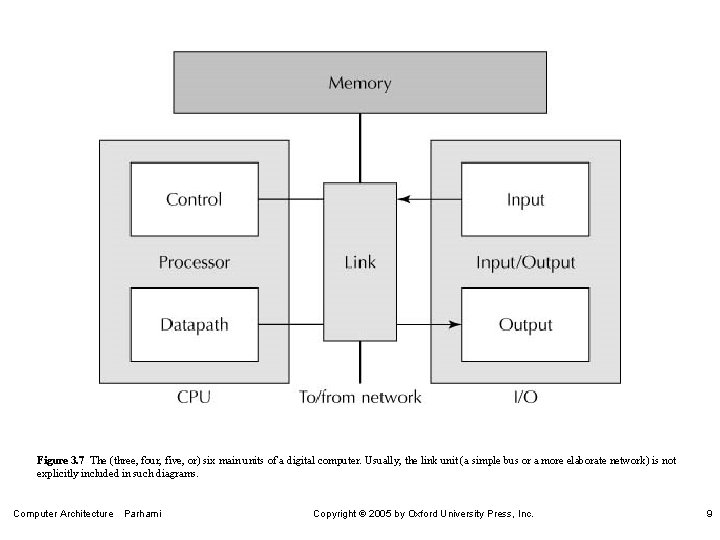
Figure 3. 7 The (three, four, five, or) six main units of a digital computer. Usually, the link unit (a simple bus or a more elaborate network) is not explicitly included in such diagrams. Computer Architecture Parhami Copyright 2005 by Oxford University Press, Inc. 9
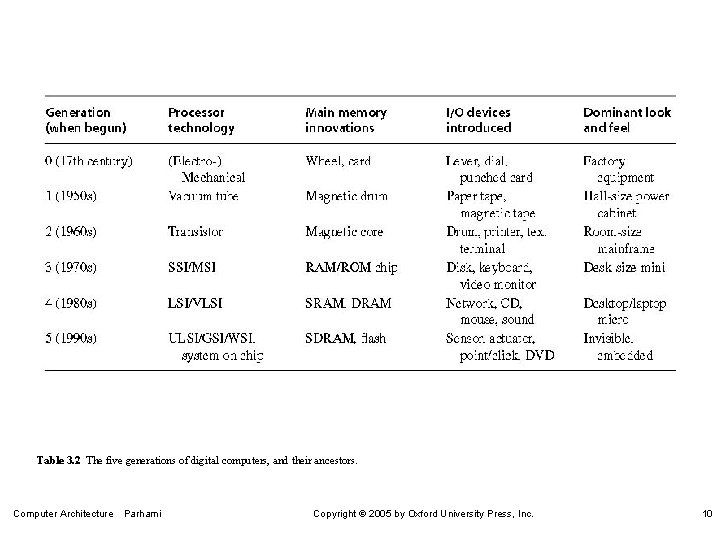
Table 3. 2 The five generations of digital computers, and their ancestors. Computer Architecture Parhami Copyright 2005 by Oxford University Press, Inc. 10
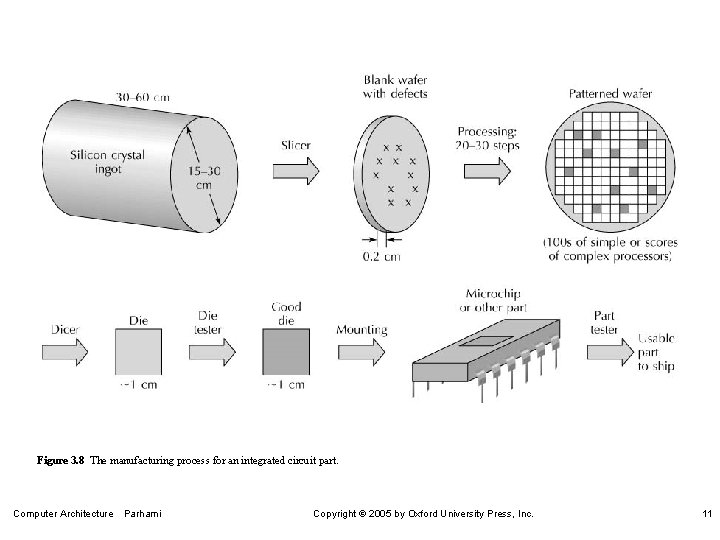
Figure 3. 8 The manufacturing process for an integrated circuit part. Computer Architecture Parhami Copyright 2005 by Oxford University Press, Inc. 11
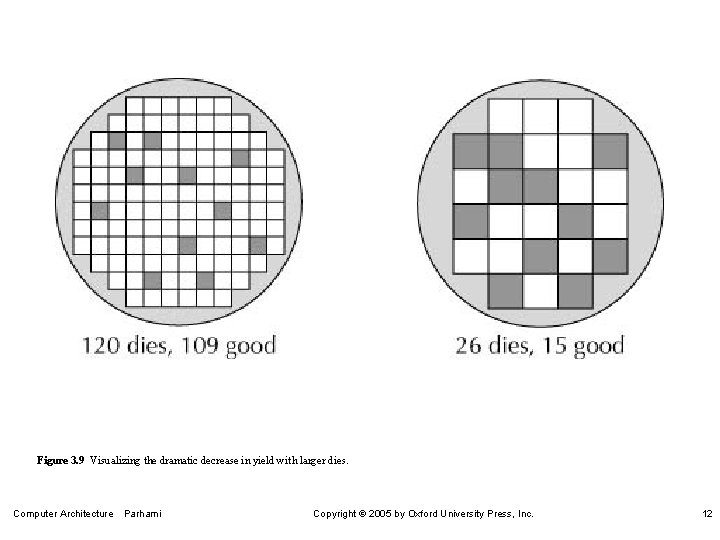
Figure 3. 9 Visualizing the dramatic decrease in yield with larger dies. Computer Architecture Parhami Copyright 2005 by Oxford University Press, Inc. 12
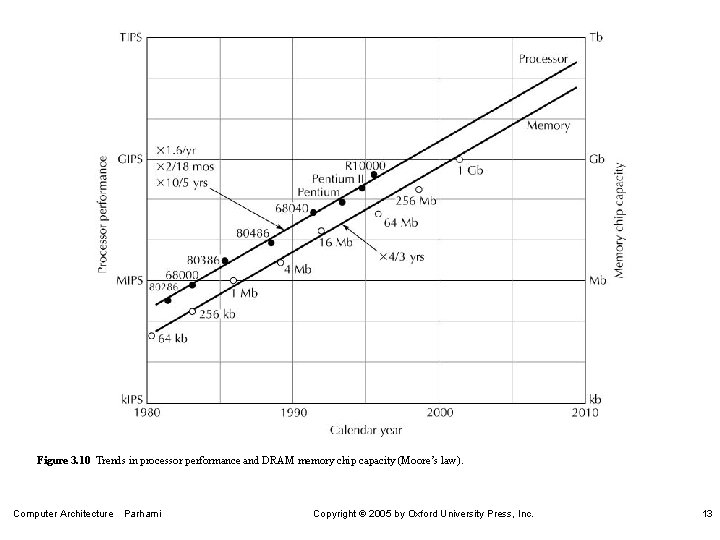
Figure 3. 10 Trends in processor performance and DRAM memory chip capacity (Moore’s law). Computer Architecture Parhami Copyright 2005 by Oxford University Press, Inc. 13
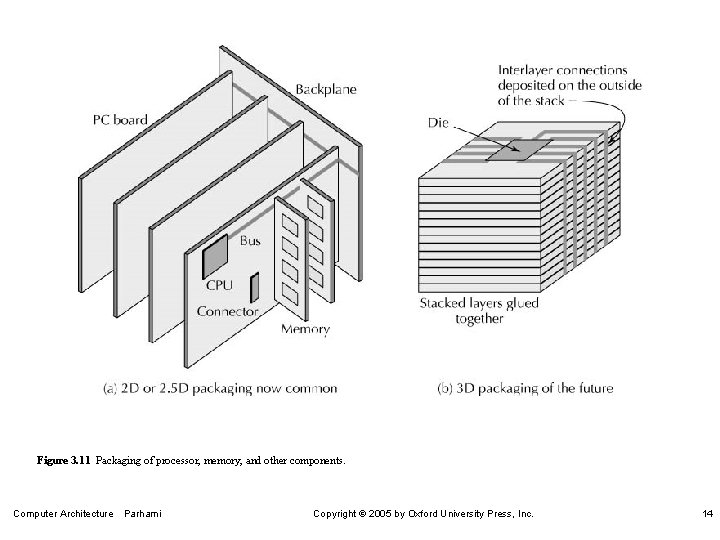
Figure 3. 11 Packaging of processor, memory, and other components. Computer Architecture Parhami Copyright 2005 by Oxford University Press, Inc. 14
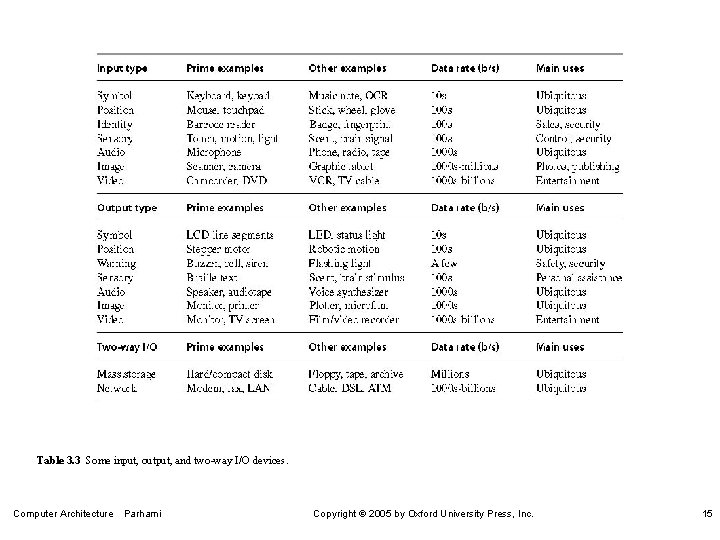
Table 3. 3 Some input, output, and two-way I/O devices. Computer Architecture Parhami Copyright 2005 by Oxford University Press, Inc. 15
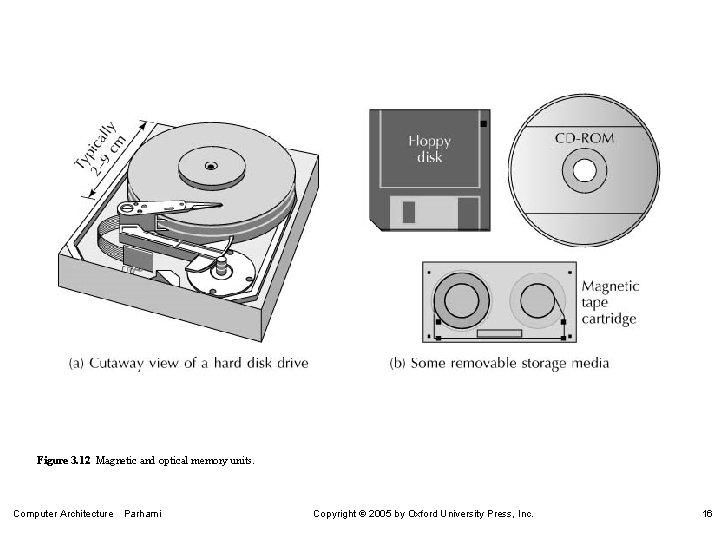
Figure 3. 12 Magnetic and optical memory units. Computer Architecture Parhami Copyright 2005 by Oxford University Press, Inc. 16
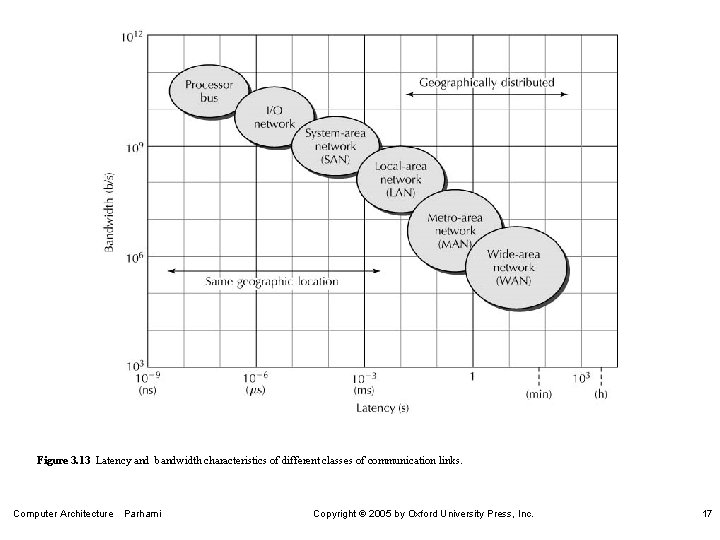
Figure 3. 13 Latency and bandwidth characteristics of different classes of communication links. Computer Architecture Parhami Copyright 2005 by Oxford University Press, Inc. 17
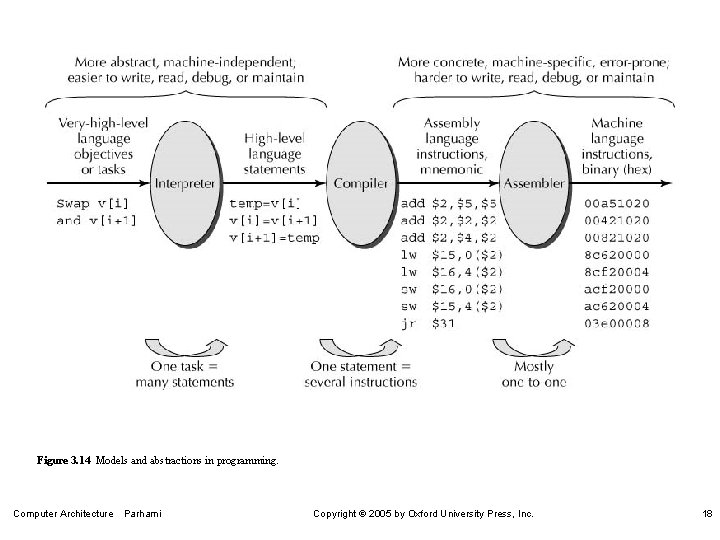
Figure 3. 14 Models and abstractions in programming. Computer Architecture Parhami Copyright 2005 by Oxford University Press, Inc. 18
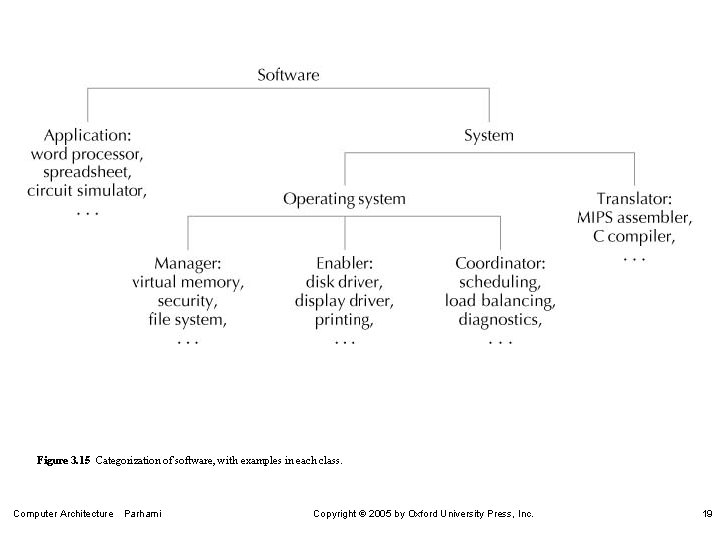
Figure 3. 15 Categorization of software, with examples in each class. Computer Architecture Parhami Copyright 2005 by Oxford University Press, Inc. 19
- Slides: 19