
Computational Thinking Wendy Voor Royal Dutch Visio Digital
- Slides: 20
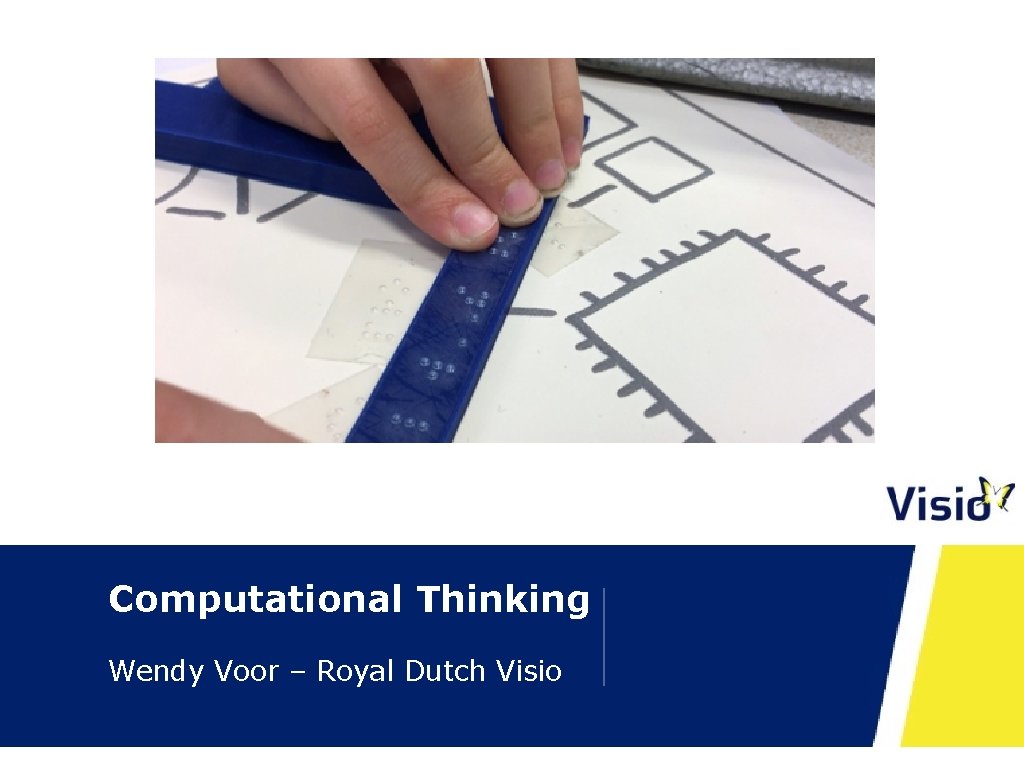
Computational Thinking Wendy Voor – Royal Dutch Visio
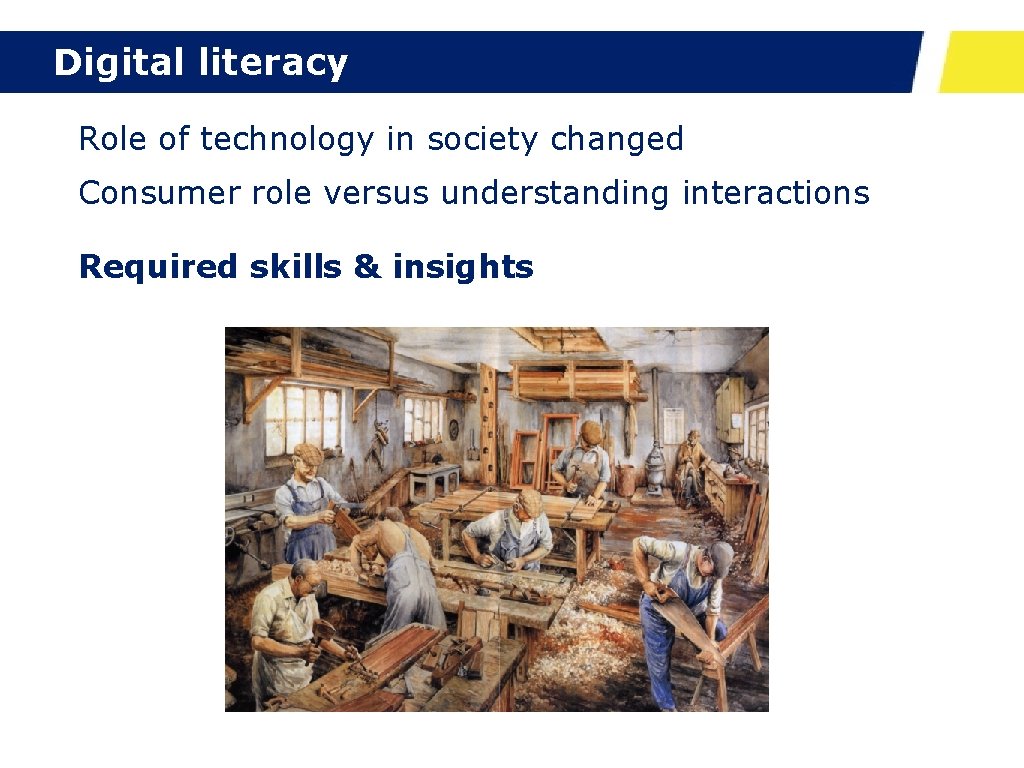
Digital literacy Role of technology in society changed Consumer role versus understanding interactions Required skills & insights
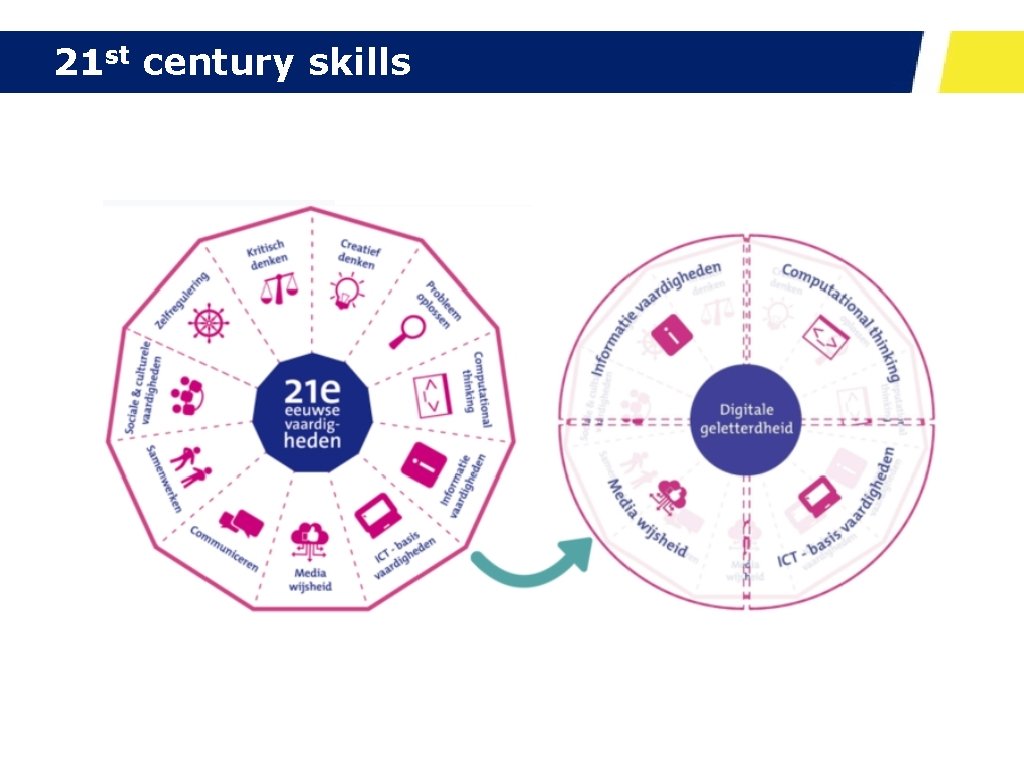
21 st century skills
What? Computational Thinking is about looking at a problem in a way that a computer can help us to solve it Computational Thinking ≠ programming
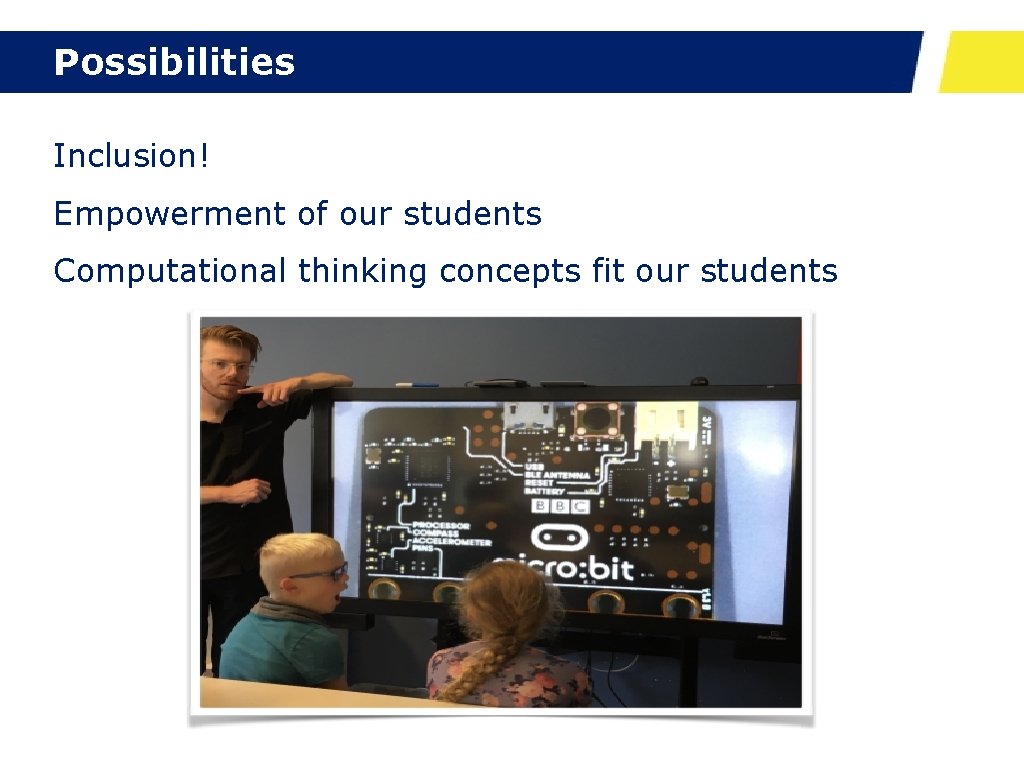
Possibilities Inclusion! Empowerment of our students Computational thinking concepts fit our students
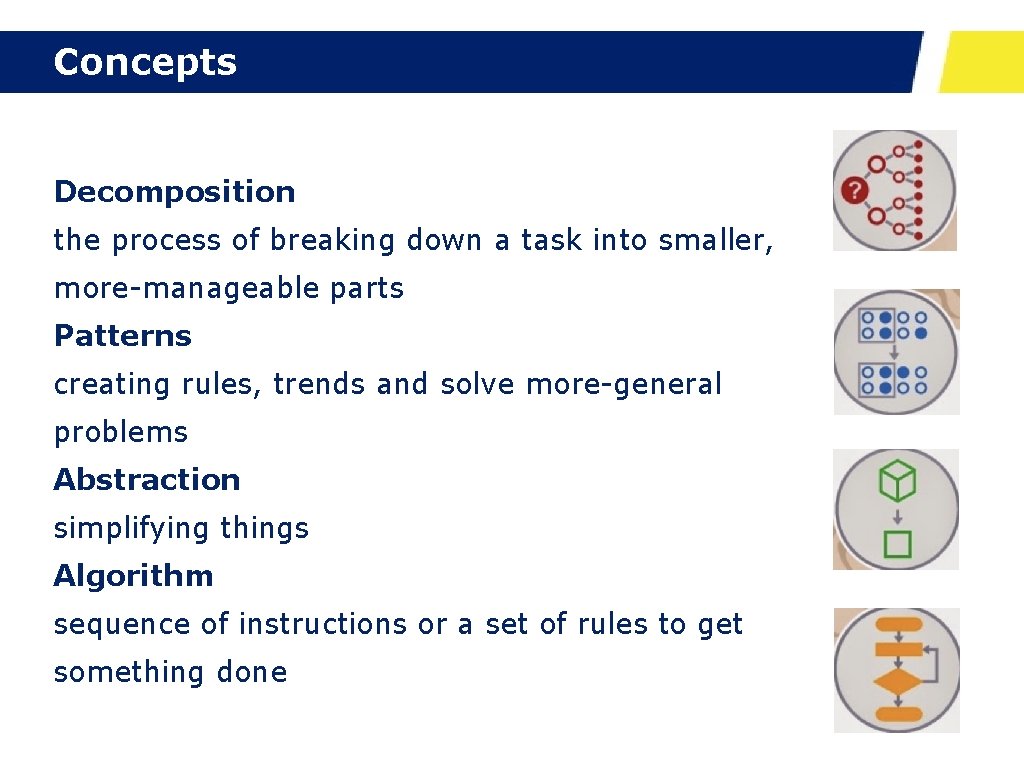
Concepts Decomposition the process of breaking down a task into smaller, more-manageable parts Patterns creating rules, trends and solve more-general problems Abstraction simplifying things Algorithm sequence of instructions or a set of rules to get something done
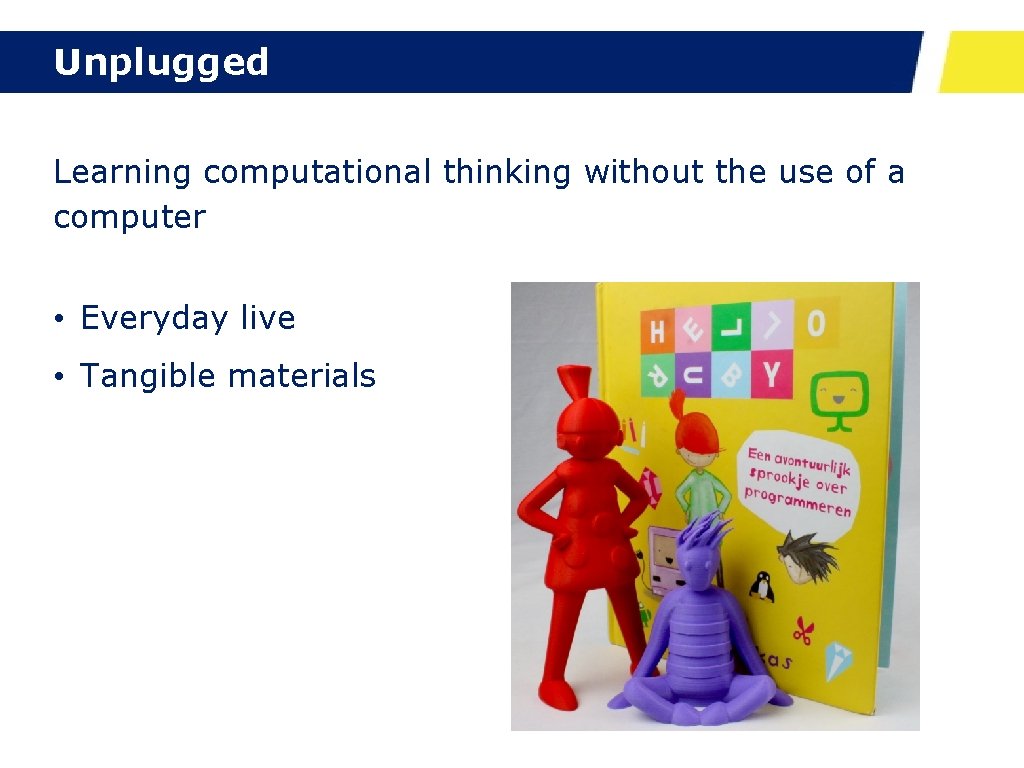
Unplugged Learning computational thinking without the use of a computer • Everyday live • Tangible materials
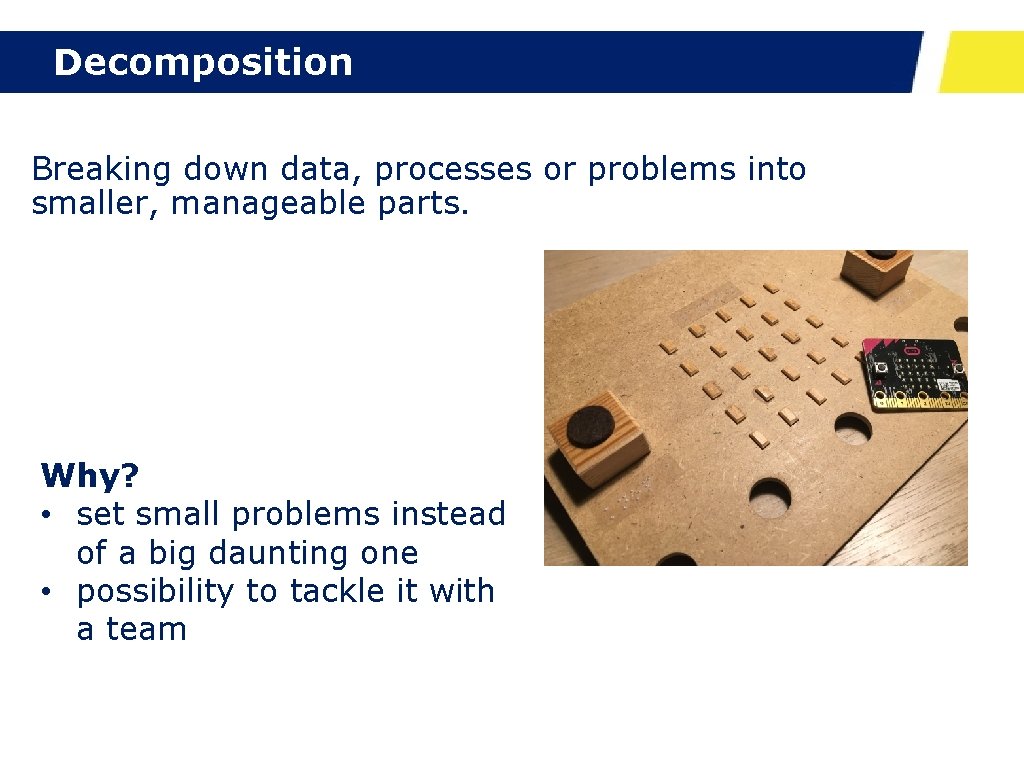
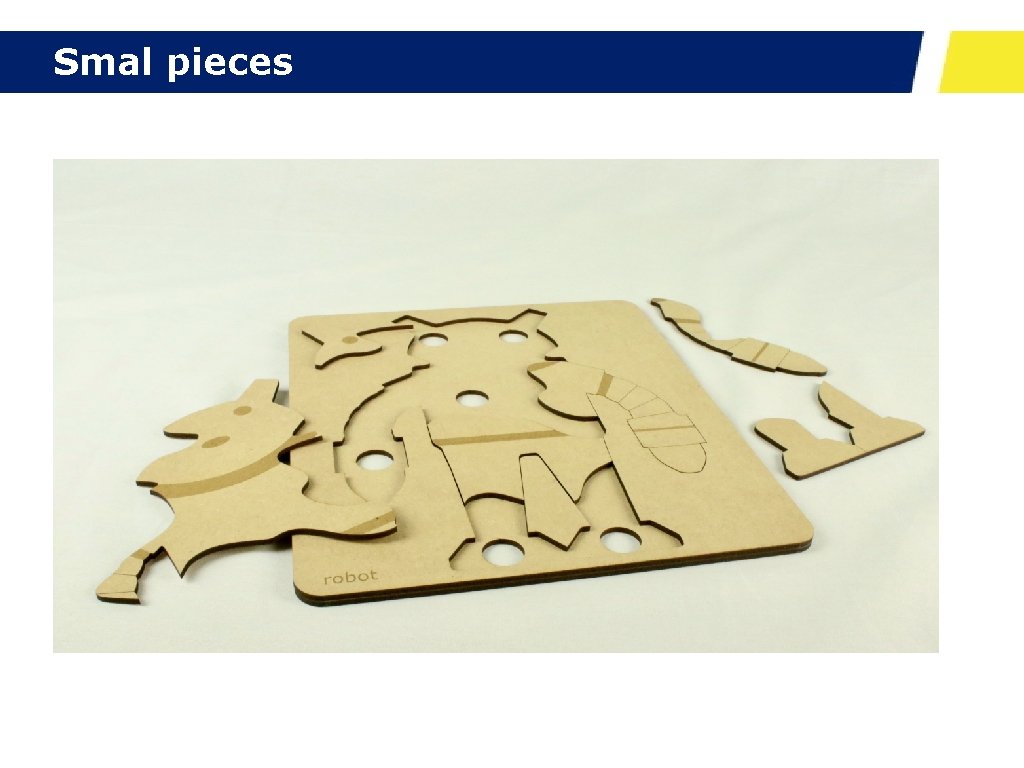
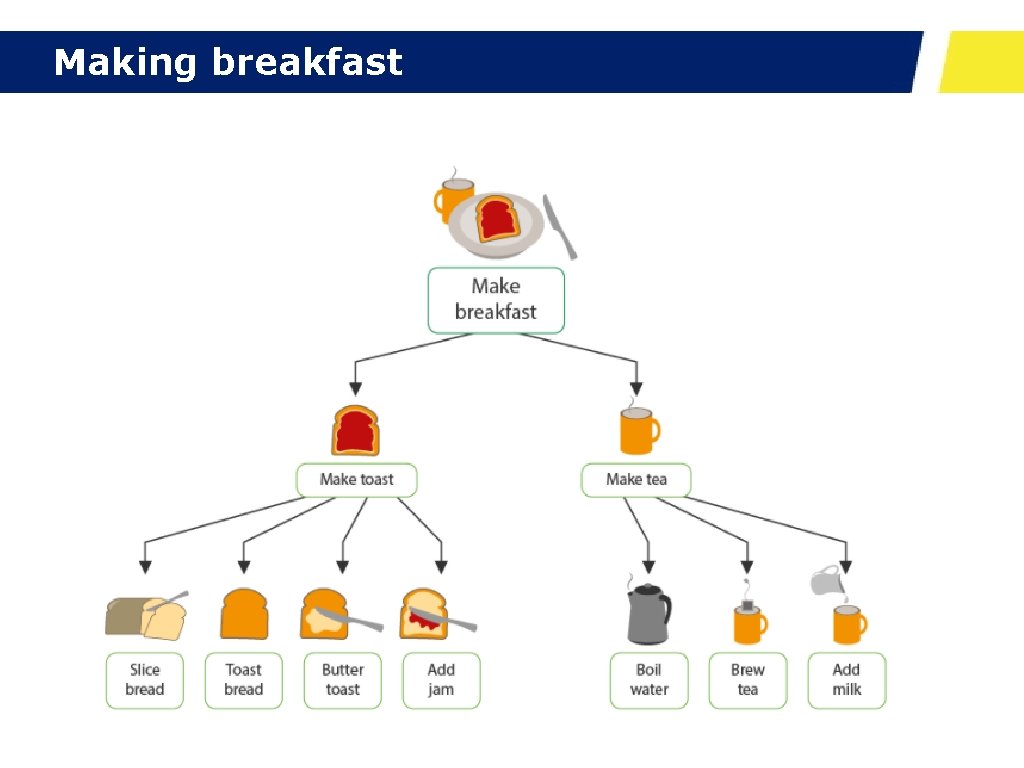
Decomposition Breaking down data, processes or problems into smaller, manageable parts. Why? • set small problems instead of a big daunting one • possibility to tackle it with a team
Smal pieces
Making breakfast
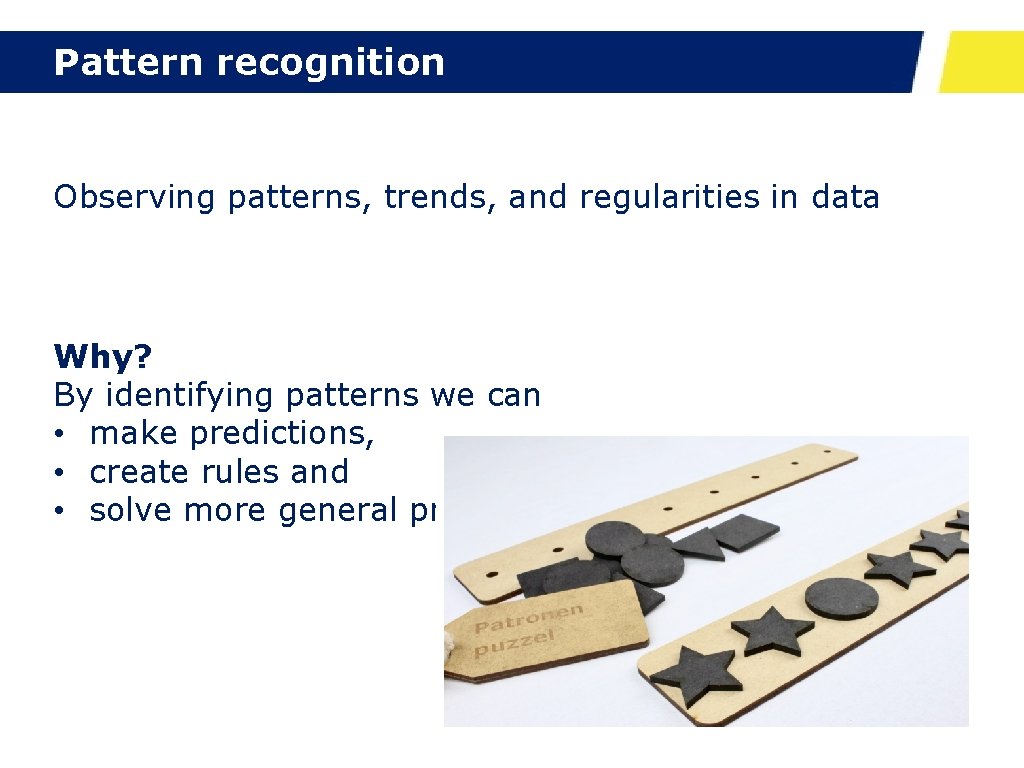
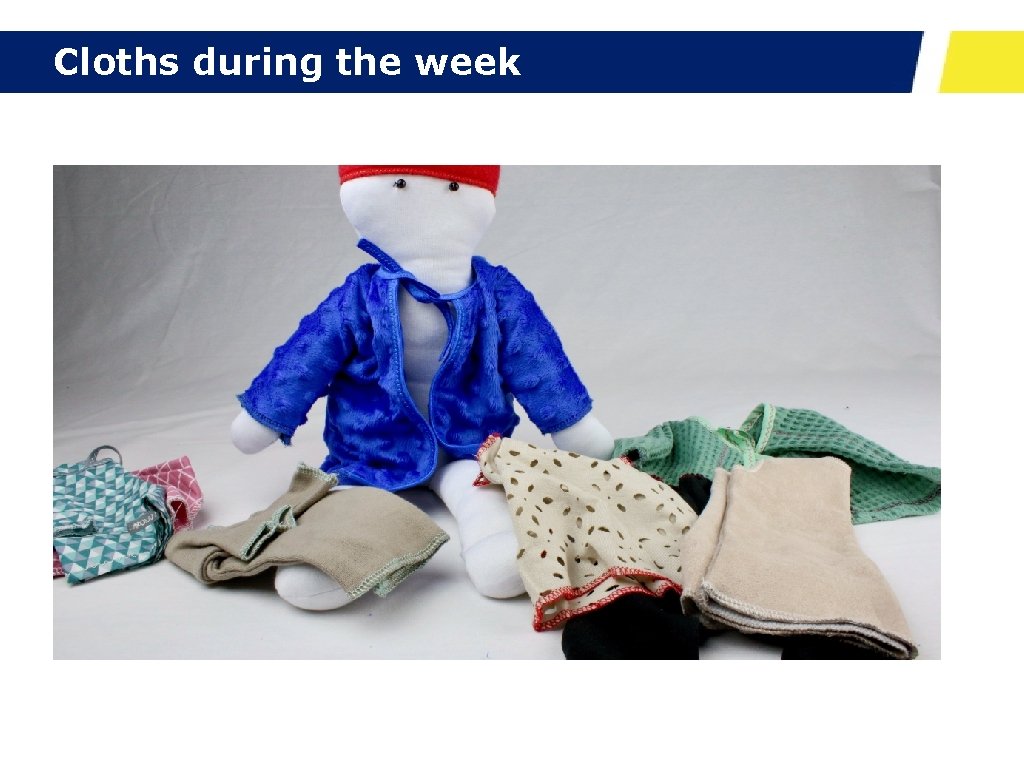
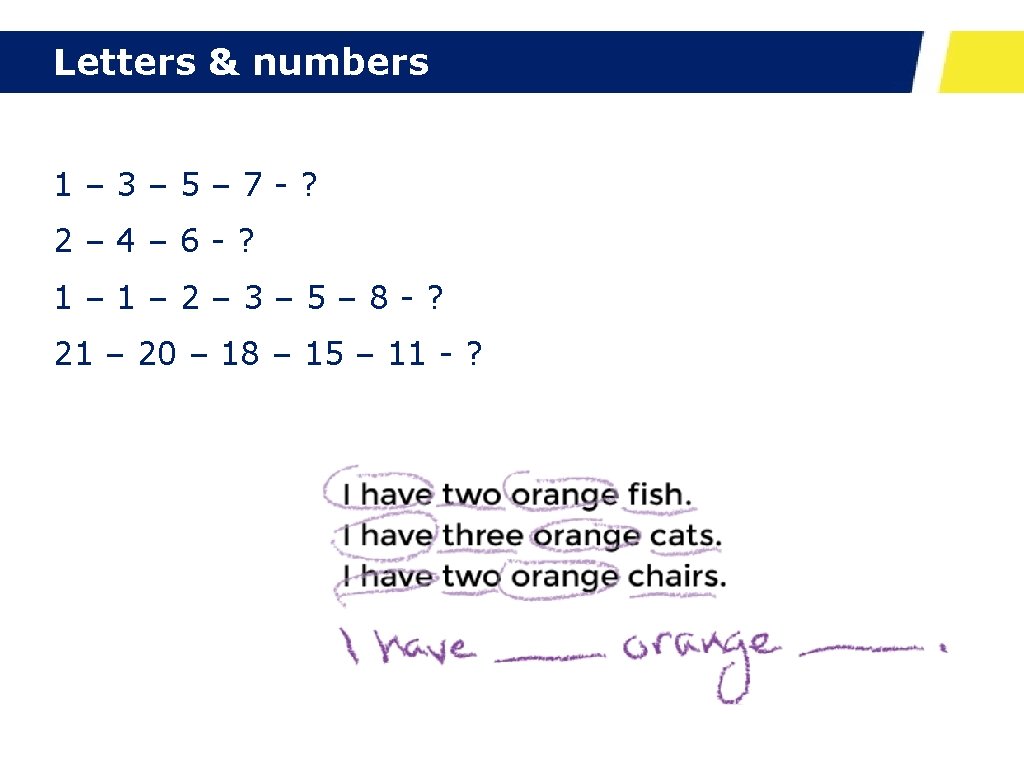
Pattern recognition Observing patterns, trends, and regularities in data Why? By identifying patterns we can • make predictions, • create rules and • solve more general problems.
Cloths during the week
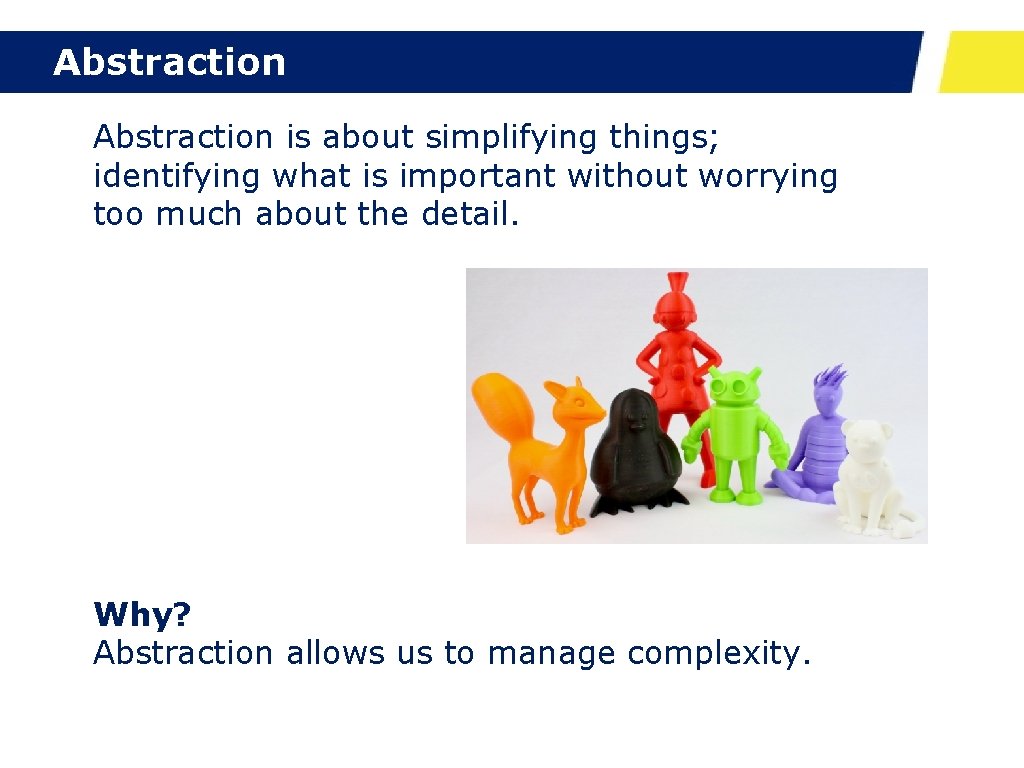
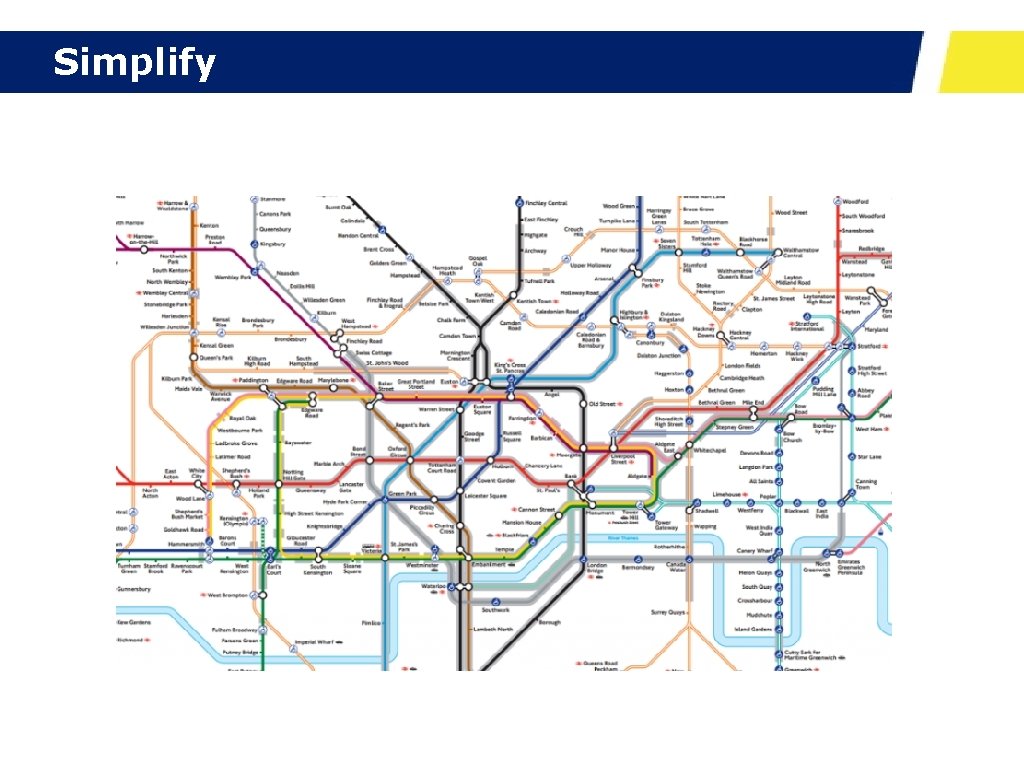
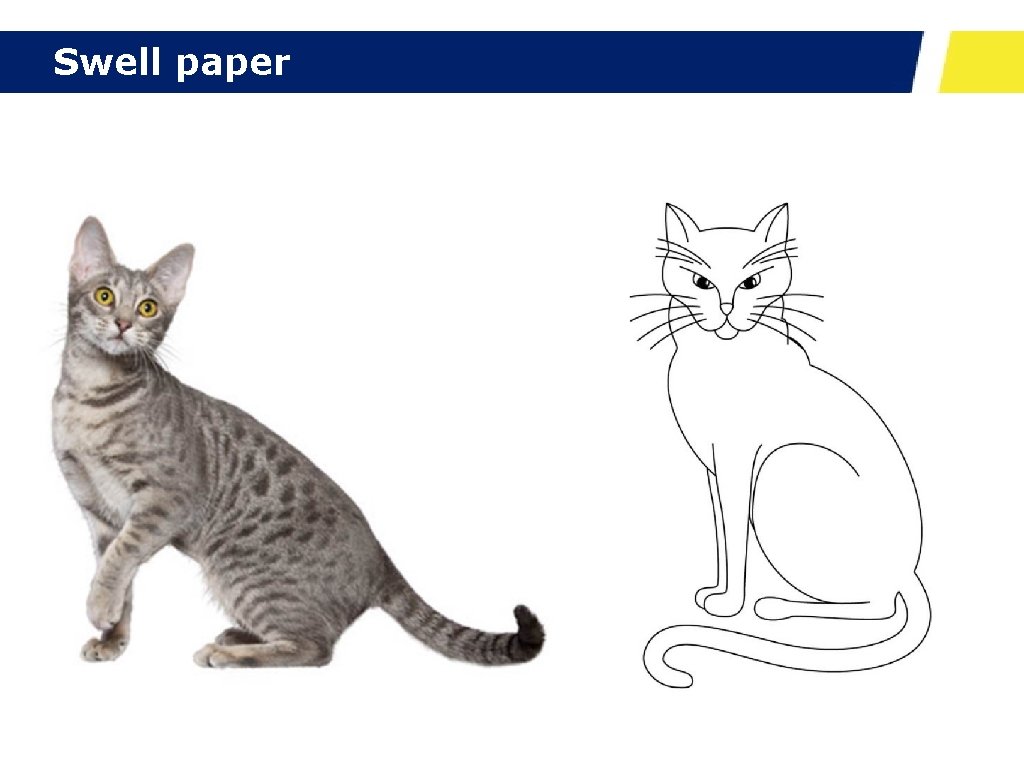
Abstraction is about simplifying things; identifying what is important without worrying too much about the detail. Why? Abstraction allows us to manage complexity.
Simplify
Swell paper
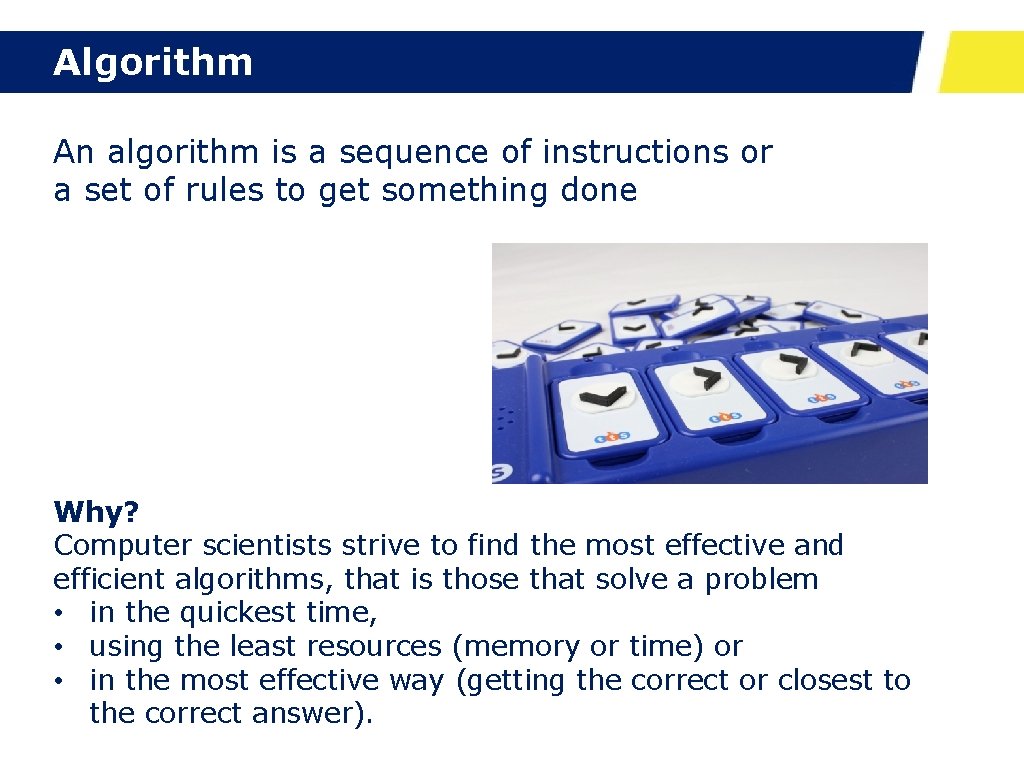
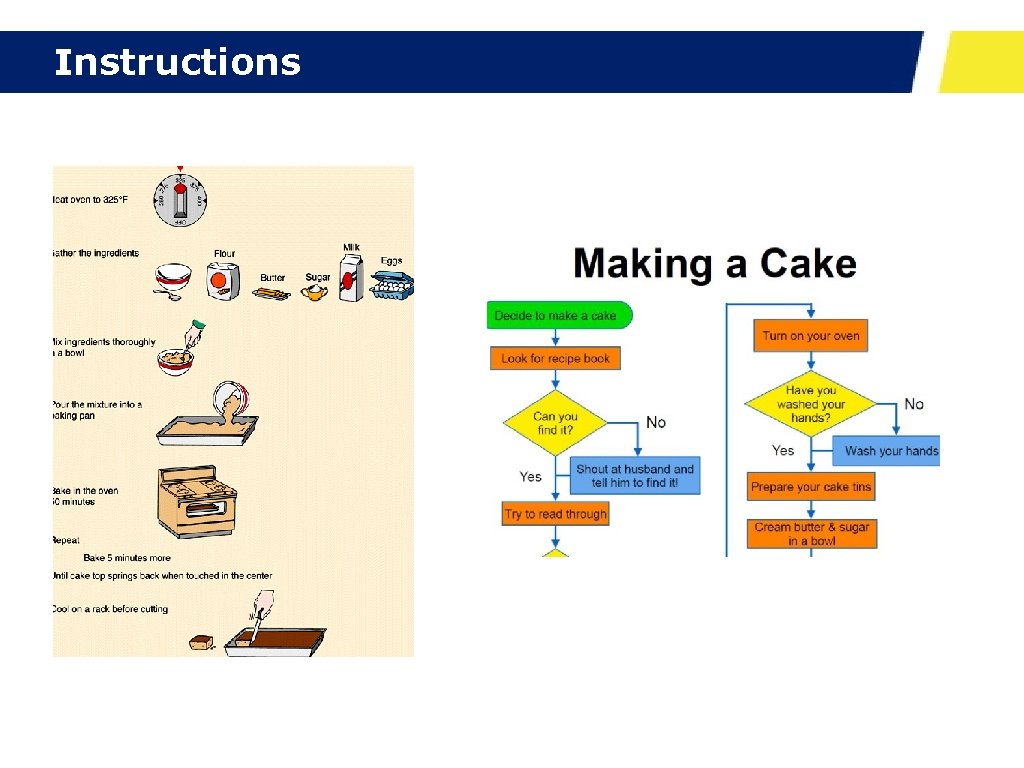
Algorithm An algorithm is a sequence of instructions or a set of rules to get something done Why? Computer scientists strive to find the most effective and efficient algorithms, that is those that solve a problem • in the quickest time, • using the least resources (memory or time) or • in the most effective way (getting the correct or closest to the correct answer).
Instructions
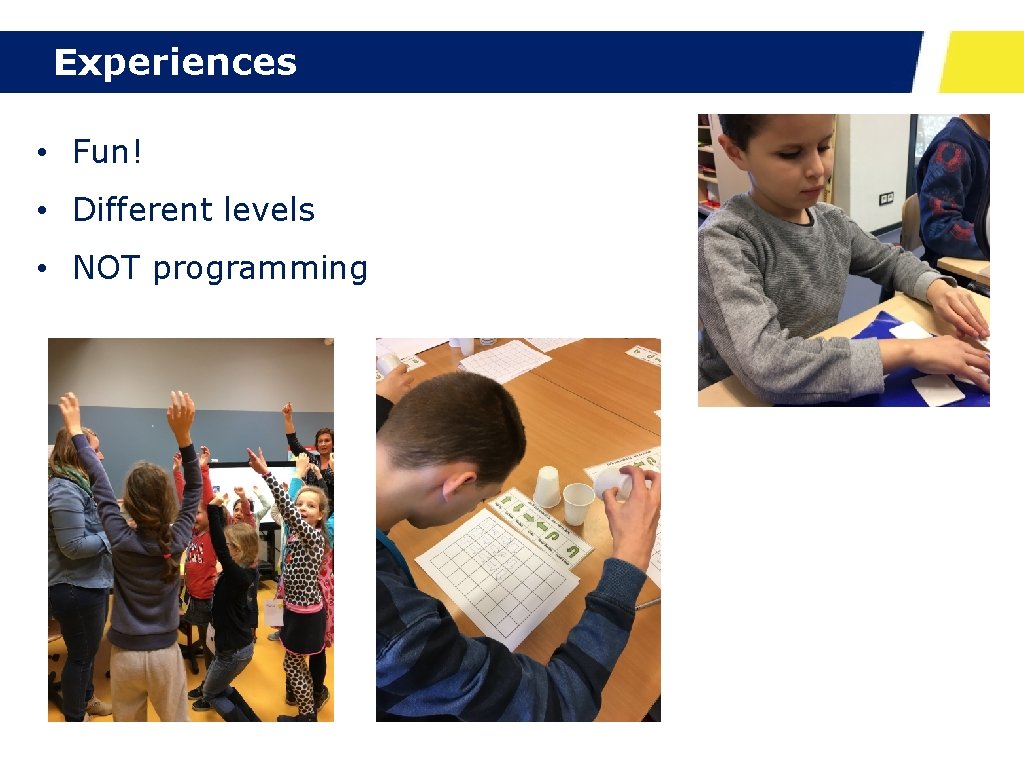
Experiences • Fun! • Different levels • NOT programming
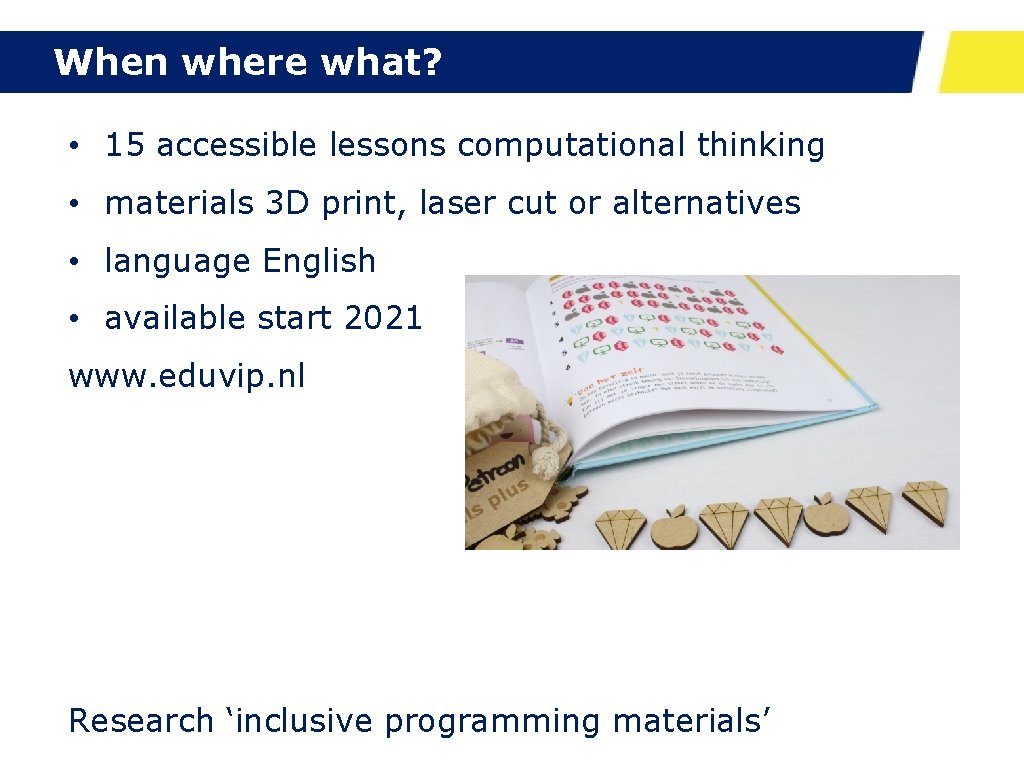
When where what? • 15 accessible lessons computational thinking • materials 3 D print, laser cut or alternatives • language English • available start 2021 www. eduvip. nl Research ‘inclusive programming materials’