
COMPUTATIONAL THINKING IN THE CLASSROOM MARTINE CEBERIO COMPUTER
COMPUTATIONAL THINKING IN THE CLASSROOM MARTINE CEBERIO COMPUTER SCIENCE DEPARTMENT, UTEP DECEMBER 4, 2017, EPISD PDC, EL PASO, TX
COMPUTATIONAL THINKING? Computational thinking is a way of • solving problems, • designing systems, and • understanding human behavior that draws on concepts fundamental to computer science. To flourish in today's world, computational thinking has to be a fundamental part of the way people think and understand the world. [from Carnegie Mellon University]
COMPUTATIONAL THINKING? (CONT’D) • Algorithmically solving problems • Formulating problems such that computers can assist • Analyzing and logically processing data • Generalizing and applying this process to other problems • Abstraction, reusability, versatility

COMPUTATIONAL THINKING? WHY? Being able to solve problems is relevant to many disciplines • Law, medicine, engineering, etc. Problem-based learning (to some extent at least) has proven to be very successful Exposing students to problem-solving and possibly computer science will give them more options for careers
COMPUTATIONAL THINKING? HOW? Obviously, this is central to Computer Science Mathematics: posing problems and using the right tools to solve them But not only… What else? Tell me what you do in your classes
EXAMPLES Computer science: • Problem solving rather than sole focus on coding • CS unplugged • Kodu or similar Mathematics: • Posing problems rather than executing operations, repeating • Show that many ways exist to solve a given problem, so that students have to think and pick • Use simple robots
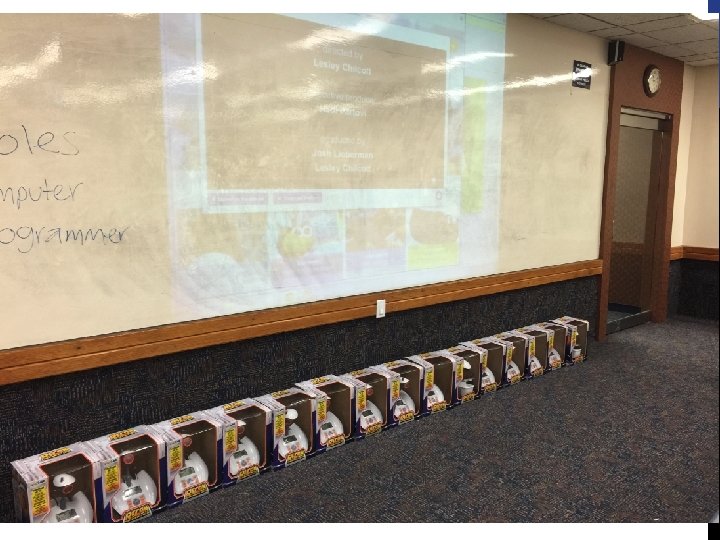
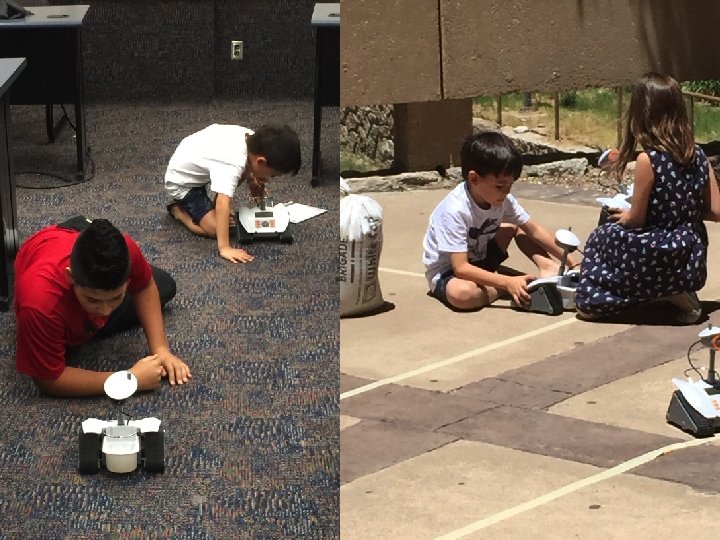
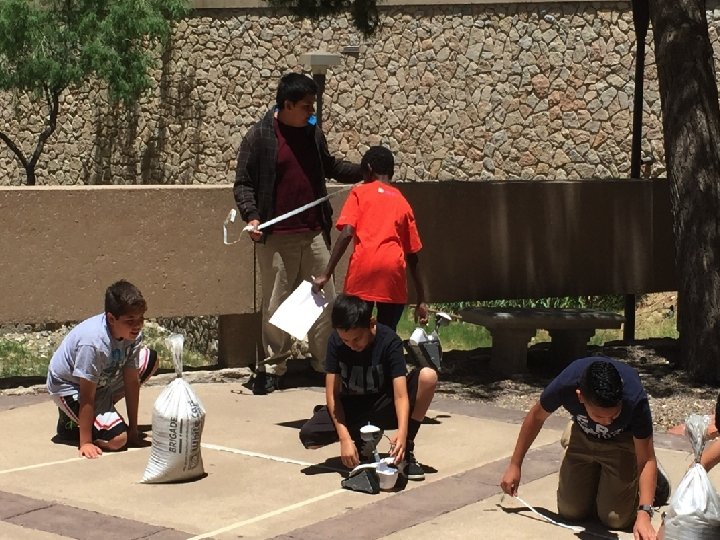

EXAMPLES (CONT’D) Social Studies: • You can use programs like Scratch • More advanced (more time): robots, lego mindstorm? • E. g. , identifying a problem, designing and building a solution Music: • Plug it in an animated video Languages: • Same as with music but with text for practice
MY OWN EXPERIENCE I currently teach CS 1: intro to CS & Problem Solving In CS 1: problem-solving and programming (because we solve pbs on computers ) In Problem-Solving: pure strategy, no coding, no implementation
MAIN GOALS Keeping the interest of the students up: • Motivation: purpose and relating topics to their everyday lives • Acknowledgment: they know a lot already. I am just there to help them make sense of their skills
HOW DO WE DO THIS? • Purpose: Use videos to show them what Computer Science is: code. org is a great resource Give them projects that are relevant • Relevance: Share with them the accomplishments of people in CS (make sure to include diversity: women, other minorities) • Acknowledgment of their prior skills: relate the topics to “reallife” common tasks and activities + be casual (show trust) • E. g. , algorithms: unplugged activities, robots • Recursion, repetitions: CS unplugged • Arrays and Linked-lists: rows of houses vs Treasure Hunt, Monkeys in a barrel • Etc.
EXAMPLES Let’s do it together: 1. Robot activity 2. Recursion 3. Looking for an element in an array (logic & storage) 4. Linked-lists manipulations And you can come up with many more! Computer Science rests on computational thinking (algorithms, problem-solving). You can teach mostly without computers!
EASY (OTHER) WAYS TO GET INVOLVED… Partner with Code. org, Exploring CS, CS Principles, Google Engage. CSEdu The Hour of Code: First week of December After-school programs • E. g. , with Little Bits: http: //littlebits. cc/education Code. org NCWIT Ai. C, NCWIT Aspire. IT
WHAT WE CAN DO Visit your classes Give tours and workshops to your students Give workshops to you to show you in more details what you can do in your classes Build an interest group of teachers
THANK YOU! Questions? Martine Ceberio Associate Professor of Computer Science The University of Texas at El Paso mceberio@utep. edu http: //martineceberio. fr
- Slides: 18