
COMPSCI 747 Cognitive Load Theory Cognitive Load Theory

- Slides: 14
COMPSCI 747 Cognitive Load Theory
Cognitive Load Theory • John Sweller • CAFÉ Toolkit • http: //cafe. cognitiveload. net/ • Dr Raina Mason
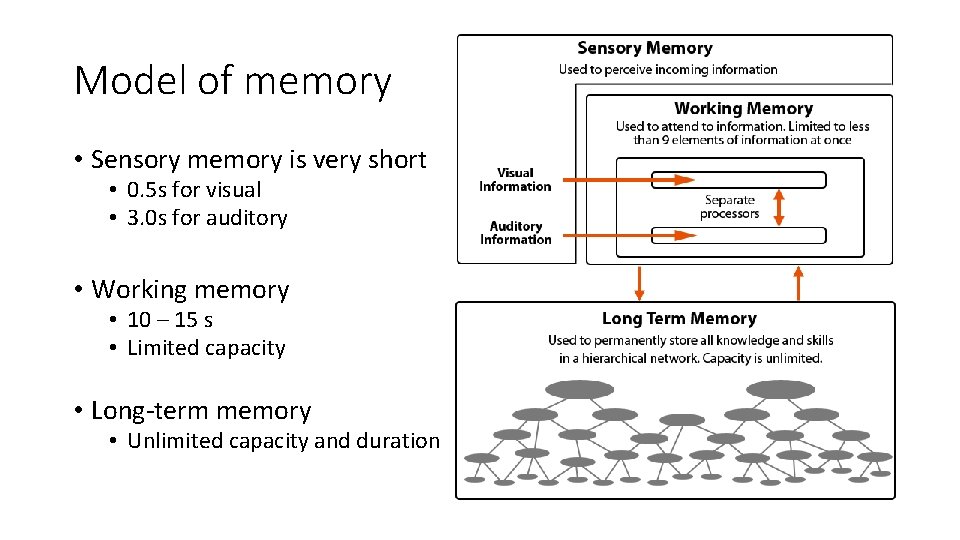
Model of memory • Sensory memory is very short • 0. 5 s for visual • 3. 0 s for auditory • Working memory • 10 – 15 s • Limited capacity • Long-term memory • Unlimited capacity and duration
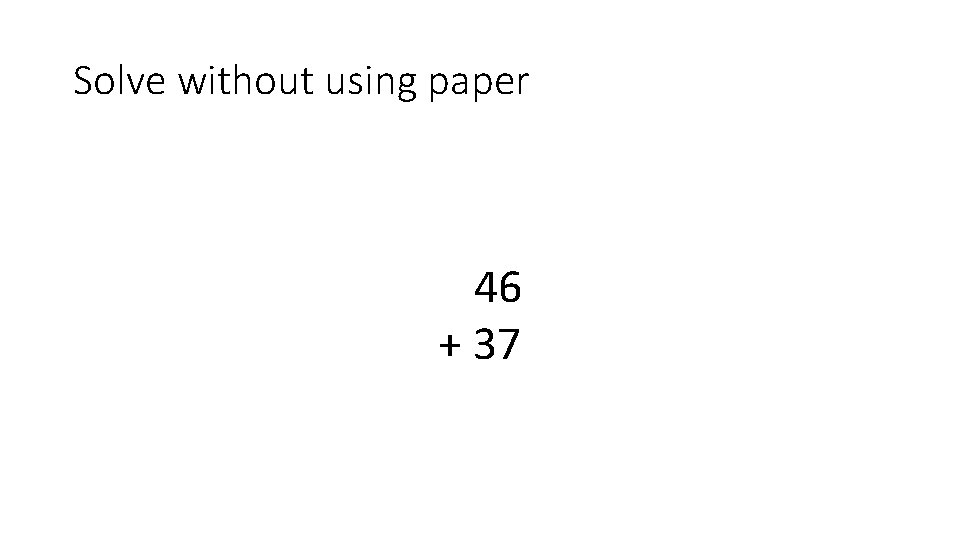
Solve without using paper 46 + 37
Solve without using paper 83 468 446 + 93 849 937
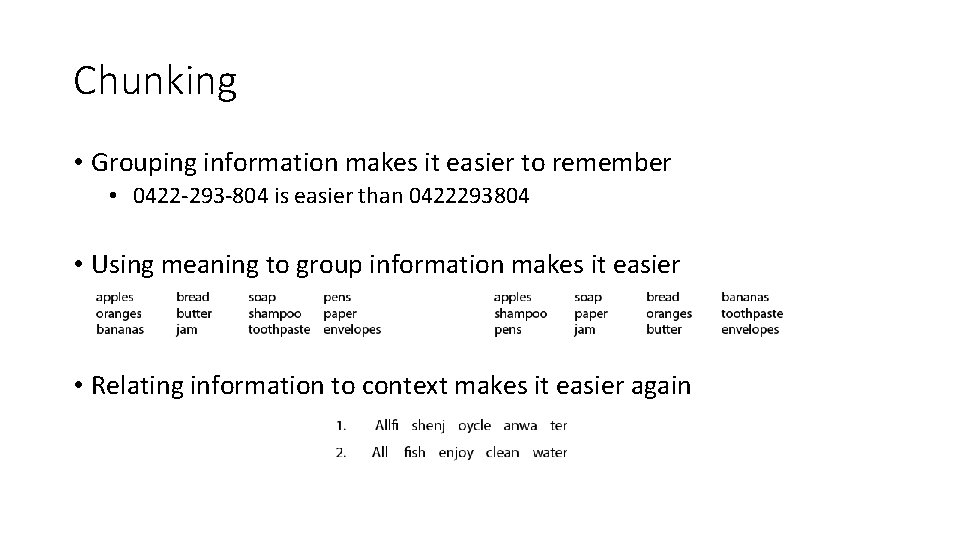
Chunking • Grouping information makes it easier to remember • 0422 -293 -804 is easier than 0422293804 • Using meaning to group information makes it easier • Relating information to context makes it easier again
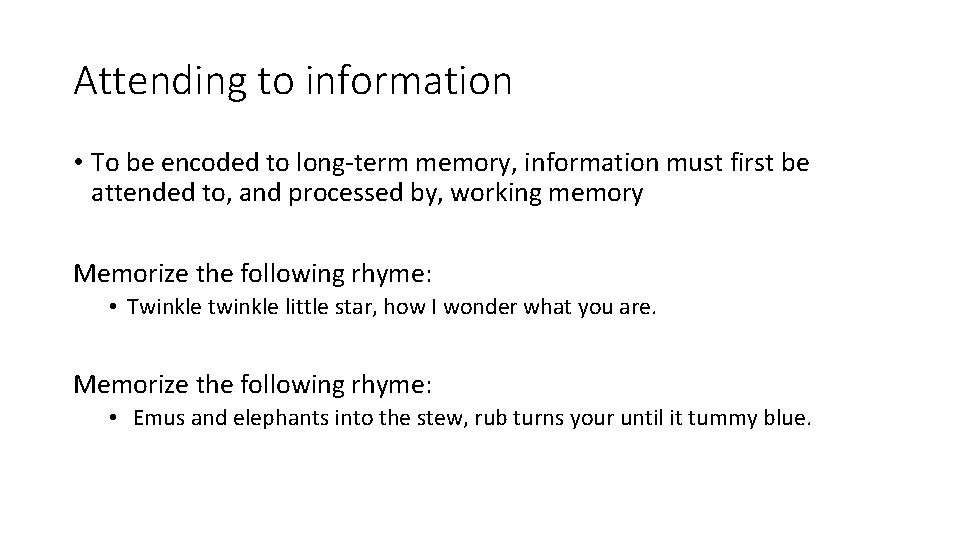
Attending to information • To be encoded to long-term memory, information must first be attended to, and processed by, working memory Memorize the following rhyme: • Twinkle twinkle little star, how I wonder what you are. Memorize the following rhyme: • Emus and elephants into the stew, rub turns your until it tummy blue.
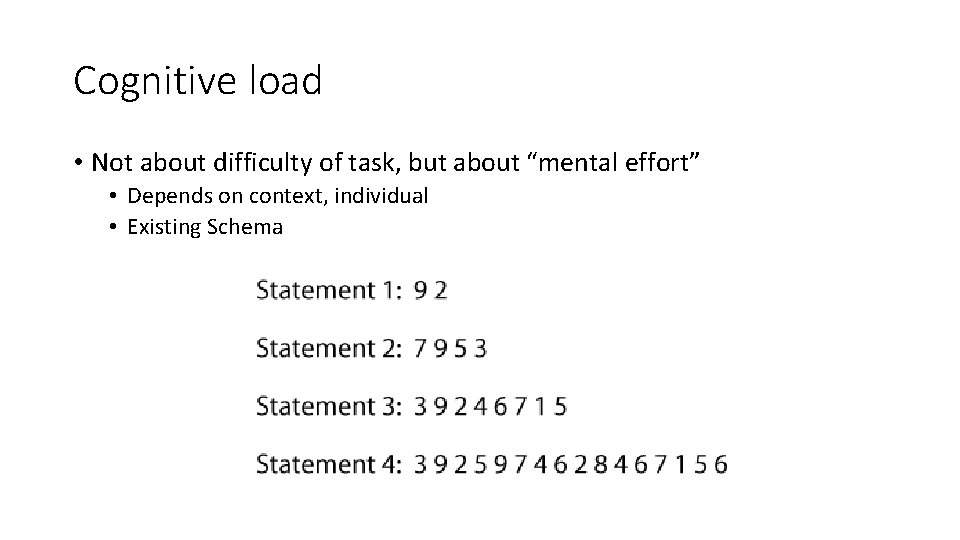
Cognitive load • Not about difficulty of task, but about “mental effort” • Depends on context, individual • Existing Schema
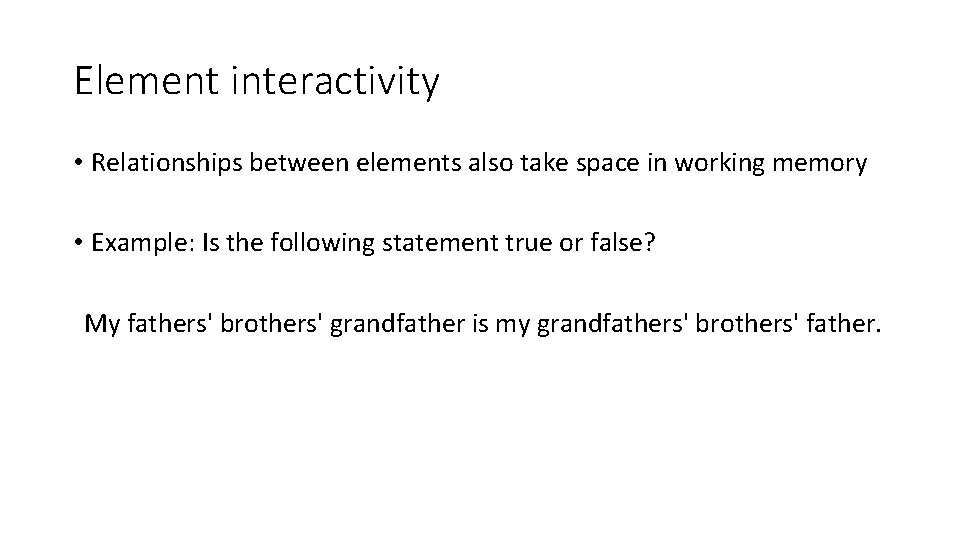
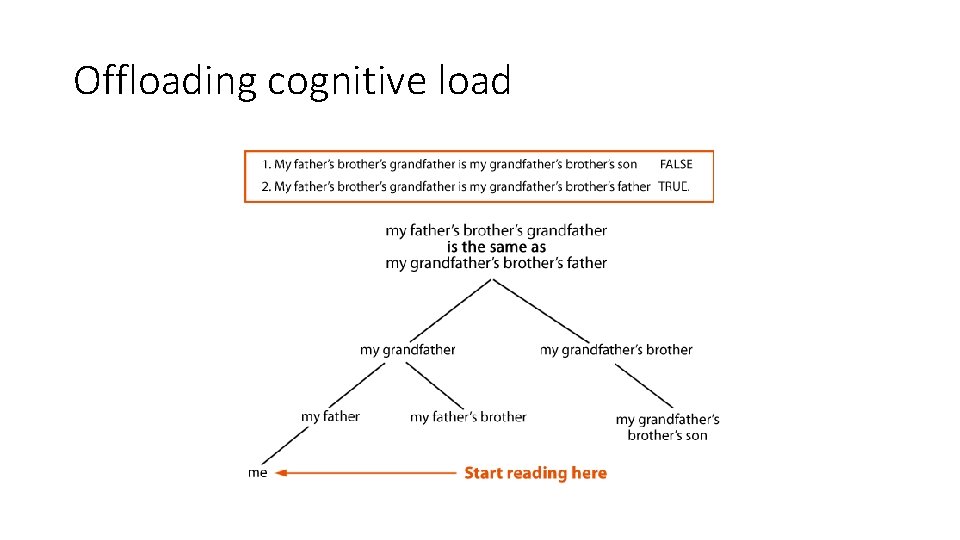
Element interactivity • Relationships between elements also take space in working memory • Example: Is the following statement true or false? My fathers' brothers' grandfather is my grandfathers' brothers' father.
Offloading cognitive load
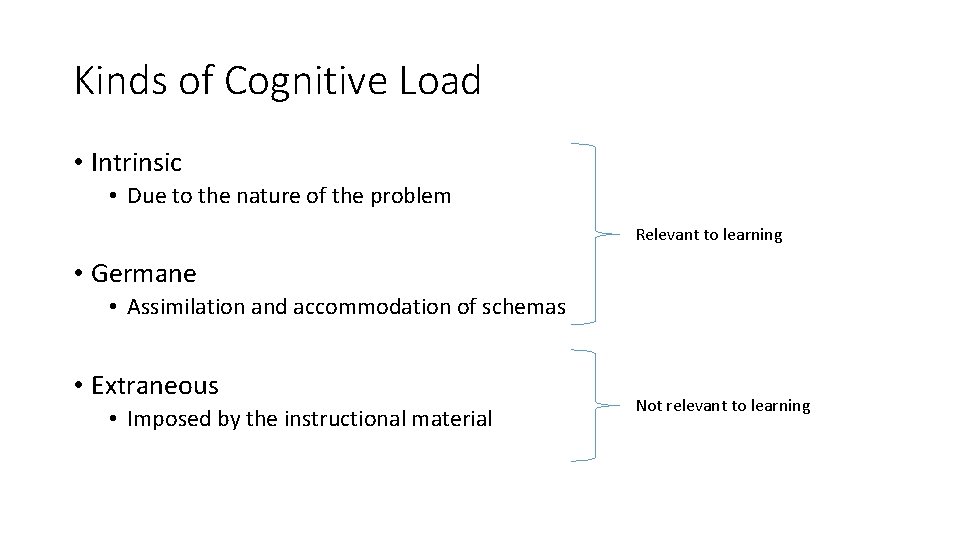
Kinds of Cognitive Load • Intrinsic • Due to the nature of the problem Relevant to learning • Germane • Assimilation and accommodation of schemas • Extraneous • Imposed by the instructional material Not relevant to learning
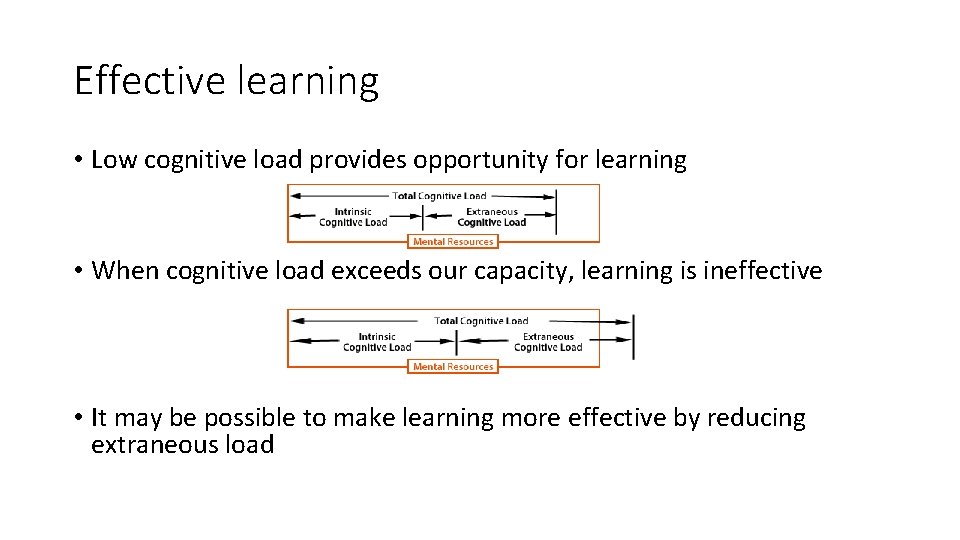
Effective learning • Low cognitive load provides opportunity for learning • When cognitive load exceeds our capacity, learning is ineffective • It may be possible to make learning more effective by reducing extraneous load
Principles 1. Working memory is extremely limited. 2. Long term memory is essentially unlimited. 3. The process of learning requires working memory to be actively engaged in the comprehension of to-be-learnt content and the encoding of such content into long term memory as schemas. 4. If the resources of working memory are exceeded during processing then learning will be ineffective.
Implications for instructional design • Organise information based upon advance organisers to promote a suitable hierarchy to schemas. • Activate existing schemas. • Reduce extraneous cognitive load whenever practical. • Utilise mixed visual and audio instructional designs to expand working memory whenever practical. • Promote germane activities which increase intrinsic cognitive load whenever practical. • Ensure working memory is not exceeded by total cognitive load. • Cater for different levels of learner expertise.