
COMPOSITE MATERIALS What are composite materials Two or
- Slides: 16
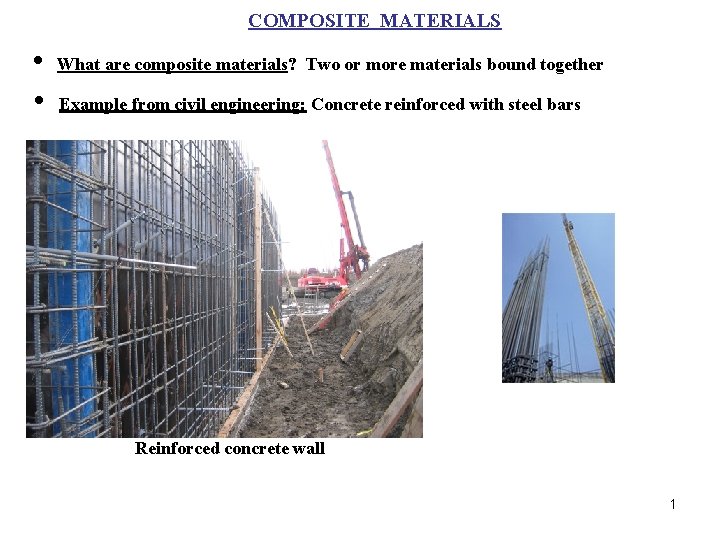
COMPOSITE MATERIALS • • What are composite materials? Two or more materials bound together Example from civil engineering: Concrete reinforced with steel bars Reinforced concrete wall 1
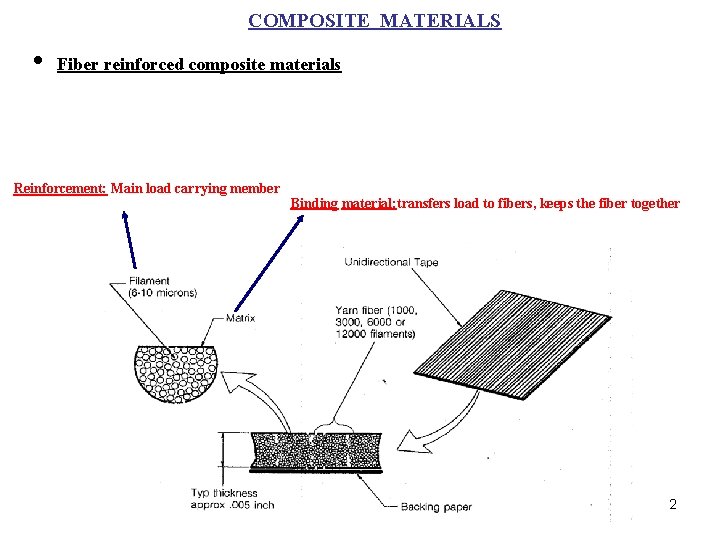
COMPOSITE MATERIALS • Fiber reinforced composite materials Reinforcement: Main load carrying member Binding material: transfers load to fibers, keeps the fiber together 2
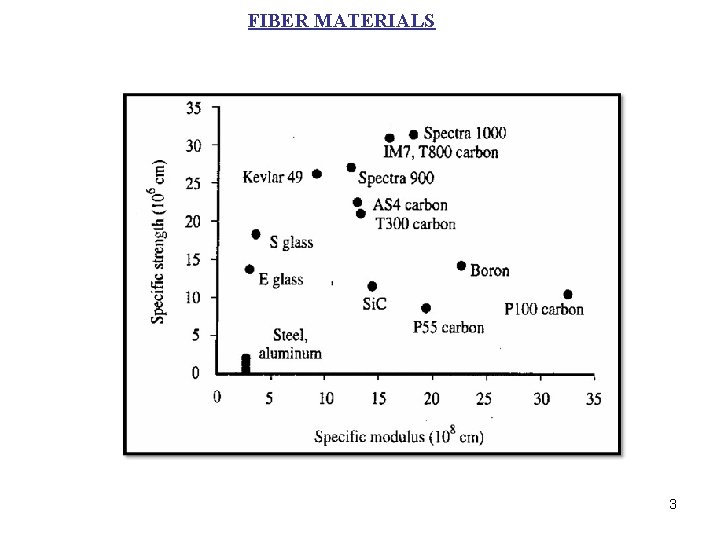
FIBER MATERIALS 3
• A Fiber (reinforcement) may be defined as an elongated stringy man-made material. • A polymer (matrix) is a large molecule consisting of repeating units connected by covalent chemical bonds. • Once the polymer is combined with the fibers, the polymerization process must take place in order to obtain a solid structural composite material. • Another critical issue is the fiber-matrix bonding. When the composite material is loaded, both fibers and matrix must be strongly bonded so that they work as a solid rigid. 4
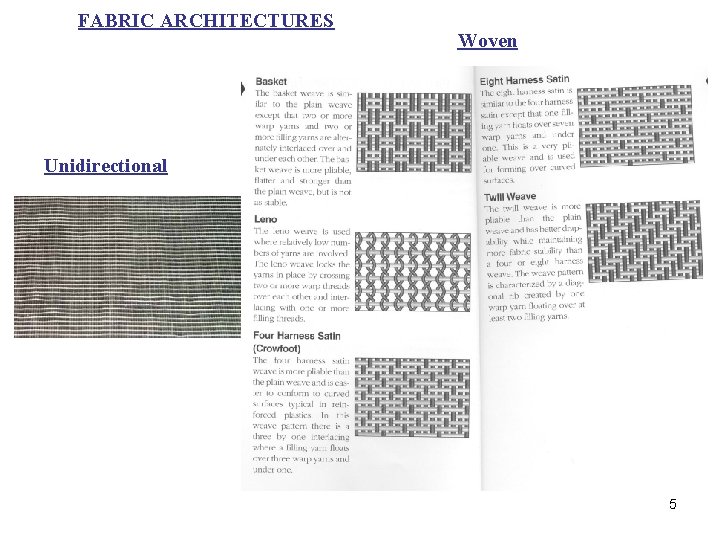
FABRIC ARCHITECTURES Woven Unidirectional 5
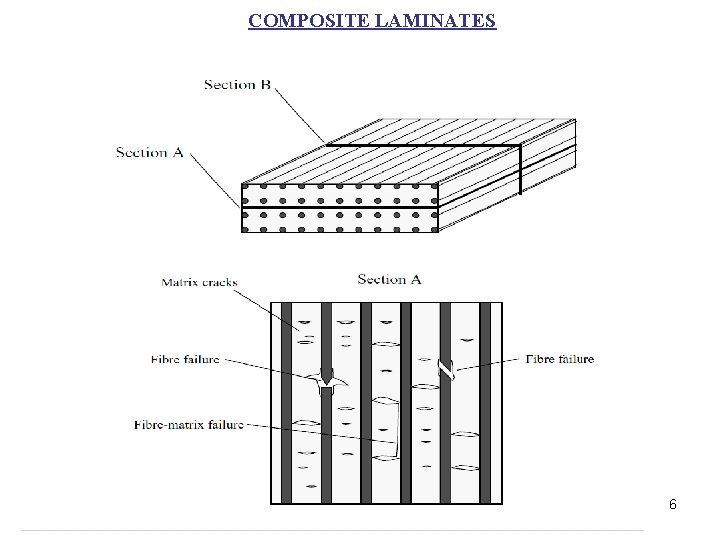
COMPOSITE LAMINATES 6
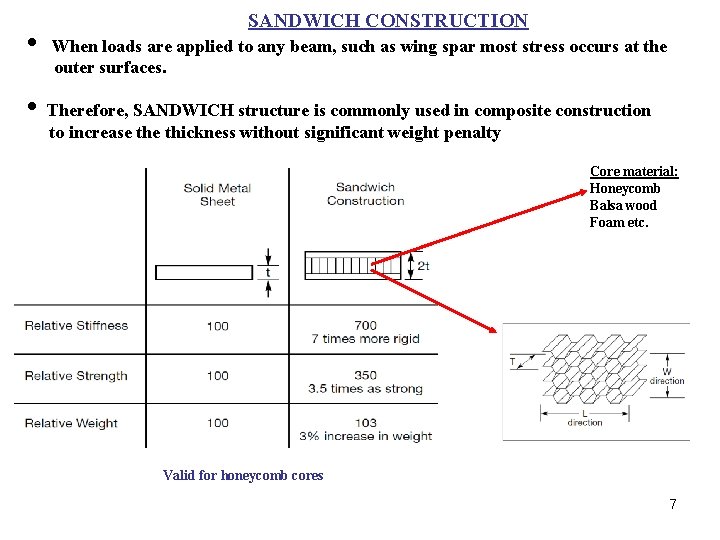
• SANDWICH CONSTRUCTION When loads are applied to any beam, such as wing spar most stress occurs at the outer surfaces. • Therefore, SANDWICH structure is commonly used in composite construction to increase thickness without significant weight penalty Core material: Honeycomb Balsa wood Foam etc. Valid for honeycomb cores 7
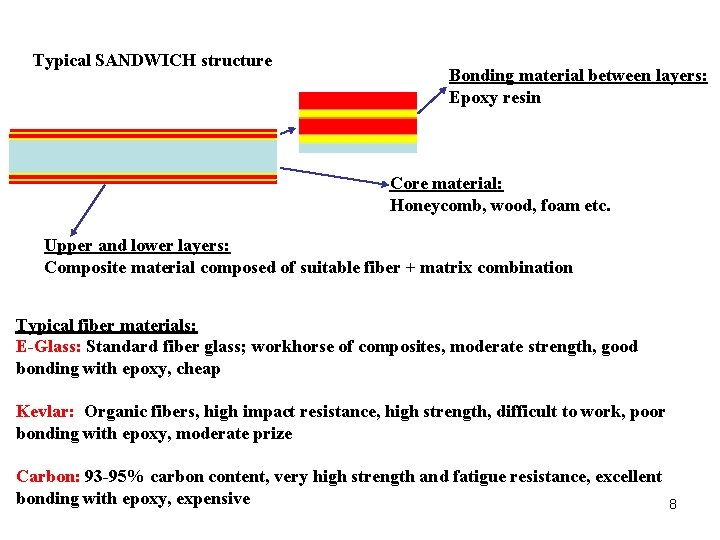
Typical SANDWICH structure Bonding material between layers: Epoxy resin Core material: Honeycomb, wood, foam etc. Upper and lower layers: Composite material composed of suitable fiber + matrix combination Typical fiber materials: E-Glass: Standard fiber glass; workhorse of composites, moderate strength, good bonding with epoxy, cheap Kevlar: Organic fibers, high impact resistance, high strength, difficult to work, poor bonding with epoxy, moderate prize Carbon: 93 -95% carbon content, very high strength and fatigue resistance, excellent bonding with epoxy, expensive 8
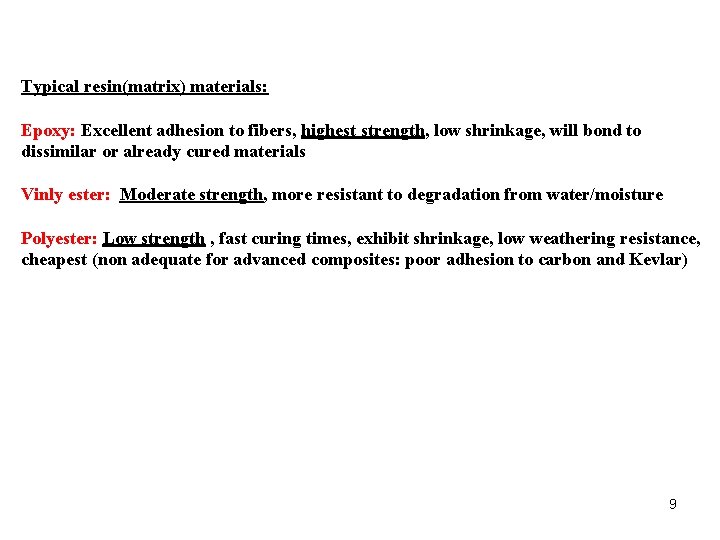
Typical resin(matrix) materials: Epoxy: Excellent adhesion to fibers, highest strength, low shrinkage, will bond to dissimilar or already cured materials Vinly ester: Moderate strength, more resistant to degradation from water/moisture Polyester: Low strength , fast curing times, exhibit shrinkage, low weathering resistance, cheapest (non adequate for advanced composites: poor adhesion to carbon and Kevlar) 9
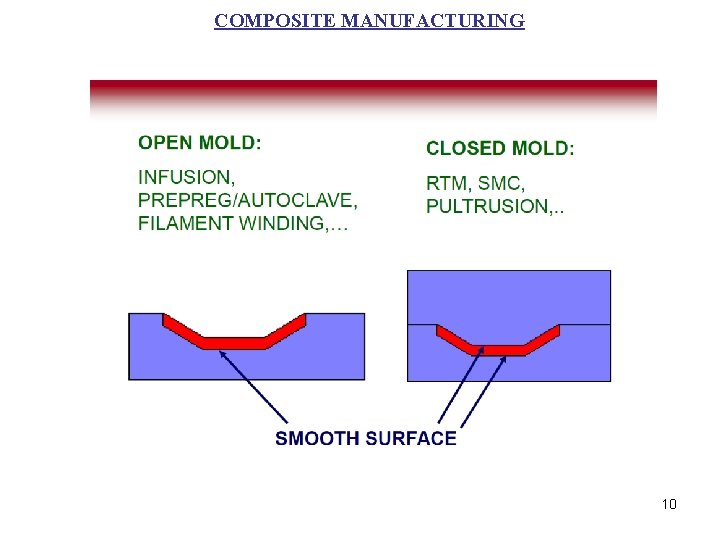
COMPOSITE MANUFACTURING 10
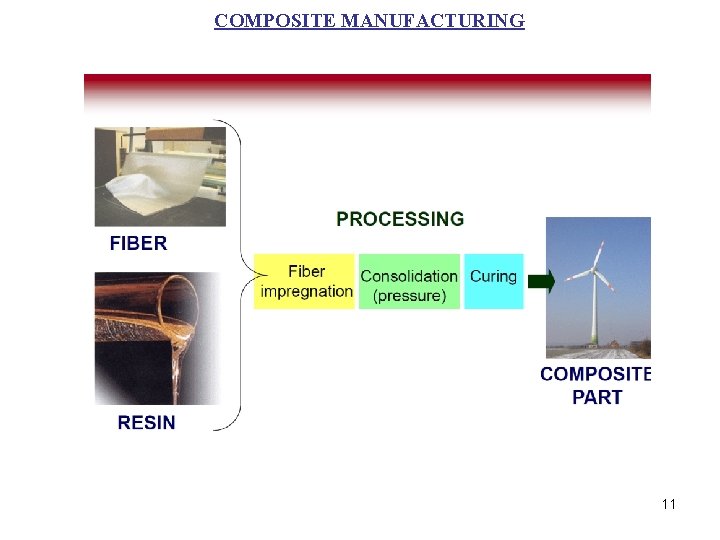
COMPOSITE MANUFACTURING 11
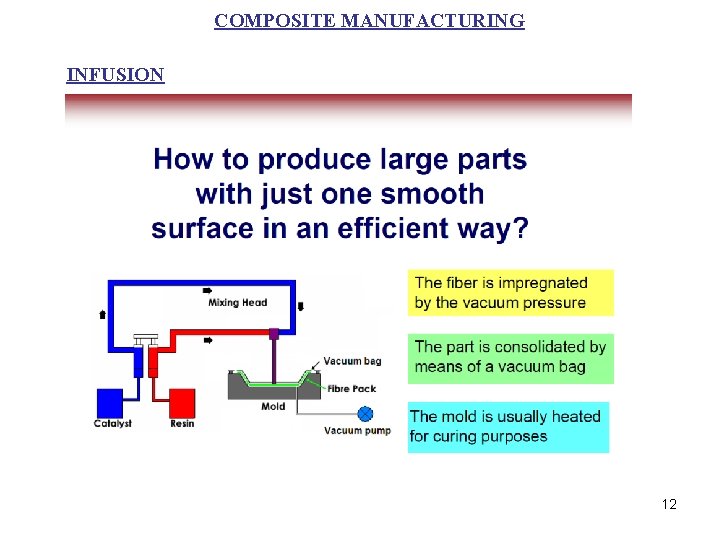
COMPOSITE MANUFACTURING INFUSION 12
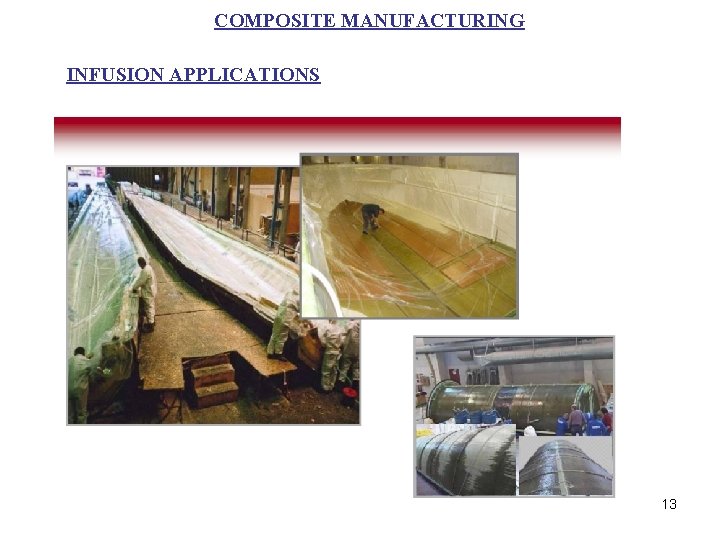
COMPOSITE MANUFACTURING INFUSION APPLICATIONS 13
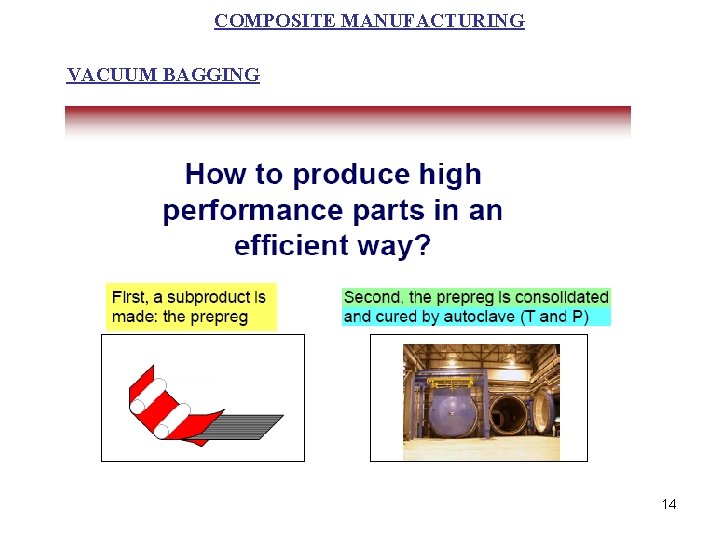
COMPOSITE MANUFACTURING VACUUM BAGGING 14
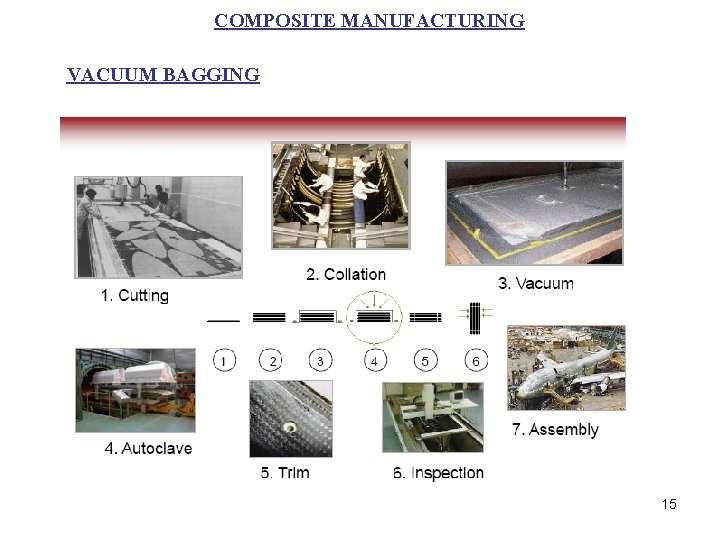
COMPOSITE MANUFACTURING VACUUM BAGGING 15
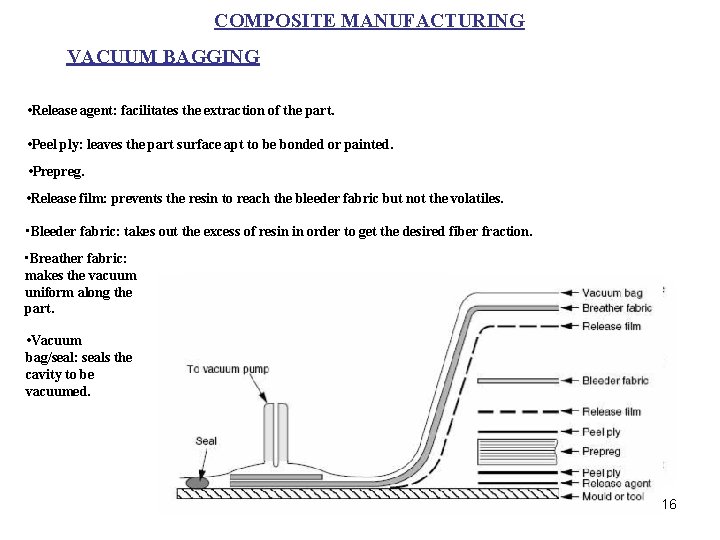
COMPOSITE MANUFACTURING VACUUM BAGGING • Release agent: facilitates the extraction of the part. • Peel ply: leaves the part surface apt to be bonded or painted. • Prepreg. • Release film: prevents the resin to reach the bleeder fabric but not the volatiles. • Bleeder fabric: takes out the excess of resin in order to get the desired fiber fraction. • Breather fabric: makes the vacuum uniform along the part. • Vacuum bag/seal: seals the cavity to be vacuumed. 16