
Components of Effective Writing Ideas Organization Voice Word

- Slides: 18
Components of Effective Writing Ideas ! Organization ! Voice ! Word Choice Sentence Fluency and Variety ! Conventions ! Presentation ! !
VOICE is… the soul, life, and breath of writing that is unique to every author.
Voice… l l l Voice is the personality of the writer that comes through in written work. Voice demonstrates an author’s individuality, enthusiasm, knowledge base, and confidence. Voice reveals something about the author. It has the power to hold a reader’s attention. We purposefully change the voice to fit the audience and purpose.
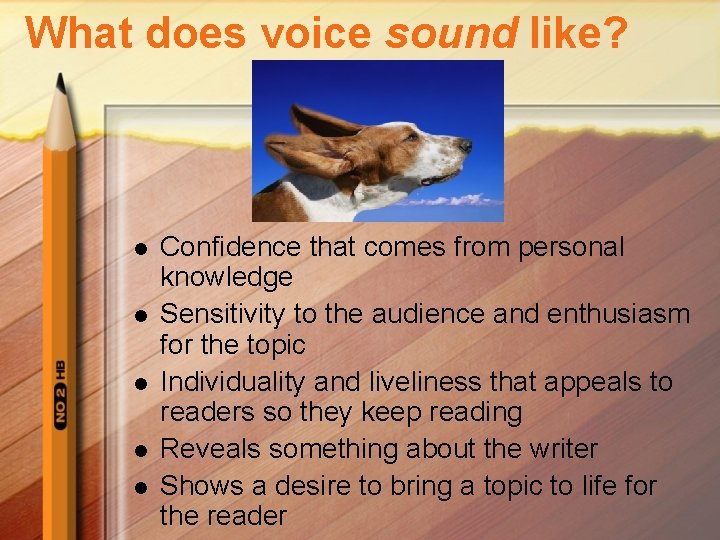
What does voice sound like? l l l Confidence that comes from personal knowledge Sensitivity to the audience and enthusiasm for the topic Individuality and liveliness that appeals to readers so they keep reading Reveals something about the writer Shows a desire to bring a topic to life for the reader
Whose Voice Is It?
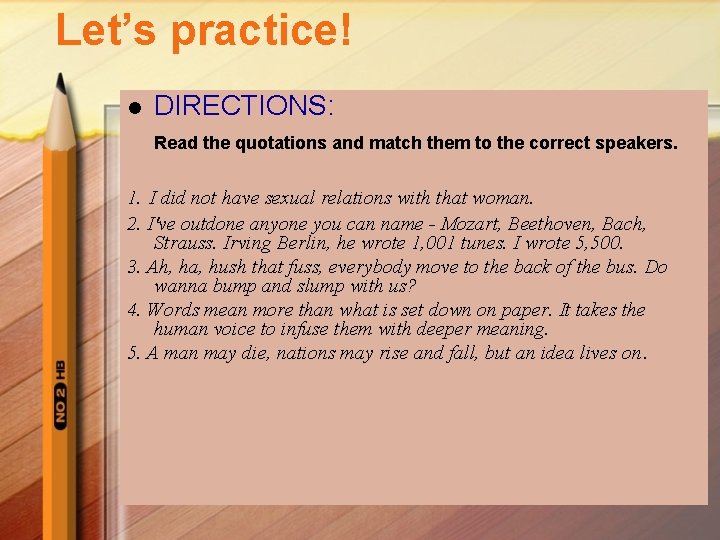
Let’s practice! l DIRECTIONS: Read the quotations and match them to the correct speakers. 1. I did not have sexual relations with that woman. 2. I've outdone anyone you can name - Mozart, Beethoven, Bach, Strauss. Irving Berlin, he wrote 1, 001 tunes. I wrote 5, 500. 3. Ah, ha, hush that fuss, everybody move to the back of the bus. Do wanna bump and slump with us? 4. Words mean more than what is set down on paper. It takes the human voice to infuse them with deeper meaning. 5. A man may die, nations may rise and fall, but an idea lives on.
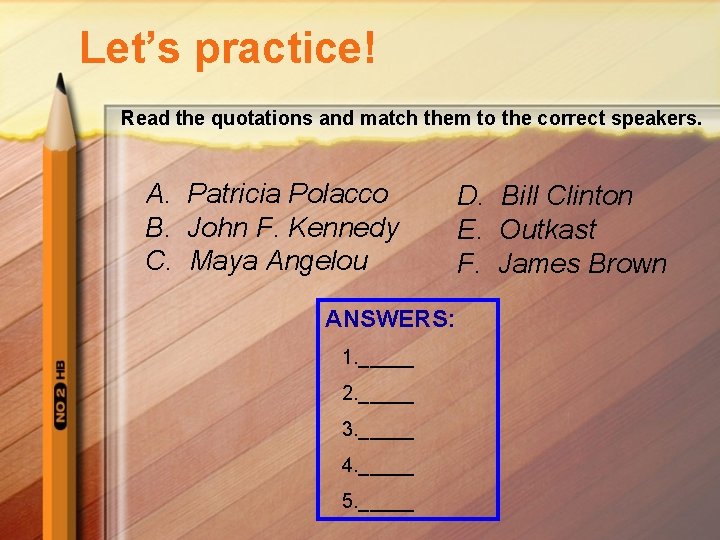
Let’s practice! Read the quotations and match them to the correct speakers. A. Patricia Polacco B. John F. Kennedy C. Maya Angelou ANSWERS: 1. _____ 2. _____ 3. _____ 4. _____ 5. _____ D. Bill Clinton E. Outkast F. James Brown
Examples from Literature
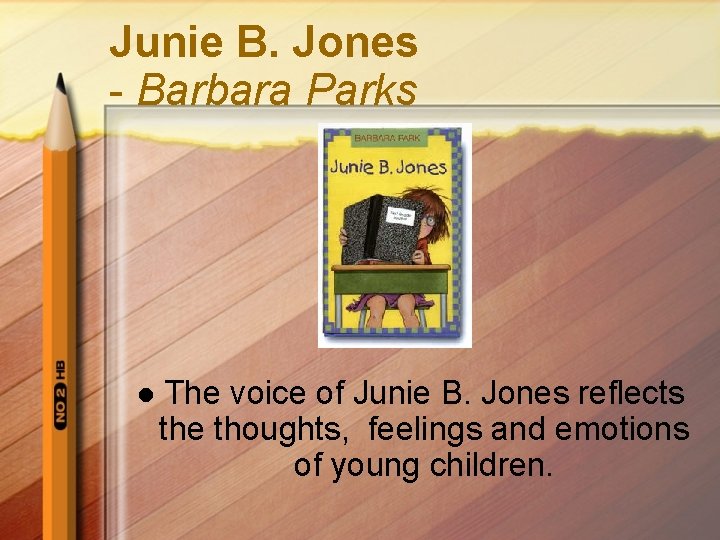
Junie B. Jones - Barbara Parks l The voice of Junie B. Jones reflects the thoughts, feelings and emotions of young children.
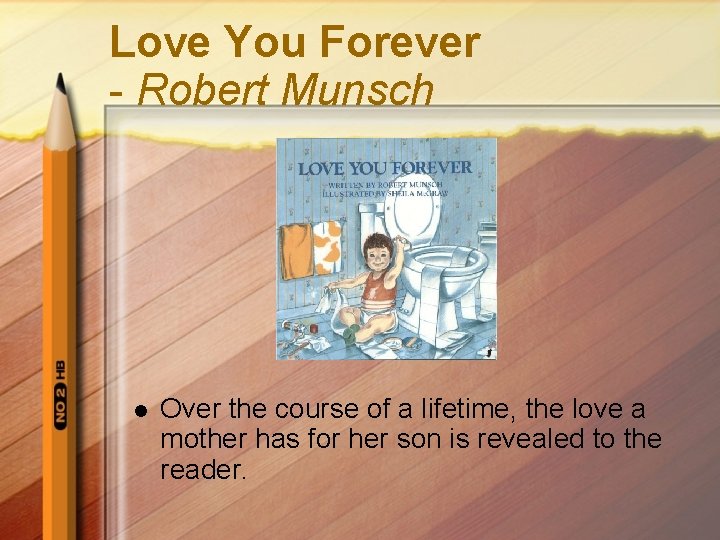
Love You Forever - Robert Munsch l Over the course of a lifetime, the love a mother has for her son is revealed to the reader.
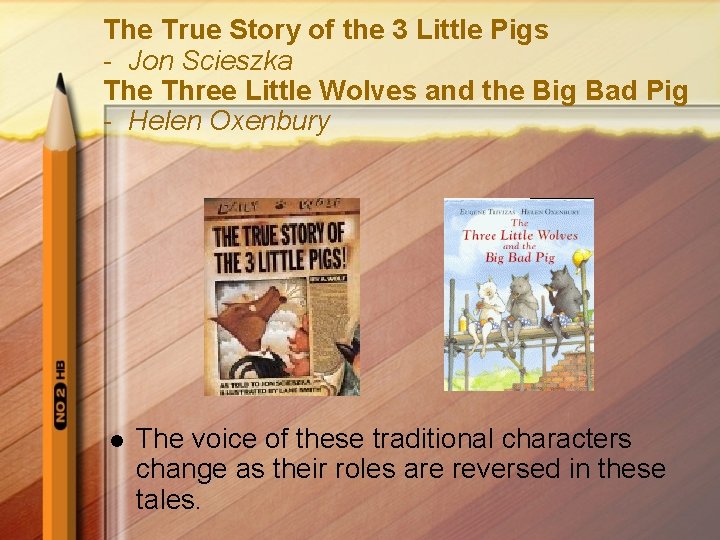
The True Story of the 3 Little Pigs - Jon Scieszka The Three Little Wolves and the Big Bad Pig - Helen Oxenbury l The voice of these traditional characters change as their roles are reversed in these tales.
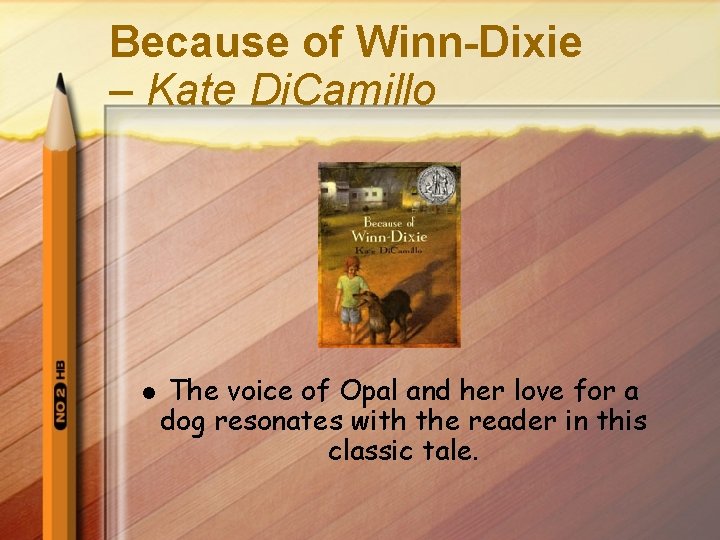
Because of Winn-Dixie – Kate Di. Camillo l The voice of Opal and her love for a dog resonates with the reader in this classic tale.
Voice is all around. . . l Advertising Lyrics Memos Editorials Letters Visual Art Greeting Cards Cartoons l Fonts l Text Messages Emails l l l l
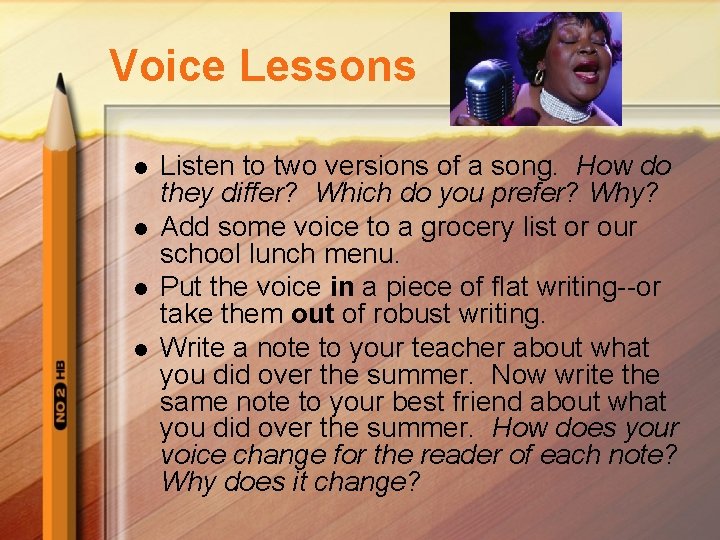
Voice Lessons l l Listen to two versions of a song. How do they differ? Which do you prefer? Why? Add some voice to a grocery list or our school lunch menu. Put the voice in a piece of flat writing--or take them out of robust writing. Write a note to your teacher about what you did over the summer. Now write the same note to your best friend about what you did over the summer. How does your voice change for the reader of each note? Why does it change?
To Summarize. . .
Voice. . . l l l Reveals something about the author to the reader; there’s a person behind the piece The author’s personality is imprinted throughout the writing Establishes a connection between the reader and author If the writing is expository, the writer has conveyed a sense of knowledge and experience Evokes an emotional response from the reader such as laughter, tears, commitment, or empathy