
Complications of Pregnancy Module B NUR 106 Spring
Complications of Pregnancy Module B NUR 106 Spring, 2005
Assessment of Fetal Well-being Detect physical abnormalities Monitor fetal condition Fetal movement Complex diagnostic testing Risks and benefits
Amniocentesis Aspiration of amniotic fluid Determine genetic disorders Sex of fetus Fetal lung maturity Risks Nursing management
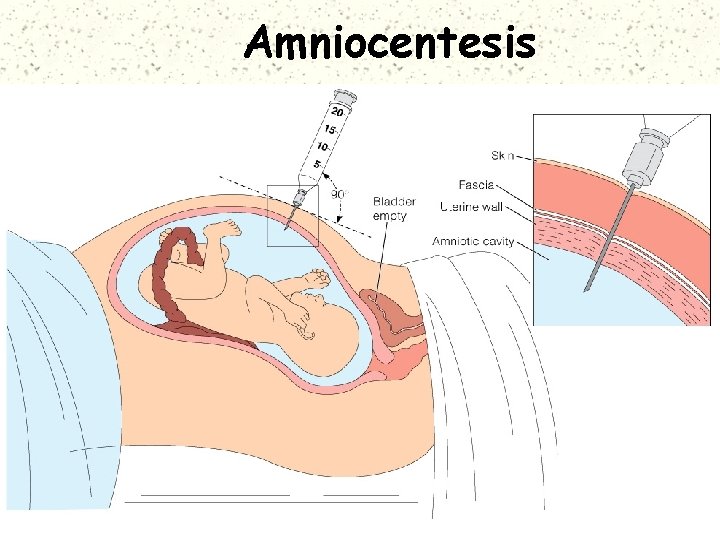
Amniocentesis
Chorionic Villus Sampling Aspiration of small sample of chorionic villus tissue 8 to 12 weeks gestation Detects genetic abnormalities Risks and benefits Nursing management
Hormone Levels Estriol Human chorionic gonadotropin Maternal serum—alpha fetoprotein
Alfa-Fetoprotein Screening MSAFP AFAFP Time sensitive Low MSAFP levels associated with Down syndrome High MSAFP levels associated with neural tube defects
Triple Marker Screening Alpha-fetoprotein Human chorionic gonadotropin Unconjugated estriol
High Risk Assessment Daily fetal movement count Nonstress test Biophysical profile Contraction stress test
Daily Fetal Movement Count Begin at 27 th week Consider Fetal sleep-wake cycles Maternal food intake Drug-nicotine use Environmental stimuli Maternal position Procedure
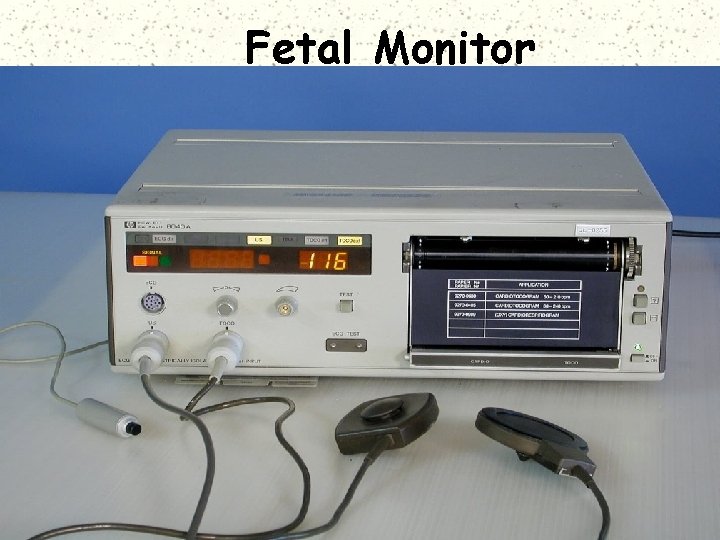
Fetal Monitor
Fetal Monitoring Normal fetal heart rate Baseline
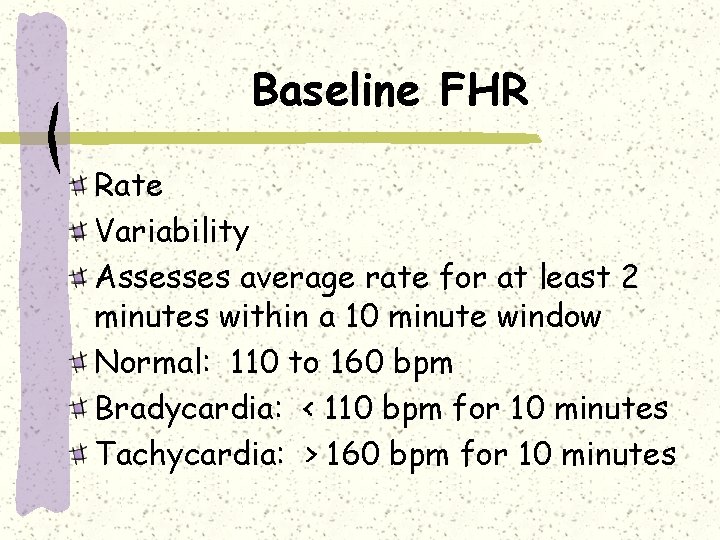
Baseline FHR Rate Variability Assesses average rate for at least 2 minutes within a 10 minute window Normal: 110 to 160 bpm Bradycardia: < 110 bpm for 10 minutes Tachycardia: > 160 bpm for 10 minutes
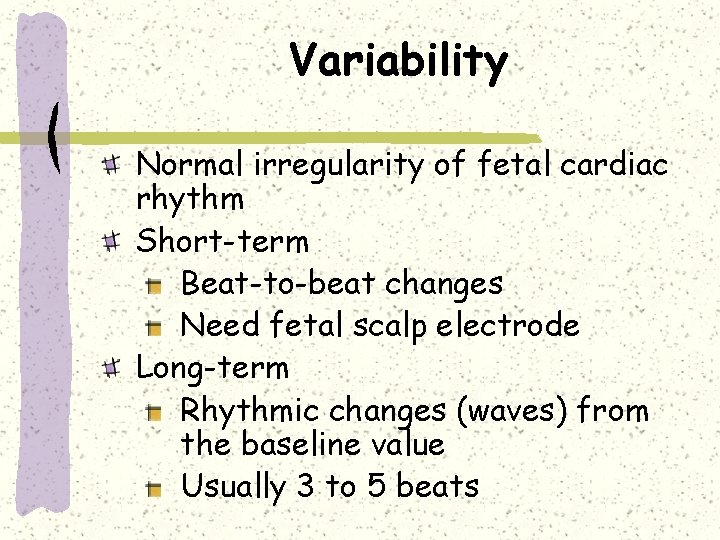
Variability Normal irregularity of fetal cardiac rhythm Short-term Beat-to-beat changes Need fetal scalp electrode Long-term Rhythmic changes (waves) from the baseline value Usually 3 to 5 beats
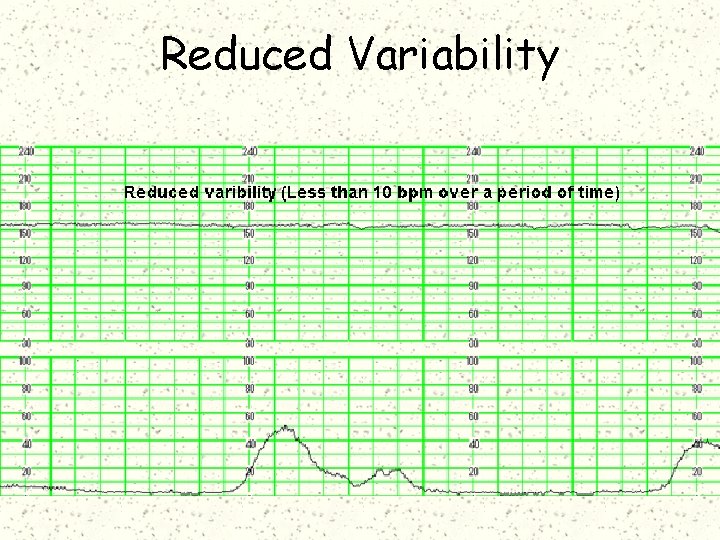
Reduced Variability
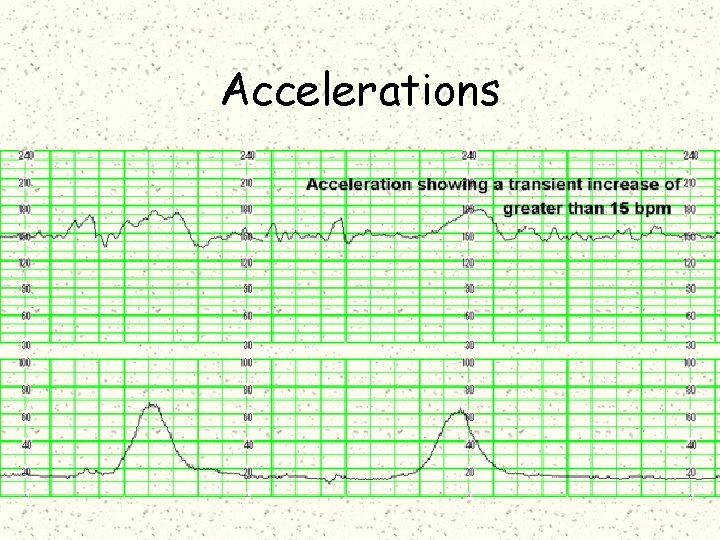
Accelerations
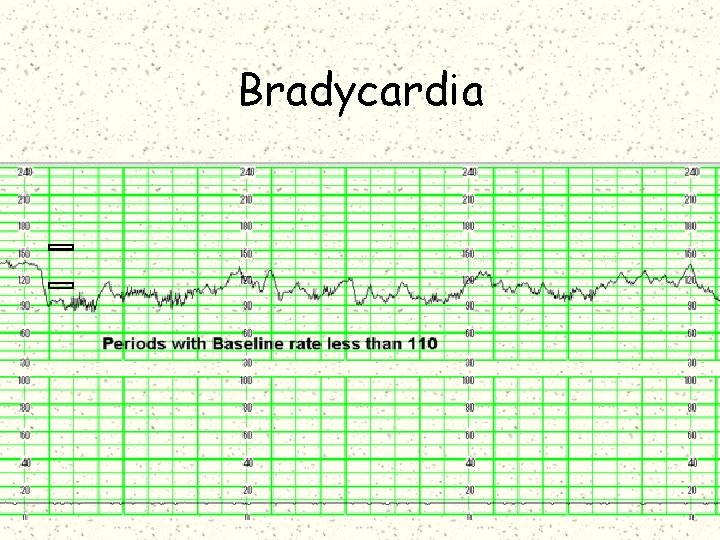
Bradycardia
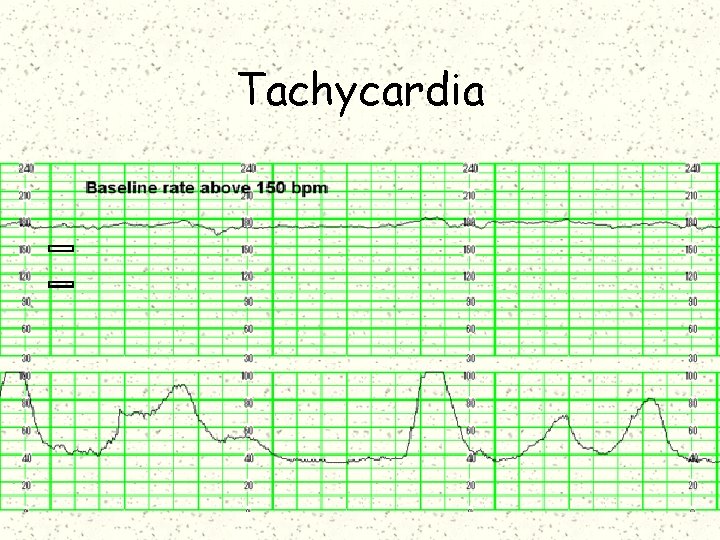
Tachycardia
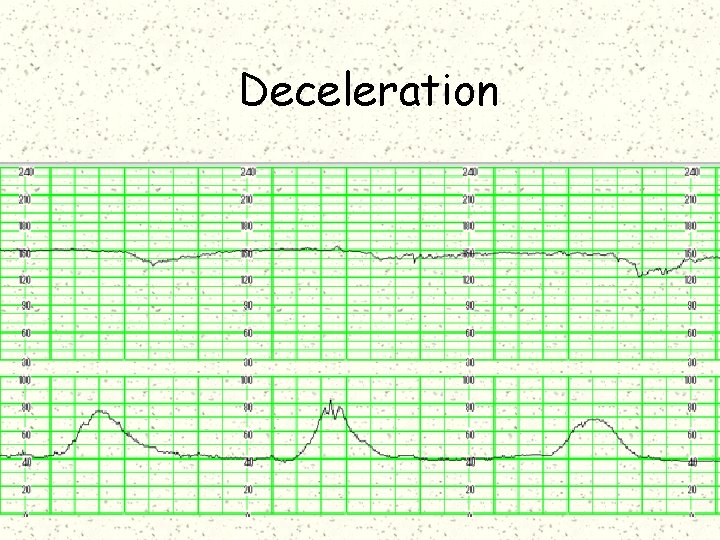
Deceleration
Nonstress Test Assess response of FHR to periods of fetal movement After 27 th to 30 th week Frequency depends on condition of maternal-fetal unit Indications
Procedure Perform test during a time of activity Maternal preparation Maternal vital signs Attach monitor Monitor fetal movement

Interpretation Reactive result Nonreactive result Unsatisfactory result
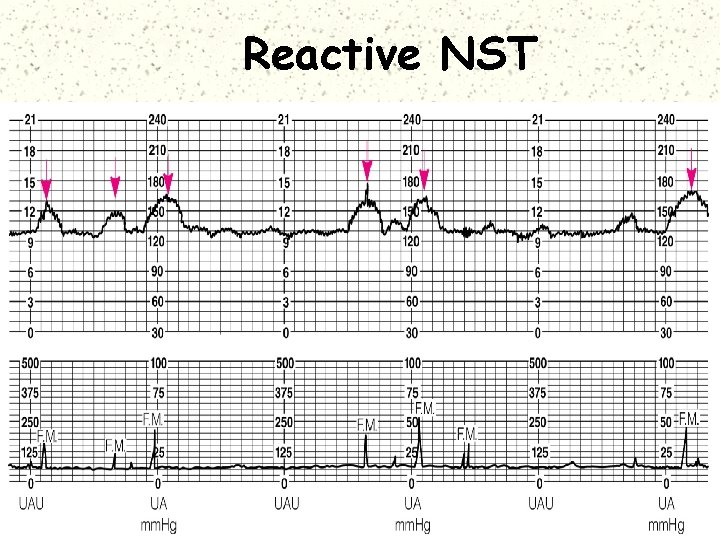
Reactive NST
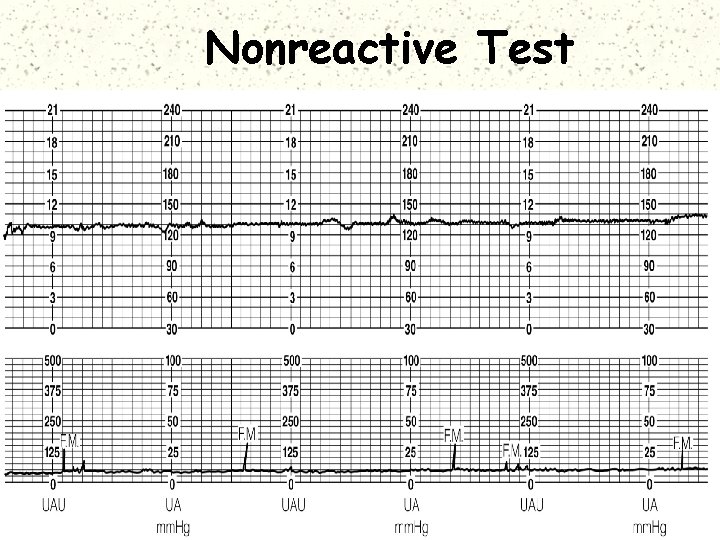
Nonreactive Test
Contraction Stress Test Assess ability of fetus to withstand the stress of uterine contractions Assesses placental oxygenation and function Determines fetal well being Performed if NST is abnormal
Interpretation Negative CST Positive CST Equivocal Unsatisfactory
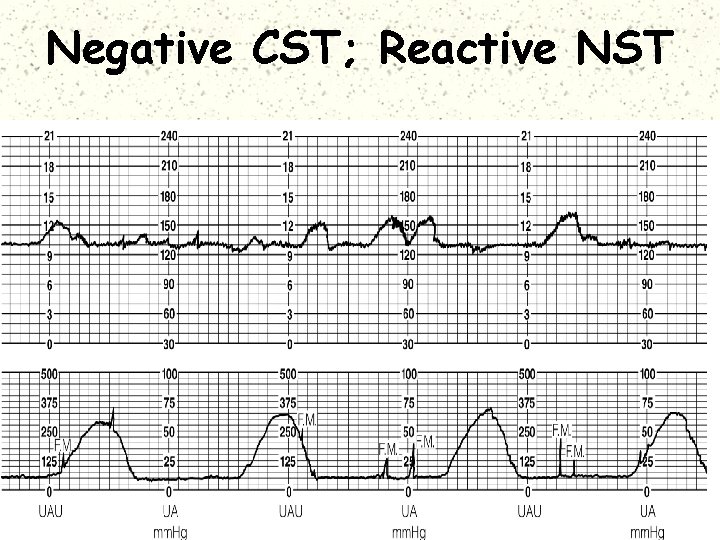
Negative CST; Reactive NST
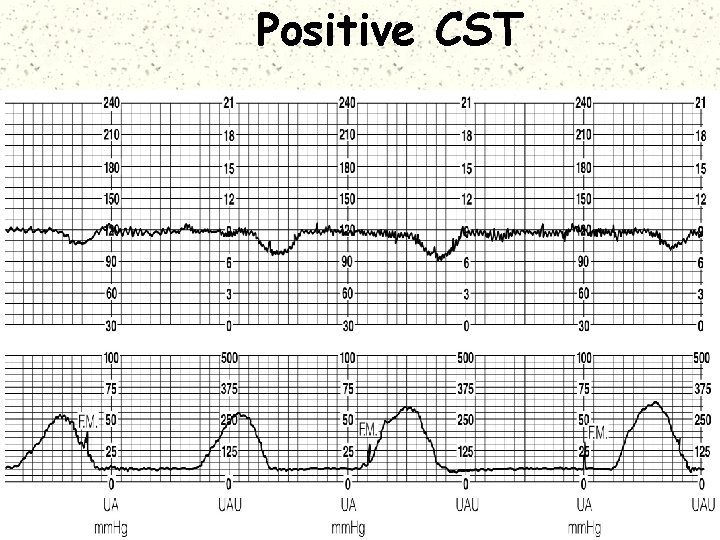
Positive CST
Biophysical Profile Assess fetal status NST Fetal breathing movements Fetal body movements Fetal muscle tone Amniotic fluid volume Placental grading
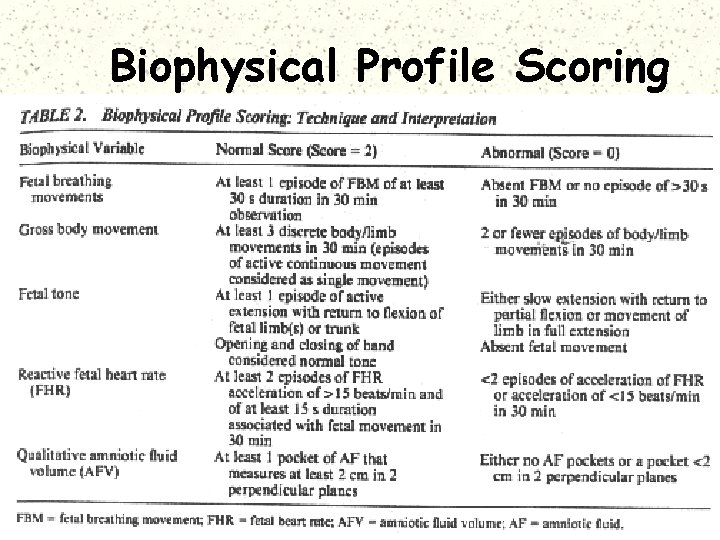
Biophysical Profile Scoring
Lung Maturity Testing Lecithin to sphingomyelin ratio Phosphatidylglycerol
Fibronectin Test for preterm delivery Negative test result highly reliable Reassures that risk of preterm delivery is low Presence of f. FN in symptomatic women during weeks 22 – 34 of gestation = increased risk of preterm delivery
Hyperemesis Gravidarum Intractable nausea and vomiting that persists beyond the first trimester and causes disturbances in nutrition, electrolytes, and fluid balance
Assessment Nausea most pronounced on arising Persistent vomiting Weight loss Signs of dehydration Electrolyte imbalances Ketonuria Increased hematocrit levels
Nursing Interventions Monitor vital signs Monitor FHR, fetal activity and fetal growth Monitor for dehydration and electrolyte imbalance Daily weight, I&O, calorie count Monitor urine for ketones Administer IV fluids, antiemetics
Bleeding Disorders of Early Pregnancy Spontaneous abortion Ectopic pregnancy Hydatidiform mole
Abortion Threatened Imminent Complete Incomplete Missed Habitual Elective
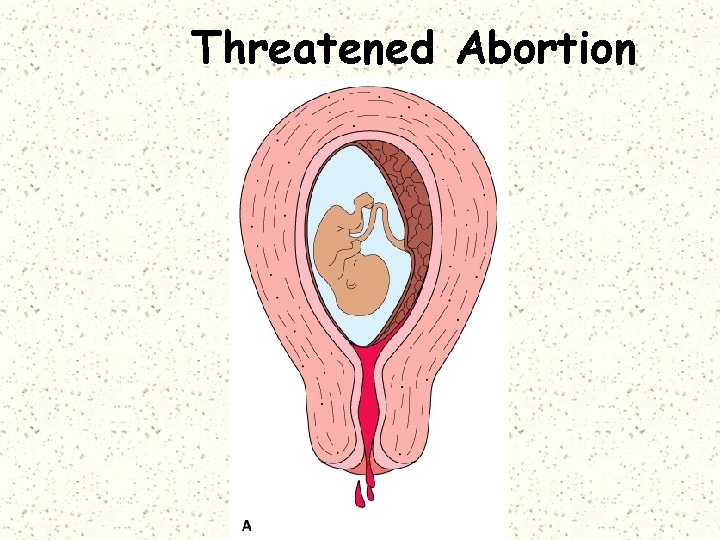
Threatened Abortion
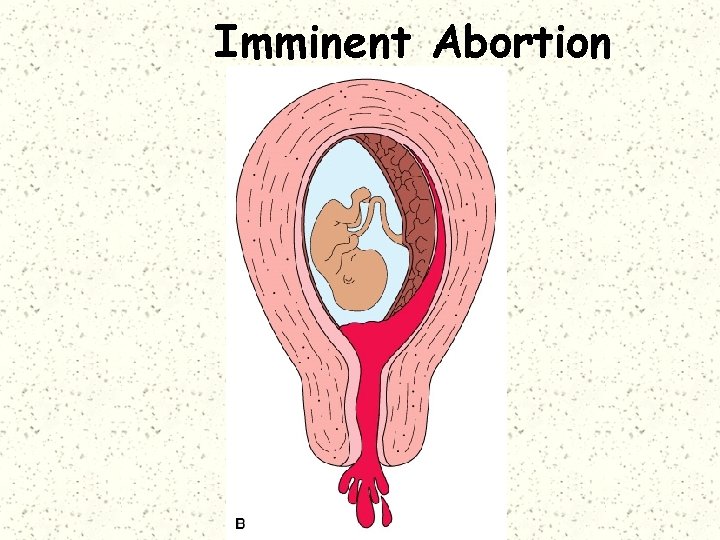
Imminent Abortion
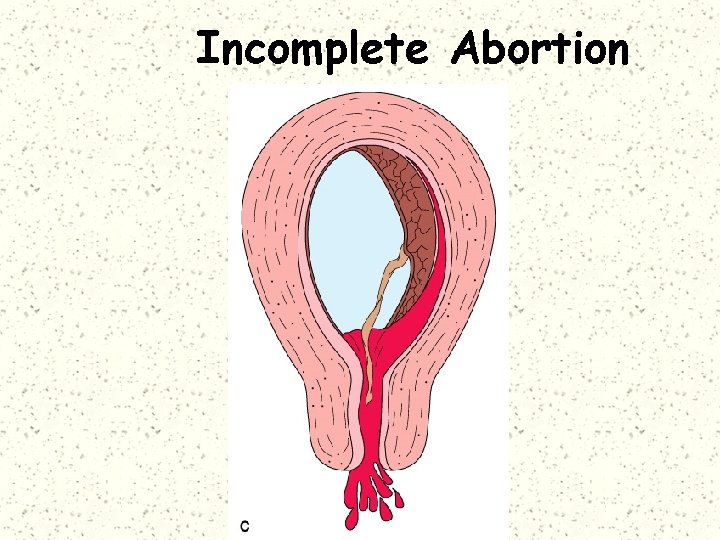
Incomplete Abortion
A 22 year old gravida i, para 0, is 11 weeks pregnant. She was admitted to the hospital with moderate vaginal bleeding and some abdominal cramping. Vaginal examination reveals that the cervix is dilated 2 cm. She is diagnosed as having an imminent abortion. What nursing interventions are indicated when caring for this patient?
Nursing Interventions Save perineal pads / tissue Emotional support Observe for shock Bed rest / diversional activity Rho. GAM Possible surgery Medication / Blood
Ectopic pregnancy is often difficult to diagnose because its symptoms are similar to those of abdominal conditions. Identify at least five signs or symptoms of ectopic pregnancy and briefly explain why each occurs.

Ectopic Sites l
Ectopic Pregnancy Fertilized ovum implants outside the uterus Symptoms at 6 to 12 weeks of gestation Severe unilateral pelvic-abdominal pain Pain may refer to shoulder Tender abdominal mass Nausea, faintness Bleeding – frank or occult
Nursing Interventions Monitor vital signs Administer intravenous fluids Provide oxygen when needed Medicate for pain Assess lab results Prepare for possible surgery Provide emotional support
Incompetent Cervix Premature dilation of cervix Occurs in 4 th or 5 th month of pregnancy Associated with cervical trauma Vaginal bleeding at 18 to 28 weeks Fetal membranes visible through cervix Treatment is surgical
Hydatidiform Mole Gestational trophoblastic disease Developmental anomaly of placenta Changes chorionic villi into a mass of clear vesicles Edematous grapelike cluster May develop into choriocarcionoma
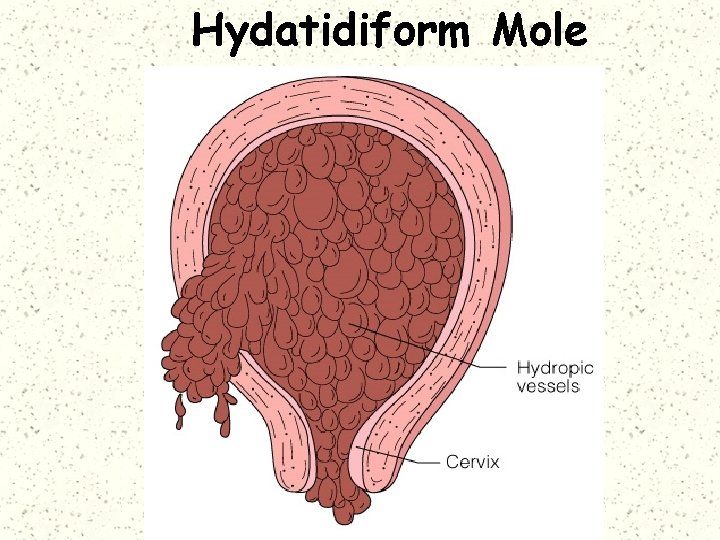
Hydatidiform Mole
Assessment FHR not detectable Vaginal bleeding Symptoms of PIH Fundal height > expected for date Elevated h. CG Ultrasound shows characteristic snowstorm pattern
Bleeding Disorders of Late Pregnancy Placenta previa Abruption placenta
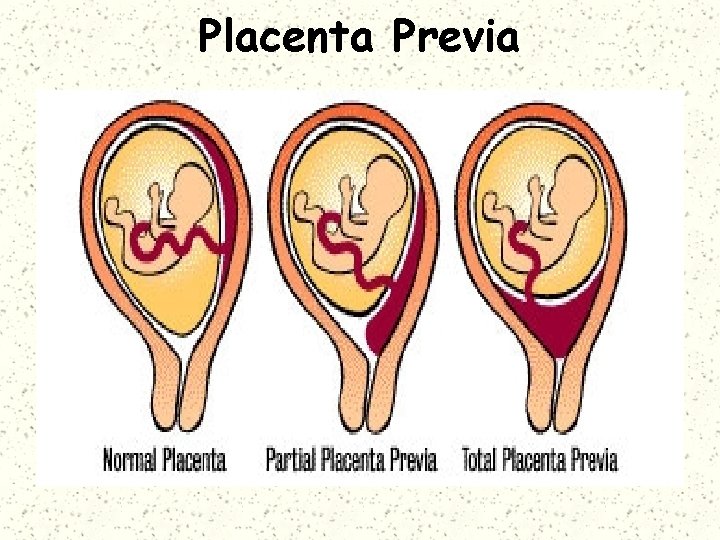
Placenta Previa Painless Spotting or heavy bleeding Bright-red bleeding Soft, non-tender, relaxed uterus with normal tone Shock in proportion to observed blood loss Signs of fetal distress usually not present
Placenta Previa
Assessment Episodic painless vaginal bleeding after 20 th week of pregnancy without contractions Each successive bleeding episode heavier than the last Profuse hemorrhage Ultrasound shows location of placenta
Nursing Interventions No vaginal exams Bedrest Monitor vital signs and fetal wellbeing Assess blood loss IV access Provide adequate nutrition Provide emotional support
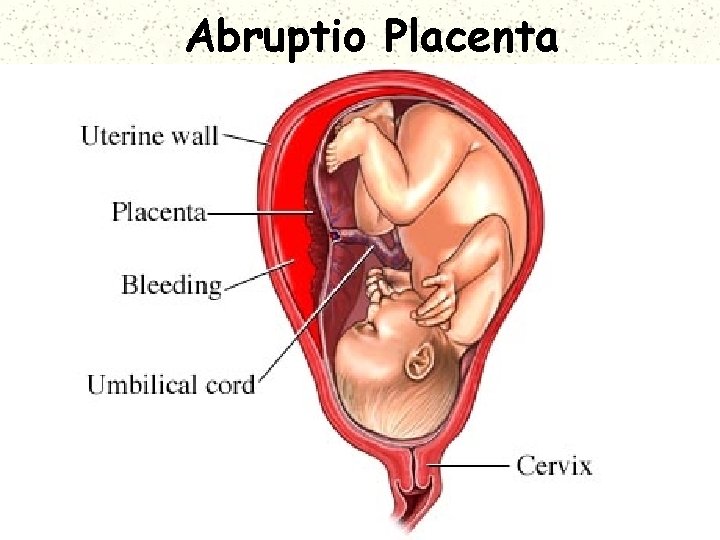
Abruptio Placenta Severely painful Heavy bleeding may be partially or completely hidden Usually dark-brown bleeding Rigid, board-like, tender uterus possibly with contractions Shock seeming to be out of proportion to blood loss Signs of fetal distress
Abruptio Placenta
Assessment Painful, rigid, board-like abdomen with vaginal bleeding Central abruption Marginal abruption Fetal outcome
Nursing Interventions Monitor vital signs Continuous EFM Assess for bleeding, uterine activity, abdominal pain Measure abdominal girth Review lab values IV access Provide oxygen
Hypertensive Disorders Pregnancy induced hypertension Preeclampsia and eclampsia Chronic hypertension Superimposed preeclampsia Transient hypertension
Pathophysiology Vasospasm reduces blood flow to mother’s organs and placenta Vascular endothelial damage Hypertension Edema Proteinuria
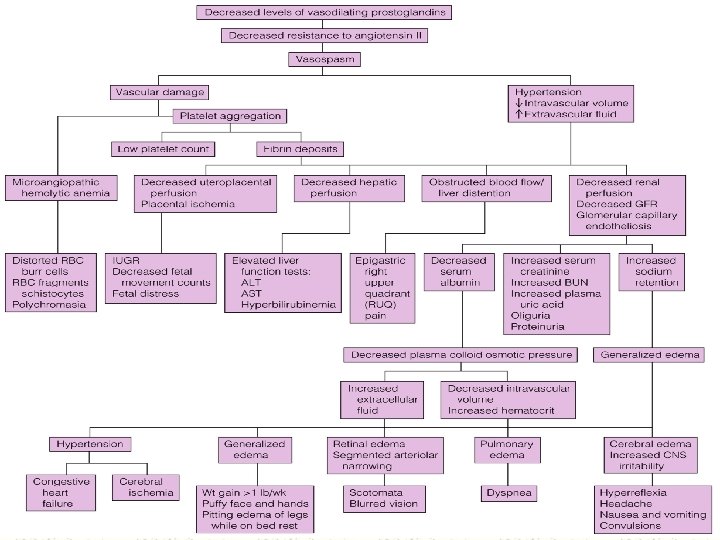
PIH - Assessment Mild preeclampsia Severe preeclampsia Systemic responses Lab values
Nursing Interventions Bedrest -- left lateral position Monitor B/P and weight Monitor neurological status Monitor DTRs Provide adequate fluids Monitor I & O Increase dietary protein Administer medications as prescribed
Magnesium Sulfate ( Mg SO 4 ) Mg++ causes vasodilation Therapeutic levels = 4 to 8 mg/d. L
Mg SO 4 Therapy Monitor blood pressure closely Monitor maternal serum Mg SO 4 levels every 6 - 8 hours Monitor respirations closely Assess patellar tendon reflex Determine urinary output Monitor FHR continuously Continue Mg SO 4 infusion for approximately 24 hours after birth
Maternal Side Effects Vasodilation Flushing Headaches “Hot Flashes” Blurred vision Nasal Congestion Decreased peripheral vascular resistance
Maternal Side Effects Neuromuscular depression Respiratory depression Myocardial depression Gastrointestinal system nausea vomiting
Neonatal Side Effects Hypocalcemia Hypermagnesemia Respiratory depression
Chronic Hypertension Occurs before pregnancy Diagnosed before 20 th week of gestation Diagnosed during pregnancy and persists beyond the 42 day postpartum
Assessment Headaches Visual changes Blood pressure 140/90 mm Hg or > Delayed fetal growth Oligohydramnios
Antihypertensives Given for diastolic blood pressure of 105 to 110 or above Methyldopa Hydralazine Labetalol Nifedipine
Diabetes Pregnancy places demands on carbohydrate metabolism Insulin requirements increase in 2 nd and 3 rd trimester Insulin-dependent diabetes Diabetes in pregnancy
Assessment Risk factors Classic symptoms Frequent UTIs and yeast infections Screening at 24 -28 weeks gestation
Nursing Interventions Prenatal visits bimonthly for 6 months than weekly Maintain blood glucose between 65 -130 mg/d. L Monitor for hypoglycemia / hyperglycemia Glucose control Monitor for infection, PIH, ketoacidosis Reinforce diet instructions
Gestational Diabetes Occurs during 2 nd and 3 rd trimesters No prior diagnosis Screened during 26 th week Glucose = 105 mg/d. L Diet Medications “Normal” after delivery
Cardiac Disease Rheumatic fever Congenital heart disease
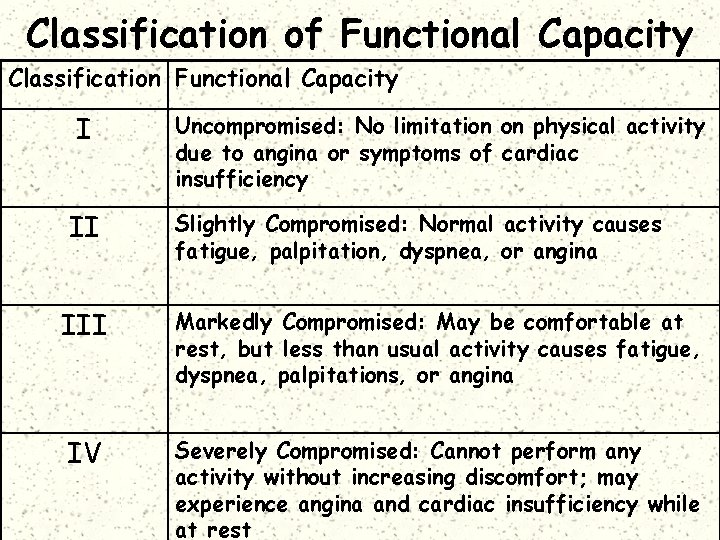
Classification of Functional Capacity Classification Functional Capacity I II Uncompromised: No limitation on physical activity due to angina or symptoms of cardiac insufficiency Slightly Compromised: Normal activity causes fatigue, palpitation, dyspnea, or angina III Markedly Compromised: May be comfortable at rest, but less than usual activity causes fatigue, dyspnea, palpitations, or angina IV Severely Compromised: Cannot perform any activity without increasing discomfort; may experience angina and cardiac insufficiency while at rest
Assessment Dyspnea and fatigue Cough Peripheral edema Anginal-type pain Palpitations and tachycardia Signs of pulmonary edema Signs of respiratory infection
Nursing Interventions Monitor VS, FHR, condition of fetus Activity and rest Encourage adequate nutrition Maintain bed rest as ordered Monitor for signs of respiratory infection Encourage adequate nutrition Administer cardiac medications
Anemia Decrease in RBCs Types Iron deficiency Folic acid Hemoglobinopathies Sickle cell disease Thalassemia
Assessment Fatigue Headache Pallor Tachycardia Diagnostic test: H & H Treatment: Iron and folic acid
Nursing Interventions Monitor H & H every 2 weeks Iron and folic acid supplements Take iron with vitamin C Foods high in iron, folic acid and protein Monitor for infection May use parenteral iron / transfusions
Infection in Pregnancy Immunological system suppressed Genitourinary adaptations to pregnancy Risk factors increase severity Fever Pneumonia Direct infection of fetus Systemic infection
TORCH Infections T O R C H = Toxoplasmosis = Other infections = Rubella = Cytomegalovirus = Herpes
Group B Streptococcus Bacterial infection found in the lower GI and urogenital tracts Screening cultures at 35 -37 weeks Leading infectious cause of neonatal sepsis and mortality Carriers often asymptomatic Intrapartum prophylaxis
Sexually Transmitted Diseases Syphilis Gonorrhea Chlamydia Trichomoniasis HPV HIV
Vaginal Infections Candidiasis Bacterial vaginosis
Urinary Tract Infections Cause preterm labor Untreated may cause pyelonephritis
Rh Incompatibility and Sensitization Determine maternal blood type and Rh factor Antibody screen (indirect Coombs’ test) Rho. GAM administration Serial ultrasounds Amniotic fluid analysis Erythroblastosis fetalis
Nursing Interventions Client education Rho. GAM protocol Kleihauer-Betke test Ultrasound EFM, BPP Intrauterine exchange transfusion

Rh + father; Rh - mother
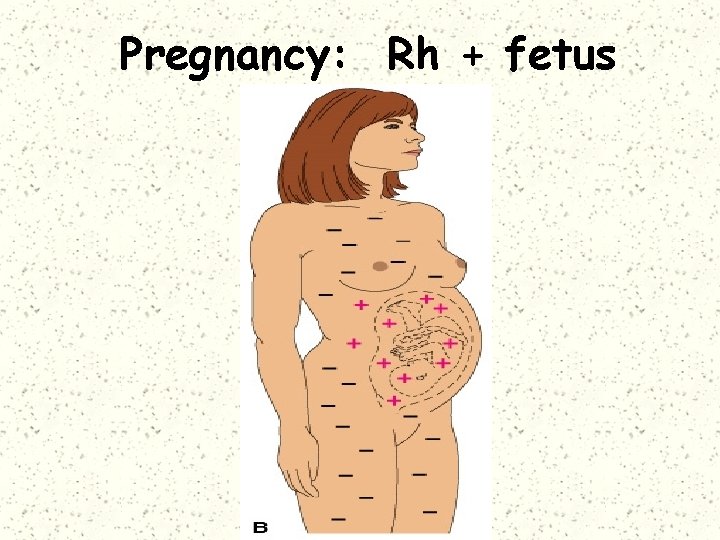
Pregnancy: Rh + fetus
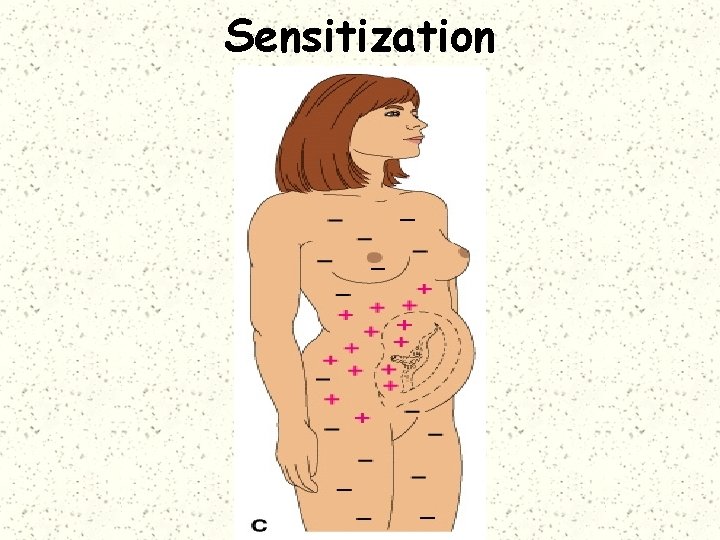
Sensitization
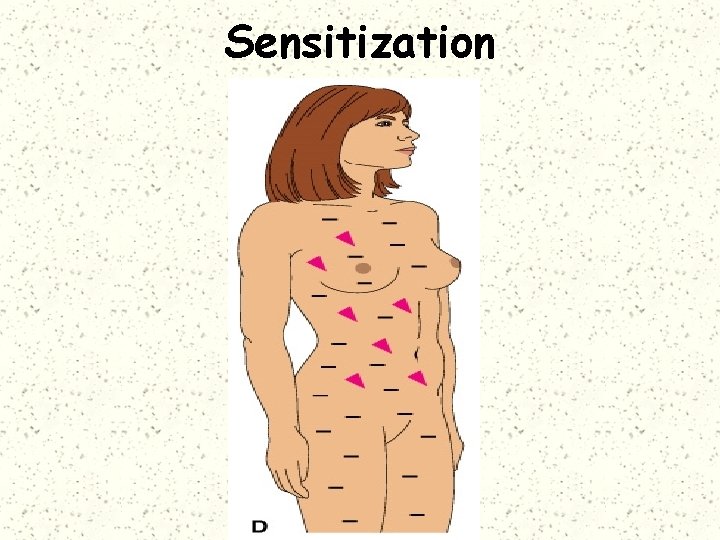
Sensitization
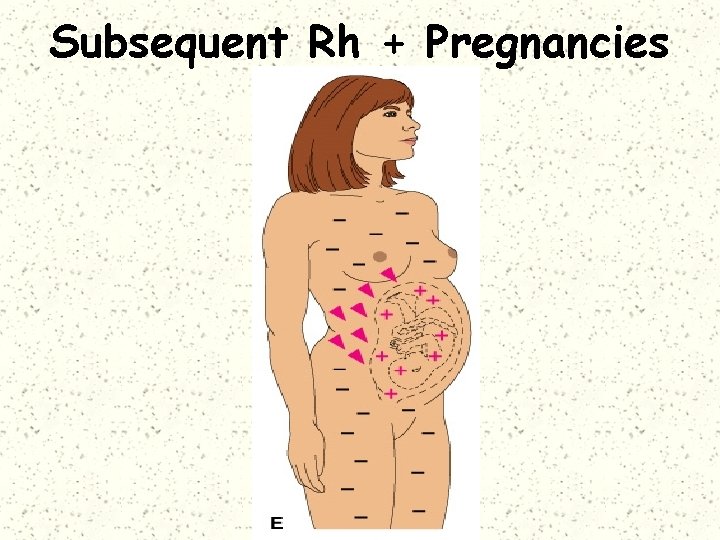
Subsequent Rh + Pregnancies
Multifetal Pregnancy Monozygotic or dizygotic Assisted reproductive techniques Diagnosis Interventions Complications
Nursing Interventions Monitor vital signs Monitor FHR, fetal activity, fetal growth Monitor cervical changes Ultrasound Monitor for anemia Monitor and treat preterm labor Prepare for possible cesarean section

Substance Abuse Tobacco Alcohol Marijuana Cocaine Heroin
Preterm Labor Occurs after the 20 th week and before the 37 th week of gestation Contractions every 10 minutes lasting 30 seconds or longer Documented cervical change Effacement of 80% Dilation of 2 cm
Risk Factors Previous history of preterm labor or birth Demographic factors Lifestyle factors Health problems Uterine factors
Assessment Increased or bloody discharge Leaking amniotic fluid Backache Pressure and cramping Palpable uterine contractions Diarrhea
Nursing Interventions Maintain bedrest Tocolytic agents Betamethasone Magnesium sulfate Monitor fetal status
Trauma MVAs Homicide Abuse Domestic violence
Adolescent Pregnancy Developmental tasks Adolescence Pregnancy Special needs Physical Support Role changes
Medications Review drugs discussed Dosage Route Nursing implications
- Slides: 106