
Complex Pasta Objectives Prepare and present complex pasta
Complex Pasta Objectives Prepare and present complex pasta Understand the nutritional value of Pasta. Understand the effects of heat on pasta Understand the importance of portion control and sizes. Food safety risk associated with pasta.

Complex Pasta Durum flour- is used to make pasta as its one of the strongest flours holds pasta shape when cooked/does not become stodgy or soft when cooked & has high protein value
White flour versus wheat flour ? Whole meal flour contains the bran of the wheat germ and provides the body with dietary fibre which helps to regulate the bowel. White flour also contains some additives used in the bleaching process which are known to cause harm.


Quality check : Within use-by date, packaging intact, no signs of infestation, no signs of discoloration or brittleness. Convenience pasta has more shelf life than fresh pasta.
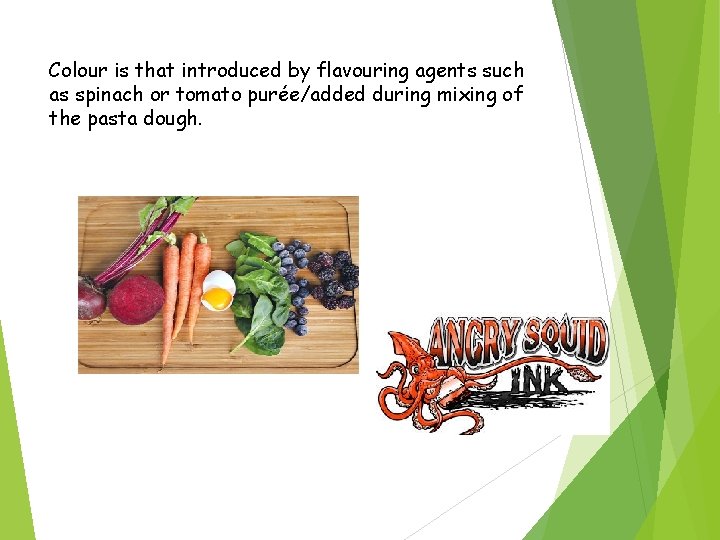
Colour is that introduced by flavouring agents such as spinach or tomato purée/added during mixing of the pasta dough.
Cooking : Always cook in rapid boiling water to prevents pasta sticking together. Refreshing : Means to plunge into ice water to stop cooking. With pasta helps to prevent sticking together. pasta should not be left soaking in water: It will ferment causing a food safety risk; will go soggy past the ideal al dente stage. . Desired degree of cooking : Bite test should be al dente (firm to the bite/tooth). How to cook stuffed pasta : Place in boiling water and then simmer – normal time for the casing to reach al dente would be ample time for the stuffing to be cooked/reheated. On baking pasta : Pasta is slightly undercooked. Sauce etc. is not too liquid. Cooking time has been controlled carefully along with temperature If pasta is left exposed to air prior to cooking then it dries out.
nutrition point of view : They contain the optimum nutrient levels, the older they become the lower the nutrient level. over production of pasta: Unsold product – thrown away Product tainted or dried during storage makes it unusable
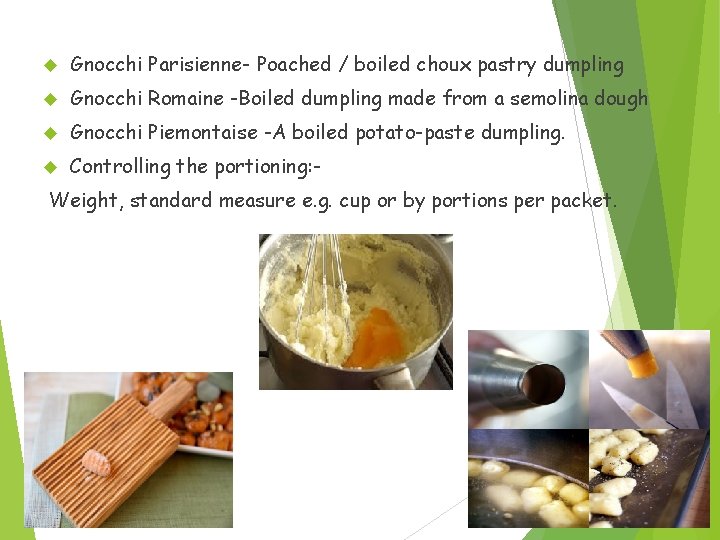
Gnocchi Parisienne- Poached / boiled choux pastry dumpling Gnocchi Romaine -Boiled dumpling made from a semolina dough Gnocchi Piemontaise -A boiled potato-paste dumpling. Controlling the portioning: - Weight, standard measure e. g. cup or by portions per packet.
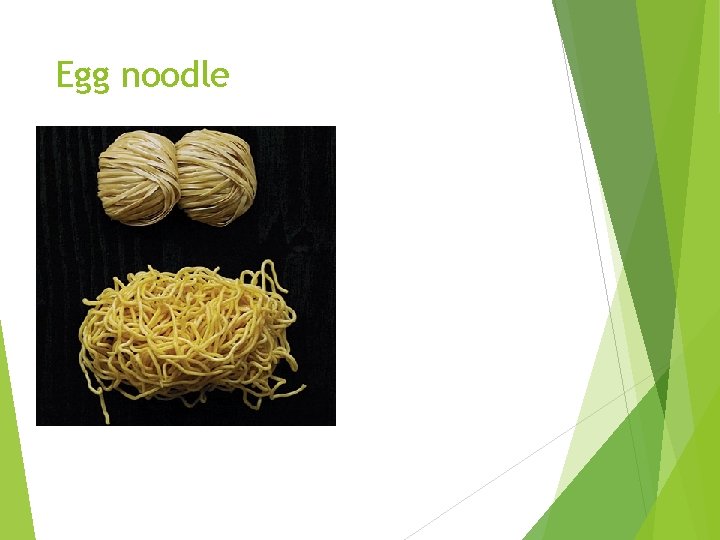
Egg noodle
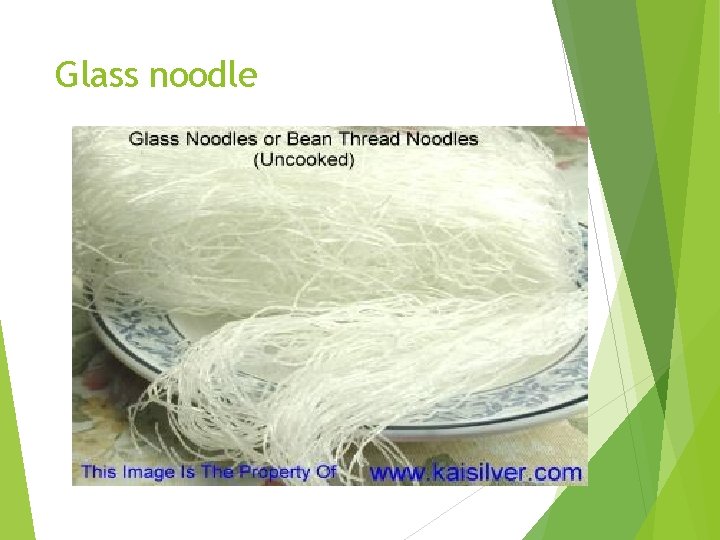
Glass noodle

Penne / spaghetti / fettuccini

Ravioli / cannelloni / lasagne / tortellini
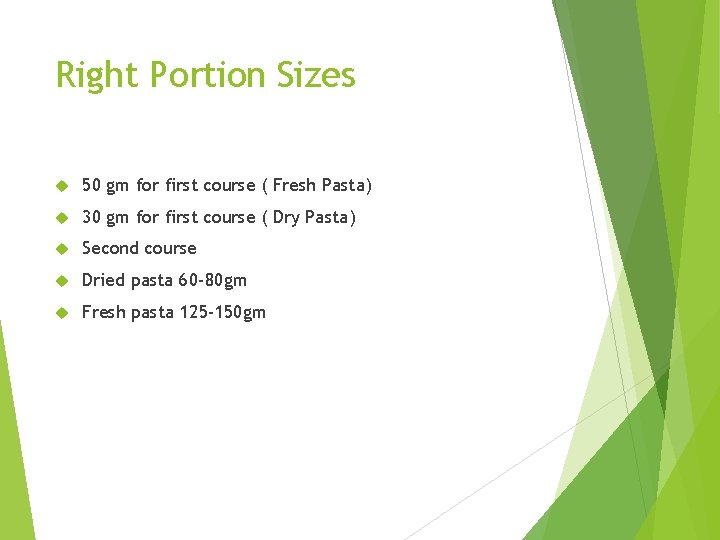
Right Portion Sizes 50 gm for first course ( Fresh Pasta) 30 gm for first course ( Dry Pasta) Second course Dried pasta 60 -80 gm Fresh pasta 125 -150 gm
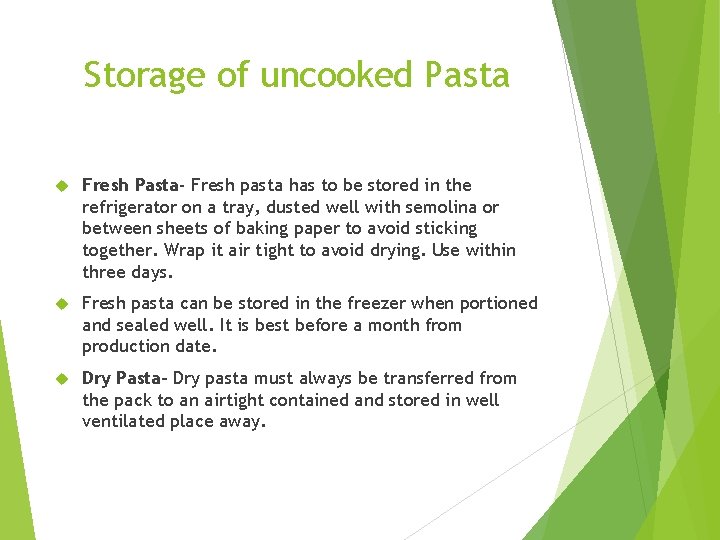
Storage of uncooked Pasta Fresh Pasta- Fresh pasta has to be stored in the refrigerator on a tray, dusted well with semolina or between sheets of baking paper to avoid sticking together. Wrap it air tight to avoid drying. Use within three days. Fresh pasta can be stored in the freezer when portioned and sealed well. It is best before a month from production date. Dry Pasta- Dry pasta must always be transferred from the pack to an airtight contained and stored in well ventilated place away.

Storage of Cooked Pasta Fresh Pasta Ensure that the cooked fresh pasta is drained, refreshed and drizzled with oil and stored in covered container. It has to be stored in the refrigerator along with cooked food. Reheat thoroughly before serving. Dry Pasta Dry pasta holds well to store after cooking process. It has to be stored and handled same as the fresh pasta.
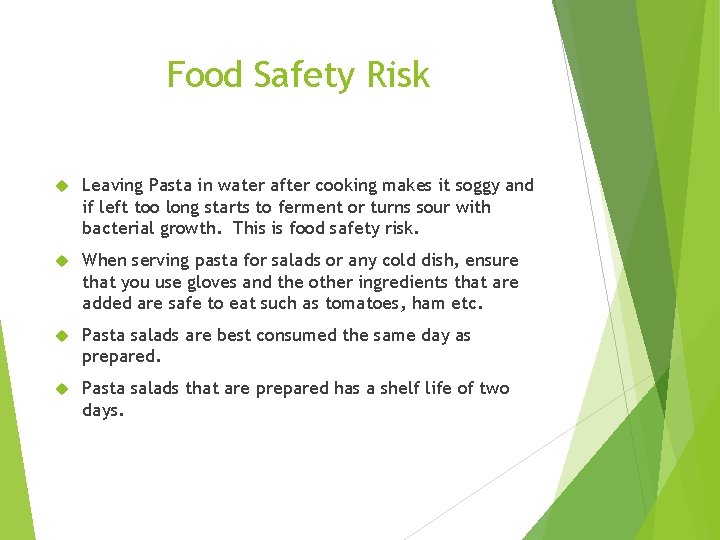
Food Safety Risk Leaving Pasta in water after cooking makes it soggy and if left too long starts to ferment or turns sour with bacterial growth. This is food safety risk. When serving pasta for salads or any cold dish, ensure that you use gloves and the other ingredients that are added are safe to eat such as tomatoes, ham etc. Pasta salads are best consumed the same day as prepared. Pasta salads that are prepared has a shelf life of two days.
- Slides: 17