
Complex Ostial Disease of the Aortic Arch Vessels

- Slides: 28
Complex Ostial Disease of the Aortic Arch Vessels CRT 2016 Thoracic February 23, 2016
Christian Shults, MD I have no relevant financial relationships
Incidence and background Thought to be an extension of aortic disease Correlation with CAD (4 -7%), (66% have CAD) Correlation with PAD (11. 5%) High correlation with smoking (78 -100%), HTN, HLD, PAD • Younger than typical PAD patients • •
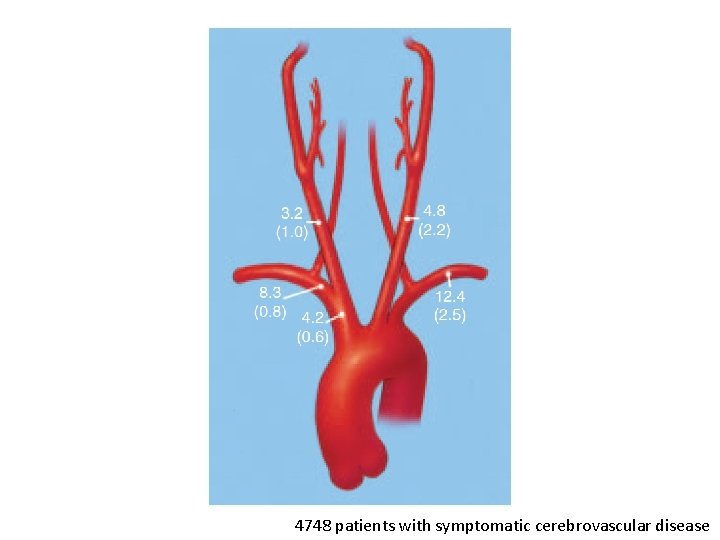
4748 patients with symptomatic cerebrovascular disease
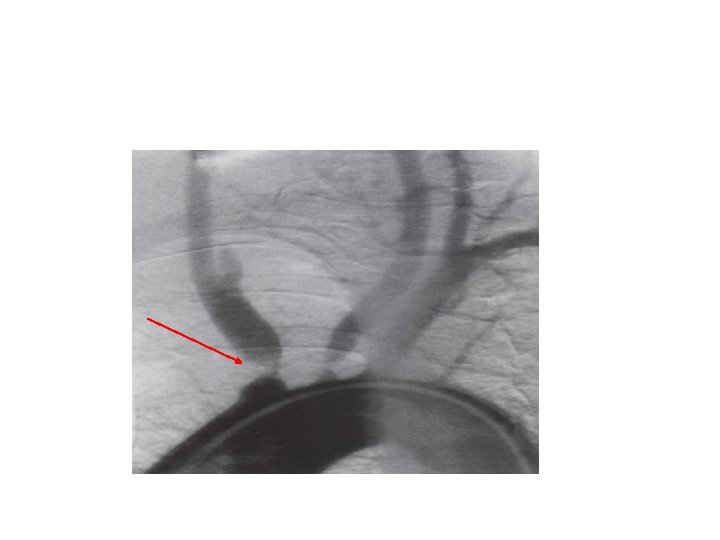
Subclavian/Innominate Stenosis • Subclavian most affected brachiocephalic vessel by atherosclerosis – L>R – Hypoperfusion vs. emboli – Differential BP >20 mm. Hg – ~20% symptomatic • Left then right carotid • Innominate lesions uncommon – Usually proximal extension of Left subclavian disease or aortic arch
Symptomatic Presentation • Vertebrobasilar ischemia – “subclavian steal” Fisher et al N Engl J Med 1961 • Dizziness, vertigo, unsteadiness/imbalance, syncope… • Upper extremity claudication – Fatigue, pain with exercise, “heaviness” • Upper extremity ischemia – Rest pain, tissue loss, ulceration • Coronary steal – CABG and LIMA-LAD bypass • Neurologic dysfunction(ant/post circulation); UE symptoms – Innominate lesions • Ulcerated plaques in Innominate or CCA: TIA, neurologic dysfunction
Repair • Symptomatic lesions • Asymptomatic occlusion or stenosis does not typically warrant repair due to collateral network • Reversal of vertebral not indication unless symptomatic • Symptomatic coronary steal or in preparation for CABG.
Treatment • Transthoracic approach – Endarterectomy – Bypass – Innominate stenosis – More than one large vessel • Extrathoracic approach – Bypass – Single vessel • Endovascular approach – First line
Trans-thoracic approach • 10 year patency rates – 88 -94% in the largest series – Operative mortality rates 3 -6% – Operative stroke rates 3 -10%
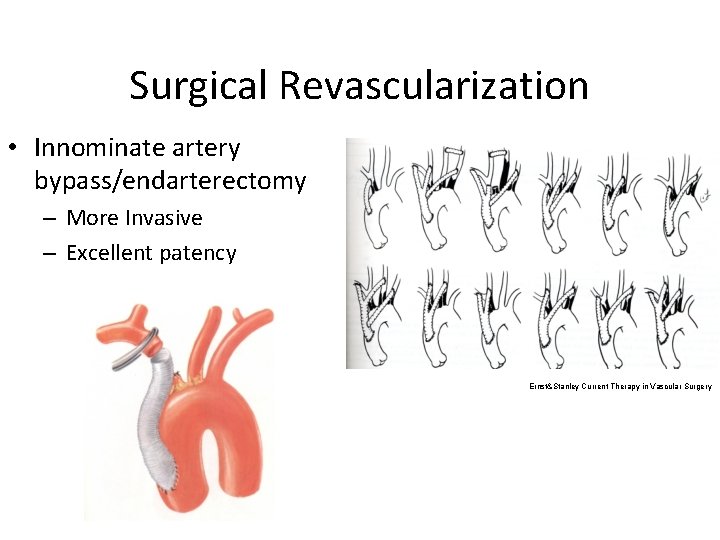
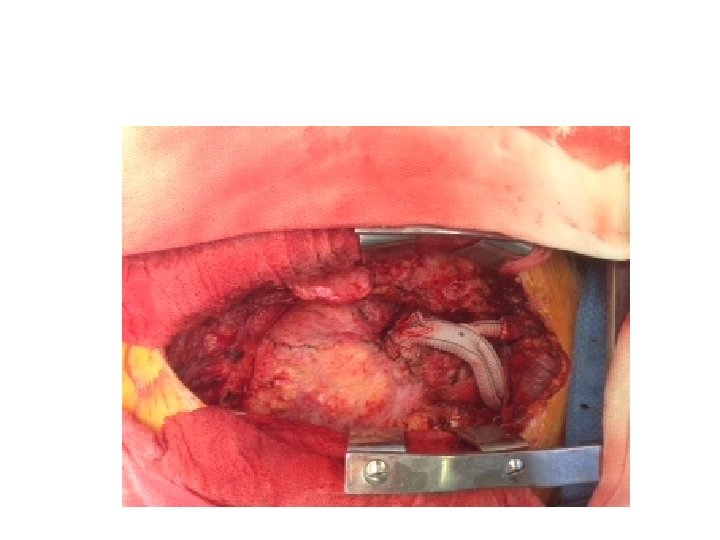
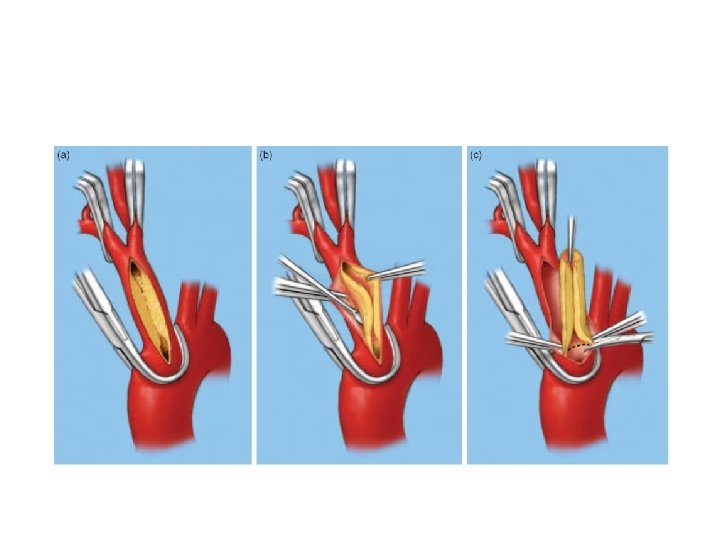
Surgical Revascularization • Innominate artery bypass/endarterectomy – More Invasive – Excellent patency Ernst&Stanley Current Therapy in Vascular Surgery
Innominate Endarterectomy • Disease limited to the distal 2/3 rd • More extensive or involving the ostium, bypass should be performed. • Plaque extends beyond the origin of subclavian or carotid. . bypass. • Bovine Arch, contraindicated
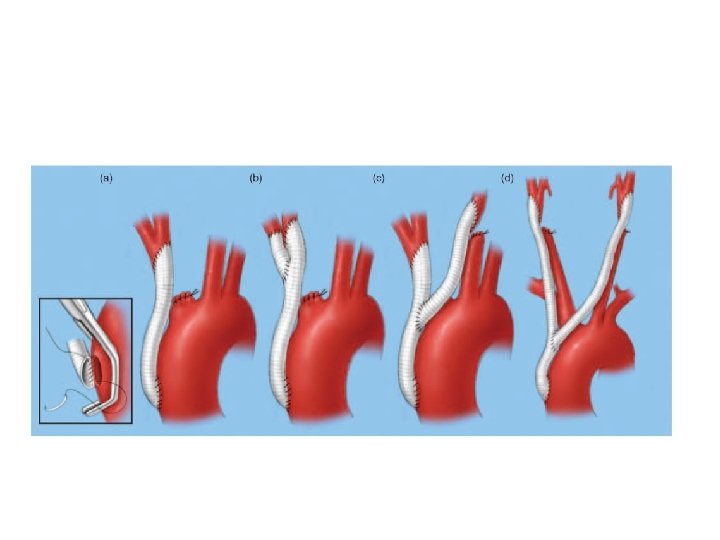
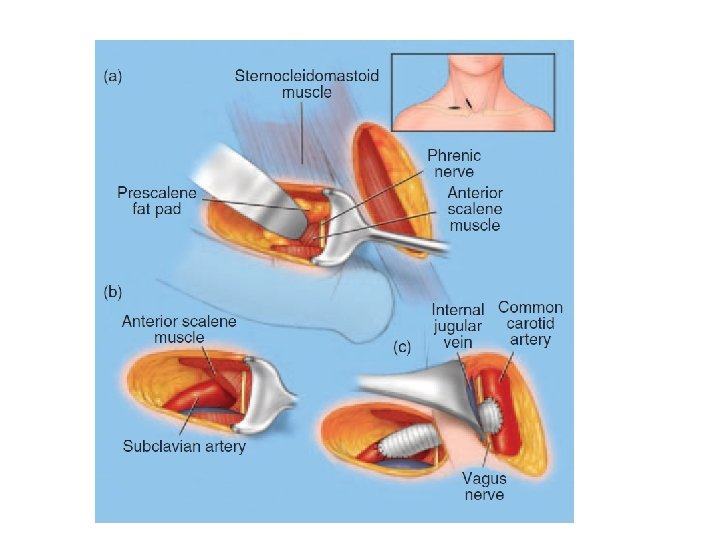
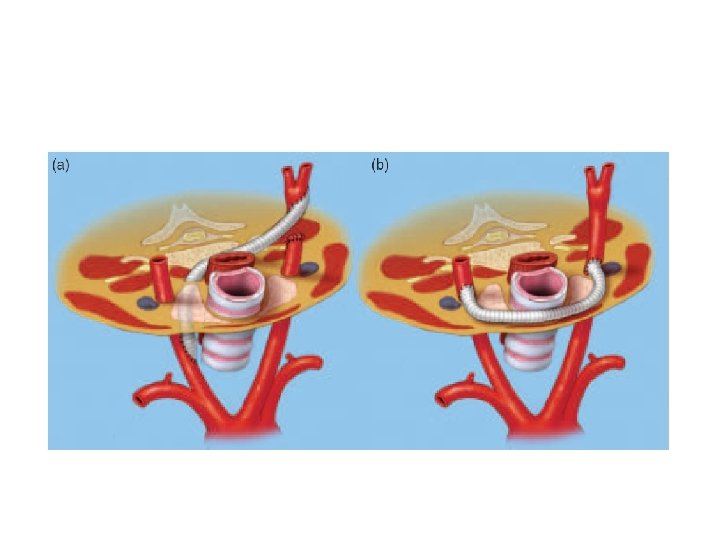
Set up • • • Arterial lines EEG Cerebral oximetry Test Clamp Leave innominate vein Place grafts over the innominate vein
Extrathoracic approach • Not endovascular candidate, single vessel disease, too much co-morbidity for transthoracic • 10 year patency rates: 82 -88% – Operative mortality: 0. 3 – 0. 5% – Operative stroke rates: 1 -4%
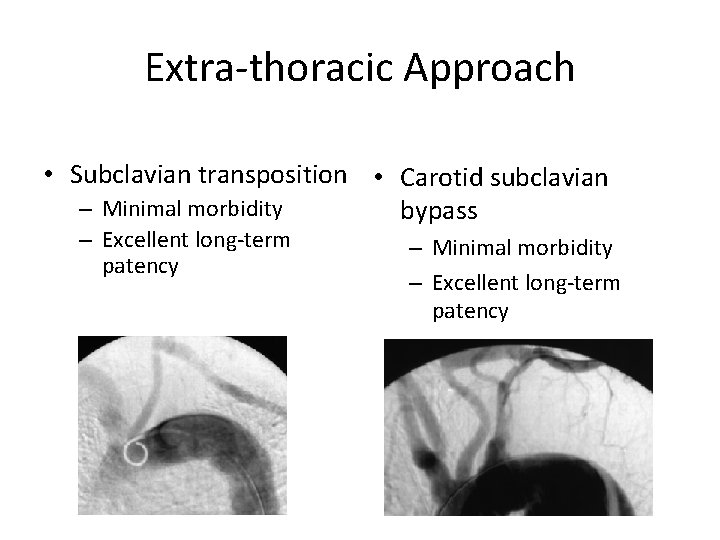
Extra-thoracic Approach • Subclavian transposition • Carotid subclavian – Minimal morbidity bypass – Excellent long-term patency – Minimal morbidity – Excellent long-term patency
Endovascular Management • Feasibility – Access – Cross lesions – Respond to treatment • Morbidity – Dissection (subclavian) – Neurologic events – Insertion site thrombosis/hematoma • Patency – Technical – Clinical
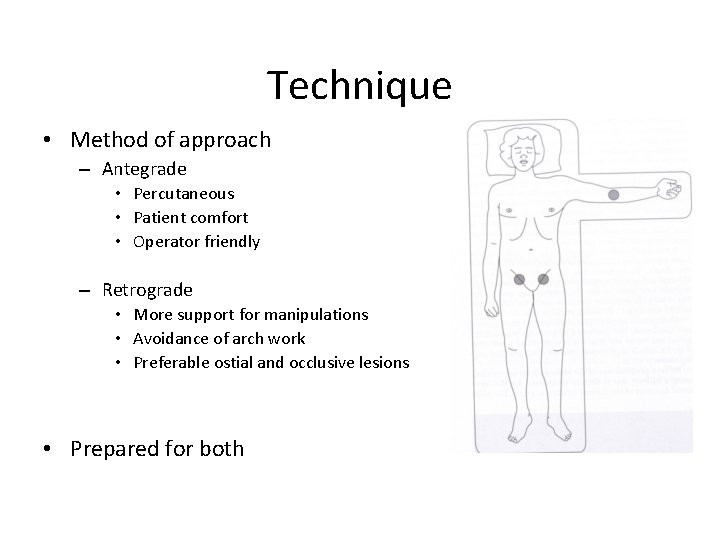
Technique • Method of approach – Antegrade • Percutaneous • Patient comfort • Operator friendly – Retrograde • More support for manipulations • Avoidance of arch work • Preferable ostial and occlusive lesions • Prepared for both
Endovascular Approach • No perioperative deaths or strokes • 3 year patency 88% • 3 year re-intervention rate 7%
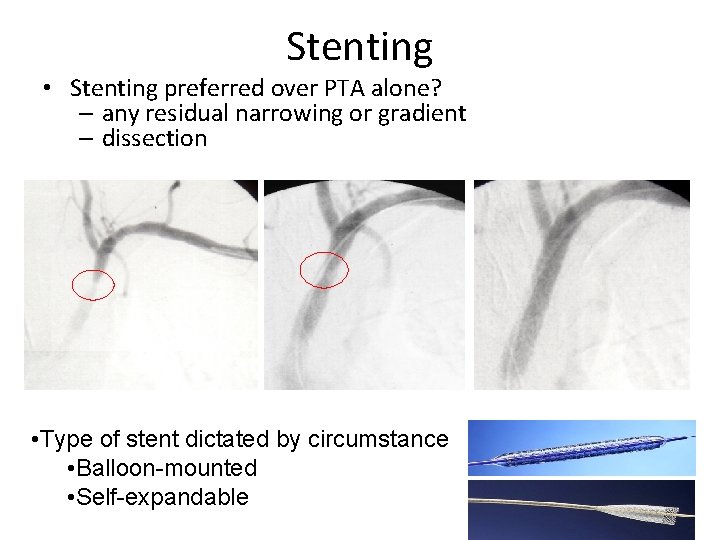
Stenting • Stenting preferred over PTA alone? – any residual narrowing or gradient – dissection • Type of stent dictated by circumstance • Balloon-mounted • Self-expandable
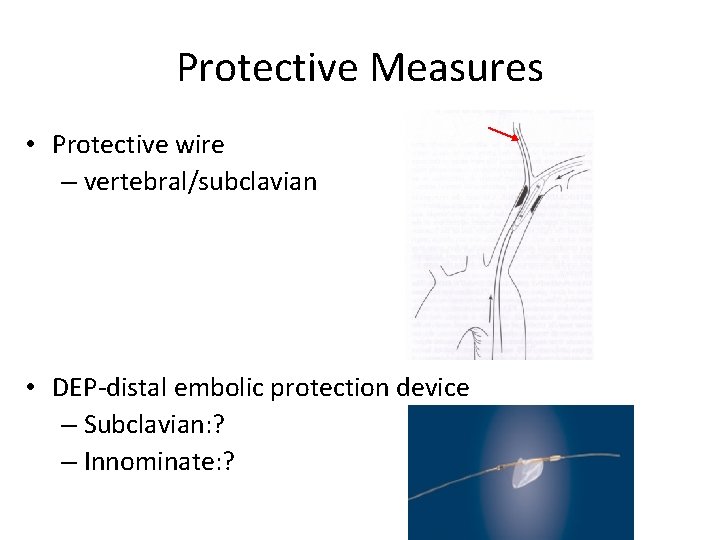
Protective Measures • Protective wire – vertebral/subclavian • DEP-distal embolic protection device – Subclavian: ? – Innominate: ?
Summary • Transthoracic: – 10 year patency rates • 88 -94% in the largest series • Operative mortality rates 3 -6% • Operative stroke rates 3 -10% • Extrathoracic: – 10 year patency rates: • 82 -88% • Operative mortality: 0. 3 – 0. 5% • Operative stroke rates: 1 -4% • Endovascular: – 3 year patency rates: • 88% • No perioperative deaths or strokes • 3 year re-intervention rate 7%
Conclusion • Treatment of ostial subclavian/carotid/innominate lesions limited to symptomatic patients • Patient tailored approach • Endovascular first, depending upon anatomy (innominate bifurcation lesion) – Role of distal protection • Younger healthy patients with complex lesions – Better long term patency with open