
Competition and Aggression Plants and animals compete for

- Slides: 16
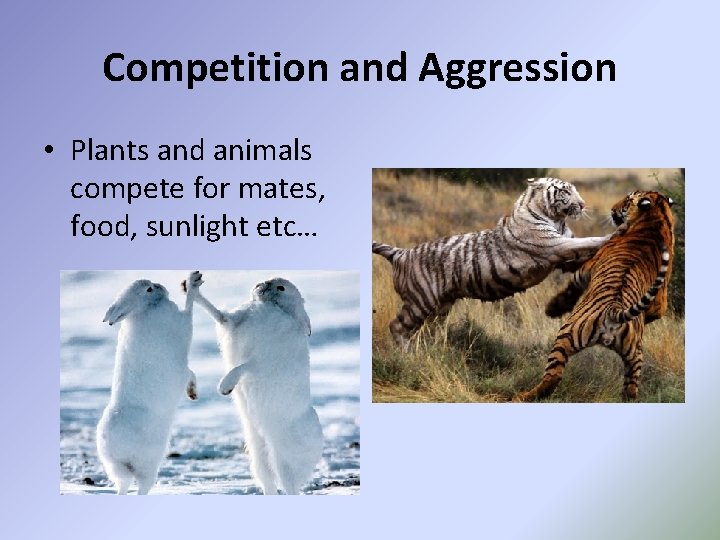
Competition and Aggression • Plants and animals compete for mates, food, sunlight etc…
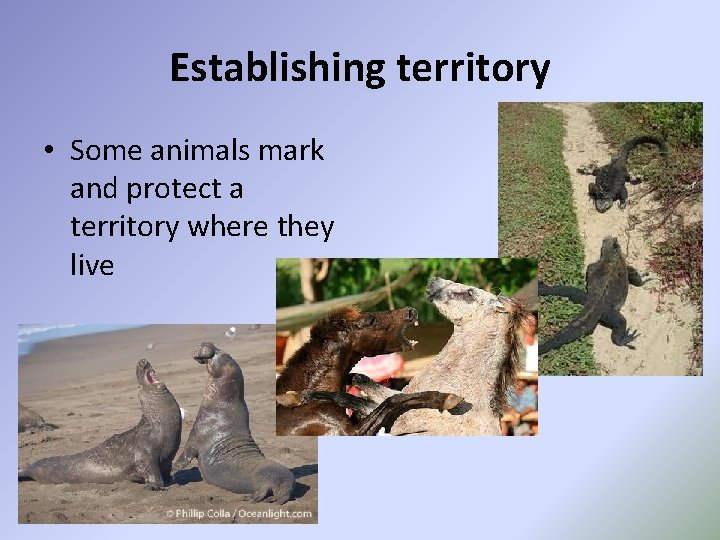
Establishing territory • Some animals mark and protect a territory where they live
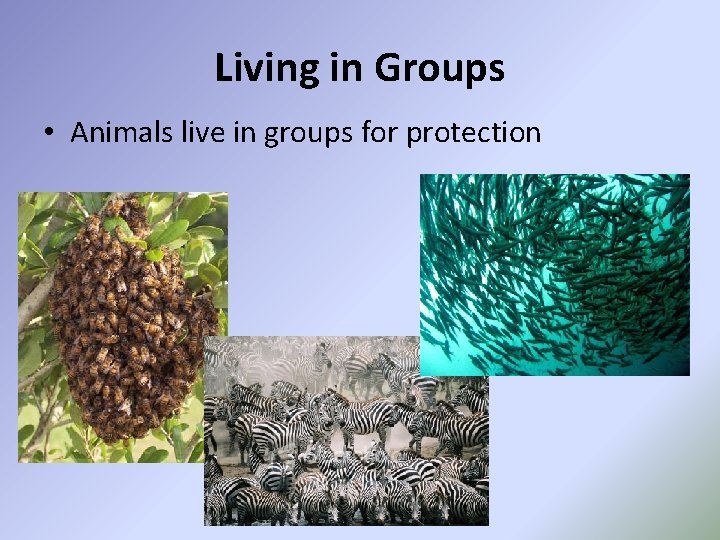
Living in Groups • Animals live in groups for protection
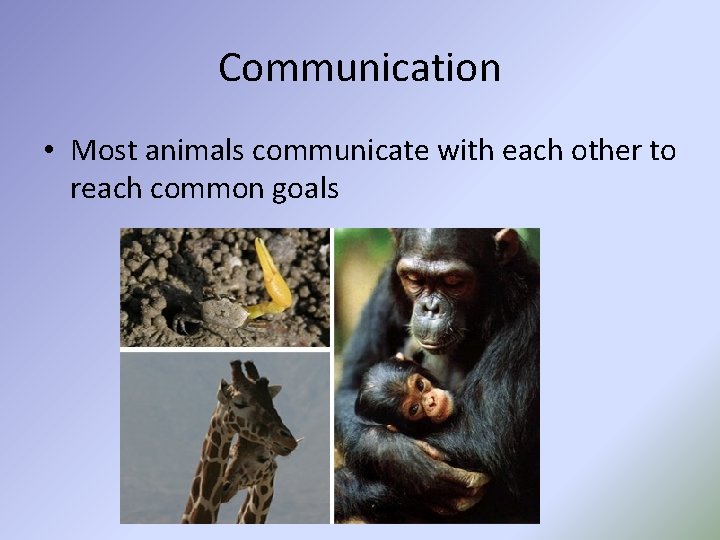
Communication • Most animals communicate with each other to reach common goals
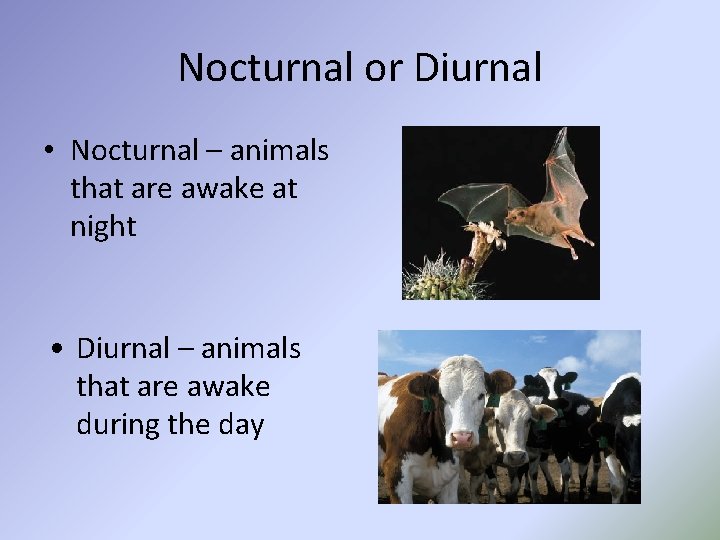
Nocturnal or Diurnal • Nocturnal – animals that are awake at night • Diurnal – animals that are awake during the day
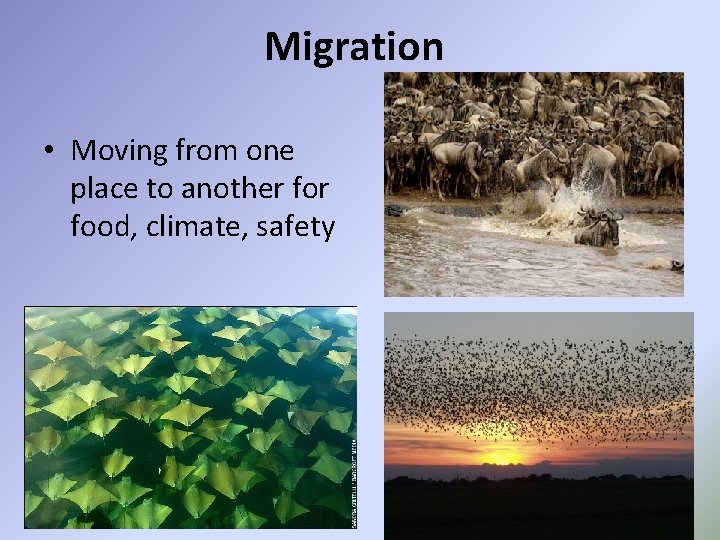
Migration • Migration is a cyclic behavior that involves the regular, seasonal, or annual journey of an animal from one place to another and back again. • It is found in all major animal groups, including birds, mammals, fish, reptiles, amphibians, insects, and crustaceans. • The trigger for the migration may be local climate, local availability of food or water, the season of the year, or for mating reasons.
Migration • Moving from one place to another food, climate, safety
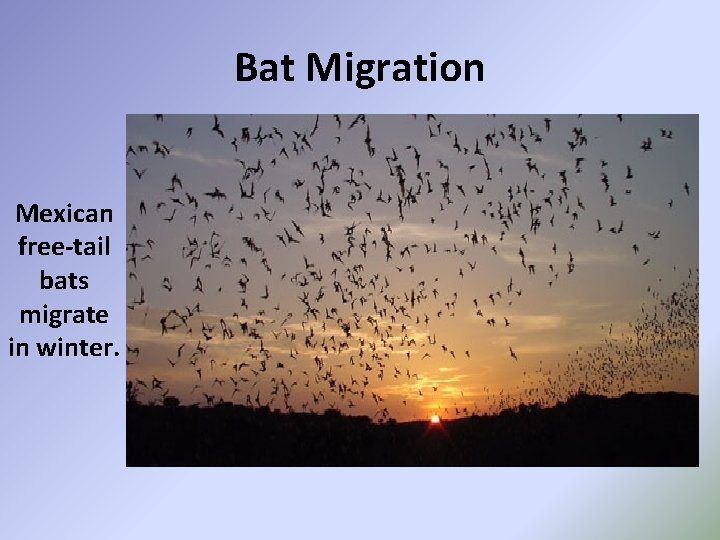
Bat Migration Mexican free-tail bats migrate in winter.
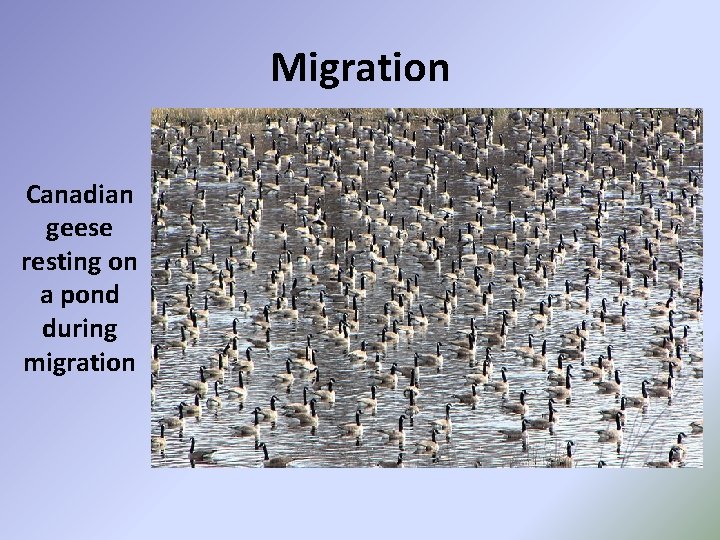
Migration Canadian geese resting on a pond during migration
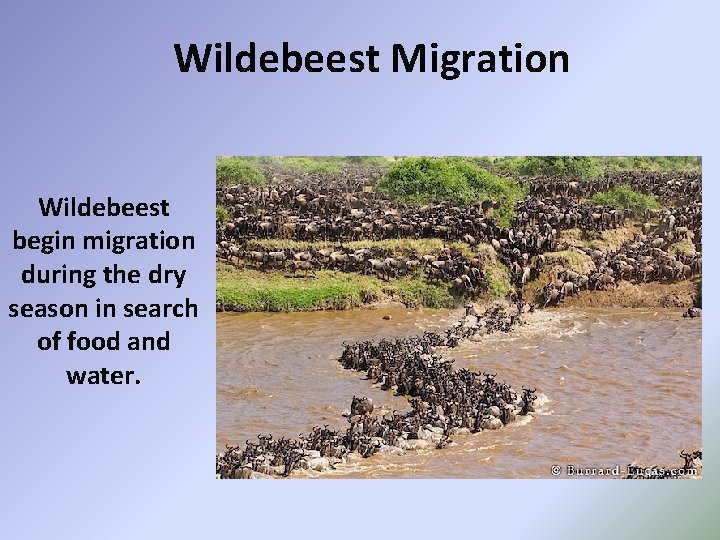
Wildebeest Migration Wildebeest begin migration during the dry season in search of food and water.
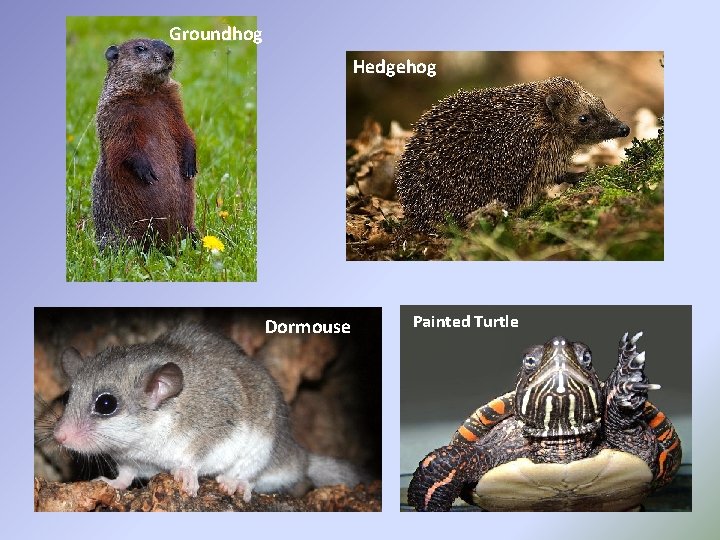
Hibernation • Hibernation is a survival strategy designed to conserve energy when conditions are harsh or when food is scarce. • Metabolism, heart rate, and body temperature drop significantly. • Smaller animals tend to be more likely to hibernate because migration would require an huge amounts of energy. Larger animals are less likely to hibernate because of the additional energy required to warm up a large body.
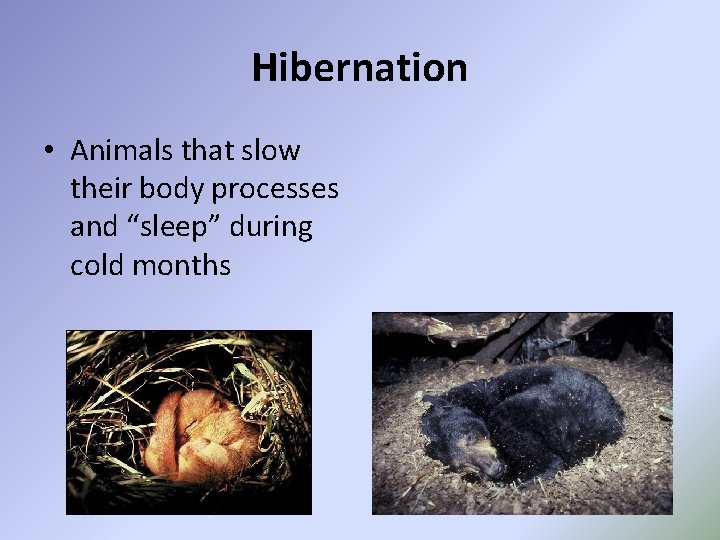
Hibernation • Animals that slow their body processes and “sleep” during cold months
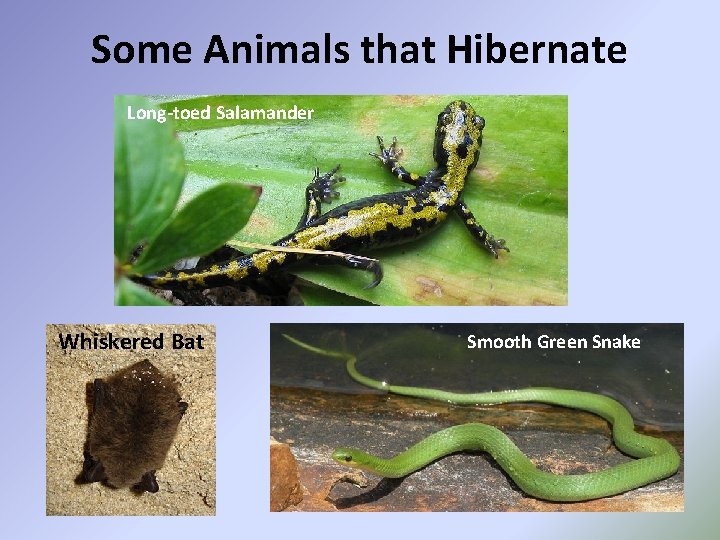
Some Animals that Hibernate Long-toed Salamander Whiskered Bat Smooth Green Snake
Groundhog Hedgehog Dormouse Painted Turtle
Surviving in Different Environments • Organisms will have different adaptations for different environments • The easier an animal can adapt, the better chance it has at survival
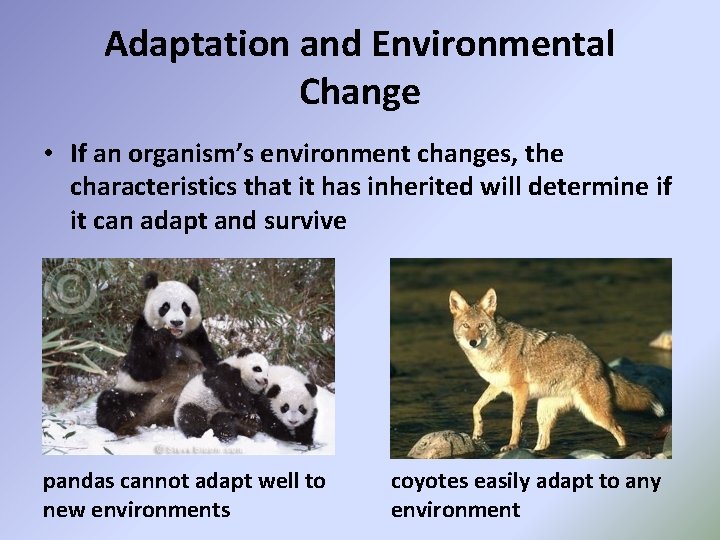
Adaptation and Environmental Change • If an organism’s environment changes, the characteristics that it has inherited will determine if it can adapt and survive pandas cannot adapt well to new environments coyotes easily adapt to any environment