
Compensation 101 A Primer for HR Professionals CISHRP





- Slides: 26
Compensation 101 A Primer for HR Professionals CISHRP Conference Workshop May 30, 2019
You…. . Name and role? Organization you serve? Pay issues?
Objectives Understand Learn • How to properly pay your staff • Components of Compensation • Fairness • How to build a pay structure
Definition of Compensation Payment or reward in exchange for work. A tool used to drive employee behaviour All forms of financial returns, perquisites and benefits employees receive as part of an employment relationship. It represents multiple transactions: • • Economic (dollars) Psychological (behaviour) Sociological (status) Political (power) • Ethical (fair play)
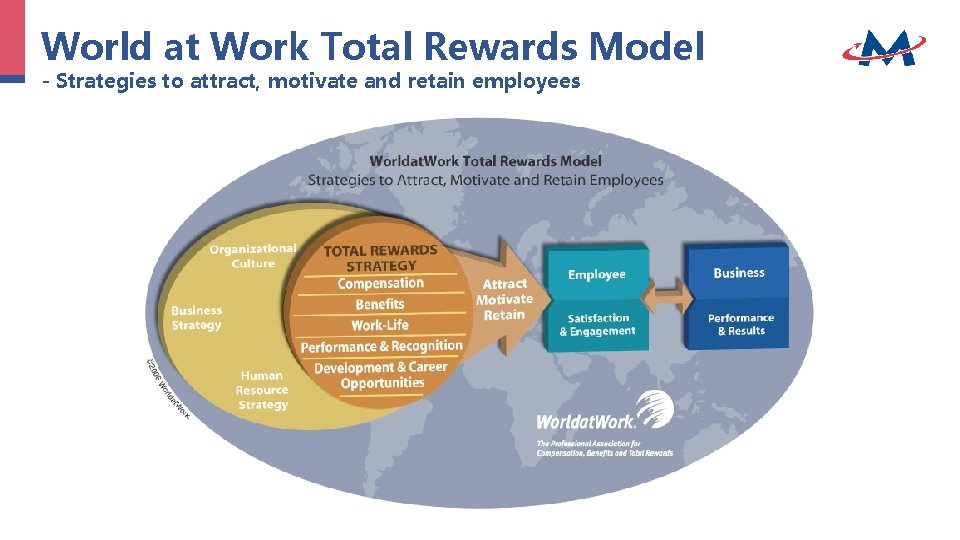
World at Work Total Rewards Model - Strategies to attract, motivate and retain employees
Types of Pay • Base Pay (Hourly/Salary) • Variable Pay (Performance Pay, Commissions) • Expatriate Compensation • Overtime • Stand By / Call In Pay Government Steps • Short Term Incentive (Bonus) Private / NPO Min – Mid - Max • Long Term Incentive Types of Salary Ranges
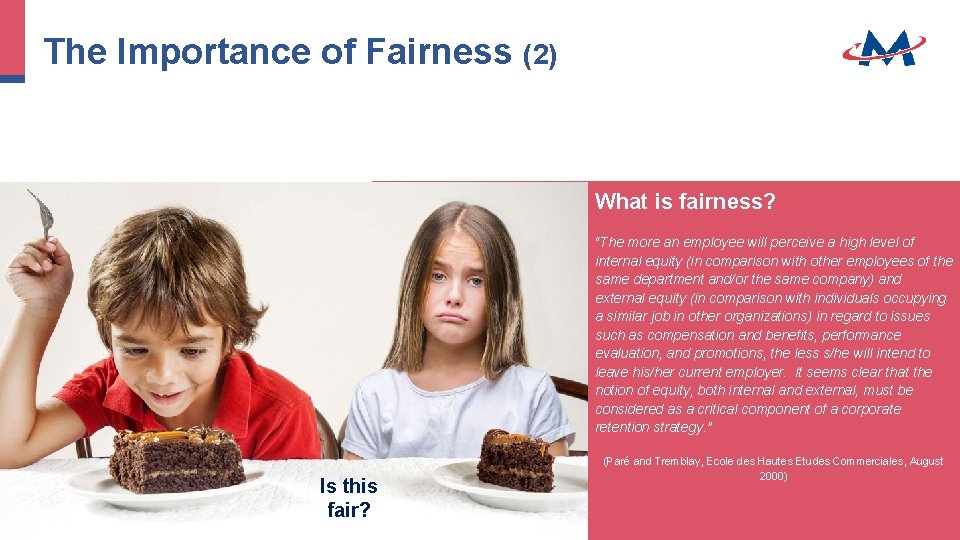
The Importance of Fairness Grou p Let’s Exercise sens test yo u e of fairn r ess! What is fairness? • Impartial and just treatment or behaviour without favouritism or discrimination. • Just and reasonable treatment in accordance with accepted rules or principles. Is this fair?
The Importance of Fairness (2) What is fairness? “The more an employee will perceive a high level of internal equity (in comparison with other employees of the same department and/or the same company) and external equity (in comparison with individuals occupying a similar job in other organizations) in regard to issues such as compensation and benefits, performance evaluation, and promotions, the less s/he will intend to leave his/her current employer. It seems clear that the notion of equity, both internal and external, must be considered as a critical component of a corporate retention strategy. ” Is this fair? (Paré and Tremblay, Ecole des Hautes Etudes Commerciales, August 2000)
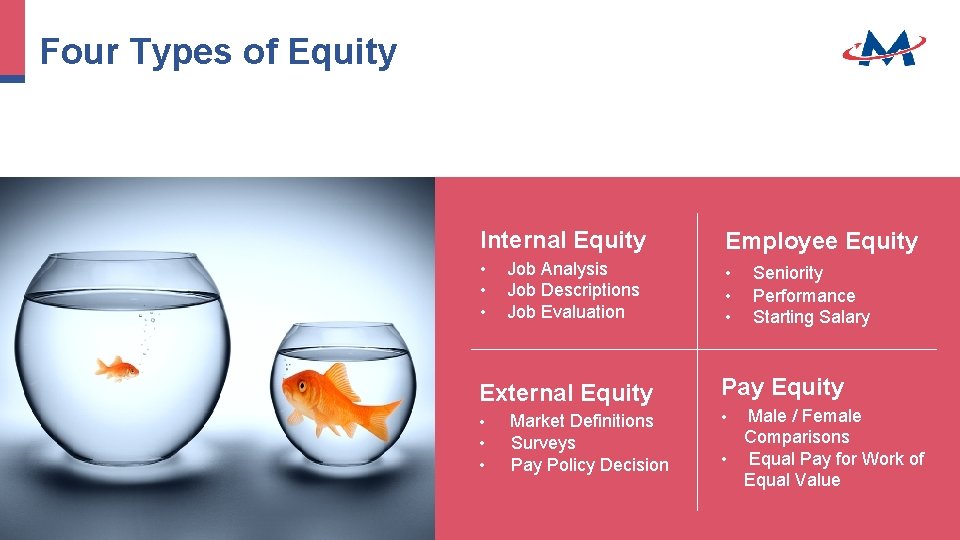
Four Types of Equity Internal Equity Employee Equity • • • Job Analysis Job Descriptions Job Evaluation External Equity • • • Market Definitions Surveys Pay Policy Decision Seniority Performance Starting Salary Pay Equity Male / Female Comparisons • Equal Pay for Work of Equal Value •
Compensation Objectives • Internal Equity • External Competitiveness (Employer’s Viewpoint) • External Equity (Employee’s Viewpoint) • Ability to Pay (Employer’s Viewpoint) • Compliance with Laws • Administrative Efficiency
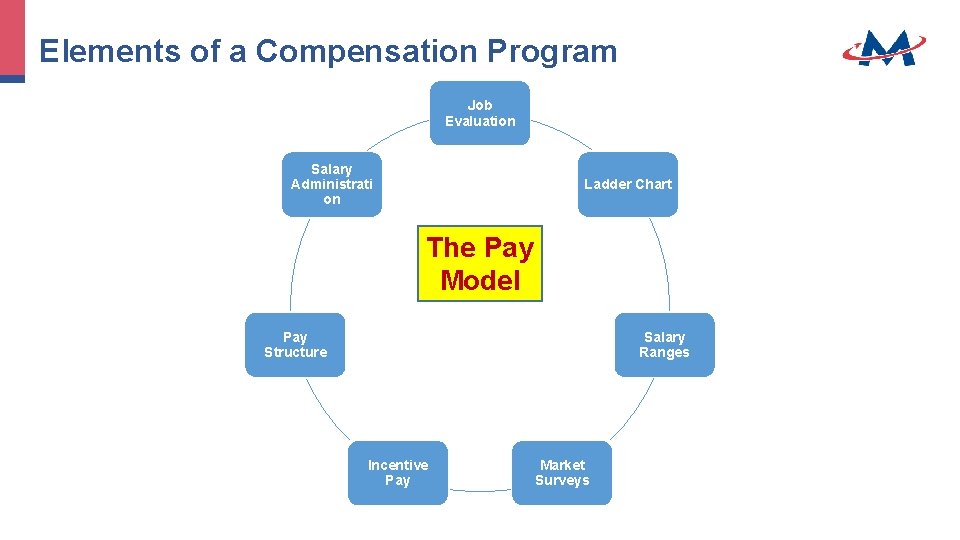
Elements of a Compensation Program Job Evaluation Salary Administrati on Ladder Chart The Pay Model Pay Structure Salary Ranges Incentive Pay Market Surveys
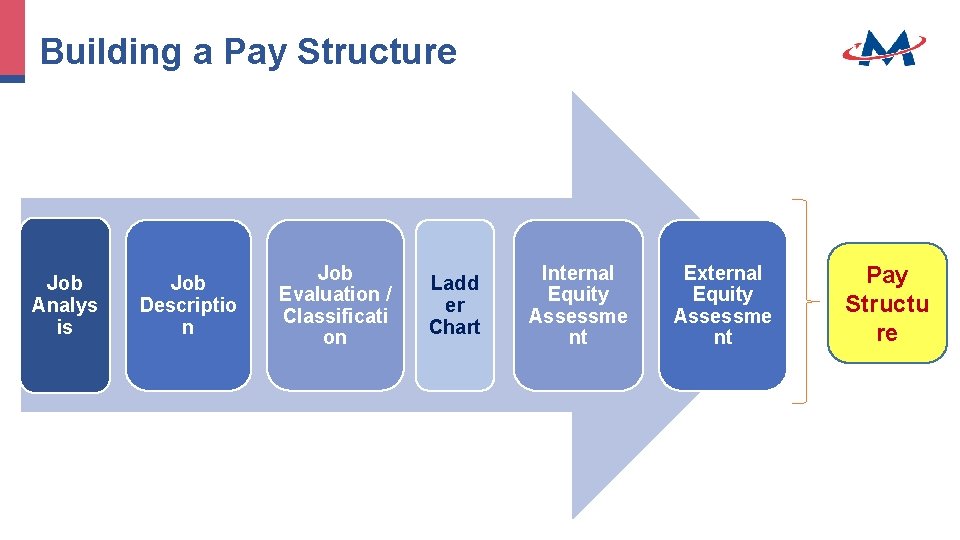
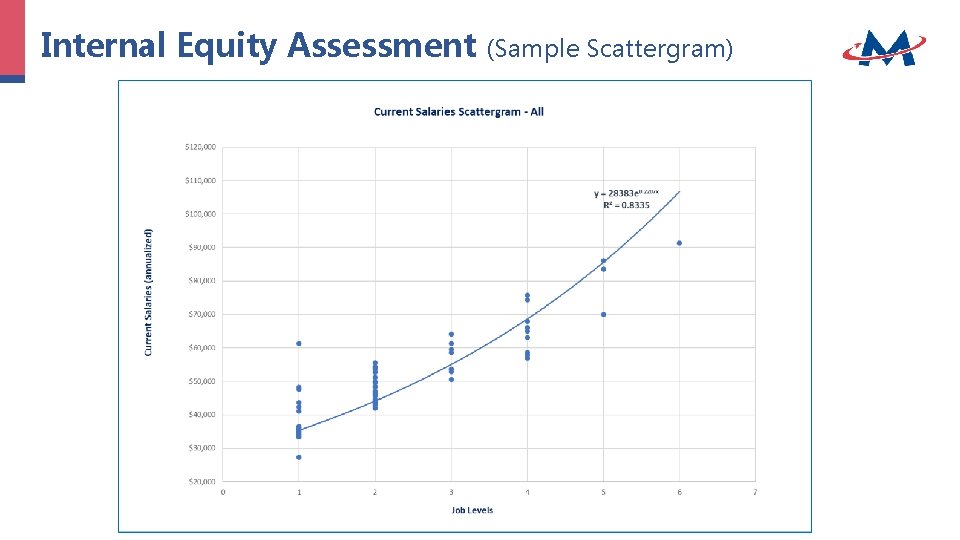
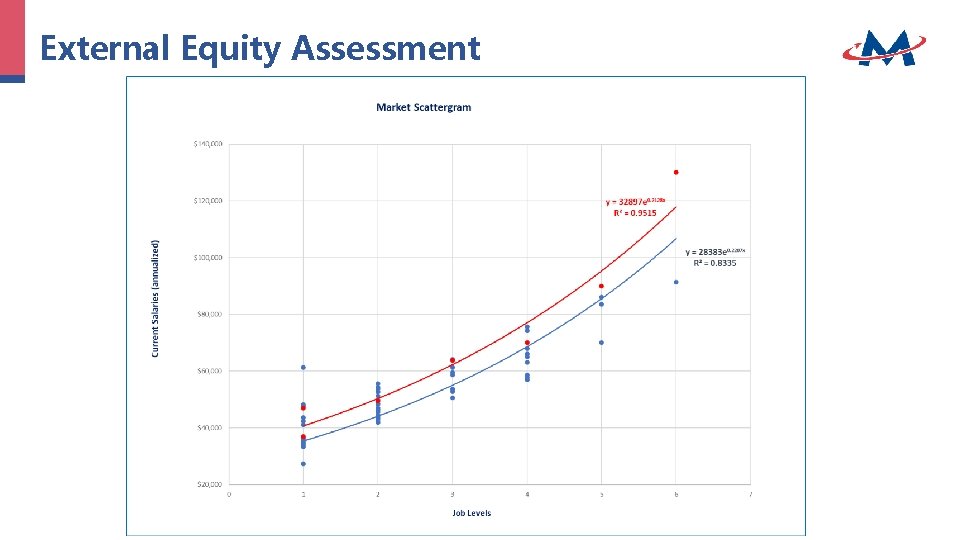
Building a Pay Structure Job Analys is Job Descriptio n Job Evaluation / Classificati on Ladd er Chart Internal Equity Assessme nt External Equity Assessme nt Pay Structu re
Determining Job Worth - Job Descriptions • A written statement identifying key information about positions. • Uses: Job evaluation, recruitment, performance assessment, HR planning, training and development. • Must relate to the job, not the incumbent. • Should be written in plain language. • No relationship between length of JD and value of job.
Determining Job Worth - Job Evaluation • The process of determining the value of a job within an organization relative to all the other jobs in that organization. • A systematic procedure to determine the relative worth or value of a job. • Focuses on the job; not individual skill, ability or performance. • Objective is to establish a hierarchy of jobs in the organization.
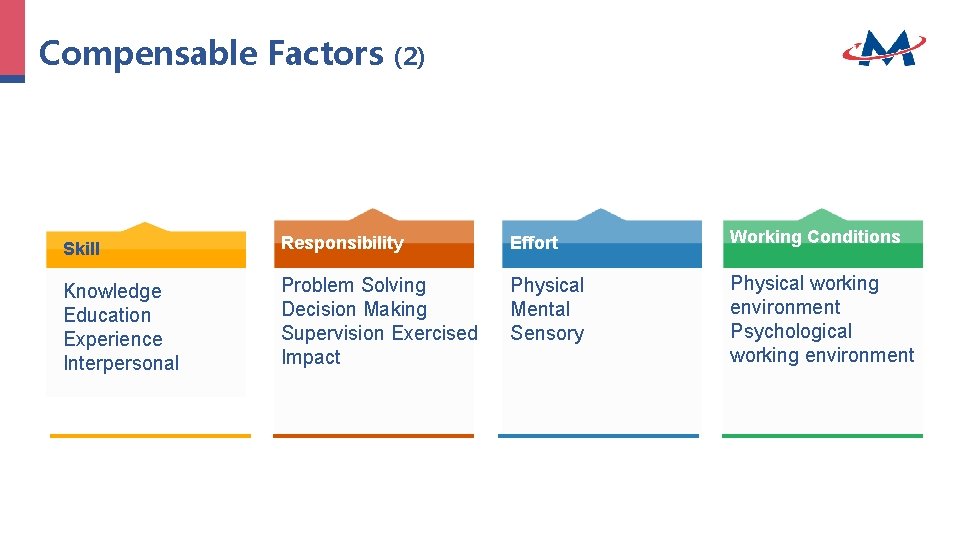
Compensable Factors - Job Evaluation • Characteristics of a job that are important. Therefore, the organization is willing to pay for them. • Their presence gives the job its value. • Point Factor Method • Method used to evaluate jobs • Job evaluation system that assigns point values to a set of compensable factors • Job is evaluated on each factor and points are assigned
Compensable Factors (2) Skill Responsibility Effort Working Conditions Knowledge Education Experience Interpersonal Problem Solving Decision Making Supervision Exercised Impact Physical Mental Sensory Physical working environment Psychological working environment
When to Use Job Evaluation • When you’re building a new organization, or reorganizing • When there have been major changes to the job description of a position • When a new position is created • Before posting a job advertisement for a vacant position
When NOT to Use Job Evaluation • Give a valued employee a raise • Reward a good performer • Forestall a key person from leaving • Address the problem of an employee being at the top of the salary range
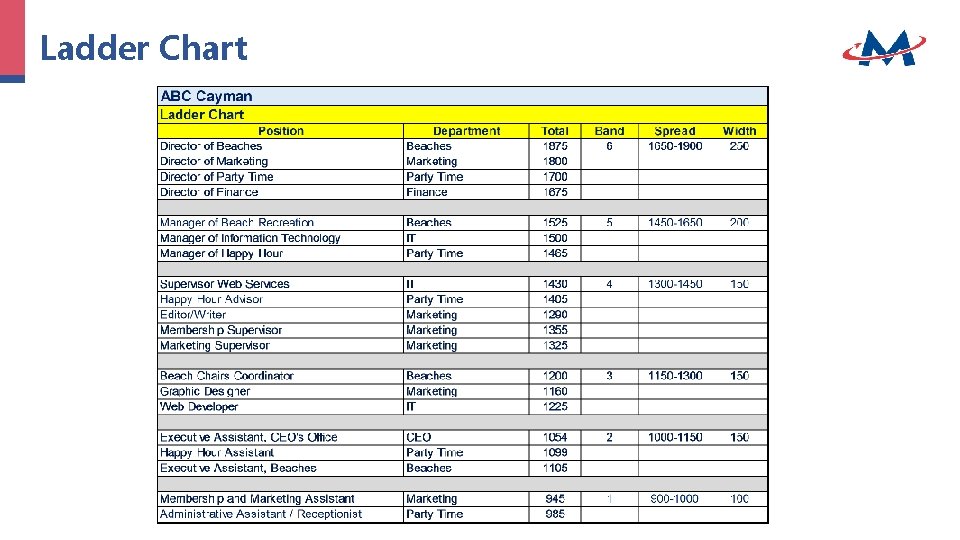
Ladder Chart
Internal Equity Assessment (Sample Scattergram)
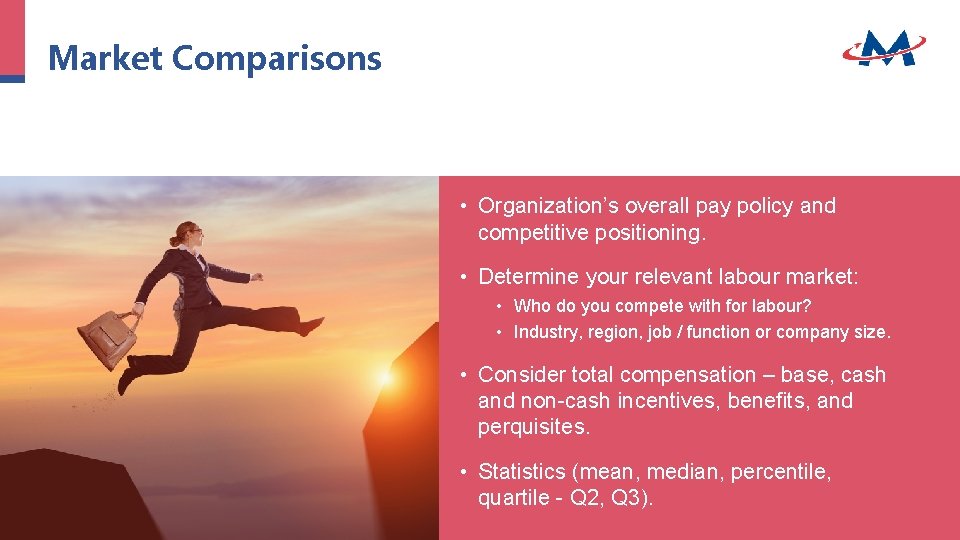
Market Comparisons • Organization’s overall pay policy and competitive positioning. • Determine your relevant labour market: • Who do you compete with for labour? • Industry, region, job / function or company size. • Consider total compensation – base, cash and non-cash incentives, benefits, and perquisites. • Statistics (mean, median, percentile, quartile - Q 2, Q 3).
External Equity Assessment
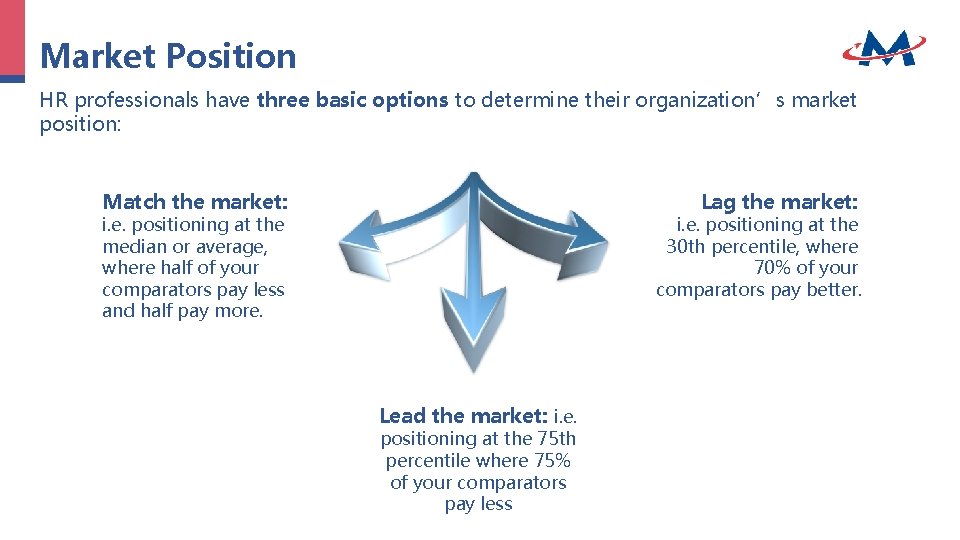
Market Position HR professionals have three basic options to determine their organization’s market position: Match the market: Lag the market: i. e. positioning at the median or average, where half of your comparators pay less and half pay more. i. e. positioning at the 30 th percentile, where 70% of your comparators pay better. Lead the market: i. e. positioning at the 75 th percentile where 75% of your comparators pay less
Pay Structure
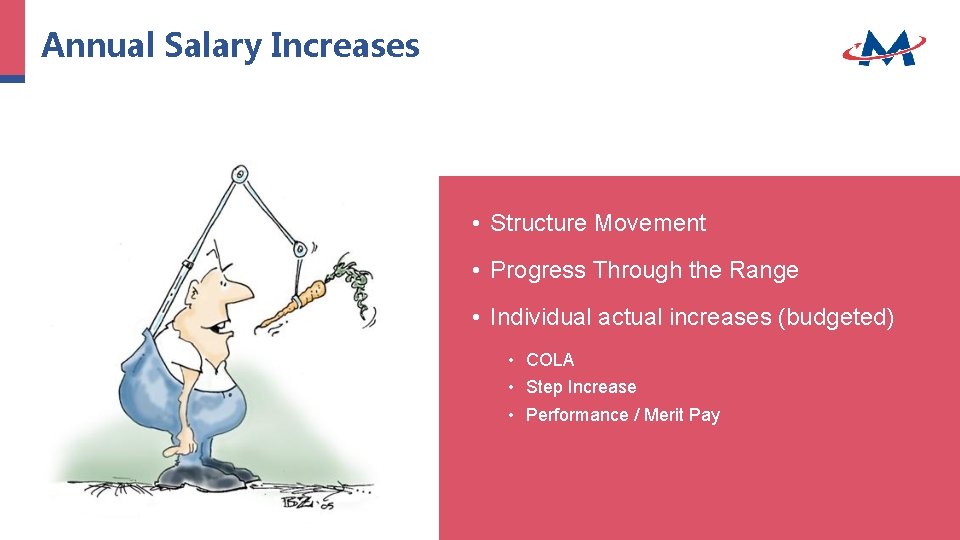
Annual Salary Increases • Structure Movement • Progress Through the Range • Individual actual increases (budgeted) • COLA • Step Increase • Performance / Merit Pay
Questions? Tim Mc. Connell Managing Partner Mc. Connell HR Consulting Inc. Tim@Mc. Connell. HRC. com 613 -836 -4648