
Comparative Vertebrate Physiology Vertebrate Respiration Systems Respiration systems
Comparative Vertebrate Physiology Vertebrate Respiration Systems
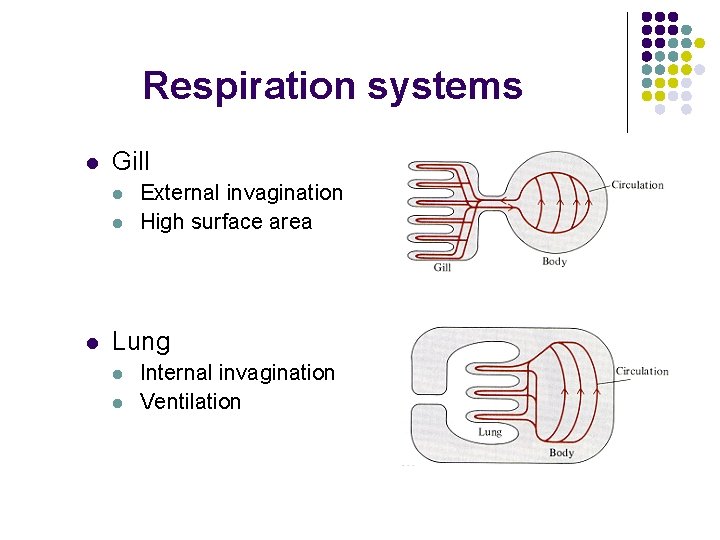
Respiration systems l Gill l External invagination High surface area Lung l l Internal invagination Ventilation
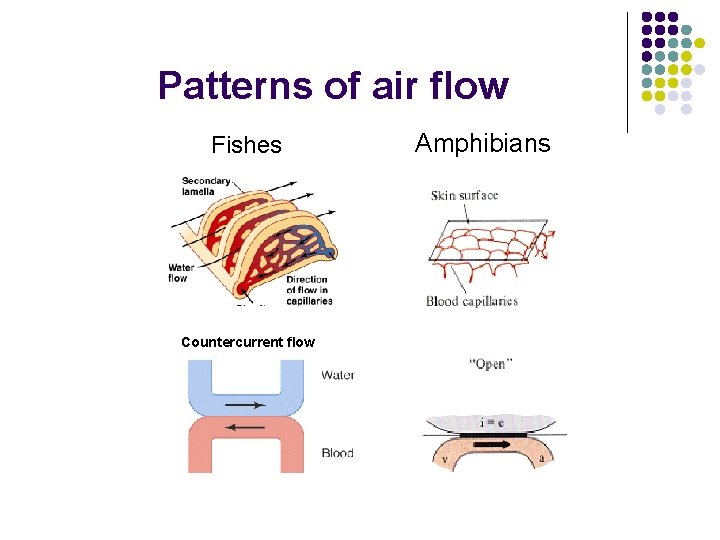
Patterns of air flow Fishes Countercurrent flow Amphibians
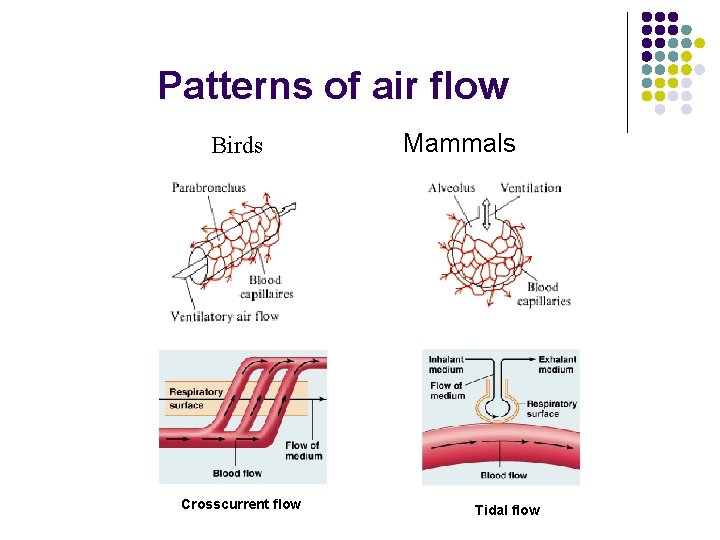
Patterns of air flow Birds Crosscurrent flow Mammals Tidal flow
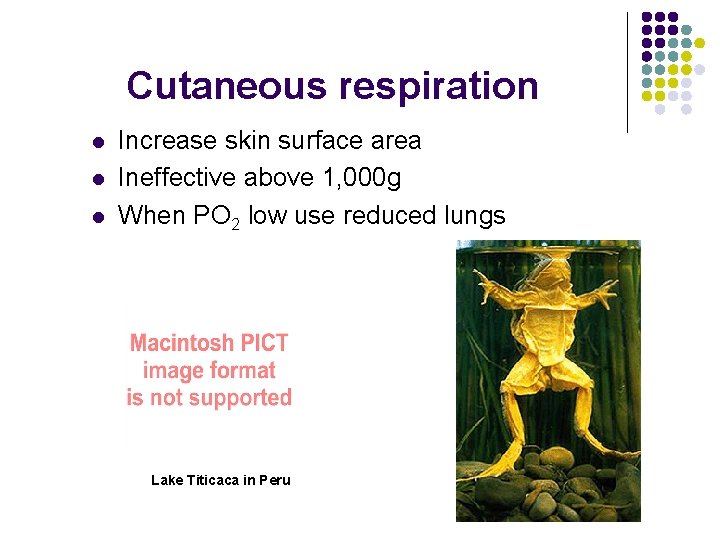
Cutaneous respiration l l l Increase skin surface area Ineffective above 1, 000 g When PO 2 low use reduced lungs Lake Titicaca in Peru
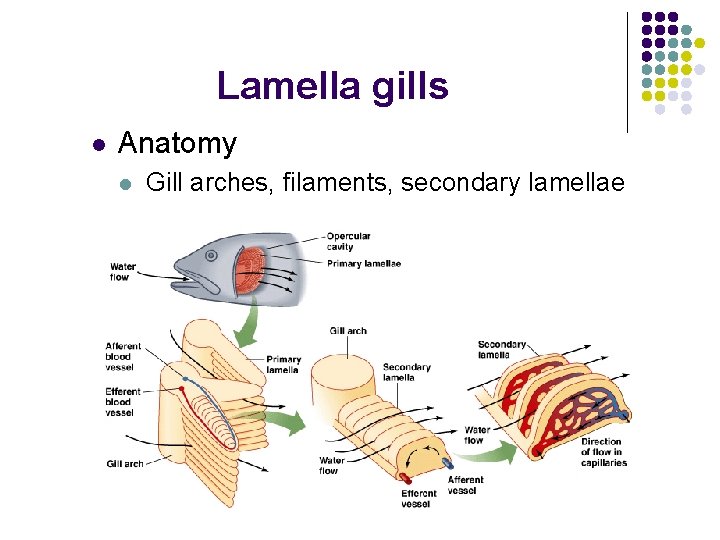
Lamella gills l Anatomy l Gill arches, filaments, secondary lamellae
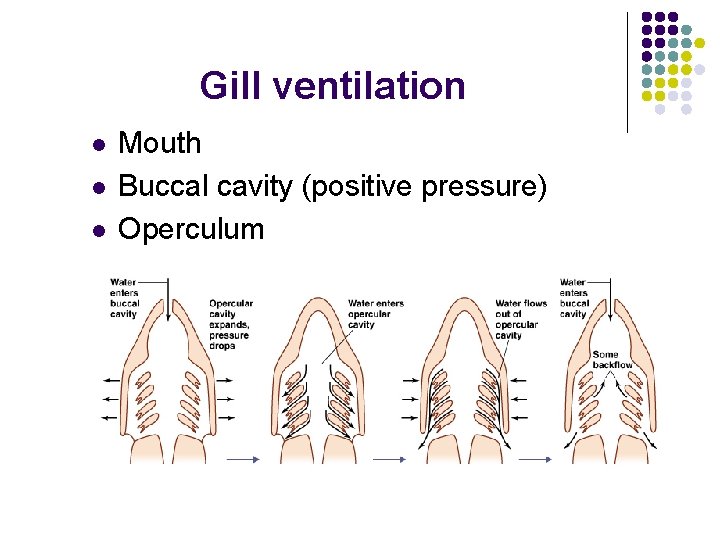
Gill ventilation l l l Mouth Buccal cavity (positive pressure) Operculum

Countercurrent flow l Is it more efficient?
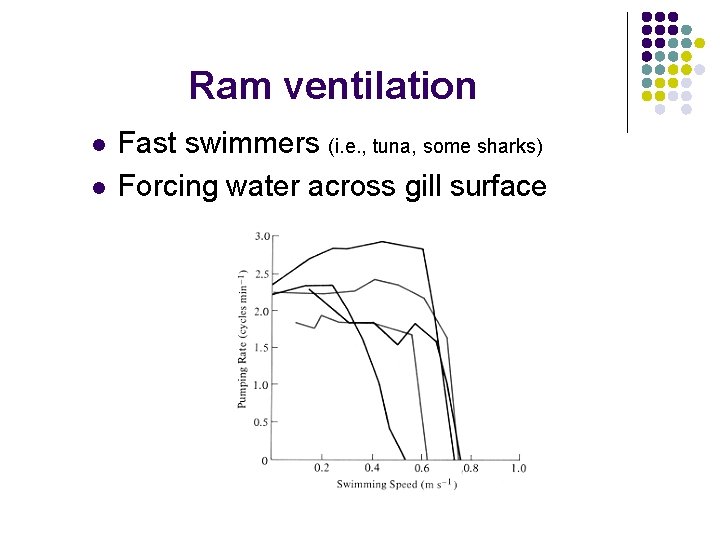
Ram ventilation l l Fast swimmers (i. e. , tuna, some sharks) Forcing water across gill surface
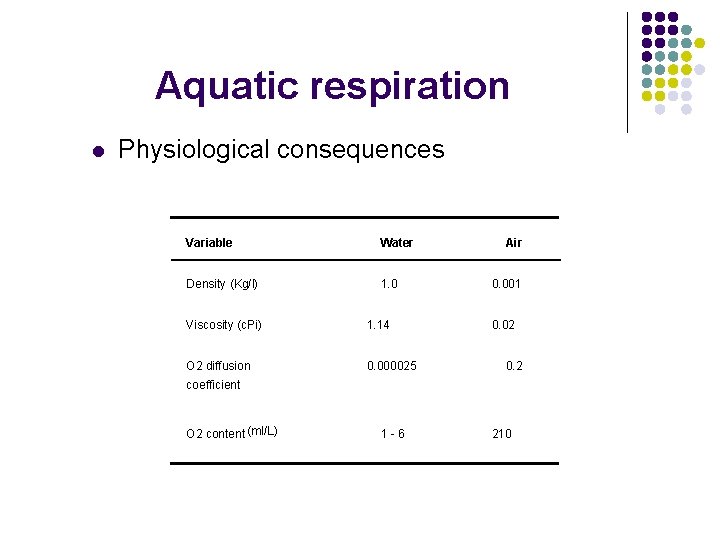
Aquatic respiration l Physiological consequences Variable Water Density (Kg/l) 1. 0 Viscosity (c. Pi) 1. 14 O 2 diffusion 0. 000025 Air 0. 001 0. 02 0. 2 coefficient O 2 content (ml/L) 1 -6 210
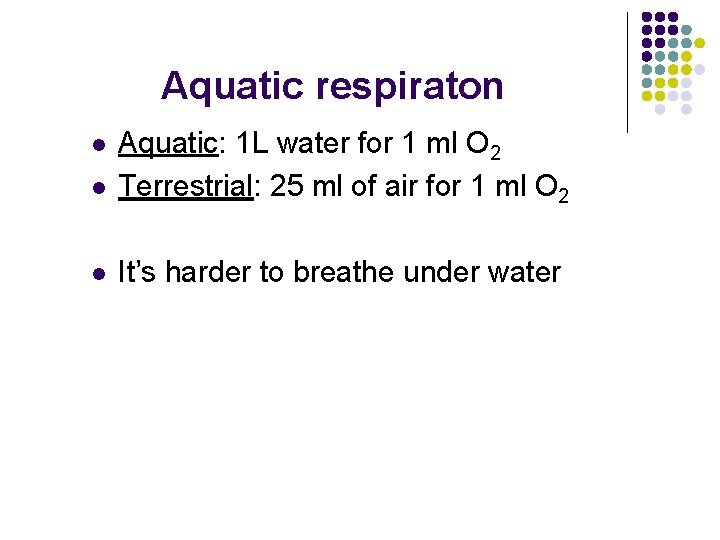
Aquatic respiraton l Aquatic: 1 L water for 1 ml O 2 Terrestrial: 25 ml of air for 1 ml O 2 l It’s harder to breathe under water l
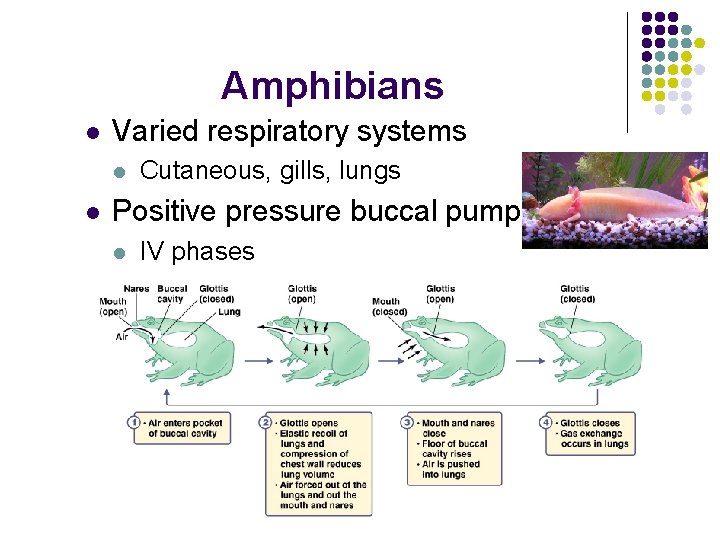
Amphibians l Varied respiratory systems l l Cutaneous, gills, lungs Positive pressure buccal pump l IV phases
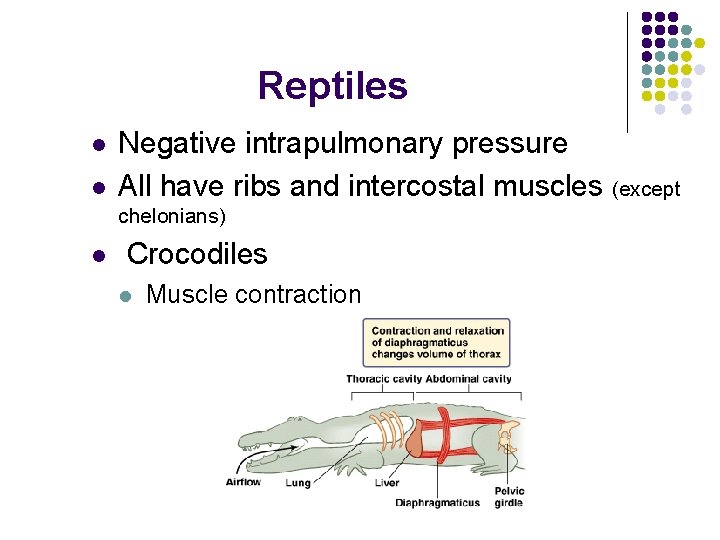
Reptiles l l Negative intrapulmonary pressure All have ribs and intercostal muscles (except chelonians) l Crocodiles l Muscle contraction
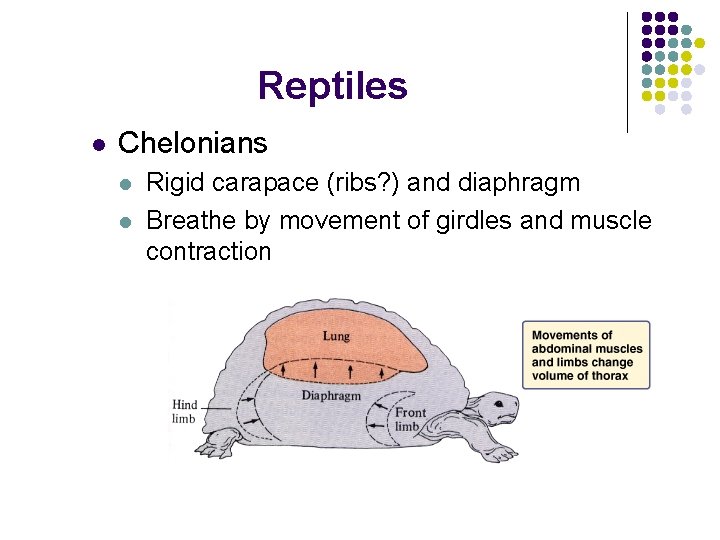
Reptiles l Chelonians l l Rigid carapace (ribs? ) and diaphragm Breathe by movement of girdles and muscle contraction
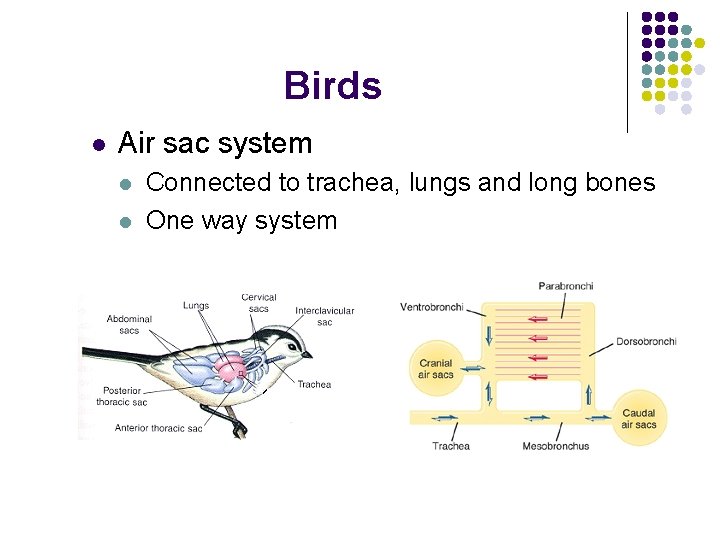
Birds l Air sac system l l Connected to trachea, lungs and long bones One way system
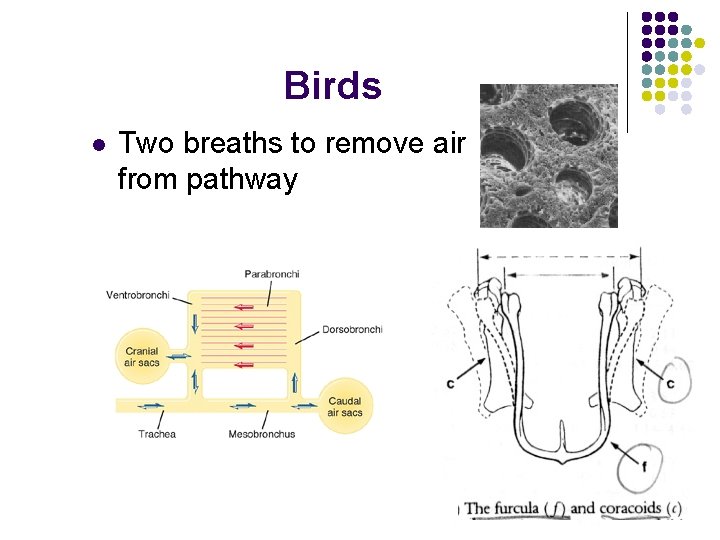
Birds l Two breaths to remove air from pathway
Extremes of respiration l 1. Increase in altitude l l l PO 2 at 5, 800 m is 80 mm. Hg compared with 155 mm. Hg at sea level Birds migrate at 6, 000 m Humans l l Short-term response: Increase in depth of respiration (not rate), regulated by p. H of CSF Long-term response: Increase in erythropoietin and RBC count
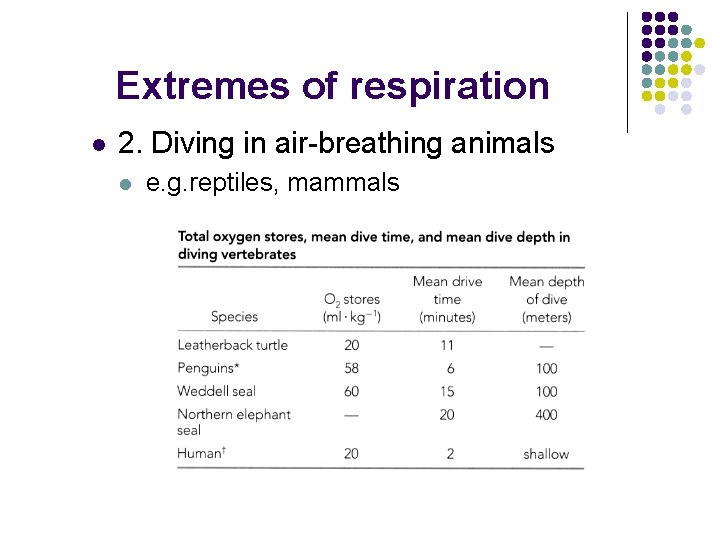
Extremes of respiration l 2. Diving in air-breathing animals l e. g. reptiles, mammals
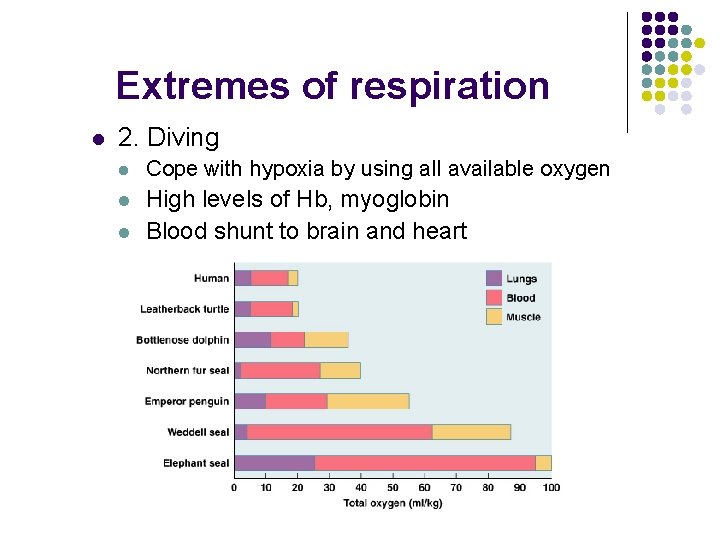
Extremes of respiration l 2. Diving l Cope with hypoxia by using all available oxygen l High levels of Hb, myoglobin Blood shunt to brain and heart l
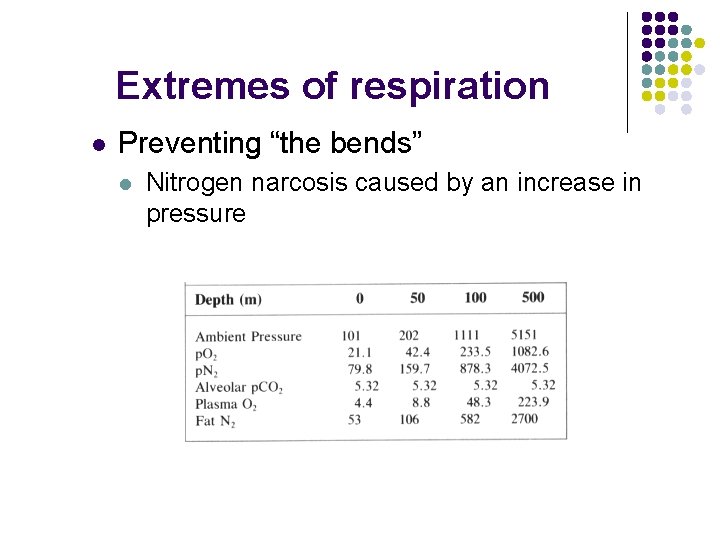
Extremes of respiration l Preventing “the bends” l Nitrogen narcosis caused by an increase in pressure
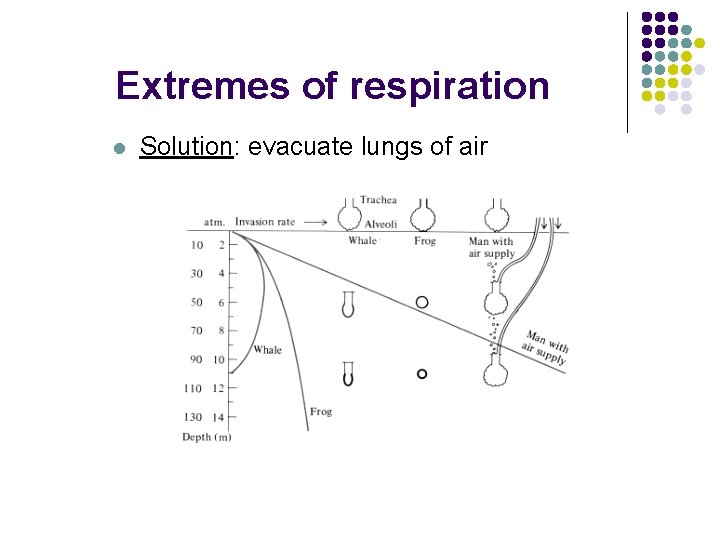
Extremes of respiration l Solution: evacuate lungs of air
- Slides: 21