
Comparative Anatomy Evolution of the Postcranial Skeleton Evolution
- Slides: 31
Comparative Anatomy Evolution of the Postcranial Skeleton
Evolution of the Postcranial Skeleton. n Functional units of the post-cranial skeleton. – – Visceal skeleton Vertebral column Ribs Sternum – Girdles – Paired appendages – Unpaired appendages
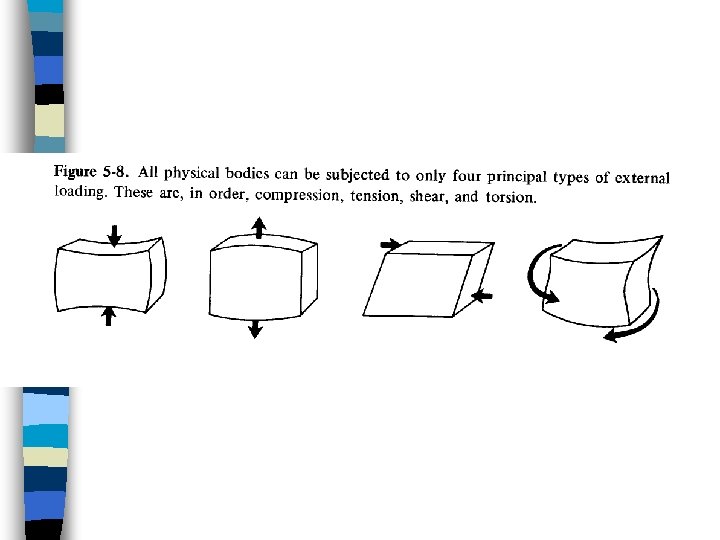
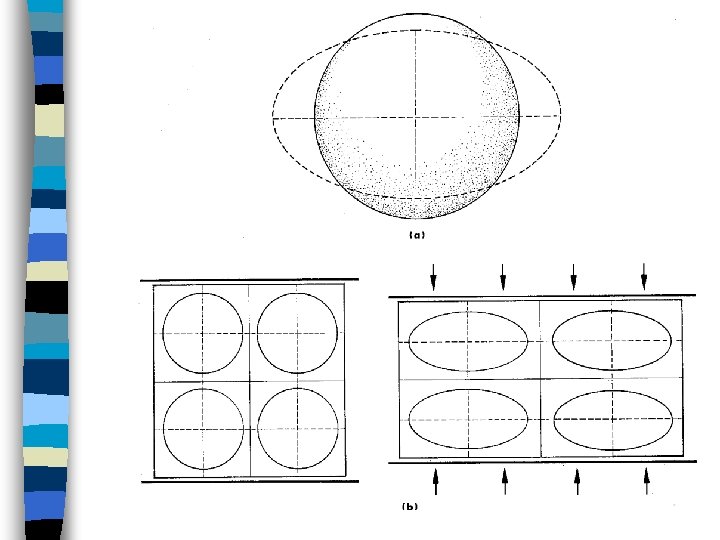
Postcranial Skeleton n n We need to know a little more about bone. What sorts of forces operate on bony tissue? – Compression – Tension – Shear – Torsion
Forces operating on bone n Examples – Compression……. Graviportal limbs of elephants. – Shear……………. . Greater trochanter of the femur. – Torsion…………. . . Vertebrae & Femur – Tension…………. . Sternum
Forces operating on bone n Bone is living tissue, and accommodates whatever forces are applied to it. – As an example, someone who loses a lot of weight quickly will still possess a robust skeleton designed to carry a lot of weight. However, with time the skeleton will reabsorb a considerable amount of tissue and become more gracile.
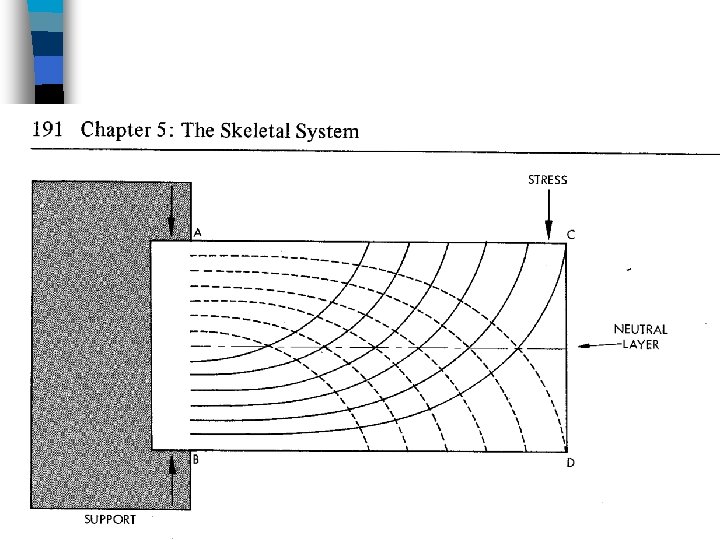
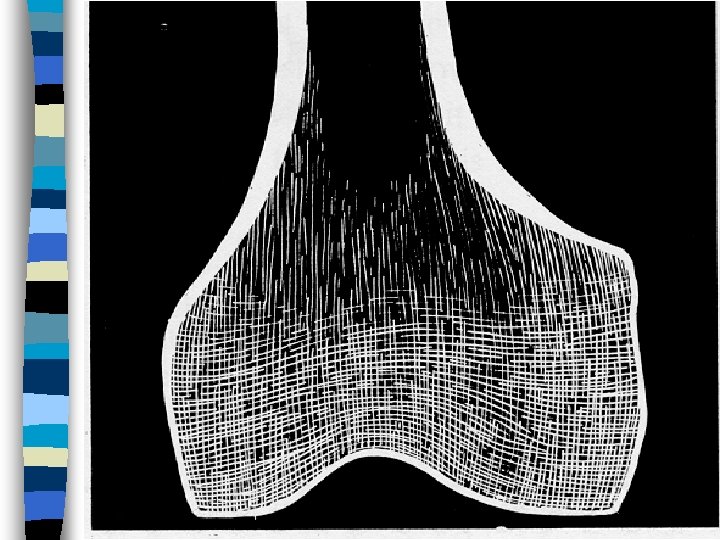
Forces acting on bone. n We can look at cross-sections of bone and determine exactly what kinds of forces were applied to the bone. – Note - a bone is not solid in cross section. – “force lines” within the bone become ossified for increased strength.
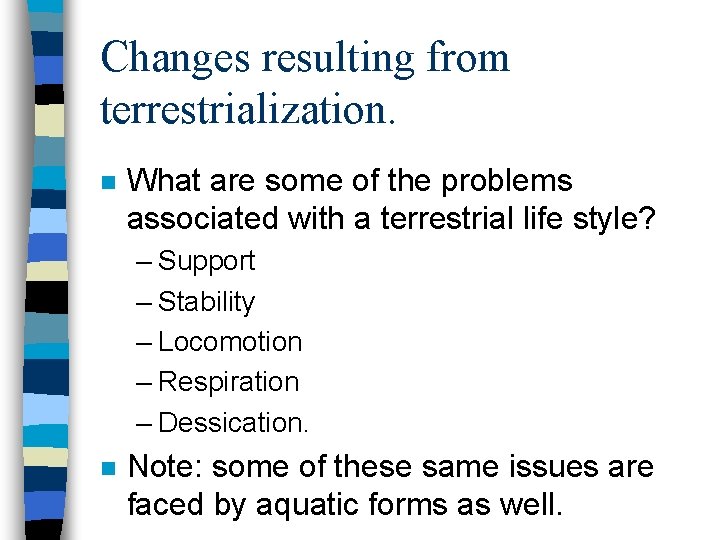
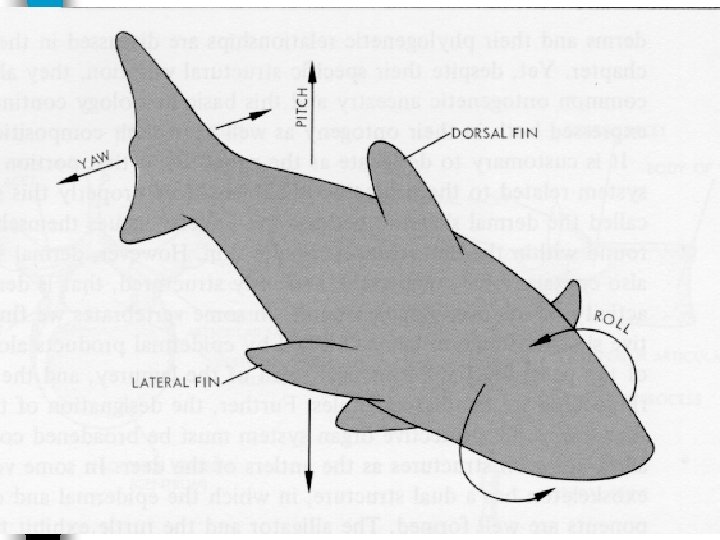
Changes resulting from terrestrialization. n What are some of the problems associated with a terrestrial life style? – Support – Stability – Locomotion – Respiration – Dessication. n Note: some of these same issues are faced by aquatic forms as well.
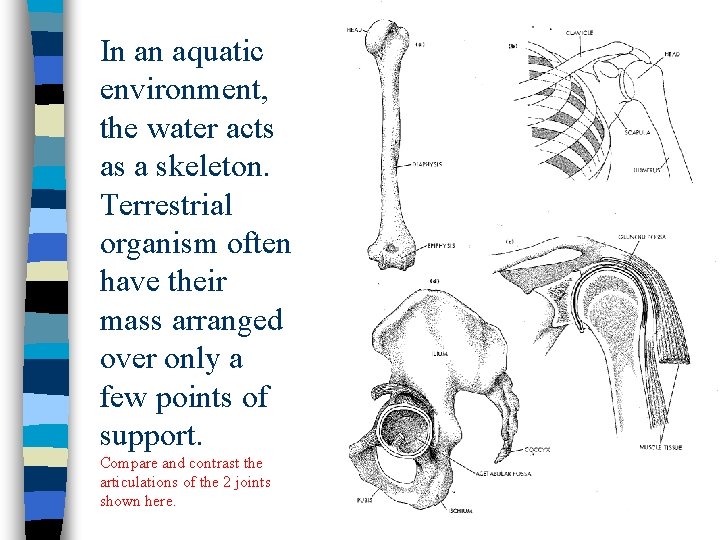
In an aquatic environment, the water acts as a skeleton. Terrestrial organism often have their mass arranged over only a few points of support. Compare and contrast the articulations of the 2 joints shown here.