
Community Organizing 101 An introduction to effective relational



- Slides: 19
Community Organizing 101 An introduction to effective, relational leadership October 3, 2014 Soc 361
Introductions • • Who are you? What is your project?
Workshop Goals • • • To learn about effective, relational leadership To practice 1: 1 s To practice making SMART goals
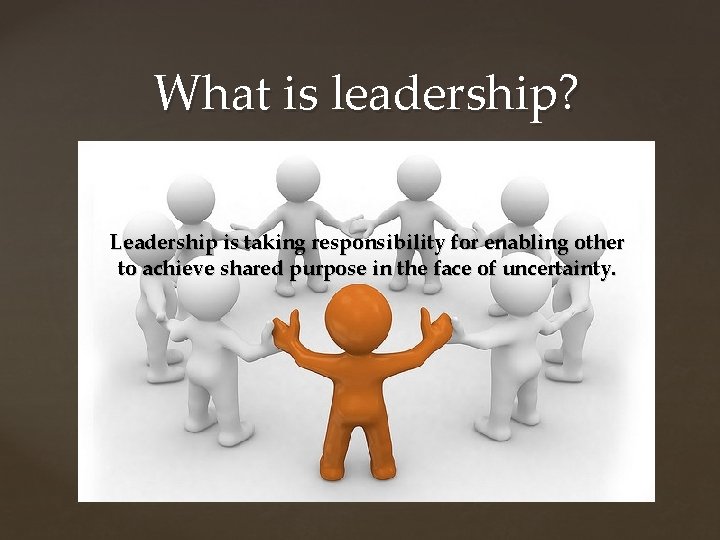
What is leadership? Leadership is taking responsibility for enabling other to achieve shared purpose in the face of uncertainty.
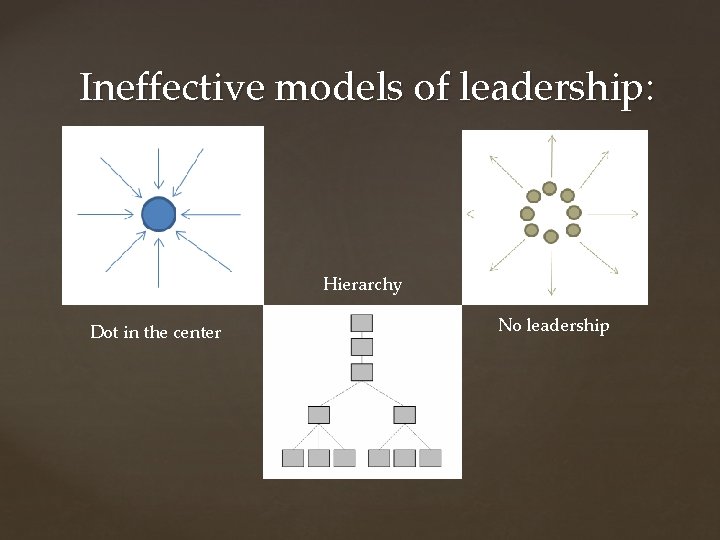
Ineffective models of leadership: Hierarchy Dot in the center No leadership
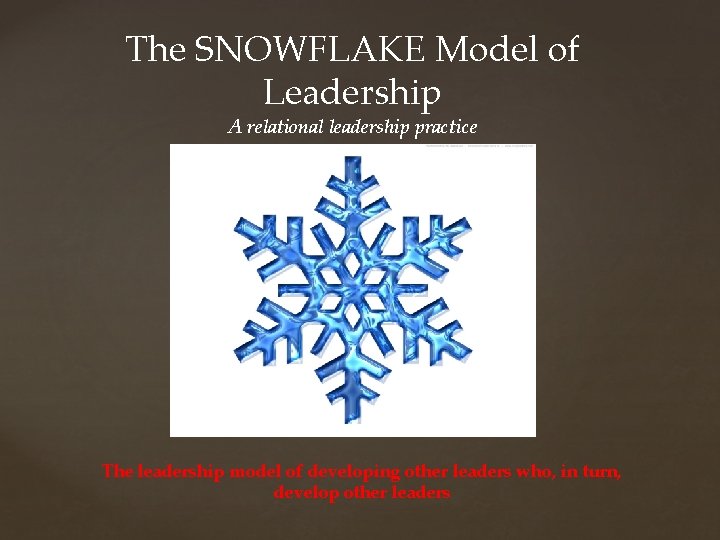
The SNOWFLAKE Model of Leadership A relational leadership practice The leadership model of developing other leaders who, in turn, develop other leaders
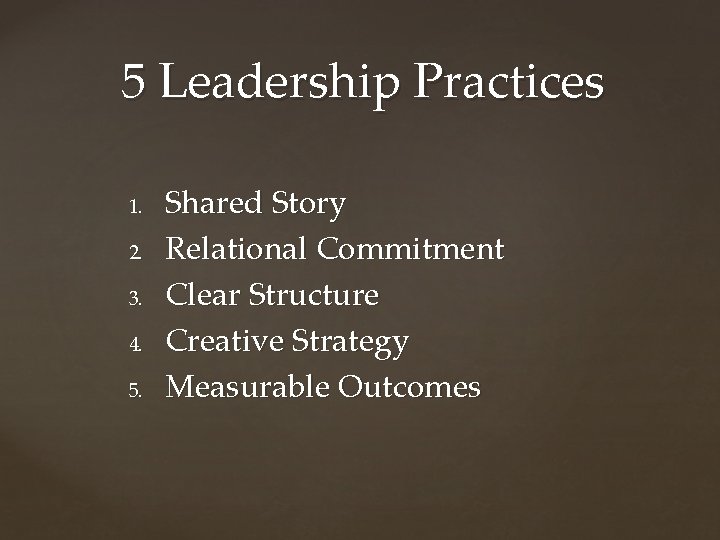
5 Leadership Practices 1. 2. 3. 4. 5. Shared Story Relational Commitment Clear Structure Creative Strategy Measurable Outcomes
Breakout question: How can you use (or how are you using) the snowflake model of leadership in your projects?
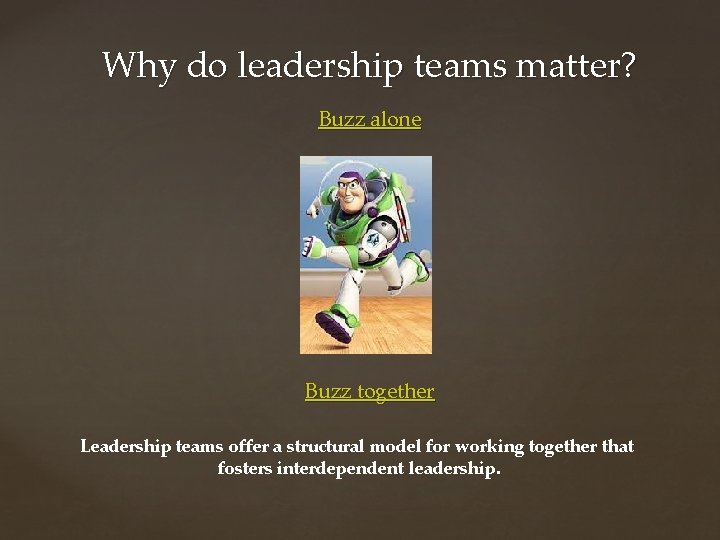
Why do leadership teams matter? Buzz alone Buzz together Leadership teams offer a structural model for working together that fosters interdependent leadership.
How to build leadership teams – Through Committed Relationships • • • Commitment is one of your greatest resources in organizing! Commitment is developed and sustained through relationships What are relationships? • • • Rooted in shared values Grow out of exchanges of interests and resources Created by commitment
How to gain commitment? The 1: 1 A 1: 1 meeting is an intentional conversation you have with one other person, about values, where you share and elicit stories of call, passion, and purpose.
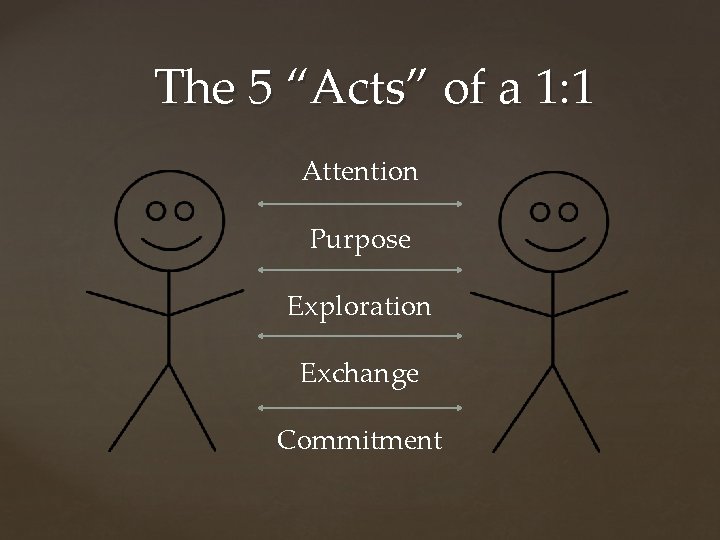
The 5 “Acts” of a 1: 1 Attention Purpose Exploration Exchange Commitment
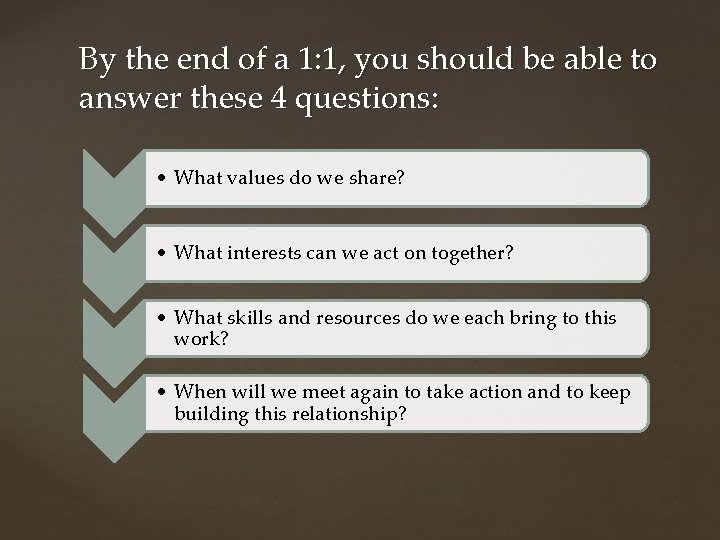
By the end of a 1: 1, you should be able to answer these 4 questions: • What values do we share? • What interests can we act on together? • What skills and resources do we each bring to this work? • When will we meet again to take action and to keep building this relationship?
Breakout questions: Who can I have 1: 1 s with? How do I make an ask?
Practicing a 1: 1 *Focus on exploration and commitment
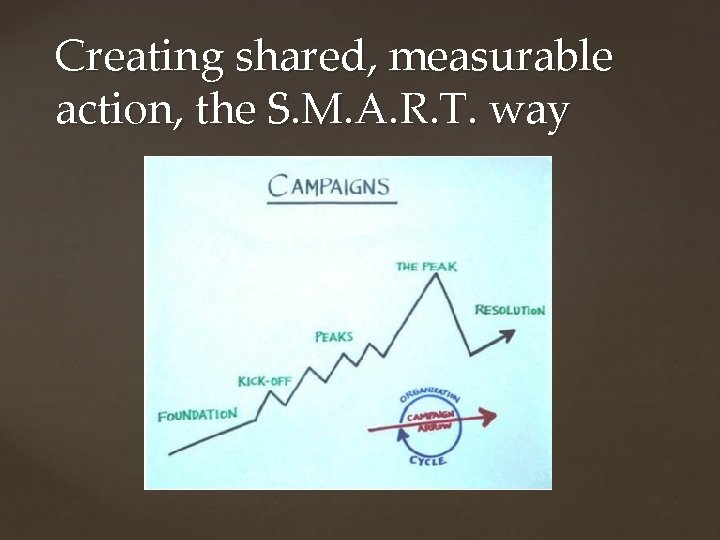
Creating shared, measurable action, the S. M. A. R. T. way
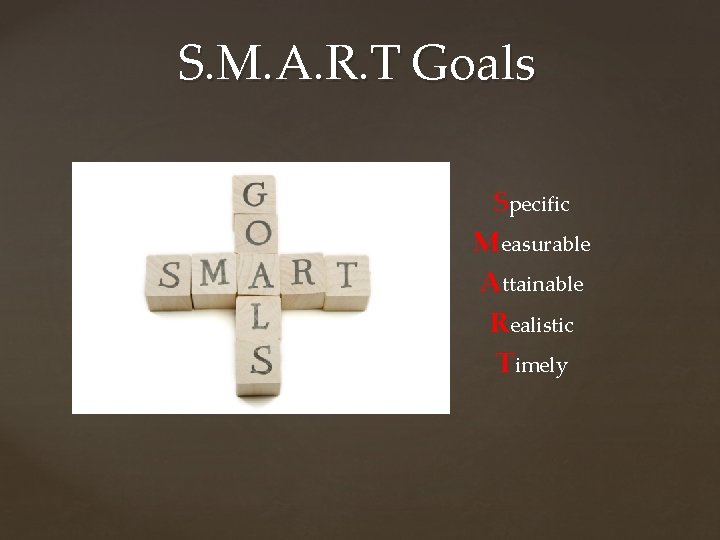
S. M. A. R. T Goals Specific Measurable Attainable Realistic Timely
Breakout questions: What is one next step for me/our project?
Evaluation