
COMMUNISM SPREADS IN EAST ASIA Chapter 15 Section
- Slides: 36
COMMUNISM SPREADS IN EAST ASIA Chapter 15 Section 3
Civil War 1946 to 1949 • Nationalists receive U. S. support • 1949 Communists win control with support of the peasants and Soviets • Nationalists retreated to Taiwan
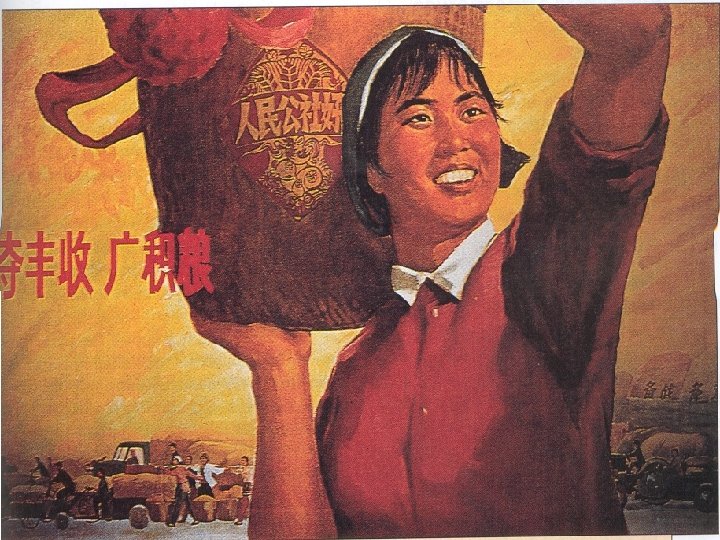
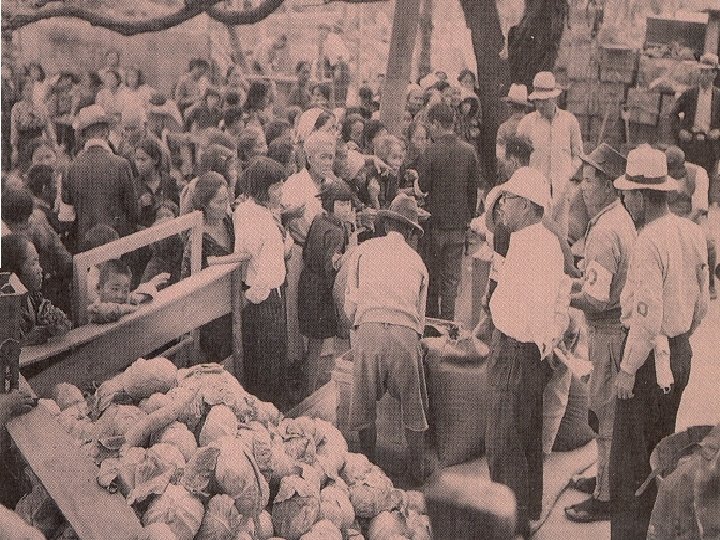
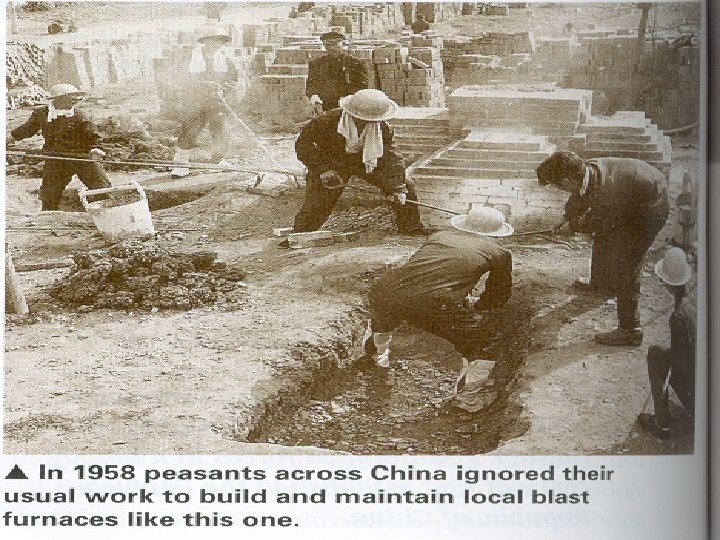
• 1953 - Mao set out to rebuild China during “The Great Leap Forward” • Land redistribution • Forced collectivization of peasant lands-formation of communes
Failure • forced industrialization • lack of incentive • disregard of traditional social and economic structures
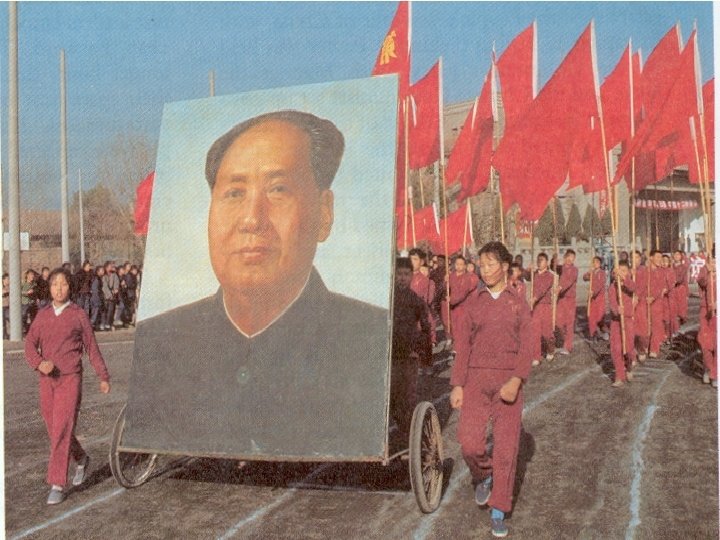
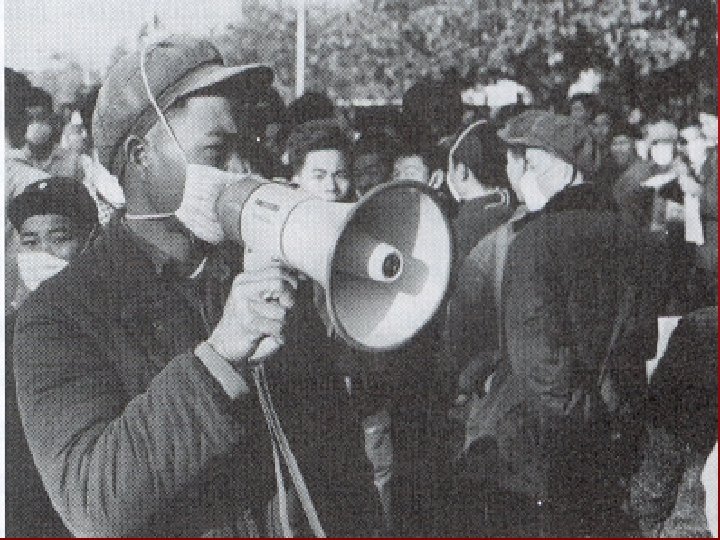
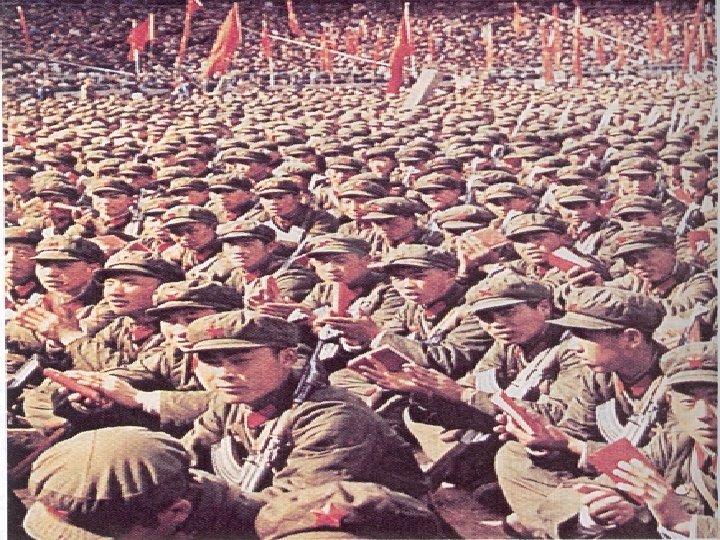
• The 1966 Cultural Revolution • Mao-” learn revolution by making revolution” • Gang of Four • Anti-intellectual movement
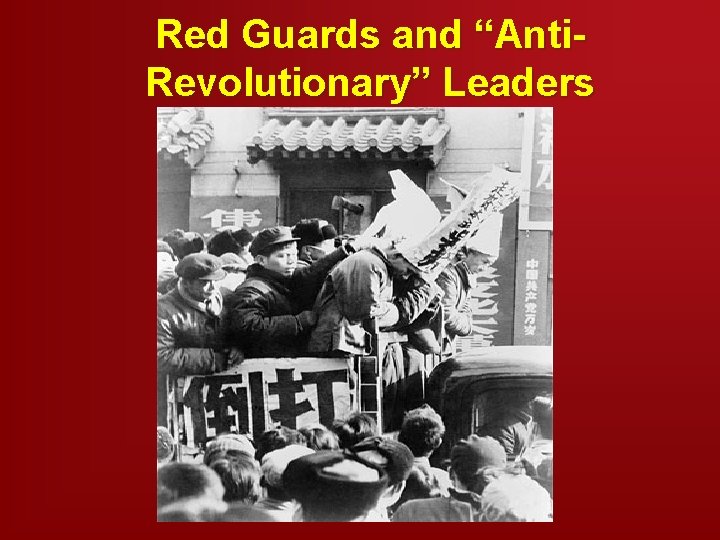
Red Guards and “Anti. Revolutionary” Leaders
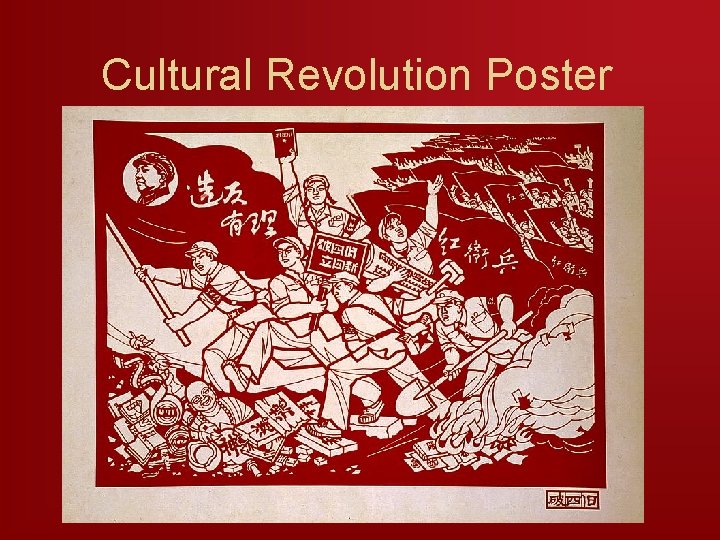
Cultural Revolution Poster
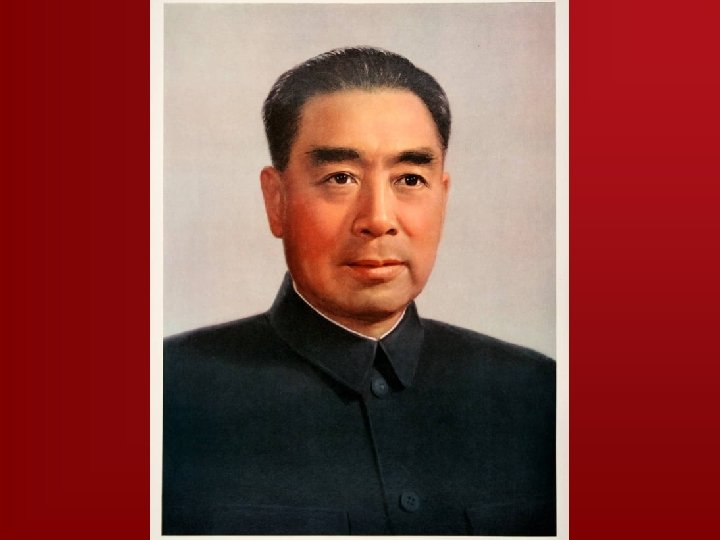
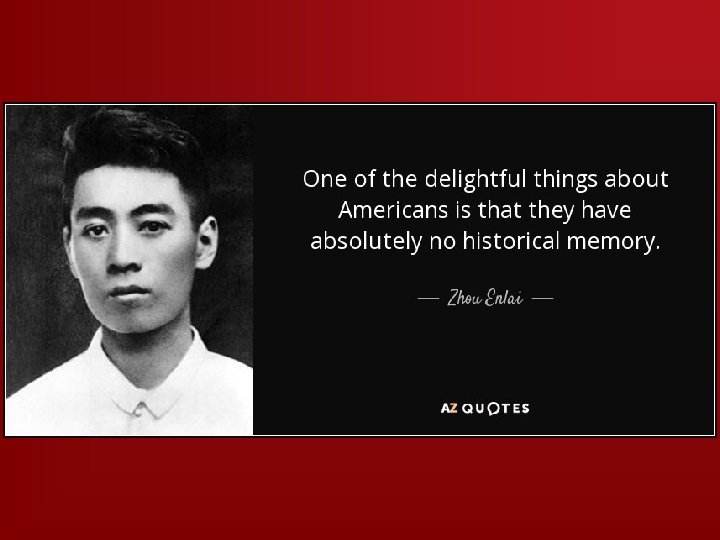
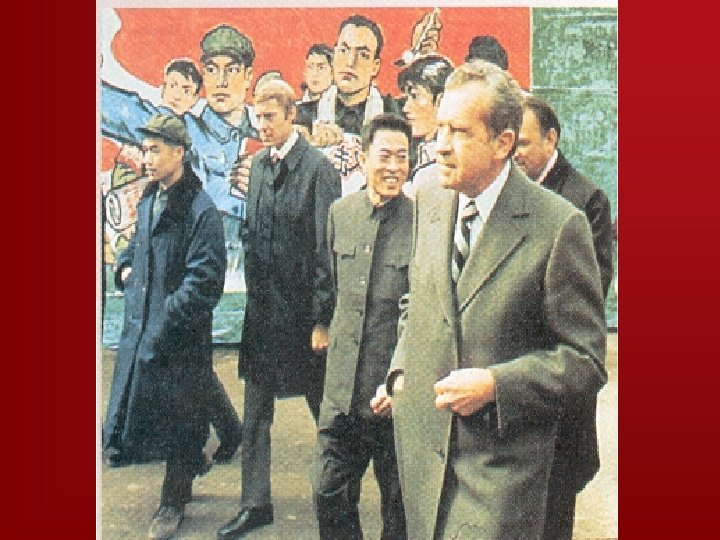
• 1970 s US policy of détente-a lessening of tensions • Richard Nixon • Ping pong diplomacy • Zhou Enlai
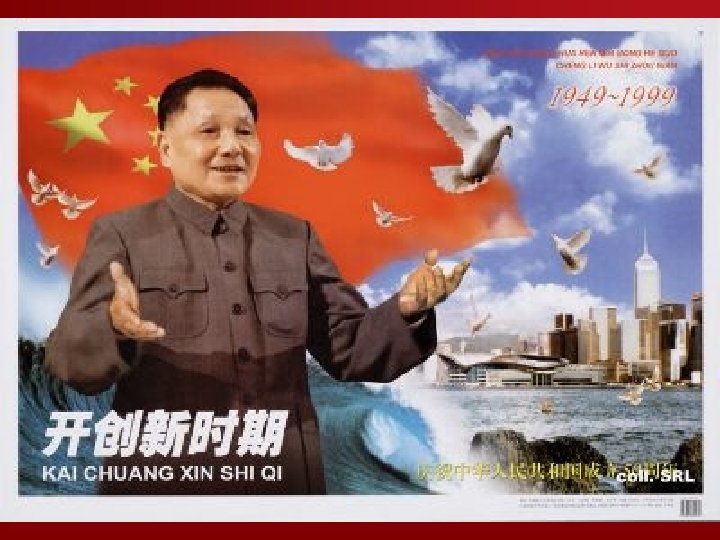
• 1980 s-2000 China reforms its economy but limits freedom • Deng Xiaoping set China on new economic path • Some features of a free market – “responsibility system” • Foreign capital and technology
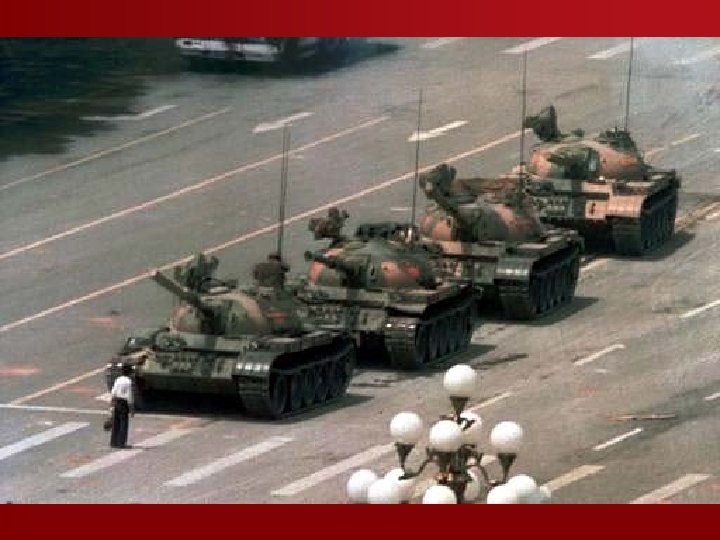
• Some Chinese demanded greater democracy • 1989 Many killed when demonstrating in Tiananmen Square.
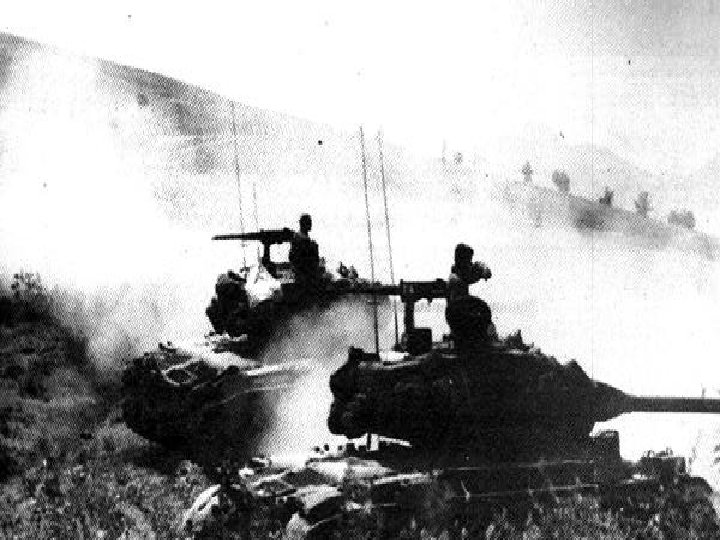
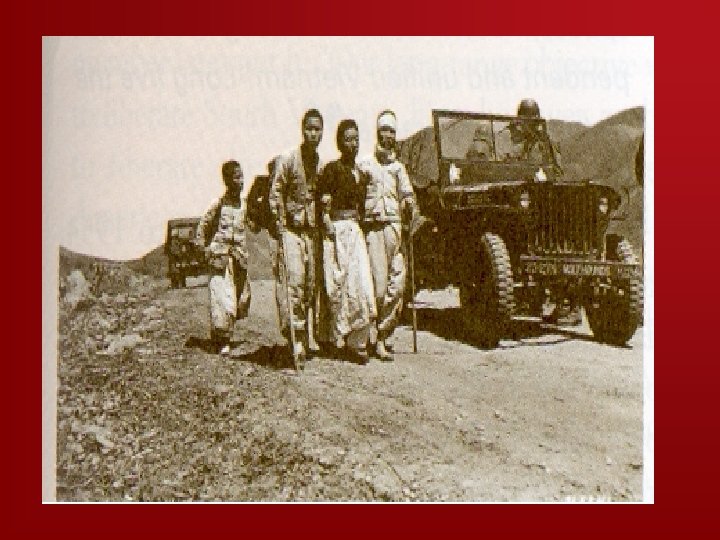
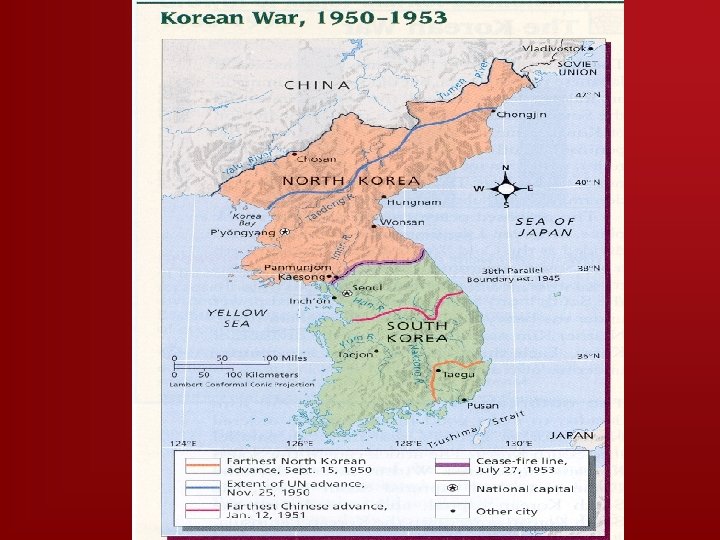
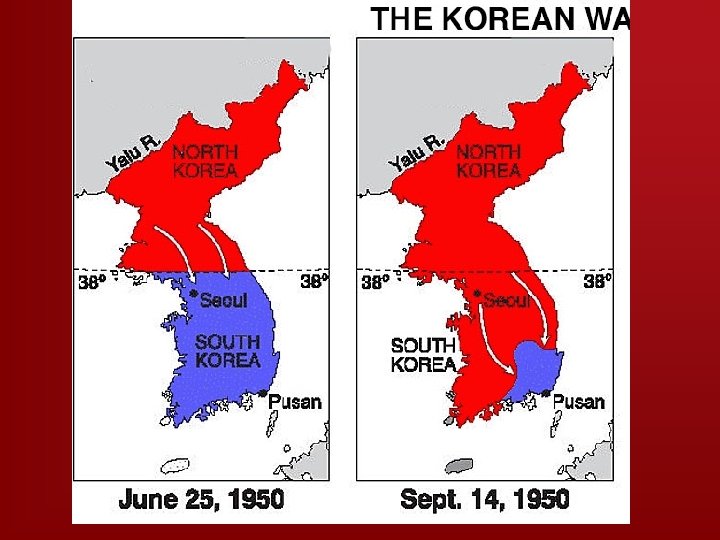
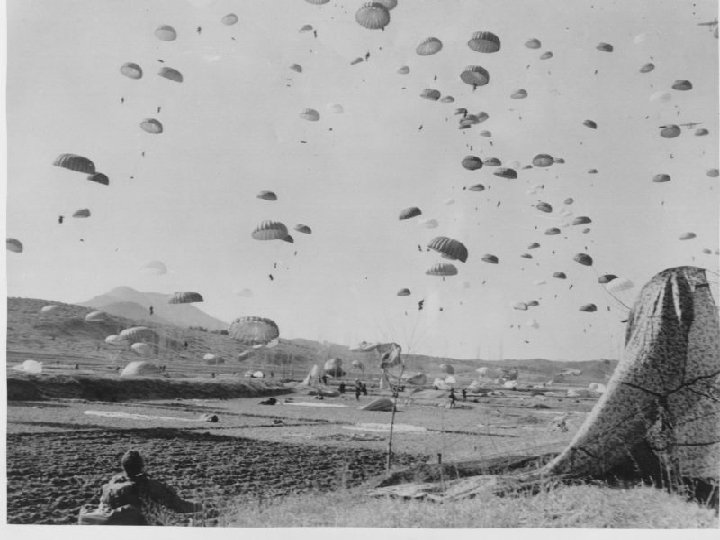
• The Korean Conflict was a good example of the containment policy in action • 38 th parallel-Border • U. N. Action
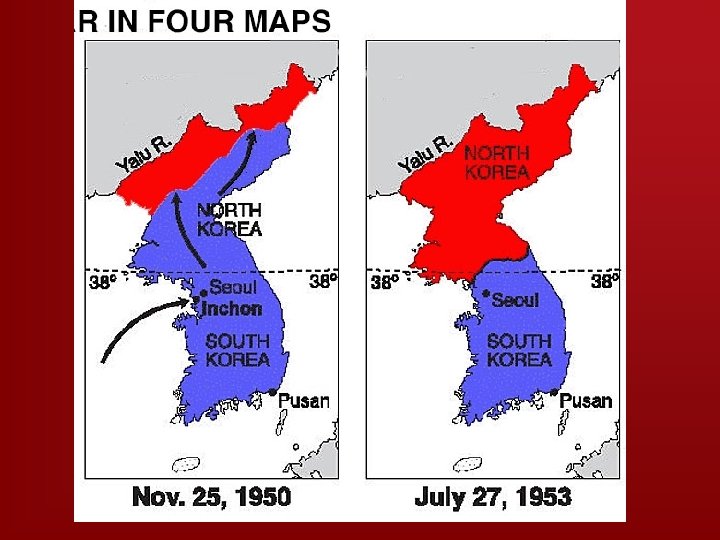
• Near Defeat-Last stand at Pusan • Inchon-scene of surprise attack by US forces led by Douglas Mac Arthur
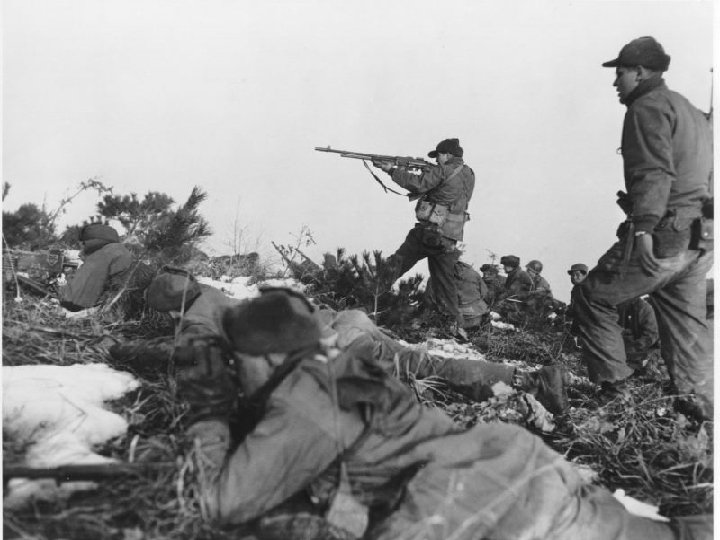
• Yalu River-Chinese cross with massive counterattack • Mac. Arthur demands troops and atomic weapons
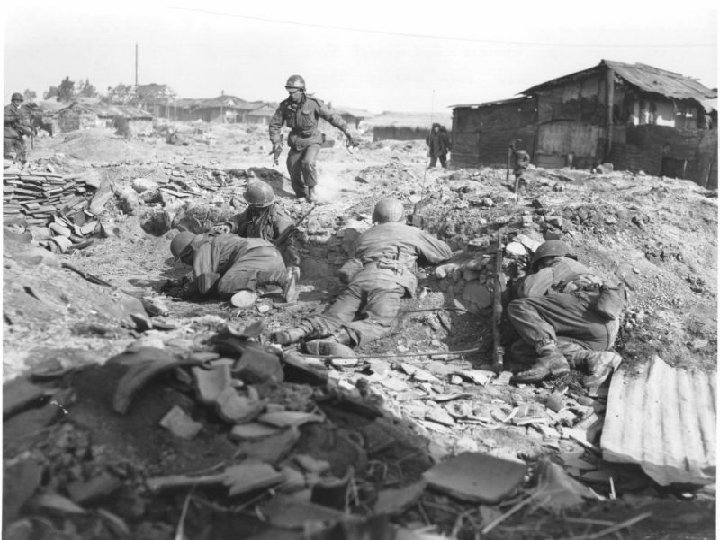
• Conflict stagnates into stalemate • Truman rejects Mac Arthur’s demands/ dismisses the general • Cease-fire in 1953 -38 th parallel
• Containment policy succeeds in preventing communist expansion