
Communication with surgical patients Surgical history taking Prof
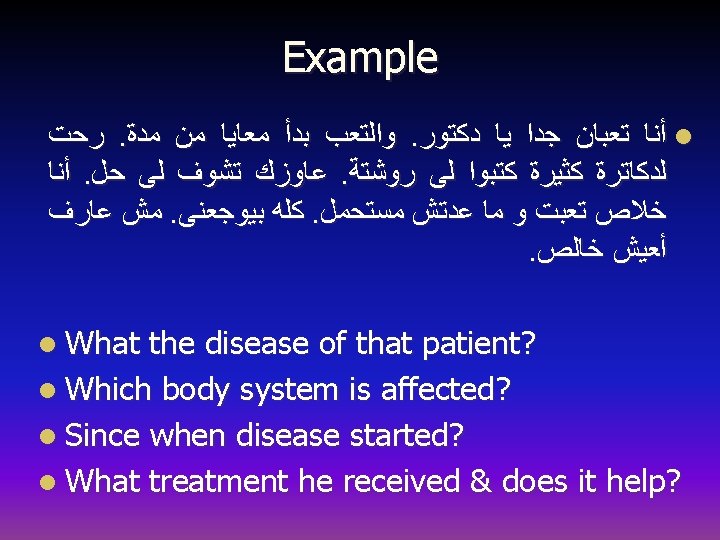










- Slides: 40
Communication with surgical patients (Surgical history taking) Prof. Galal Abouelnagah, FRCS, PHD, MD Prof & head of Surgical Oncology unit Faculty of Medicine Alexandria University
Objectives l Define effective history taking l Describe components of patient history l Outline patient interviewing techniques l Identify strategies in obtaining history l Techniques facilitating History Taking l Special challenges
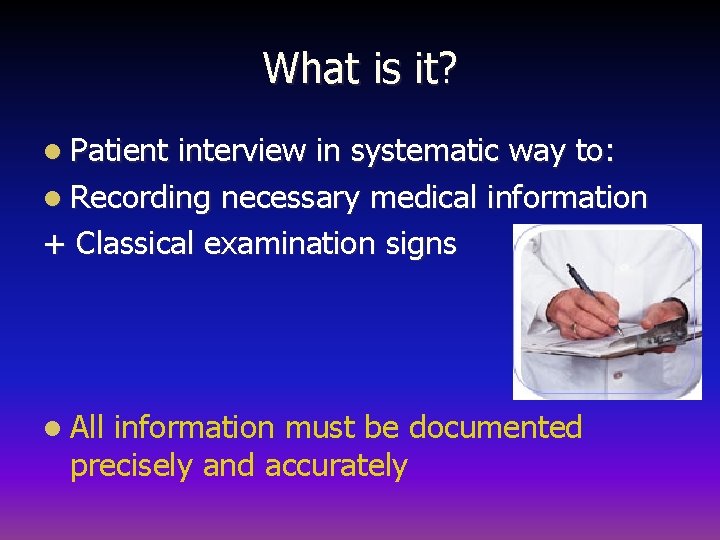
What is it? l Patient interview in systematic way to: l Recording necessary medical information + Classical examination signs l All information must be documented precisely and accurately
Importance l Help for reaching diagnosis l Help in formulation treatment plan l Evaluate medical progress l Medico-Legal record l Availability of information for: l Research l Reportable diseases l Insurance claims
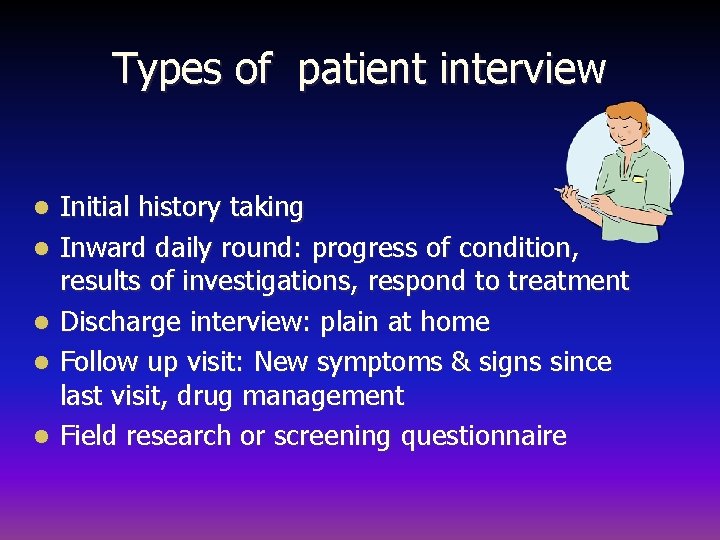
Types of patient interview l l l Initial history taking Inward daily round: progress of condition, results of investigations, respond to treatment Discharge interview: plain at home Follow up visit: New symptoms & signs since last visit, drug management Field research or screening questionnaire
General rules l Not just completing a form l Tell patient your name and explain why you are seeing him More important for medical students l Could be started before patient’s talk l Give patient whole your attention l Doctor should be an empathetic listener
Consent l Type of consents: Oral • Behavioral • Written consent • l Why: To get adequate information about case • Avoid medico-legal complains •
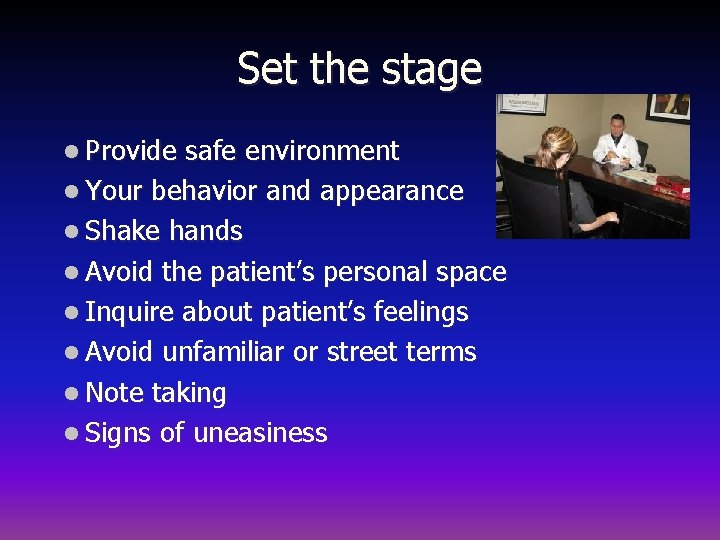
Set the stage l Provide safe environment l Your behavior and appearance l Shake hands l Avoid the patient’s personal space l Inquire about patient’s feelings l Avoid unfamiliar or street terms l Note taking l Signs of uneasiness
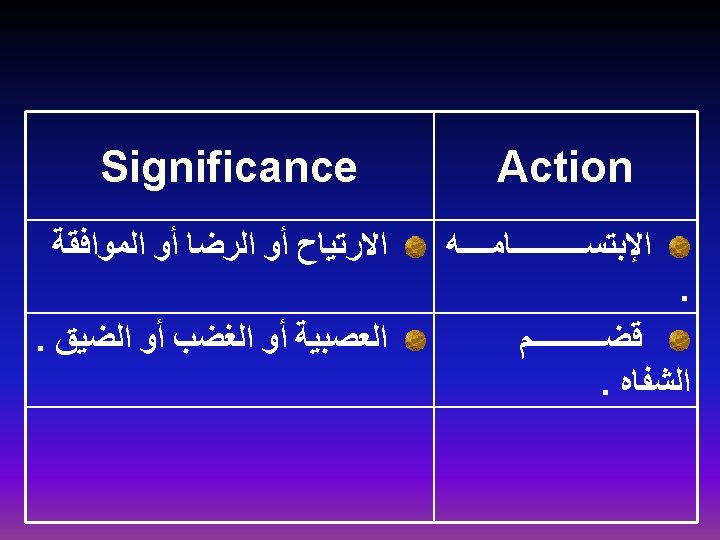
(Body Language )
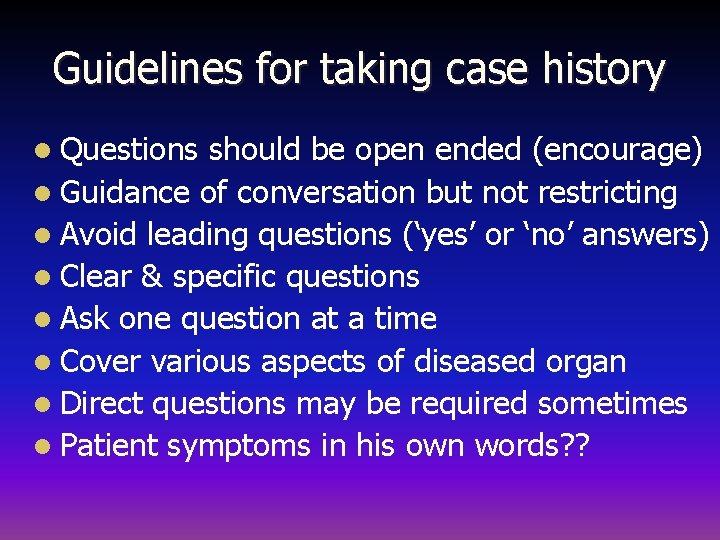
Guidelines for taking case history l Questions should be open ended (encourage) l Guidance of conversation but not restricting l Avoid leading questions (‘yes’ or ‘no’ answers) l Clear & specific questions l Ask one question at a time l Cover various aspects of diseased organ l Direct questions may be required sometimes l Patient symptoms in his own words? ?
Special situations l Infants under 5 yrs; parent is interviewed l Unconscious patients l Under drugs effect l Shying patients l Emergency situation
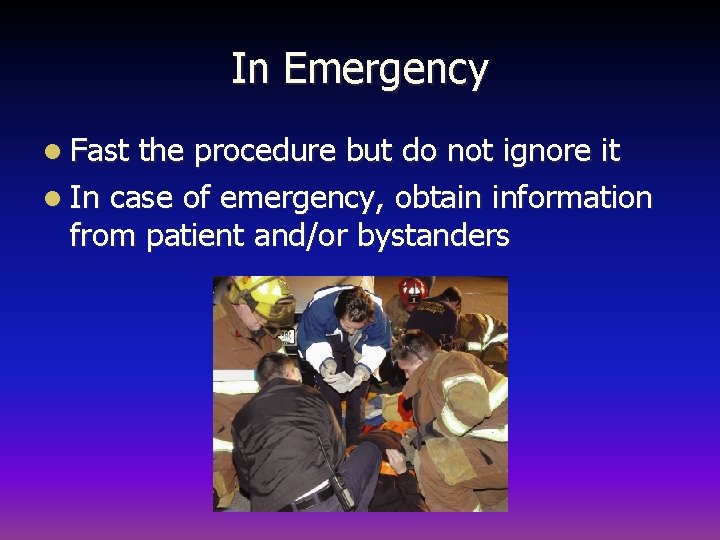
In Emergency l Fast the procedure but do not ignore it l In case of emergency, obtain information from patient and/or bystanders
Classical history taking
Personal data l • • • Name: Full, accurate Communicate with patient Medico-legal aspects l • • Age: Date of birth is better Growth and development is noted Certain diseases correlated with age Management techniques according to age
Personal data l • • Sex: Some diseases shows sex predilection Ethics & religious consideration l Marital status: Infertility, pregnant… Contacts: Address: endemic diseases, follow up visits • Phone • Nearest kin l •
Personal data l Occupation: l Race: Socio economic status Some certain diseases l Religious: Certain considerations l Date & type of admission l Hospital number
Chief Complaint l First symptoms that caused patient to seek medical advice l Often: l Pain l Bleeding l Abnormal function l Observation of a lump
Many complaints l l l Always record patient’s own words In order of severity In chronological order Present History Def. : Details of symptoms & their progress l Should be well organized, clear, detailed l
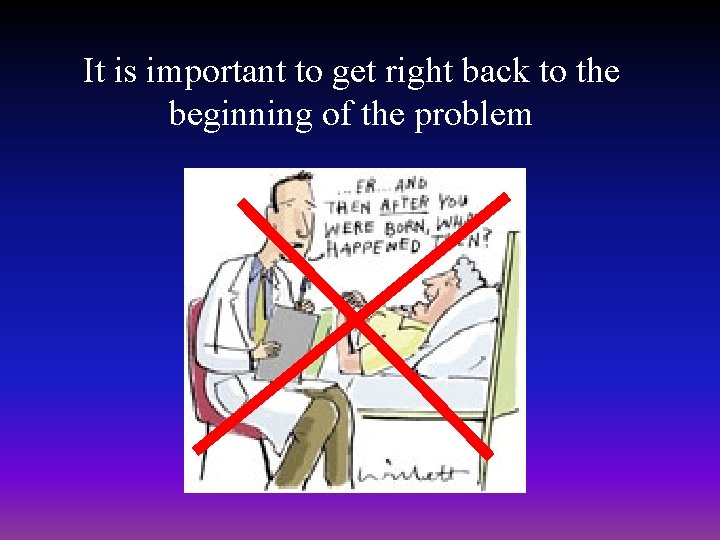
It is important to get right back to the beginning of the problem
Present History l Etiology (predisposing factors) l Classical course of disease l Any complications l Loco-regional l Systemic effect
Present history l Negative information should be included if they contribute to the diagnosis or help exclude other possibilities
Past & medical history
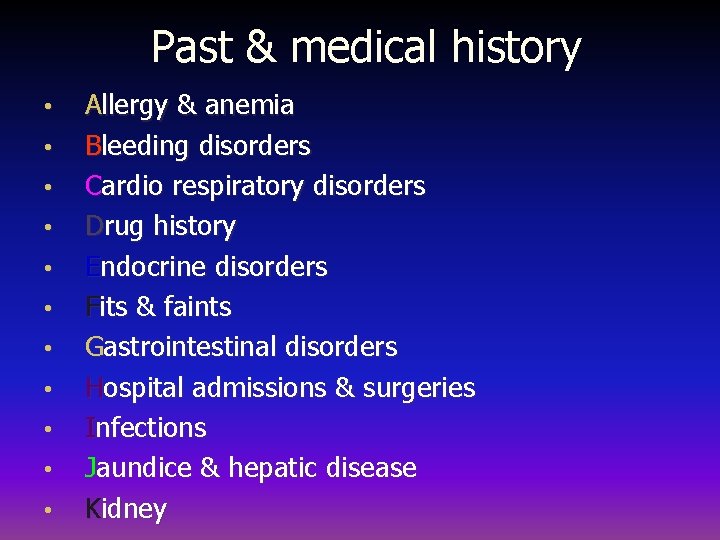
Past & medical history • • • Allergy & anemia Bleeding disorders Cardio respiratory disorders Drug history Endocrine disorders Fits & faints Gastrointestinal disorders Hospital admissions & surgeries Infections Jaundice & hepatic disease Kidney
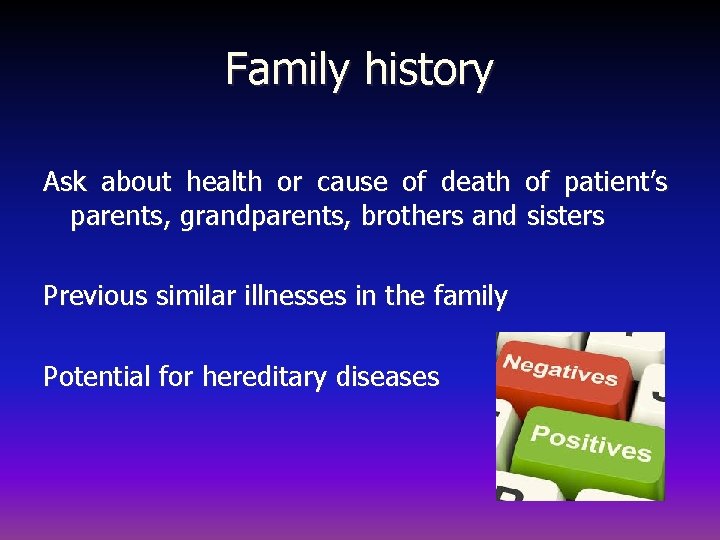
Family history Ask about health or cause of death of patient’s parents, grandparents, brothers and sisters Previous similar illnesses in the family Potential for hereditary diseases
Reproductive history l Infertility of both sexes l Gynecological causes of abdominal pain l Pregnancy & lactation l Also ask about: l Contraceptive use l Venereal disease
Habits l Smoker l Athletics l Appetite l Alcohol l Coffee l Sexual
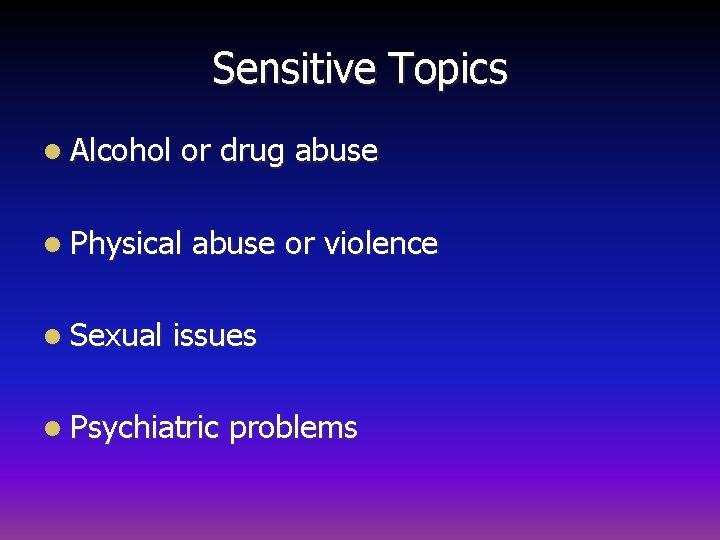
Sensitive Topics l Alcohol or drug abuse l Physical l Sexual abuse or violence issues l Psychiatric problems
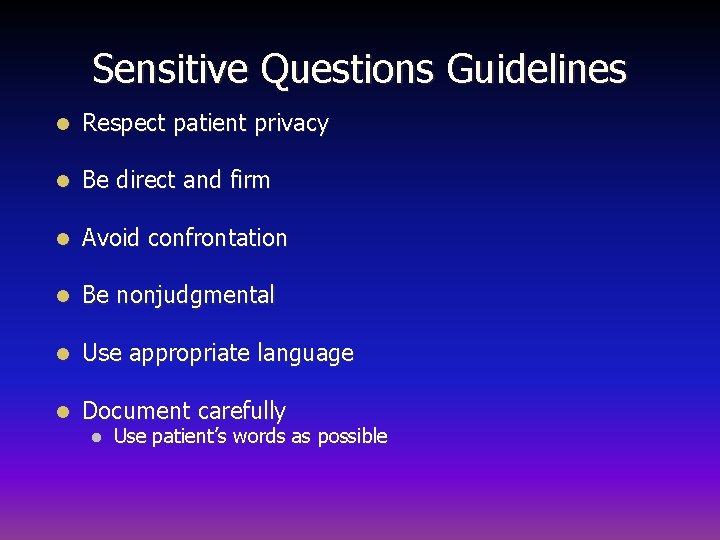
Sensitive Questions Guidelines l Respect patient privacy l Be direct and firm l Avoid confrontation l Be nonjudgmental l Use appropriate language l Document carefully l Use patient’s words as possible
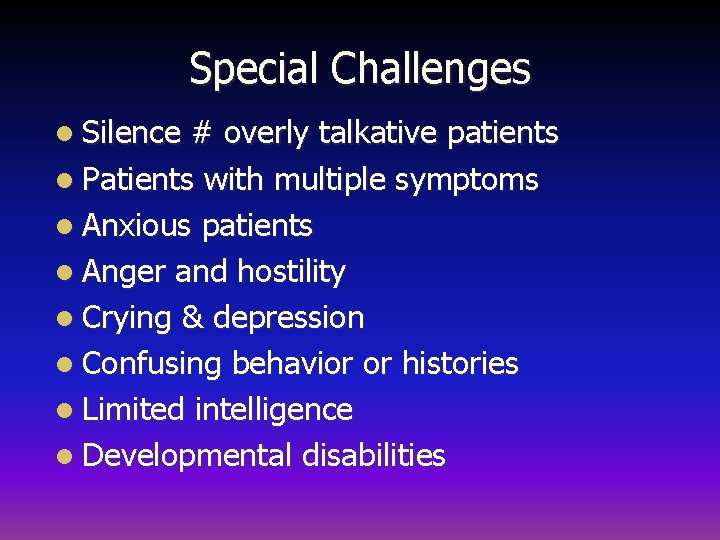
Special Challenges l Silence # overly talkative patients l Patients with multiple symptoms l Anxious patients l Anger and hostility l Crying & depression l Confusing behavior or histories l Limited intelligence l Developmental disabilities
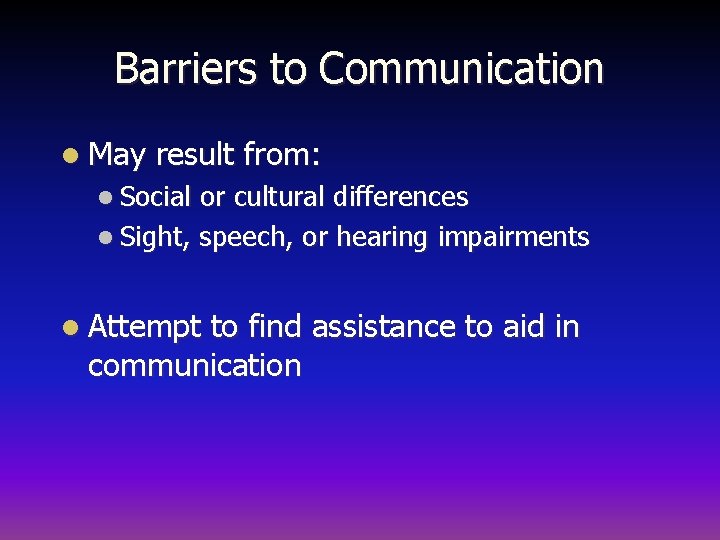
Barriers to Communication l May result from: l Social or cultural differences l Sight, speech, or hearing impairments l Attempt to find assistance to aid in communication
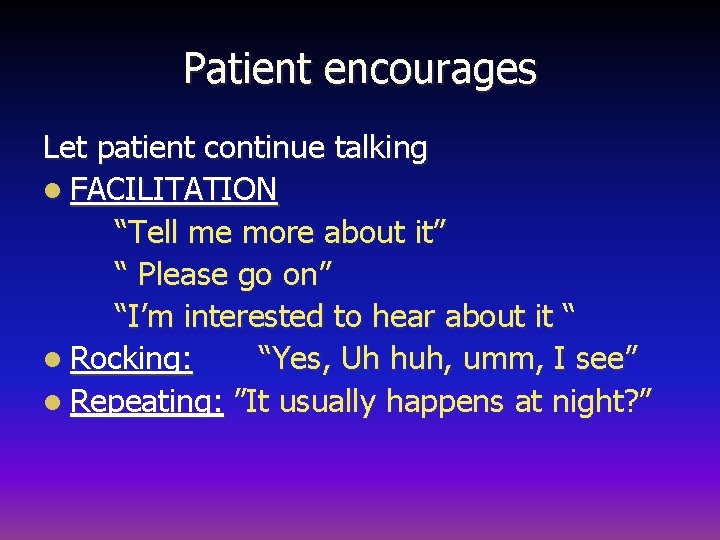
Patient encourages Let patient continue talking l FACILITATION “Tell me more about it” “ Please go on” “I’m interested to hear about it “ l Rocking: “Yes, Uh huh, umm, I see” l Repeating: ”It usually happens at night? ”
Confirmation Clarifying Ex: “What do you mean by fretful? ” “Do you mean this. . ? ” " "ﺧﺎﻃﺒﻮﺍ ﺍﻟﻨﺎﺱ ﻋﻠﻰ ﻗـ ـ ــﺪﺭﻋﻘﻮﻟﻬﻢ
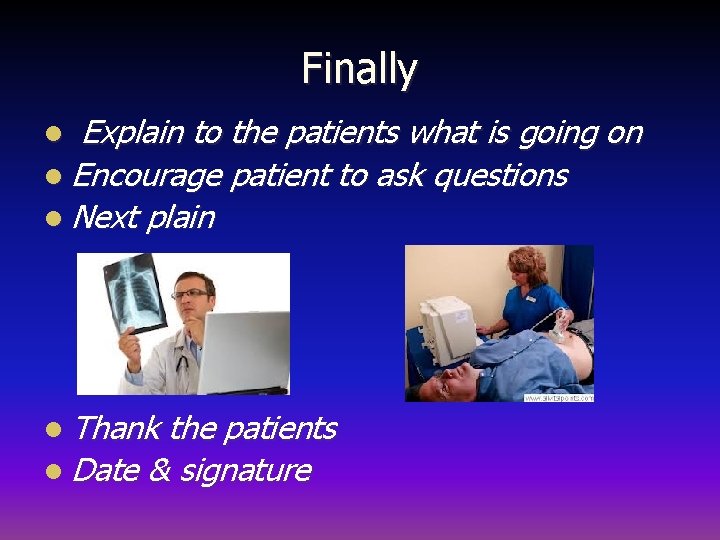
Finally Explain to the patients what is going on l Encourage patient to ask questions l Next plain l l Thank the patients l Date & signature
Do not l False quick diagnosis l Malignancy l Debilitating l False disease reassurance l May be tempting l Avoid early assurance or “over reassurance” l Unless it can be provided with confidence
Any Questions www. med. alexu. edu. eg/soncology Thank you…. !