
Communication Techniques for Autonomous Vehicle Systems NAME KELVIN




![References [1] [2] [3] [4] [5] [6] ation [7] [8] [9] M. Sivak and](https://slidetodoc.com/presentation_image_h2/b70c286301f77332bbaa118ff51e1b4f/image-50.jpg "References [1] [2] [3] [4] [5] [6] ation [7] [8] [9] M. Sivak and")
![References [27] “ALLOWABLE ERROR PERFORMANCE FOR A HYPOTHETICAL [20] Chapter 8 of A. Weintrit,](https://slidetodoc.com/presentation_image_h2/b70c286301f77332bbaa118ff51e1b4f/image-51.jpg "References [27] “ALLOWABLE ERROR PERFORMANCE FOR A HYPOTHETICAL [20] Chapter 8 of A. Weintrit,")
- Slides: 52
Communication Techniques for Autonomous Vehicle Systems NAME: KELVIN TSE YIP MING STUDENT ID: 14068068 D SUPERVISOR: DR. ALAN LAU 1
Introduction
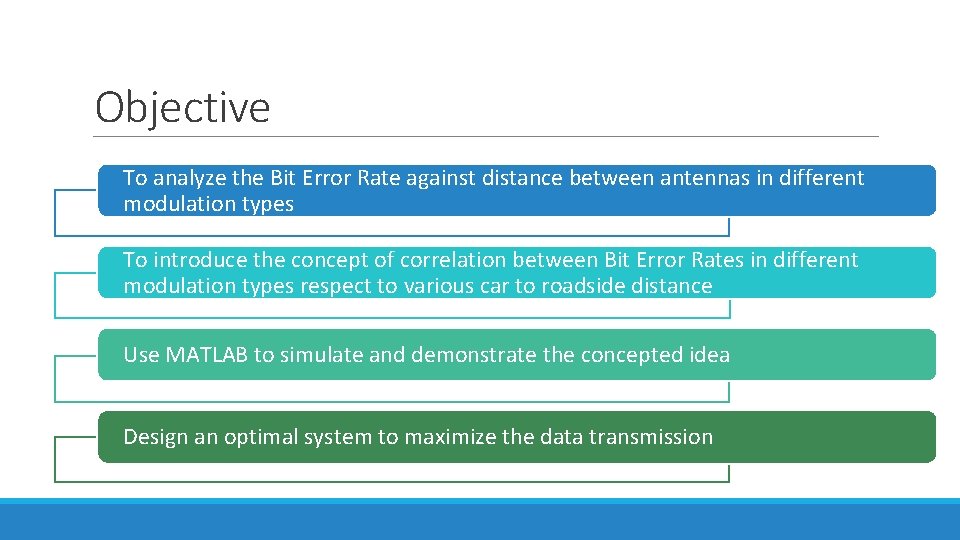
Objective To analyze the Bit Error Rate against distance between antennas in different modulation types To introduce the concept of correlation between Bit Error Rates in different modulation types respect to various car to roadside distance Use MATLAB to simulate and demonstrate the concepted idea Design an optimal system to maximize the data transmission
Basic Background and Methodology
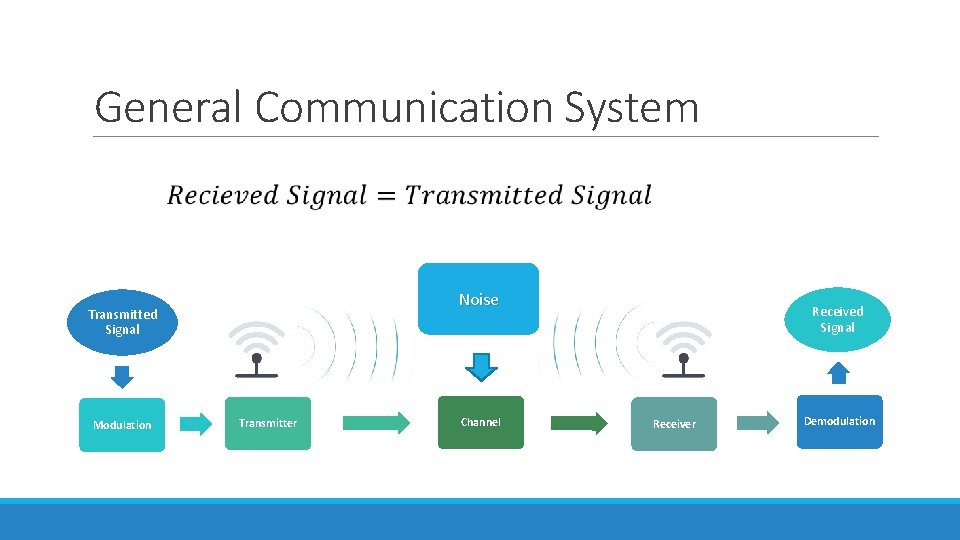
General Communication System Noise Transmitted Signal Modulation Transmitter Channel Received Signal Receiver Demodulation
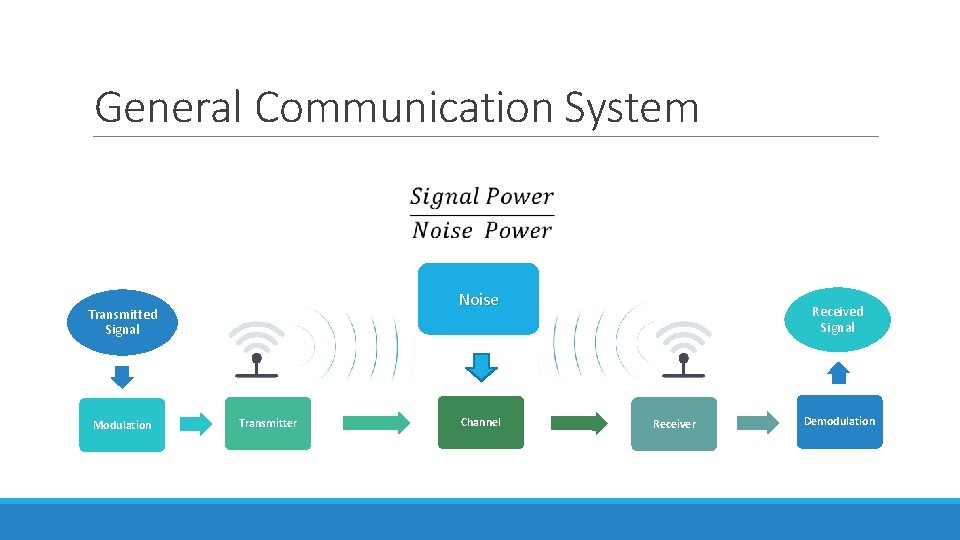
General Communication System Noise Transmitted Signal Modulation Transmitter Channel Received Signal Receiver Demodulation
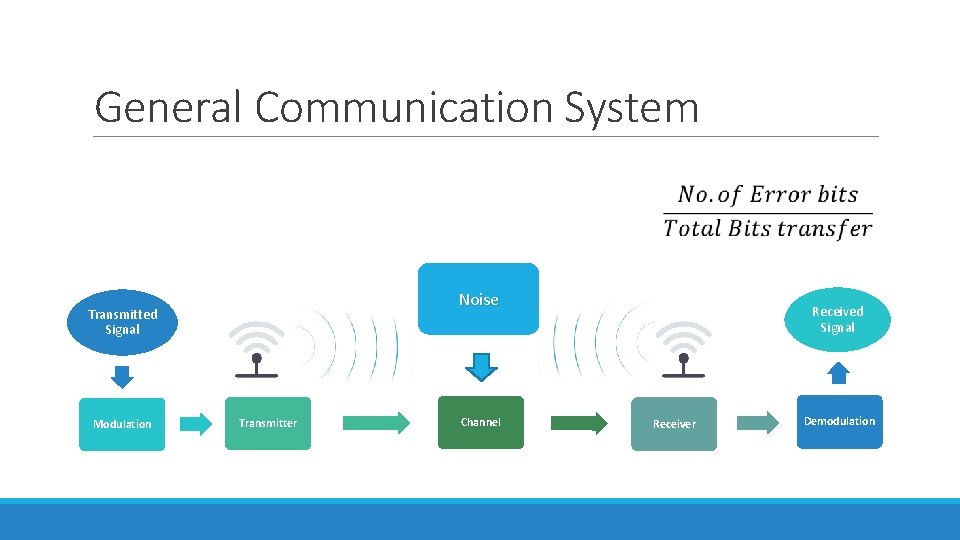
General Communication System Noise Transmitted Signal Modulation Transmitter Channel Received Signal Receiver Demodulation
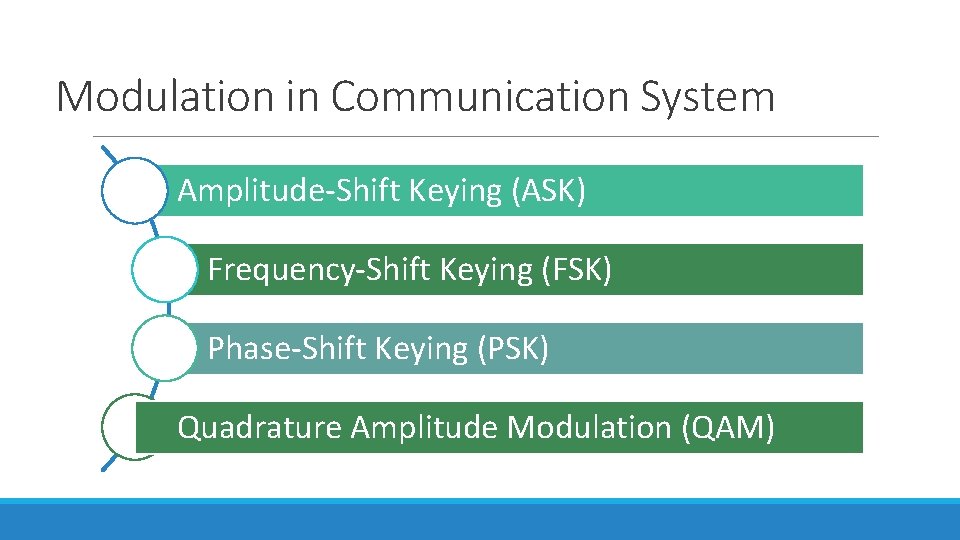
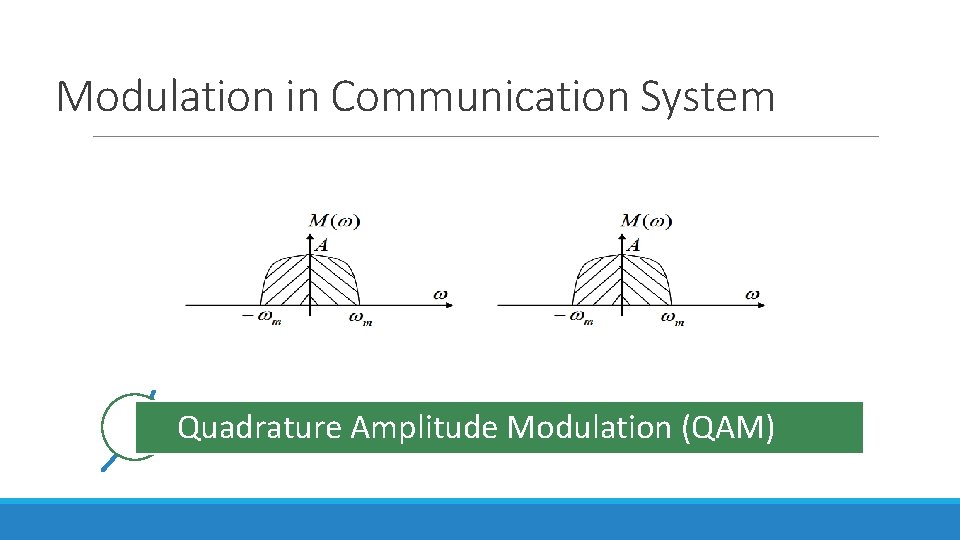
Modulation in Communication System Amplitude-Shift Keying (ASK) Frequency-Shift Keying (FSK) Phase-Shift Keying (PSK) Quadrature Amplitude Modulation (QAM)
Modulation in Communication System Amplitude-Shift Keying (ASK) Frequency-Shift Keying (FSK) Phase-Shift Keying (PSK) Quadrature Amplitude Modulation (QAM)
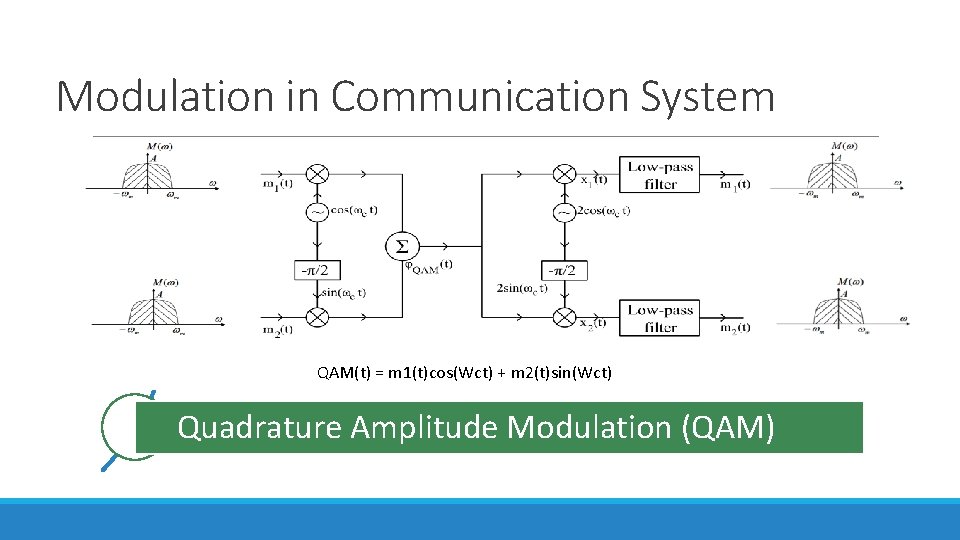
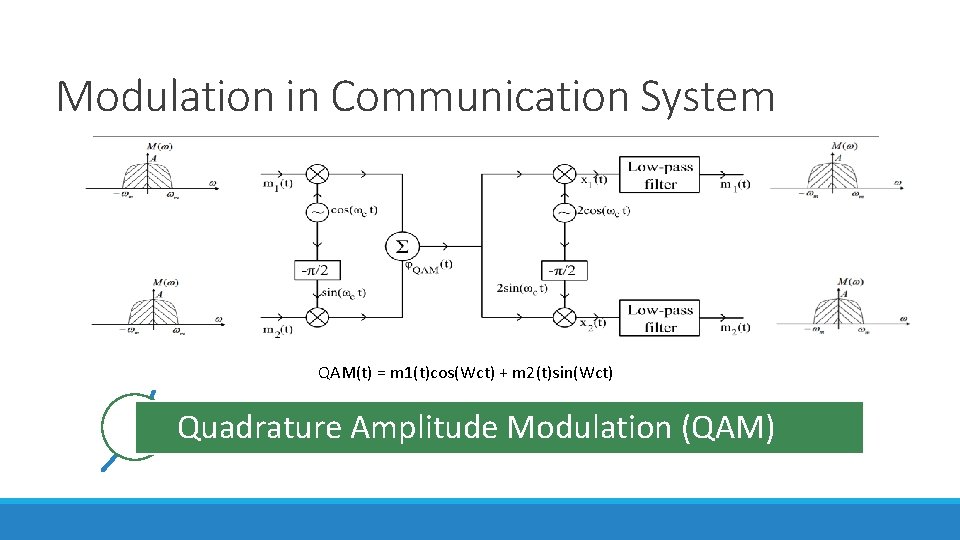
Modulation in Communication System Amplitude-Shift Keying (ASK) Frequency-Shift Keying (FSK) Phase-Shift Keying (PSK) QAM(t) = m 1(t)cos(Wct) + m 2(t)sin(Wct) Quadrature Amplitude Modulation (QAM)
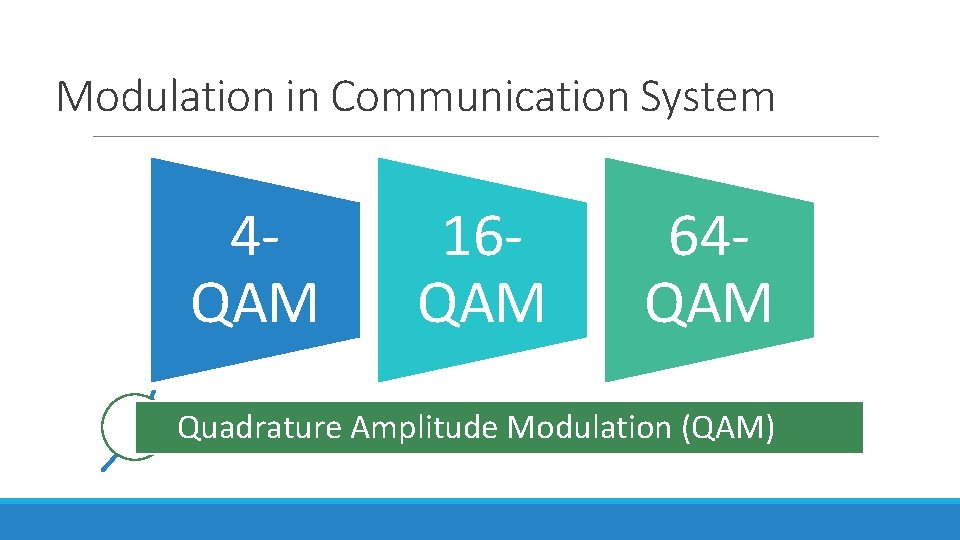
Modulation in Communication System Amplitude-Shift Keying (ASK) 41664 Frequency-Shift Keying (FSK) QAM QAM Phase-Shift Keying (PSK) Quadrature Amplitude Modulation (QAM)
Modulation in Communication System Amplitude-Shift Keying (ASK) Frequency-Shift Keying (FSK) Phase-Shift Keying (PSK) QAM(t) = m 1(t)cos(Wct) + m 2(t)sin(Wct) = R{ [ m 1(t)- j m 2(t) ] e j. Wct } Quadrature Amplitude Modulation (QAM)
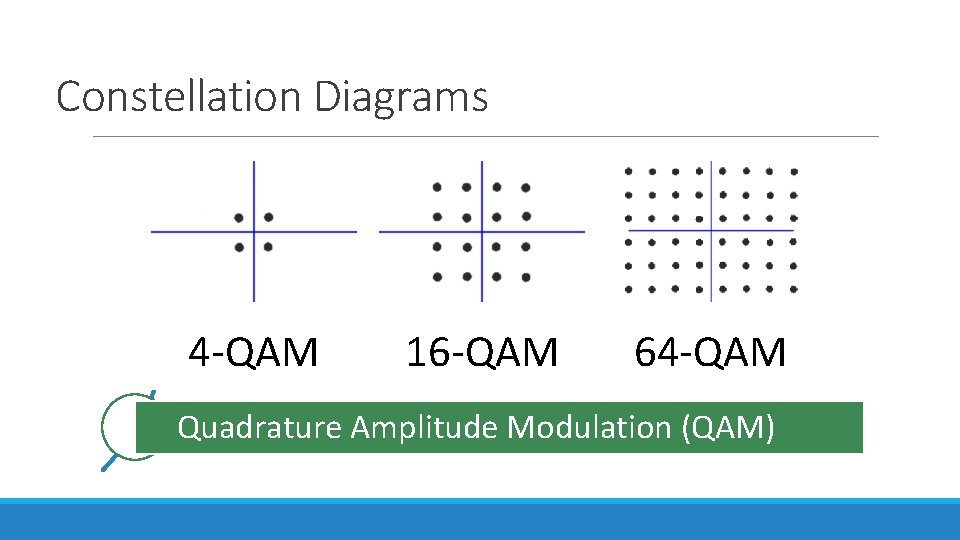
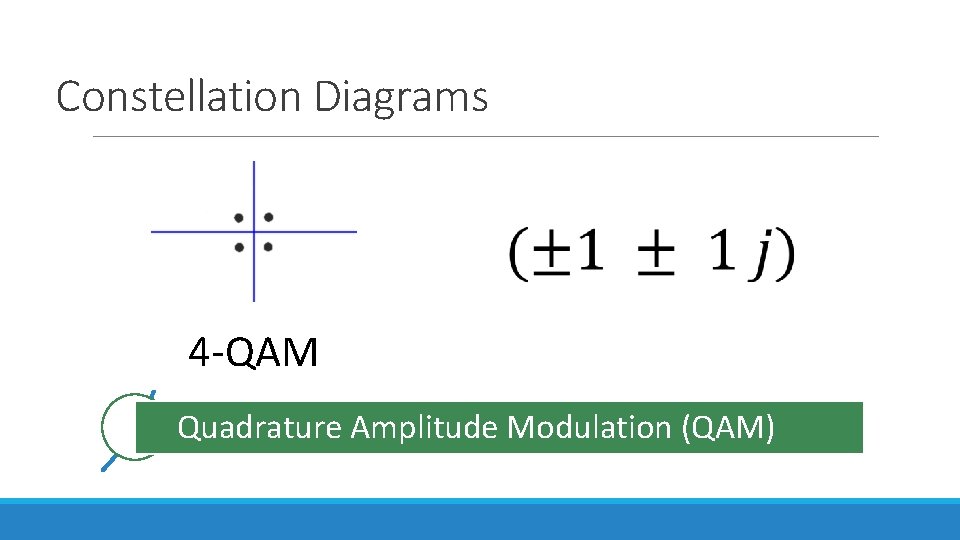
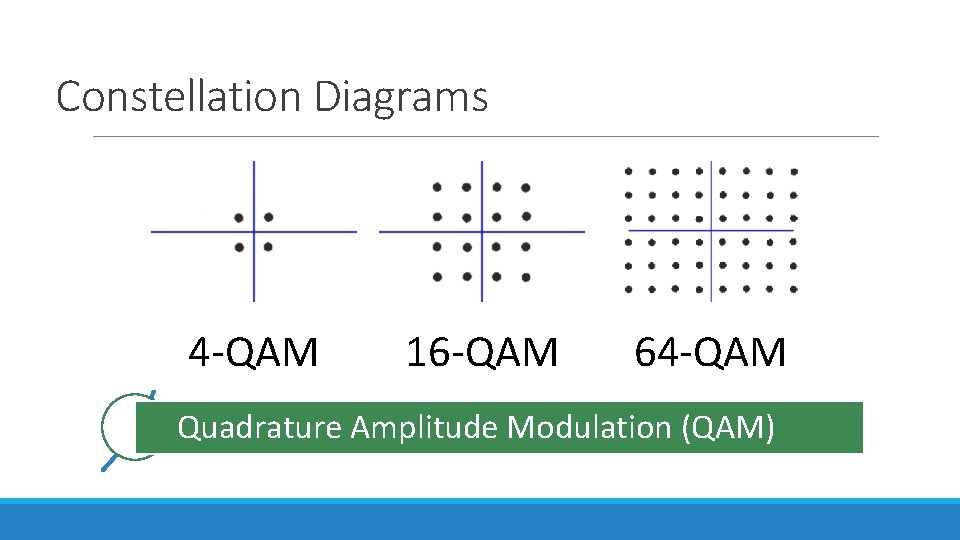
Constellation Diagrams Amplitude-Shift Keying (ASK) Frequency-Shift Keying (FSK) Phase-Shift Keying (PSK) 4 -QAM 16 -QAM 64 -QAM Quadrature Amplitude Modulation (QAM)
Constellation Diagrams Amplitude-Shift Keying (ASK) Frequency-Shift Keying (FSK) Phase-Shift Keying (PSK) 4 -QAM 16 -QAM 64 -QAM Quadrature Amplitude Modulation (QAM)
Constellation Diagrams Amplitude-Shift Keying (ASK) Frequency-Shift Keying (FSK) Phase-Shift Keying (PSK) 4 -QAM 16 -QAM 64 -QAM Quadrature Amplitude Modulation (QAM)
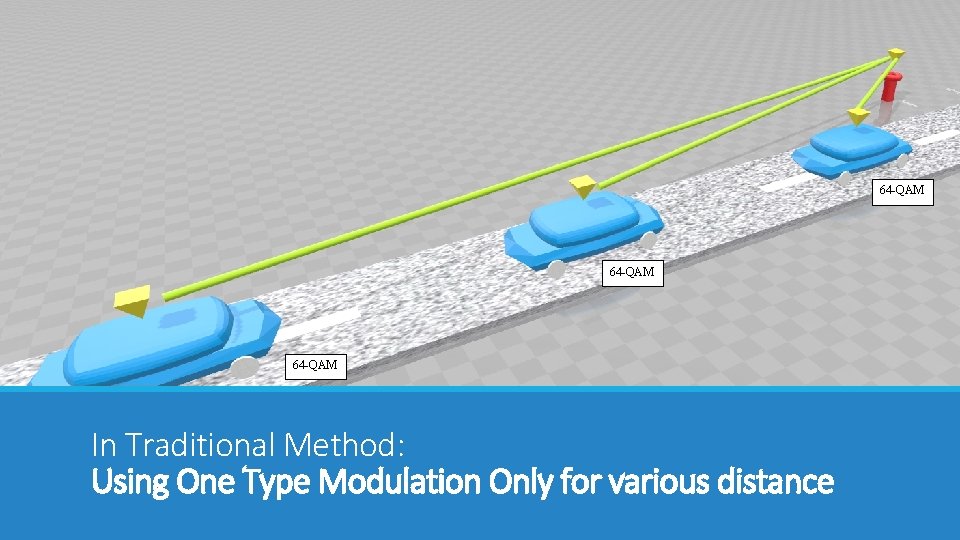
64 -QAM In Traditional Method: Using One Type Modulation Only for various distance
The Proposed Method
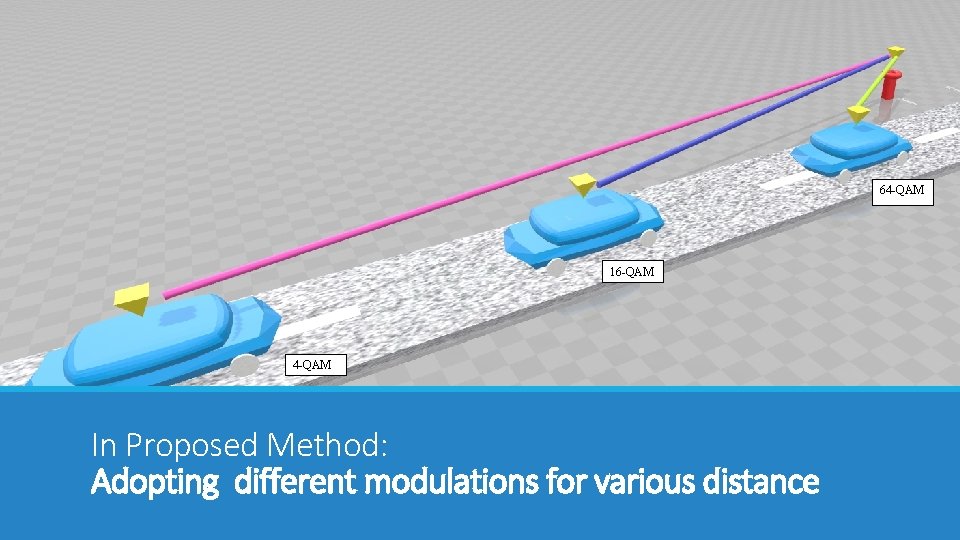
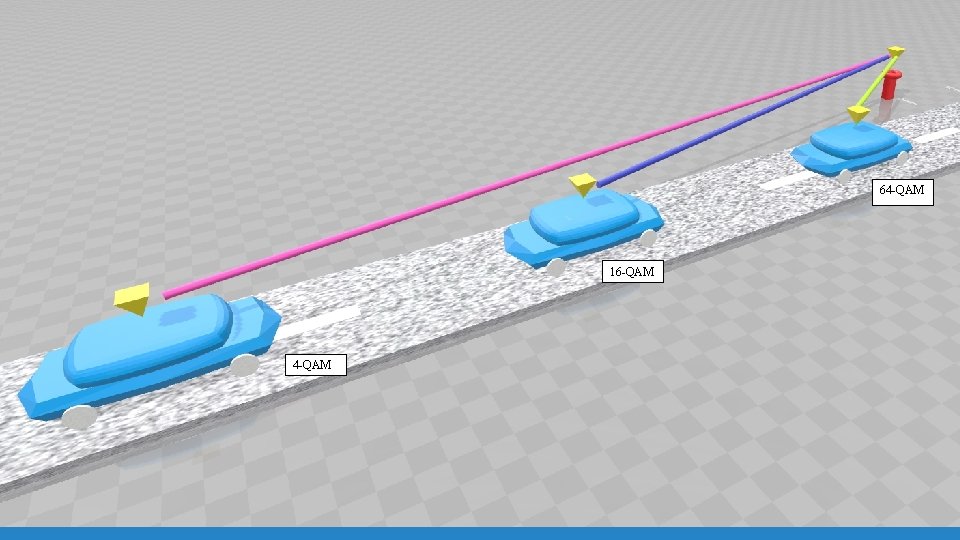
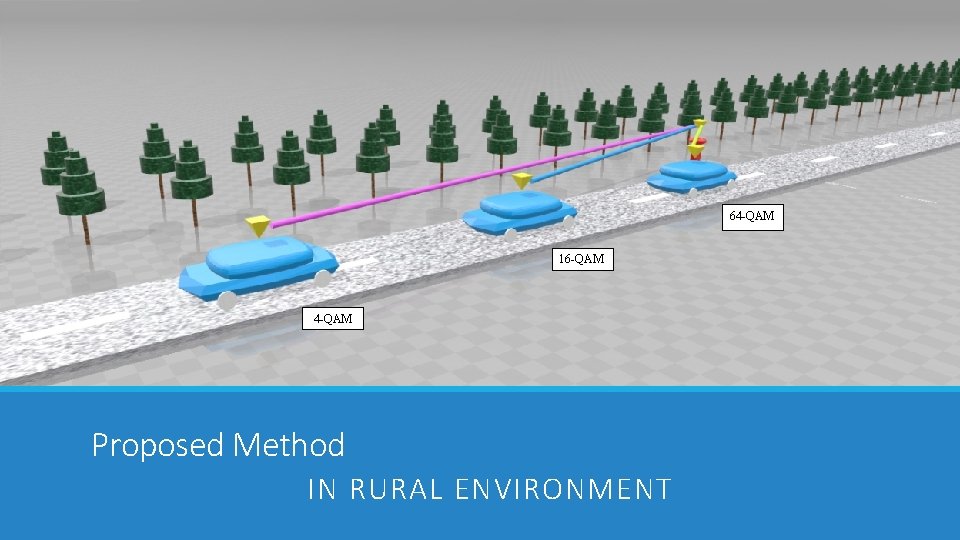
64 -QAM 16 -QAM 4 -QAM In Proposed Method: Adopting different modulations for various distance
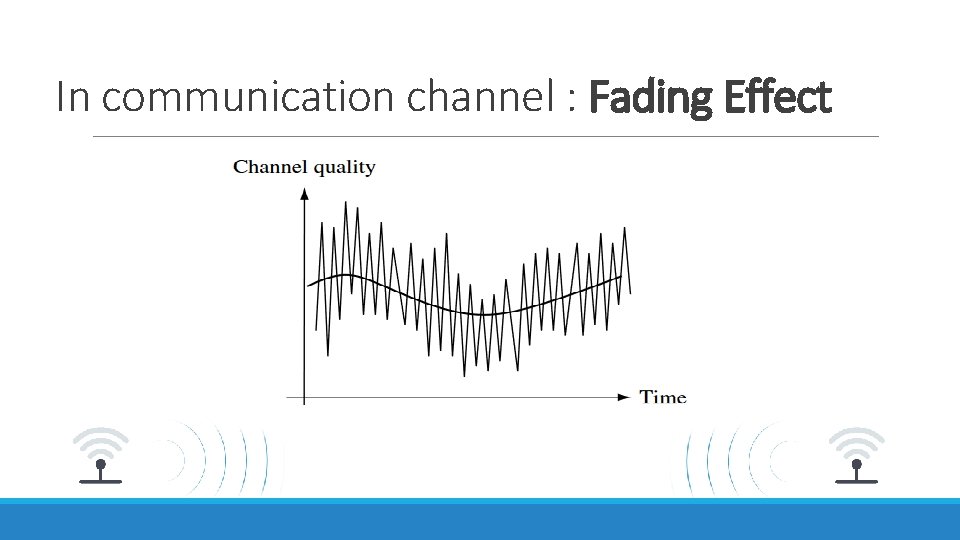
In communication channel : Fading Effect
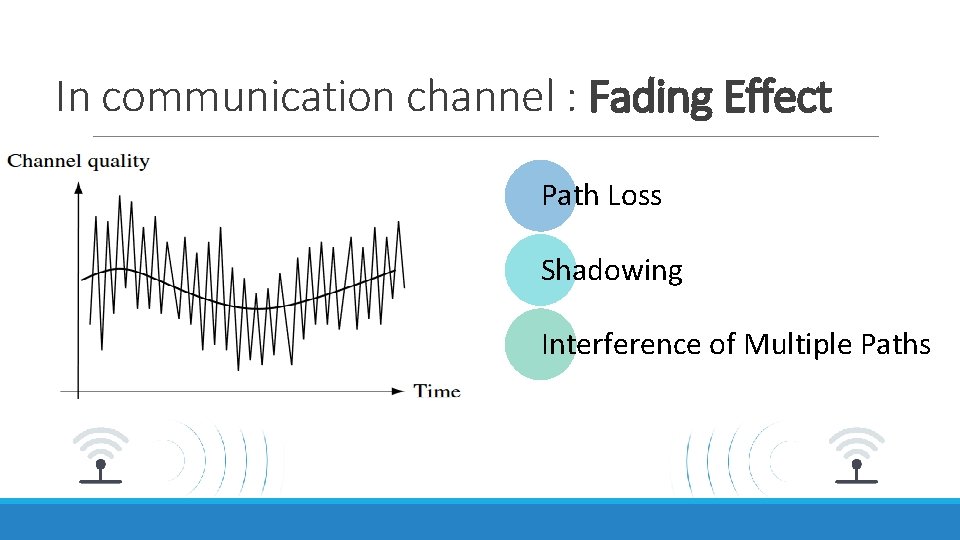
In communication channel : Fading Effect Path Loss Shadowing Interference of Multiple Paths
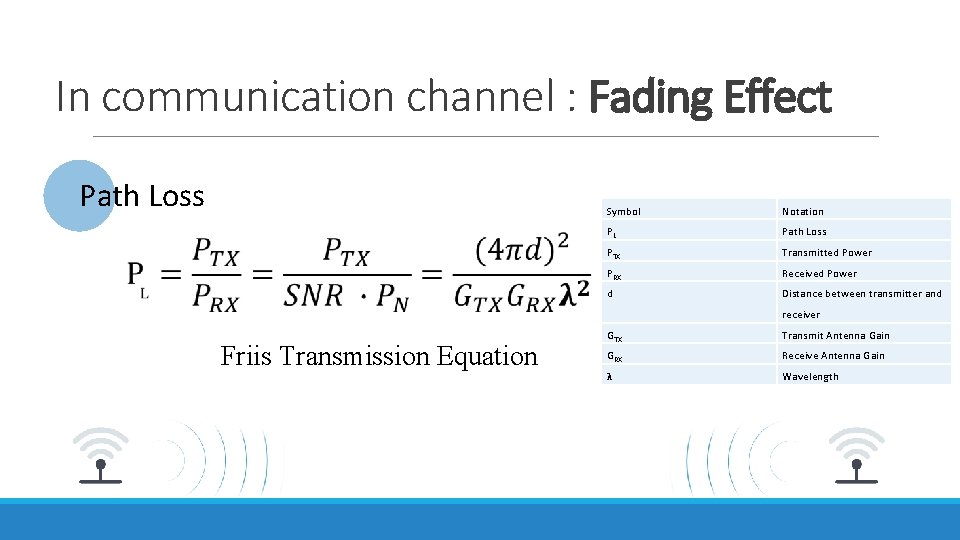
In communication channel : Fading Effect Path Loss Shadowing Symbol Notation PL Path Loss PTX Transmitted Power PRX Received Power d Distance between transmitter and receiver Interference of. Transmission Multiple path Friis Equation GTX Transmit Antenna Gain GRX Receive Antenna Gain λ Wavelength
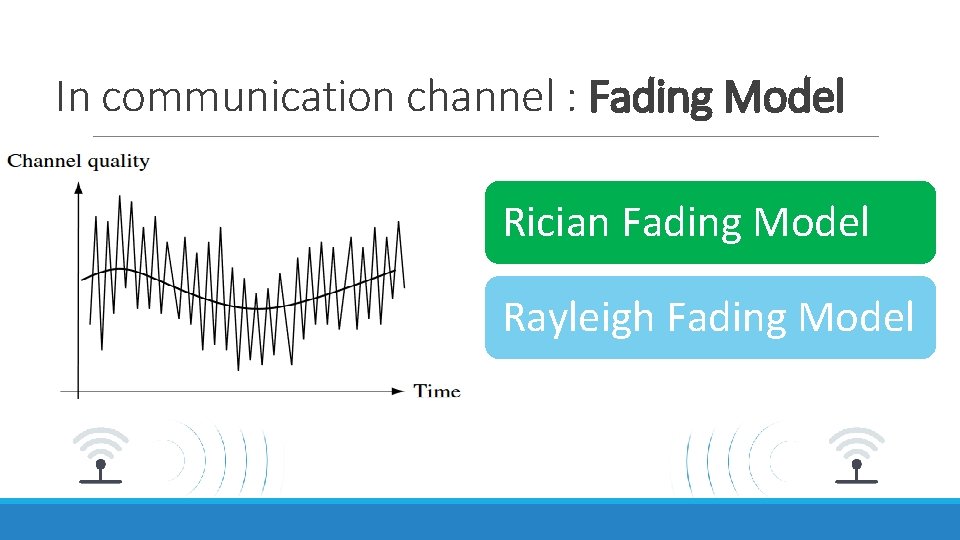
In communication channel : Fading Model Rician Fading Model Rayleigh Fading Model
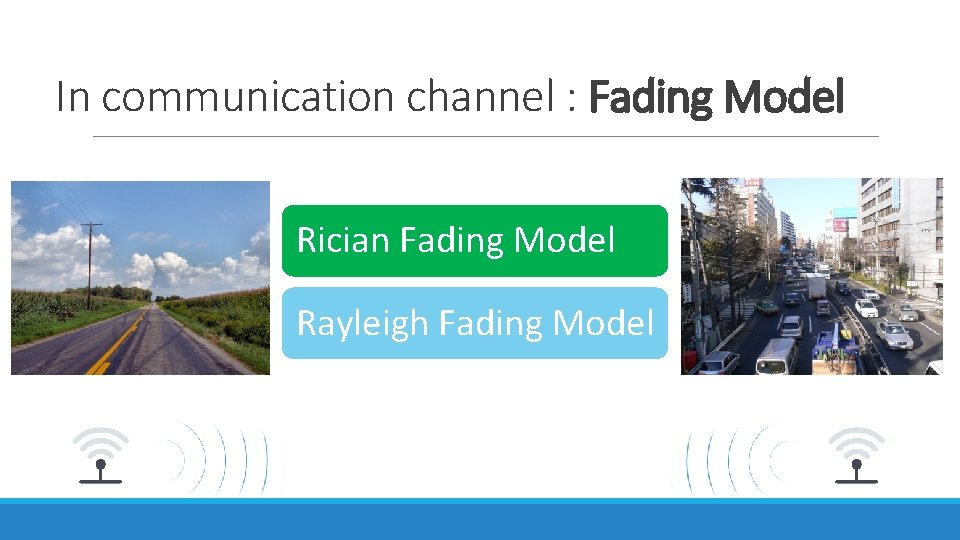
In communication channel : Fading Model Rician Fading Model Rayleigh Fading Model
Simulation Results
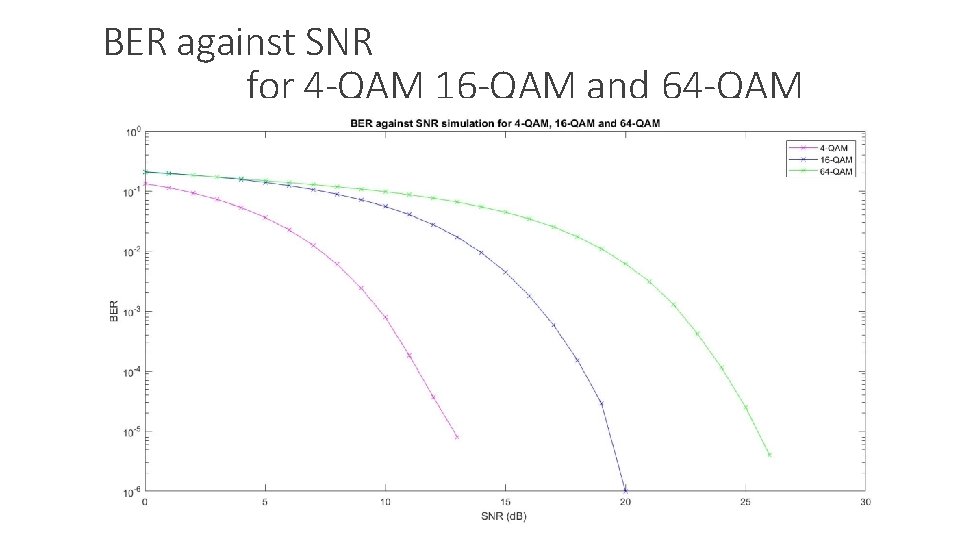
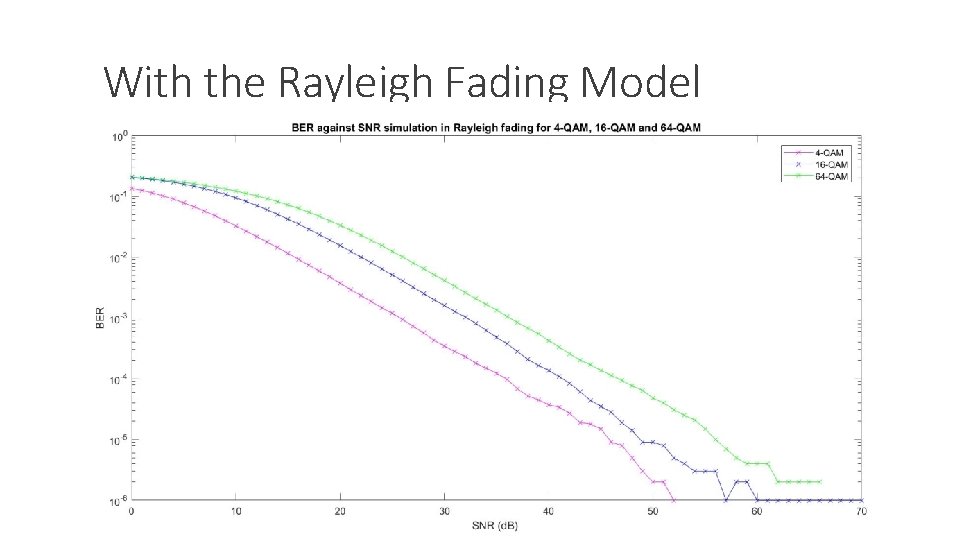
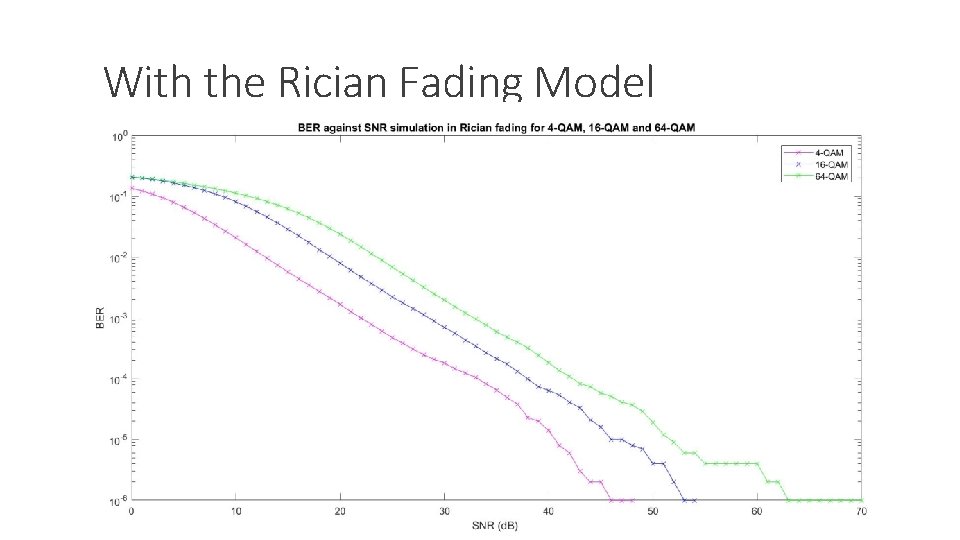
BER against SNR for 4 -QAM 16 -QAM and 64 -QAM
With the Rayleigh Fading Model
With the Rician Fading Model
64 -QAM 16 -QAM 4 -QAM
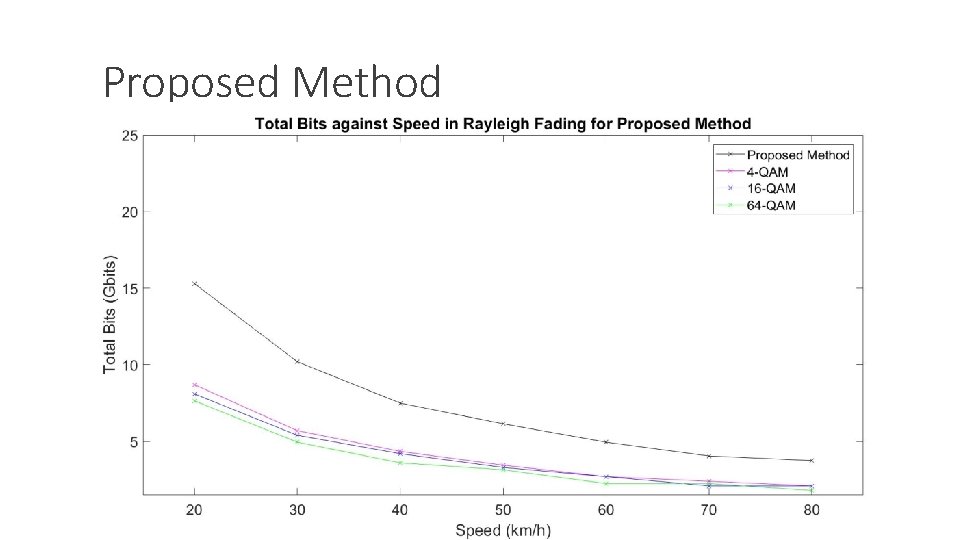
So, is the Proposed Method better than the Traditional Method?
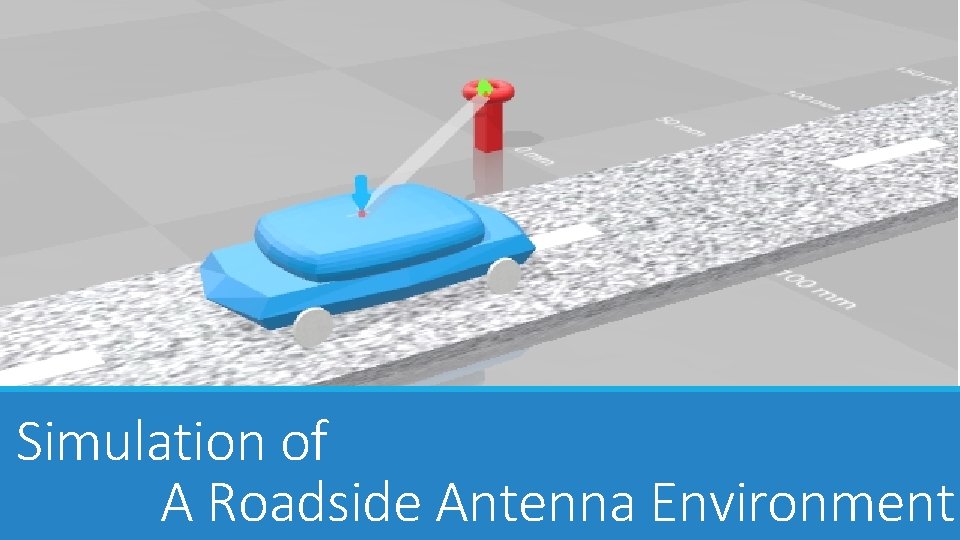
Simulation of A Roadside Antenna Environment
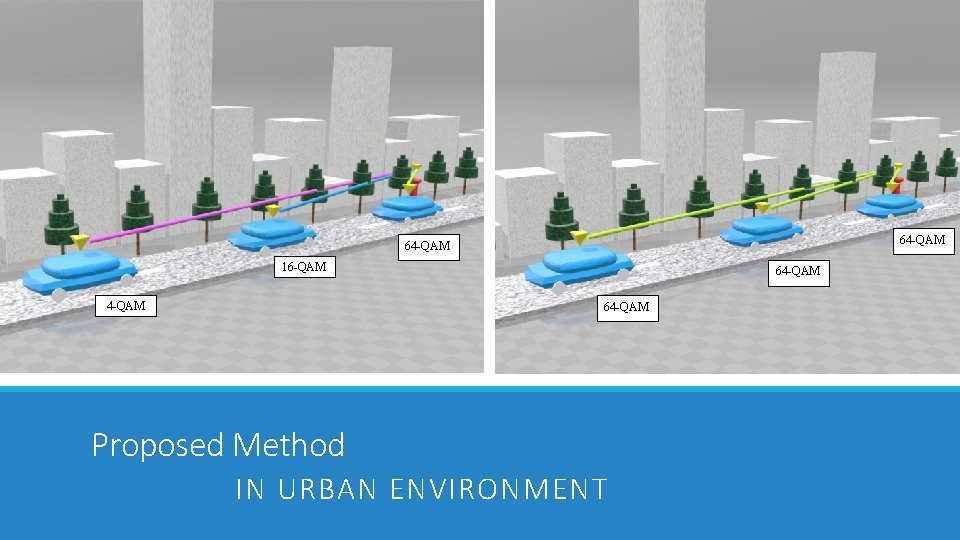
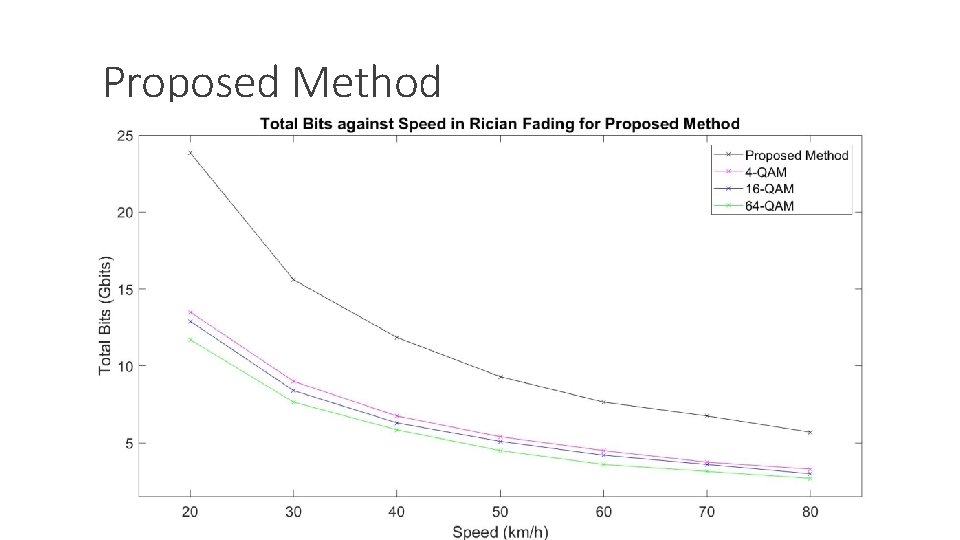
64 -QAM 16 -QAM 4 -QAM 64 -QAM Proposed Method IN URBAN ENVIRONMENT
Proposed Method
64 -QAM 16 -QAM 4 -QAM Proposed Method IN RURAL ENVIRONMENT
Proposed Method
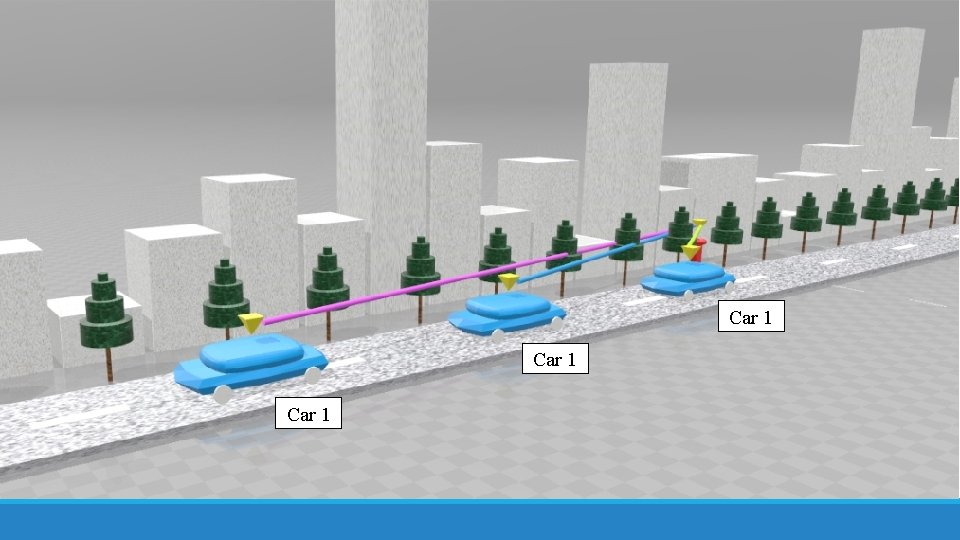
Car 1
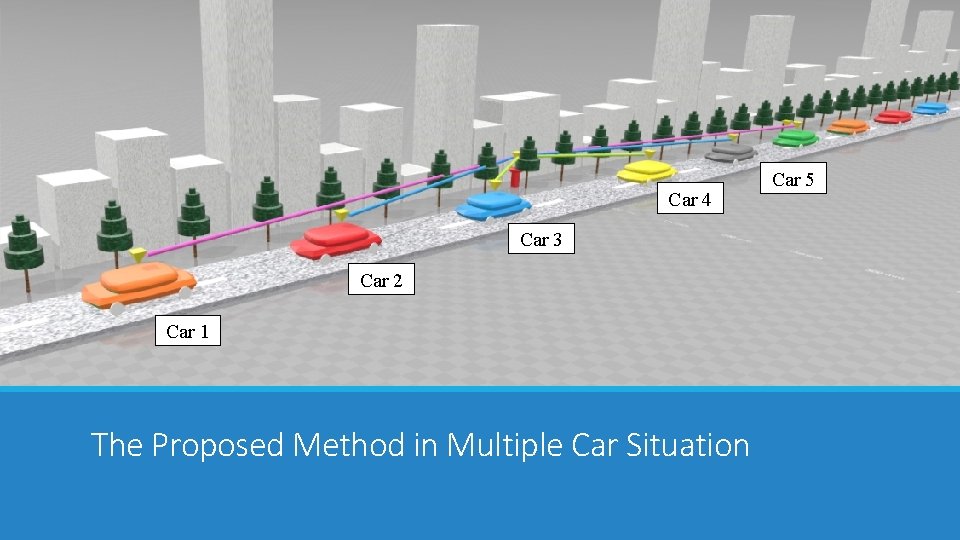
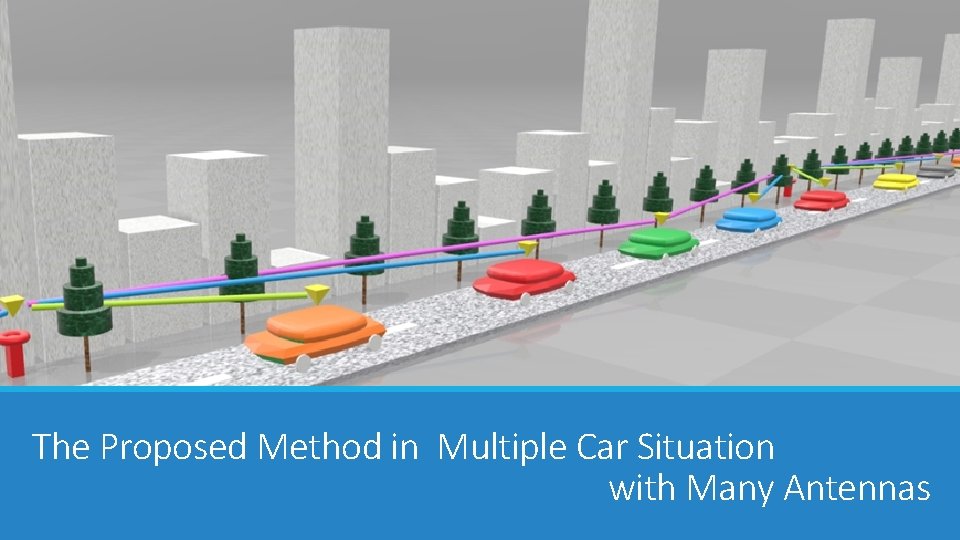
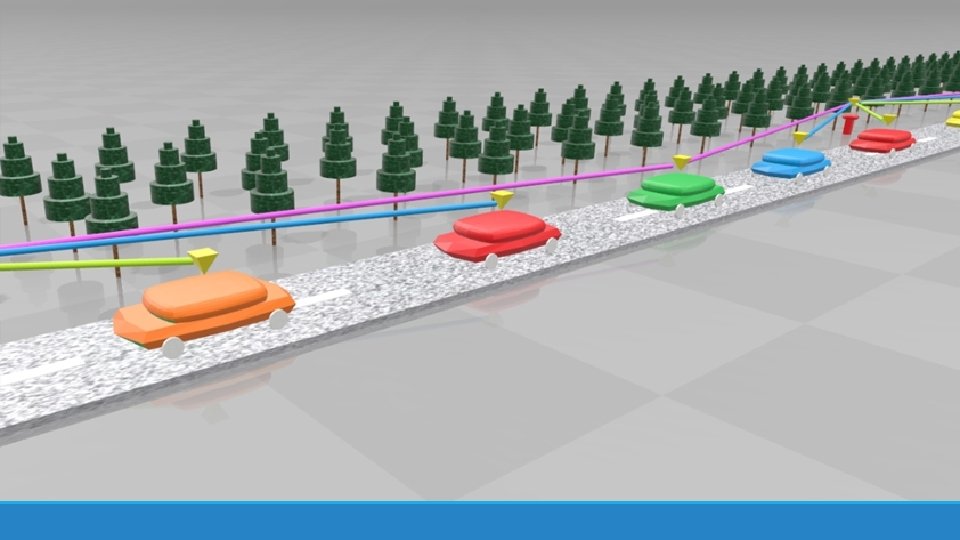
Car 4 Car 3 Car 2 Car 1 The Proposed Method in Multiple Car Situation Car 5
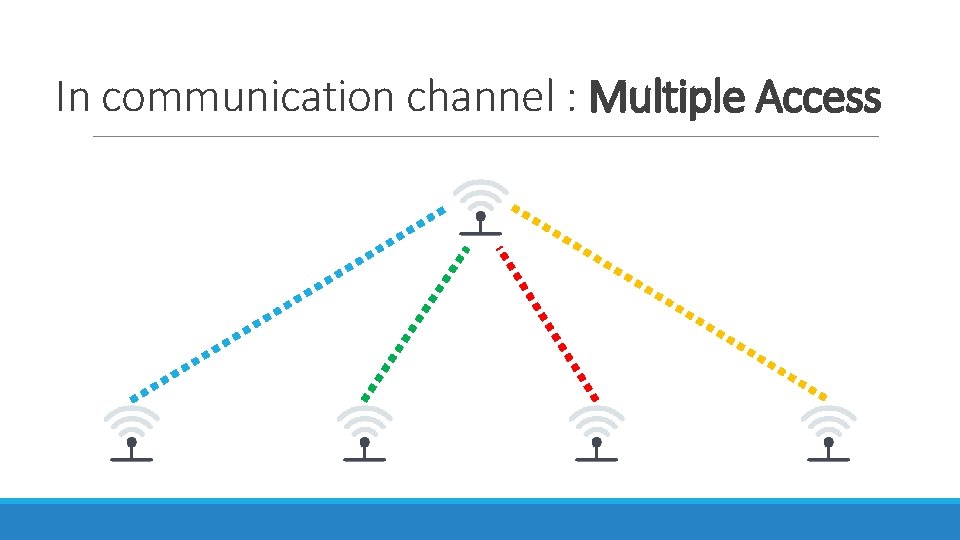
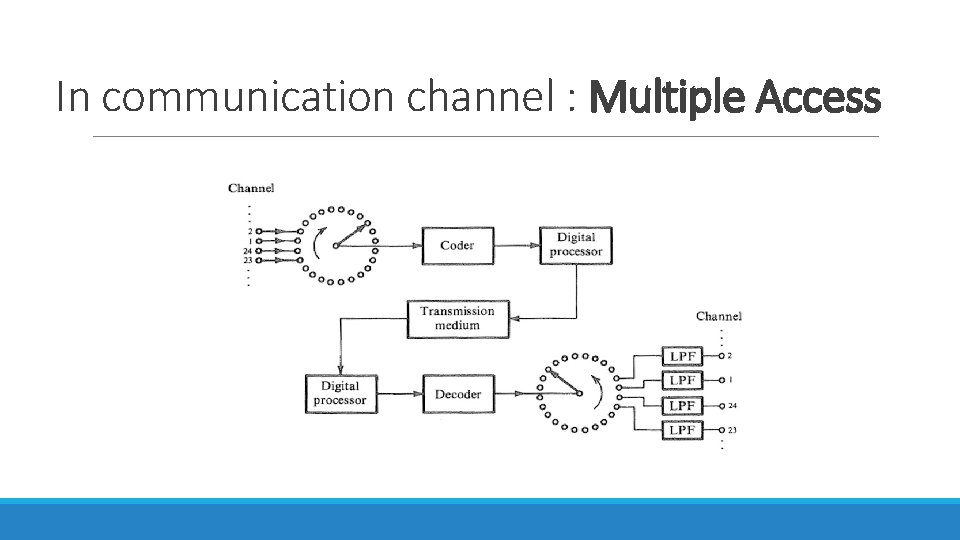
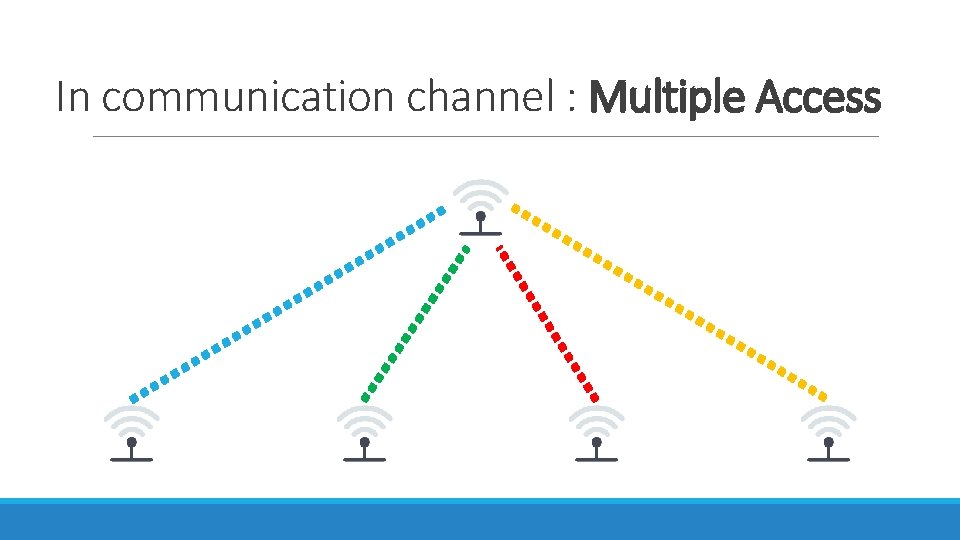
In communication channel : Multiple Access
In communication channel : Multiple Access
In communication channel : Multiple Access
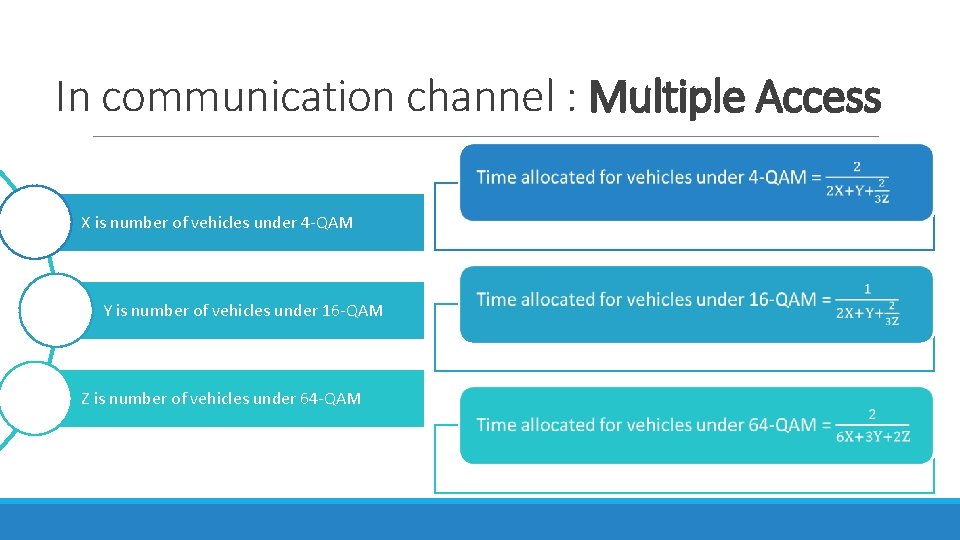
In communication channel : Multiple Access X is number of vehicles under 4 -QAM Y is number of vehicles under 16 -QAM Z is number of vehicles under 64 -QAM
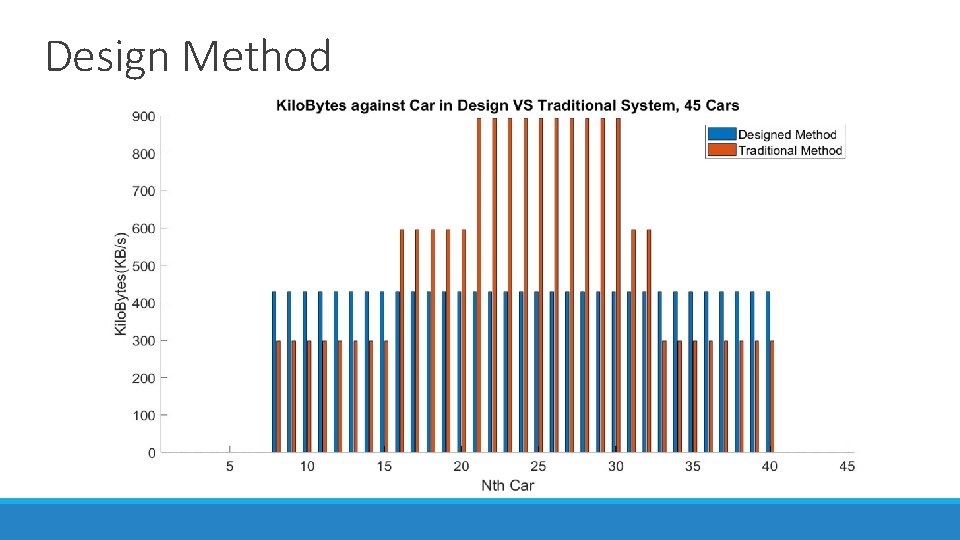
Design Method
The Proposed Method in Multiple Car Situation with Many Antennas
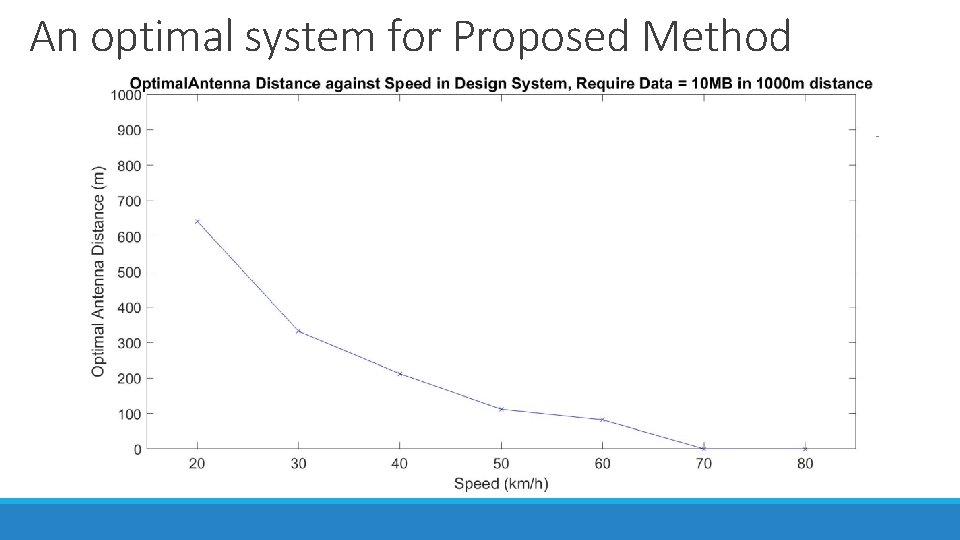
An optimal system for Proposed Method
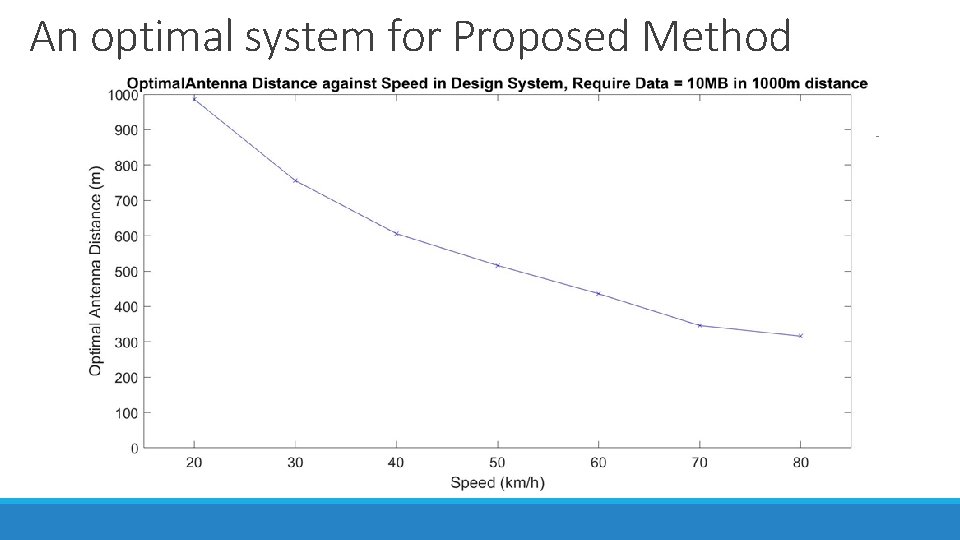
An optimal system for Proposed Method
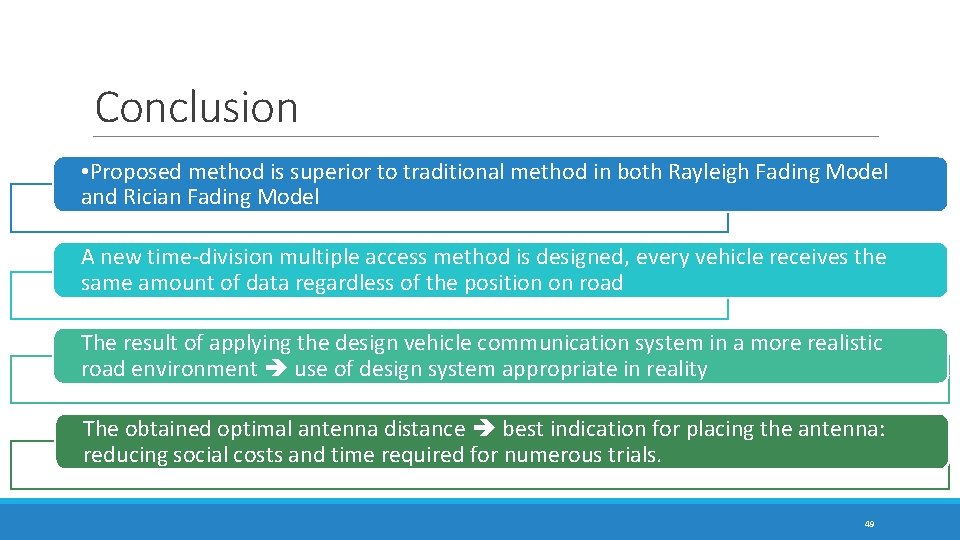
Conclusion • Proposed method is superior to traditional method in both Rayleigh Fading Model and Rician Fading Model A new time-division multiple access method is designed, every vehicle receives the same amount of data regardless of the position on road The result of applying the design vehicle communication system in a more realistic road environment use of design system appropriate in reality The obtained optimal antenna distance best indication for placing the antenna: reducing social costs and time required for numerous trials. 49
References [1] [2] [3] [4] [5] [6] ation [7] [8] [9] M. Sivak and B. Schoettle, “Road safety with self-driving vehicles: General limitations and road sharing with conventional vehicles, ” pp. 1– 13, Jan. 2015. Chapter 8 of A. V. Oppenheim and A. S. Willsky, Signals and Systems. Prentice Hall, 1997. B. Hassibi and B. Hochwald, “How much training is needed in multipleantenna wireless links, ” IEEE Transactions on Information Theory, vol. 49, no. 4, pp. 951– 963, 2003. V. Tarokh, N. Seshadri, and A. Calderbank, “Space-time codes for high data rate wireless communication: performance criterion and code construction, ” IEEE Transactions on Information Theory, vol. 44, no. 2, pp. 744– 765, 1998. E. Biglieri, “High-Level Modulation and Coding for Nonlinear Satellite Channels, ” IEEE Transactions on Communications, vol. 32, no. 5, pp. 616– 626, 1984. J. Christopher L, “Method of adding encryption/encoding element to the modulation/demodulation process, ” U. S. Patent No. 6, 157, 679, pp. 1– 8, Dec. 2000. [10] Chapter 7, 8 of S. Haykin and M. Moher, Communication systems. New York: John Wiley & Sons, 2010. [11] Chapter 3 of J. Gerrits, Wideband FM techniques for low-power wireless communications. Gistrup: River Publishers, 2016. [12] Chapter 4 of S. Haykin and M. Moher, Communication systems. New York: John Wiley & Sons, 2010. [13] Chapter 2 of D. Tse and P. Viswanath, Fundamentals of wireless communication. Cambridge UP: Cambridge, 2013. [14] Chapter 2 of A. Goldsmith, Wireless Communications. Cambridge University Press, 2005. [15] Chapter 4 of A. Arago n-Zavala, Indoor wireless communications: from theory to implementation. Hoboken, NJ: John Wiley & Sons, Inc. , 2017. [16] K. Chetcuti, C. J. Debono, and S. Bruillot, “The effect of human shadowing on RF signal strengths of IEEE 802. 11 a systems on board business jets, ” 2010 IEEE Aerospace Conference, 2010. [17] Chapter 2 of J. J. Carr and G. W. Hippisley, Practical antenna handbook. New York: Mc. Graw-Hill, 2012. [18] A. Al-Barrak, A. Al-Sherbaz, T. Kanakis, and R. Crockett, “Enhancing BER Performance Limit of BCH and RS Codes Using Multipath Diversity, ” of the IRE, vol. 37, no. 1, pp. 10– 21, 1949. Computers, vol. 6, no. 4, p. 21, 2017. Chapter 5 of S. Haykin and M. Moher, Communication systems. New York: [19] Chapter 20 of A. F. Molisch, Wireless communications. Chichester: John Wiley & Sons, 2010. Wiley & Sons, 2011. A. Watt and E. Maxwell, “Characteristics of Atmospheric Noise from 1 to 100 KC, ” Proceedings of the IRE, vol. 45, no. 6, pp. 787– 794, 1957. 50
References [27] “ALLOWABLE ERROR PERFORMANCE FOR A HYPOTHETICAL [20] Chapter 8 of A. Weintrit, Navigational problems: marine navigation and REFERENCE DIGITAL PATH IN THE FIXED-SATELLITE SERVICE safety of sea transportation. Leiden: CRC Press/Balkema, 2013. OPERATING BELOW 15 GHz WHEN FORMING PART OF AN [21] Chapter 11 of B. Sklar, Digital communications: fundamentals and INTERNATIONAL CONNECTION IN AN INTEGRATED SERVICES applications. Prentice Hall PTR, 2017. DIGITAL NETWORK, ” RECOMMENDATION ITU-R S. 614 -3. [Online]. [22] Chapter 6 of B. P. Lathi and Z. Ding, Modern digital and analog Available: https: //www. itu. int/dms_pubrec/itu-r/rec/s/R-REC-S. 614 -3 communication systems. New York: Oxford Univ Press, 2010. 199409 -S!!PDF-E. pdf. [23] systems with relays over rayleigh-fading channels, ” IEEE Transactions on Wireless Communications, vol. 2, no. 6, pp. 1126– 1131, 2003. Sheikh, [24] Y. -D. A. and “Outage Yaoprobability analysis microcell for mobile radio systems with cochannel interferers in Rician/Rayleigh fading environment, ” Electronics Letters, vol. 26, no. 13, p. 864, 1990. [25] S. Zhu, T. S. Ghazaany, S. M. R. Jones, R. A. Abd-Alhameed, J. M. Noras, T. V. Buren, J. Wilson, T. Suggett, and S. Marker, “Probability Distribution of Rician K-Factor in Urban, Suburban and Rural Areas Using Real-World Captured Data, ” IEEE Transactions on Antennas and Propagation, vol. 62, no. 7, pp. 3835– 3839, 2014. [26] Z. Xu, X. Li, X. Zhao, M. H. Zhang, and Z. Wang, “DSRC versus 4 G-LTE for Connected Vehicle Applications: A Study on Field Experiments of Vehicular Communication Performance, ” Journal of Advanced Transportation, vol. 2017, pp. 1– 10, 2017. 51
Communication Techniques for Autonomous Vehicle Systems NAME: KELVIN TSE YIP MING STUDENT ID: 14068068 D SUPERVISOR: DR. ALAN LAU 52