
Communication Skills Communication q The Chain of Communication
- Slides: 21
Communication Skills
Communication q The Chain of Communication q Sending and receiving information q Verbal and Non-Verbal Communication q Active Listening
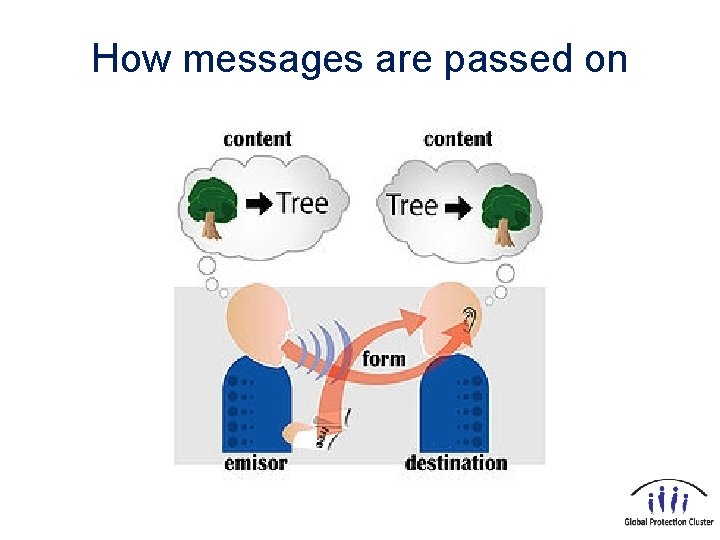
How messages are passed on
Exercise Communicate the message right!
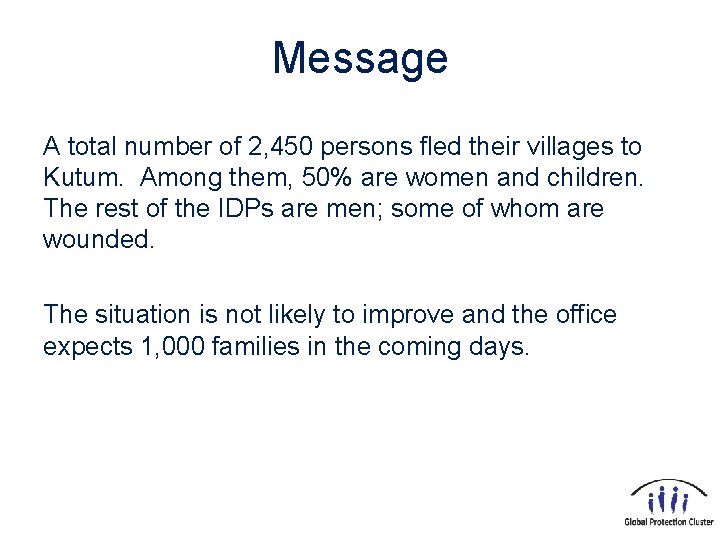
Message A total number of 2, 450 persons fled their villages to Kutum. Among them, 50% are women and children. The rest of the IDPs are men; some of whom are wounded. The situation is not likely to improve and the office expects 1, 000 families in the coming days.
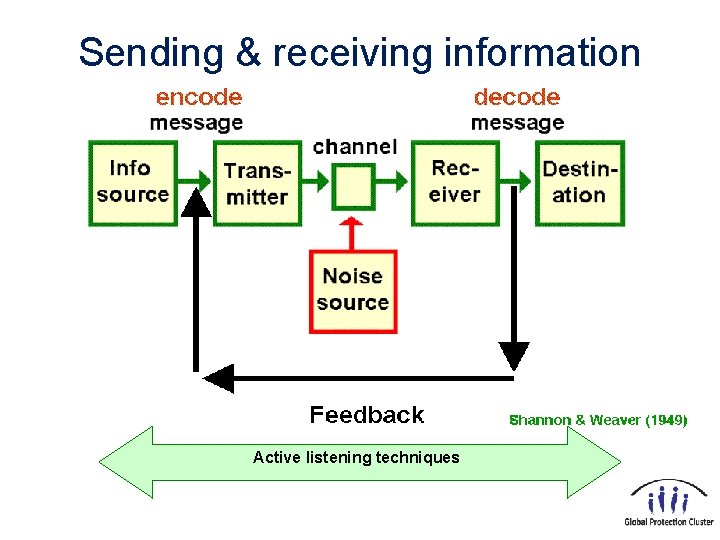
Sending & receiving information Active listening techniques
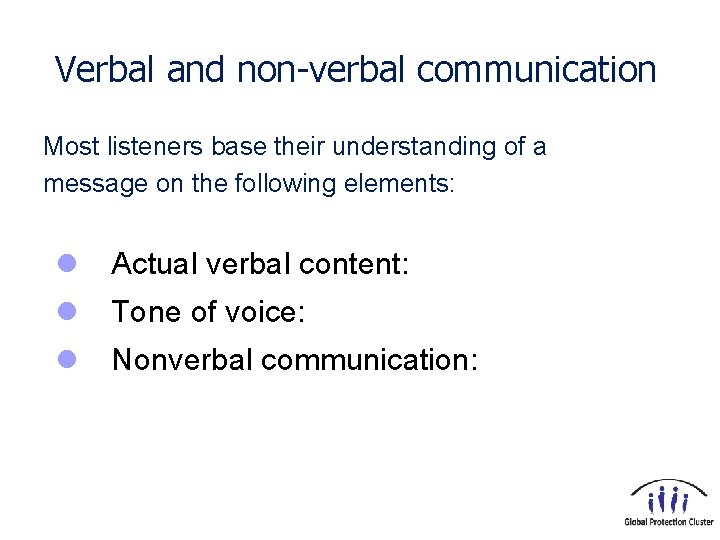
Verbal and non-verbal communication Most listeners base their understanding of a message on the following elements: l Actual verbal content: l Tone of voice: l Nonverbal communication:
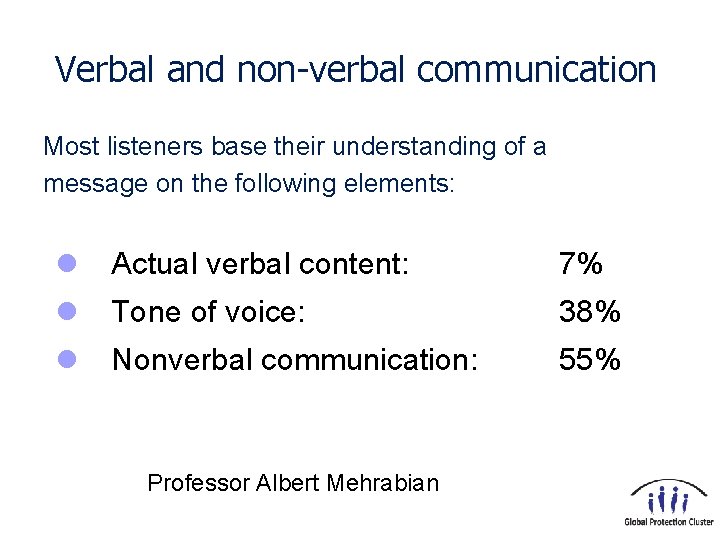
Verbal and non-verbal communication Most listeners base their understanding of a message on the following elements: l Actual verbal content: 7% l Tone of voice: 38% l Nonverbal communication: 55% Professor Albert Mehrabian
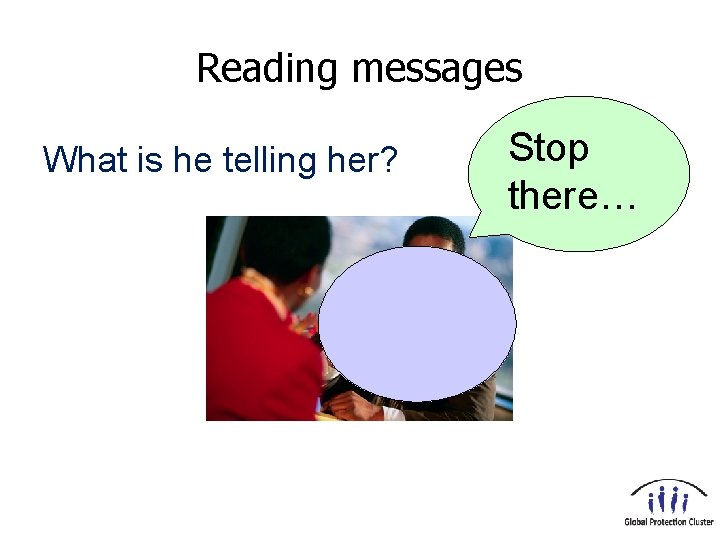
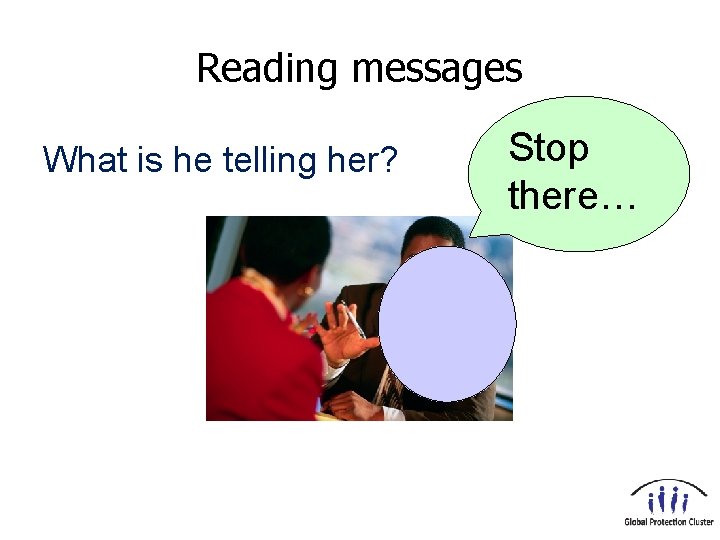
Reading messages What is he telling her? Stop there…
Reading messages What is he telling her? Stop there…
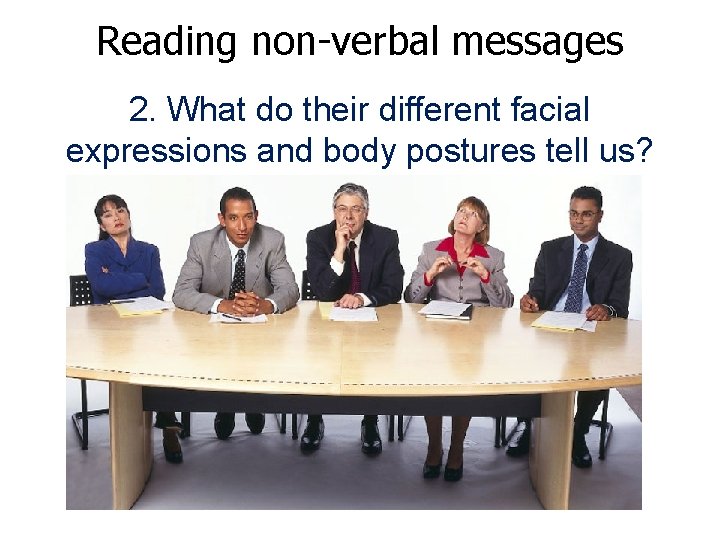
Reading non-verbal messages 2. What do their different facial expressions and body postures tell us?
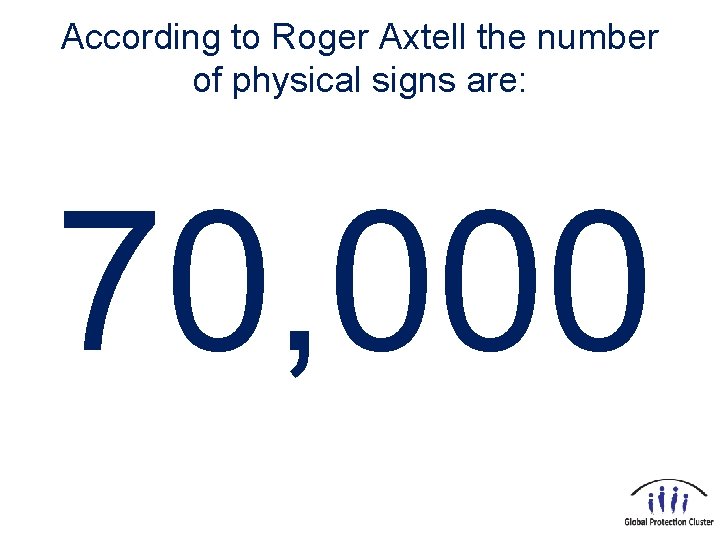
According to Roger Axtell the number of physical signs are: 70, 000
Active listening and non-verbal communication l Appropriate eye contact l Facial expressions l Proximity and positioning l Non-threatening and non-defensive body posture l Person-centered focus
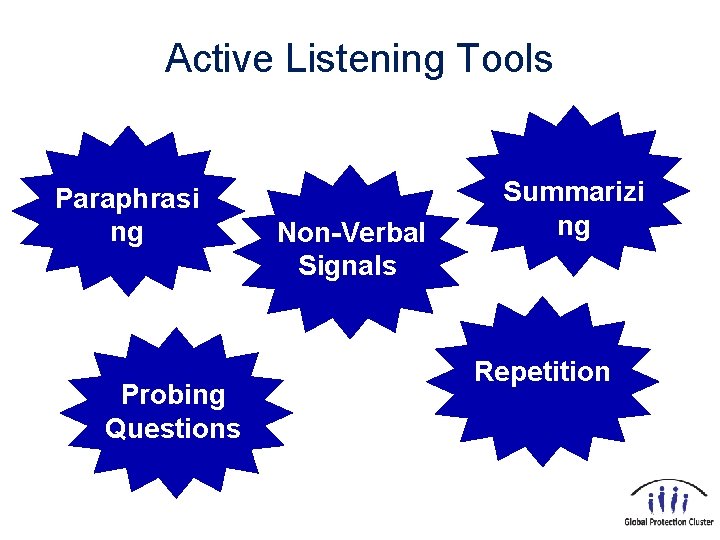
Active Listening Tools Paraphrasi ng Probing Questions Non-Verbal Signals Summarizi ng Repetition
Communication Techniques q Repetition: repeating verbatim individual contributions to confirm understanding q Probing: asking follow on questions to better understand clarify the meaning of the verbal message q Summarizing: giving a summary of what has been said. Similar to paraphrasing, but it condenses the content of what has been said q Rephrasing: repeating back in your own words what you understand someone else to be saying
Exercise FIRST ROUND Participant A: communicates Participant B: actively listens Participant C: identifies technique
Exercise SECOND ROUND Participant A: actively listens Participant B: identifies technique Participant C: communicates
Exercise THIRD ROUND Participant A: identifies technique Participant B: communicates Participant C: actively listens
If we DO NOT listen actively we… § misunderstand situations and positions § work on mistaken assumptions § impose our own opinions § miss opportunities to detect and reconcile common interests § reduce participation and hamper ownership § do not create synergies between different ideas § do not coordinate effectively, which can lead to an ineffective protection response
Results-oriented communicators § Know their communication objective and purpose § Know their audience and resulting communication needs § Build a relationship with the audience § Adopt the communication style that best fits their own personality, topic, audience and culture
Communication styles S U ON B Recognize your own barriers to active listening and think of what you can do to improve it… FREE handouts!!