
Communication Skills Commuication Skills What is Communication Research
- Slides: 28
Communication Skills
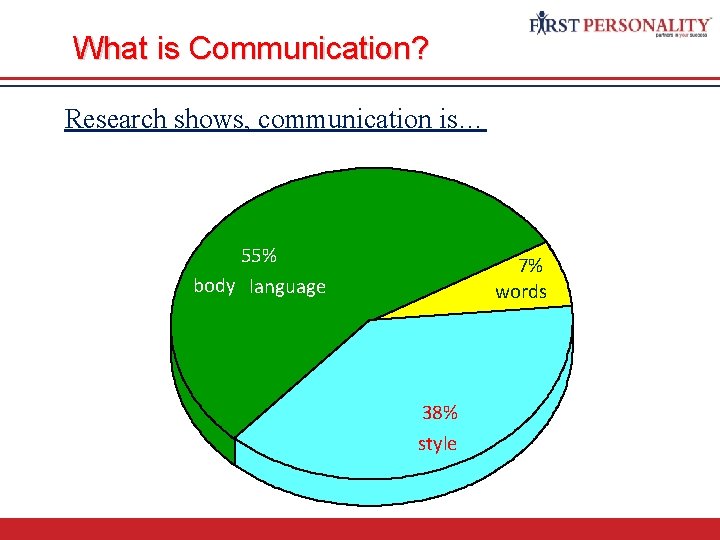
Commuication Skills What is Communication? Research shows, communication is… 55% 7% words body language 38% style
See the difference in what the girl is trying to convey and what the class is understanding = Miscommunication www. firstpersonality. com
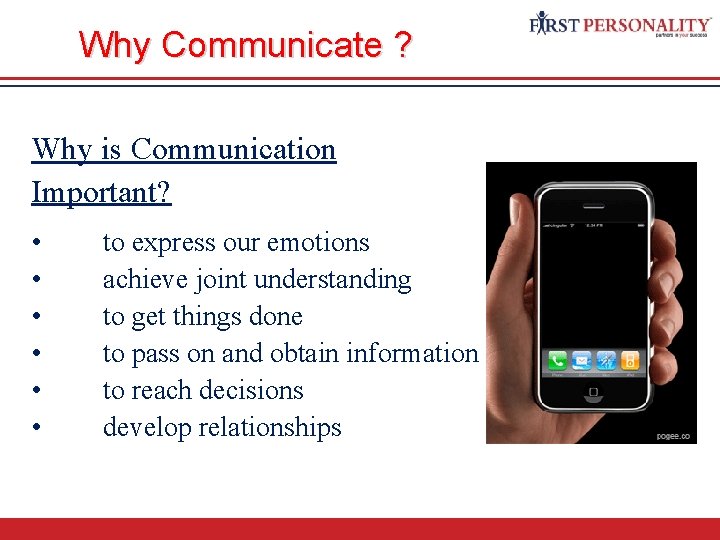
Why Communicate ? Why is Communication Important? • • • to express our emotions achieve joint understanding to get things done to pass on and obtain information to reach decisions develop relationships Communication Skills
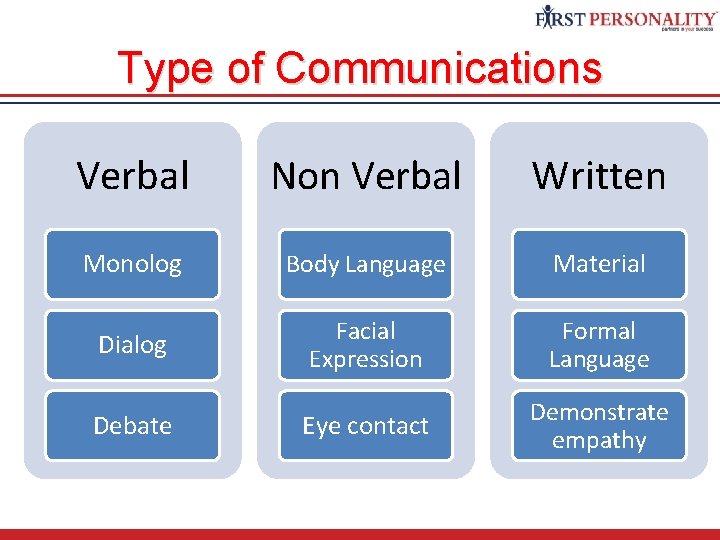
Type of Communications Verbal Non Verbal Written Monolog Body Language Material Dialog Facial Expression Formal Language Eye contact Demonstrate empathy Debate
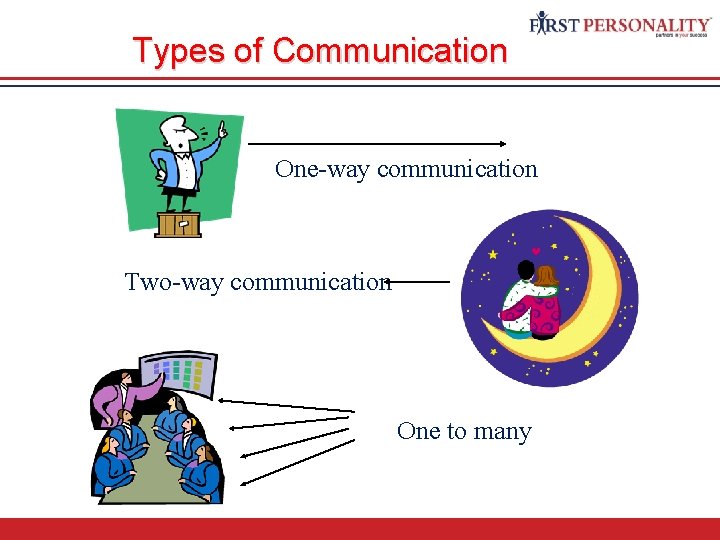
Types of Communication One-way communication Two-way communication One to many
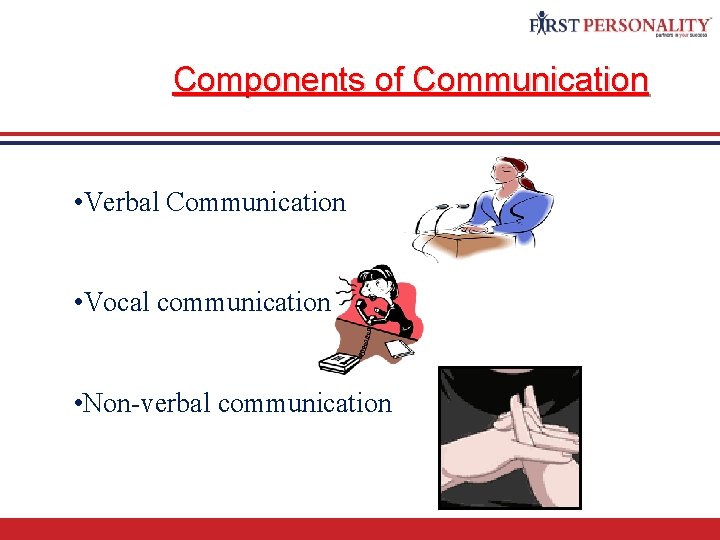
Components of Communication • Verbal Communication • Vocal communication • Non-verbal communication
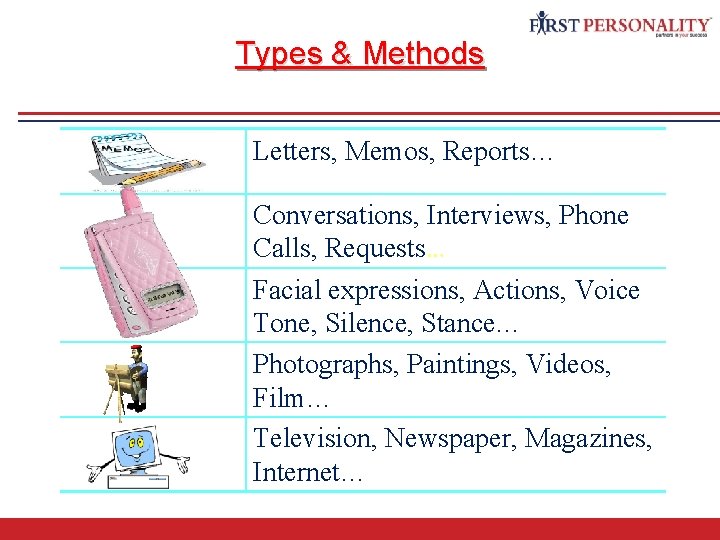
Communication Skills Types & Methods Written Spoken Letters, Memos, Reports… Conversations, Interviews, Phone Calls, Requests… Gestures Facial expressions, Actions, Voice Tone, Silence, Stance… Visuals Photographs, Paintings, Videos, Film… Multimedia Television, Newspaper, Magazines, Internet…
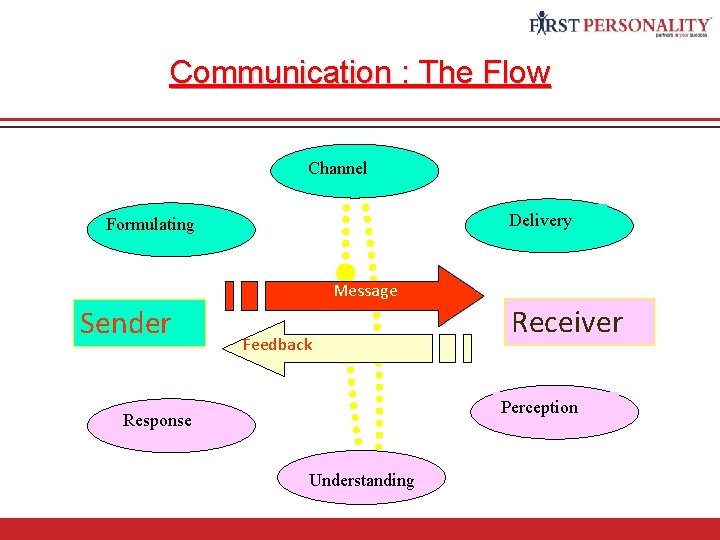
Communication Skills Communication : The Flow Channel Delivery Formulating Message Sender Feedback Receiver Perception Response Understanding
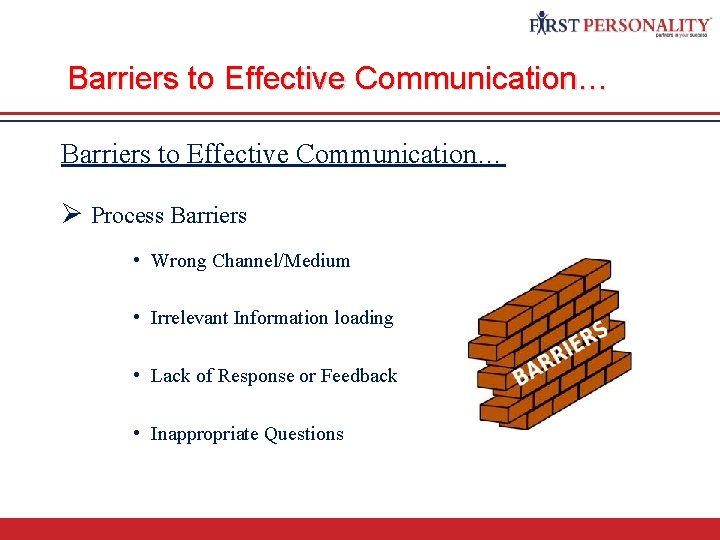
Communication Skills Barriers to Effective Communication… Ø Process Barriers • Wrong Channel/Medium • Irrelevant Information loading • Lack of Response or Feedback • Inappropriate Questions
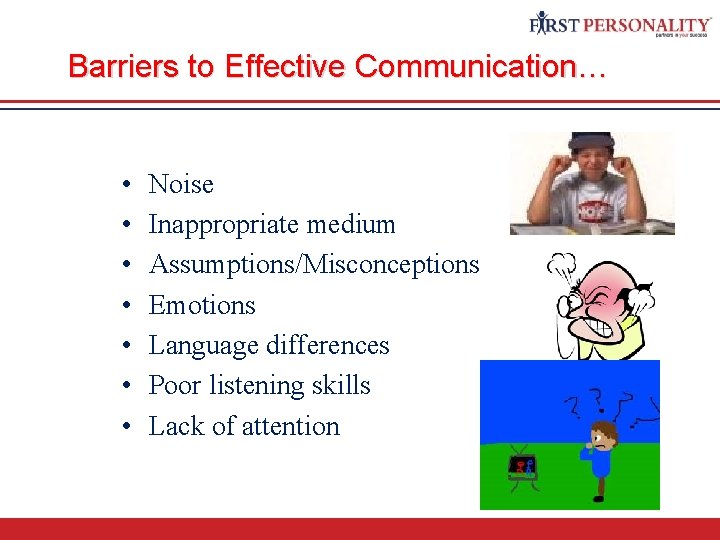
Barriers to Effective Communication… • • Noise Inappropriate medium Assumptions/Misconceptions Emotions Language differences Poor listening skills Lack of attention
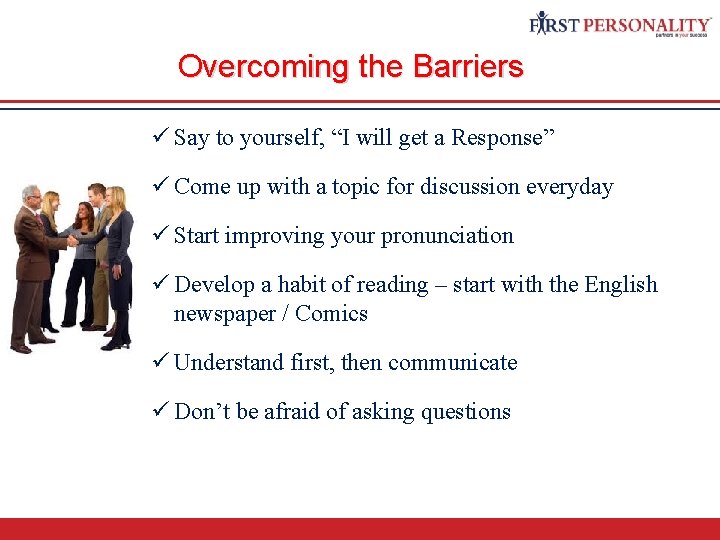
Communication Skills Overcoming the Barriers ü Say to yourself, “I will get a Response” ü Come up with a topic for discussion everyday ü Start improving your pronunciation ü Develop a habit of reading – start with the English newspaper / Comics ü Understand first, then communicate ü Don’t be afraid of asking questions
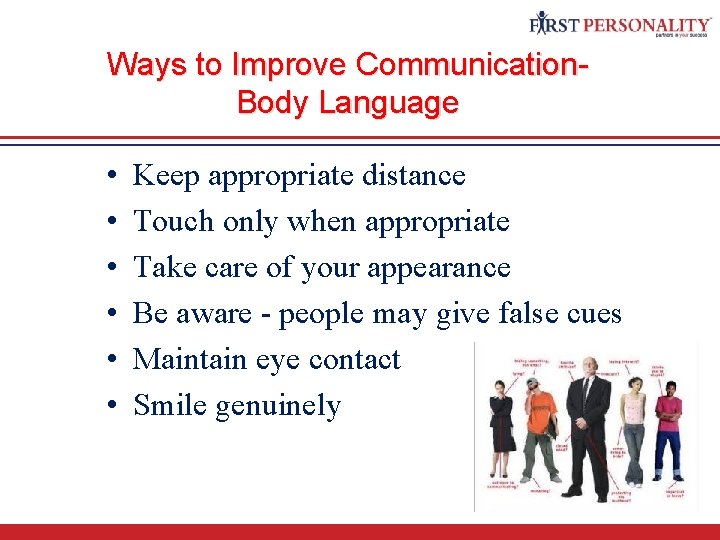
Ways to Improve Communication. Body Language • • • Keep appropriate distance Touch only when appropriate Take care of your appearance Be aware - people may give false cues Maintain eye contact Smile genuinely
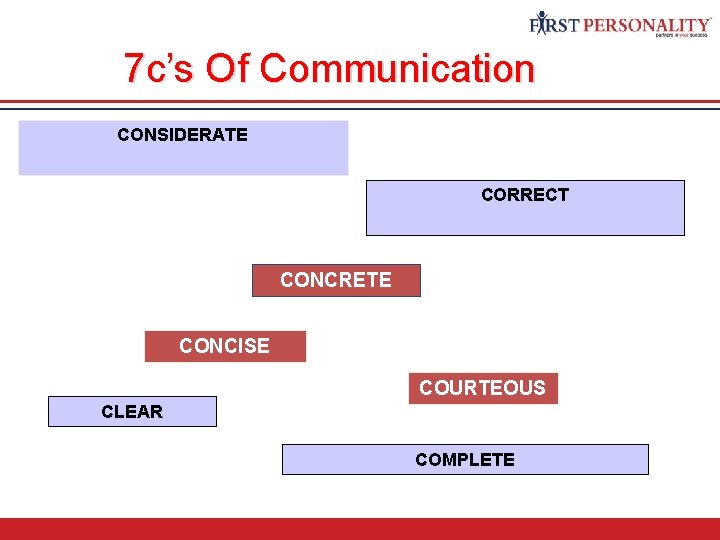
7 c’s Of Communication CONSIDERATE CORRECT CONCRETE CONCISE COURTEOUS CLEAR COMPLETE
Communication Skills Ways to Improve Communication. Speaking
Communication Skills Ways to Improve Communication. Speaking “A wise man reflects before be speaks; a fool speaks, and then reflects on what he has uttered. ” - French Proverb.
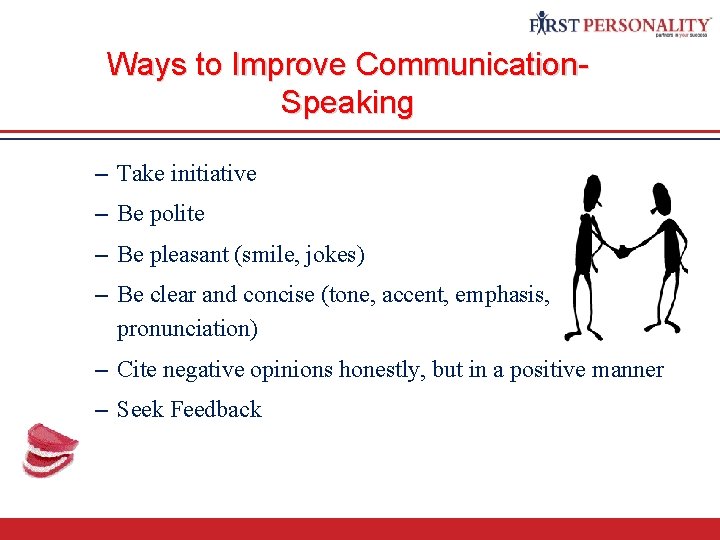
Communication Skills Ways to Improve Communication. Speaking – Take initiative – Be polite – Be pleasant (smile, jokes) – Be clear and concise (tone, accent, emphasis, pronunciation) – Cite negative opinions honestly, but in a positive manner – Seek Feedback
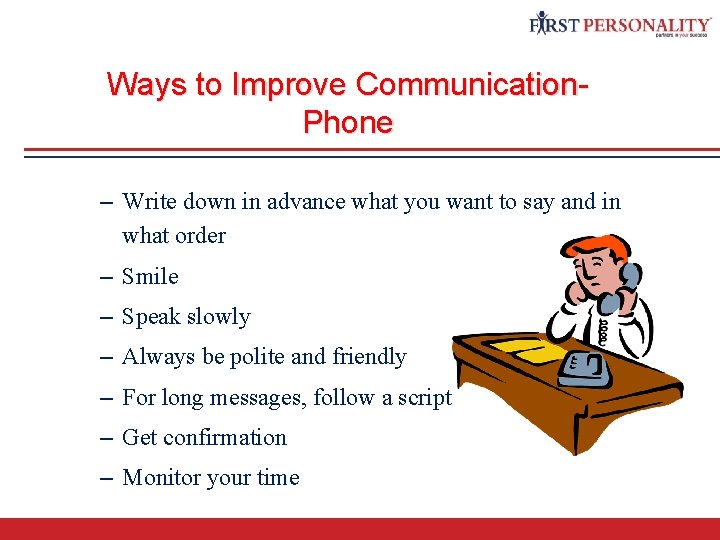
Communication Skills Ways to Improve Communication. Phone – Write down in advance what you want to say and in what order – Smile – Speak slowly – Always be polite and friendly – For long messages, follow a script – Get confirmation – Monitor your time
Ways to Improve Communication. Emails • Message Tone – Pleasantries – NO WRITING IN ALL CAPS – Avoid Excess Punctuation • Check Spelling • Check Grammar • Check Emoticons
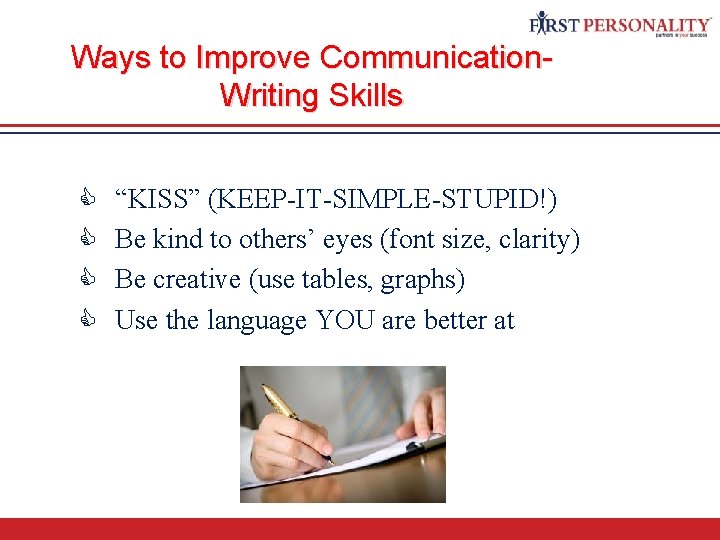
Communication Skills Ways to Improve Communication. Writing Skills C C “KISS” (KEEP-IT-SIMPLE-STUPID!) Be kind to others’ eyes (font size, clarity) Be creative (use tables, graphs) Use the language YOU are better at
Ways to Improve Communication Writing Skills Communication Skills • Visualize the reader when you are writing • Don’t write unbroken paragraphs • Use numbered paragraphs to make crossreferencing easier • Punctuation plays the role of body language in writing
Ways to Improve Communication Listening – – – Avoid distractions Do not interrupt unnecessarily Be active (show interest) Repeat what you’ve heard Control your mind. Communication Skills
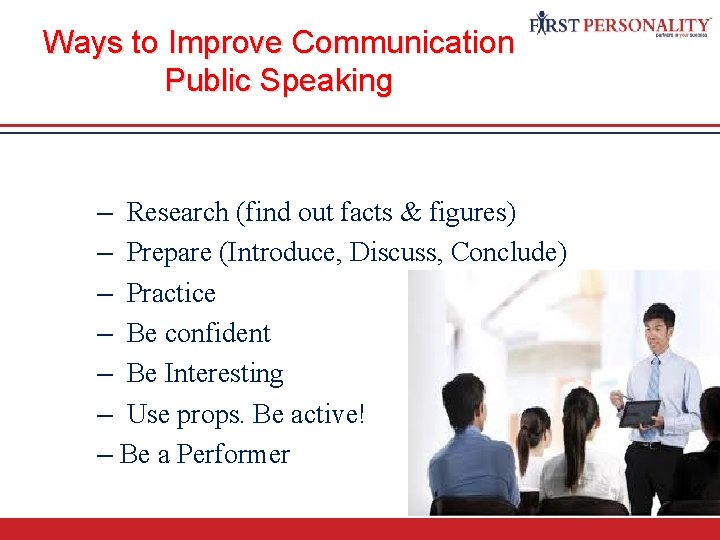
Ways to Improve Communication Public Speaking Communication Skills – Research (find out facts & figures) – Prepare (Introduce, Discuss, Conclude) – Practice – Be confident – Be Interesting – Use props. Be active! – Be a Performer
Benefits of effective communication • • • Quicker problem solving Better decision making Steady work flow Strong business relations Better professional image
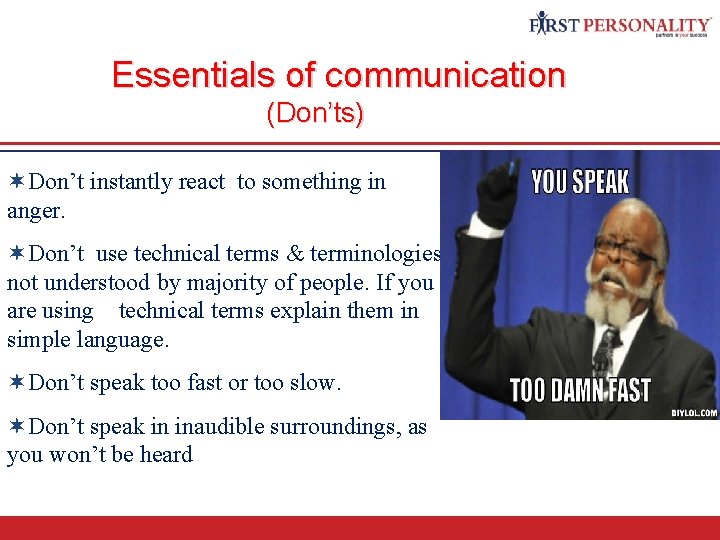
Essentials of communication (Don’ts) ¬Don’t instantly react to something in anger. ¬Don’t use technical terms & terminologies not understood by majority of people. If you are using technical terms explain them in simple language. ¬Don’t speak too fast or too slow. ¬Don’t speak in inaudible surroundings, as you won’t be heard
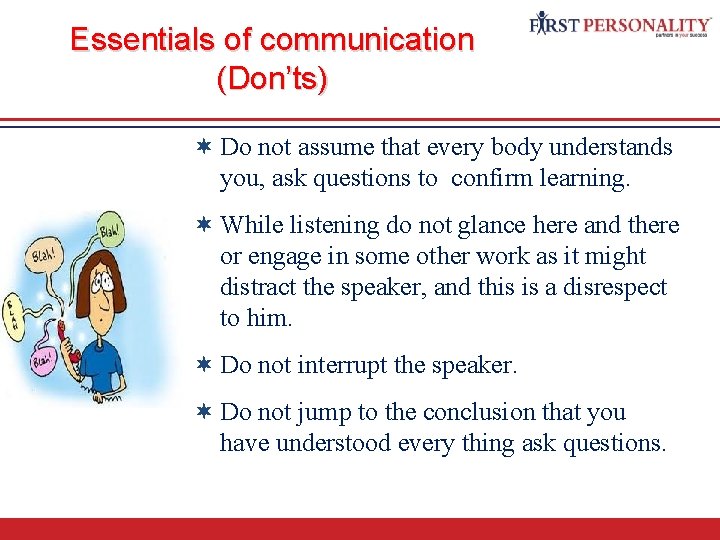
Essentials of communication (Don’ts) ¬ Do not assume that every body understands you, ask questions to confirm learning. ¬ While listening do not glance here and there or engage in some other work as it might distract the speaker, and this is a disrespect to him. ¬ Do not interrupt the speaker. ¬ Do not jump to the conclusion that you have understood every thing ask questions.
The Social Network Your growth in the profession depends on your networking skills Be smart and witty. Post things which other people can share Don’t post photos or jokes that you will regret later Don’t be childish and immature Pay special attention to grammar and spelling P ay attention to your grooming and dress appropriately to suit the occasion Don’t keep sending friend requests. If someone does not accept do not contact them again Work on remembering people’s names Find your common ground (interests, life experiences, occupations…) and build upon it SRIKANTH_RAO 555@YAHOO. COM
Professional Networking • • Brush up on your telephone etiquette. Always be mindful of your language and manners. Definitely, keep your drinking to the absolute minimum. Don’t ever be dishonest about your intentions. Refrain from dropping names. (`hawa mein baat karna’) Curb your curiosity to pay too deeply into their business. Don’t ever speak negative about other people or companies, however tempting it might be. • Exchange business cards only with people who matter • And finally, don’t forget to send thank-you and follow-up notes to acknowledgement anyone who was particularly helpful to you, spent considerable time on the phone or in person with you, or gave you a lead or referral (whether it worked out or not).