
Communication Production Management Agenda Types of communication Presenting
- Slides: 20
Communication Production Management
Agenda • • Types of communication Presenting yourself Tool kit The difference between responsibility and Authority
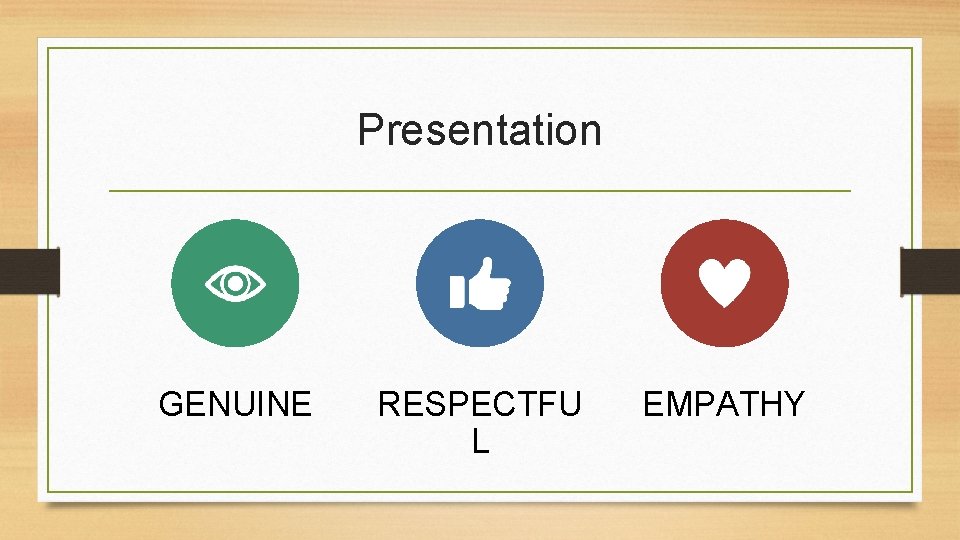
Presentation GENUINE RESPECTFU L EMPATHY
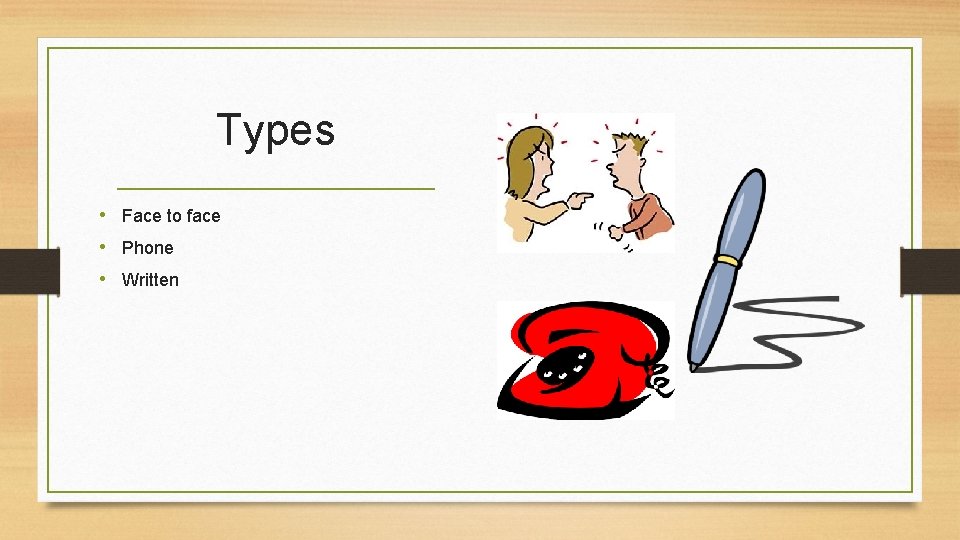
Types • Face to face • Phone • Written
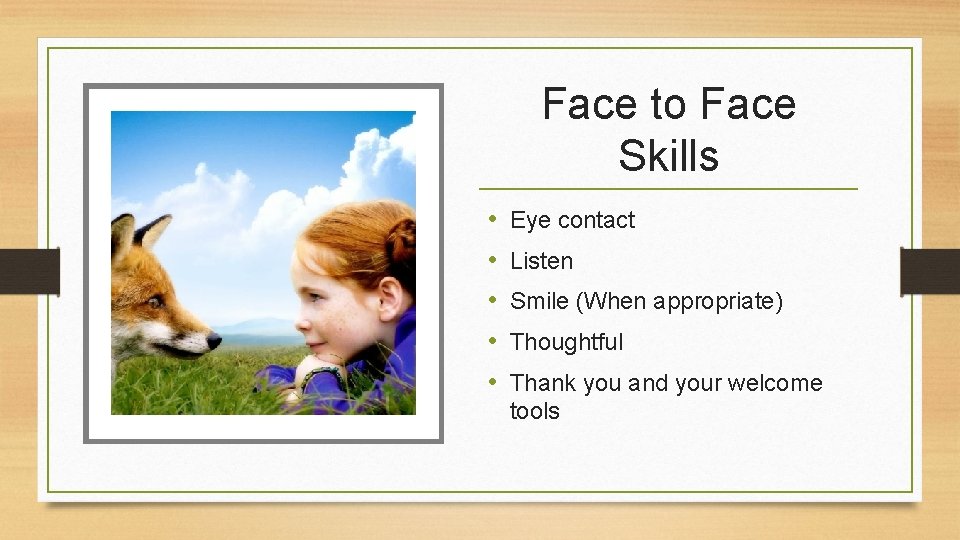
Face to Face Skills • • • Eye contact Listen Smile (When appropriate) Thoughtful Thank you and your welcome tools
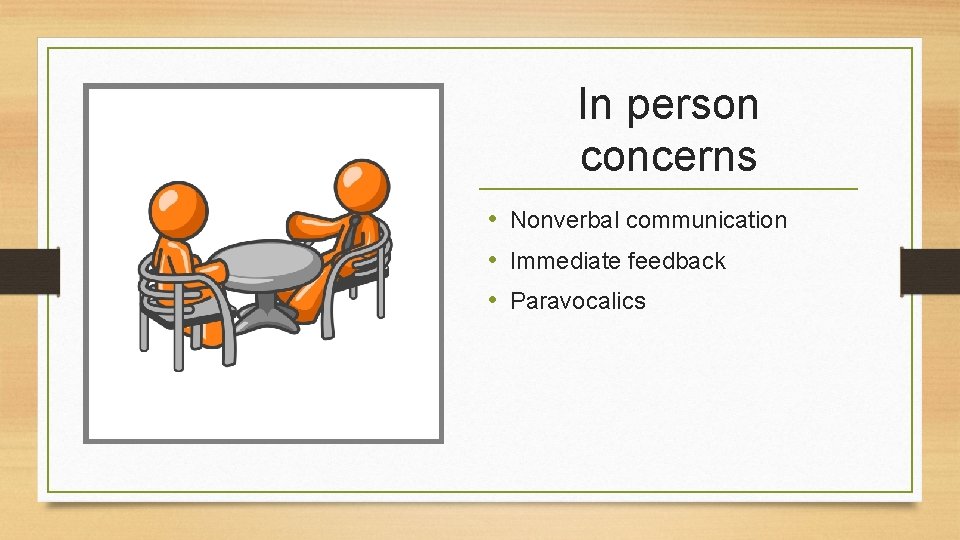
In person concerns • Nonverbal communication • Immediate feedback • Paravocalics
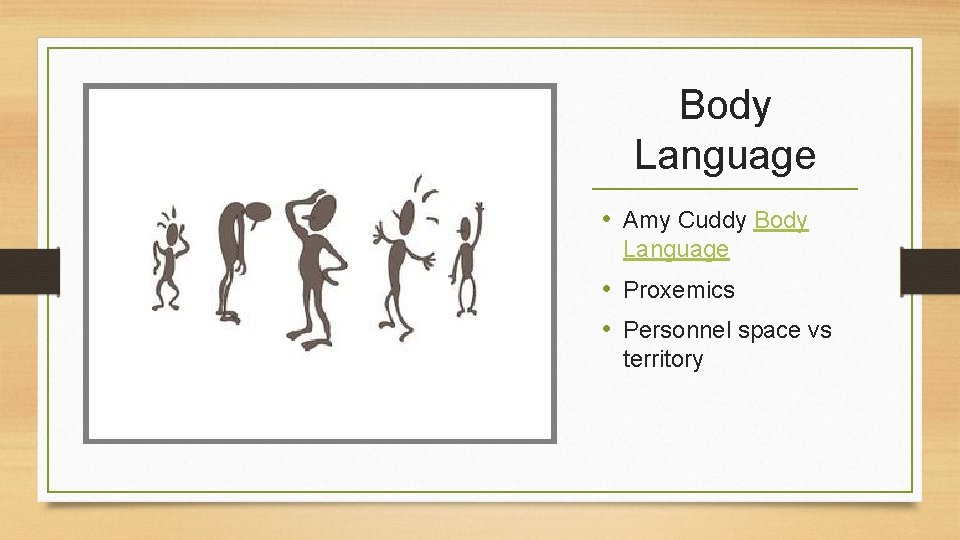
Body Language • Amy Cuddy Body Language • Proxemics • Personnel space vs territory
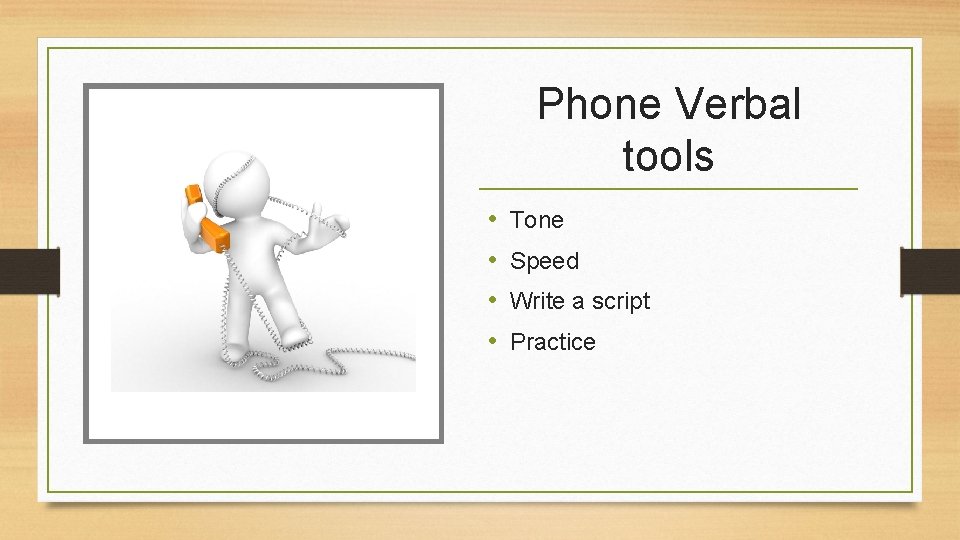
Phone Verbal tools • • Tone Speed Write a script Practice
Written types • Text • Email • Letter
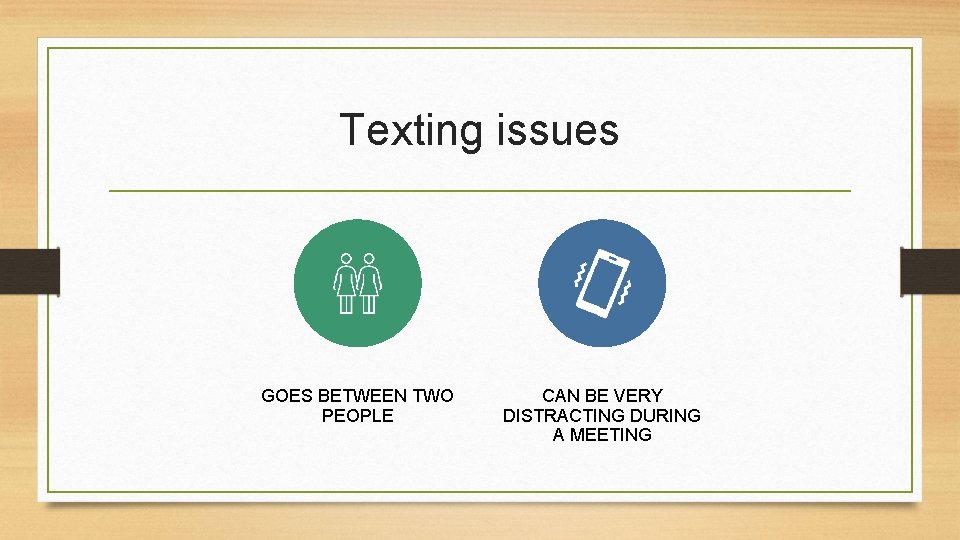
Texting issues GOES BETWEEN TWO PEOPLE CAN BE VERY DISTRACTING DURING A MEETING
Email Issues • Easy to misinterpret • Size and color of fonts • Emogee
Improve your Writing skills • • • Edit Use thesaurus Proof Neat Format SMART PHONE pictures
Toolkit • Tactful • Timely • specific
Comparison Introvert • Behavior: Reserved, solitary • Goals: often choose long-term goals over immediate gratification • Energy : derived from "alone time. " Extrovert • Behavior: Outgoing, talkative, energetic • Goals: often choose immediate gratification over long-term goals • Energy : Typically derived from social interaction.
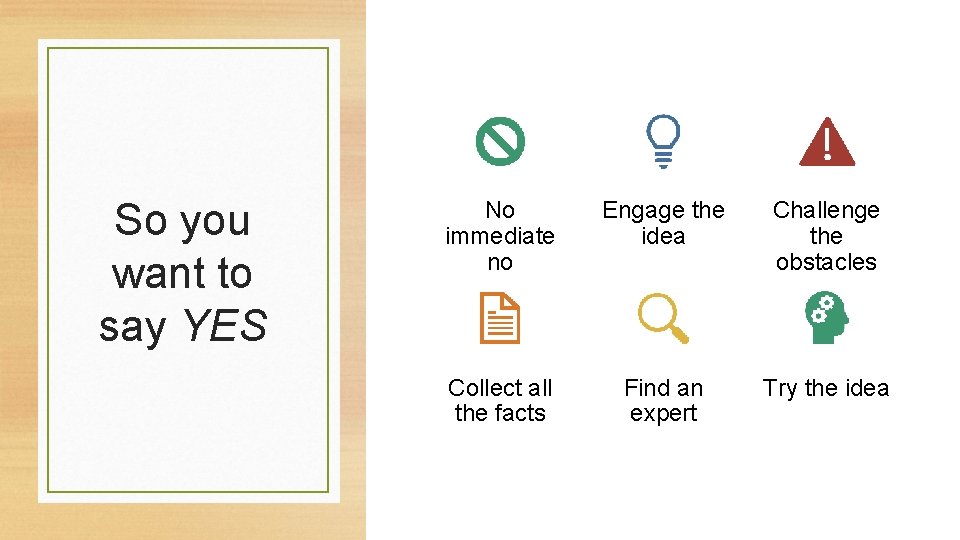
So you want to say YES No immediate no Engage the idea Challenge the obstacles Collect all the facts Find an expert Try the idea
You need to say NO • Present a positive no • Issues : Money, Time, Resources, Safety • Do not leave without a positive response from your collaborator
Difficult Conversations • • • Create a dialog where each view point is valid Never personnel Your collaborator needs to voice all their issues and concerns Validate their point of view Stand firm in you have the authority and responsibility This may take several meetings to resolve
Communication: Listen
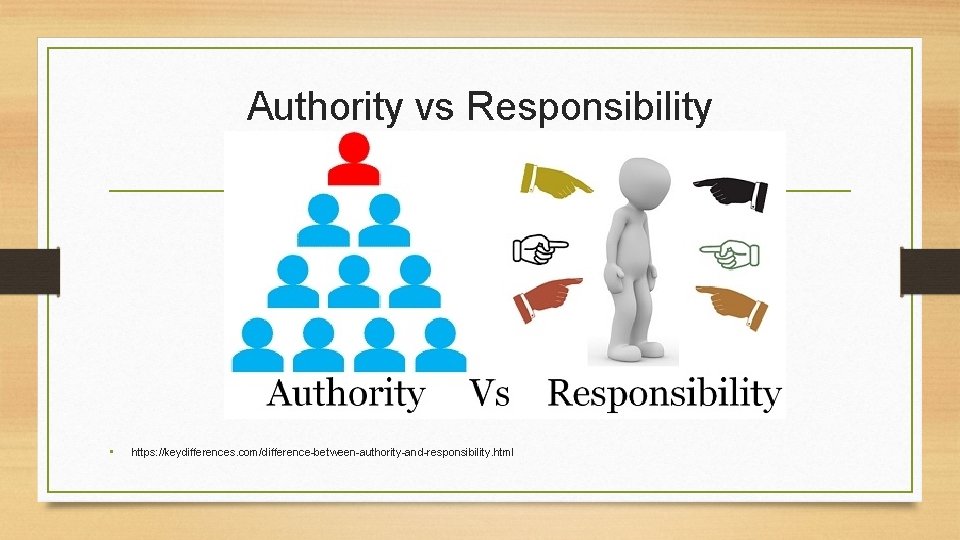
Authority vs Responsibility • https: //keydifferences. com/difference-between-authority-and-responsibility. html
Summary • • Types of communication Presenting yourself Tool kit The difference between responsibility and Authority