
COMMUNICATION Passing of message from one person to
- Slides: 22
COMMUNICATION Passing of message from one person to another Transmission of meaning
COMMUNICATION Communication is a skill that you can learn. It is like riding a bicycle or typing.
COMMUNICATION Communication is the art of being understood. Communication is the dissemination of information and understanding from one person to another.
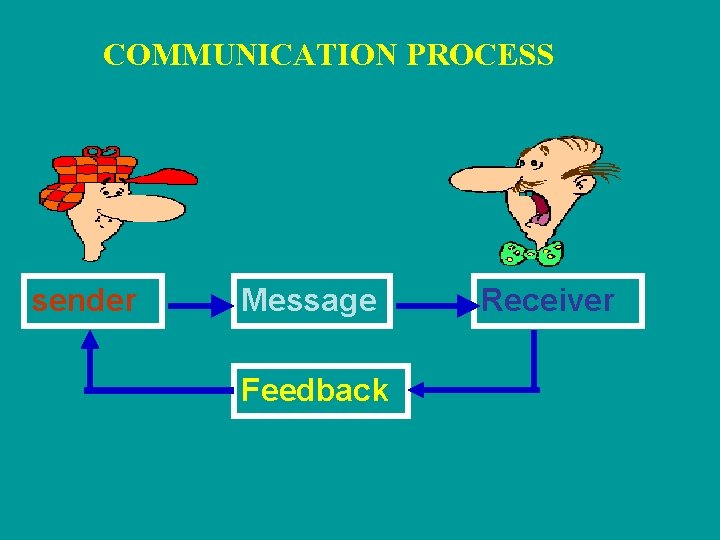
COMMUNICATION PROCESS sender Message Feedback Receiver
The sender has an idea. Encodes the idea into message. Message travels through the channel. Noise in the transmission process.
Receiver get the message. Receiver decodes the message. Action by the receiver. Feed back.
OBJECTIVES OF COMMUNICATION To be received. To be understood. To be accepted. To get action.
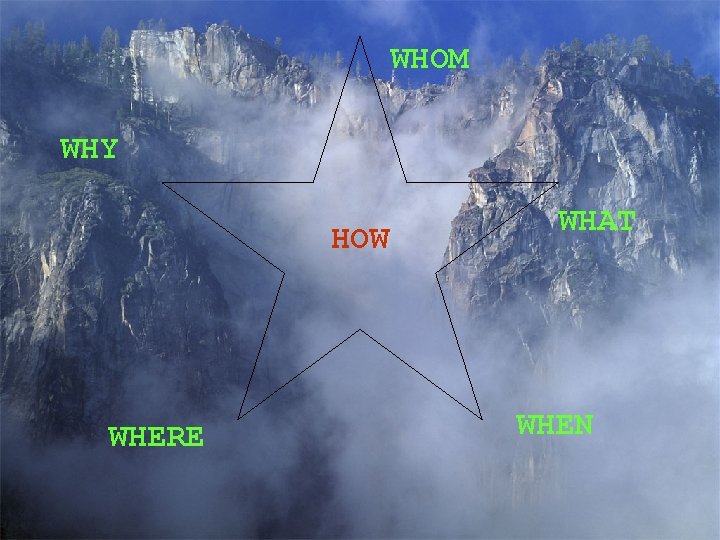
WHOM WHY HOW WHERE WHAT WHEN
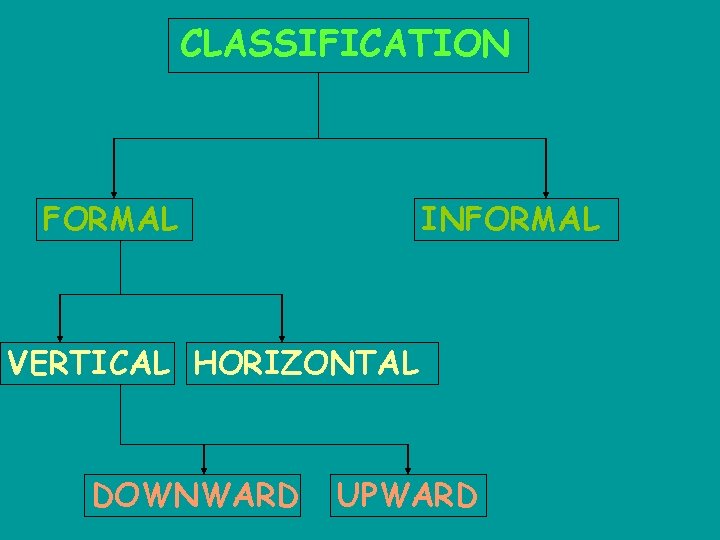
CLASSIFICATION FORMAL INFORMAL VERTICAL HORIZONTAL DOWNWARD UPWARD
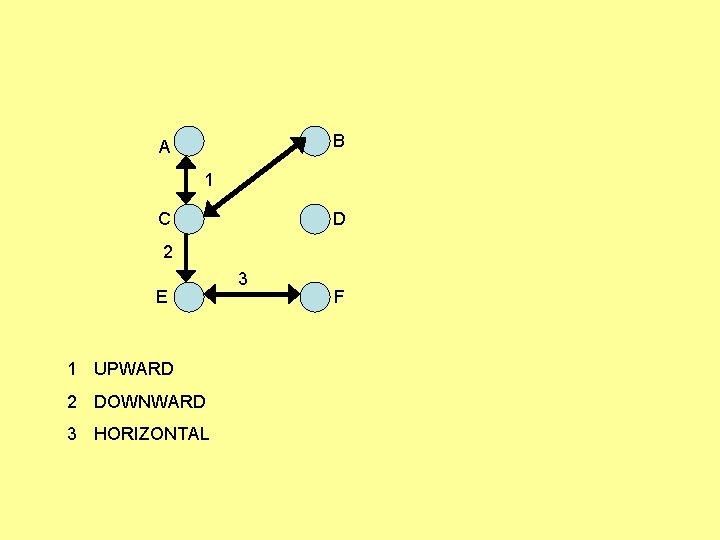
B A 1 C D 2 E 1 UPWARD 2 DOWNWARD 3 HORIZONTAL 3 F
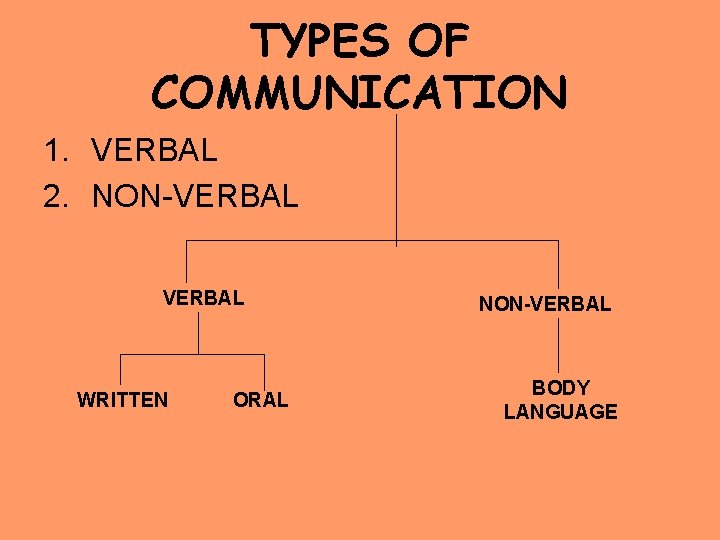
TYPES OF COMMUNICATION 1. VERBAL 2. NON-VERBAL WRITTEN ORAL NON-VERBAL BODY LANGUAGE
VERBAL • WRITTEN • ORAL` WRITTEN Letters, circulars ORAL Direct talks, telephones.
MEDIAS FOR COMMUNICATION 1. 2. 3. 4. 5. AUDIO – Radio VISUAL – Cinema slides AV – TV and cinema ORAL – Letters, circulars WRITTEN – Direct talk/ Telephones.
NON VERBAL 1. 2. 3. 4. 5. 6. 7. Gesture Postures Orientation Eye contact Body contact Proximity Head nodes
BARRIERS OF COMMUNICATION • SEMENTIC • PSYCHOLOGICA L • ORGANISATION AL • PERSONALITY
BARRIERS OF COMMUNICATION • DIFFERENT IN PERCEPTION • JUMPING TO CONCLUSION • STEREW TYPING • EMOTION
BARRIERS OF COMMUNICATION • LACK OF KNOWLEDGE • LACK OF INTEREST • DIFFICULTIES IN SELF EXPRESSION
TEN COMMANDMENTS OF LISTENING • Stop talking • Put the talker at ease • Show him that you want to listen • Remove distraction • Empathize with him
TEN COMMANDMENTS OF LISTENING • Be patient • Hold your temper • Go easy on arguments and critcism
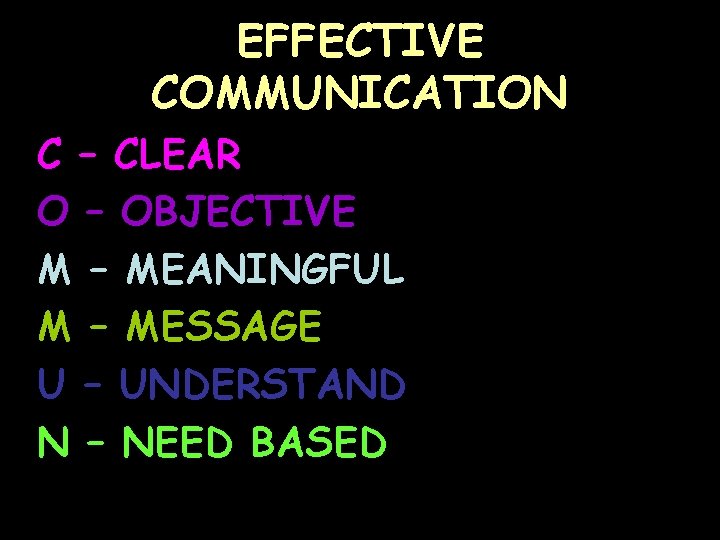
EFFECTIVE COMMUNICATION C – CLEAR O – OBJECTIVE M – MEANINGFUL M – MESSAGE U – UNDERSTAND N – NEED BASED
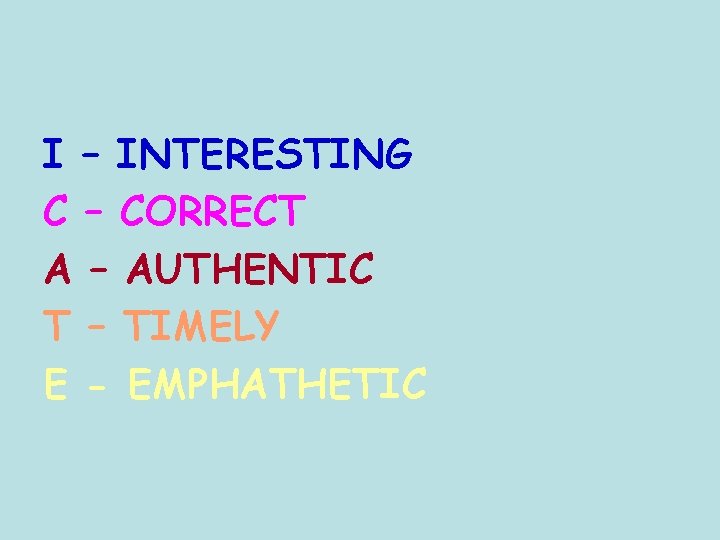
I – INTERESTING C – CORRECT A – AUTHENTIC T – TIMELY E - EMPHATHETIC