
Communication is a symbolic interpretive transactional contextual process
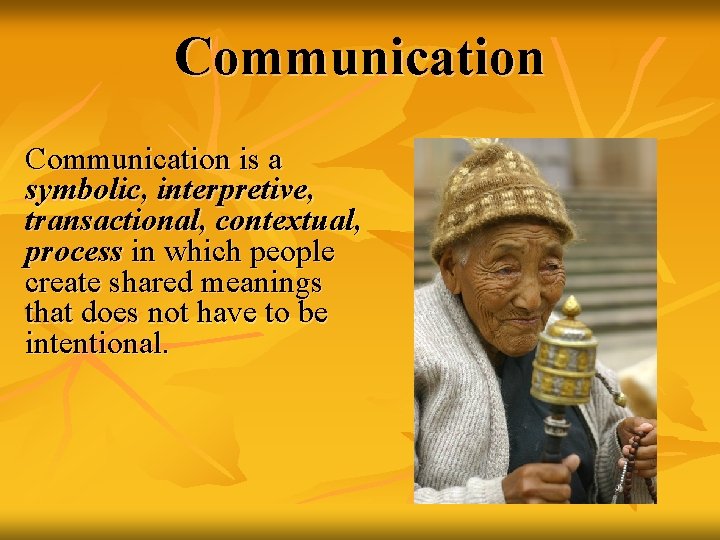
Communication is a symbolic, interpretive, transactional, contextual, process in which people create shared meanings that does not have to be intentional.
Includes such things as: Eye contact Posture Appearance Touching Gestures Voice tone
Nonverbal Communication All aspects of communication other than the words themselves. (Birdwhistell ’ 70)
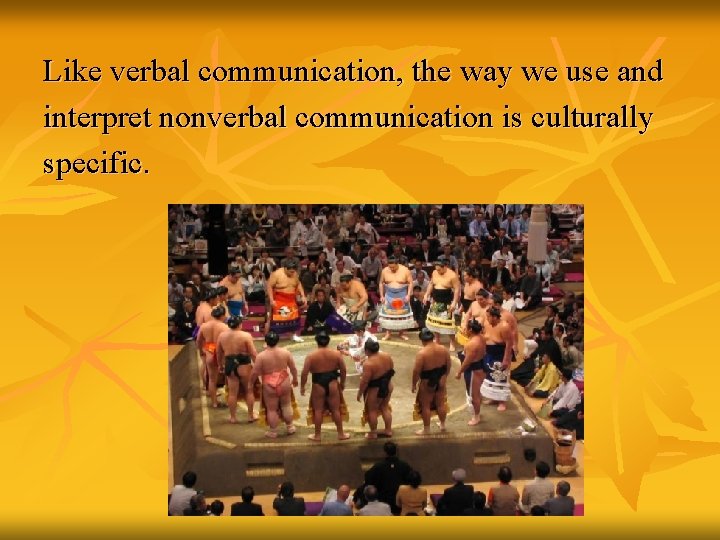
Like verbal communication, the way we use and interpret nonverbal communication is culturally specific.
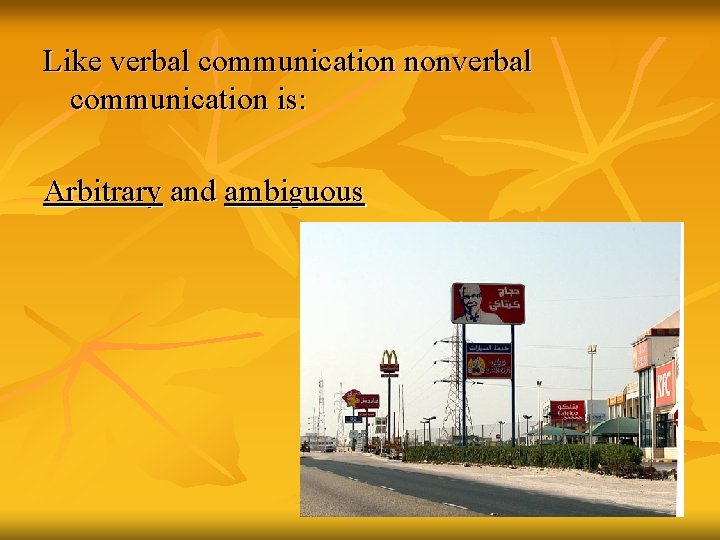
Like verbal communication nonverbal communication is: Arbitrary and ambiguous
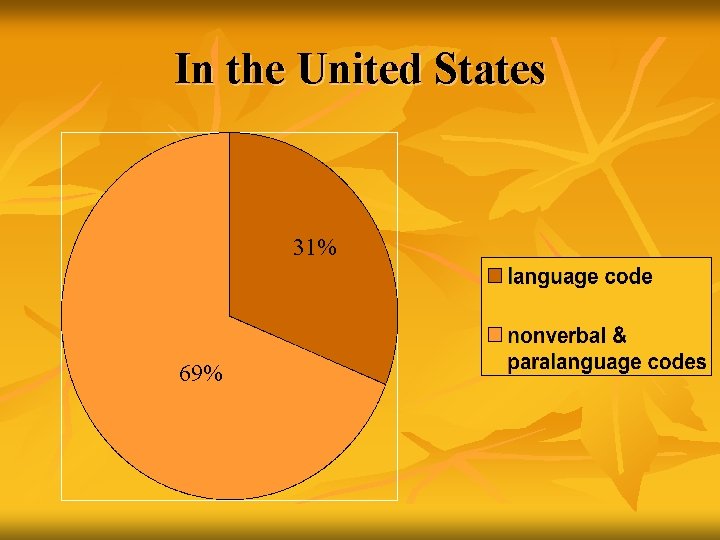
In the United States 31% 69%
5 Ways in Which Nonverbal Behaviors Interact With Verbal Communication 1. Accent 2. Complement 3. Contradict 4. Regulate 5. Substitute
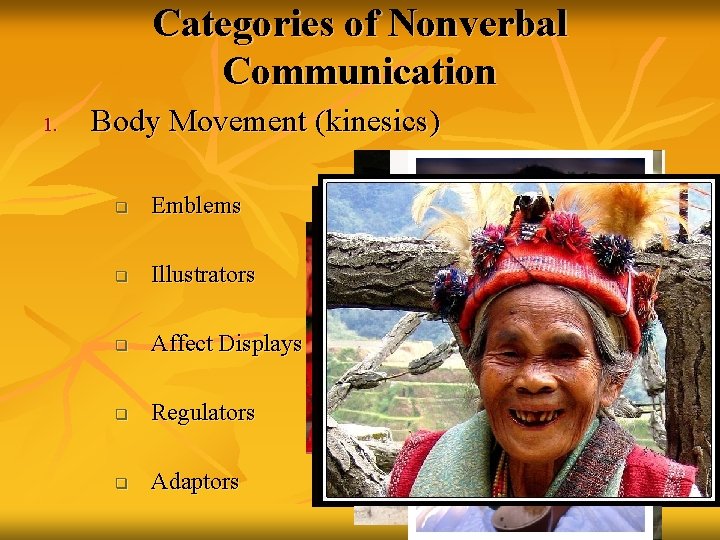
Categories of Nonverbal Communication 1. Body Movement (kinesics) q Emblems q Illustrators q Affect Displays q Regulators q Adaptors
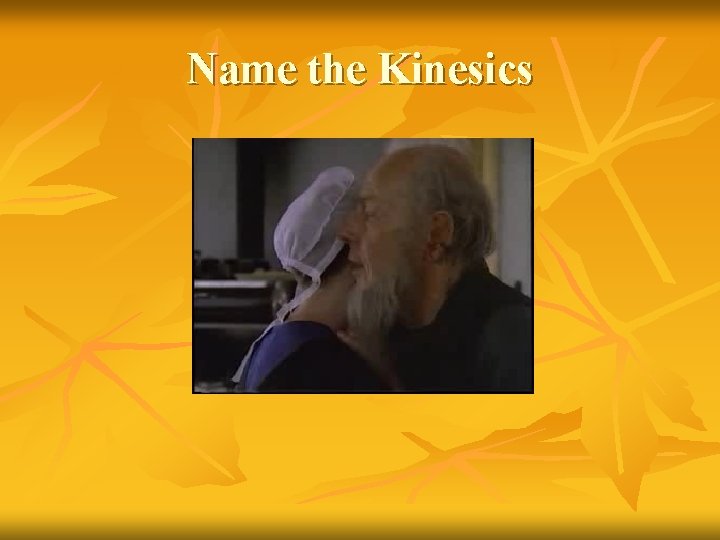
Name the Kinesics
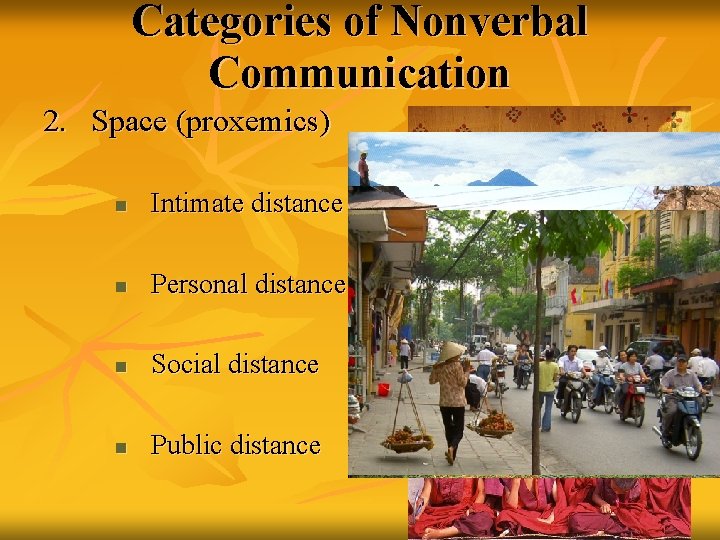
Categories of Nonverbal Communication 2. Space (proxemics) n Intimate distance n Personal distance n Social distance n Public distance
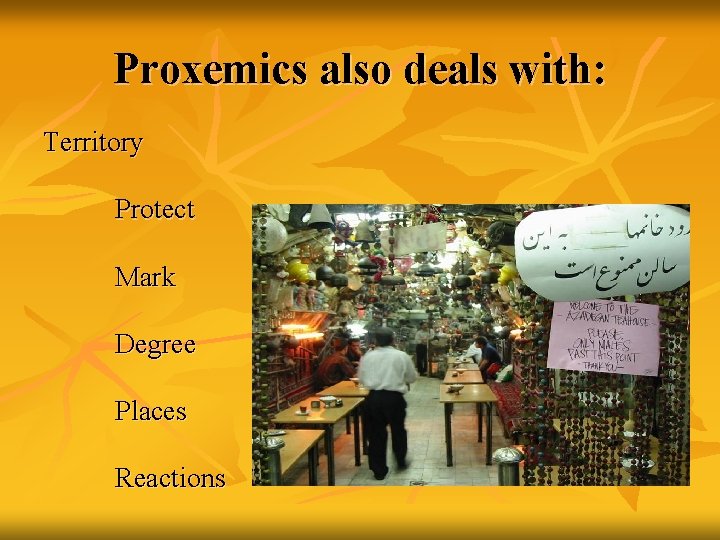
Proxemics also deals with: Territory Protect Mark Degree Places Reactions
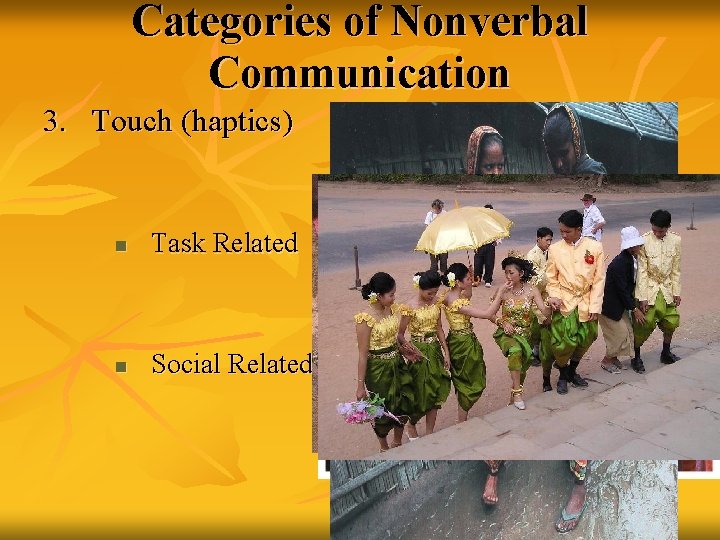
Categories of Nonverbal Communication 3. Touch (haptics) n Task Related n Social Related
Categories of Nonverbal Communication 4. Time (chronemics) n How we perceive and use time n Past oriented n Present oriented n Future oriented
Past Oriented § Regard past events as important. § Emphasis is placed on tradition. § Show great respect for elders.
Present Oriented Spontaneity
Future Oriented Live for tomorrow
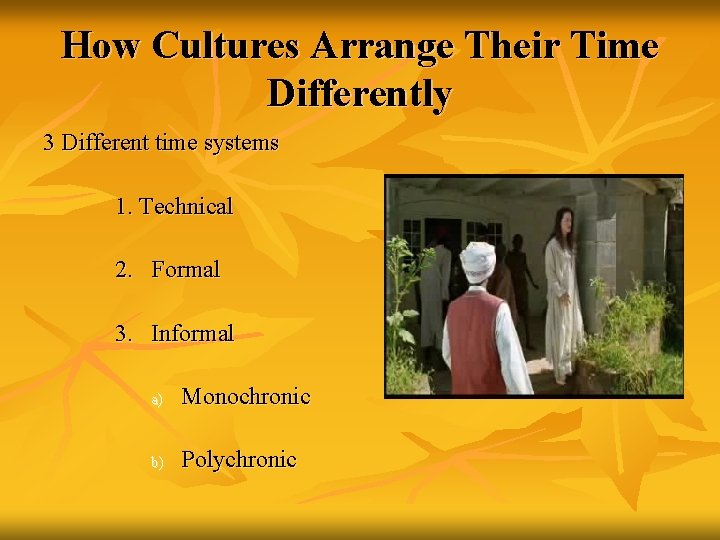
How Cultures Arrange Their Time Differently 3 Different time systems 1. Technical 2. Formal 3. Informal a) Monochronic b) Polychronic
Categories of Nonverbal Communication 5. Voice (Paralanguage) n Paralanguage n How something is said (silence, pitch, tone, volume)
Categories of Nonverbal Communication n Arabs: Loudly --- strength and sincerity Israelis: Increased volume --- strong belief about topic Asian: Gentle soft voice --- good manners and education
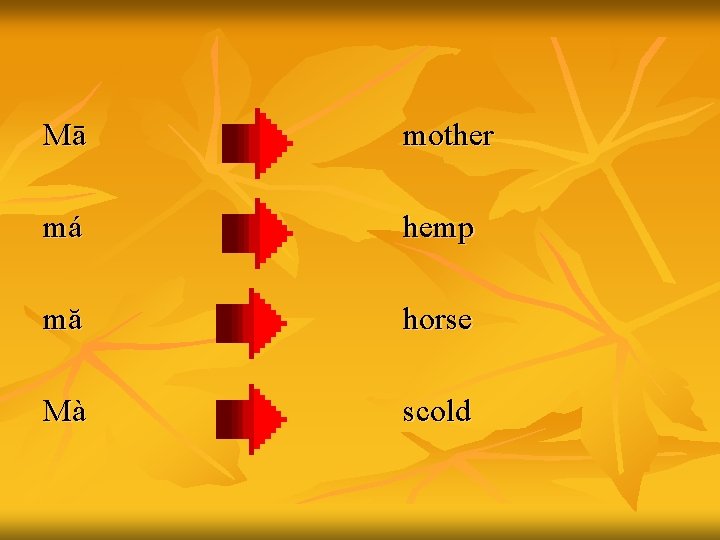
Mā mother má hemp mă horse Mà scold
Categories of Nonverbal Communication 6. Environmental and Physical Appearance “We shape our buildings and afterwards our buildings shape us. ” Winston Churchill
Environment and Physical Appearance n Red Chinese – good luck Koreans – bad luck Ghana – sorrow Russians - fertility
- Slides: 22