
Communicating change Professor Leif berg University of Helsinki
Communicating change Professor Leif Åberg University of Helsinki, Department of Communication third session, Amsterdam, April 1999
Contents z issues so far discussed y models & tools y open questions z first comments on the 1 st assignment z commmunicating change z what next?
Issues so far discussed z models y ”kleuterschool model” y pizza model y kite model z tools y core story y 3 x 3 -diagram

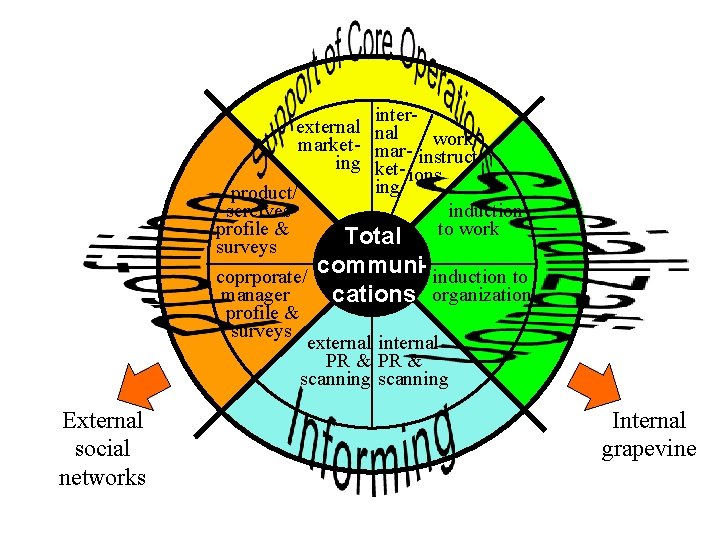
interexternal market- mar- work ing ket- instructions ing product/ induction sercives profile & to work Total surveys communi- coprporate/ induction to manager cations organization profile & surveys external internal PR & scanning External social networks Internal grapevine
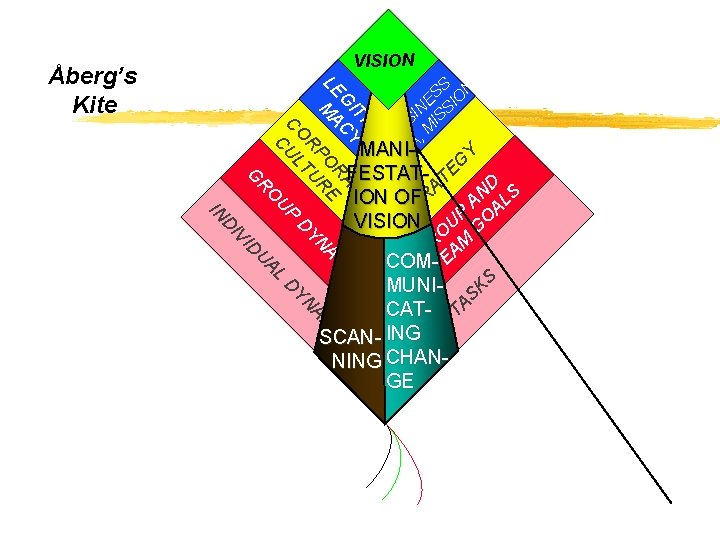
AL U ID O ND AL S G S O R G IV D IN C O MANIM FESTATM ION OF U VISION N ICOMC MUNIA TCATSCAN-IING NINGOCHANNGE TA SK C IS TE IT C I S G CY RA M IC E A LE MA N PO R AM Y R U D O LT YN P D U U C Åberg’s Kite ID BU EA S ST , M INE G R AT IS SS TE RO SI E AM UP O G N Y A VISION
Visioning as a process

crisis evolution time
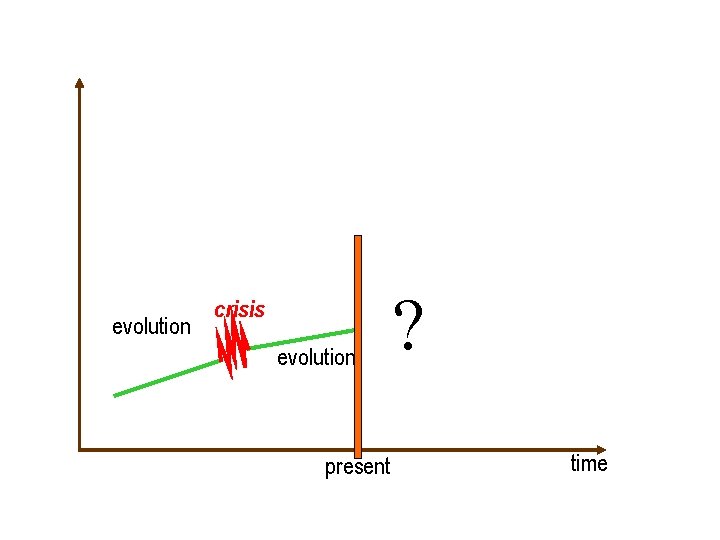
kriisi tasaisen kasvun kausi evolution crisis evolution present ? time
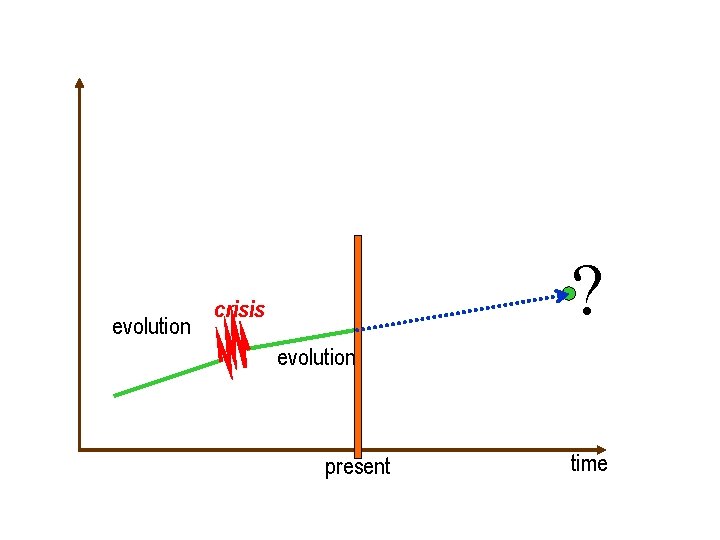
kriisi tasaisen kasvun kausi evolution crisis ? evolution present time
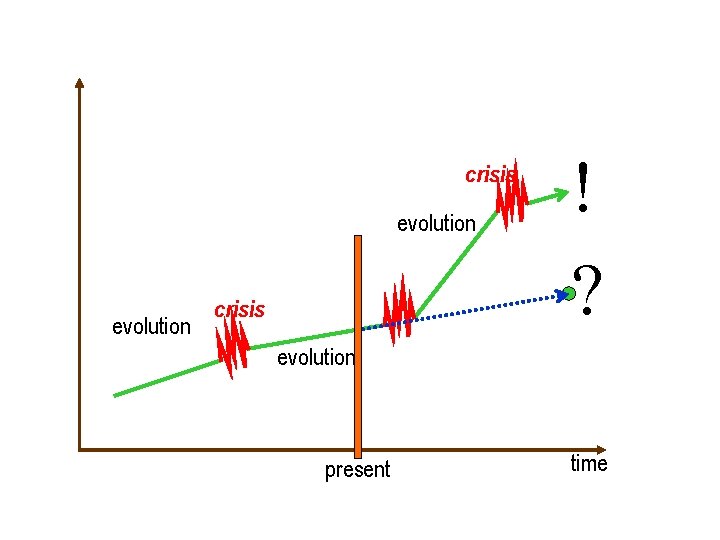
crisis evolution crisis ! ? evolution present time
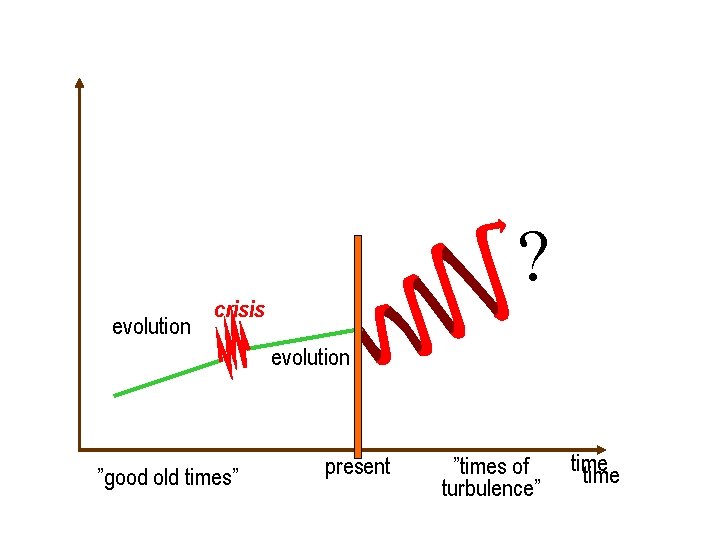
evolution ? crisis evolution ”good old times” present ”times of turbulence” time
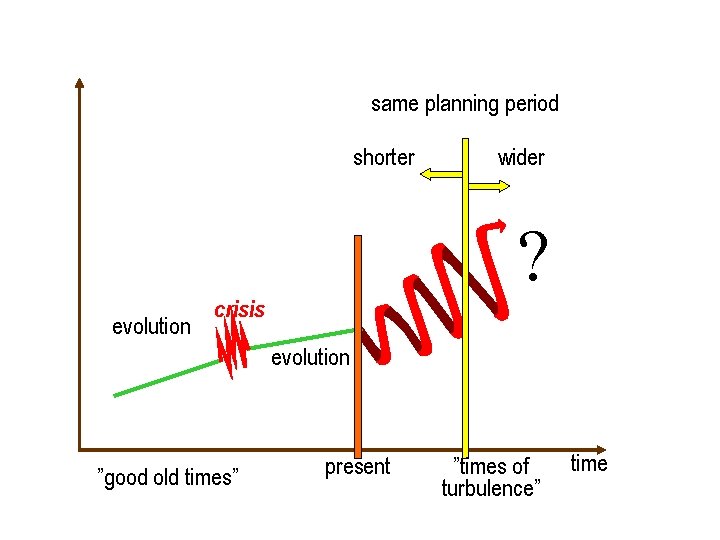
same planning period shorter evolution wider ? crisis evolution ”good old times” present ”times of turbulence” time
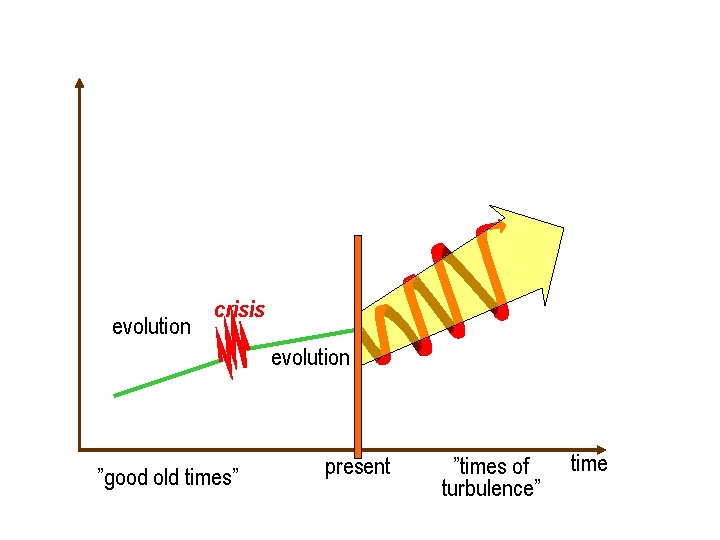
evolution crisis evolution ”good old times” present ”times of turbulence” time
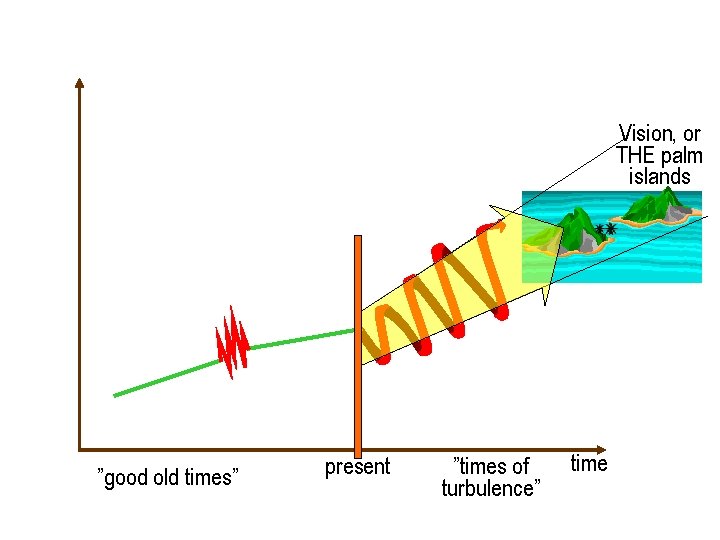
Vision, or THE palm islands ”good old times” present ”times of turbulence” time
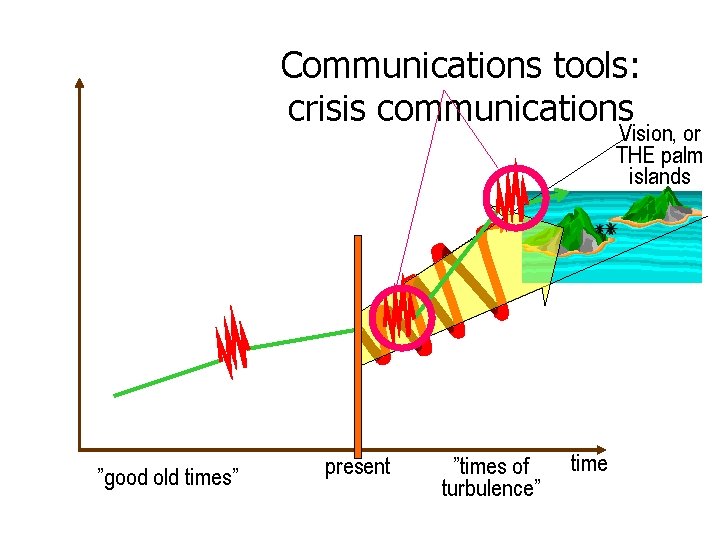
Communications tools: crisis communications Vision, or THE palm islands ”good old times” present ”times of turbulence” time
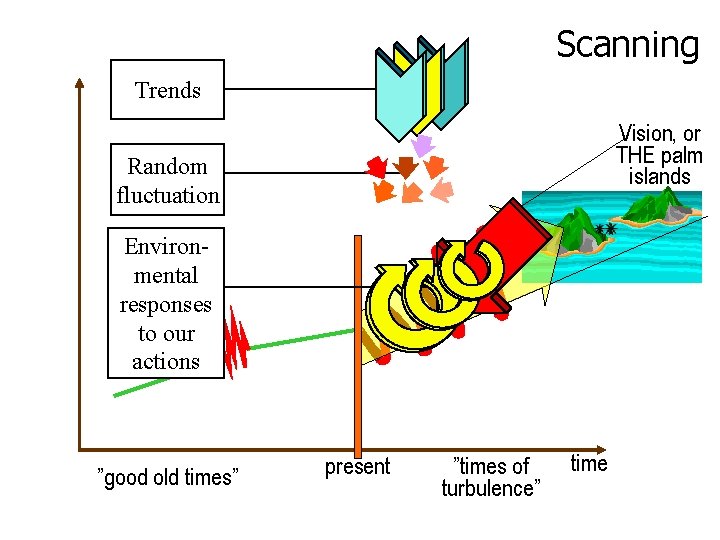
Scanning Trends Vision, or THE palm islands Random fluctuation Environmental responses to our actions ”good old times” present ”times of turbulence” time
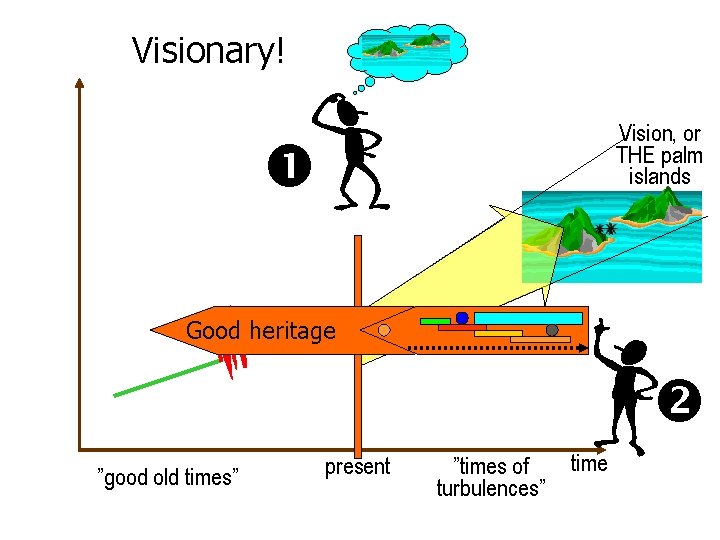
Visionary! Vision, or THE palm islands Good heritage ”good old times” present ”times of turbulences” time
Manifestation of vision z the people should be able to see themselves in the vision • when Martin Luther King once said ”I have a dream” and when hundreds of thousands of people listened to that, moved, they did not think: ”this Martin, what a great vision he has”, but saw themselves as a part of that vision, and it was this that emotionally shook them z ”sharp on edges, blurred in the center” z vision is deliberately blurred, yet it shows the direction
Vision z vision creates a harmonic link between what the personnel values and what the customers value (Rowley ja Roevens) x Henry Ford: ”I want to make cars that every American worker can afford to buy” z vision is a state of future events, not a fata morgana, nor an electric rabbit z it describes the future state of events and our position there (if any!)
z first the simplified model: y the core story, and y strategic key messages z then the mission statement
Mission statement z should be a brief, clear statement of y y y the reasons for an organization’s existence, its purpose(s), the function(s) it performs, its primary customer base, and the primary methods through which it will fulfill its purpose(s) (Goodstein, L. , Nolan, T. and Pfeiffer, J. W. , Applied Strategic Planning. New York 1993)
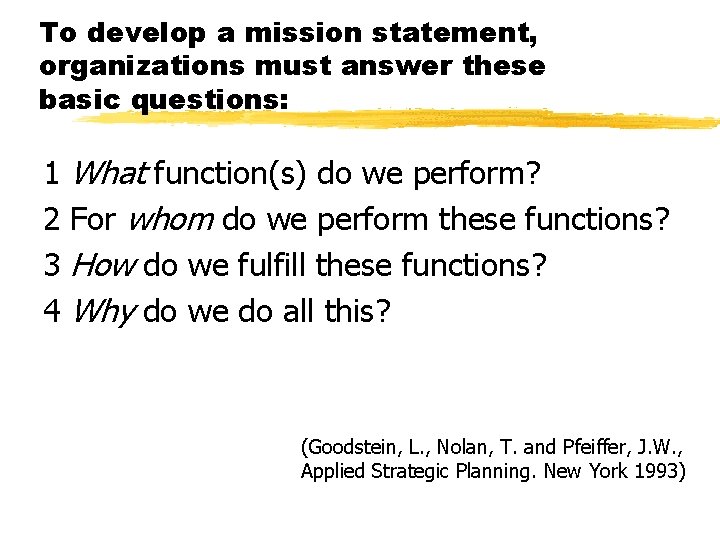
To develop a mission statement, organizations must answer these basic questions: 1 What function(s) do we perform? 2 For whom do we perform these functions? 3 How do we fulfill these functions? 4 Why do we do all this? (Goodstein, L. , Nolan, T. and Pfeiffer, J. W. , Applied Strategic Planning. New York 1993)
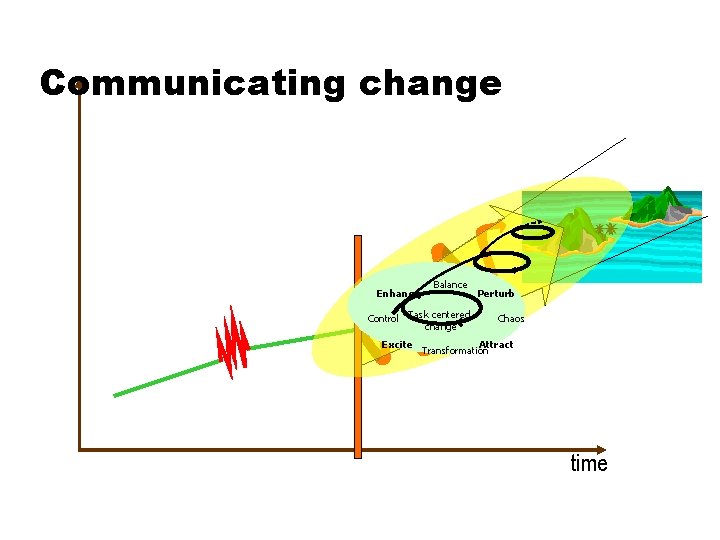
Communicating change Enhance Balance Control Task centered change Excite Perturb Chaos Attract Transformation time
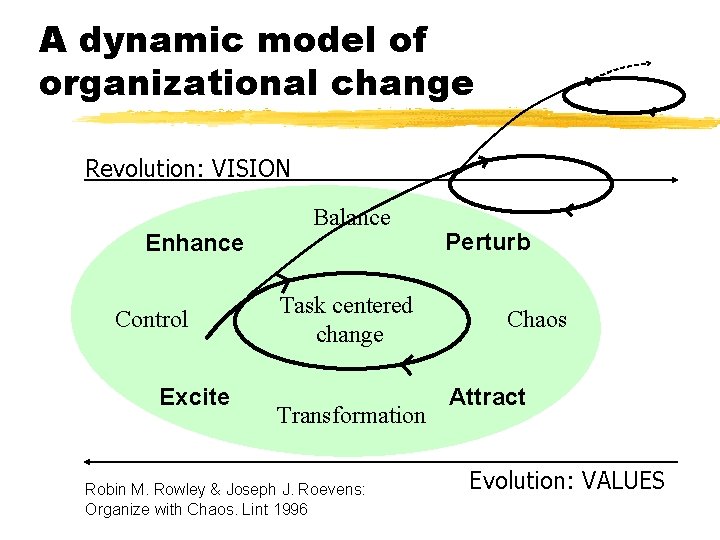
A dynamic model of organizational change Revolution: VISION Enhance Control Excite Balance Task centered change Transformation Robin M. Rowley & Joseph J. Roevens: Organize with Chaos. Lint 1996 Perturb Chaos Attract Evolution: VALUES
Rowley ja Roevens argue, that z when the environment is in a state of rapid and unforeseeable change, the organization can best react to these conditions if internal, shared values guide the behavior of the personnel z the customers’ values play the crucial role here: they should be the ultimate guide
Bringing about change á la Rowley & Roevens
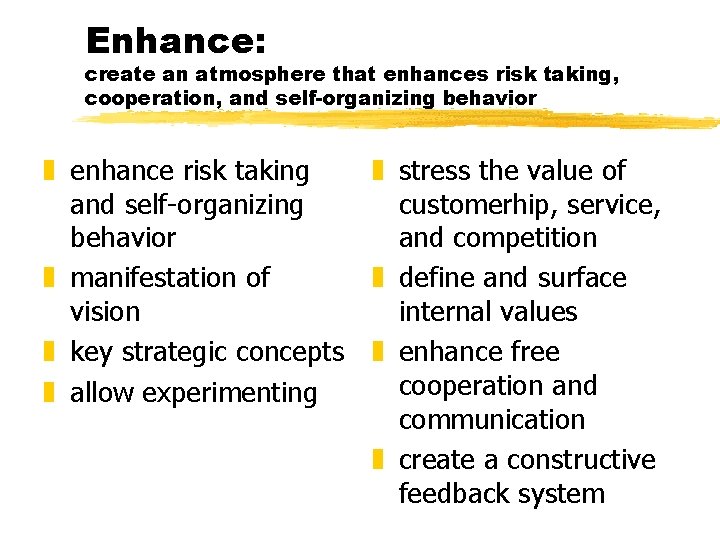
Enhance: create an atmosphere that enhances risk taking, cooperation, and self-organizing behavior z enhance risk taking z stress the value of and self-organizing customerhip, service, behavior and competition z manifestation of z define and surface vision internal values z key strategic concepts z enhance free cooperation and z allow experimenting communication z create a constructive feedback system
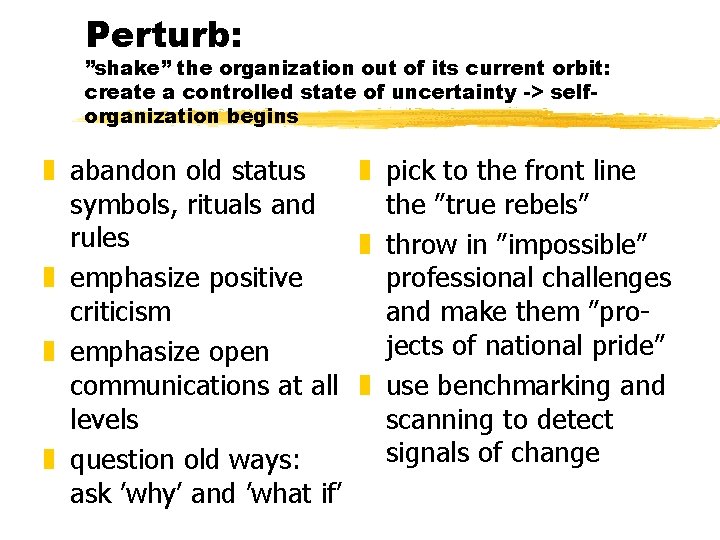
Perturb: ”shake” the organization out of its current orbit: create a controlled state of uncertainty -> selforganization begins z abandon old status z pick to the front line symbols, rituals and the ”true rebels” rules z throw in ”impossible” z emphasize positive professional challenges criticism and make them ”projects of national pride” z emphasize open communications at all z use benchmarking and levels scanning to detect signals of change z question old ways: ask ’why’ and ’what if’
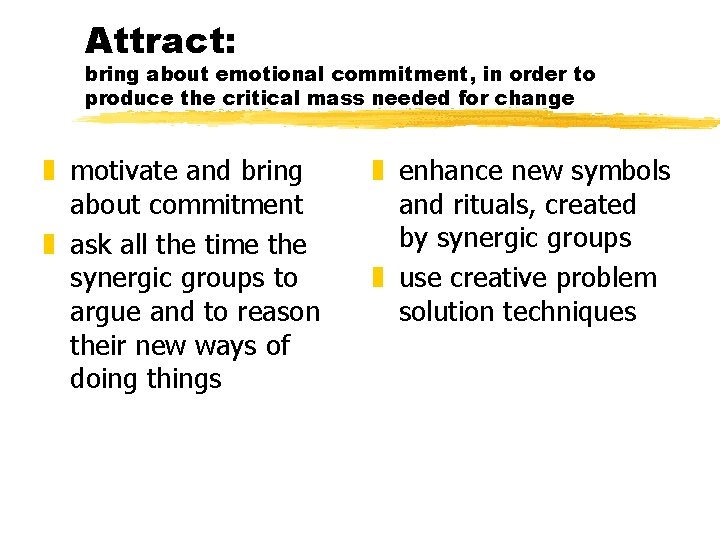
Attract: bring about emotional commitment, in order to produce the critical mass needed for change z motivate and bring about commitment z ask all the time the synergic groups to argue and to reason their new ways of doing things z enhance new symbols and rituals, created by synergic groups z use creative problem solution techniques
Excite: create an emotional state that excites people, this gradually leads to a higher level of order z create excitement over things being done ”the new way” z allow outbreaks, bursts of excellence z reward top performance z tell stories about top teams and synergy z bury with dignity old ways of doing things z make the new ways of doing things part of the new vision
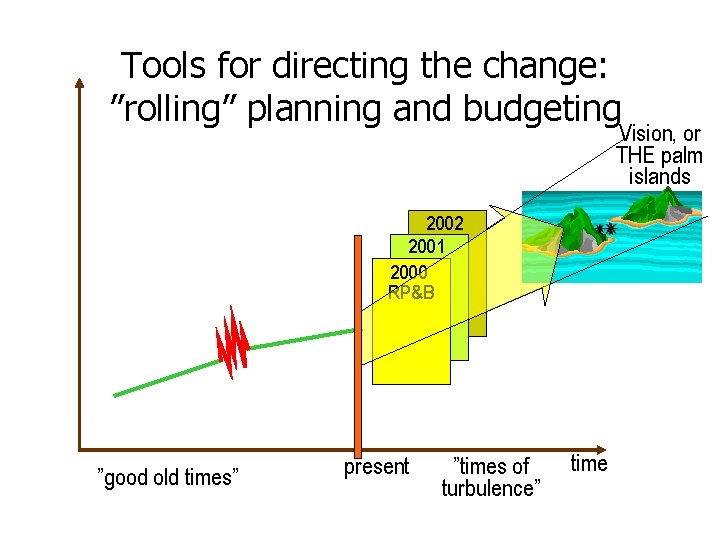
Tools for directing the change: ”rolling” planning and budgeting Vision, or THE palm islands 2002 2001 2000 RP&B ”good old times” present ”times of turbulence” time
z in order to survive in an environment desribed earlier, the organization has to be adaptive, knowing and learning
Knowing organization (Choo) z The knowing organisation possesses information and knowledge so that it is well informed, mentally perceptive, and enlightened z Its actions are based on shared and valid understanding of the organization’s environments and needs Choo, Chun Wei: The Knowing Organization. New York 1998
z By managing information resources and information processes, the knowing organization is able to y adapt itself in a timely and effective manner to internal and external changes y engage in continuous organizational learning y mobilize the knowledge and expertise of its members to induce innovation and creativity y focus its understanding and knowledge on reasoned, decisive action
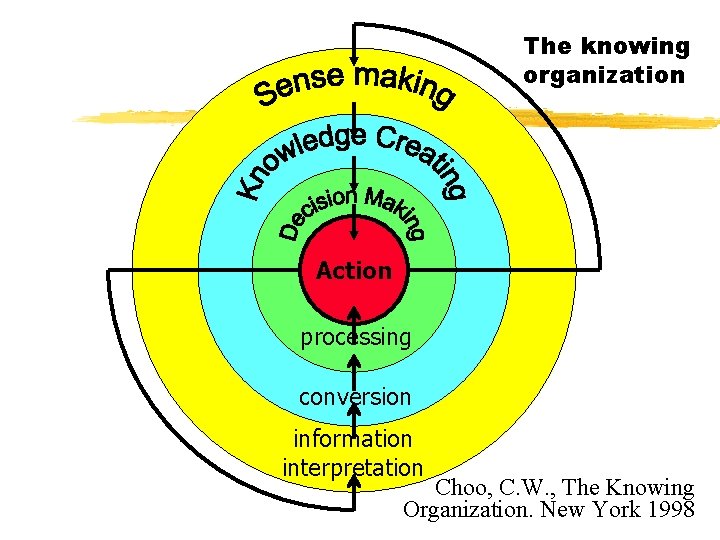
The knowing organization Action processing conversion information interpretation Choo, C. W. , The Knowing Organization. New York 1998
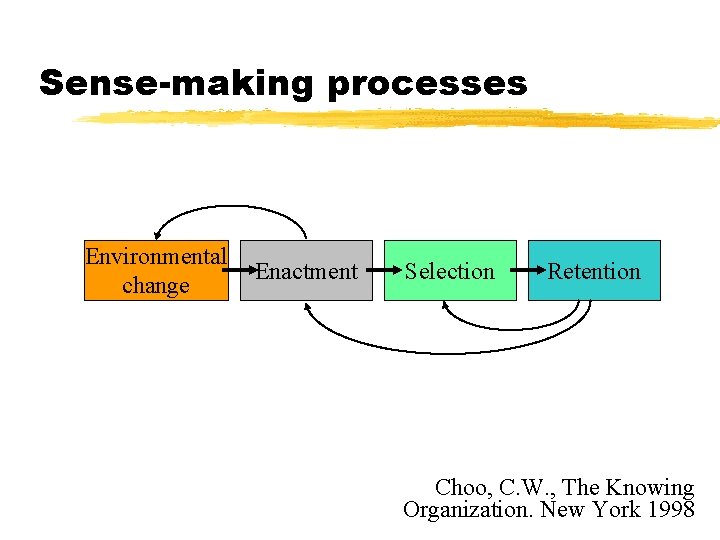
Sense-making processes Environmental change Enactment Selection Retention Choo, C. W. , The Knowing Organization. New York 1998
Knowledge creation (Nonaka and Takeuchi) z knowledge creation in organizations is achieved through a recognition of the synergistic relationship between tacit and explicit knowledge Nonaka, I. , and Takeuchi, H. , The Knowledge-Creating Company. New York 1995
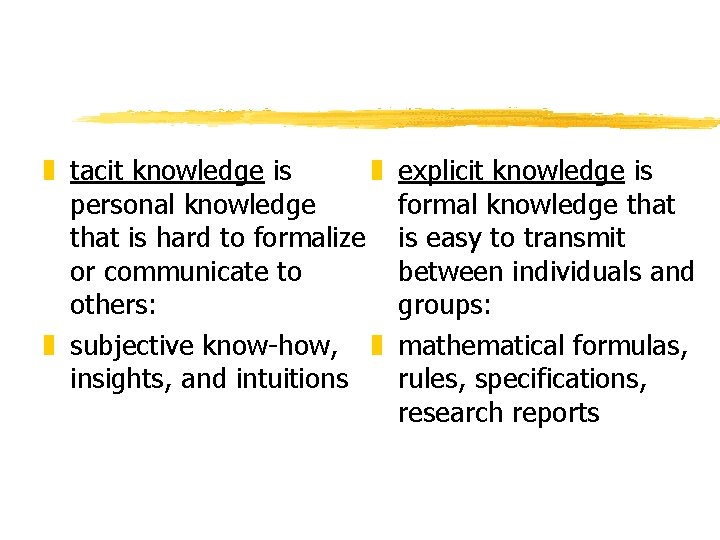
z tacit knowledge is z personal knowledge that is hard to formalize or communicate to others: z subjective know-how, z insights, and intuitions explicit knowledge is formal knowledge that is easy to transmit between individuals and groups: mathematical formulas, rules, specifications, research reports
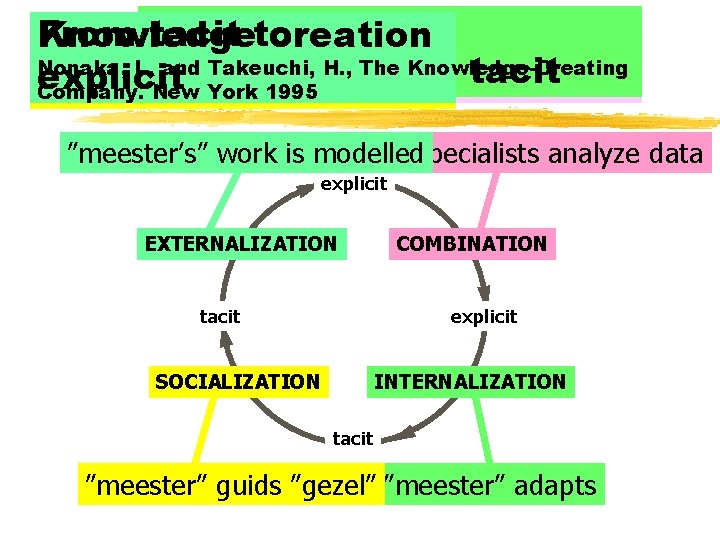
From tacit to Knowledge creation Nonaka, I. , From and Takeuchi, H. , The Knowledge-Creating explicit to tacit explicit From tacit to tacit Company. New York 1995 ”meester’s” work is modelledspecialists analyze data explicit EXTERNALIZATION tacit COMBINATION explicit SOCIALIZATION INTERNALIZATION tacit ”meester” guids ”gezel” ”meester” adapts
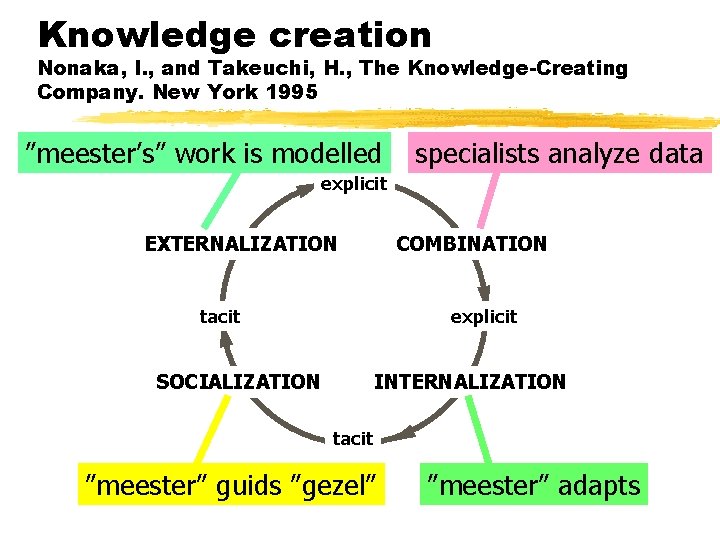
Knowledge creation Nonaka, I. , and Takeuchi, H. , The Knowledge-Creating Company. New York 1995 ”meester’s” work is modelled specialists analyze data explicit EXTERNALIZATION COMBINATION tacit explicit SOCIALIZATION INTERNALIZATION tacit ”meester” guids ”gezel” ”meester” adapts
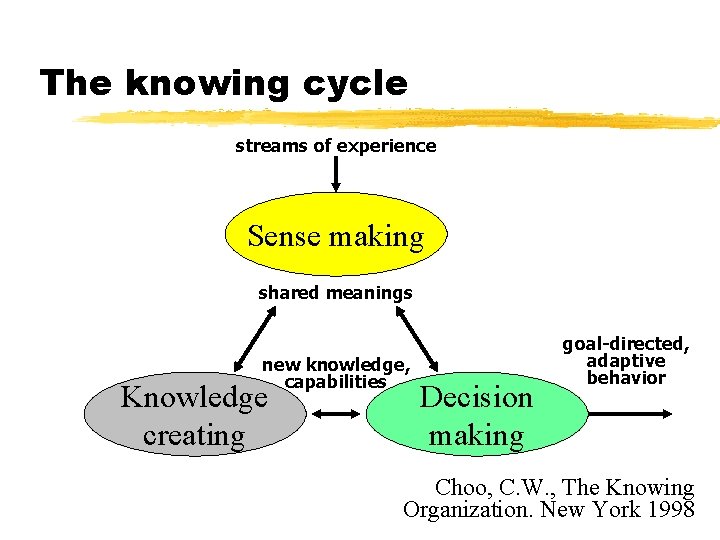
The knowing cycle streams of experience Sense making shared meanings new knowledge, capabilities Knowledge creating Decision making goal-directed, adaptive behavior Choo, C. W. , The Knowing Organization. New York 1998
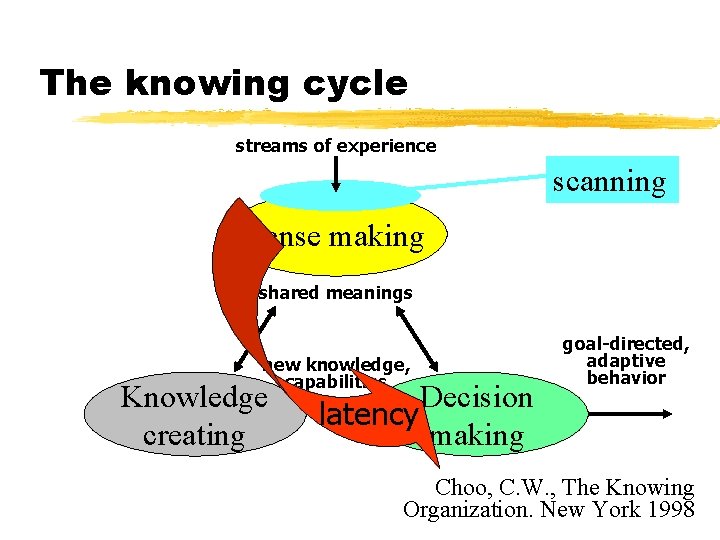
The knowing cycle streams of experience scanning Sense making shared meanings new knowledge, capabilities Knowledge creating Decision latency making goal-directed, adaptive behavior Choo, C. W. , The Knowing Organization. New York 1998
Latency z the time between the observation of those weak signals that have to be taken into account and the execution of decisions made on the basis of these signals
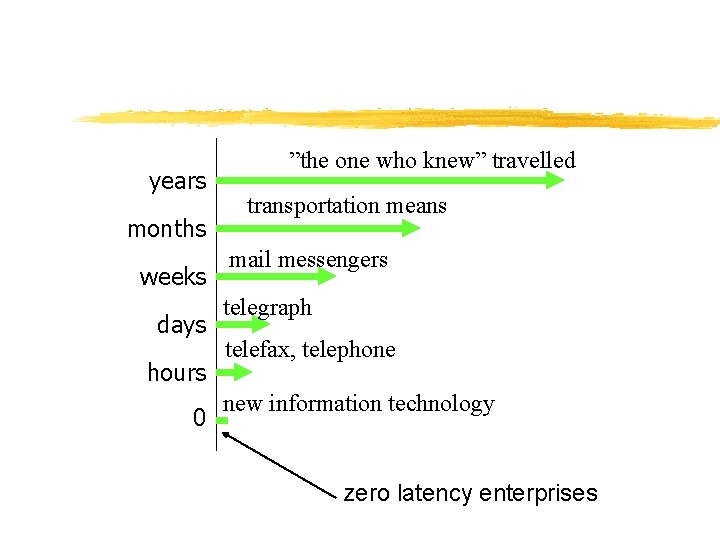
years months weeks days hours 0 ”the one who knew” travelled transportation means mail messengers telegraph telefax, telephone new information technology zero latency enterprises
Zero latency enterprise z a concept created by Gartner group z an organization with instant, real-time decision making z a theoretical concept, similar to the concept of absolute zero temperature z a zero-latency enterprise has to possess tolerance for erratic decisions
What next?
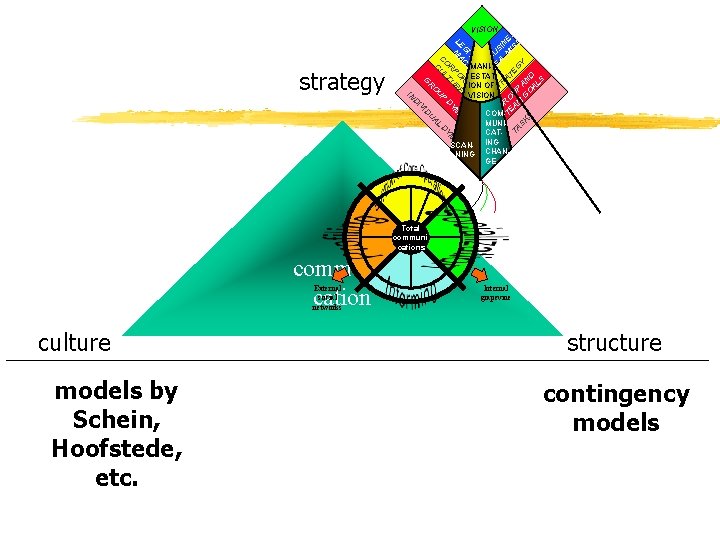
S IE S IT IC AT G CY M IC R A LE MA PO RE AM YN R U D YN O T D P C UL U C AL U ID O R G IV D IN strategy ID BU ST EA S G R , M INE AT TE RO IS SS EG TA AM UP SI SK Y O G AN N S O D AL S VISION C O MANIM FESTATM OF ION U VISION N I COMC MUNIA CATSCAN- T ING NING I CHANO GE N Total communications communication External social networks culture models by Schein, Hoofstede, etc. Internal grapevine structure contingency models
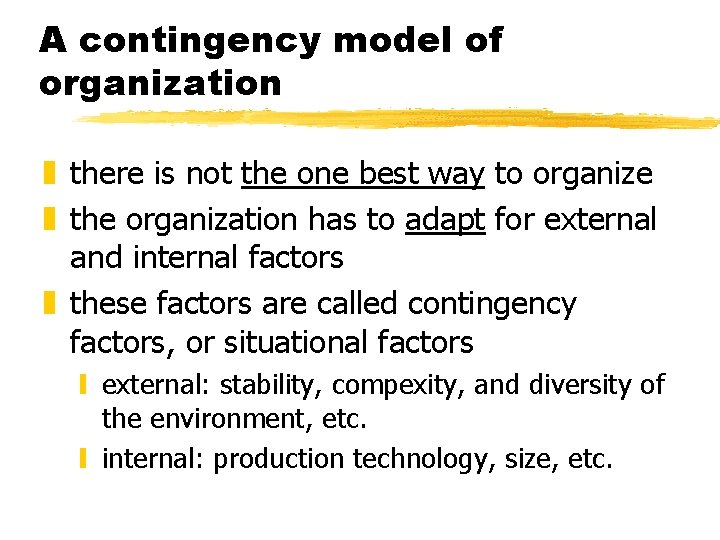
A contingency model of organization z there is not the one best way to organize z the organization has to adapt for external and internal factors z these factors are called contingency factors, or situational factors y external: stability, compexity, and diversity of the environment, etc. y internal: production technology, size, etc.
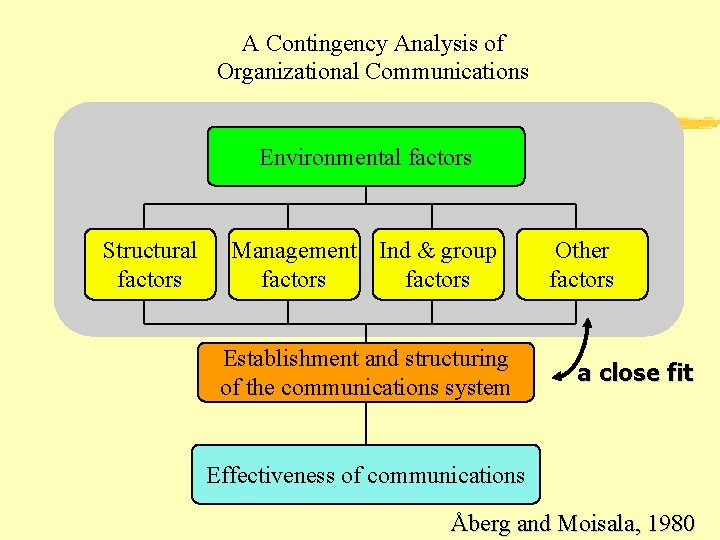
A Contingency Analysis of Organizational Communications Environmental factors Structural factors Management Ind & group factors Establishment and structuring of the communications system Other factors a close fit Effectiveness of communications Åberg and Moisala, 1980
- Slides: 50