
Common Sense Health Advice Mark Scholz MD Prostate





- Slides: 37
Common Sense Health Advice Mark Scholz MD Prostate Oncology Specialists Marina del Rey
Common Sense Health Advice 1. Prostate cancer screening: PSA blood test 2. The annual physical exam 3. Physical fitness & longevity 4. Sexuality and aging 5. Sensible vitamins and supplements
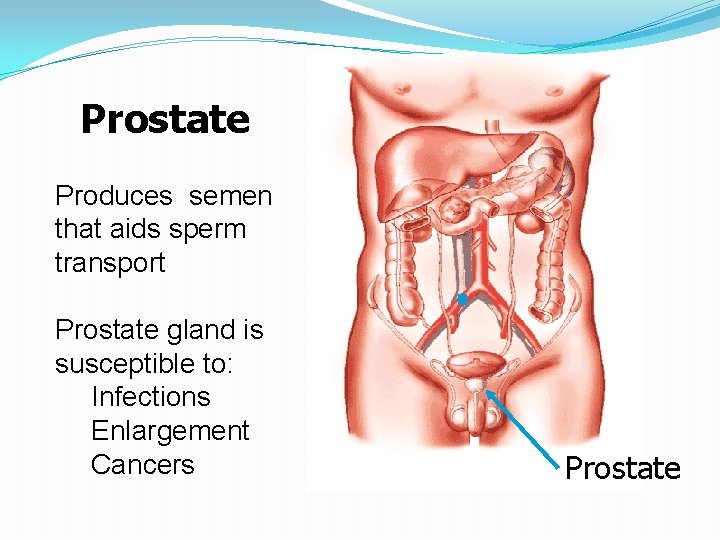
Prostate Produces semen that aids sperm transport Prostate gland is susceptible to: Infections Enlargement Cancers . Prostate
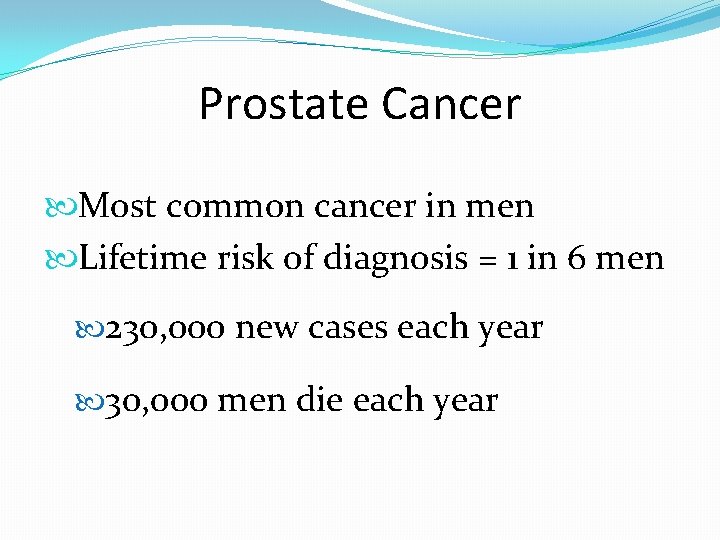
Prostate Cancer Most common cancer in men Lifetime risk of diagnosis = 1 in 6 men 230, 000 new cases each year 30, 000 men die each year
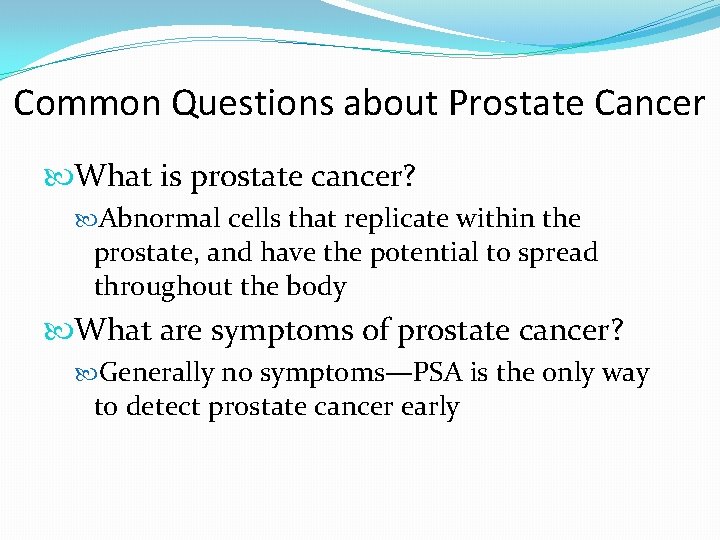
Common Questions about Prostate Cancer What is prostate cancer? Abnormal cells that replicate within the prostate, and have the potential to spread throughout the body What are symptoms of prostate cancer? Generally no symptoms—PSA is the only way to detect prostate cancer early
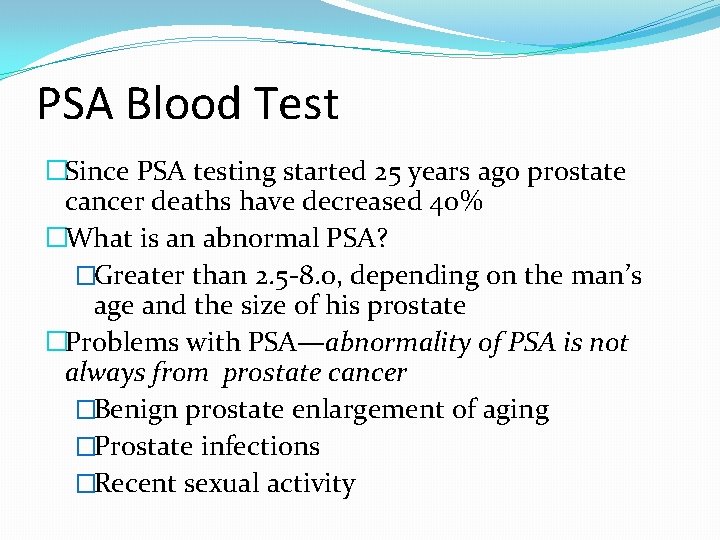
PSA Blood Test �Since PSA testing started 25 years ago prostate cancer deaths have decreased 40% �What is an abnormal PSA? �Greater than 2. 5 -8. 0, depending on the man’s age and the size of his prostate �Problems with PSA—abnormality of PSA is not always from prostate cancer �Benign prostate enlargement of aging �Prostate infections �Recent sexual activity
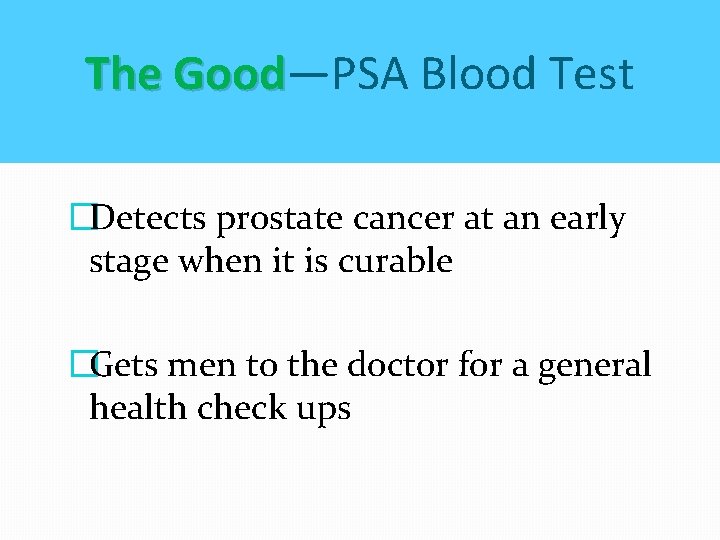
The Good—PSA Blood Test Good �Detects prostate cancer at an early stage when it is curable �Gets men to the doctor for a general health check ups
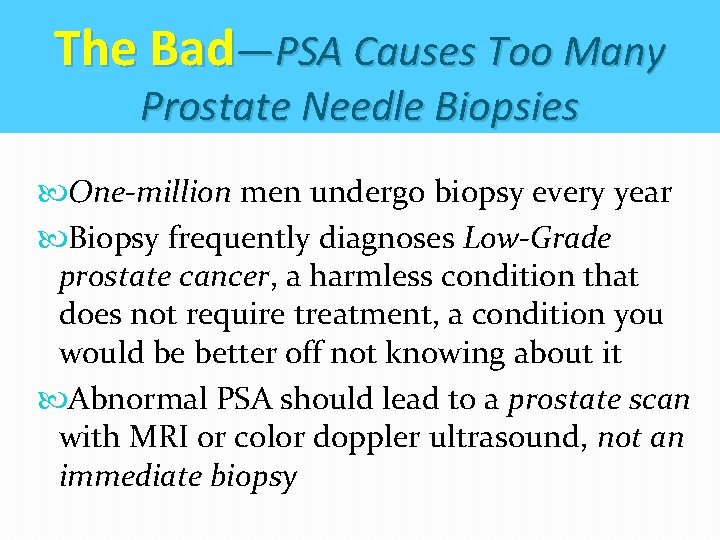
The Bad—PSA Causes Too Many Prostate Needle Biopsies One-million men undergo biopsy every year Biopsy frequently diagnoses Low-Grade prostate cancer, a harmless condition that does not require treatment, a condition you would be better off not knowing about it Abnormal PSA should lead to a prostate scan with MRI or color doppler ultrasound, not an immediate biopsy
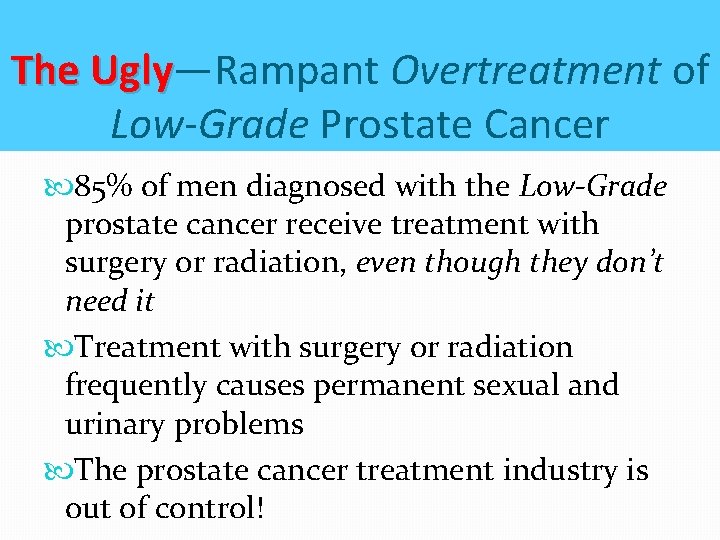
The Ugly—Rampant Overtreatment of Ugly Low-Grade Prostate Cancer 85% of men diagnosed with the Low-Grade prostate cancer receive treatment with surgery or radiation, even though they don’t need it Treatment with surgery or radiation frequently causes permanent sexual and urinary problems The prostate cancer treatment industry is out of control!
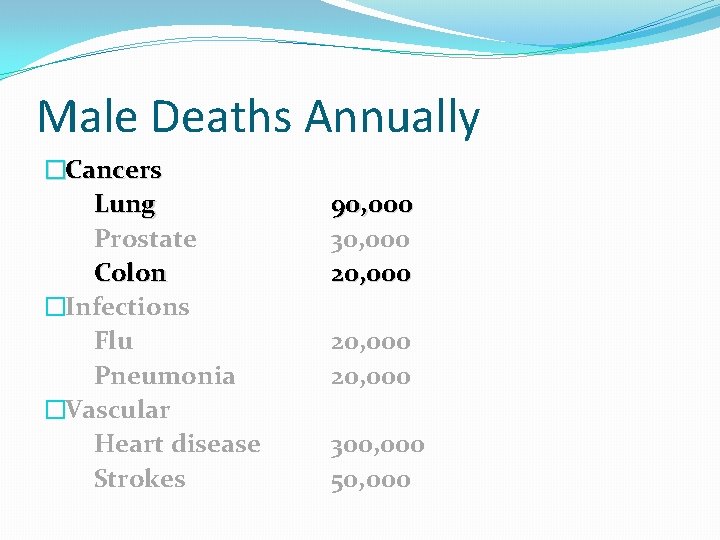
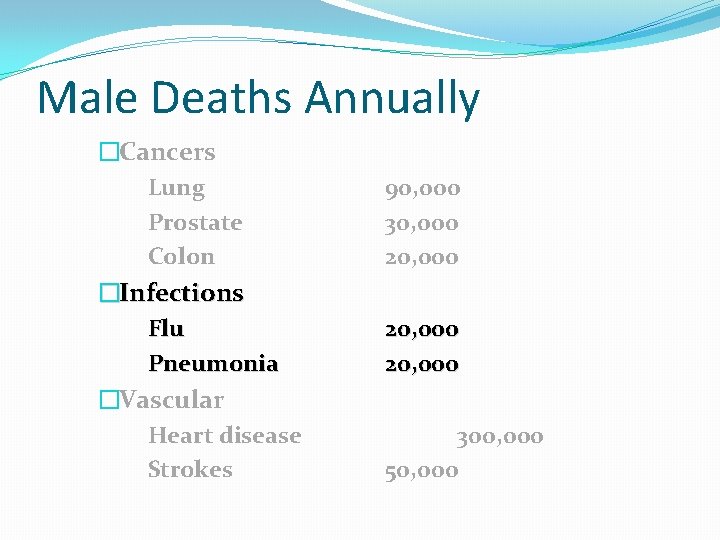
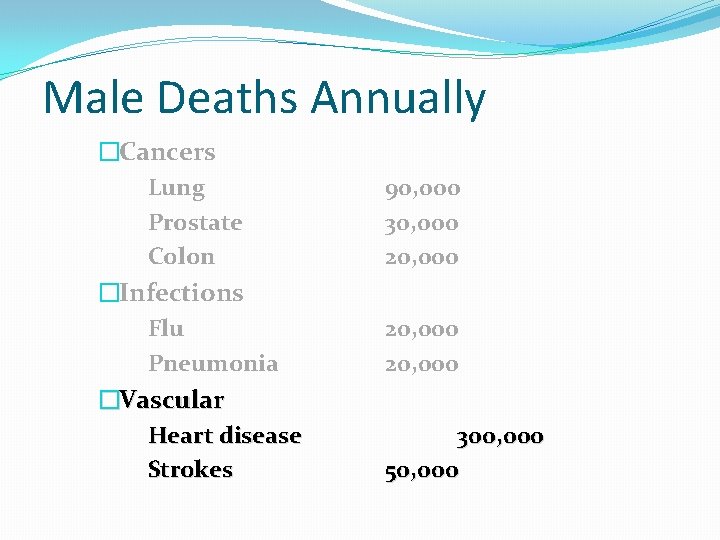
Male Deaths Annually �Cancers Lung Prostate Colon �Infections Flu Pneumonia �Vascular Heart disease Strokes 90, 000 30, 000 20, 000 300, 000 50, 000
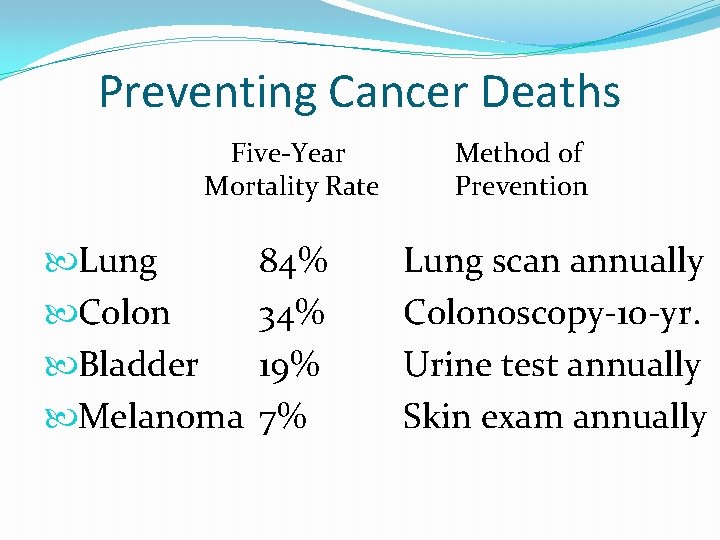
Preventing Cancer Deaths Five-Year Mortality Rate Lung Colon Bladder Melanoma 84% 34% 19% 7% Method of Prevention Lung scan annually Colonoscopy-10 -yr. Urine test annually Skin exam annually
Male Deaths Annually �Cancers Lung Prostate Colon �Infections Flu Pneumonia �Vascular Heart disease Strokes 90, 000 30, 000 20, 000 300, 000 50, 000
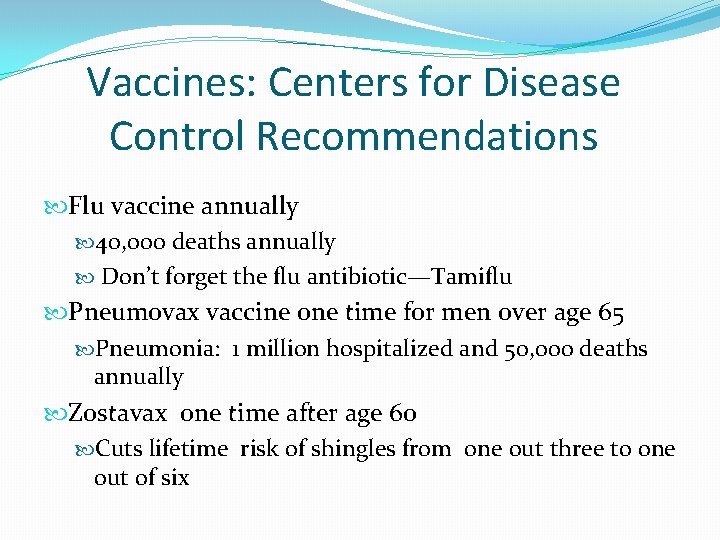
Vaccines: Centers for Disease Control Recommendations Flu vaccine annually 40, 000 deaths annually Don’t forget the flu antibiotic—Tamiflu Pneumovax vaccine one time for men over age 65 Pneumonia: 1 million hospitalized and 50, 000 deaths annually Zostavax one time after age 60 Cuts lifetime risk of shingles from one out three to one out of six
Male Deaths Annually �Cancers Lung Prostate Colon �Infections Flu Pneumonia �Vascular Heart disease Strokes 90, 000 30, 000 20, 000 300, 000 50, 000
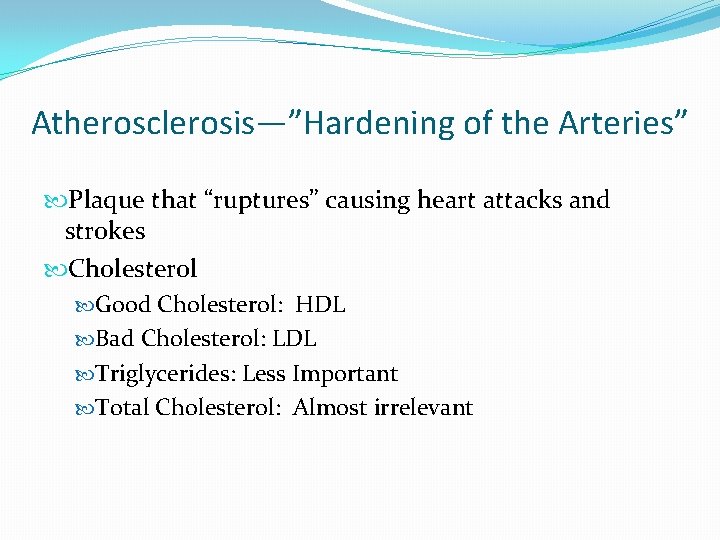
Atherosclerosis—”Hardening of the Arteries” Plaque that “ruptures” causing heart attacks and strokes Cholesterol Good Cholesterol: HDL Bad Cholesterol: LDL Triglycerides: Less Important Total Cholesterol: Almost irrelevant
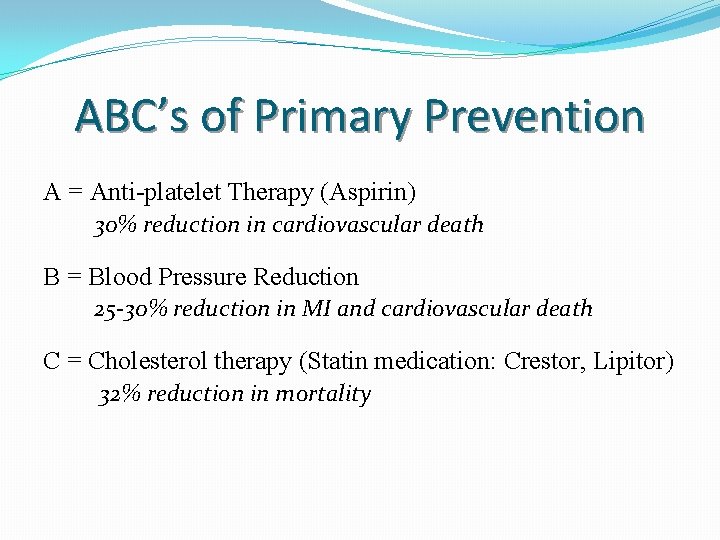
ABC’s of Primary Prevention A = Anti-platelet Therapy (Aspirin) 30% reduction in cardiovascular death B = Blood Pressure Reduction 25 -30% reduction in MI and cardiovascular death C = Cholesterol therapy (Statin medication: Crestor, Lipitor) 32% reduction in mortality
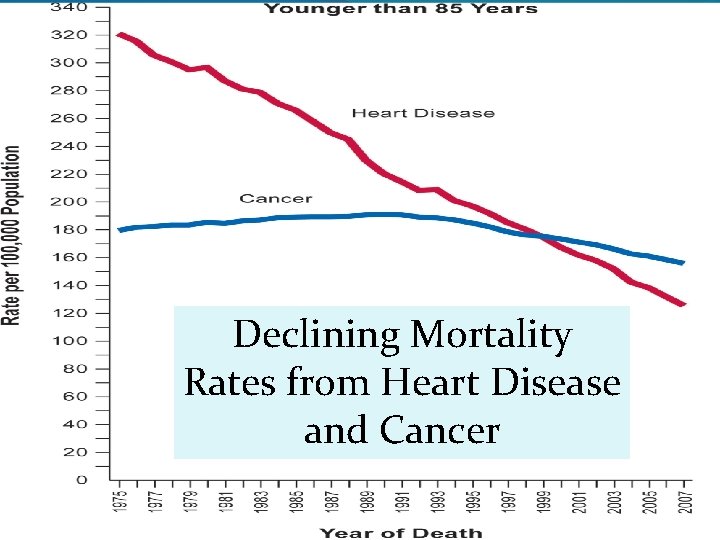
Declining Mortality Rates from Heart Disease and Cancer
The Challenge in Diagnosis of Coronary Heart Disease “The majority of people destined to die suddenly will not have a positive exercise test. The likely reason that they will die suddenly is that only a mild, non-flow limiting coronary plaque will have been present before the sudden development of an occlusive thrombus. ” - Stephen Epstein New England Medical Journal 1989
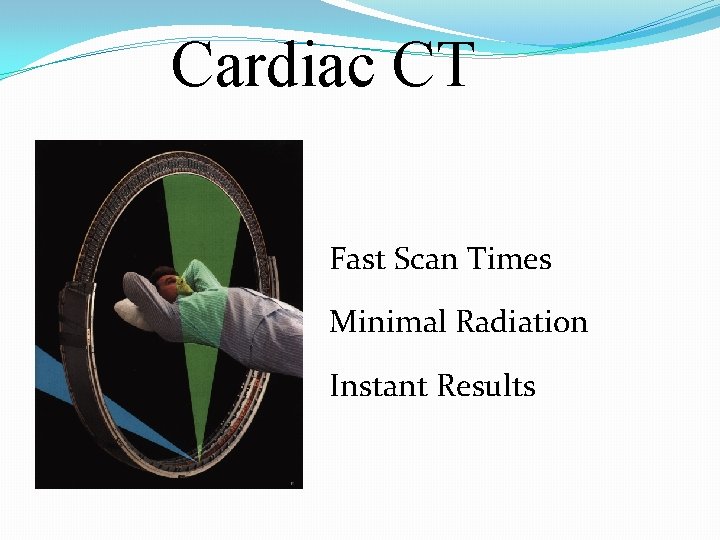
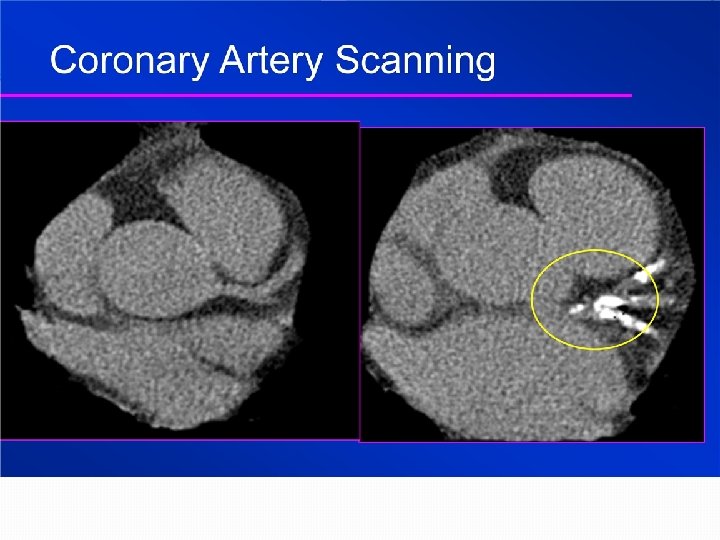
Cardiac CT Fast Scan Times Minimal Radiation Instant Results
WHAT DOES CORONARY ARTERY CALCIFICATION MEAN? Atherosclerosis present in this vessel Higher levels of coronary calcium correlate with higher risks Zero calcification (none seen) suggests a very low probability of obstructive disease and less than 1% chance of heart attack and stroke over the next 5 years
Who Should Have this Test? Low risk men over 45 Higher risk men over 35 with one or more of the following: Diabetes High Blood Pressure Smoking High Cholesterol Family History of Heart Disease
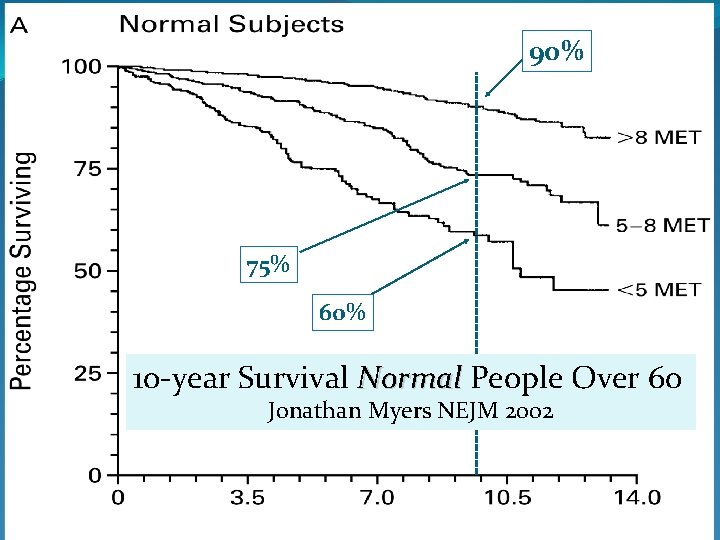
Poor Fitness Just as Dangerous As…. JAMA Wei Oct 1999 Smoking Diabetes Hypertension High Cholesterol
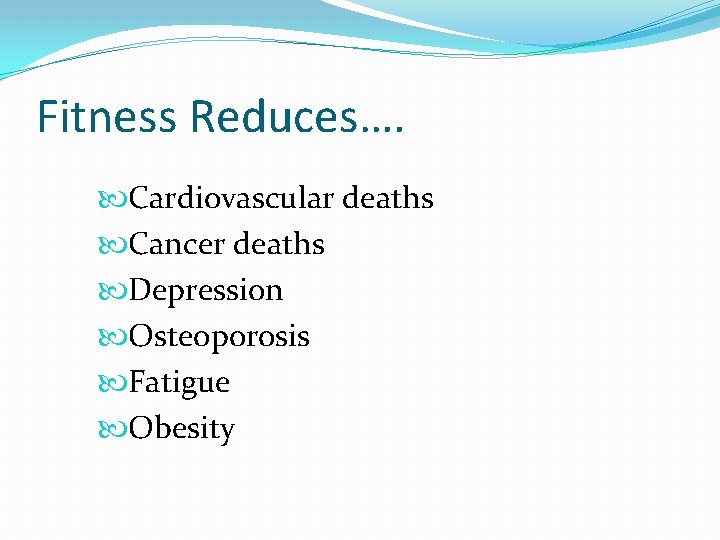
Fitness Reduces…. Cardiovascular deaths Cancer deaths Depression Osteoporosis Fatigue Obesity
90% 75% 60% 10 -year Survival Normal People Over 60 Jonathan Myers NEJM 2002
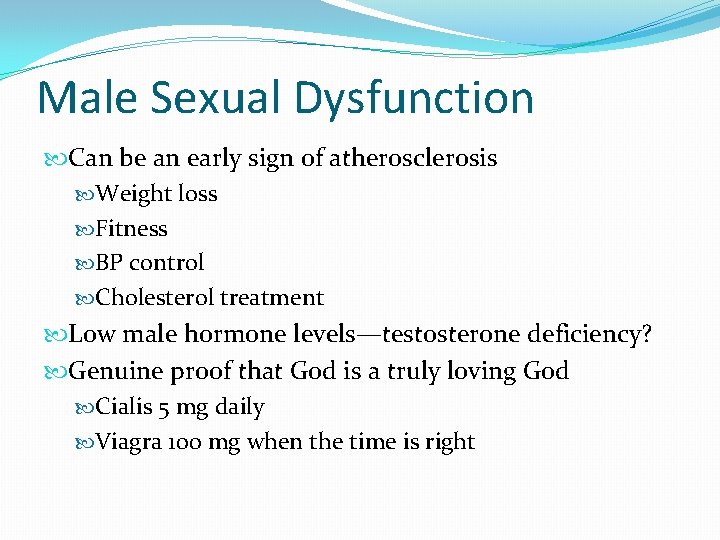
Male Sexual Dysfunction Can be an early sign of atherosclerosis Weight loss Fitness BP control Cholesterol treatment Low male hormone levels—testosterone deficiency? Genuine proof that God is a truly loving God Cialis 5 mg daily Viagra 100 mg when the time is right
Female Sexual Dysfunction Women lose their testosterone at menopause (age 50) Libido in women depends on testosterone (like men) Testosterone helps improve mood, energy and lean body mass (fat loss) Normal testosterone levels AND LIBIDO can be restored with bio-identical hormone therapy Joseph Sciabbarrasi MD 310 -268 -8466 Karen Sun MD 949 -768 -6780 Nicole Garcia MD 949 -491 -8312 Uzzi Reiss MD 310 -247 -1300
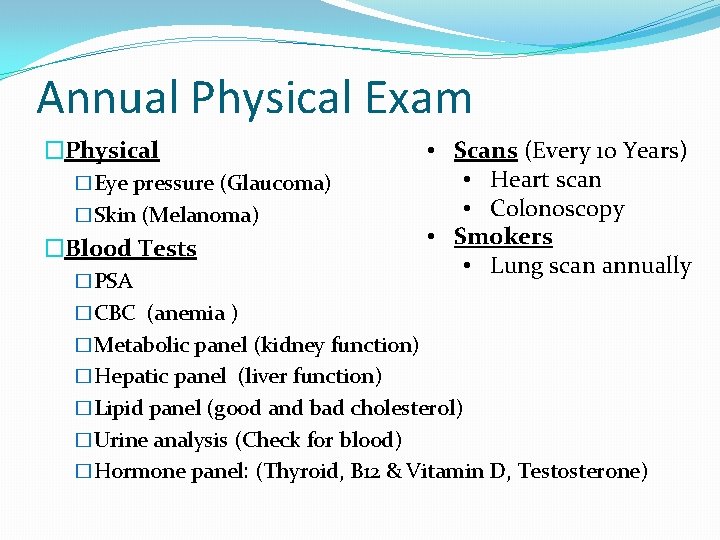
Annual Physical Exam �Physical �Eye pressure (Glaucoma) �Skin (Melanoma) �Blood Tests �PSA • Scans (Every 10 Years) • Heart scan • Colonoscopy • Smokers • Lung scan annually �CBC (anemia ) �Metabolic panel (kidney function) �Hepatic panel (liver function) �Lipid panel (good and bad cholesterol) �Urine analysis (Check for blood) �Hormone panel: (Thyroid, B 12 & Vitamin D, Testosterone)
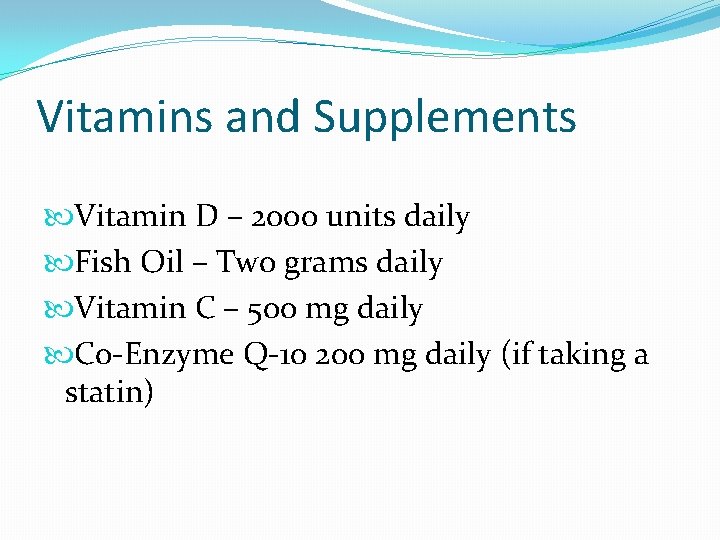
Vitamins and Supplements Vitamin D – 2000 units daily Fish Oil – Two grams daily Vitamin C – 500 mg daily Co-Enzyme Q-10 200 mg daily (if taking a statin)
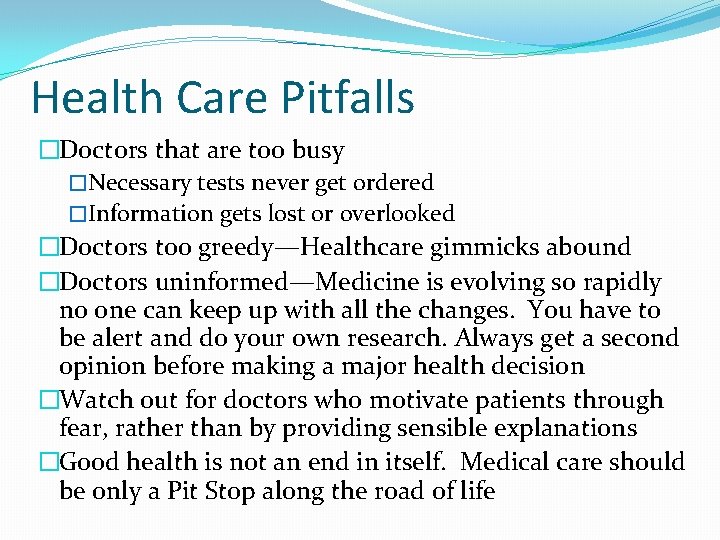
Health Care Pitfalls �Doctors that are too busy �Necessary tests never get ordered �Information gets lost or overlooked �Doctors too greedy—Healthcare gimmicks abound �Doctors uninformed—Medicine is evolving so rapidly no one can keep up with all the changes. You have to be alert and do your own research. Always get a second opinion before making a major health decision �Watch out for doctors who motivate patients through fear, rather than by providing sensible explanations �Good health is not an end in itself. Medical care should be only a Pit Stop along the road of life
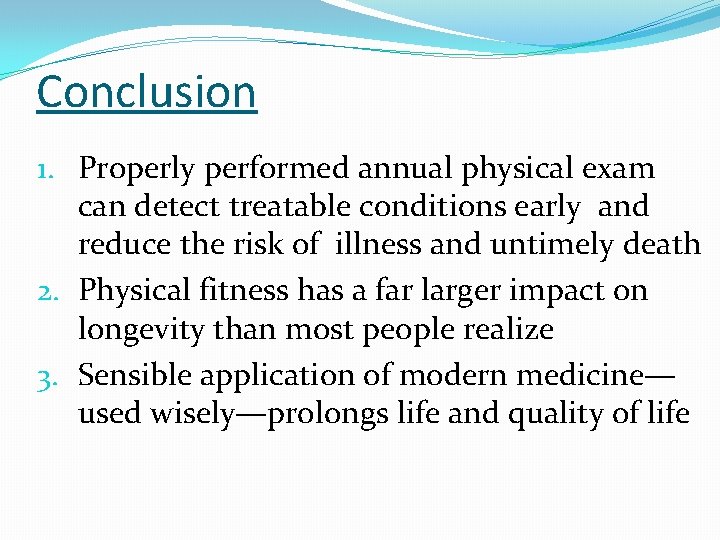
Conclusion 1. Properly performed annual physical exam can detect treatable conditions early and reduce the risk of illness and untimely death 2. Physical fitness has a far larger impact on longevity than most people realize 3. Sensible application of modern medicine— used wisely—prolongs life and quality of life