
Common Fertilizers Soil Amendments Dont treat your soil
- Slides: 21
Common Fertilizers & Soil Amendments Don’t treat your soil like dirt!
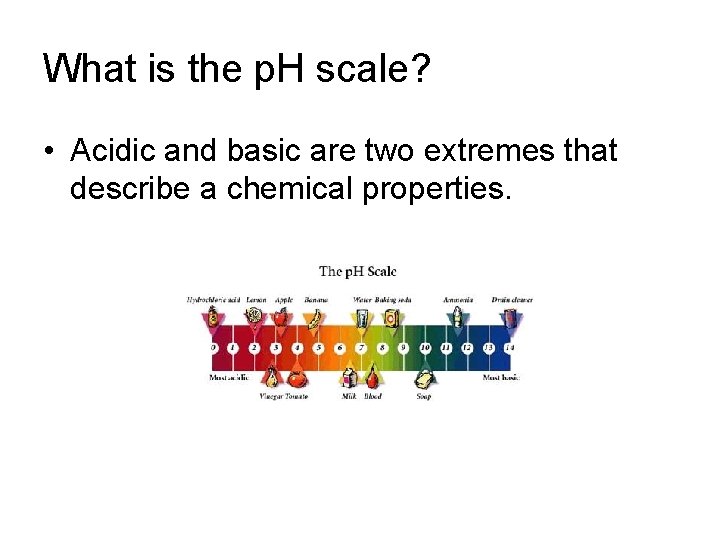
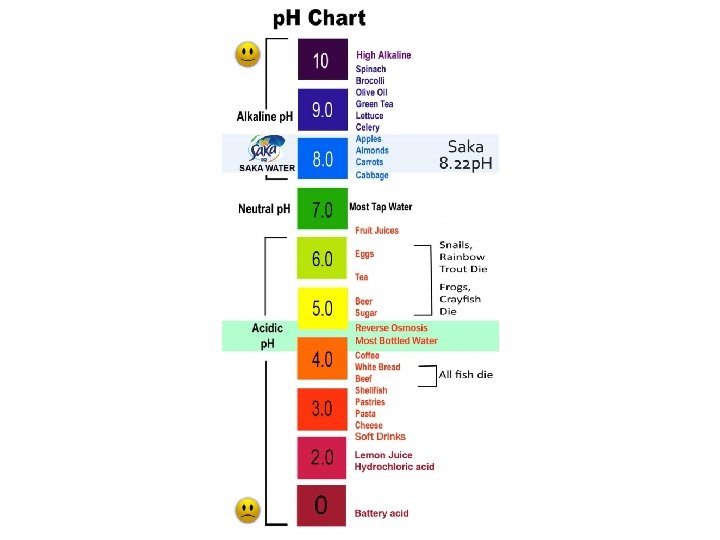
What is the p. H scale? • Acidic and basic are two extremes that describe a chemical properties.
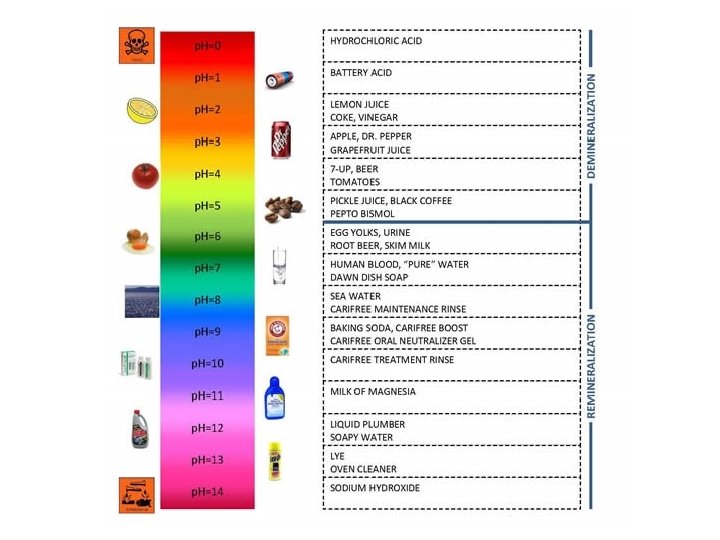
How does the p. H scale work? • The p. H scale measures how acidic or basic a substance is • The p. H scale ranges from 0 to 14 • A p. H of 7 is neutral • A p. H less than 7 is acidic • A p. H greater than 7 is basic
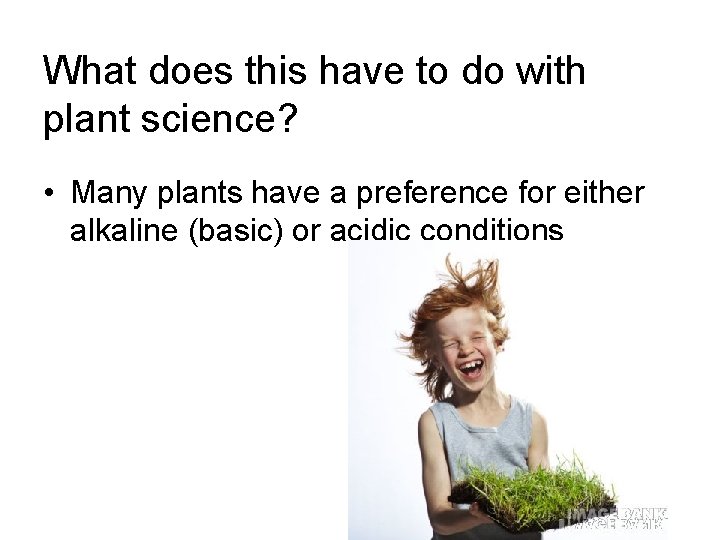
What does this have to do with plant science? • Many plants have a preference for either alkaline (basic) or acidic conditions
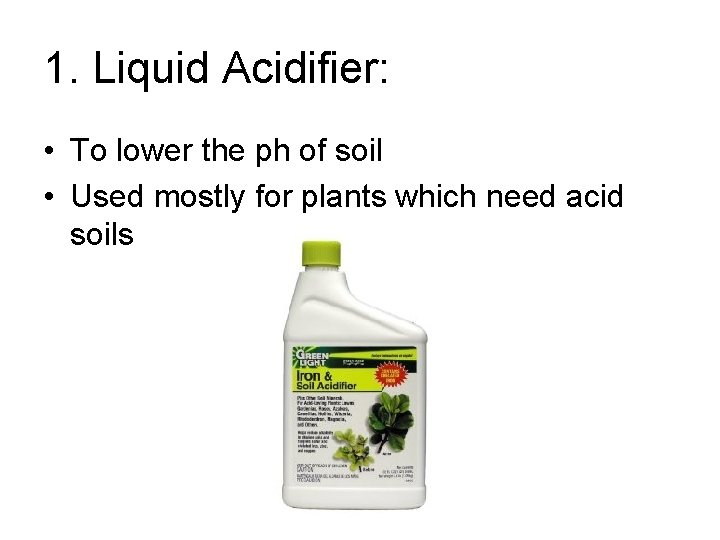
1. Liquid Acidifier: • To lower the ph of soil • Used mostly for plants which need acid soils
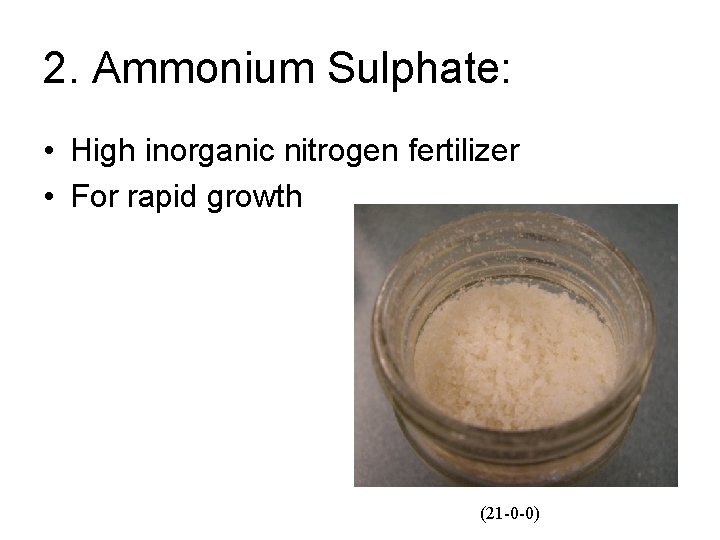
2. Ammonium Sulphate: • High inorganic nitrogen fertilizer • For rapid growth (21 -0 -0)
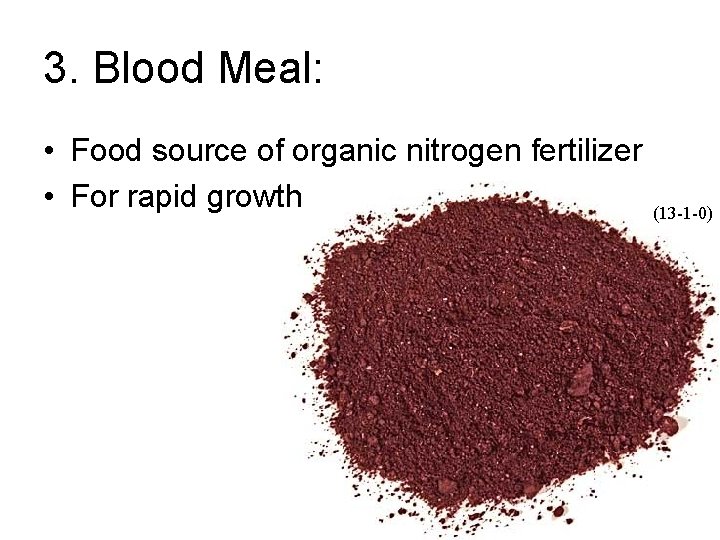
3. Blood Meal: • Food source of organic nitrogen fertilizer • For rapid growth (13 -1 -0)
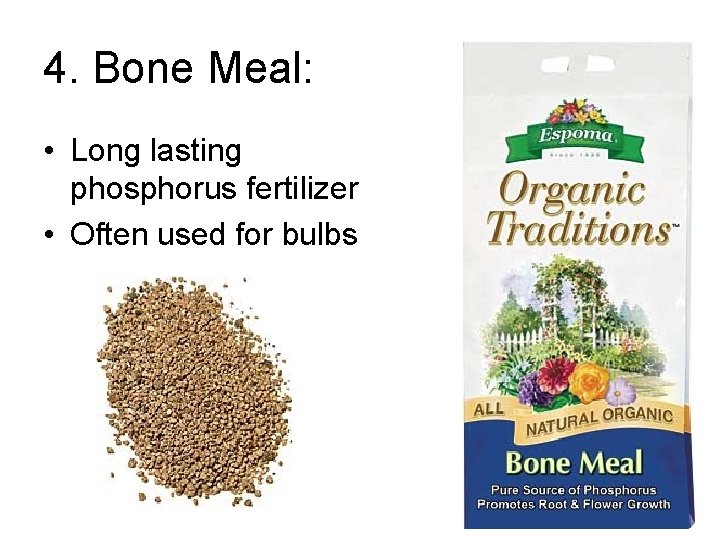
4. Bone Meal: • Long lasting phosphorus fertilizer • Often used for bulbs
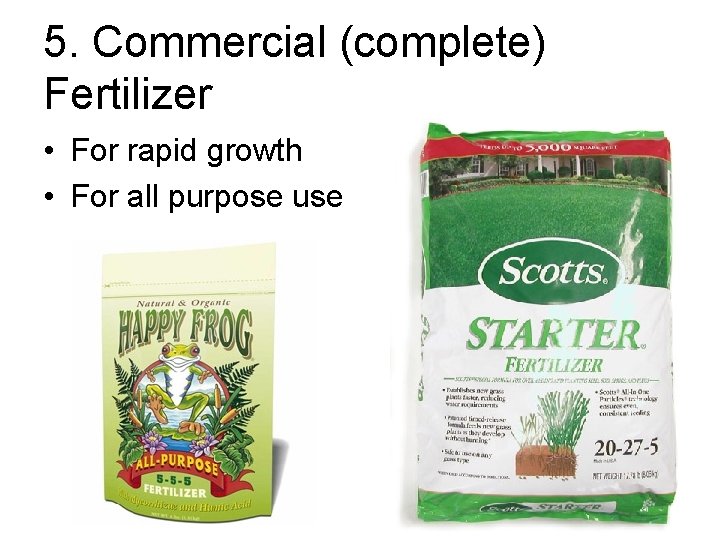
5. Commercial (complete) Fertilizer • For rapid growth • For all purpose use
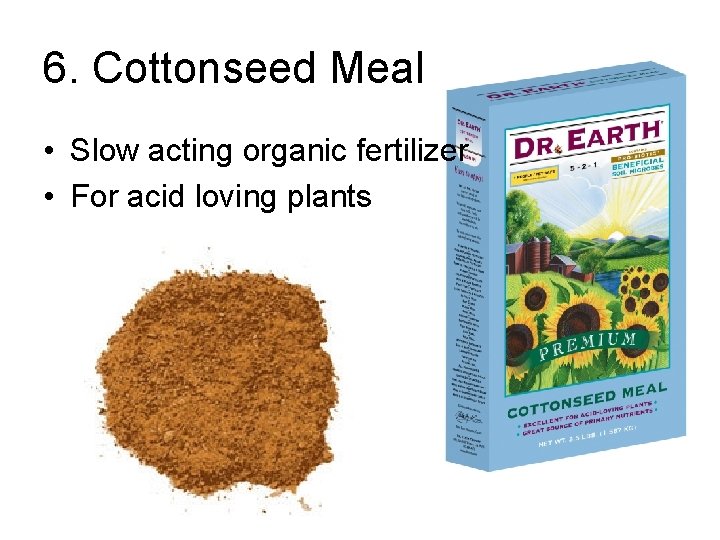
6. Cottonseed Meal • Slow acting organic fertilizer • For acid loving plants
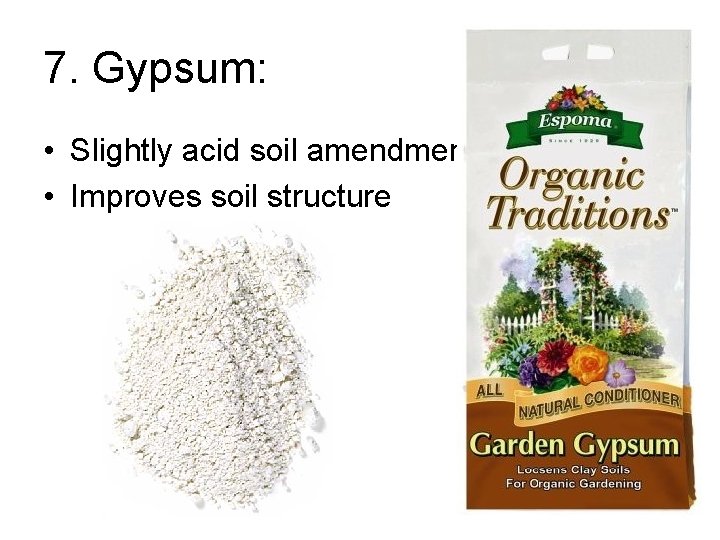
7. Gypsum: • Slightly acid soil amendment • Improves soil structure
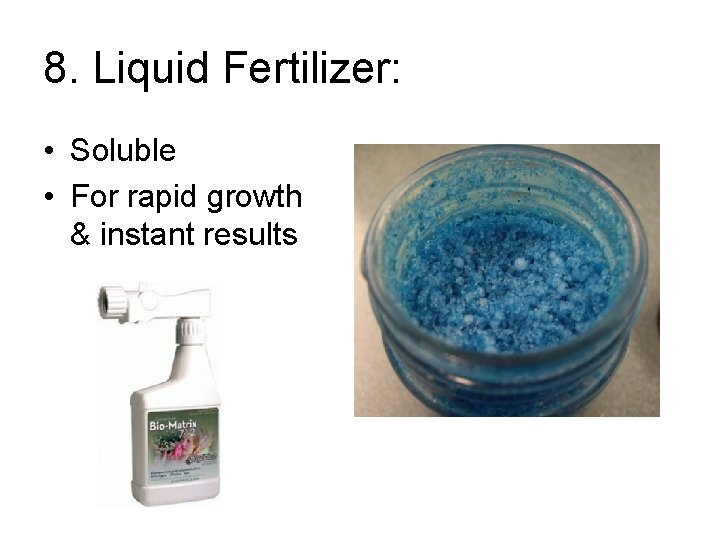
8. Liquid Fertilizer: • Soluble • For rapid growth & instant results
9. Manure: • Organic mulch • What the heck is mulch? – a covering (straw, compost, plastic sheeting) spread on the ground around plants to prevent evaporation or erosion, enrich the soil, prevent weed growth, etc.
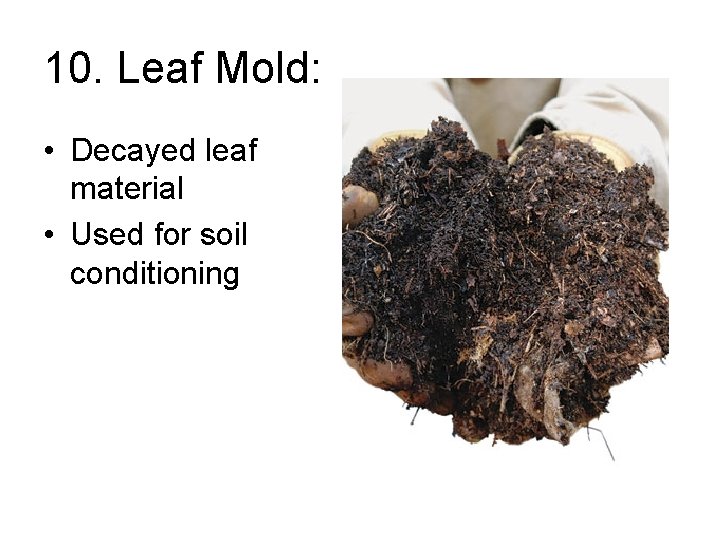
10. Leaf Mold: • Decayed leaf material • Used for soil conditioning
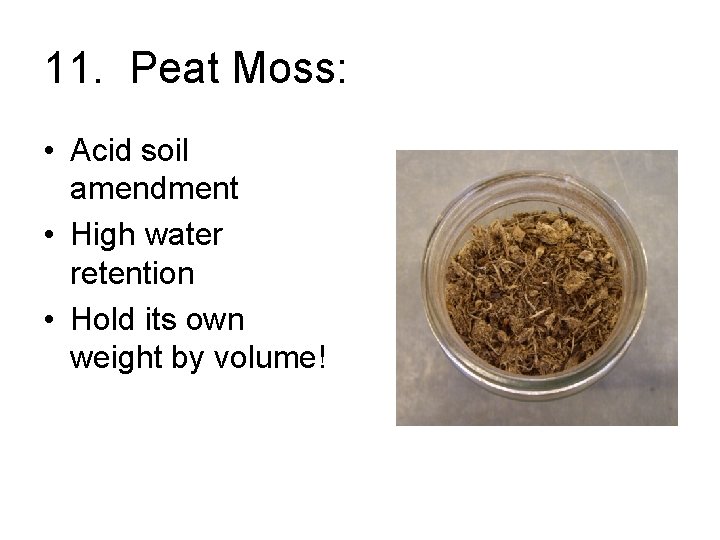
11. Peat Moss: • Acid soil amendment • High water retention • Hold its own weight by volume!
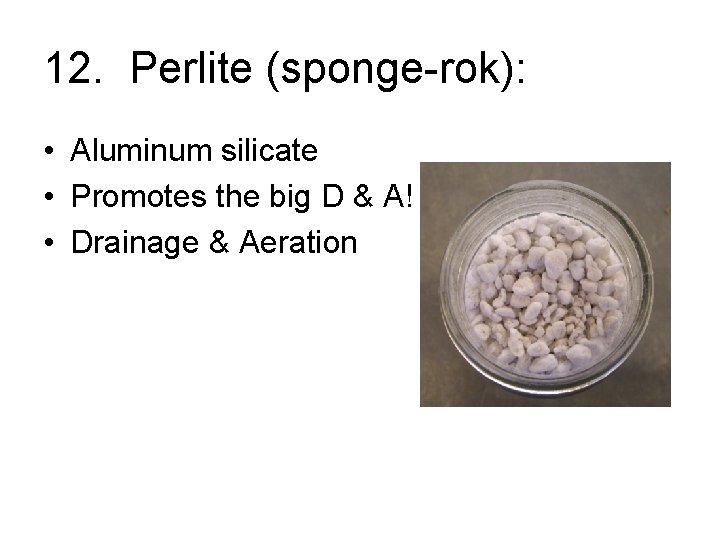
12. Perlite (sponge-rok): • Aluminum silicate • Promotes the big D & A! • Drainage & Aeration
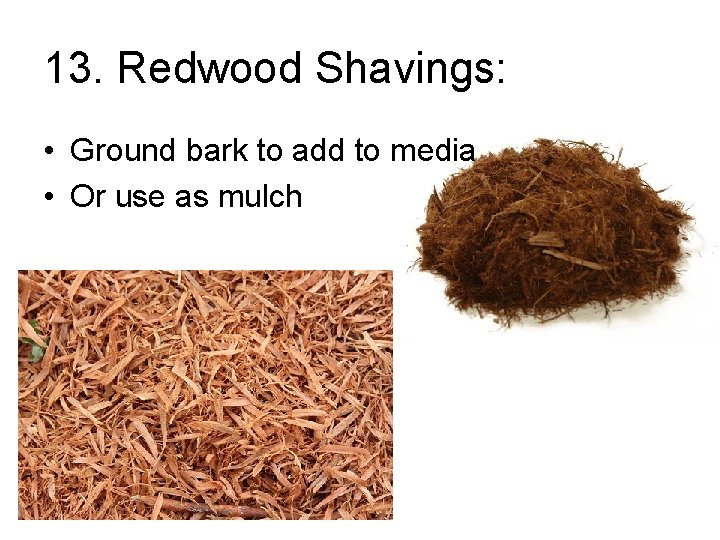
13. Redwood Shavings: • Ground bark to add to media • Or use as mulch
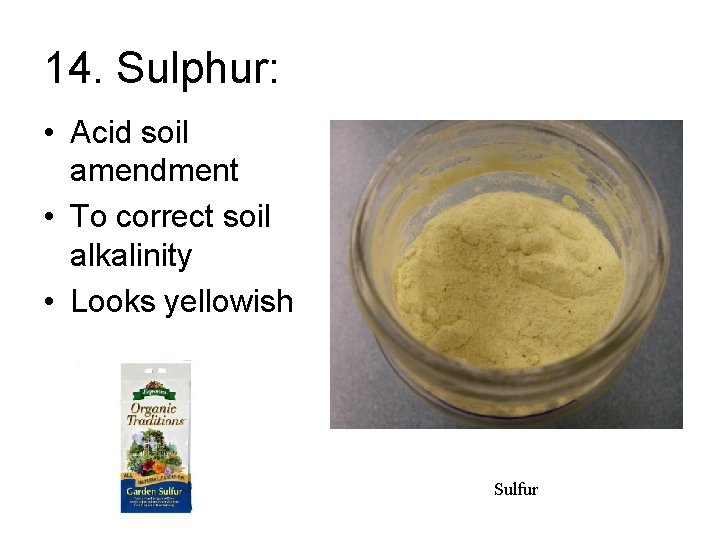
14. Sulphur: • Acid soil amendment • To correct soil alkalinity • Looks yellowish Sulfur
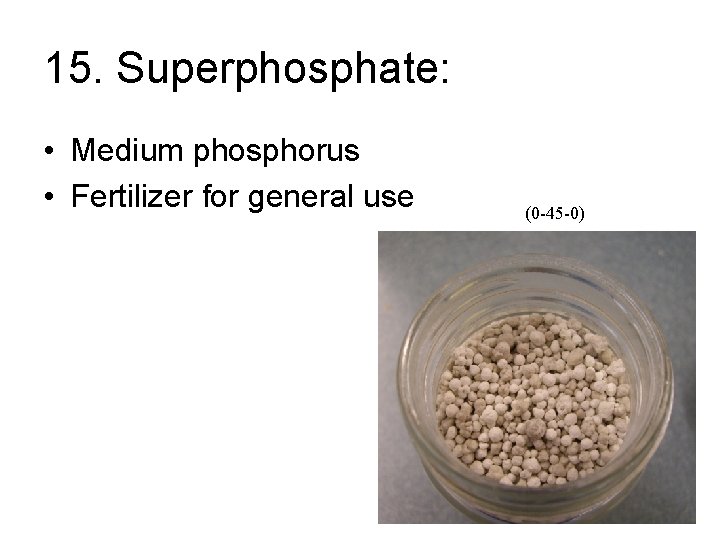
15. Superphosphate: • Medium phosphorus • Fertilizer for general use (0 -45 -0)