
Common Confusing Pairs Mostly illustrated version AP Psychology
- Slides: 18
Common Confusing Pairs (Mostly illustrated version) AP Psychology Mr. Snell
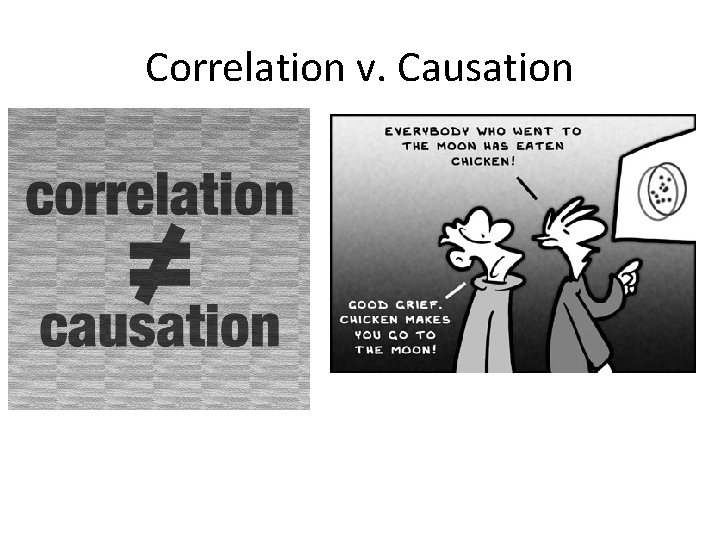
Correlation v. Causation
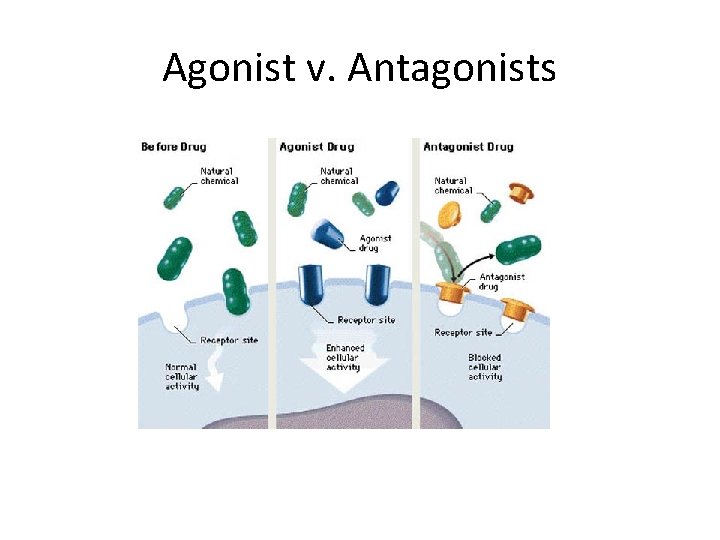
Agonist v. Antagonists
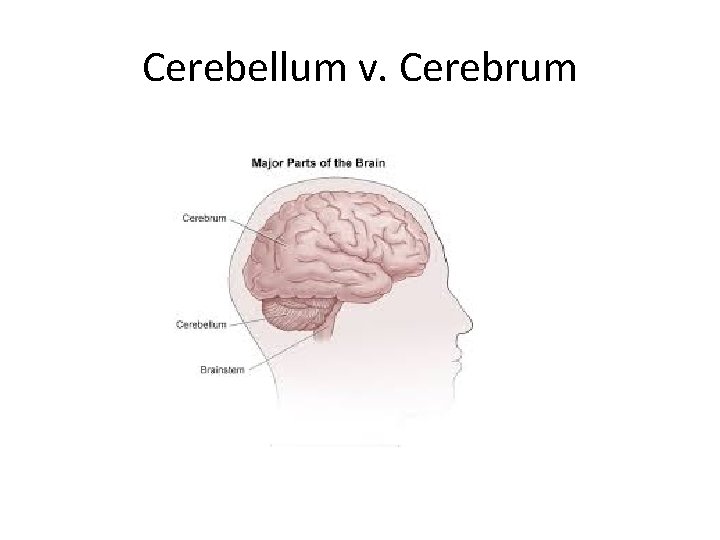
Cerebellum v. Cerebrum
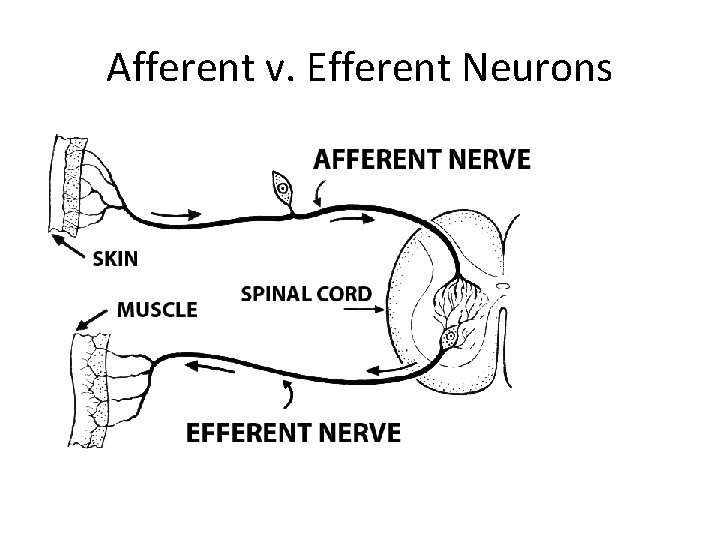
Afferent v. Efferent Neurons
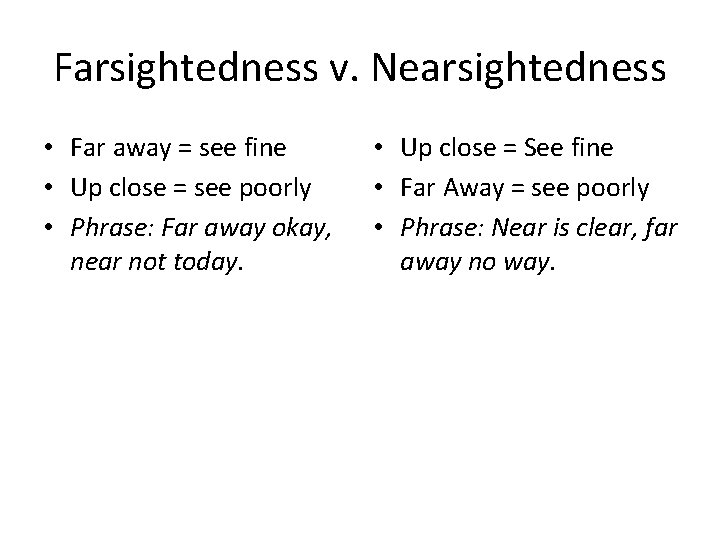
Farsightedness v. Nearsightedness • Far away = see fine • Up close = see poorly • Phrase: Far away okay, near not today. • Up close = See fine • Far Away = see poorly • Phrase: Near is clear, far away no way.
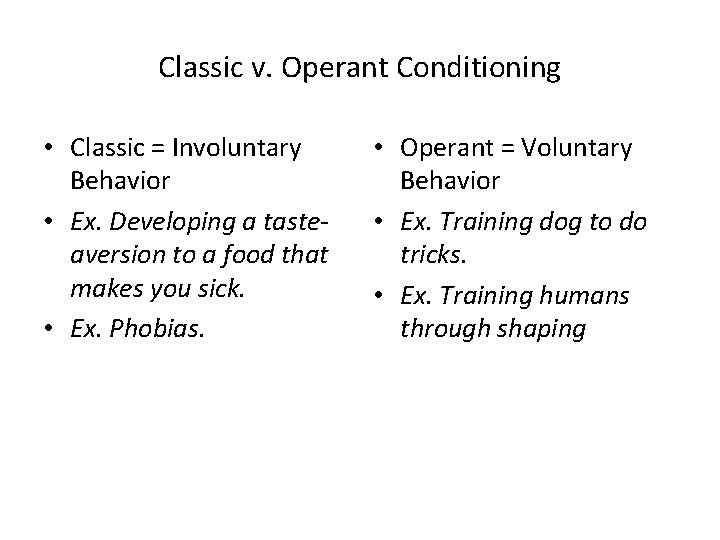
Classic v. Operant Conditioning • Classic = Involuntary Behavior • Ex. Developing a tasteaversion to a food that makes you sick. • Ex. Phobias. • Operant = Voluntary Behavior • Ex. Training dog to do tricks. • Ex. Training humans through shaping
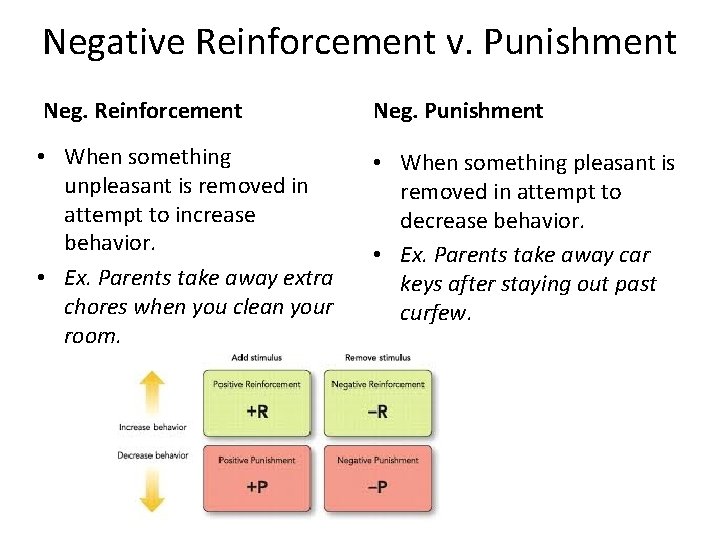
Negative Reinforcement v. Punishment Neg. Reinforcement Neg. Punishment • When something unpleasant is removed in attempt to increase behavior. • Ex. Parents take away extra chores when you clean your room. • When something pleasant is removed in attempt to decrease behavior. • Ex. Parents take away car keys after staying out past curfew.
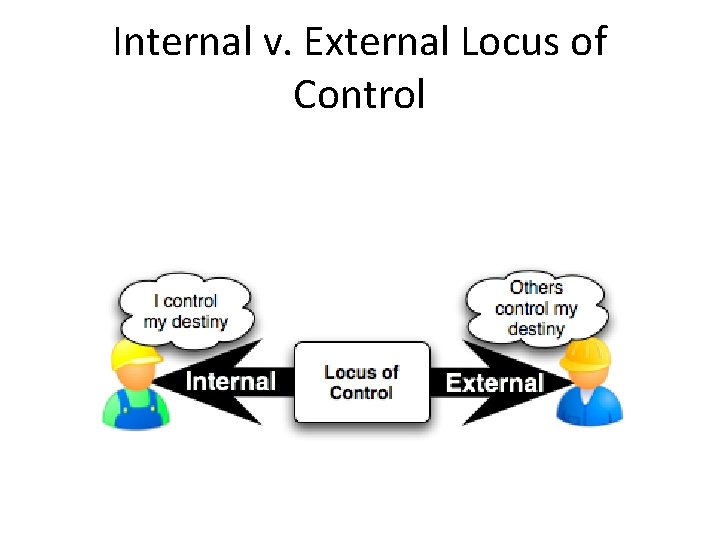
Internal v. External Locus of Control
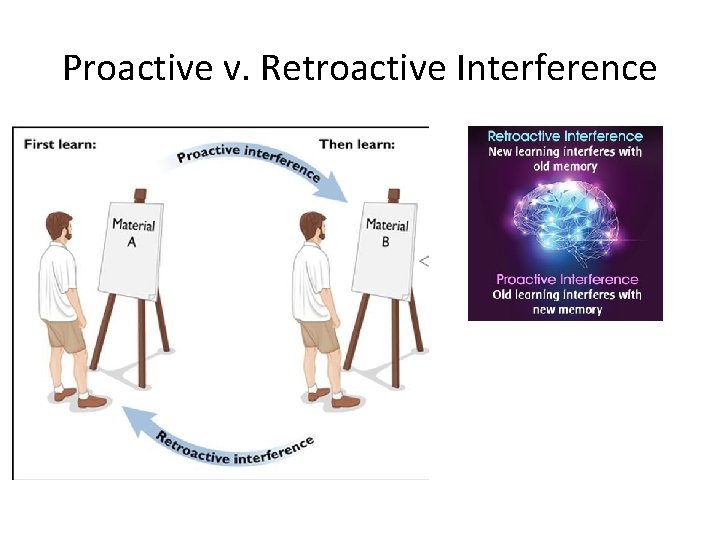
Proactive v. Retroactive Interference
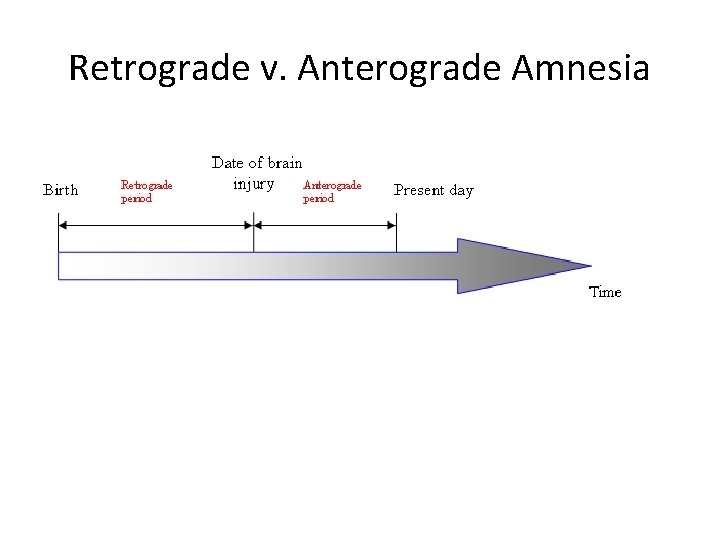
Retrograde v. Anterograde Amnesia
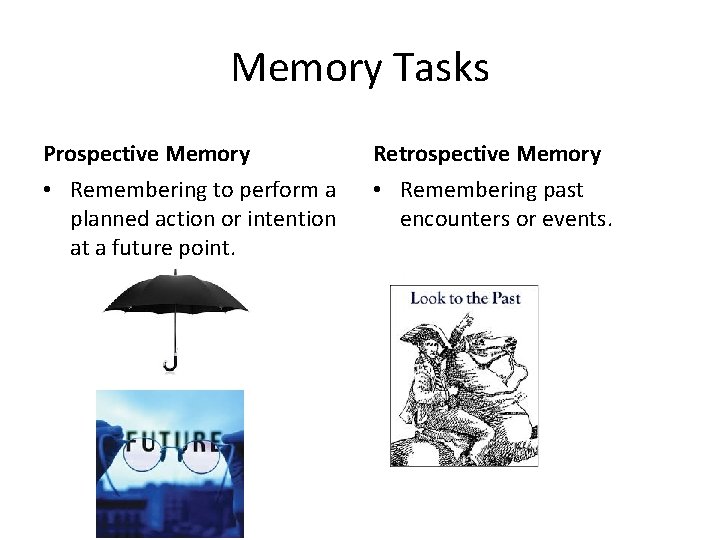
Memory Tasks Prospective Memory Retrospective Memory • Remembering to perform a planned action or intention at a future point. • Remembering past encounters or events.
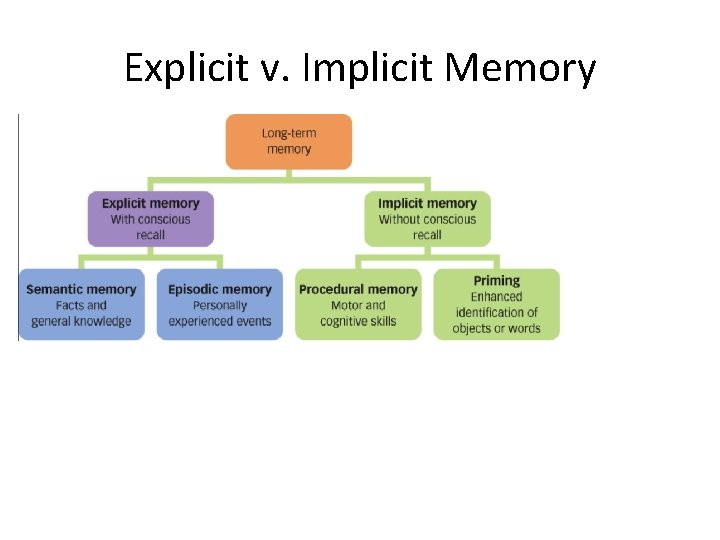
Explicit v. Implicit Memory
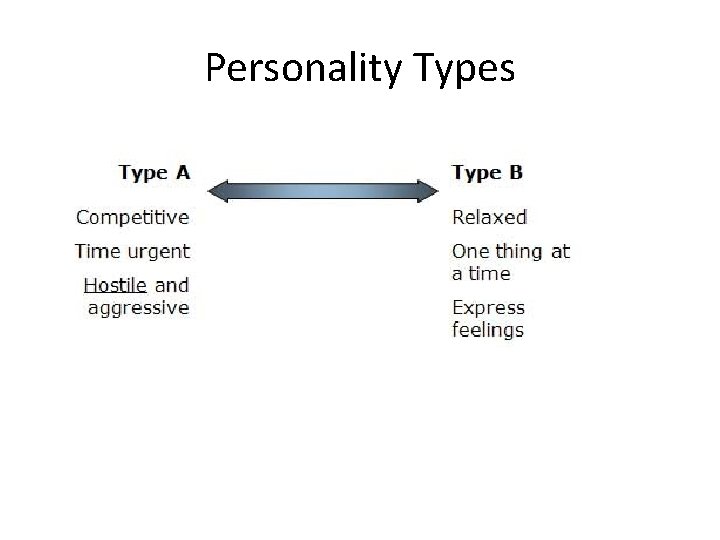
Personality Types
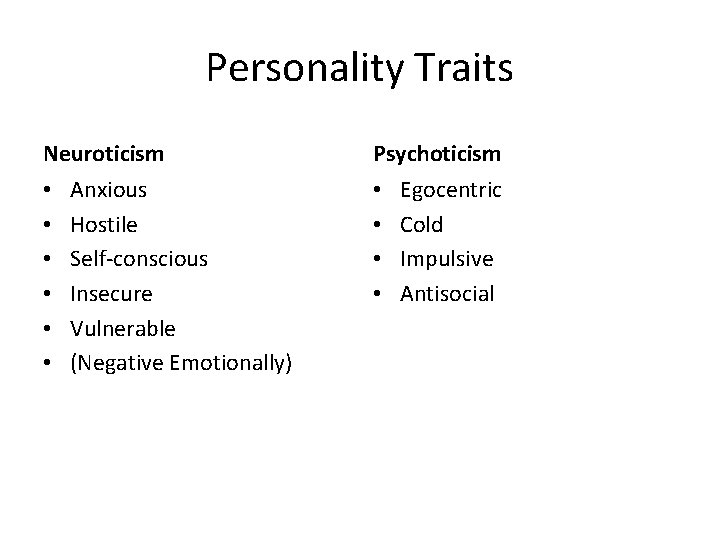
Personality Traits Neuroticism • • • Anxious Hostile Self-conscious Insecure Vulnerable (Negative Emotionally) Psychoticism • • Egocentric Cold Impulsive Antisocial
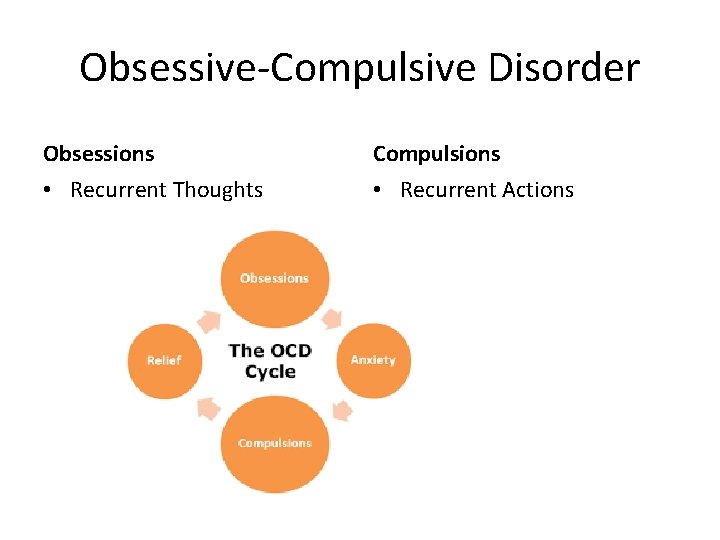
Obsessive-Compulsive Disorder Obsessions Compulsions • Recurrent Thoughts • Recurrent Actions
Best of luck studying and preparing for the AP Exam!