
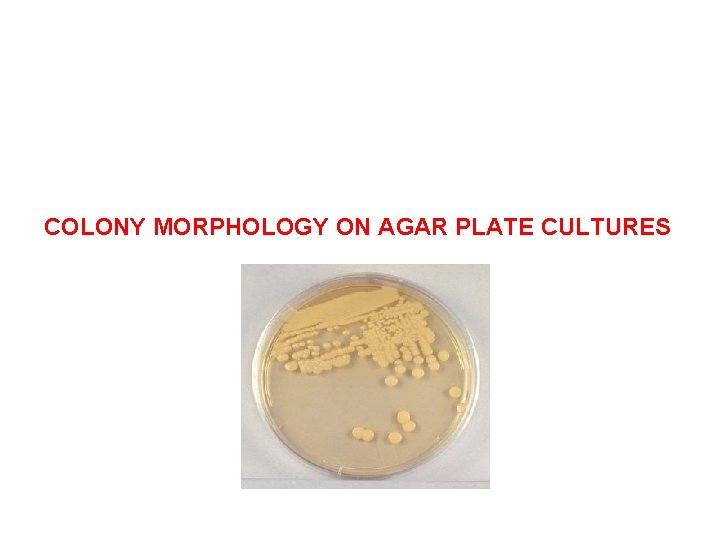
COLONY MORPHOLOGY ON AGAR PLATE CULTURES Form of


- Slides: 21
COLONY MORPHOLOGY ON AGAR PLATE CULTURES
Form of Colony
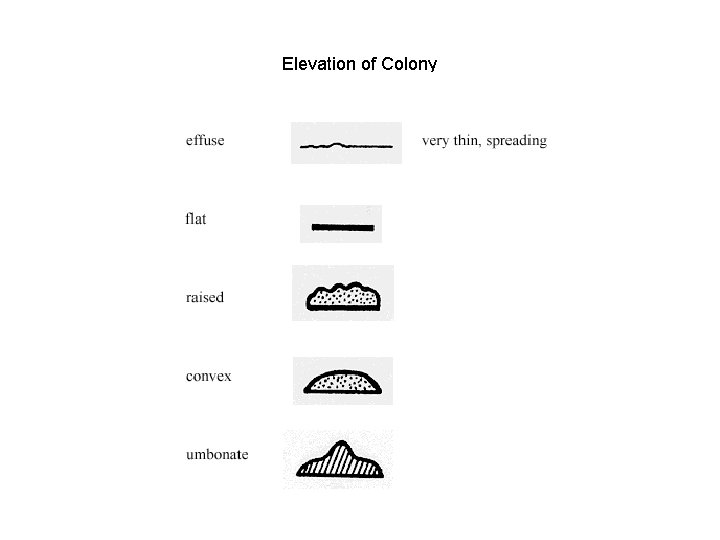
Elevation of Colony
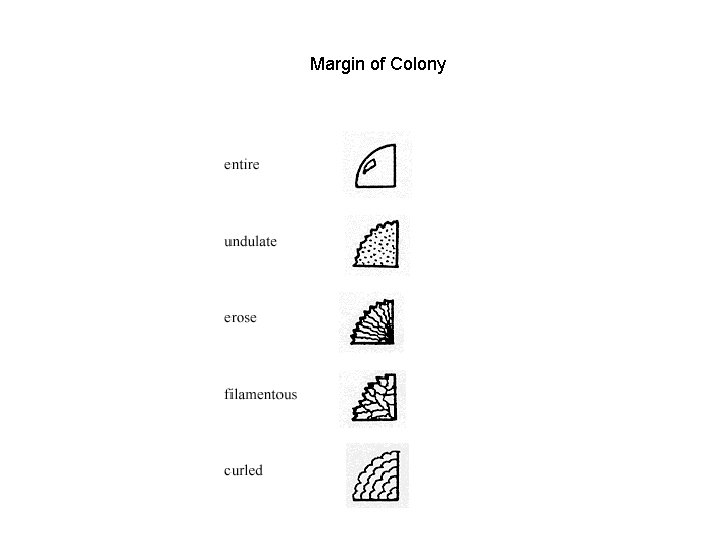
Margin of Colony
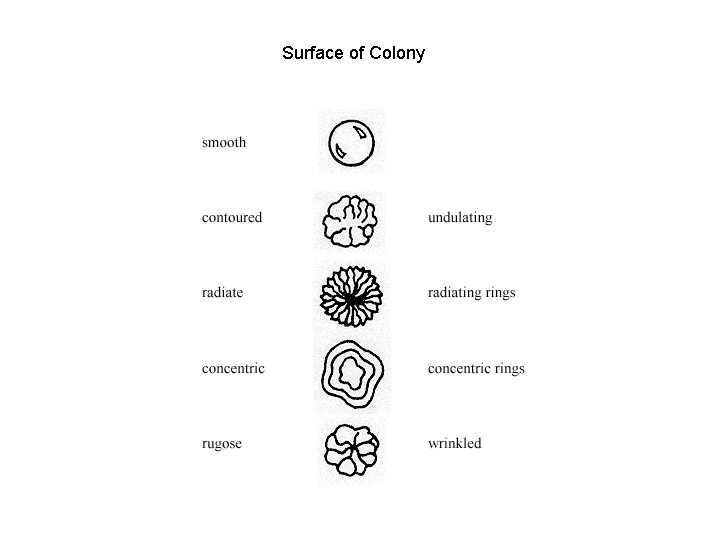
Surface of Colony
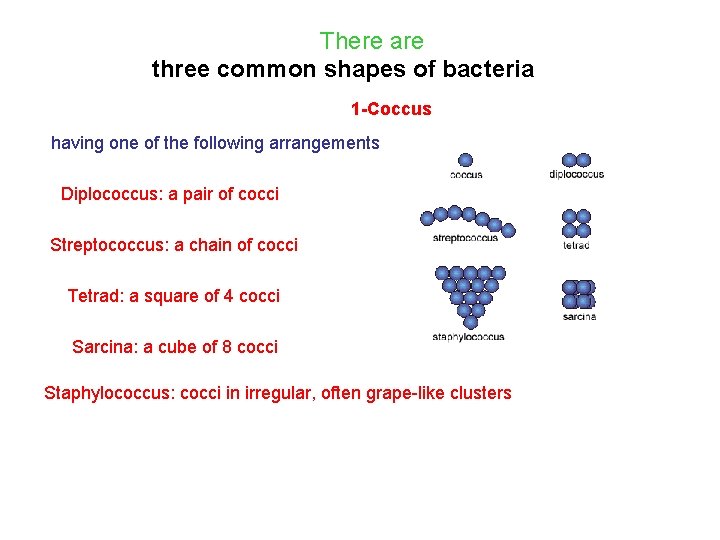
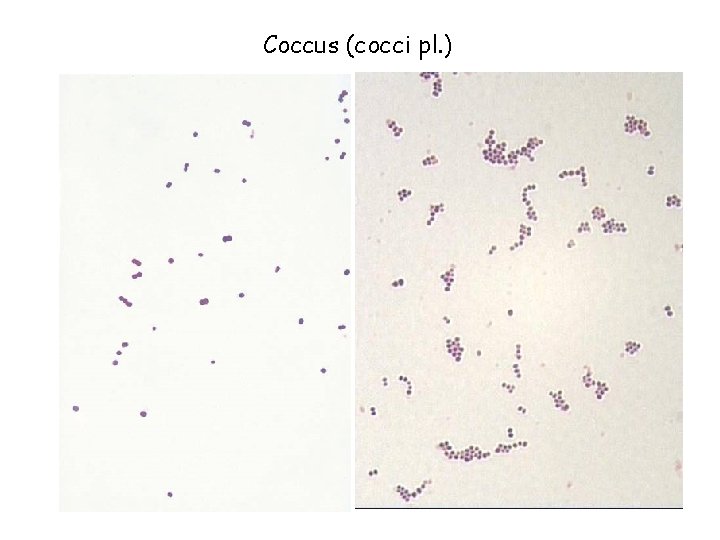
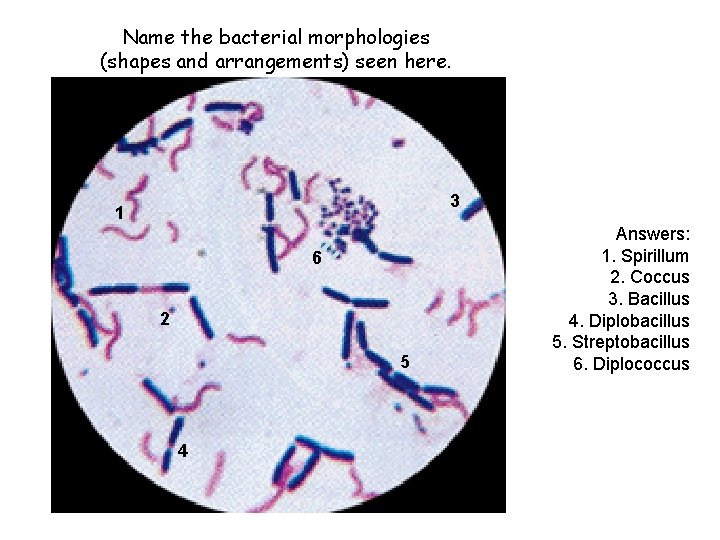
There are three common shapes of bacteria 1 -Coccus having one of the following arrangements Diplococcus: a pair of cocci Streptococcus: a chain of cocci Tetrad: a square of 4 cocci Sarcina: a cube of 8 cocci Staphylococcus: cocci in irregular, often grape-like clusters
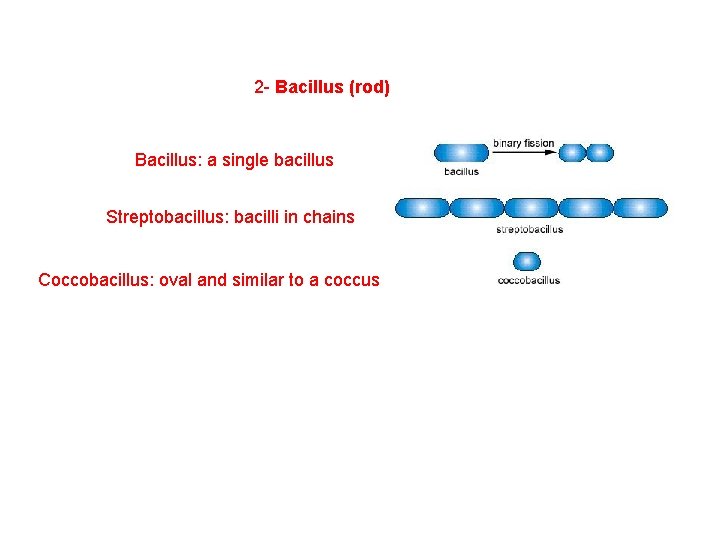
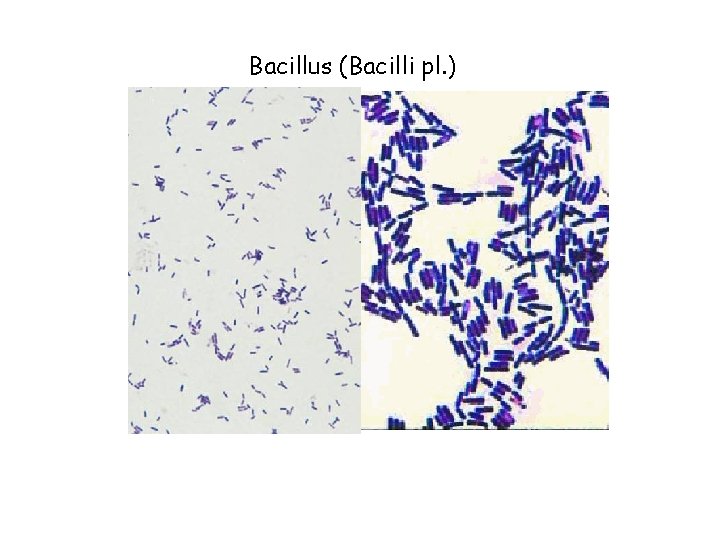
2 - Bacillus (rod) Bacillus: a single bacillus Streptobacillus: bacilli in chains Coccobacillus: oval and similar to a coccus
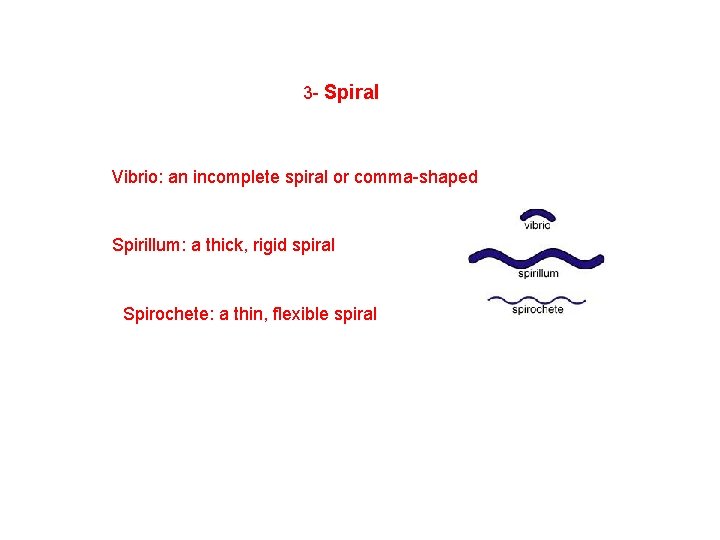
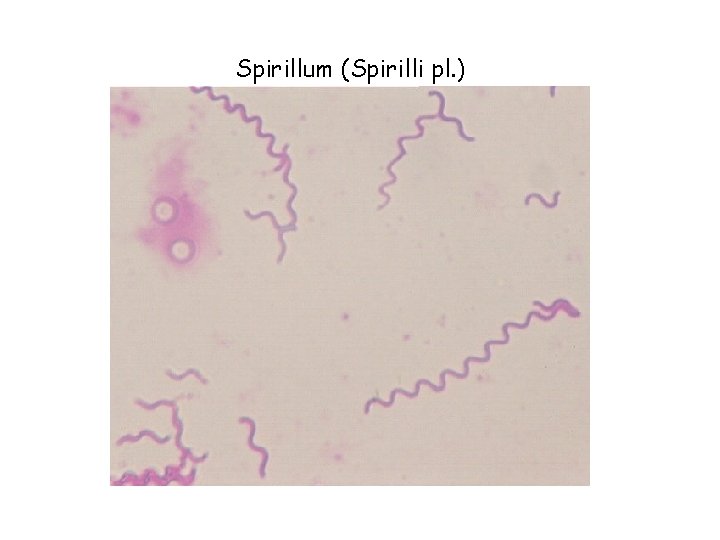
3 - Spiral Vibrio: an incomplete spiral or comma-shaped Spirillum: a thick, rigid spiral Spirochete: a thin, flexible spiral
Simple Staining and Bacterial Cell Morphology
Preparing a smear for staining. (The following procedure is used for all of our staining) 1. Flame (sterilize) your inoculating loop/needle before and after use. •
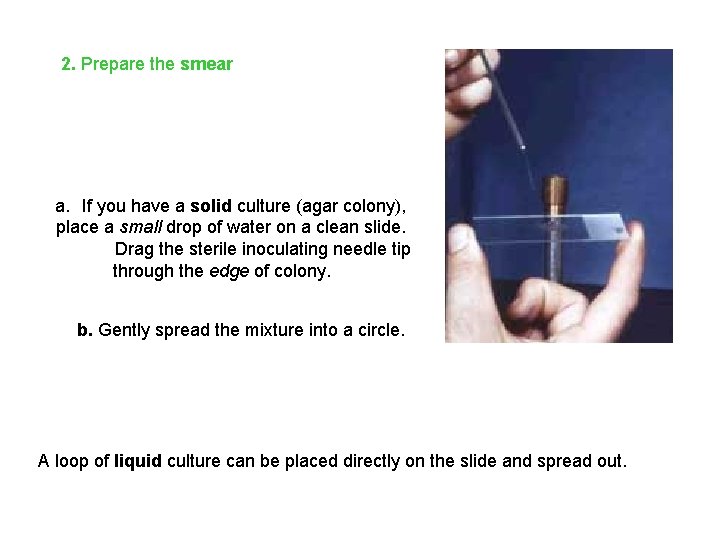
2. Prepare the smear a. If you have a solid culture (agar colony), place a small drop of water on a clean slide. Drag the sterile inoculating needle tip through the edge of colony. b. Gently spread the mixture into a circle. A loop of liquid culture can be placed directly on the slide and spread out.
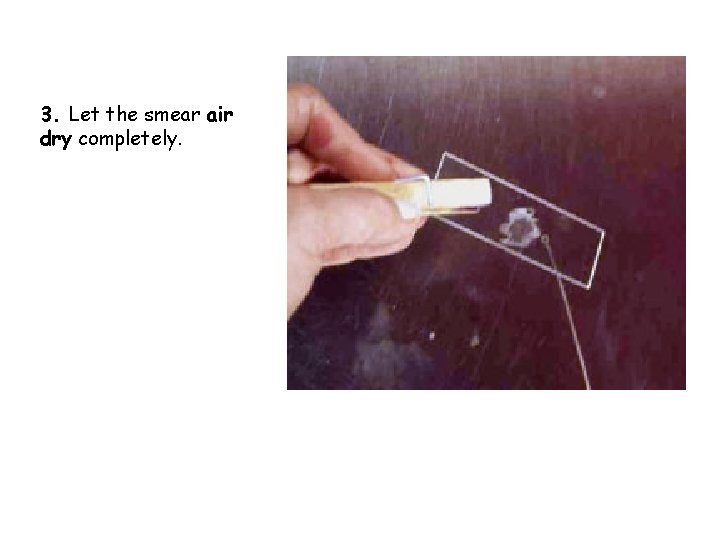
3. Let the smear air dry completely.
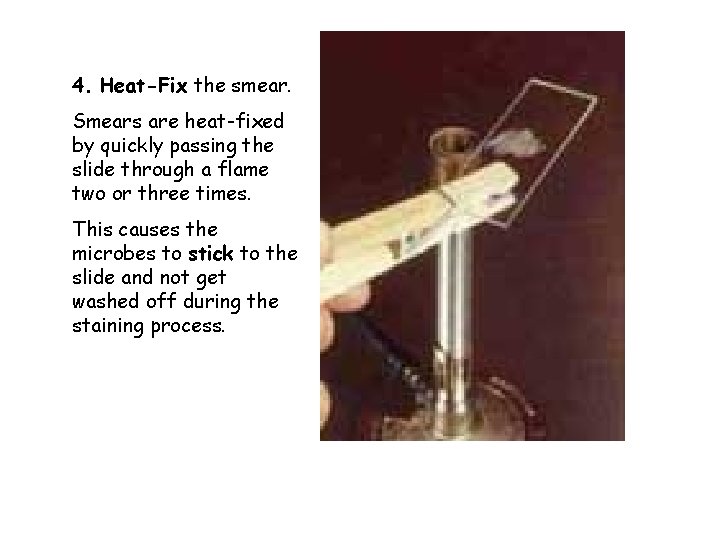
4. Heat-Fix the smear. Smears are heat-fixed by quickly passing the slide through a flame two or three times. This causes the microbes to stick to the slide and not get washed off during the staining process.
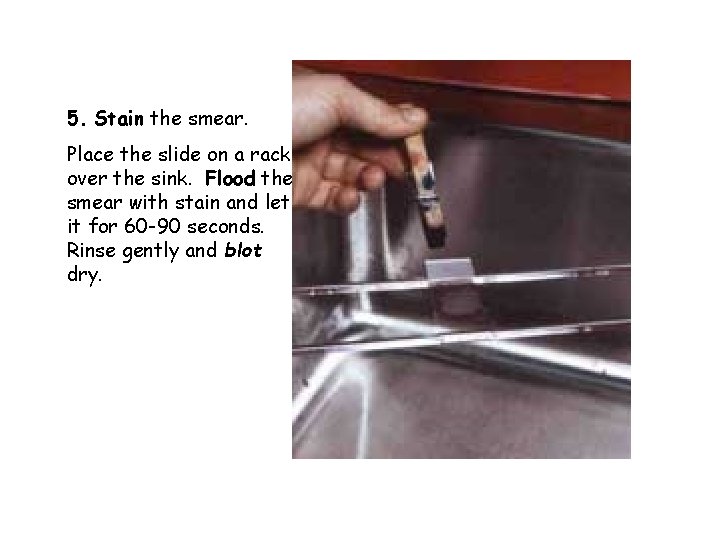
5. Stain the smear. Place the slide on a rack over the sink. Flood the smear with stain and let it for 60 -90 seconds. Rinse gently and blot dry.
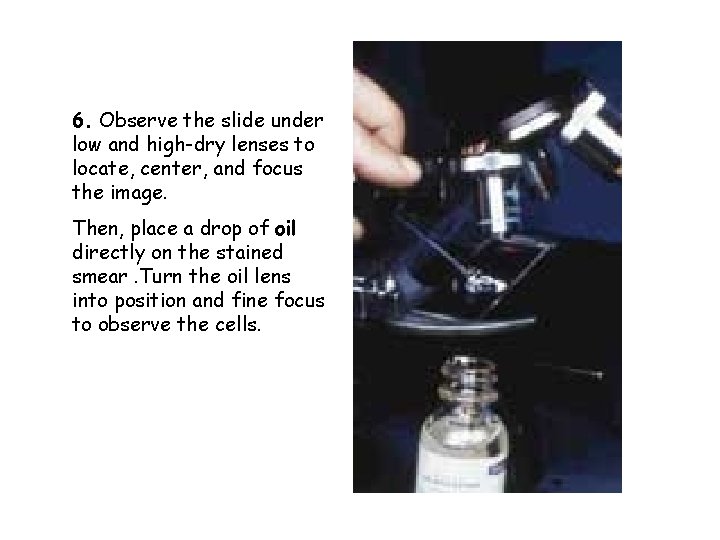
6. Observe the slide under low and high-dry lenses to locate, center, and focus the image. Then, place a drop of oil directly on the stained smear. Turn the oil lens into position and fine focus to observe the cells.
Coccus (cocci pl. )
Bacillus (Bacilli pl. )
Spirillum (Spirilli pl. )
Name the bacterial morphologies (shapes and arrangements) seen here. 3 1 6 2 5 4 Answers: 1. Spirillum 2. Coccus 3. Bacillus 4. Diplobacillus 5. Streptobacillus 6. Diplococcus
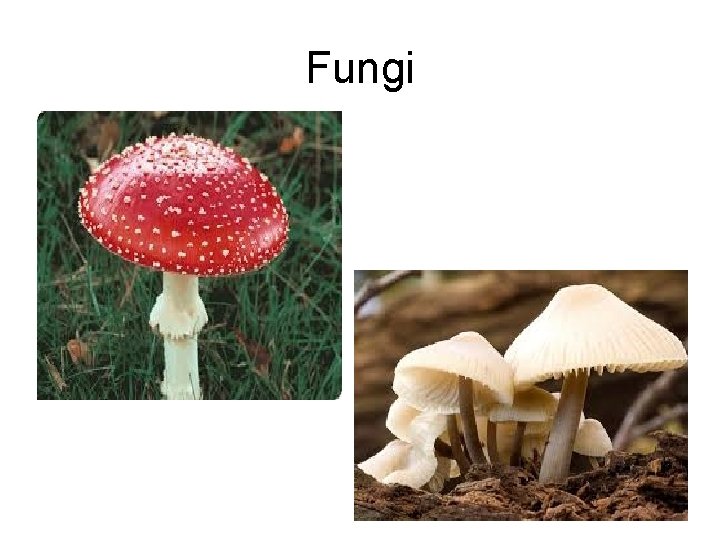
Fungi
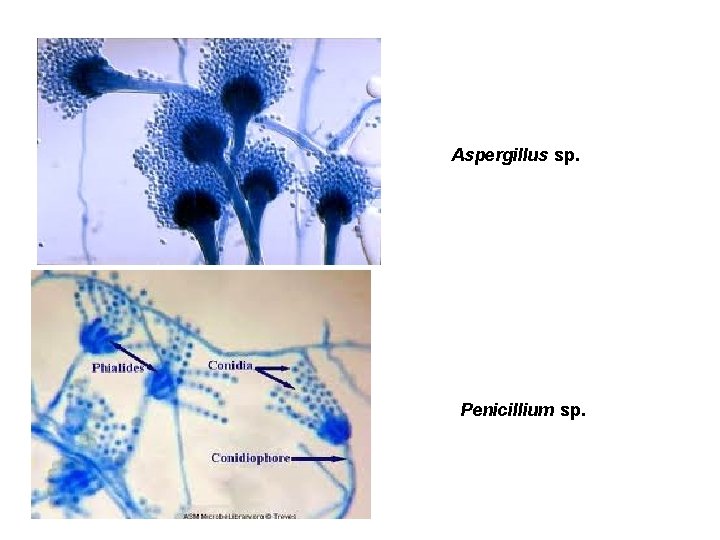
Aspergillus sp. Penicillium sp.