
Colonization Revolution Test 1 US History Strategies for
- Slides: 36
Colonization & Revolution Test #1 US History
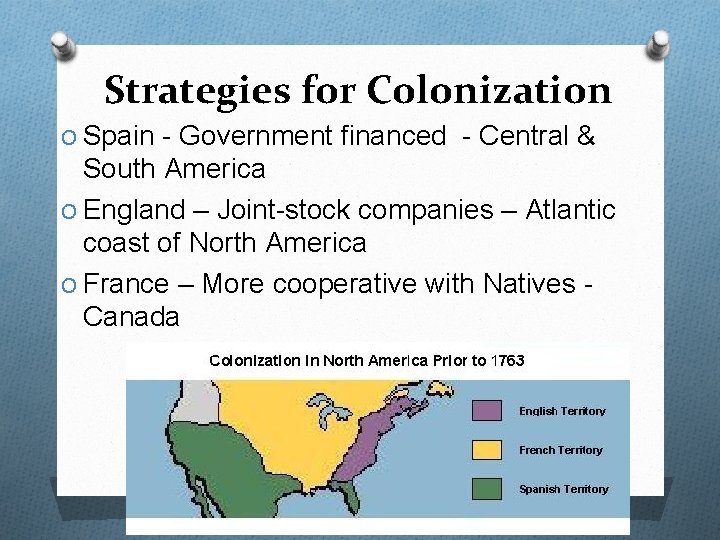
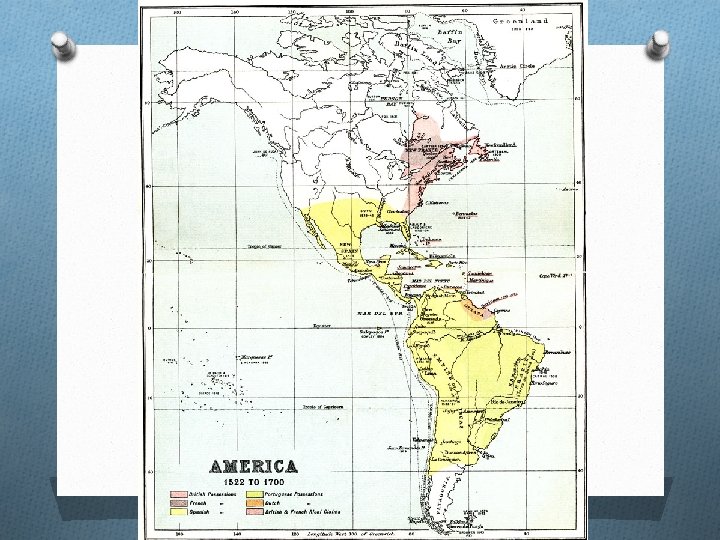
Strategies for Colonization O Spain - Government financed - Central & South America O England – Joint-stock companies – Atlantic coast of North America O France – More cooperative with Natives Canada
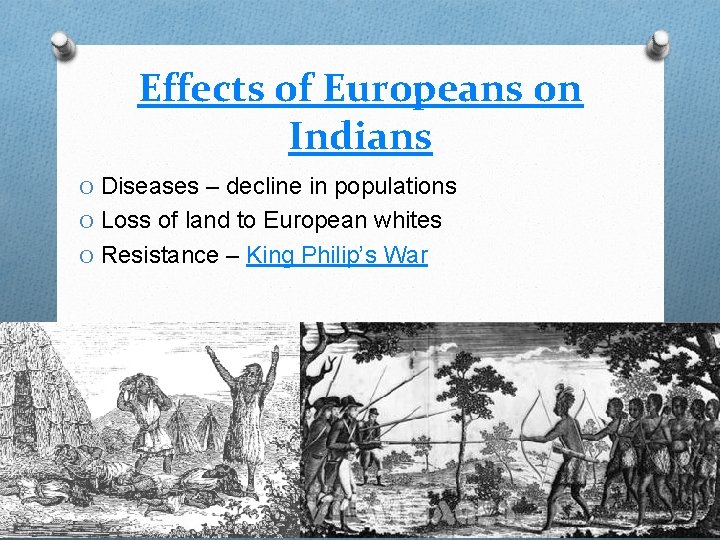
Effects of Europeans on Indians O Diseases – decline in populations O Loss of land to European whites O Resistance – King Philip’s War
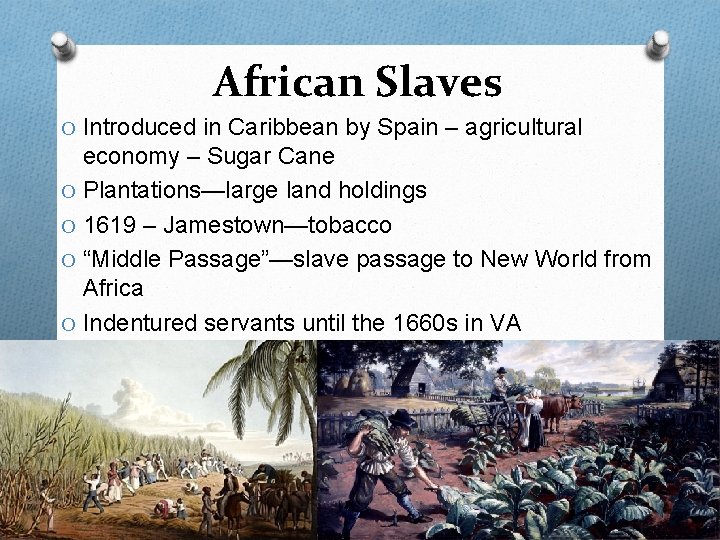
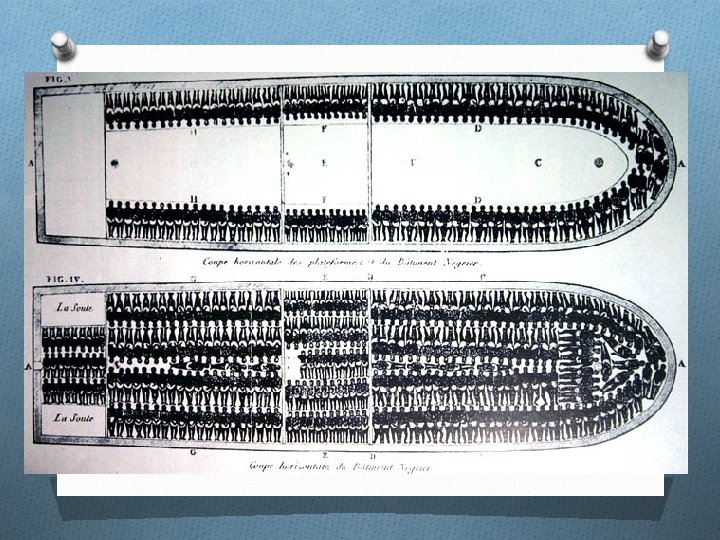
African Slaves O Introduced in Caribbean by Spain – agricultural economy – Sugar Cane O Plantations—large land holdings O 1619 – Jamestown—tobacco O “Middle Passage”—slave passage to New World from Africa O Indentured servants until the 1660 s in VA
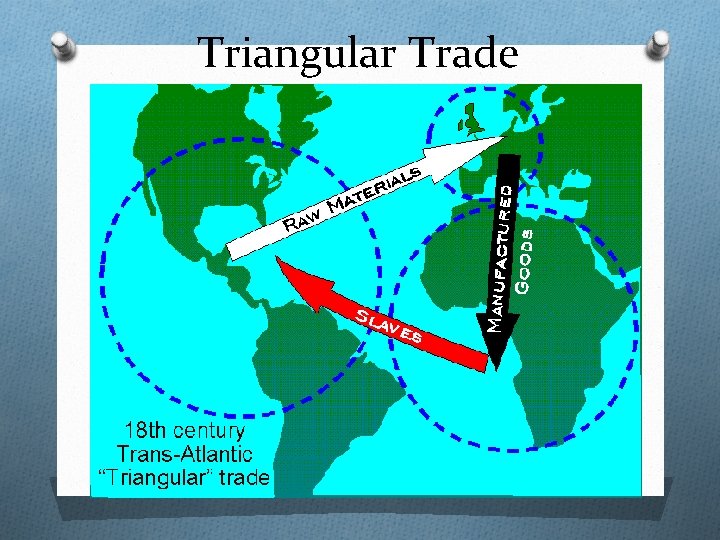
Triangular Trade
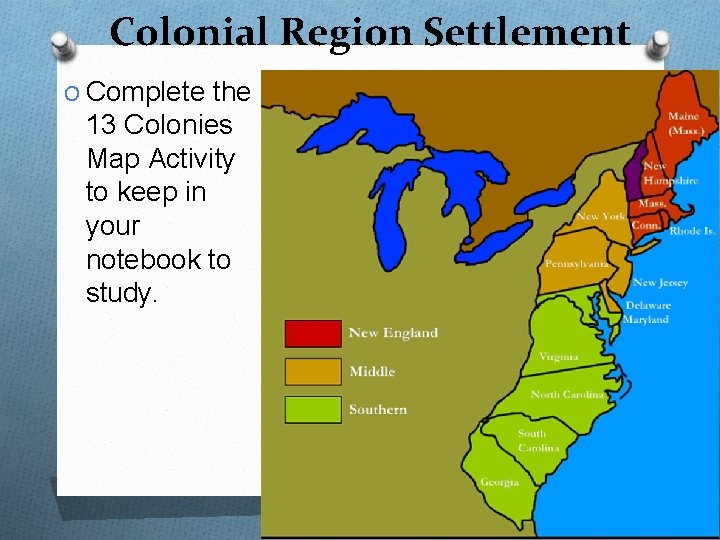
Colonial Region Settlement O Complete the 13 Colonies Map Activity to keep in your notebook to study.
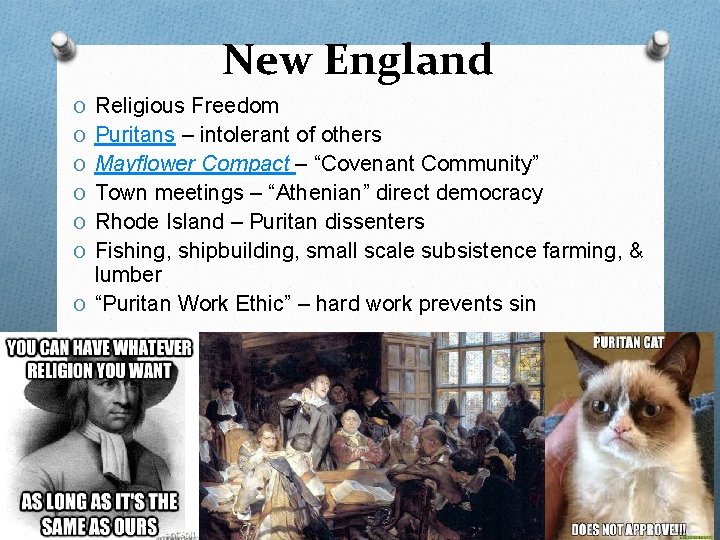
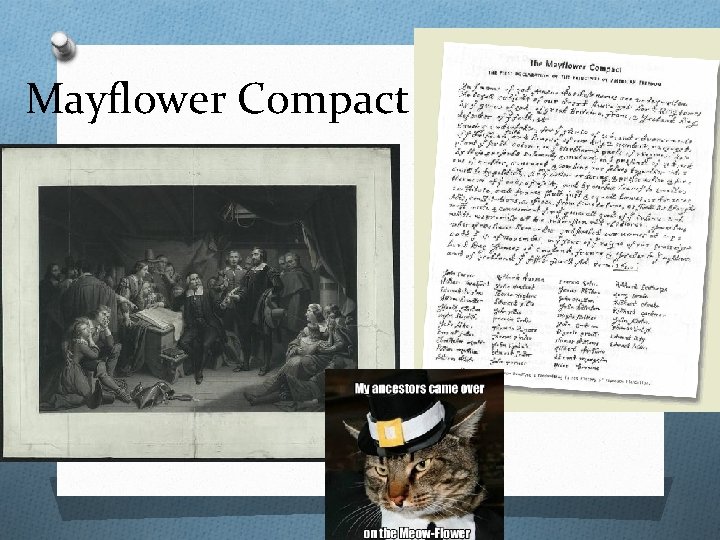
New England O Religious Freedom O Puritans – intolerant of others O Mayflower Compact – “Covenant Community” O Town meetings – “Athenian” direct democracy O Rhode Island – Puritan dissenters O Fishing, shipbuilding, small scale subsistence farming, & lumber O “Puritan Work Ethic” – hard work prevents sin
Mayflower Compact
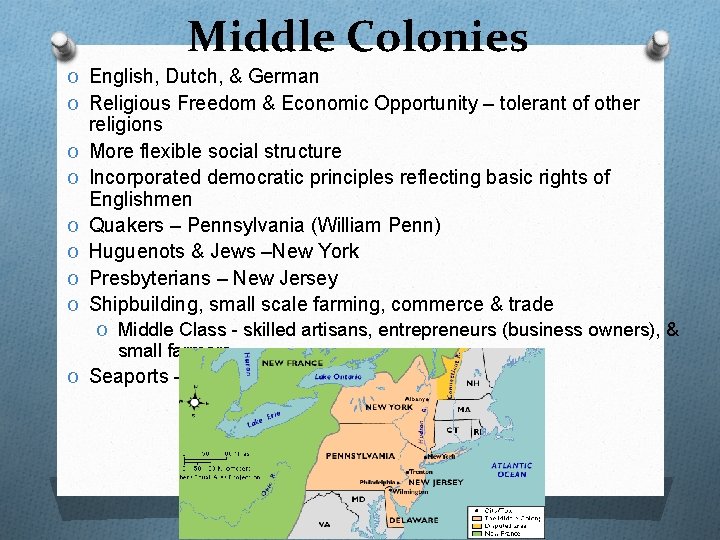
Middle Colonies O English, Dutch, & German O Religious Freedom & Economic Opportunity – tolerant of other O O O religions More flexible social structure Incorporated democratic principles reflecting basic rights of Englishmen Quakers – Pennsylvania (William Penn) Huguenots & Jews –New York Presbyterians – New Jersey Shipbuilding, small scale farming, commerce & trade O Middle Class - skilled artisans, entrepreneurs (business owners), & small farmers O Seaports – New York City & Philadelphia
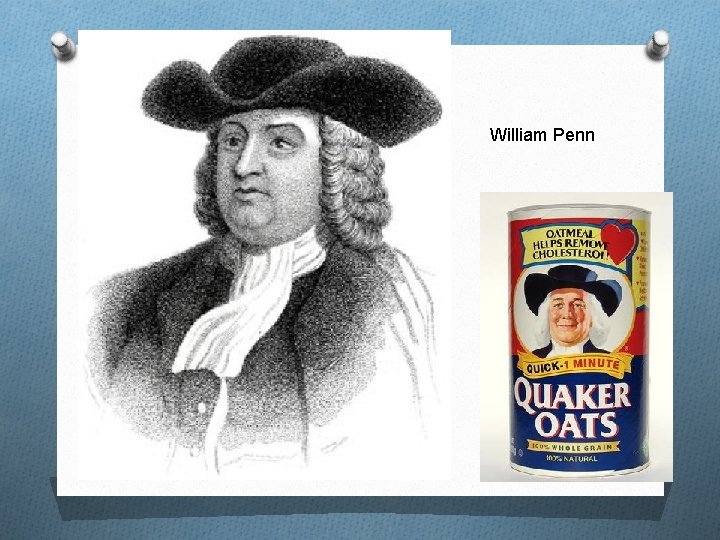
William Penn
VA & Southern Colonies O Economic Opportunity – “Free Enterprise” O Jamestown – London Company (1607) O House of Burgesses (General Assembly)— 1 st representative legislatures O Indentured Servants—work plantations - pay New World passage O Plantations – Eastern Coastal Lowlands (Tidewater) O Cash crops—tobacco, rice, and indigo grown for export O African slaves - labor/slave based economy O Poor – Scots-Irish O Shenandoah Valley and Appalachian foothills O Subsistence farming O “Cavaliers” O Nobility – large land grants (Headright system) O Dominated colonial government and society due to family status O Maryland – Catholics O Southern colonies – close ties - Church of England (Anglican Church) O Slavery based economy eventually leads to American Civil War
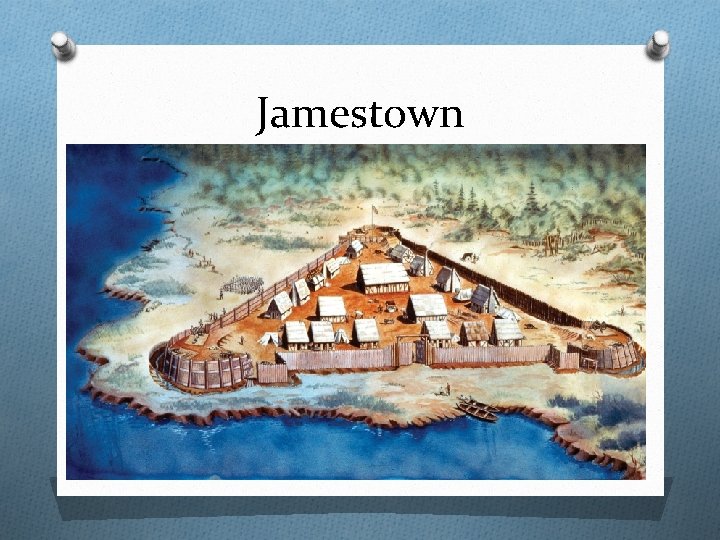
Jamestown
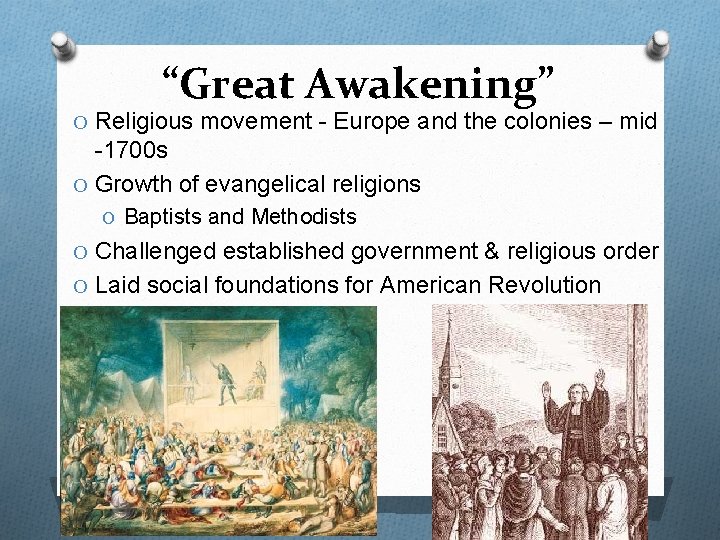
“Great Awakening” O Religious movement - Europe and the colonies – mid -1700 s O Growth of evangelical religions O Baptists and Methodists O Challenged established government & religious order O Laid social foundations for American Revolution
“Sinners in the Hands of an Angry God” – Jonathan Edwards O O sinner! Consider the fearful danger you are in: it is a great furnace of wrath, a wide and bottomless pit, full of the fire of wrath, that you are held over in the hand of that God, whose wrath is provoked and incensed as much against you, as against many of the damned in hell. You hang by a slender thread. ”
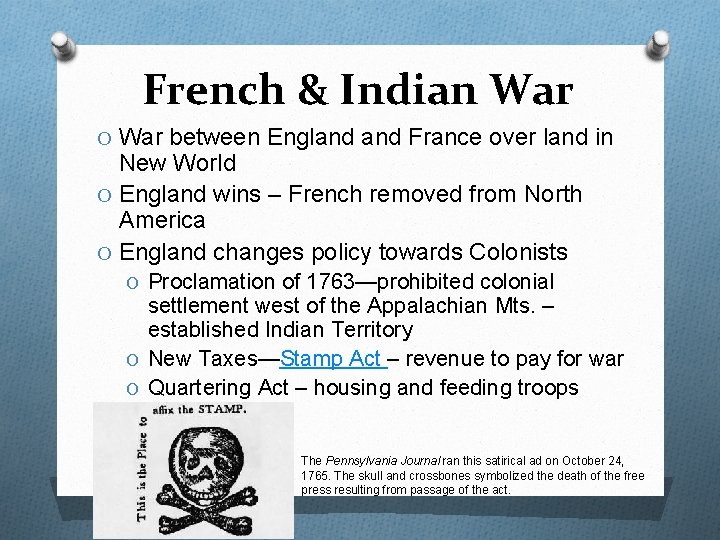
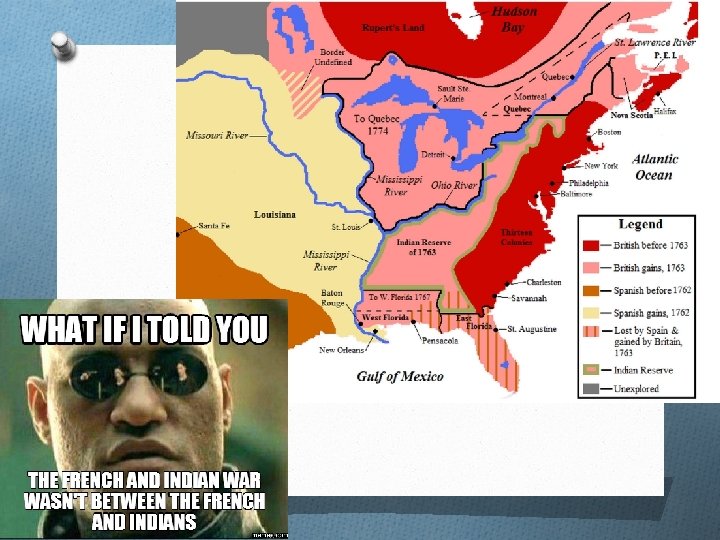
French & Indian War O War between England France over land in New World O England wins – French removed from North America O England changes policy towards Colonists O Proclamation of 1763—prohibited colonial settlement west of the Appalachian Mts. – established Indian Territory O New Taxes—Stamp Act – revenue to pay for war O Quartering Act – housing and feeding troops The Pennsylvania Journal ran this satirical ad on October 24, 1765. The skull and crossbones symbolized the death of the free press resulting from passage of the act.
Comparing Primary Sources – p. 31 O According to each speaker, what gives the land its value? How does each speaker characterize the actions and motives of the other? Do you think either or both are justified in their opinions? Explain your reasoning.
Join or Die Cartoon Analysis O We’ll read the background information together as a class. Once we have done so, you must analyze the political cartoon. Turn in your sheet to the tray when you’re done.
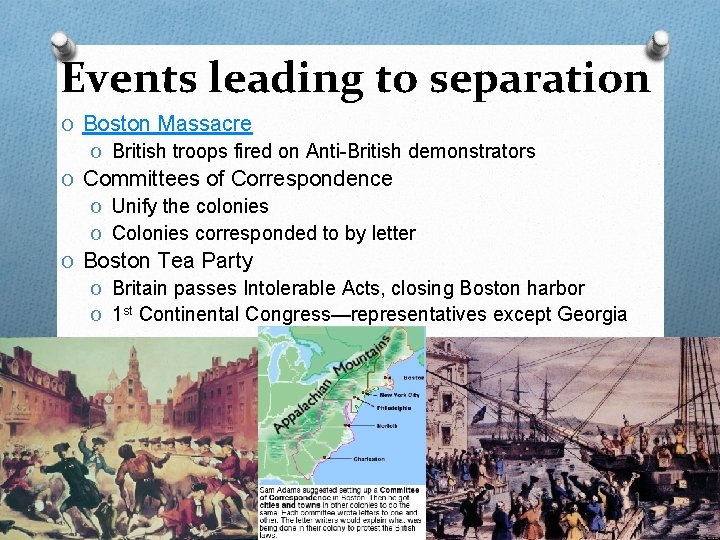
Events leading to separation O Boston Massacre O British troops fired on Anti-British demonstrators O Committees of Correspondence O Unify the colonies O Colonies corresponded to by letter O Boston Tea Party O Britain passes Intolerable Acts, closing Boston harbor O 1 st Continental Congress—representatives except Georgia
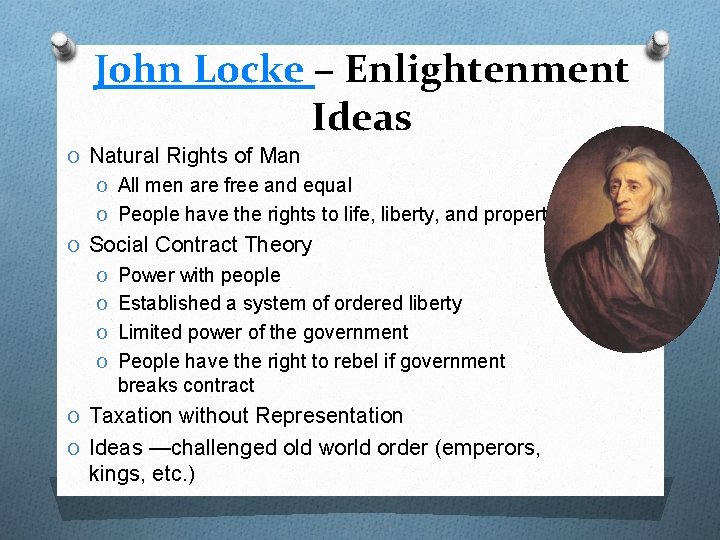
John Locke – Enlightenment Ideas O Natural Rights of Man O All men are free and equal O People have the rights to life, liberty, and property O Social Contract Theory O Power with people O Established a system of ordered liberty O Limited power of the government O People have the right to rebel if government breaks contract O Taxation without Representation O Ideas —challenged old world order (emperors, kings, etc. )
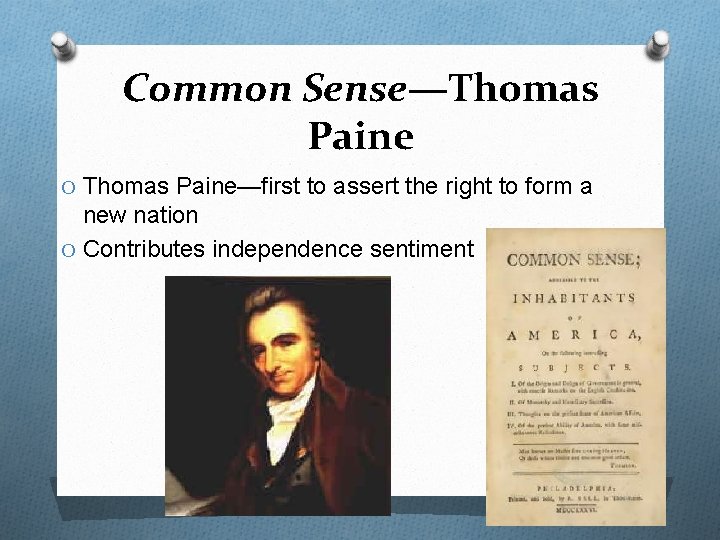
Common Sense—Thomas Paine O Thomas Paine—first to assert the right to form a new nation O Contributes independence sentiment
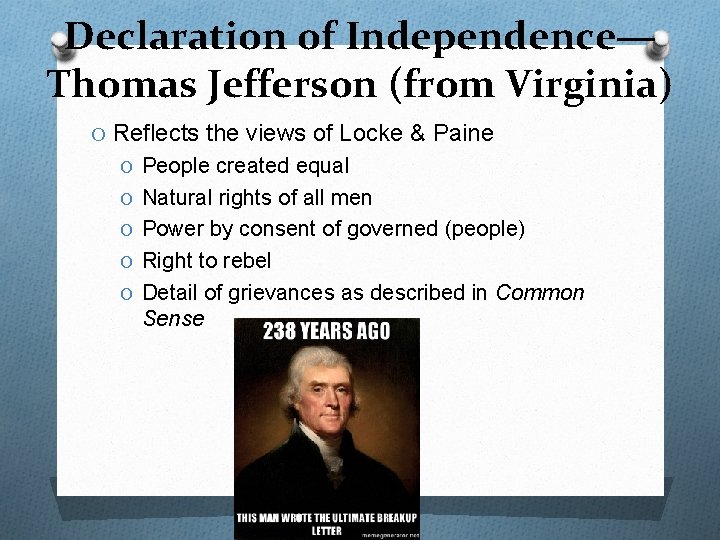
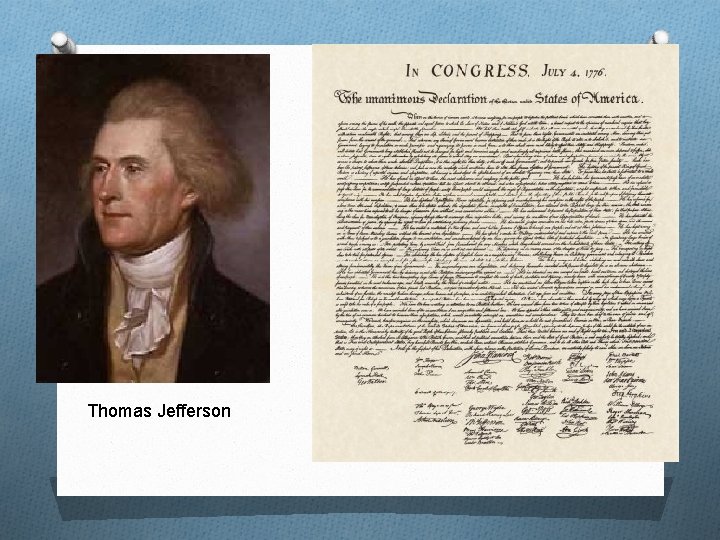
Declaration of Independence— Thomas Jefferson (from Virginia) O Reflects the views of Locke & Paine O People created equal O Natural rights of all men O Power by consent of governed (people) O Right to rebel O Detail of grievances as described in Common Sense
Thomas Jefferson
Analyzing the Declaration of Independence O On p. 50 of your textbook, we will read the Declaration of Independence. As we read this, please write down parts that are influenced by Enlightenment ideas.
Effect of the Declaration of Independence O Increased political, social, and economic participation O Political participation (equality) O Extending the franchise (right to vote) O Upholding due process O Free public education O Social participation (liberty) O Abolish slavery O Rights for women and minorities O Economic participation O Free enterprise system O Economic opportunity O Protecting property rights
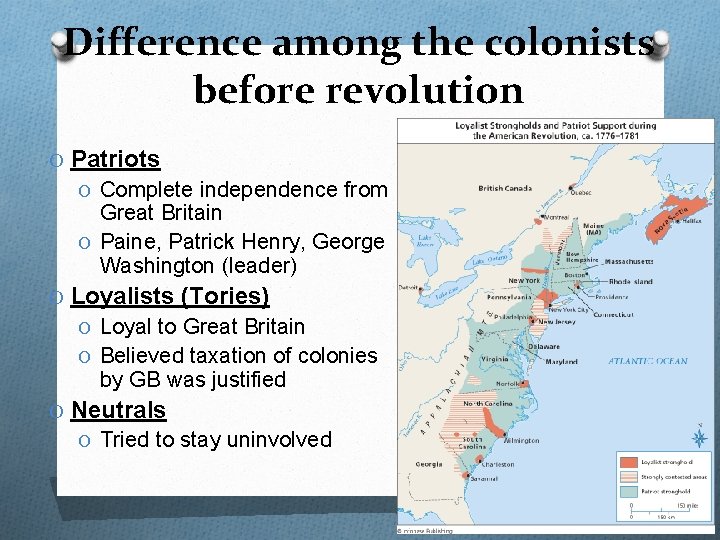
Difference among the colonists before revolution O Patriots O Complete independence from Great Britain O Paine, Patrick Henry, George Washington (leader) O Loyalists (Tories) O Loyal to Great Britain O Believed taxation of colonies by GB was justified O Neutrals O Tried to stay uninvolved
Loyalist & Patriot Propaganda Posters O You will create two propaganda posters. Be sure to include: O Picture that enhances poster O Catchy saying or slogan to attract people to your message O What your beliefs as a patriot or loyalist are O Reasons to support your cause
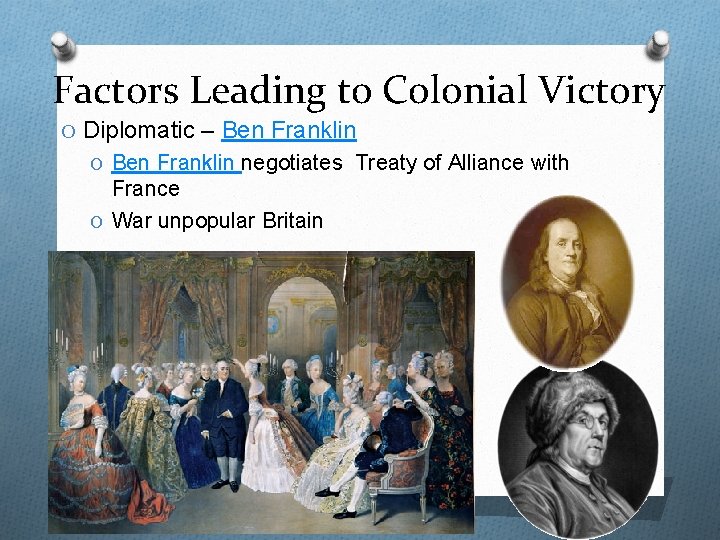
Factors Leading to Colonial Victory O Diplomatic – Ben Franklin O Ben Franklin negotiates Treaty of Alliance with France O War unpopular Britain
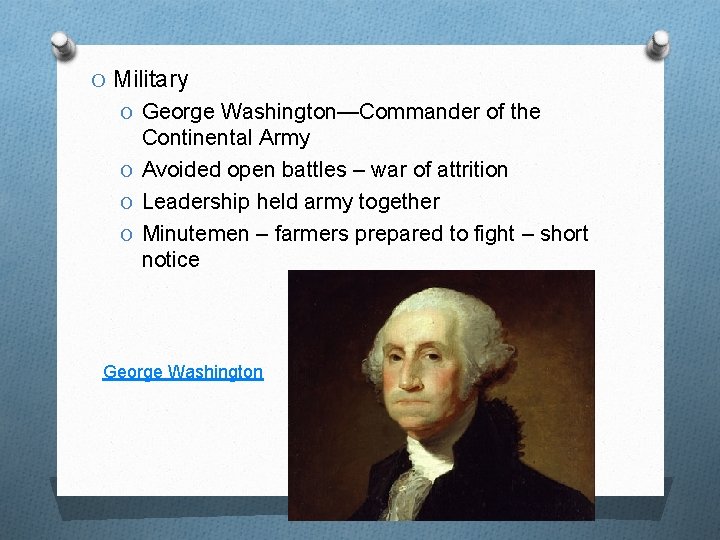
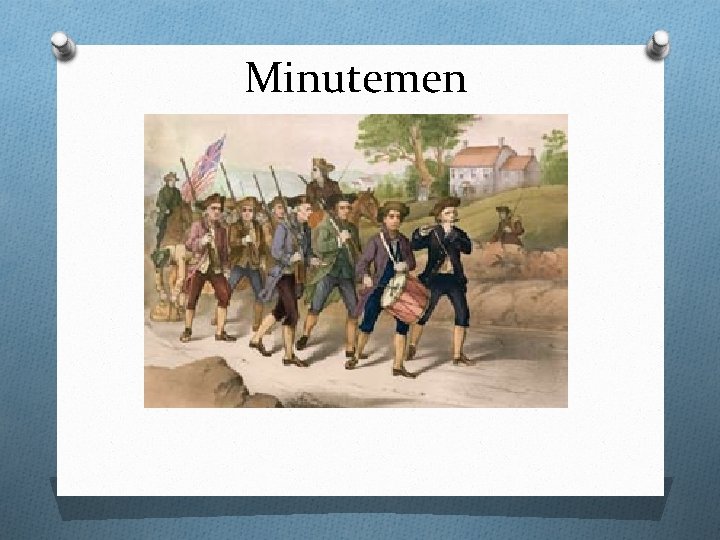
O Military O George Washington—Commander of the Continental Army O Avoided open battles – war of attrition O Leadership held army together O Minutemen – farmers prepared to fight – short notice George Washington
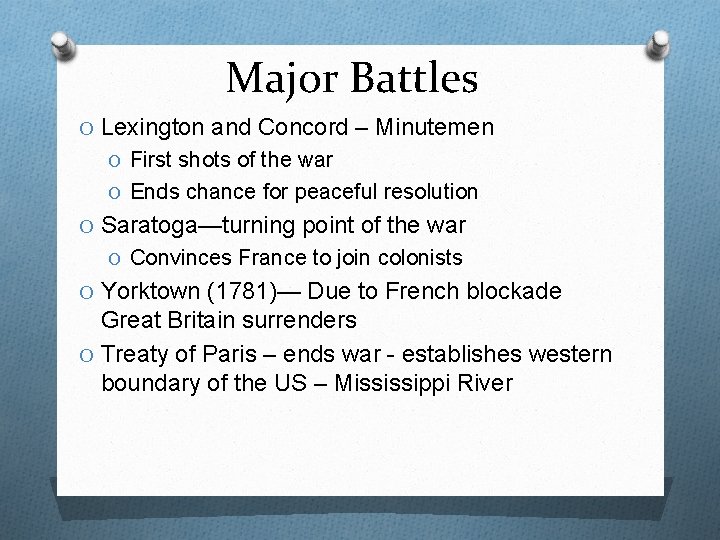
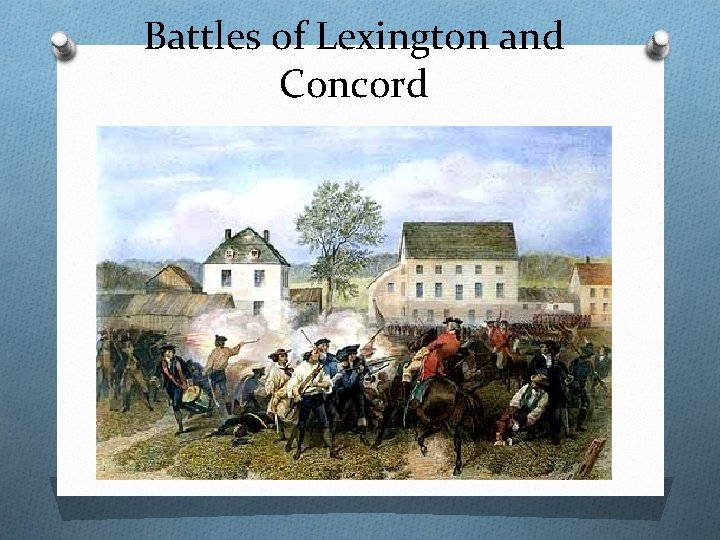
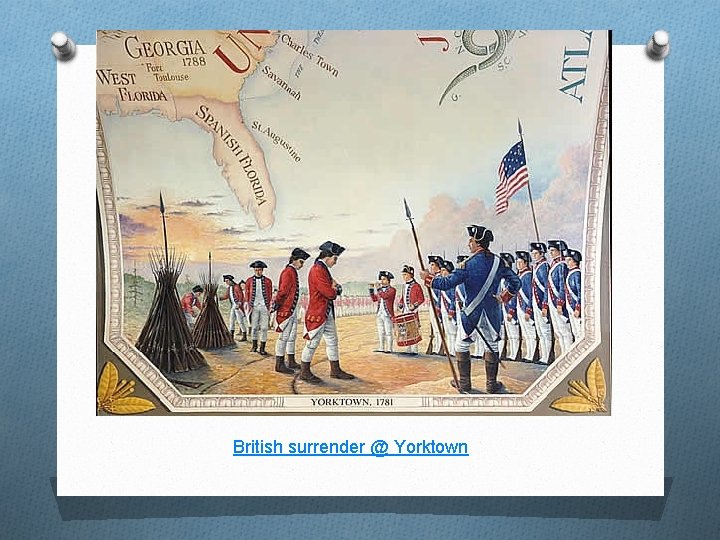
Major Battles O Lexington and Concord – Minutemen O First shots of the war O Ends chance for peaceful resolution O Saratoga—turning point of the war O Convinces France to join colonists O Yorktown (1781)— Due to French blockade Great Britain surrenders O Treaty of Paris – ends war - establishes western boundary of the US – Mississippi River
Minutemen
Battles of Lexington and Concord
British surrender @ Yorktown