
Colonization of Africa 19 th Century Colonialism is







- Slides: 45
Colonization of Africa 19 th Century
Colonialism is forced control of one nation by another nation. Colony is when a nation establishes a government under its rule in a foreign territory. Imperialism is empire building by taking over other countries’ government’s trade, and culture. • Beginning in the early 19 th Century, Europeans aggressively tried to establish colonies in Africa. • European civilization experienced a period of unprecedented rapid expansion around the globe during the last third of the nineteenth century.
Reasons for Colonialism • Despite Europeans involvement in the Slave Trade Europeans usually relied on Africans to trade slaves instead of colonizing the continent. • By the 1880 s every major nation in the world had abolished the institution of slavery. • Europeans found a new interest in Africa. • Africa is a continent of vast wealth.
Positive European Reasons for Colonialism 1. Colonies provided Europe with strategic military and economic advantages. 2. Open up new trading markets for European goods. 3. Europe received minerals and other natural resources (diamonds, gold, cotton, ivory, and rubber) which fed the Industrial Revolution 4. Spread Christianity throughout the continent. 5. Europeans had access to cheap labor
When most European nations ended slavery in the early______, they shifted 1800 s their focus to trading goods such as gold, ivory, and______. Soon after, the European powers divided up mostrubber of Africa. They used _______to keep power. This is a policy of taking over other countries’ government’s trade, andimperialism culture.
Negative European Reasons for Colonialism • European powers had to fight against rebellions. • Colonial rule in many places, especially the Congo, was morally nauseating (sickening).
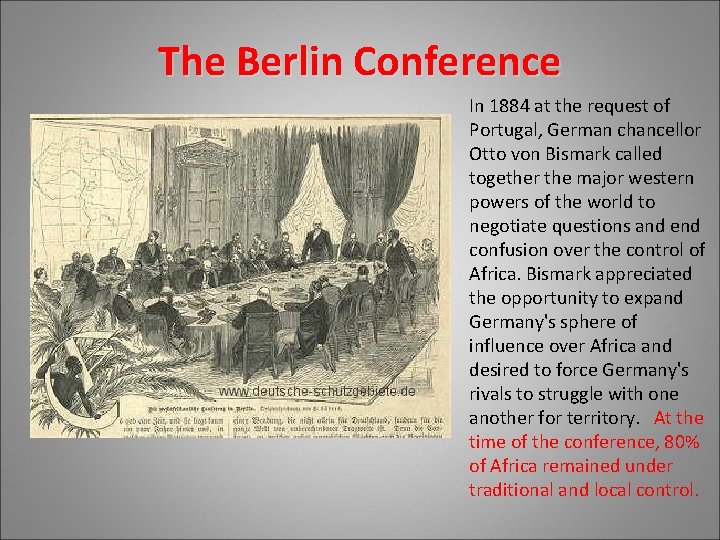
The Berlin Conference In 1884 at the request of Portugal, German chancellor Otto von Bismark called together the major western powers of the world to negotiate questions and end confusion over the control of Africa. Bismark appreciated the opportunity to expand Germany's sphere of influence over Africa and desired to force Germany's rivals to struggle with one another for territory. At the time of the conference, 80% of Africa remained under traditional and local control.
Berlin Conference (1884) Berlin Conference in 1884 led by Otto Von Bismarck, German Chancellor Series of Meetings in Berlin, Germany, held by European nations, Africa’s rulers not in attendance. Met to discuss how to divide Africa’s land. 20% of the Europeans already controlled. By the end of Colonialism most of Africa was under its control.
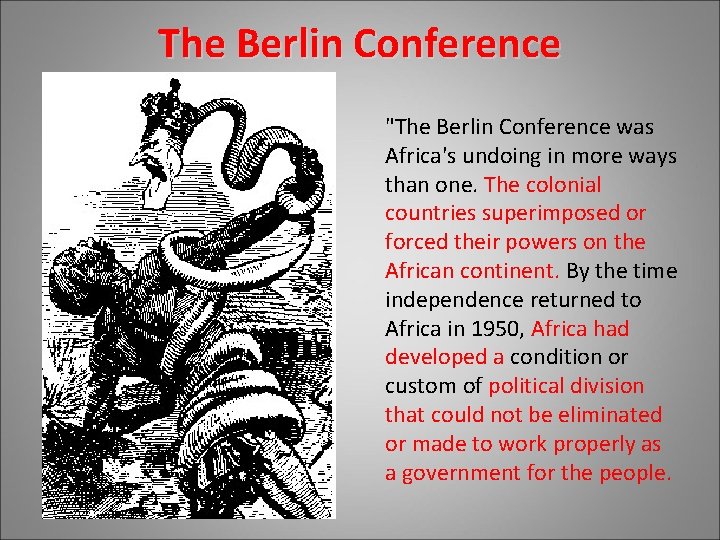
The Berlin Conference "The Berlin Conference was Africa's undoing in more ways than one. The colonial countries superimposed or forced their powers on the African continent. By the time independence returned to Africa in 1950, Africa had developed a condition or custom of political division that could not be eliminated or made to work properly as a government for the people.
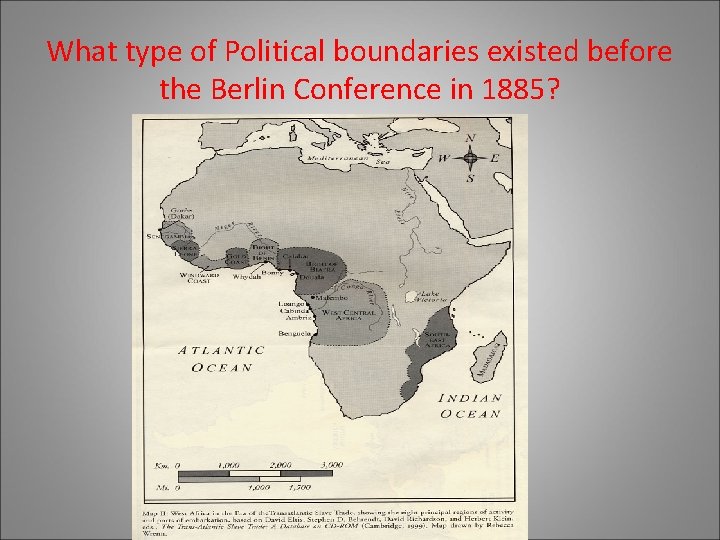
What type of Political boundaries existed before the Berlin Conference in 1885?
Political Boundaries after Berlin Conference.
Impact of Colonial Period/ Partitioning of Africa Negative Effects for African tribes lost control of their own countries. Land was confiscated for farms for the European colonies. Wars, revolts, and protests were common. Starvation and disease became widespread. “NEW BORDERS” were drawn that separated families and tribes. Conflicts broke out between tribes that were once friendly.
Impact of Colonial Period/ Partitioning of Africa Positive Effects for Africa Schools and hospitals built. Economy was improved by new governments. Roads and railroads were built. Health was improved (Health systems, etc…) Berlin Conference set a specific date for the end of the slave trade. • New technology elevated the standard of living. • • •
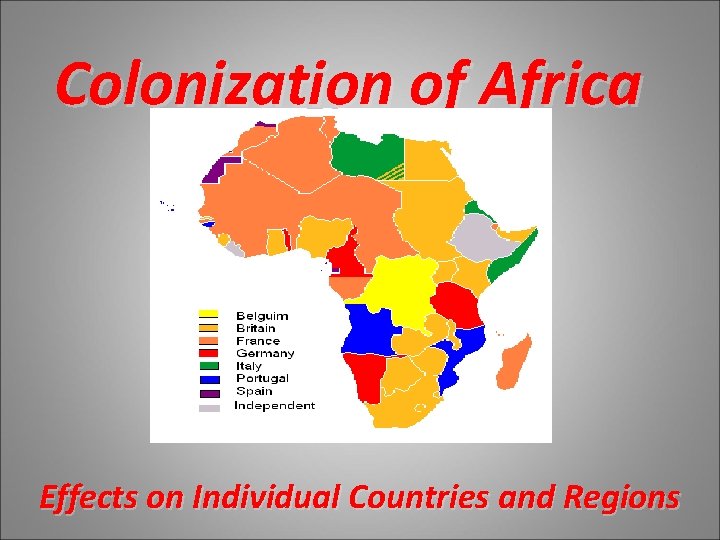
Colonization of Africa Effects on Individual Countries and Regions
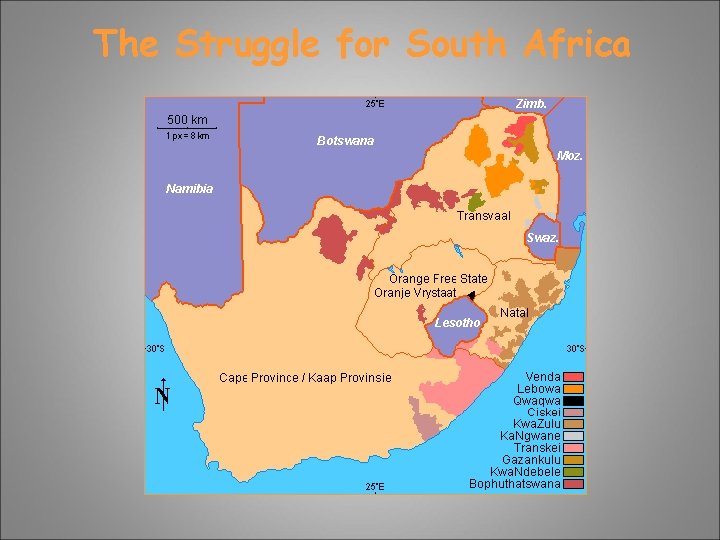
South Africa • Mid-1600 s, the Dutch established a small colony at the Cape of Good Hope (southernmost tip of Africa). • to serve as a trading post for ships on their way to Asia. • The Cape grew into a large colony, Dutch government began awarding Dutch settlers territories occupied by the native Africans. • In 1795 the Dutch Monarch invited Great Britain to take over South Africa.
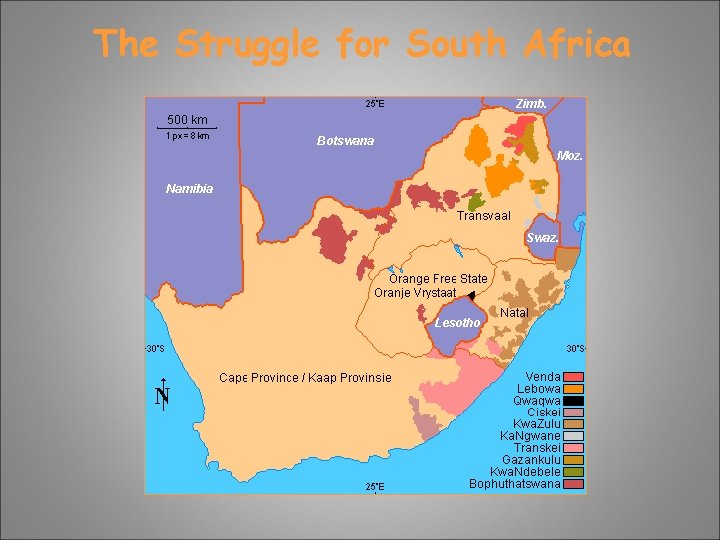
The Struggle for South Africa
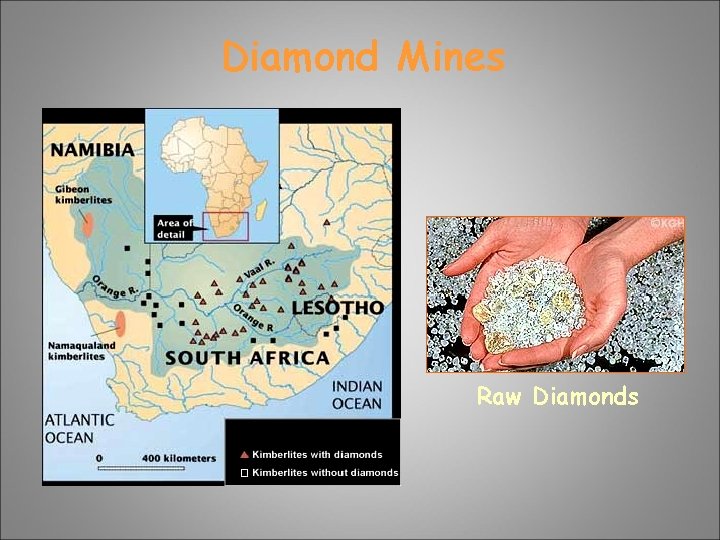
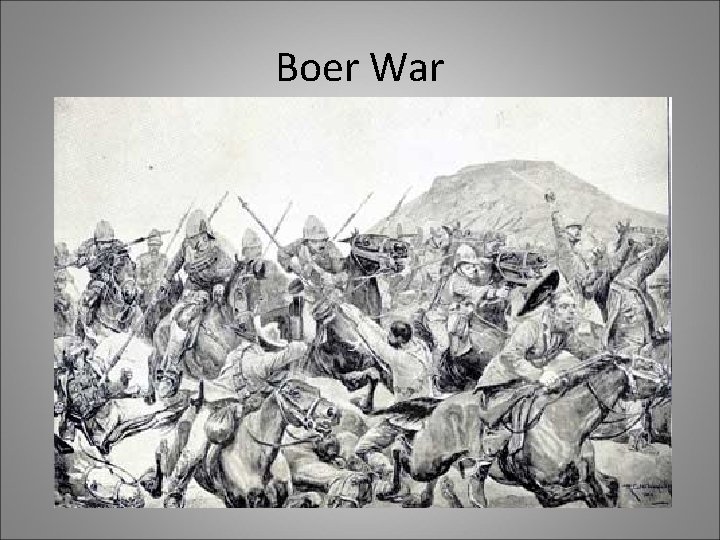
South Africa • Exacerbated tensions between British colonists and Afrikaners (white colonists of Dutch descent). • The British and Afrikaners, however, oppressed the black Africans. • Gold and Diamonds discovered in South Africa, led to violent conflicts between both groups. • From 1899 – 1902 they fought one another in the Boer War. • Both groups used black Africans. • Many blacks and Afrikaners died in British concentration camps and suffered due to Britain's scorched earth warfare.
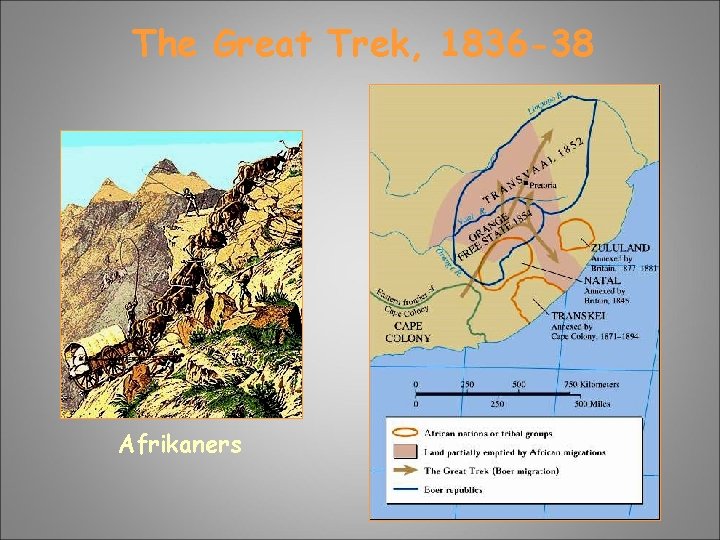
The Great Trek, 1836 -38 Afrikaners
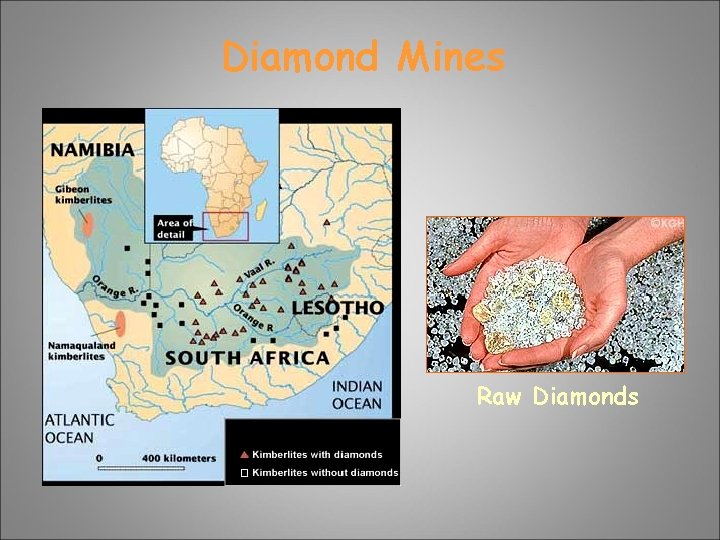
Diamond Mines Raw Diamonds
Boer-British Tensions Increase v 1877 – Britain annexed the Transvaal. v 1883 – Boers fought British in the Transvaal and regained its independence. - Paul Kruger becomes President. v 1880 s – Gold discovered in the Transvaal
Boer War • Scorched earth tactics caused devastation and starvation among much of the black population as well. • Britain's brutal tactics still remain a source of resentment between Afrikaners and Englishspeaking whites in South Africa.
Boer War
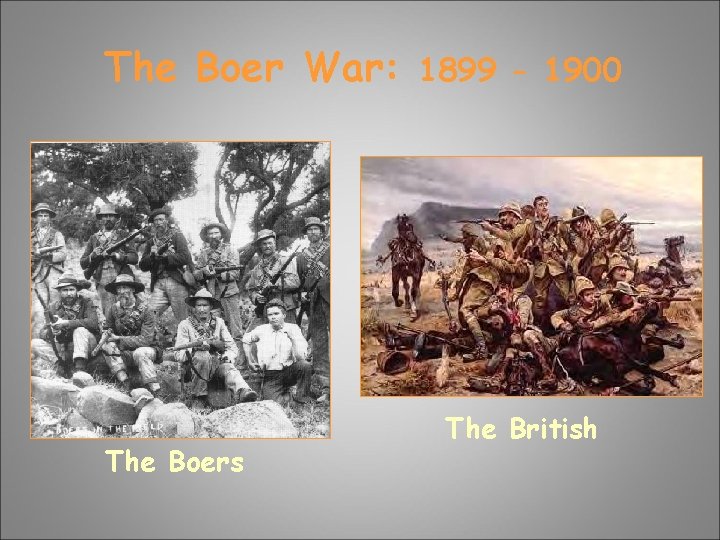
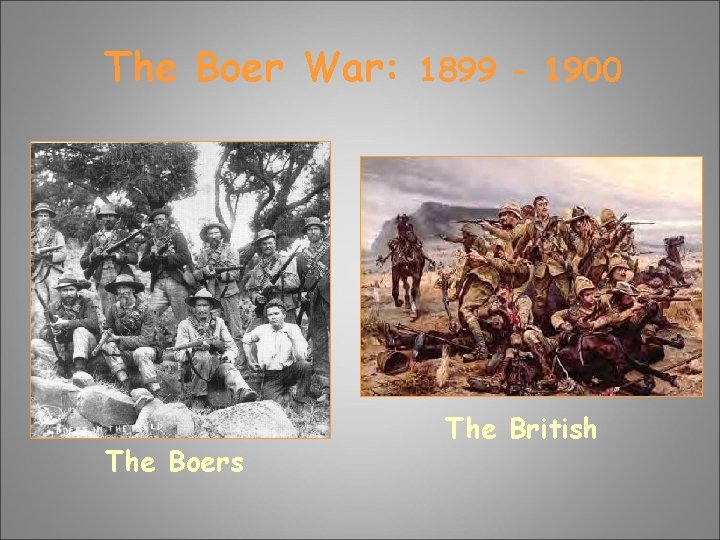
The Boer War: The Boers 1899 - 1900 The British
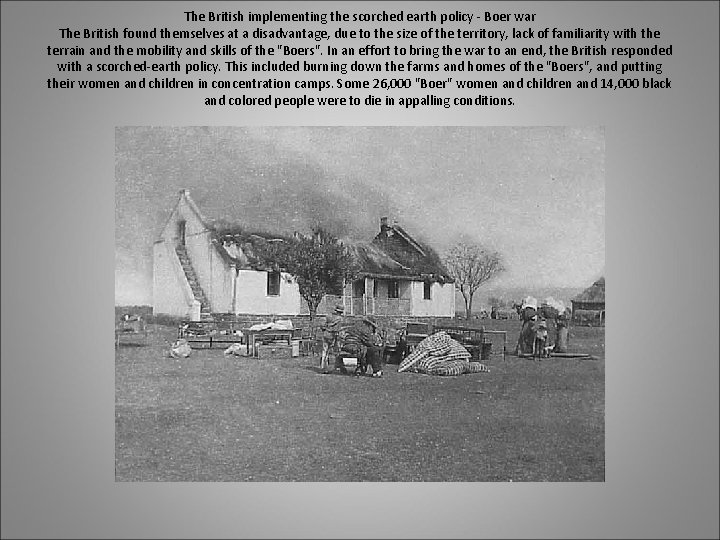
The British implementing the scorched earth policy - Boer war The British found themselves at a disadvantage, due to the size of the territory, lack of familiarity with the terrain and the mobility and skills of the "Boers". In an effort to bring the war to an end, the British responded with a scorched-earth policy. This included burning down the farms and homes of the "Boers", and putting their women and children in concentration camps. Some 26, 000 "Boer" women and children and 14, 000 black and colored people were to die in appalling conditions.
European Powers involved in Colonization • Belgium a) King Leopold II claimed much of the African Congo. b) African Congo became best known for their rubber plantations and ivory. • East Africa
The _______controlled British much of East Africa. Large numbers of Europeans settled in Kenya. But most colonial rulers used African deputies to control the countries. Many deputies were traditional chiefs. They often favored their own peoples. This caused conflict between ethnic groups.
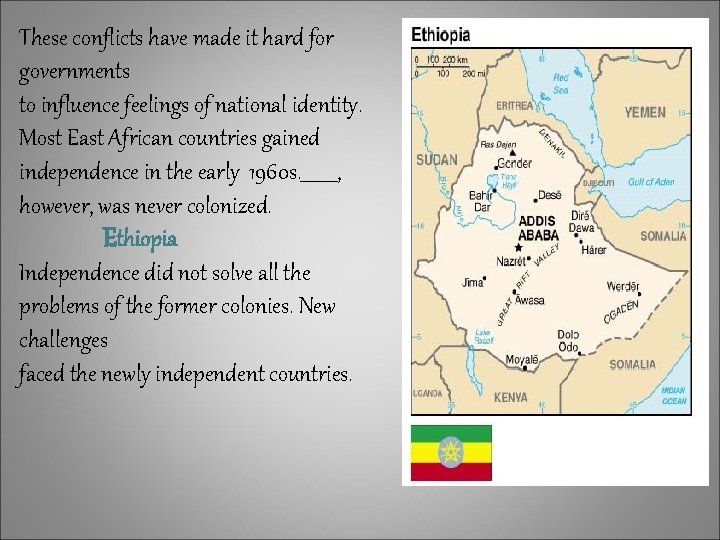
These conflicts have made it hard for governments to influence feelings of national identity. Most East African countries gained independence in the early 1960 s. ____, however, was never colonized. Ethiopia Independence did not solve all the problems of the former colonies. New challenges faced the newly independent countries.
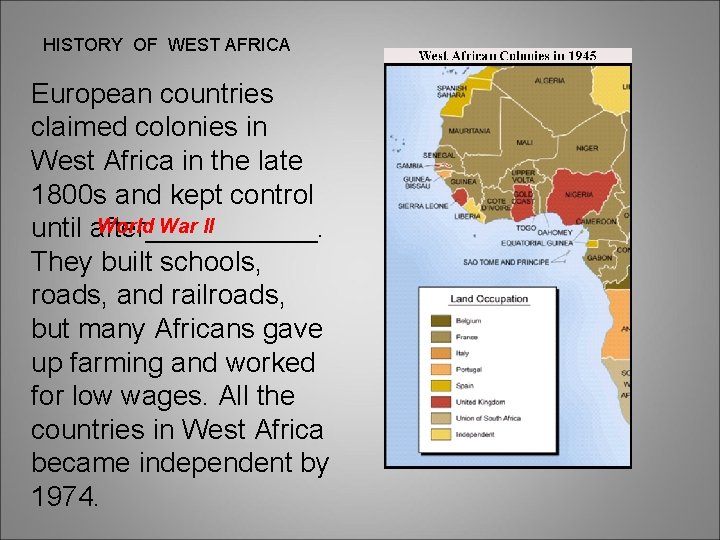
HISTORY OF WEST AFRICA European countries claimed colonies in West Africa in the late 1800 s and kept control World War II until after______. They built schools, roads, and railroads, but many Africans gave up farming and worked for low wages. All the countries in West Africa became independent by 1974.
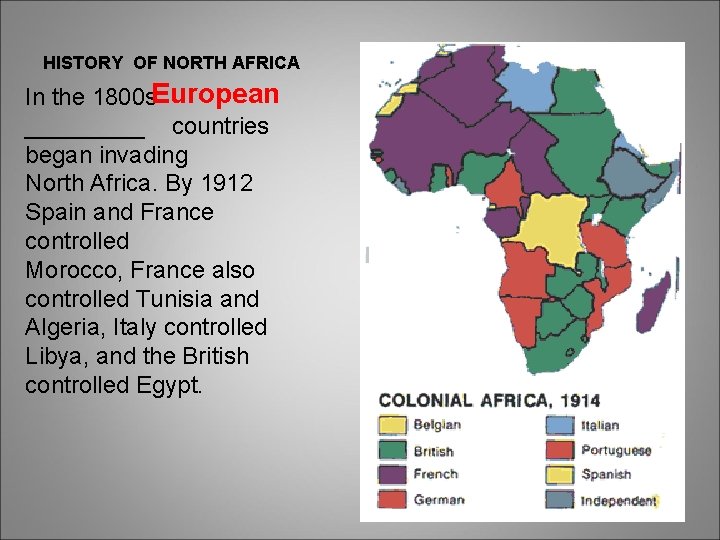
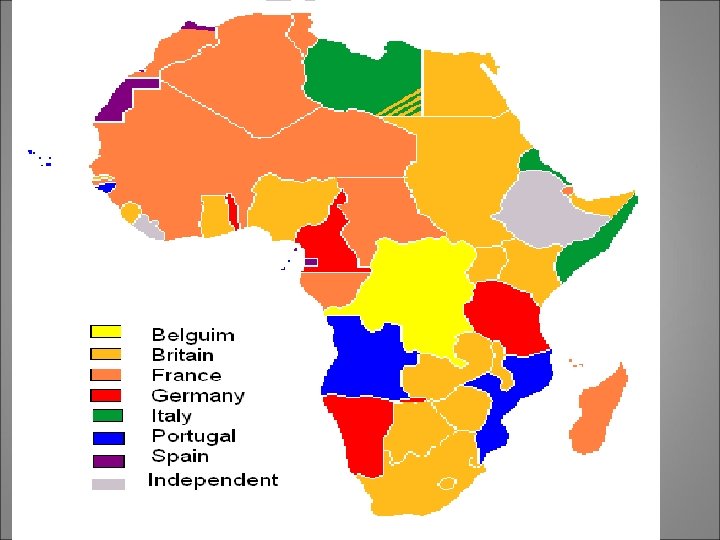
HISTORY OF NORTH AFRICA In the 1800 s. European _____ countries began invading North Africa. By 1912 Spain and France controlled Morocco, France also controlled Tunisia and Algeria, Italy controlled Libya, and the British controlled Egypt.
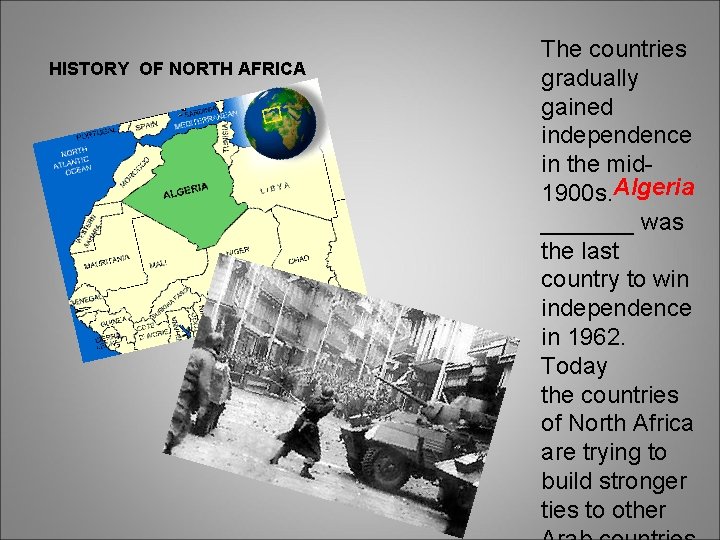
HISTORY OF NORTH AFRICA The countries gradually gained independence in the mid 1900 s. Algeria _______ was the last country to win independence in 1962. Today the countries of North Africa are trying to build stronger ties to other
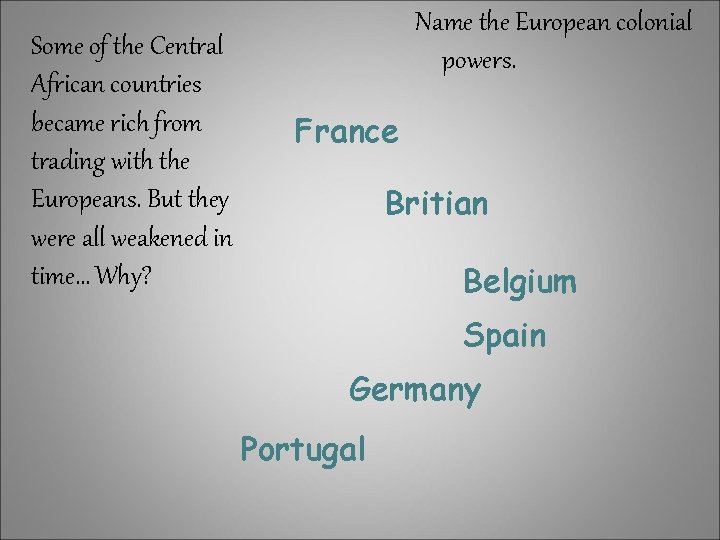
Some of the Central African countries became rich from trading with the Europeans. But they were all weakened in time… Why? Name the European colonial powers. France Britian Belgium Spain Germany Portugal
The people of Central Africa speak hundreds of different languages. They also speak regional varieties of the same language or ______. Dialects The reason for the great variety is that each ethnic group speaks its own native languae or dialect of one such as _____. However each country has an offical language as Bantu well.
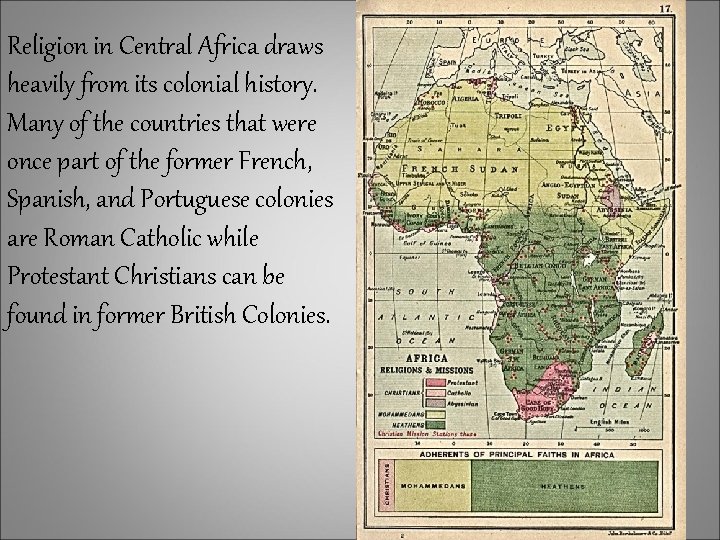
Religion in Central Africa draws heavily from its colonial history. Many of the countries that were once part of the former French, Spanish, and Portuguese colonies are Roman Catholic while Protestant Christians can be found in former British Colonies.
Dutch Landing in 1652
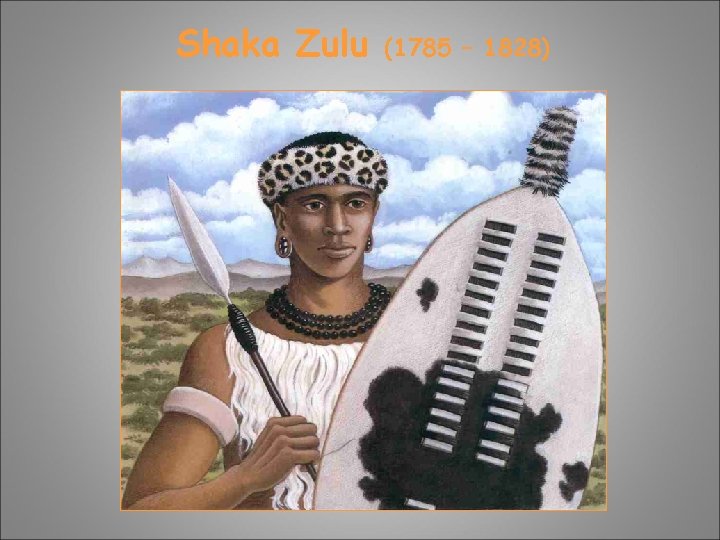
Shaka Zulu (1785 – 1828)
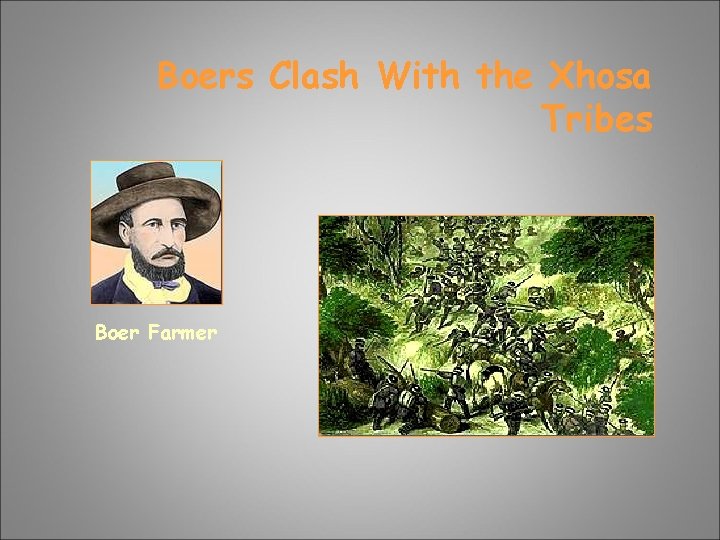
Boers Clash With the Xhosa Tribes Boer Farmer
The Great Trek, 1836 -38 Afrikaners
Diamond Mines Raw Diamonds
The Struggle for South Africa
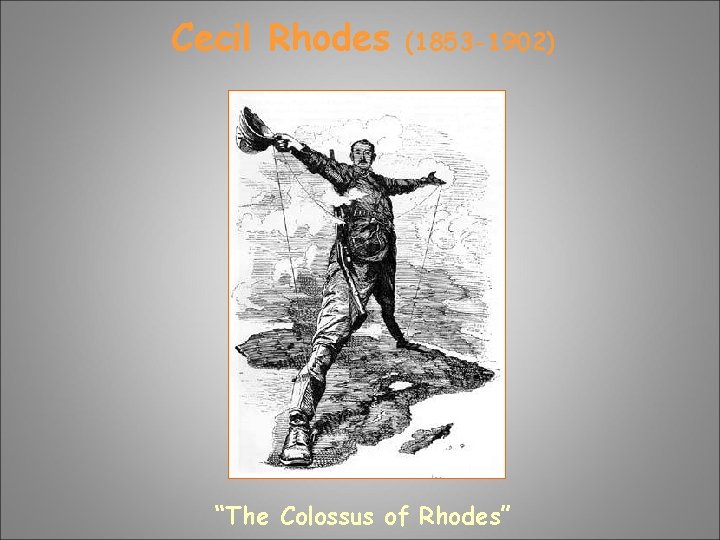
Cecil Rhodes (1853 -1902) “The Colossus of Rhodes”
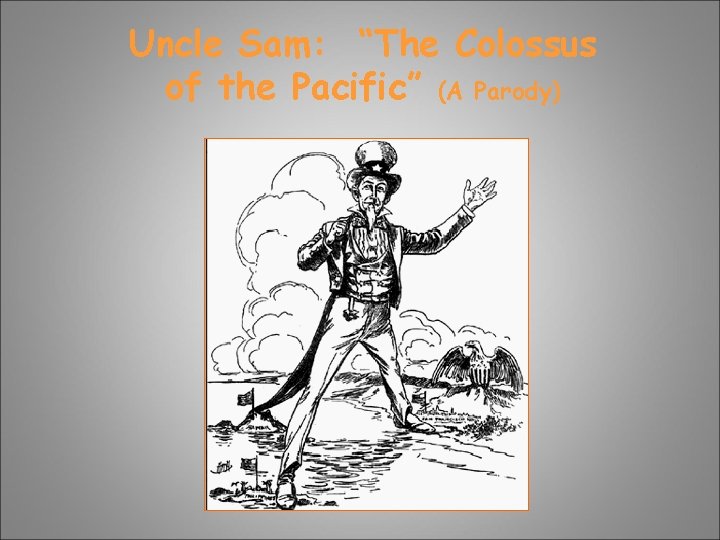
Uncle Sam: “The Colossus of the Pacific” (A Parody)
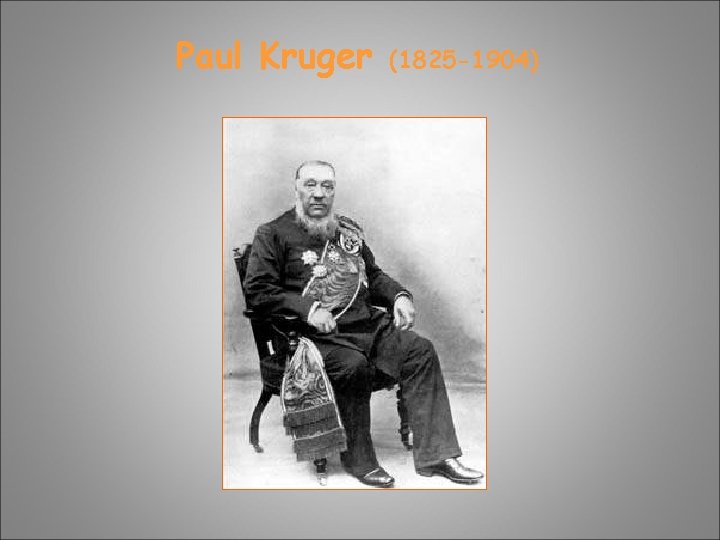
Paul Kruger (1825 -1904)
Boer-British Tensions Increase v 1877 – Britain annexed the Transvaal. v 1883 – Boers fought British in the Transvaal and regained its independence. - Paul Kruger becomes President. v 1880 s – Gold discovered in the Transvaal
The Boer War: The Boers 1899 - 1900 The British
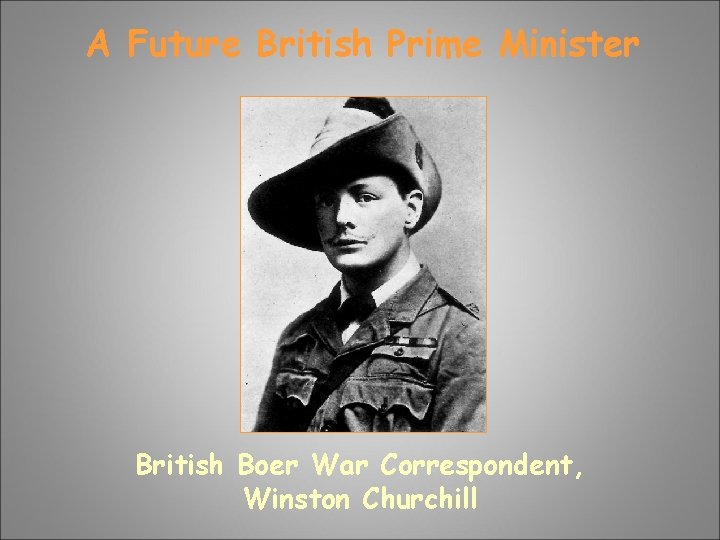
A Future British Prime Minister British Boer War Correspondent, Winston Churchill