
Colonial Latin America How did Portugal and Spain

- Slides: 48
Colonial Latin America How did Portugal and Spain profit from their colonies in Latin America?
The BIG Idea Competition Among Countries Portugal and Spain reaped profits from the natural resources and products of their Latin American colonies.
Content Vocabulary • peninsulares • mulattoes • creoles • mita • mestizos Academic Vocabulary • labor • draft
People and Places • Brazil • Juana Inés de la Cruz
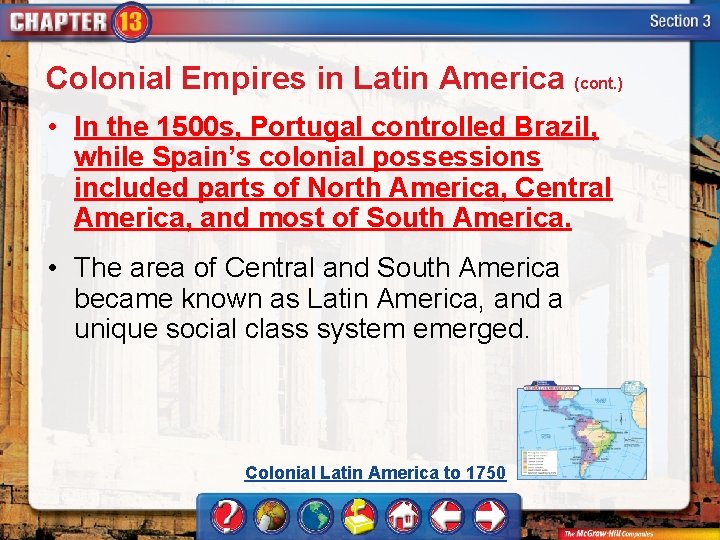
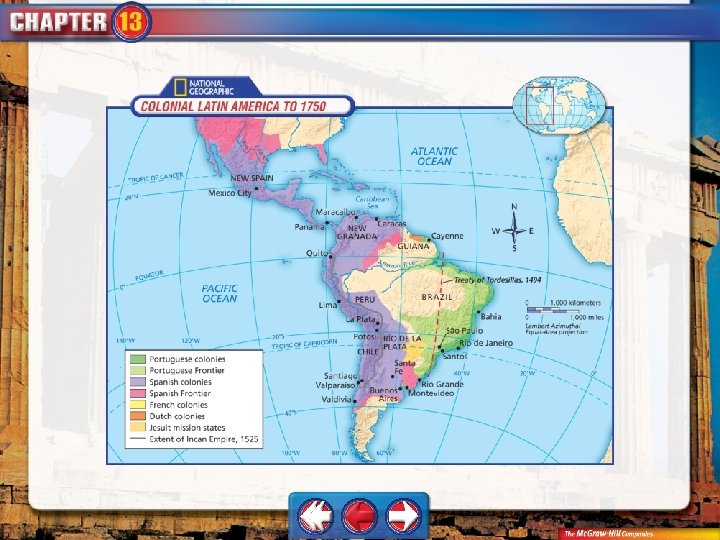
Colonial Empires in Latin America (cont. ) • In the 1500 s, Portugal controlled Brazil, while Spain’s colonial possessions included parts of North America, Central America, and most of South America. • The area of Central and South America became known as Latin America, and a unique social class system emerged. Colonial Latin America to 1750
Colonial Empires in Latin America (cont. ) • Colonial Latin America Social Order: – Peninsulares: Spanish and Portuguese officials born in Europe; they held all important government positions. – Creoles: Descendants of Europeans who were born in Latin America; they controlled business and land. – Mestizos: The offspring of European and Native American intermarriage.
Colonial Empires in Latin America (cont. ) – Mulattoes: The offspring of Africans and Europeans. – Conquered Native Americans and enslaved Africans.
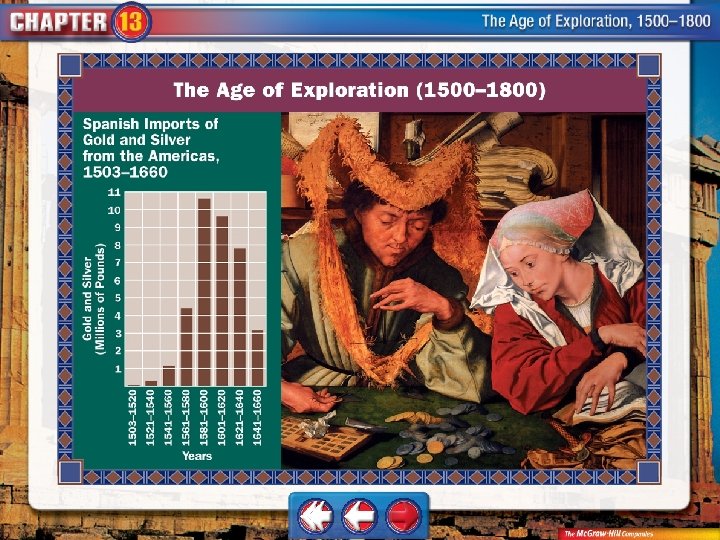
Colonial Empires in Latin America (cont. ) • Europeans utilized the Native Americans as labor. They used the encomienda system and mita to sustain a viable labor force. • Gold and silver from the colonies offered immediate wealth to the Europeans. Products, such as tobacco, sugar, and animal hides were traded to Europe in return for finished products.
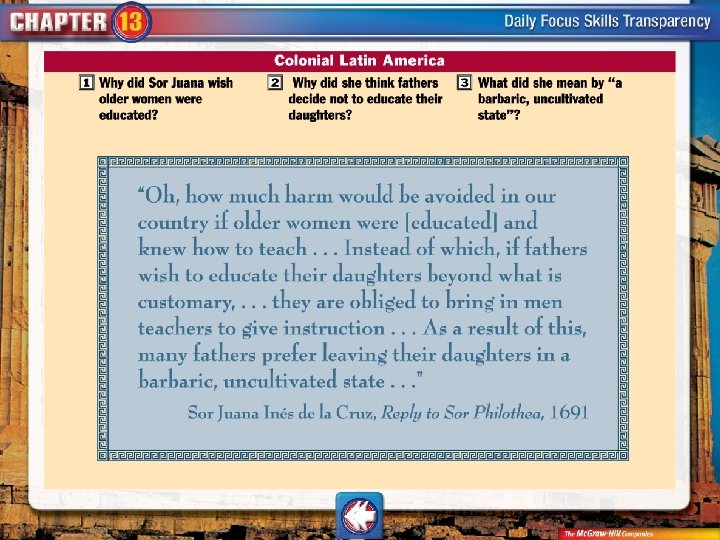
Colonial Empires in Latin America (cont. ) • To control their colonial possessions in the Americas, Portugal and Spain used governor-generals to develop a bureaucracy and carry out imperial policies. • Catholic missionaries were also instrumental in converting and maintaining order within the colonial territories. • The Catholic Church provided an outlet other than marriage for women. Many nuns like Juana Inés de la Cruz, urged convents to educate women on subjects beyond religion.
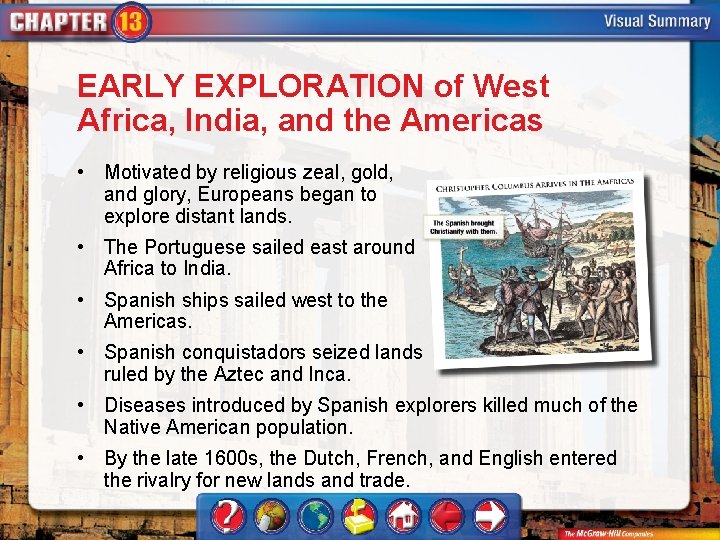
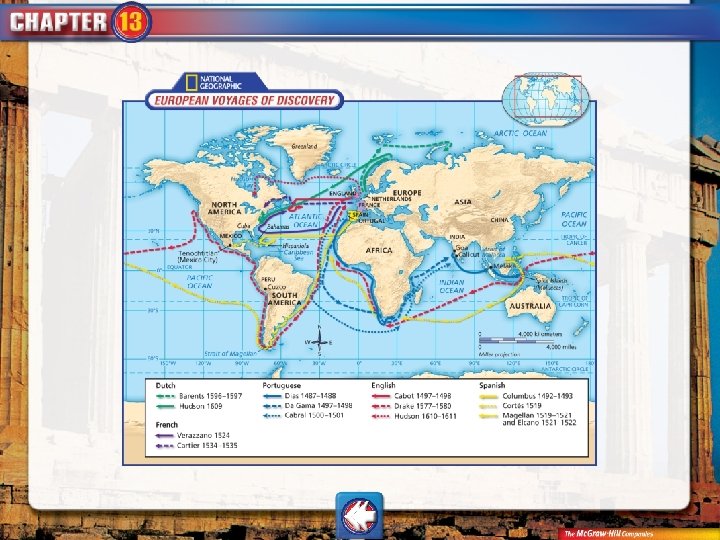
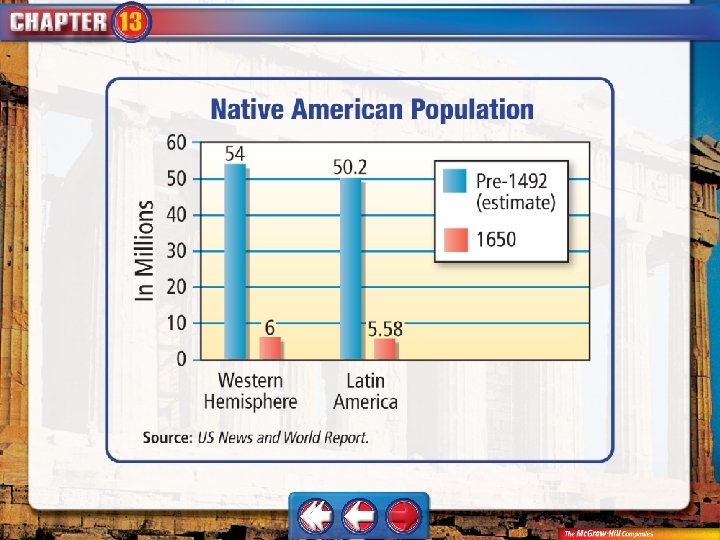
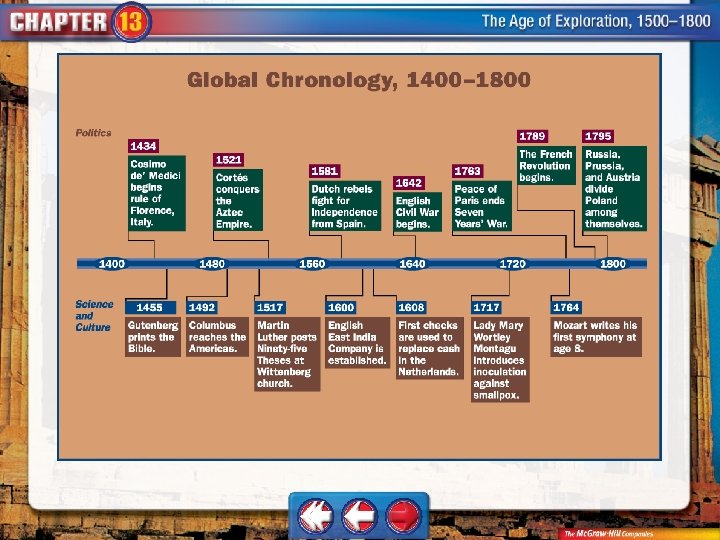
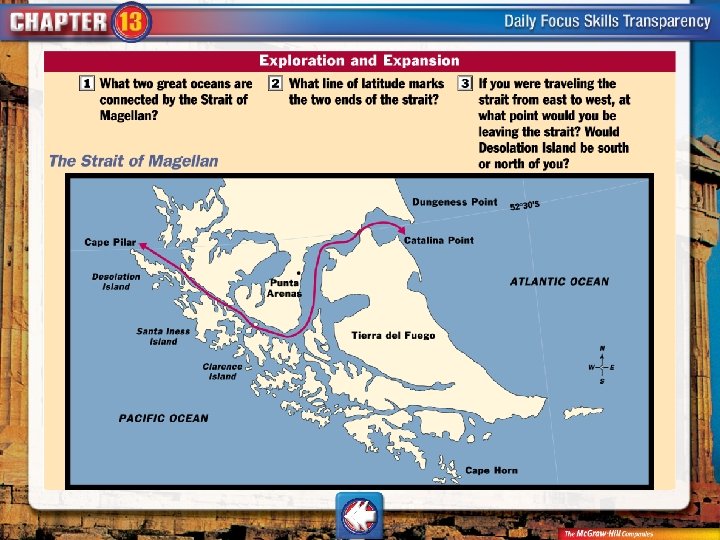
EARLY EXPLORATION of West Africa, India, and the Americas • Motivated by religious zeal, gold, and glory, Europeans began to explore distant lands. • The Portuguese sailed east around Africa to India. • Spanish ships sailed west to the Americas. • Spanish conquistadors seized lands ruled by the Aztec and Inca. • Diseases introduced by Spanish explorers killed much of the Native American population. • By the late 1600 s, the Dutch, French, and English entered the rivalry for new lands and trade.
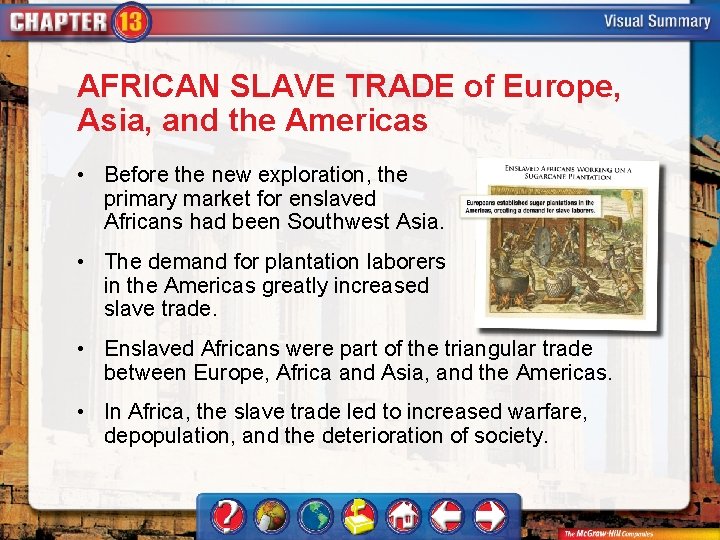
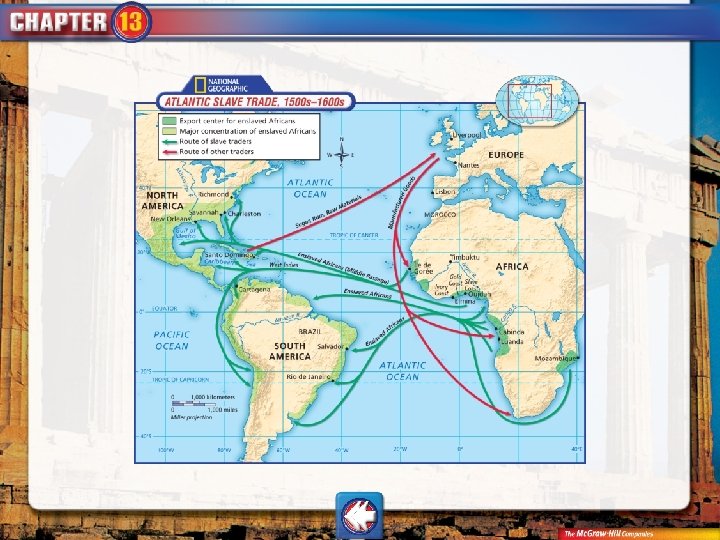
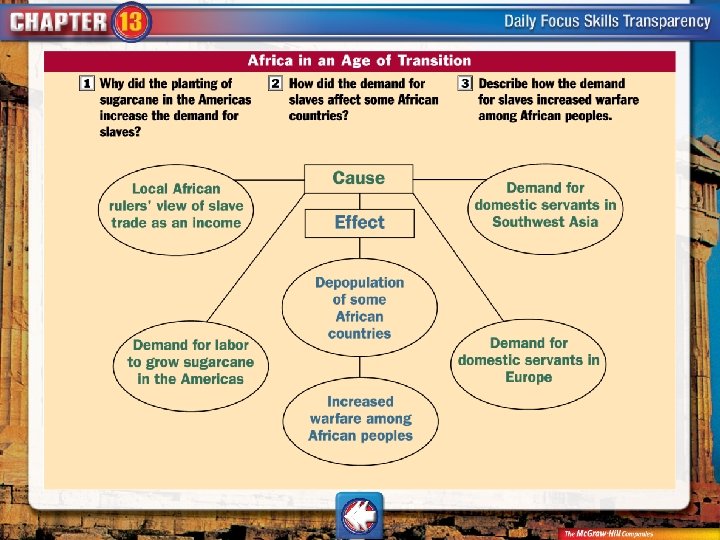
AFRICAN SLAVE TRADE of Europe, Asia, and the Americas • Before the new exploration, the primary market for enslaved Africans had been Southwest Asia. • The demand for plantation laborers in the Americas greatly increased slave trade. • Enslaved Africans were part of the triangular trade between Europe, Africa and Asia, and the Americas. • In Africa, the slave trade led to increased warfare, depopulation, and the deterioration of society.
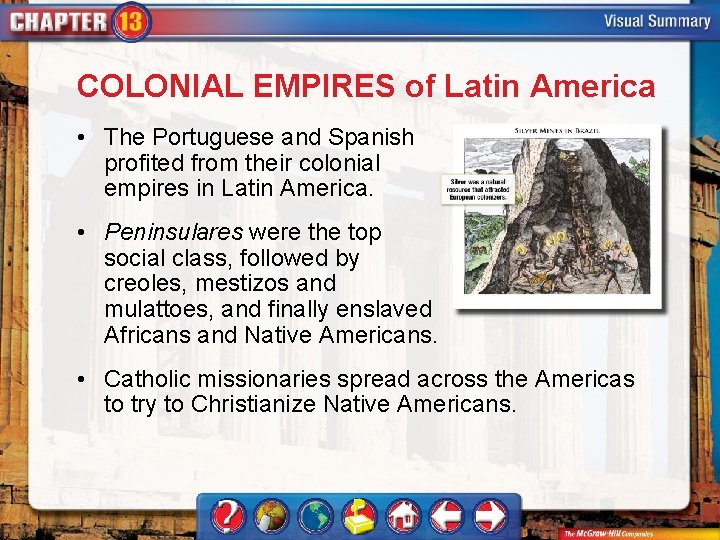
COLONIAL EMPIRES of Latin America • The Portuguese and Spanish profited from their colonial empires in Latin America. • Peninsulares were the top social class, followed by creoles, mestizos and mulattoes, and finally enslaved Africans and Native Americans. • Catholic missionaries spread across the Americas to try to Christianize Native Americans.
Chapter Transparencies Menu Chapter Transparency Unit Time Line Transparency Cause-and-Effect Transparency Select a transparency to view.
conquistador a Spanish conqueror of the Americas
encomienda a system of labor the Spanish used in the Americas; Spanish landowners had the right, as granted by Queen Isabella, to use Native Americans as laborers
Columbian Exchange the extensive exchange of plants and animals between the Old and New Worlds, especially during the sixteenth and seventeenth centuries
overseas movement or transport over the sea; land beyond the sea
percent a part of a whole divided into 100 parts
colony a settlement of people living in a new territory, linked with the parent country by trade and direct government control
mercantilism a set of principles that dominated economic thought in the seventeenth century; it held that the prosperity of a nation depended on a large supply of gold and silver
balance of trade the difference in value beween what a nation imports and what it exports over time
subsidy government payment to encourage or protect a certain economic activity
plantation a large agricultural estate
triangular trade a pattern of trade that connected Europe, Africa and Asia, and the American continents; typically, manufactured goods from Europe were sent to Africa, where they were exchanged for enslaved persons, who were sent to the Americas, where they were exchanged for raw materials that were then sent to Europe
Middle Passage the journey of enslaved persons from Africa to the Americas, so called because it was the middle portion of the triangular trade route
transportation means of travel from one place to another
primary most important
peninsulare a person born on the Iberian Peninsula; typically, a Spanish or Portuguese official who resided temporarily in Latin America for political and economic gain and then returned to Europe
creole a person of European descent born in the New World and living there permanently
mestizo a person of mixed European and Native American Indian descent
mulatto a person of mixed African and European descent
mita a labor system that the Spanish administrators in Peru used to draft native people to work in the Spanish landowners’ silver mines
labor people with all their abilities and efforts
draft to select for some purpose; to conscript
To use this Presentation Plus! product: Click the Forward button to go to the next slide. Click the Previous button to return to the previous slide. Click the Home button to return to the Chapter Menu. Click the Transparency button from the Chapter Menu, Chapter Introduction slides, or Visual Summary slides to access the transparencies that are relevant to this chapter. From within a section, click on this button to access the relevant Daily Focus Skills Transparency. Click the Return button in a feature to return to the main presentation. Click the History Online button to access online textbook features. Click the Reference Atlas button to access the Interactive Reference Atlas. Click the Exit button or press the Escape key [Esc] to end the slide show. Click the Help button to access this screen. Links to Presentation Plus! features such as Maps in Motion, Graphs in Motion, Charts in Motion, Concepts in Motion, and figures from your textbook are located at the bottom of relevant screens.
This slide is intentionally blank.