
Colon disease Dr mohammadzadeh Arterial blood supply to
Colon disease Dr. mohammadzadeh
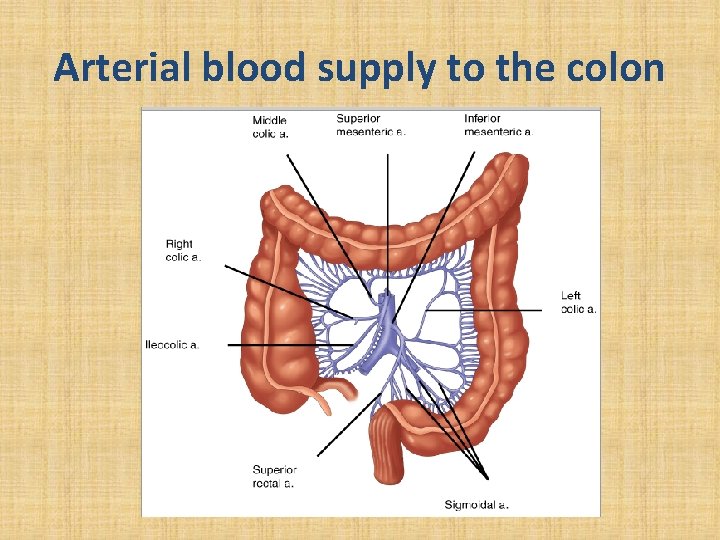
Arterial blood supply to the colon

Venous drainage of the colon
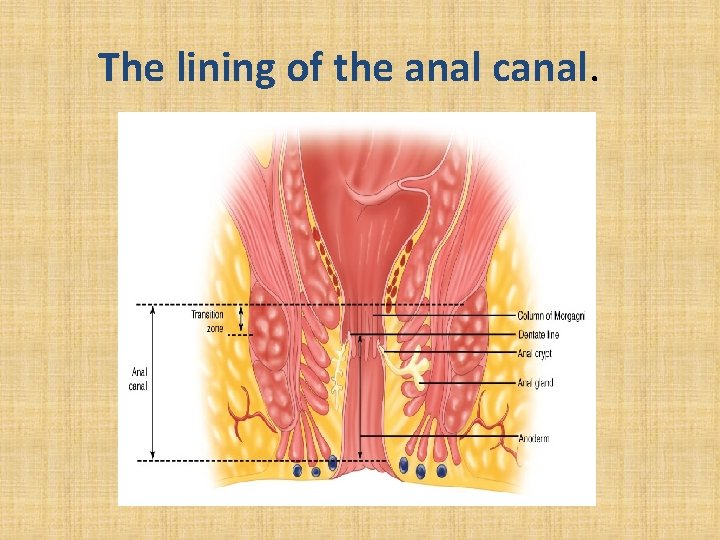
The lining of the anal canal.
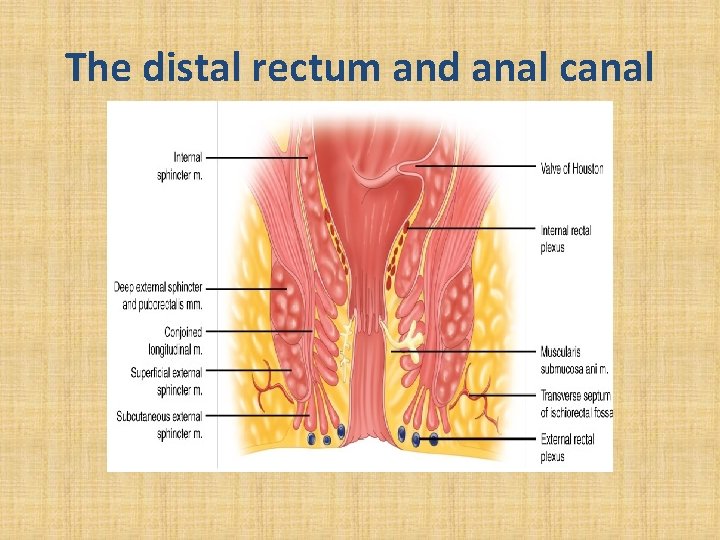
The distal rectum and anal canal
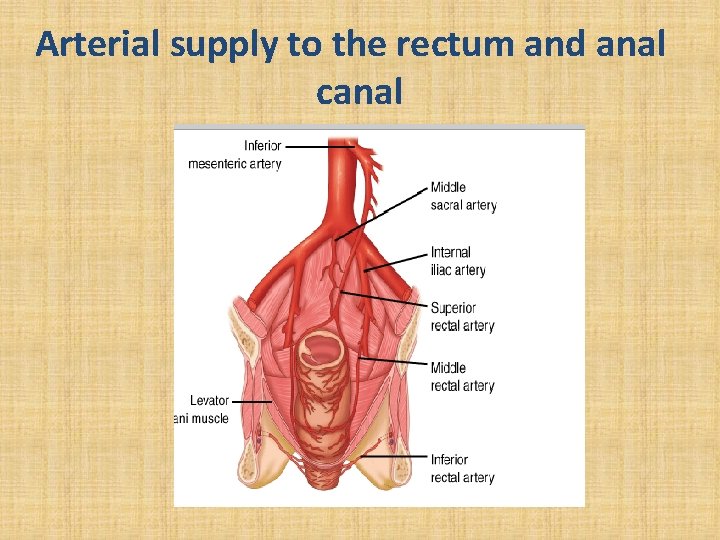
Arterial supply to the rectum and anal canal
Inflammatory Bowel Disease • Inflammatory bowel disease includes ulcerative colitis, Crohn's disease, and indeterminate colitis. • Ulcerative colitis occurs in eight to 15 people per 100, 000 in the United States and Northern Europe. • The incidence is considerably lower in Asia, Africa, and South America. • Ulcerative colitis incidence peaks during the third decade of life and again in the seventh decade of life. • The incidence of Crohn's disease is slightly lower, one to five people per 100000. • In 15% of patients with inflammatory bowel disease, differentiation between ulcerative colitis and Crohn's colitis is impossible; these patients are classified as having indeterminate colitis
Principles of Nonoperative Management Salicylates: Sulfasalazine (Azulfidine), 5 -ASA, and related compounds • Antibiotics • Corticosteroids • Immunosuppressive Agents
Indications for surgery in ulcerative colitis • Emergency surgery : massive life-threatening hemorrhage, toxic megacolon, or fulminant colitis who fail to respond rapidly to medical therapy
Con… • Indications for elective surgery : intractability despite maximal medical therapy high-risk development of major complications of medical therapy, such as aseptic necrosis of joints secondary to chronic steroid use. In patients at significant risk of developing colorectal carcinoma.
• Risk of malignancy increases with pancolonic disease and the duration of symptoms is approximately 2% after 10 years, 8% after 20 years, and 18% after 30 years
Indications for Surgery in Crohn • In Crohn's disease, it is impossible to remove all of the at-risk intestine; therefore, surgical therapy is reserved for complications of the disease. • fistulas and/or intra-abdominal abscesses. • strictures
Crohn's Colitis • fulminant colitis or toxic megacolon. • In this setting, treatment is identical to treatment of fulminant colitis and toxic megacolon secondary to ulcerative colitis.
Anal and Perianal Crohn's Disease • Anal and perianal manifestations of Crohn's disease are very common. • Anal or perianal disease occurs in 35% of all patients with Crohn's disease. • Isolated anal Crohn's disease is uncommon, affecting only 3 to 4% of patients.
• The most common perianal lesions in Crohn's disease are skin tags that are minimally symptomatic. • Fissures also are common. Typically, a fissure from Crohn's disease is particularly deep or broad and perhaps better described as an anal ulcer. They often are multiple and located in a lateral position rather than anterior or posterior midline as seen in an idiopathic fissure in ano. • Perianal abscess and fistulas are common and can be particularly challenging. Fistulas tend to be complex and often have multiple tracts. • Hemorrhoids are not more common in patients with Crohn's disease than in the general population, although many patients tend to attribute any anal or perianal symptom to "hemorrhoids. "
Nomenclature Diverticulum = sac-like protrusion of the • colonic wall Diverticulosis = describes the presence of • diverticuli Diverticulitis = inflammation of diverticuli •
Epidemiology Before the 20 th century, diverticular disease • was rare Prevalence has increased over time • 1907 First reported resection of complicated – diverticulitis by Mayo 19255 -10% – 196935 -50% –
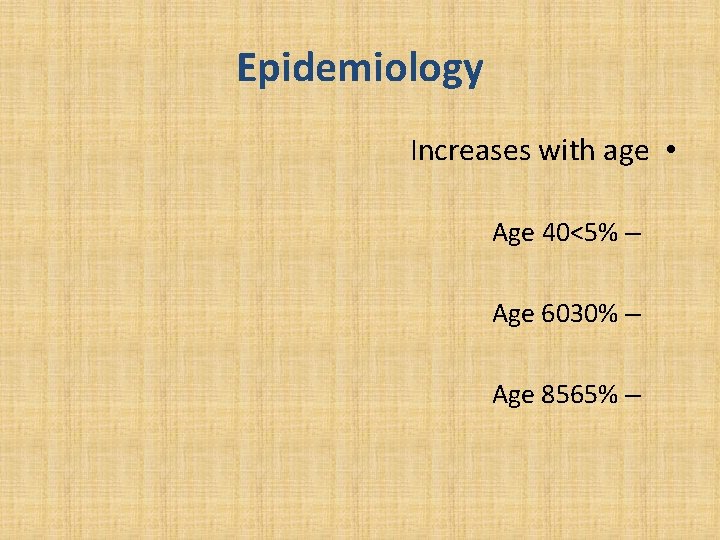
Epidemiology Increases with age • Age 40<5% – Age 6030% – Age 8565% –
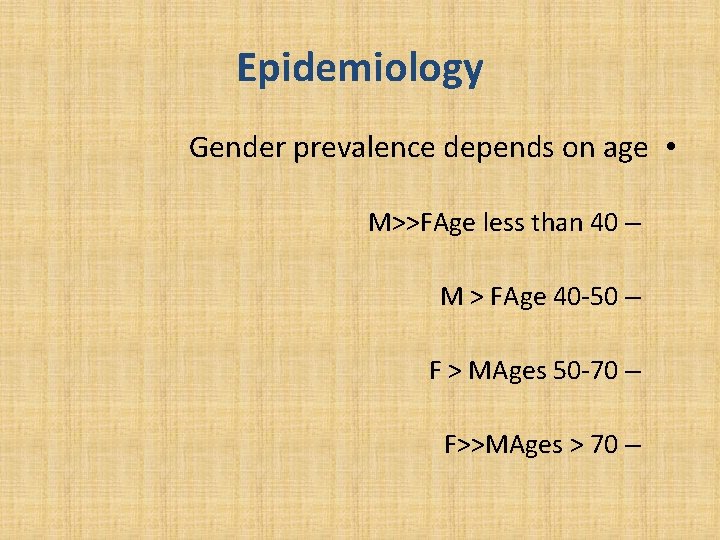
Epidemiology Gender prevalence depends on age • M>>FAge less than 40 – M > FAge 40 -50 – F > MAges 50 -70 – F>>MAges > 70 –
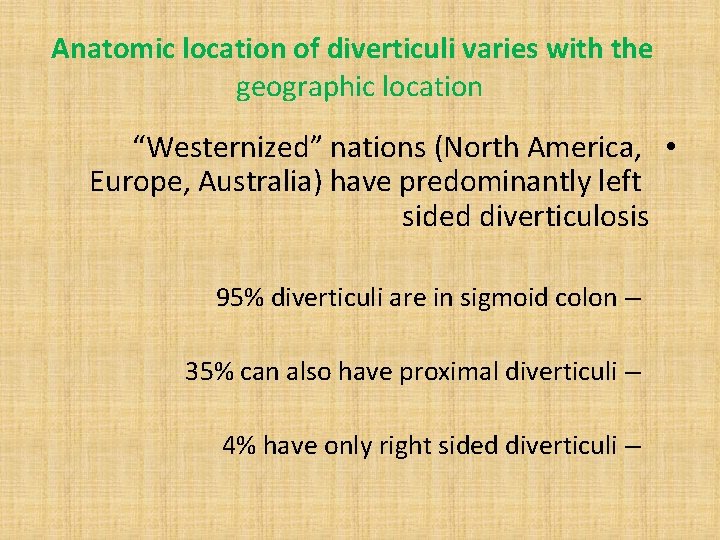
Anatomic location of diverticuli varies with the geographic location “Westernized” nations (North America, • Europe, Australia) have predominantly left sided diverticulosis 95% diverticuli are in sigmoid colon – 35% can also have proximal diverticuli – 4% have only right sided diverticuli –
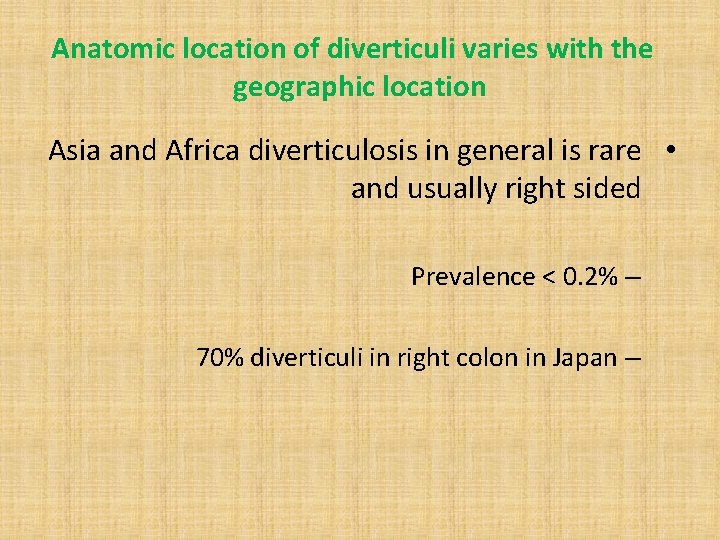
Anatomic location of diverticuli varies with the geographic location Asia and Africa diverticulosis in general is rare • and usually right sided Prevalence < 0. 2% – 70% diverticuli in right colon in Japan –
What exactly is a diverticulum? True diverticulum contains all layers of the GI wall – (mucosa to serosa) Colonic pseudo-diverticulum more like a local – hernia Mucosa-submucosa herniates through the muscle layer • (muscularis propria) and then is only covered by serosa
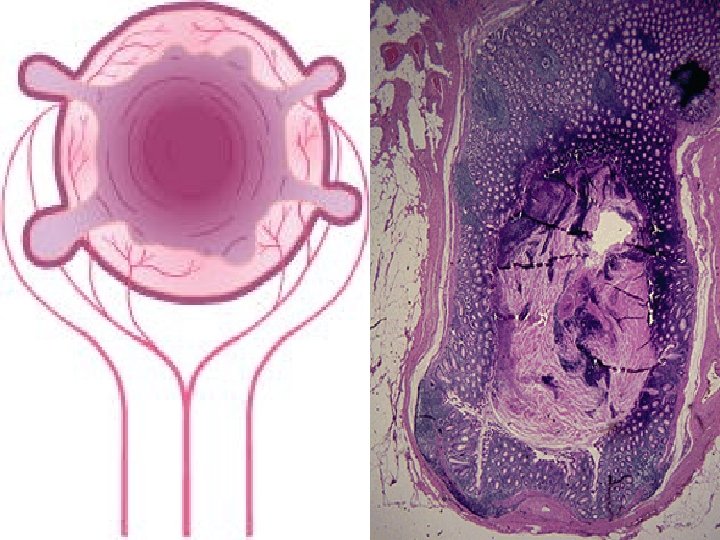
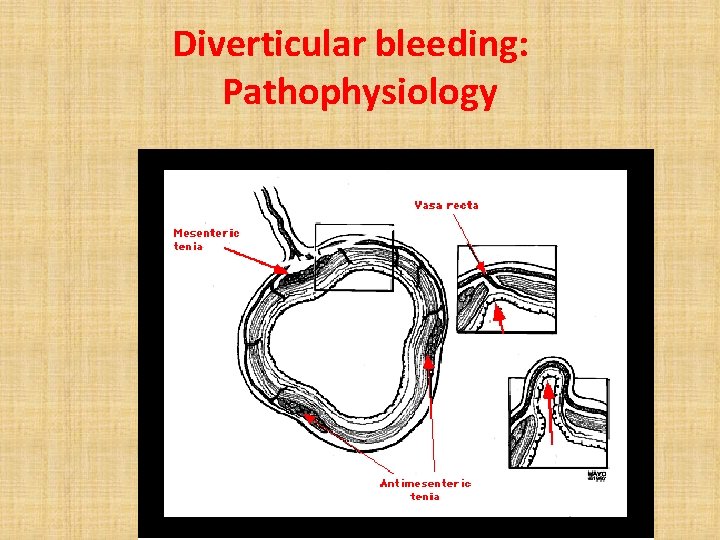
Pathophysiology Diverticuli develop in ‘weak’ regions of the • colon. Specifically, local hernias develop where the vasa recta penetrate the bowel wall
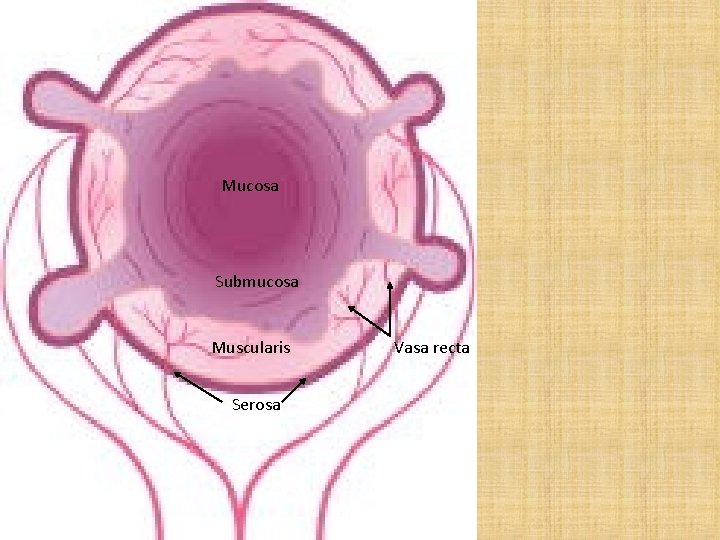
Mucosa Submucosa Muscularis Serosa Vasa recta
Pathophysiology Law of Laplace: P = k. T / R • Pressure = K x Tension / Radius • Sigmoid colon has small diameter resulting in • highest pressure zone
Pathophysiology Segmentation = motility process in which the segmental muscular contractions separate the lumen into chambers • Segmentation increased intraluminal pressure mucosal • herniation Diverticulosis May explain why high fiber prevents diverticuli by creating a larger – diameter colon and less vigorous segmentation
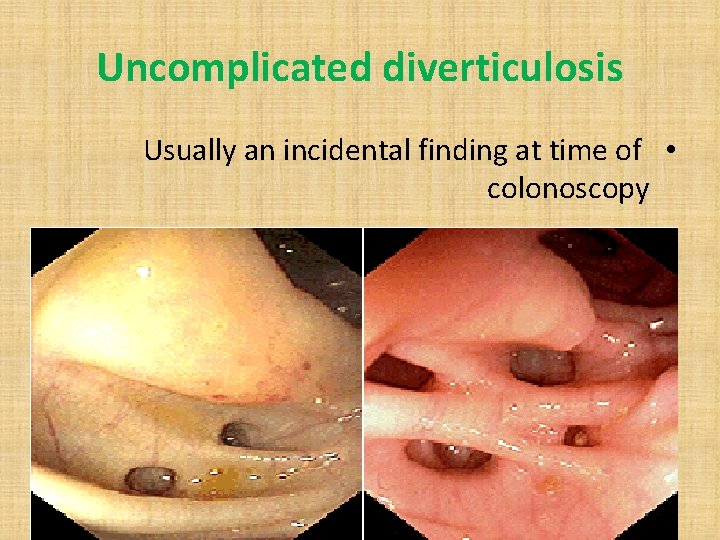
Uncomplicated diverticulosis Usually an incidental finding at time of • colonoscopy
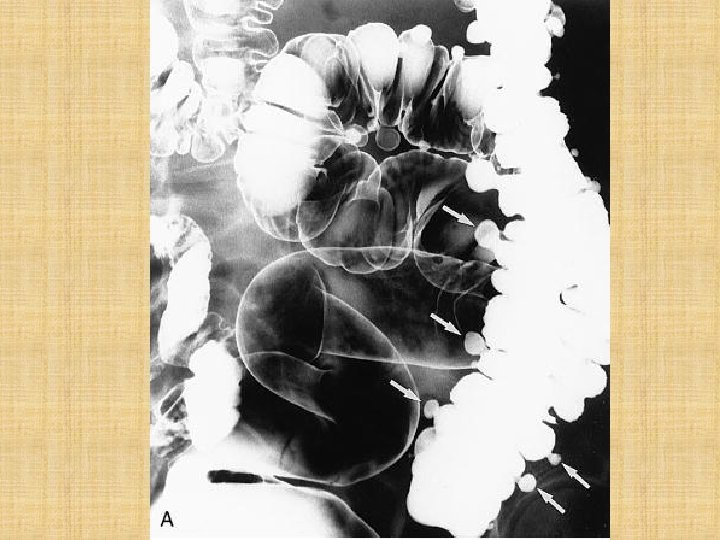
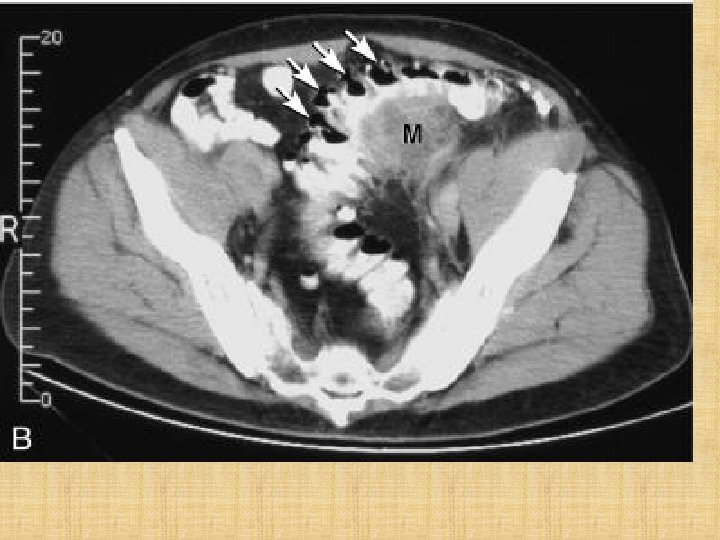
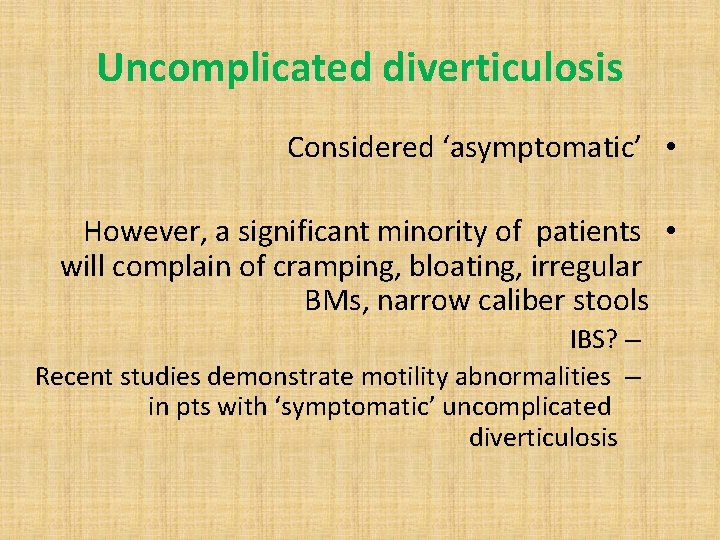
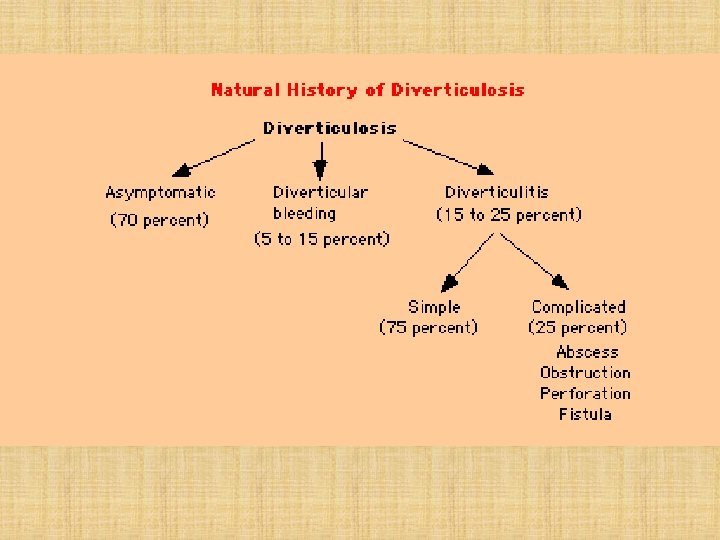
Uncomplicated diverticulosis Considered ‘asymptomatic’ • However, a significant minority of patients • will complain of cramping, bloating, irregular BMs, narrow caliber stools IBS? – Recent studies demonstrate motility abnormalities – in pts with ‘symptomatic’ uncomplicated diverticulosis
Uncomplicated diverticulosis Treatment: Fiber • Bulk content reduces colonic pressure preventing – underlying pathophysiology that lead to diverticulosis 20 to 30 g fiber per day is needed; difficult to get – with diet alone
Pathophysiology of Diverticulitis Erosion of diverticular wall from increased • intraluminal pressure inflammation focal necrosis perforation Usually inflammation is mild and • microperforation is walled off by pericolonic fat and mesentery
Diagnosis of Diverticulitis Classic history: increasing, constant, LLQ • abdominal pain over several days prior to presentation with fever Crescendo quality – each day is worse – Constant – not colicky – Fever occurs in 57 -100% of cases – In one study, less than 17% of pts with diverticulitis had • symptoms for less than 24 hours
Diagnosis of Diverticulitis Right sided diverticulitis tends to cause RLQ abdominal pain; can be difficult to distinguish from appendicitis
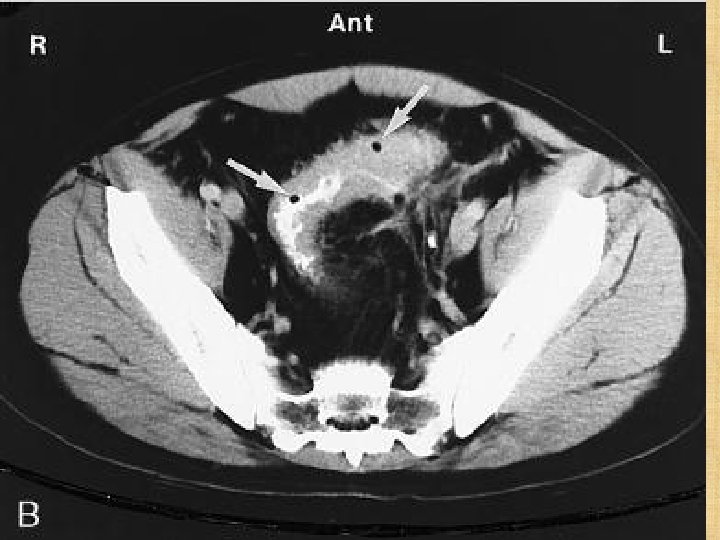
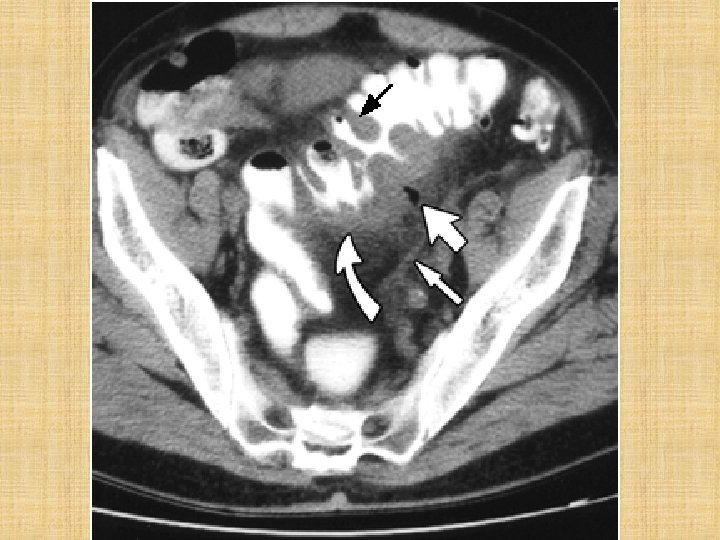
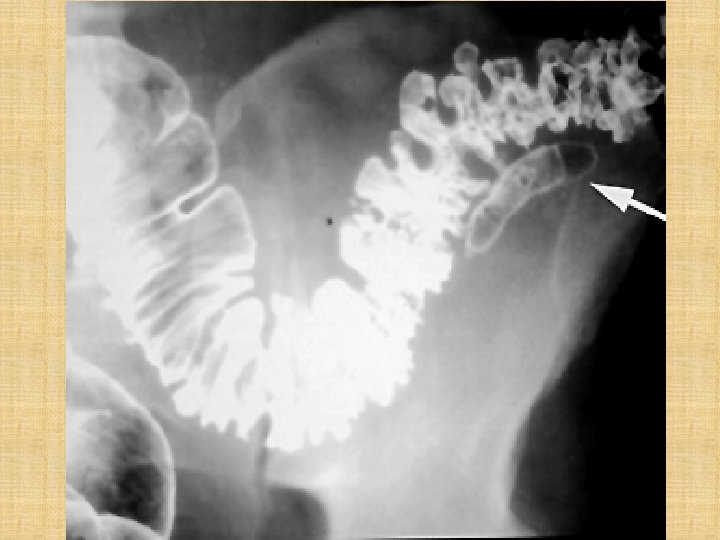
Diagnosis of Diverticulitis Clinically, diagnosis can be made with typical • history and examination Radiographic confirmation is often performed • Rules out other causes of an acute abdomen – Determines severity of the diverticulitis –
Uncomplicated diverticulitis Bowel rest or restriction • Clear liquids or NPO for 2 -3 days – Then advance diet – Antibiotics •
Uncomplicated diverticulitis Antibiotics • Coverage of fecal flora – Gram negative rods, anaerobes • Common regimens – Cipro + Flagyl x 10 days •
Uncomplicated diverticulitis After resolution of attack high fiber diet • with supplemental fiber
Uncomplicated diverticulitis Follow-up: Colonoscopy in 4 -6 weeks • Flexible sigmoidoscopy and BE reasonable • alternative Purpose • Exclude neoplasm – Evaluate extent of the diverticulosis –
Prognosis after resolution 30 -40% of patients will remain asymptomatic • 30 -40% of pts will have episodic abdominal • cramps without frank diverticulitis 20 -30% of pts will have a second attack •
Prognosis after resolution Second attack • Risk of recurrent attacks is high (>50%) – Some studies suggest a higher rate (60%) of – complications (abscess, fistulas, etc) in a second attack and a higher mortality rate (2 x compared to initial attack) After a second attack elective surgery •
Prognosis after resolution Some argue in the elderly recurrent attacks • can be managed with medications Some argue elective surgery should be • considered after a first attack in Young patients under 40 -50 years of age – Immunosuppressed –
Complicated Diverticulitis Peritonitis • Resuscitation – Antibiotics – Ampicillin + Gentamycin + Metronidazole • Imipenem/cilastin • Emergency exploration – Mortality 6% purulent peritonitis and 35% fecal – peritonitis
Complicated Diverticulitis: Abscess Occurs in 16% of patients with acute • diverticulitis Percutaneous drainage followed by single • stage surgery in 60 -80% of patients
Complicated Diverticulitis: Abscess CT guided drain • Leave in until drain output less than 10 m. L in 24 – hours May take up to 30 days – Catheter sinograms helpful to show persistent – communication between abcess and bowel
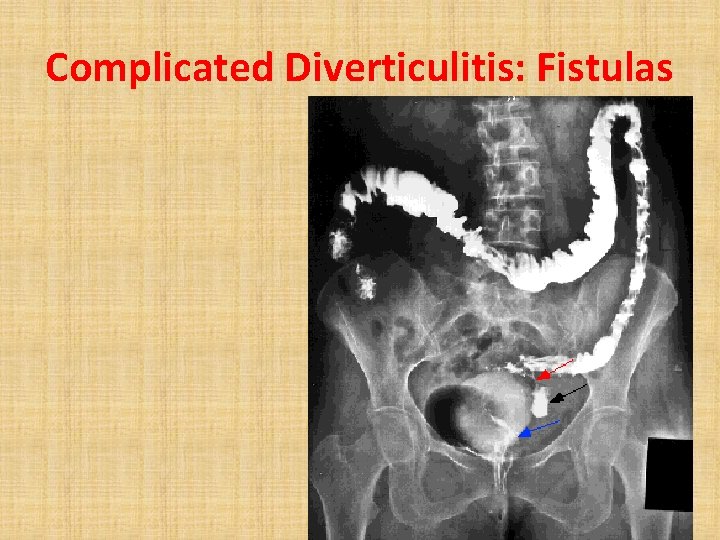
Complicated Diverticulitis: Fistulas
Complicated Diverticulitis: Fistulas Major types • Colovesical fistula 65% – Colovaginal 25% – Coloenteric, colouterine 10% –
Complicated Diverticulitis: Fistulas Symptoms Passage of gas and stool from the affected • organ Colovesical fistula: • pneumaturia, dysuria, fecaluria – 50% of patients can have diarrhea and passage of – urine per rectum
Complicated Diverticulitis: Fistulas Diagnosis • CT: thickened bladder with associated colonic – diverticuli adjacent and air in the bladder BE: direct visualization of fistula track only occurs – in 20 -26% of cases Flexible sigmoidoscopy is low yield (0 -3%) – Some argue cystoscopy helpful –
Complicated Diverticulitis: Treatment of Fistulas Surgery • Resection of affected colon (origin of the fistula) – Fistula tract can be “pinched off” most of the time – Suture closure for larger defects – Foley left in 7 -10 days –
Diverticular bleeding Most common cause of brisk hematochezia • (30 -50% of cases) 15% of patients with diverticulosis will bleed • 75% of diverticular bleeding stops without • need for intervention
Diverticular bleeding Patients requiring less than 4 units of PRBC/ day 99% will stop bleeding Risk of rebleeding 14 -38% After second episode of bleeding, risk of rebleeding 21 -50%
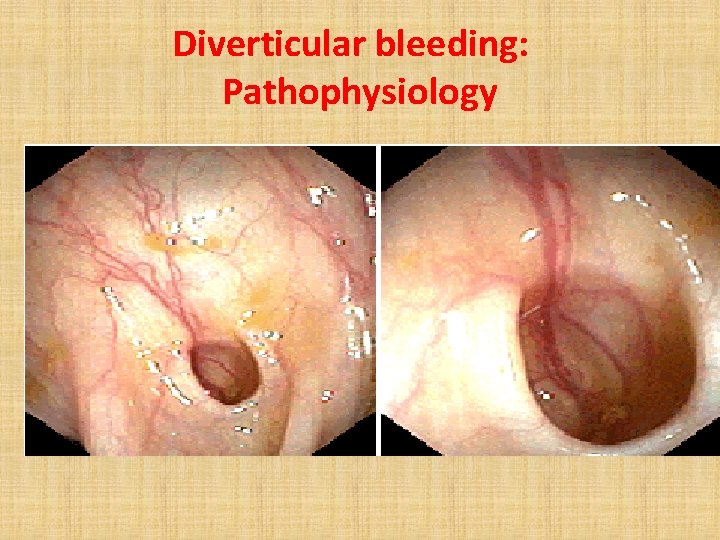
Diverticular bleeding: Pathophysiology Diverticulum herniates at site of vasa recta • Over time, the vessel becomes draped over • the dome of the diverticulum separated only by mucosa Over time, there is segmental weakening of • the artery ruptures and bleeds
Diverticular bleeding: Pathophysiology
Diverticular bleeding: Pathophysiology
Diverticular bleeding: Symptoms Most only have symptoms of bloating and • diarrhea but no significant abdominal pain Painless hematochezia – Start – stop pattern; “water faucet” – Diverticulitis rarely causes bleeding •
Diverticular bleeding: Localization Right colon is the source of diverticular • bleeding in 50 -90% of patients Possible reasons • Right colon diverticuli have wider necks and – domes exposing vasa recta over a great length of injury Thinner wall of the right colon –

bleeding: Diverticular Localization Colonoscopy after rapid prep Can localize site of bleeding – Offers possible therapeutic intervention (cautery, – clip, etc) Often limited by either brisk bleeding obscuring – lumen OR no active bleeding with clots in every diverticuli
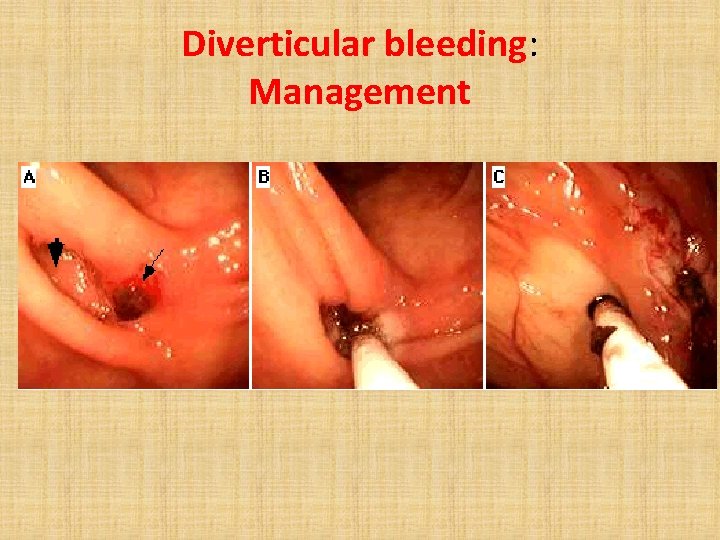
Diverticular bleeding: Management
Diverticular bleeding: Localization Angiography • Accurate localization – 30 -47% sensitive • 100% specific • Need brisk active bleeding: 0. 5 -1 m. L/min – Offers therapy: embolization, vasopressin – 20% risk of intestinal infarction •
Diverticular bleeding: Surgery • Segmental resection – If site can be localized • Rebleeding rate of 0 -14% • Subtotal colectomy – Rebleeding rate is 0% • High morbidity (37%) • High mortality (11 -33%) •
Hemorrhoids • Hemorrhoids are cushions of submucosal tissue containing venules, arterioles, and smooth-muscle fibers that are located in the anal canal. • hemorrhoidal cushions are found in the left lateral, right anterior, and right posterior positions
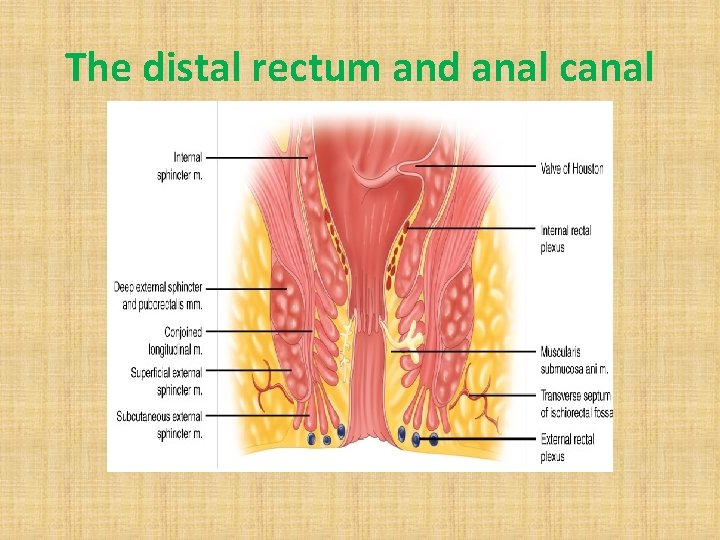
The distal rectum and anal canal
• Excessive straining, increased abdominal pressure, and hard stools increase venous engorgement of the hemorrhoidal plexus and cause prolapse of hemorrhoidal tissue.
External hemorrhoids • located distal to the dentate line and are covered with anoderm. • Because the anoderm is richly innervated, thrombosis of an external hemorrhoid may cause significant pain. • A skin tag is redundant fibrotic skin at the anal verge, often persisting as the residua of a thrombosed external hemorrhoid. Skin tags are often confused with symptomatic hemorrhoids. • External hemorrhoids and skin tags may cause itching and difficulty with hygiene if they are large. • Treatment of external hemorrhoids and skin tags are only indicated for symptomatic relief
Internal hemorrhoids • located proximal to the dentate line and covered by insensate anorectal mucosa. • Internal hemorrhoids may prolapse or bleed, but rarely become painful unless they develop thrombosis and necrosis (usually related to severe prolapse, incarceration, and/or strangulation).
• Internal hemorrhoids are graded according to the extent of prolapse : • First-degree hemorrhoids bulge into the anal canal and may prolapse beyond the dentate line on straining. • Second-degree hemorrhoids prolapse through the anus but reduce spontaneously. • Third-degree hemorrhoids prolapse through the anal canal and require manual reduction. • Fourth-degree hemorrhoids prolapse but cannot be reduced and are at risk for strangulation
• Combined internal and external hemorrhoids • Postpartum hemorrhoids • Portal hypertension and Rectal varices
Treatment • • Medical Therapy Rubber Band Ligation Infrared Photocoagulation Sclerotherapy Excision of Thrombosed External Hemorrhoids Closed Submucosal Hemorrhoidectomy Open Hemorrhoidectomy Whitehead's Hemorrhoidectomy
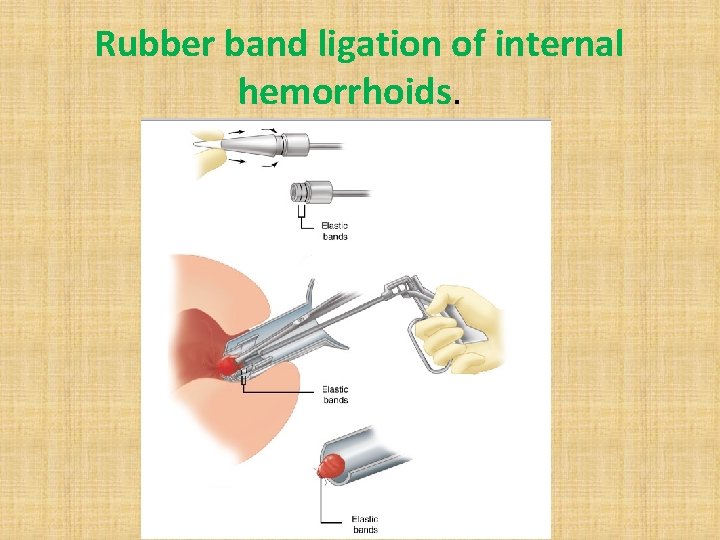
Rubber band ligation of internal hemorrhoids.
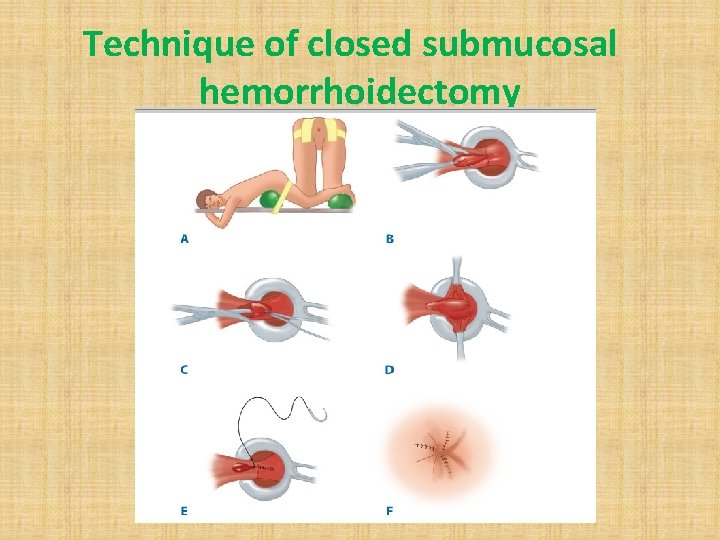
Technique of closed submucosal hemorrhoidectomy
Complications of Hemorrhoidectomy • • Postoperative pain Urinary retention fecal impaction Bleeding Infection incontinence anal stenosis ectropion (Whitehead's deformity).
Anal Fissure • A fissure in ano is a tear in the anoderm distal to the dentate line. • The pathophysiology of anal fissure is thought to be related to trauma from either the passage of hard stool or prolonged diarrhea. • The vast majority of anal fissures occur in the posterior midline. • Ten to 15% occur in the anterior midline. • Less than 1% of fissures occur off midline
• Anal fissure is extremely common. 88, 89 • Characteristic symptoms include tearing pain with defecation and hematochezia (usually described as blood on the toilet paper).
• An acute fissure is a superficial tear of the distal anoderm and almost always heals with medical management. • Chronic fissures develop ulceration and heapedup edges with the white fibers of the internal anal sphincter visible at the base of the ulcer. • There often is an associated external skin tag and/or a hypertrophied anal papilla internally
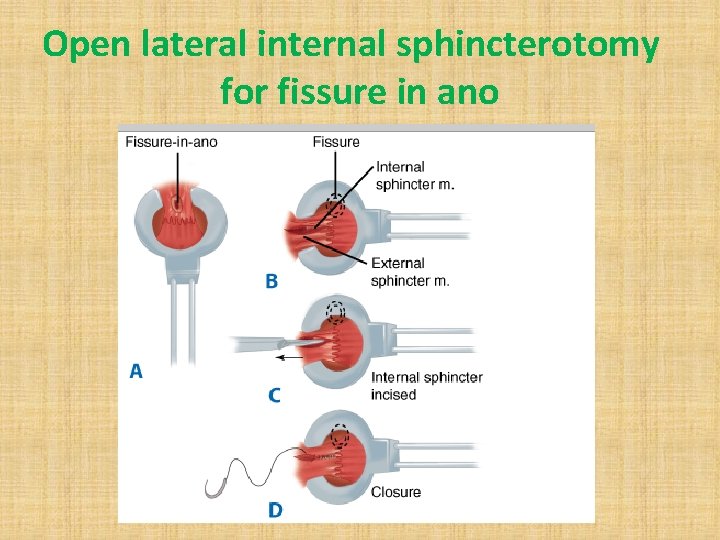
Open lateral internal sphincterotomy for fissure in ano
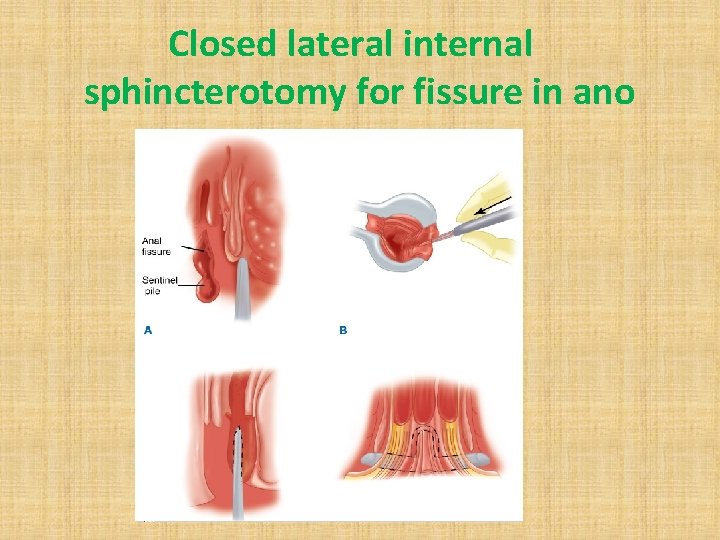
Closed lateral internal sphincterotomy for fissure in ano
Anorectal Sepsis and Cryptoglandular Abscess
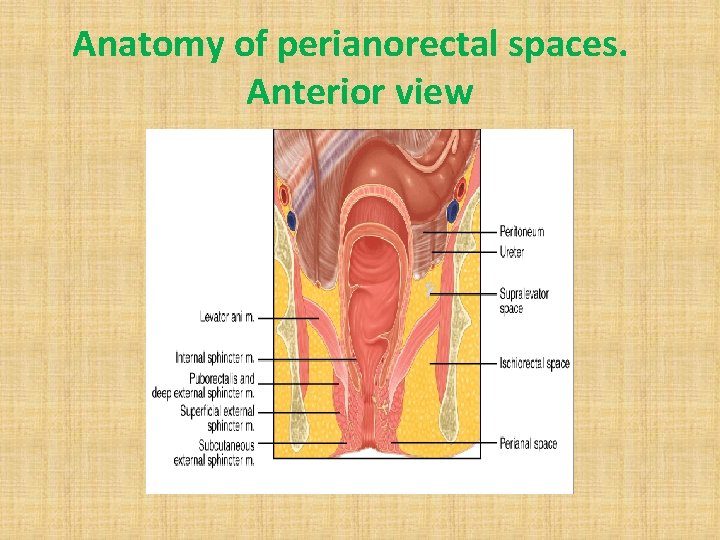
Anatomy of perianorectal spaces. Anterior view
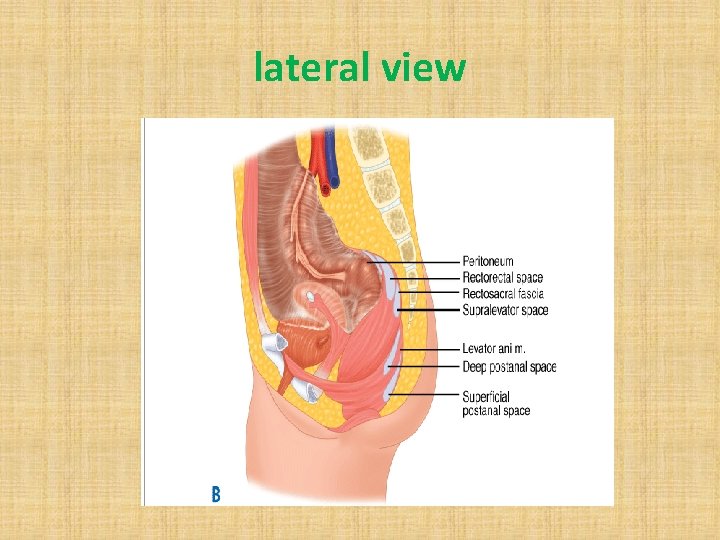
lateral view
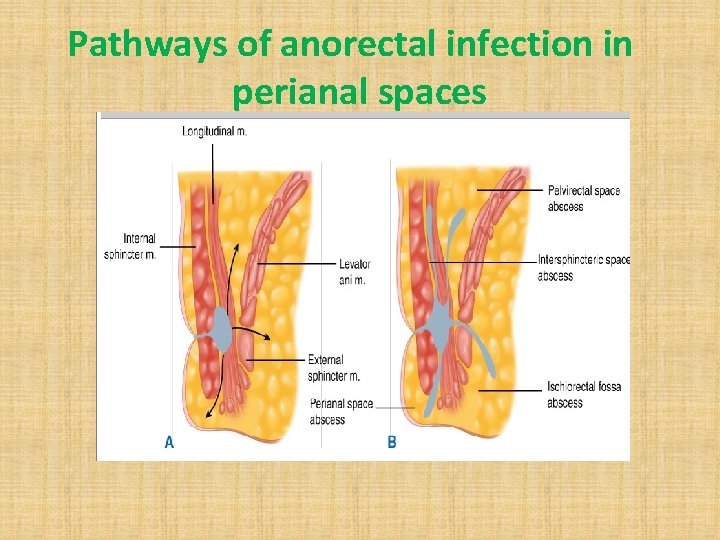
Pathways of anorectal infection in perianal spaces
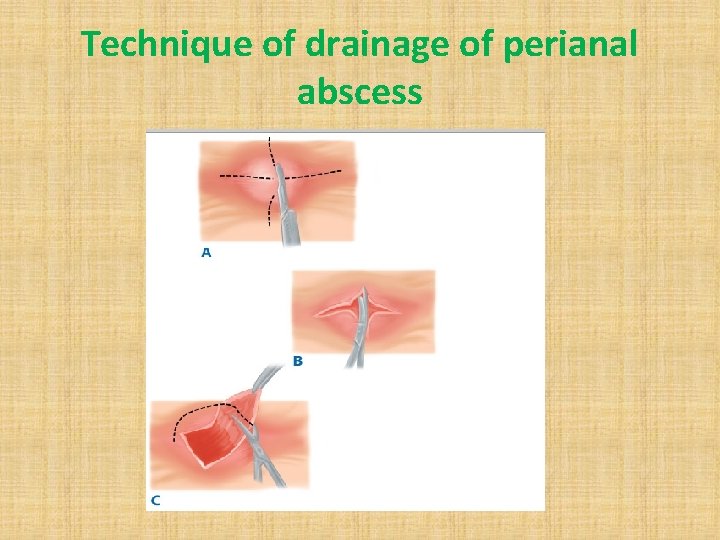
Technique of drainage of perianal abscess
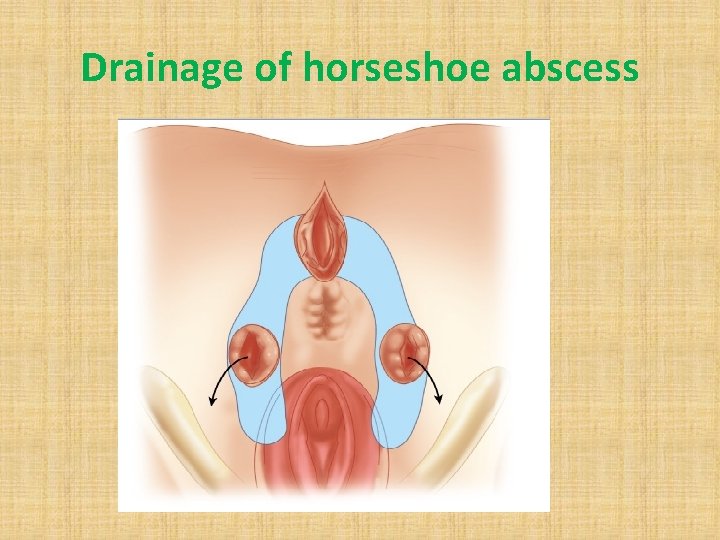
Drainage of horseshoe abscess

Fistula in Ano
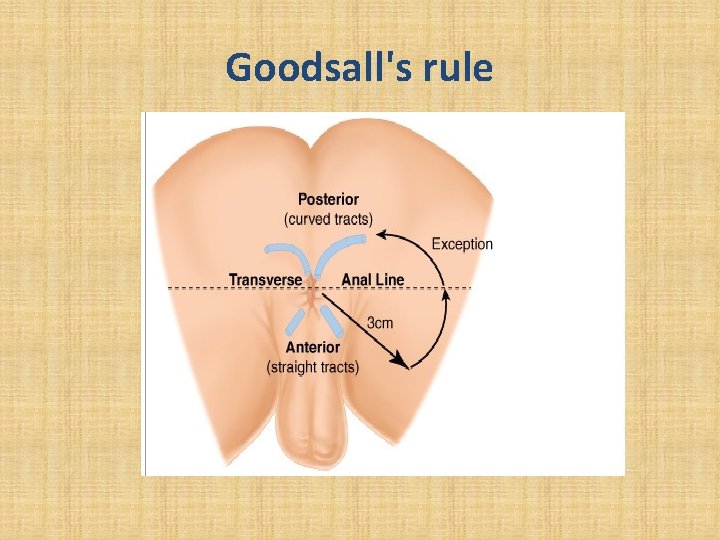
Goodsall's rule
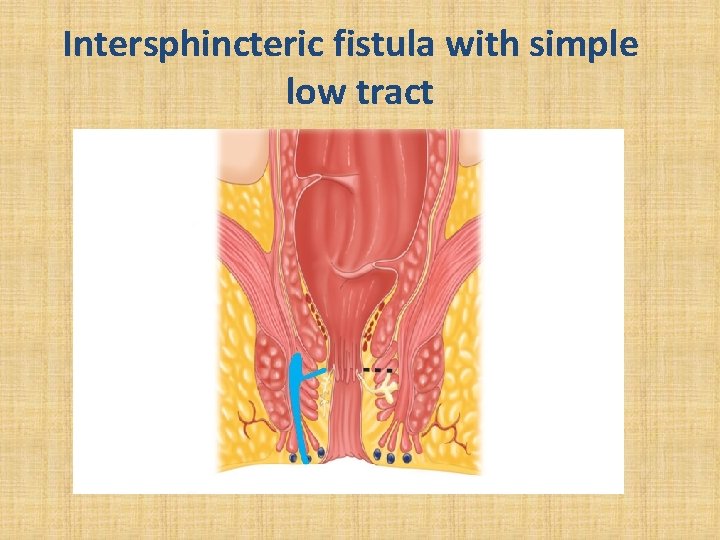
Intersphincteric fistula with simple low tract
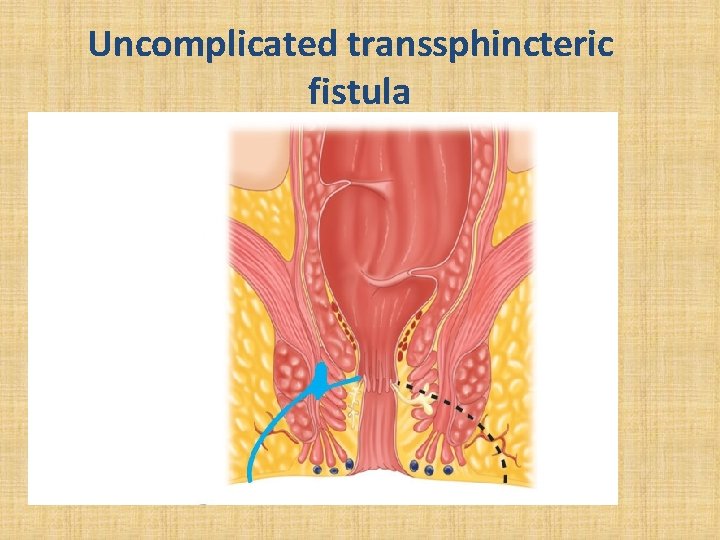
Uncomplicated transsphincteric fistula
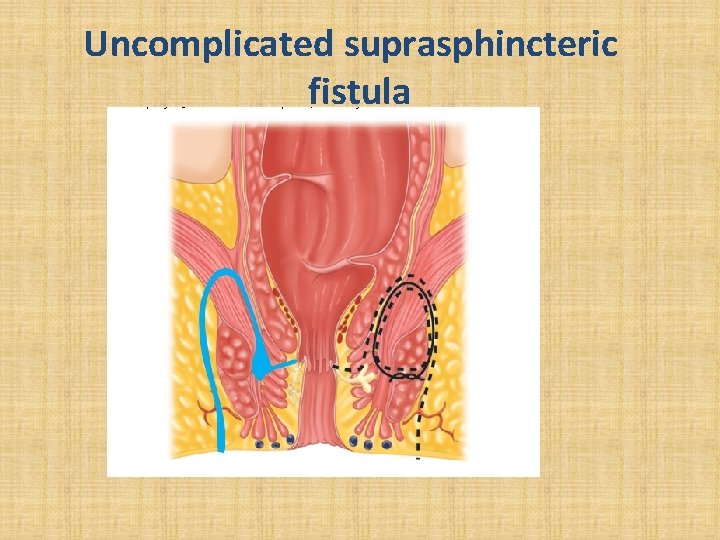
Uncomplicated suprasphincteric fistula
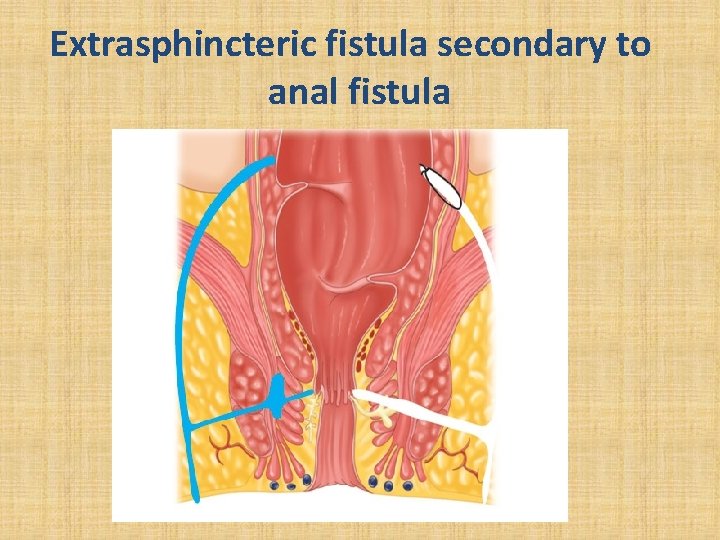
Extrasphincteric fistula secondary to anal fistula
Rectal Prolapse • • • Rectal prolapse Procidentia Internal prolapse internal intussusception Mucosal prolapse
• A thorough preoperative evaluation, including colonic transit studies, anorectal manometry, tests of pudendal nerve terminal motor latency, electromyography (EMG), and cinedefecography, may be useful. • The colon should be evaluated by colonoscopy or aircontrast barium enema to exclude neoplasms or diverticular disease. • Cardiopulmonary condition should be thoroughly evaluated because comorbidities may influence the choice of surgical procedure
• The primary therapy for rectal prolapse is surgery, and more than 100 different procedures have been described to treat this condition. • Operations can be categorized as either abdominal or perineal
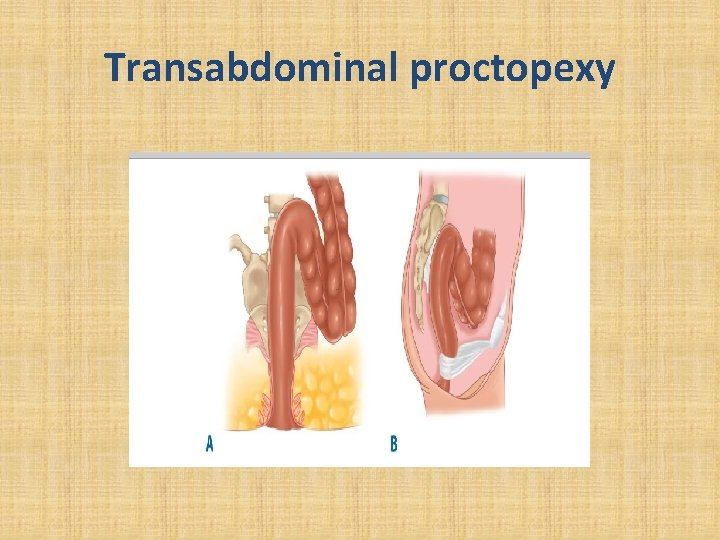
Transabdominal proctopexy
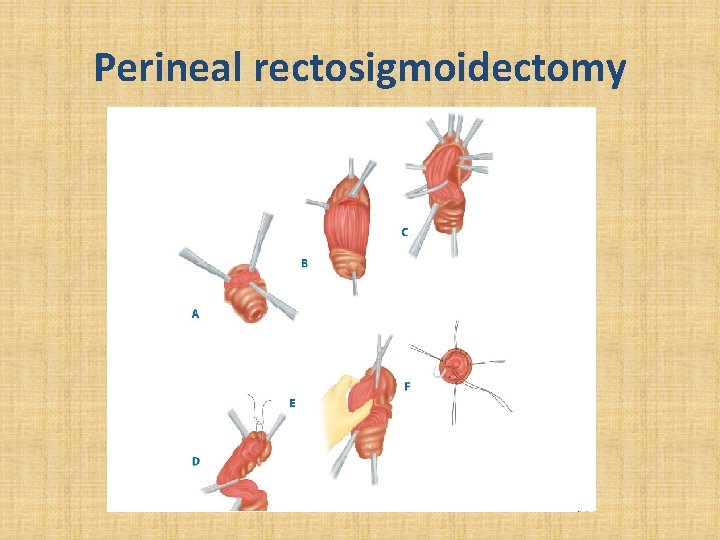
Perineal rectosigmoidectomy
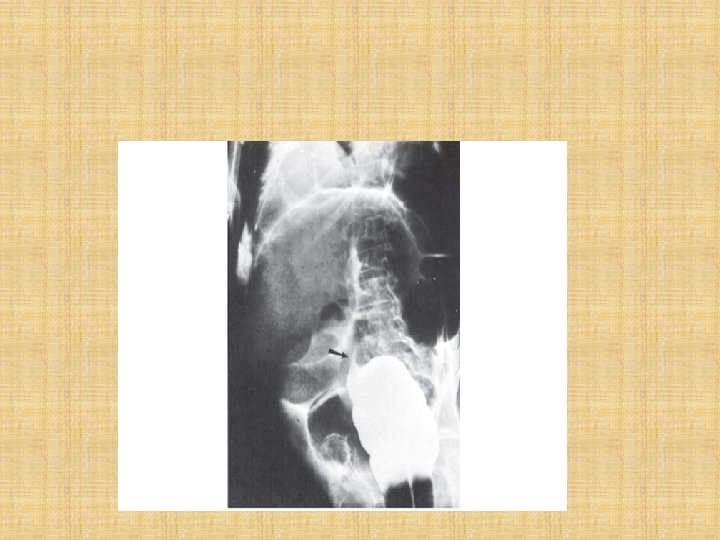
Volvulus • Volvulus occurs when an air-filled segment of the colon twists about its mesentery. • The sigmoid colon is involved in up to 90% of cases, but volvulus can involve the cecum (<20%) or transverse colon
• The symptoms of volvulus are those of acute bowel obstruction. • Patients present with abdominal distention, nausea, and vomiting. • Symptoms rapidly progress to generalized abdominal pain and tenderness. • Fever and leukocytosis are heralds of gangrene and/or perforation
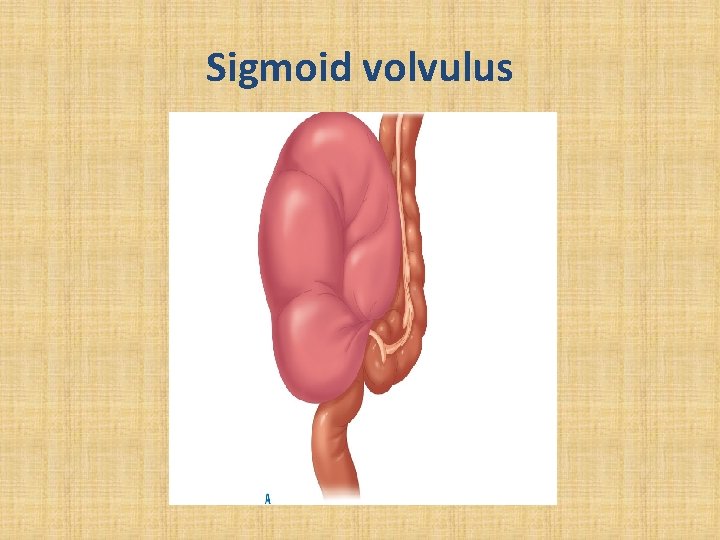
Sigmoid volvulus
- Slides: 103