
Colo r Color Wheel Color Values Color Schemes



- Slides: 96
Colo r
Color Wheel Color Values Color Schemes
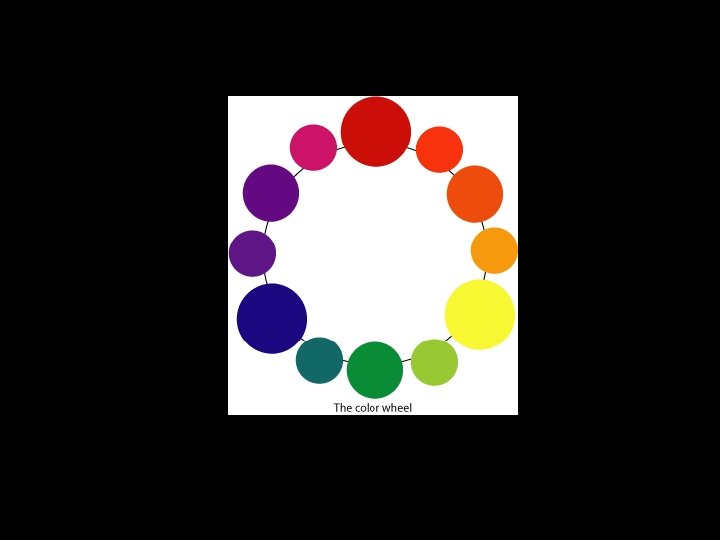
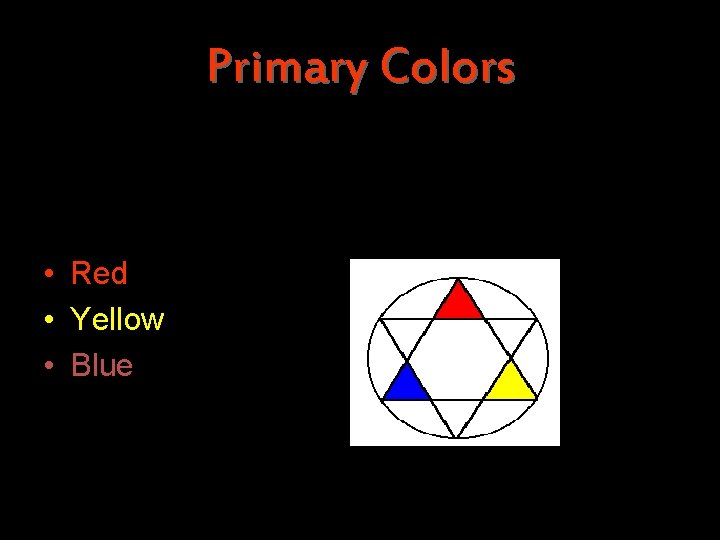
Primary Colors Primary colors are not mixed from other elements and they generate all other colors. • Red • Yellow • Blue
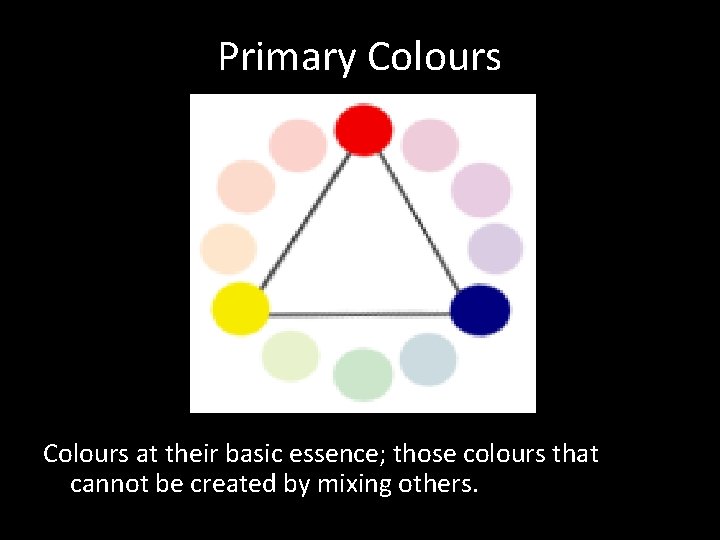
Primary Colours at their basic essence; those colours that cannot be created by mixing others.
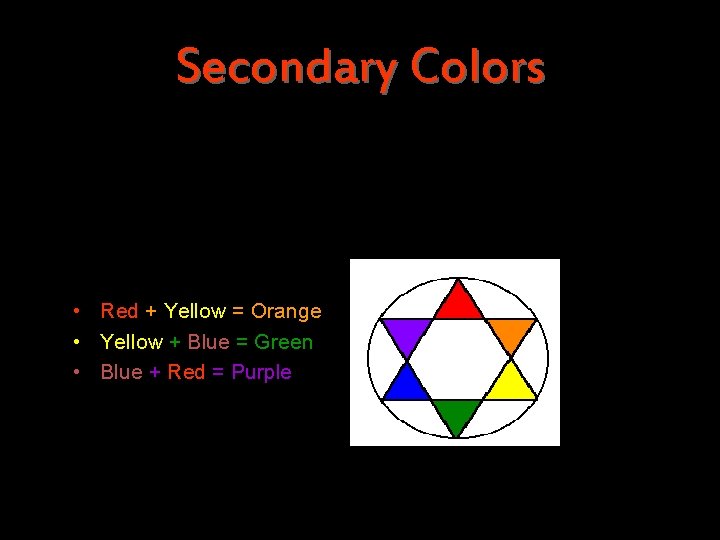
Secondary Colors By mixing two primary colors, a secondary color is created. • Red + Yellow = Orange • Yellow + Blue = Green • Blue + Red = Purple
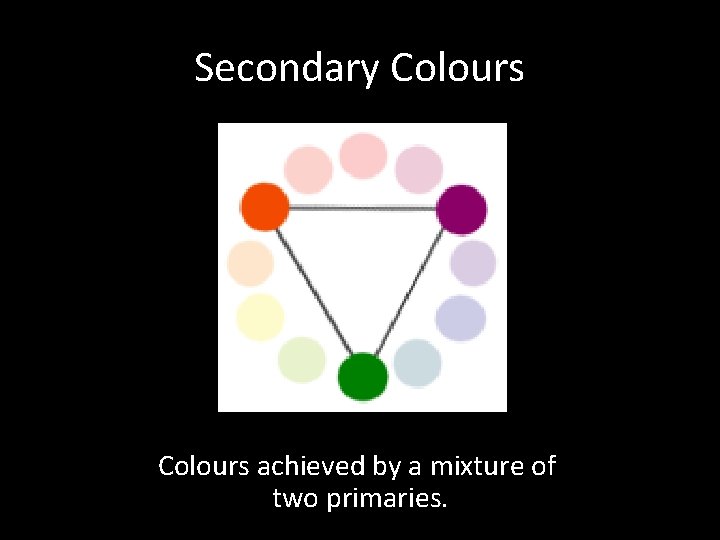
Secondary Colours achieved by a mixture of two primaries.
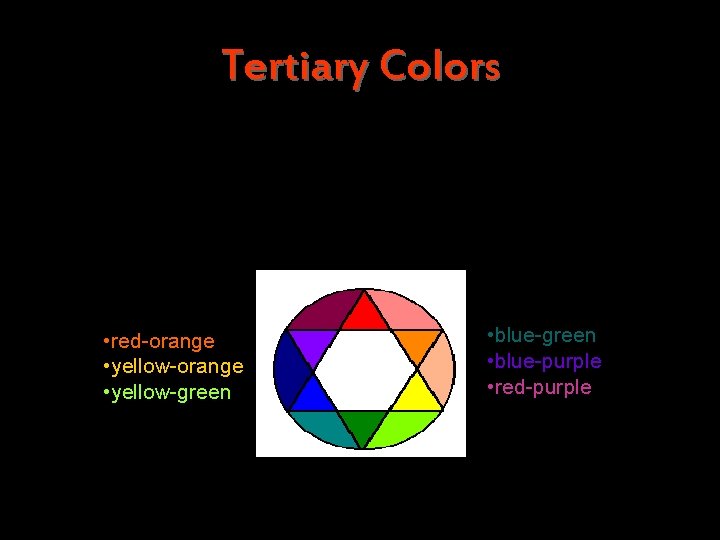
Tertiary Colors Intermediate, or Tertiary, colors are created by mixing a primary and a secondary. • red-orange • yellow-green • blue-green • blue-purple • red-purple
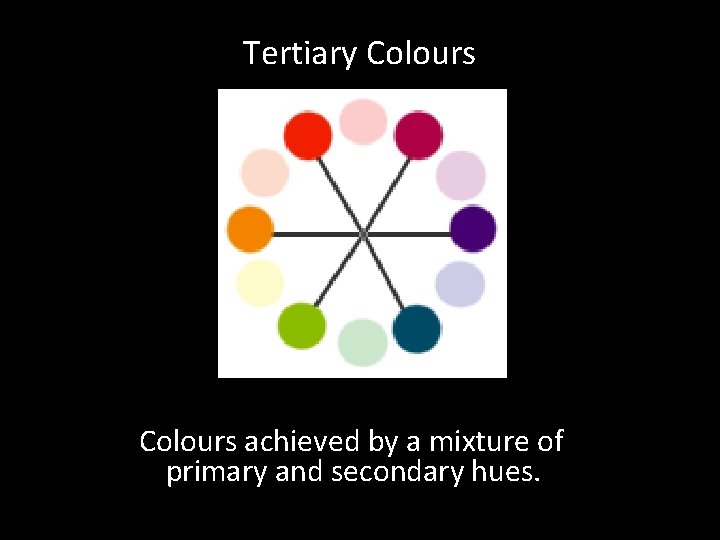
Tertiary Colours achieved by a mixture of primary and secondary hues.
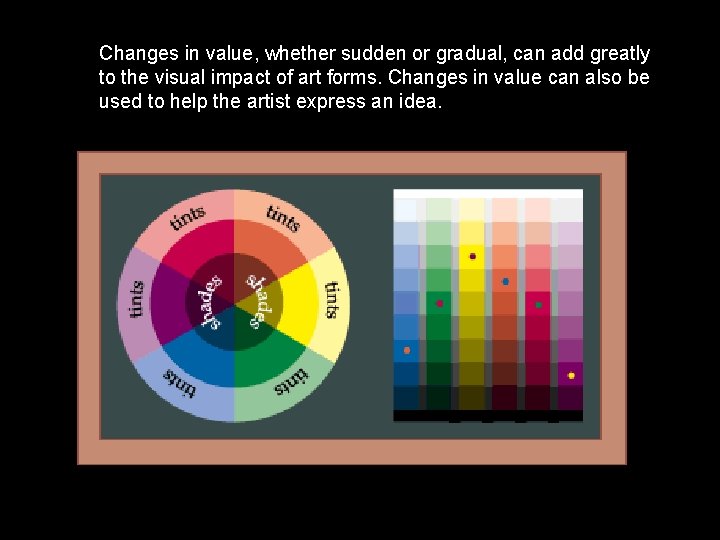
Changes in value, whether sudden or gradual, can add greatly to the visual impact of art forms. Changes in value can also be used to help the artist express an idea.
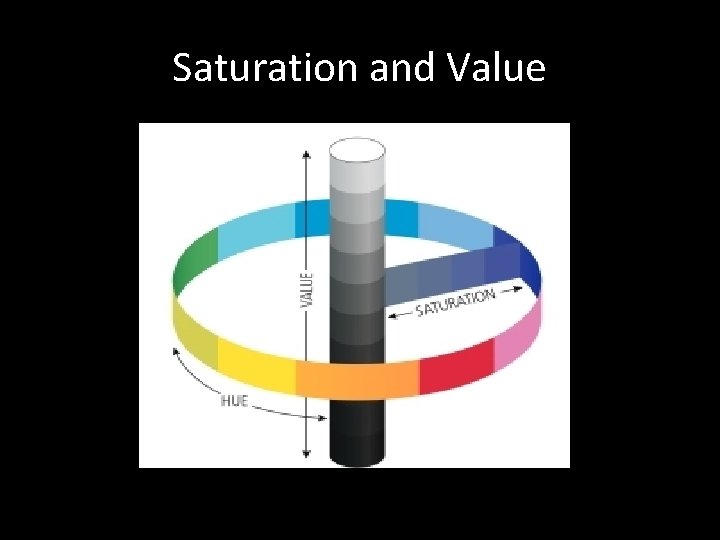
Saturation and Value
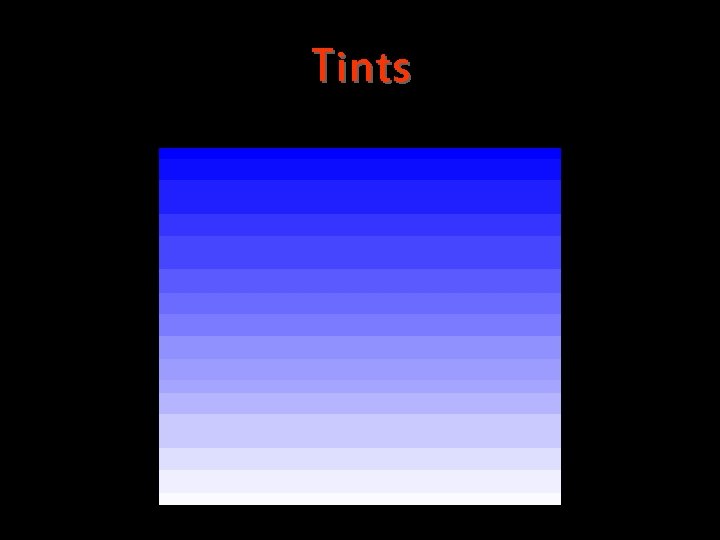
Tints are lightened colors. Always begin with white and add a bit of color to the white until the desired tint is obtained. This is an example of a value scale for the tints of blue.
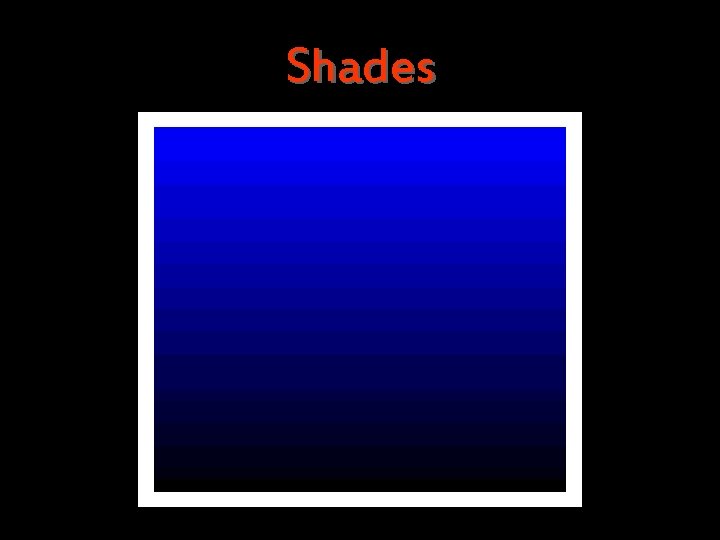
Shades are darkened colors. Always begin with the color and add just a bit of black at a time to get the desired shade of a color. This is an example of a value scale for the shades of blue.
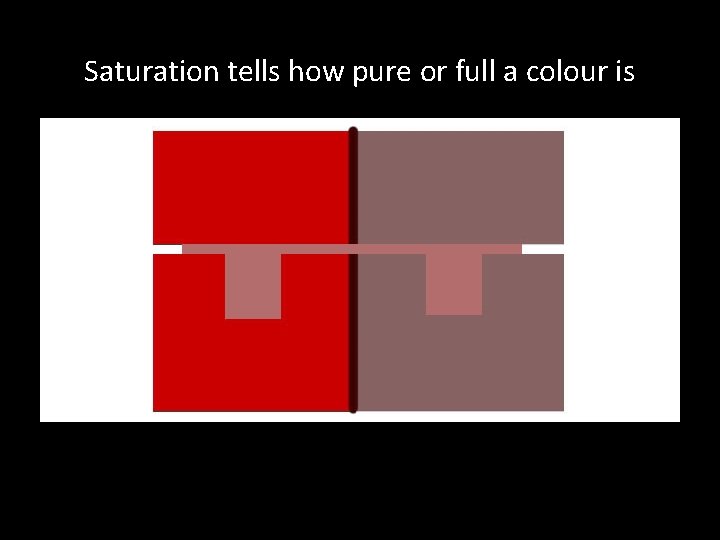
Saturation tells how pure or full a colour is
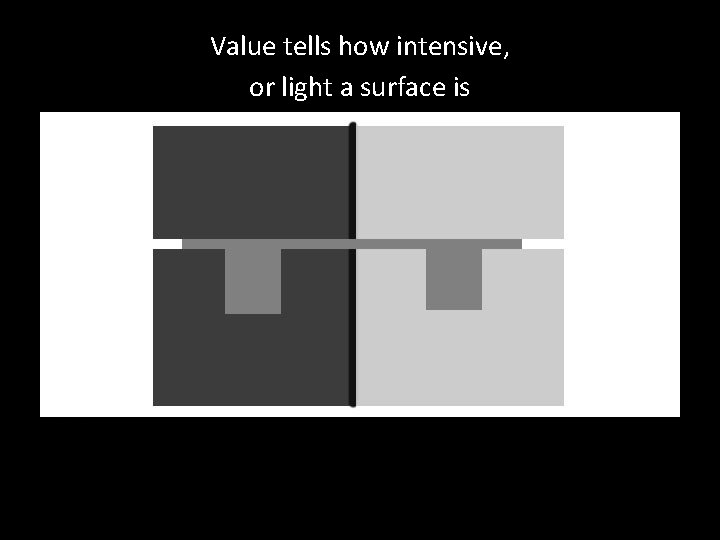
Value tells how intensive, or light a surface is
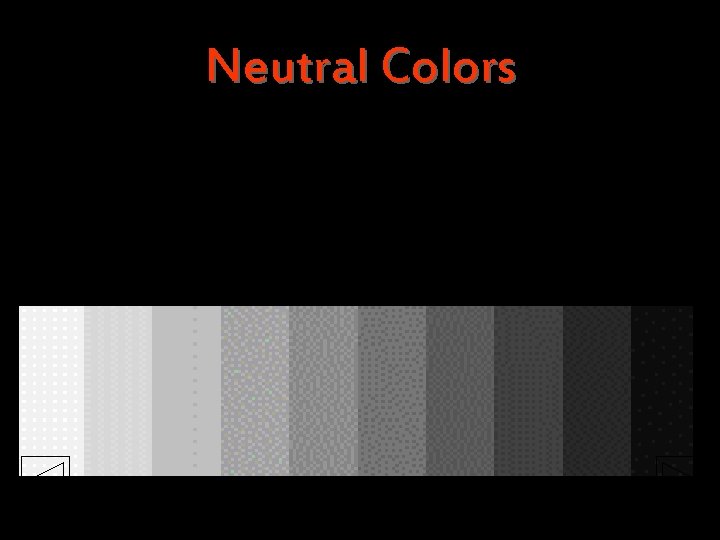
Neutral Colors The principles of color mixing let us describe a variety of colors, but there are still many colors to explore. The neutral colors contain equal parts of each of the three primary colors. Black, off-black, white, off-white, gray and sometimes brown are considered "neutral”.
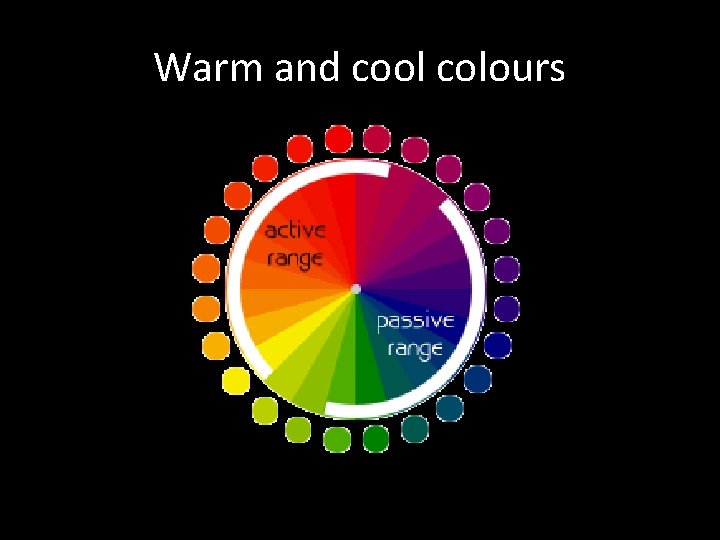
Warm and cool colours
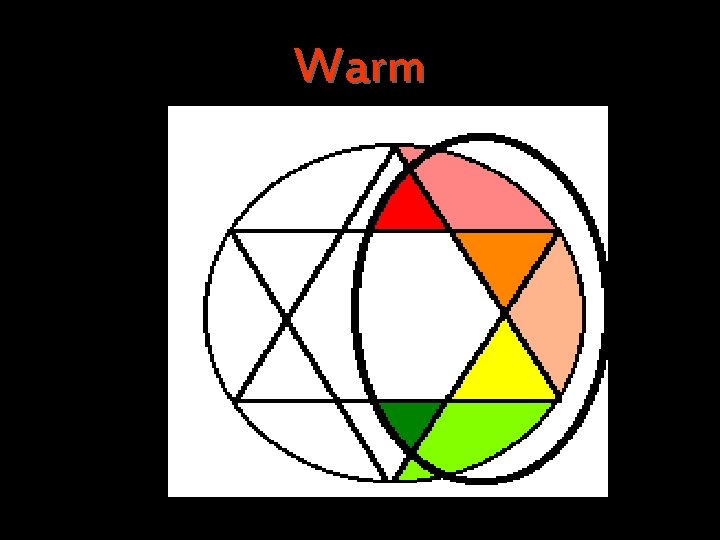
Warm colors are found on the right side of the color wheel. They are colors found in fire and the sun. Warm colors make objects look closer in a painting or drawing.
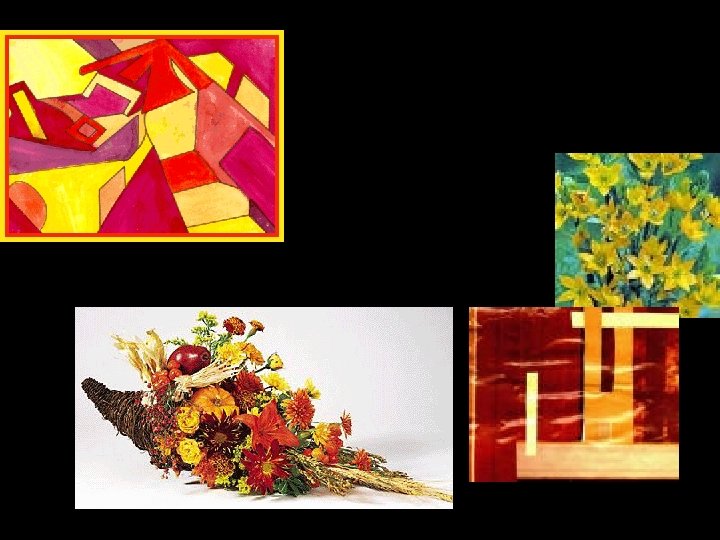
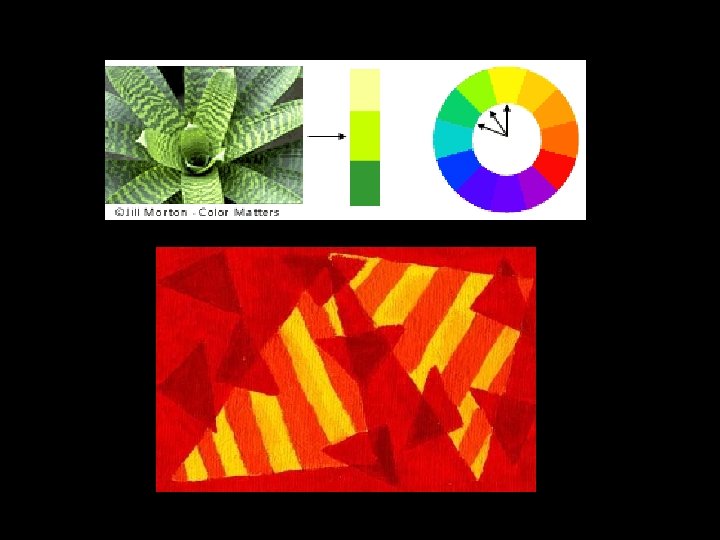
This is an illustration of the use of warm colors - reds, oranges, yellows and greens.
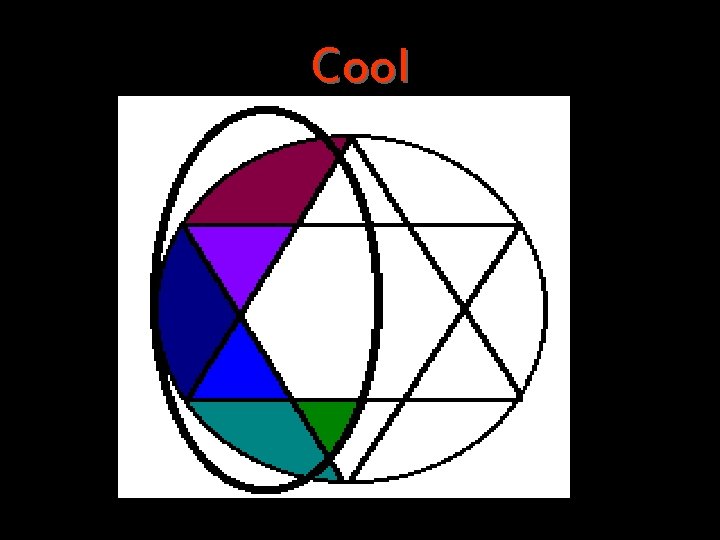
Cool colors are found on the left side of the color wheel. They are the colors found in snow and ice and tend to recede in a composition.
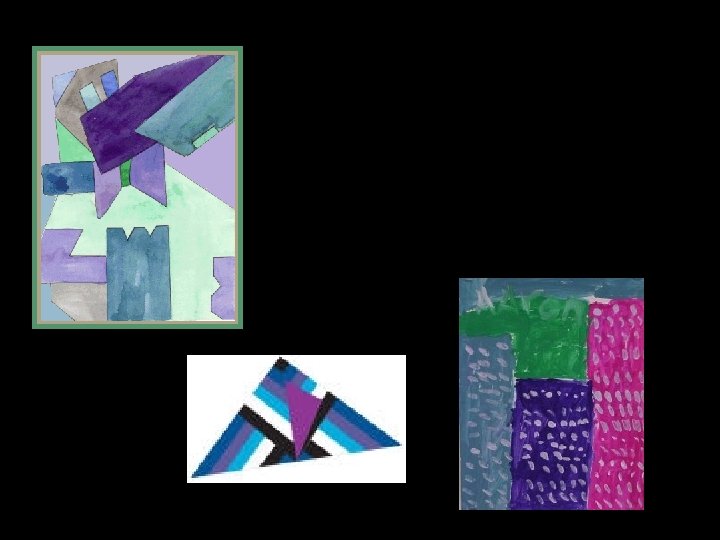
Note the cool color scheme in this painting (greens, purples and blues).
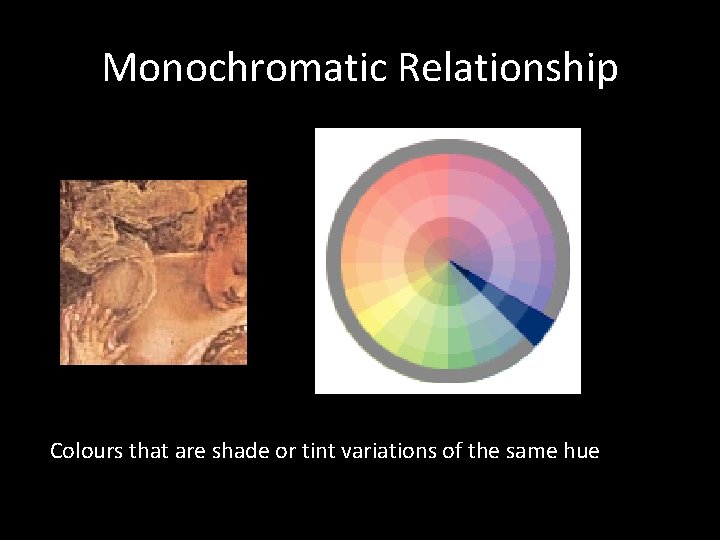
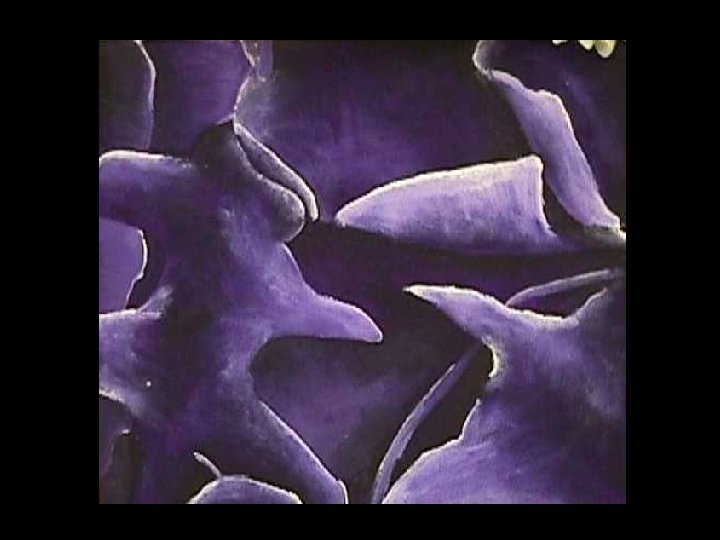
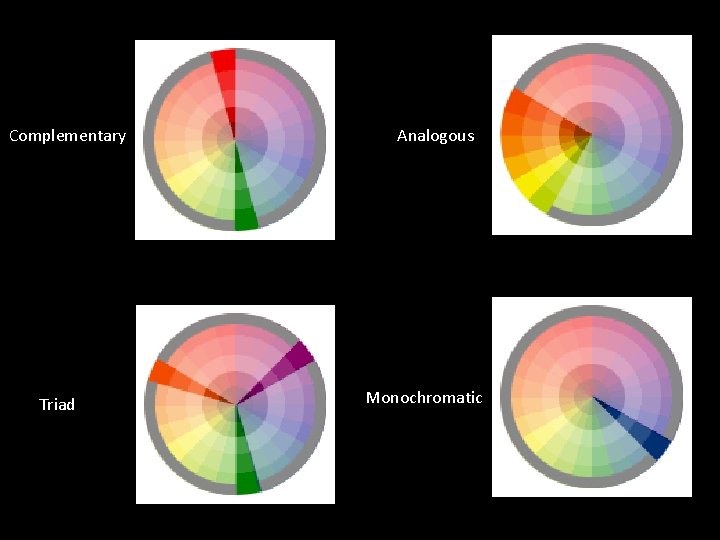
Monochromatic Relationship Colours that are shade or tint variations of the same hue
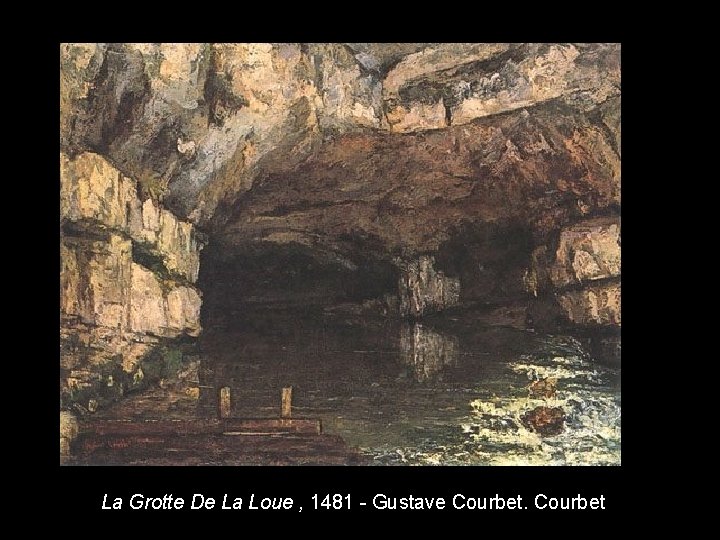
La Grotte De La Loue , 1481 - Gustave Courbet
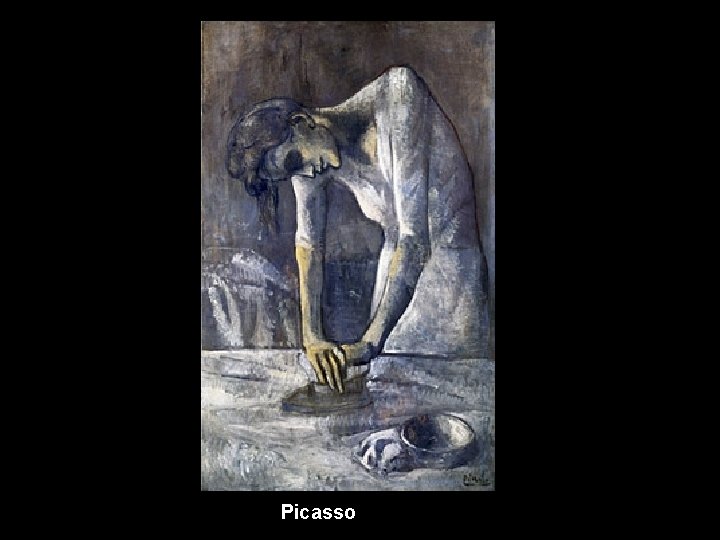
Picasso
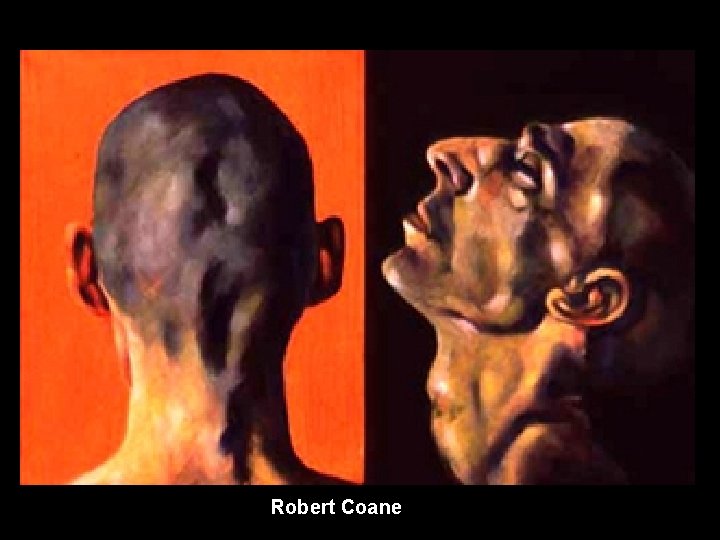
Robert Coane
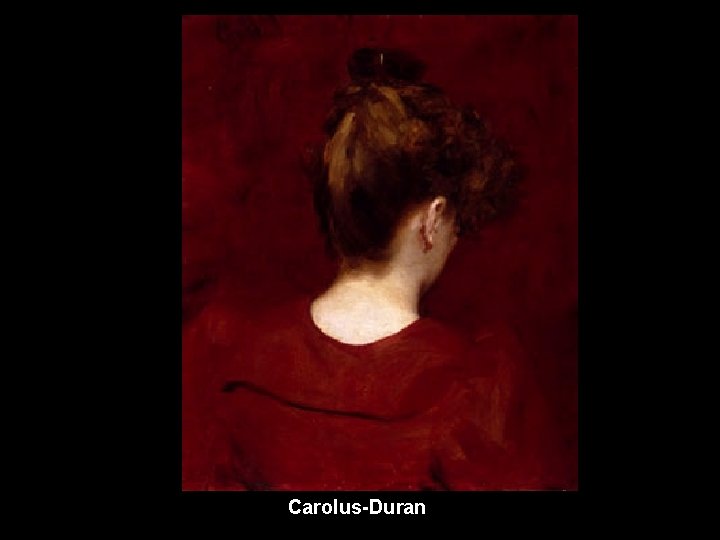
Carolus-Duran
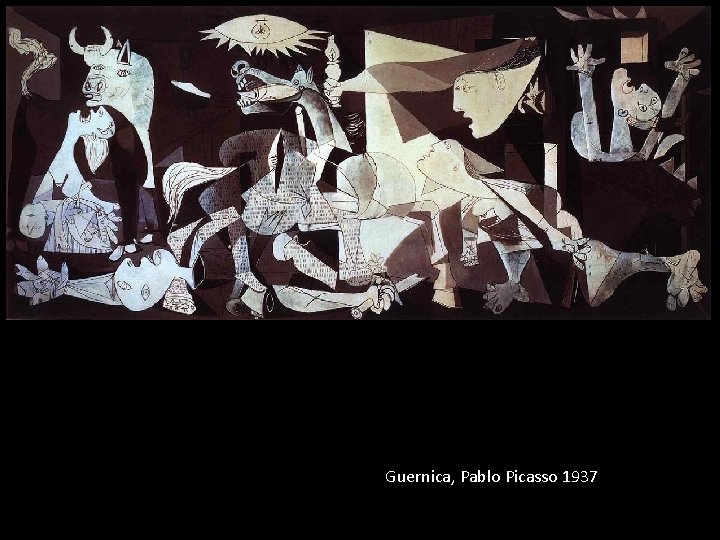
Guernica, Pablo Picasso 1937
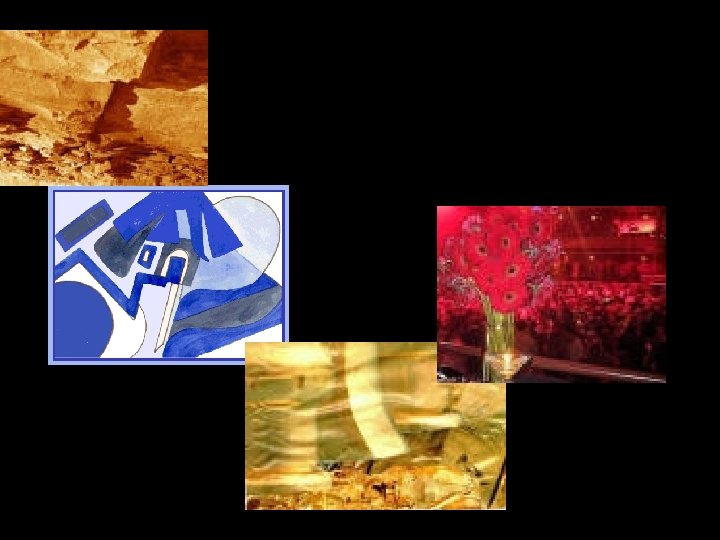
These non-objective paintings have a monochromatic color scheme - blue, yellow, red and the values (tints and shades) of blue, yellow and red.
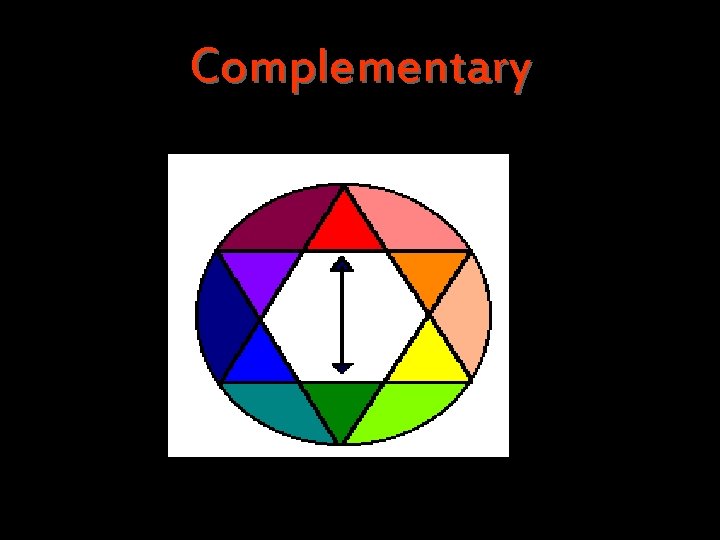
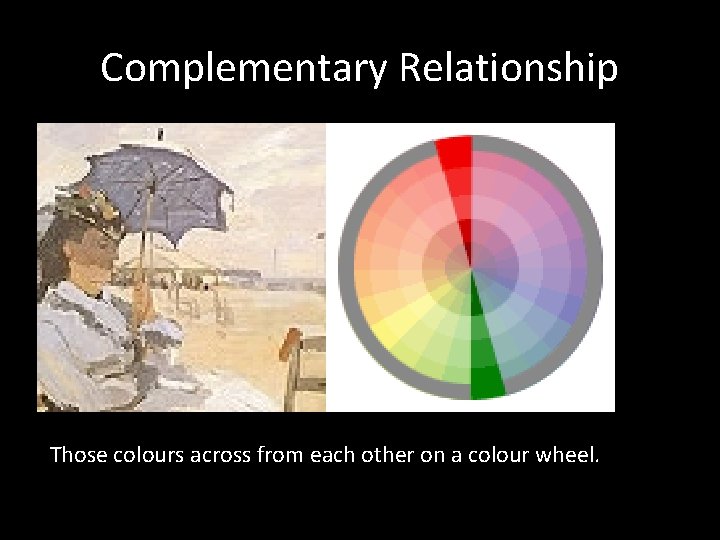
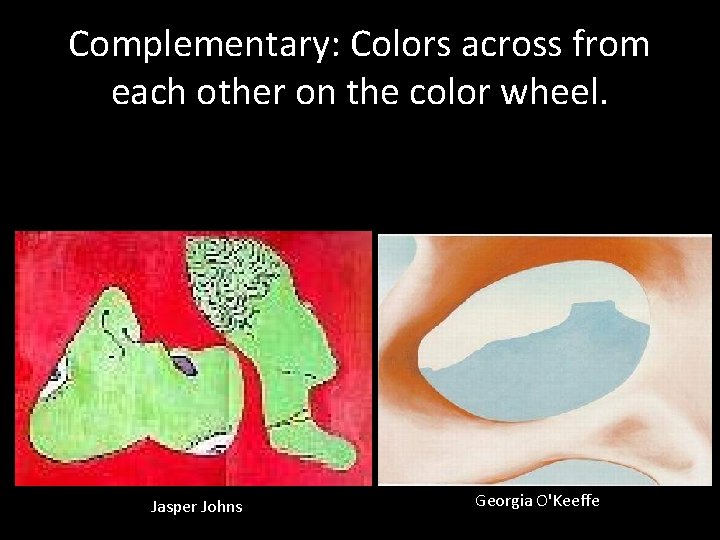
Complementary colors are opposite on the color wheel provided a high contrast - if you want to be noticed wear complementary colors!
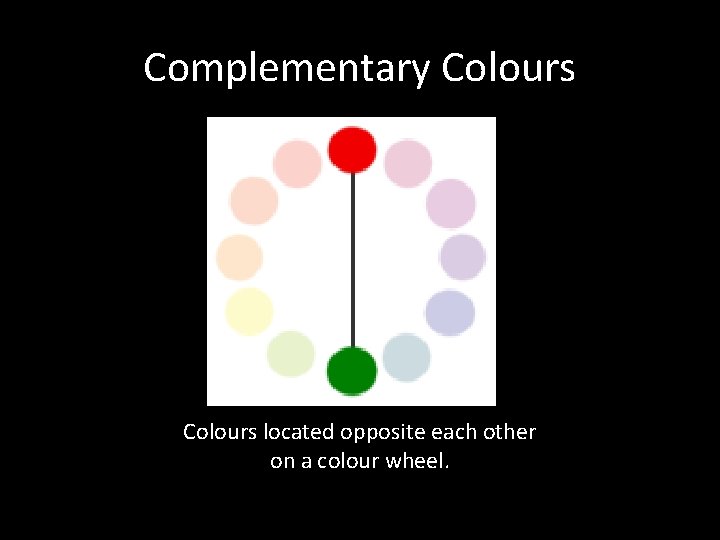
Complementary Colours located opposite each other on a colour wheel.
Complementary Relationship Those colours across from each other on a colour wheel.
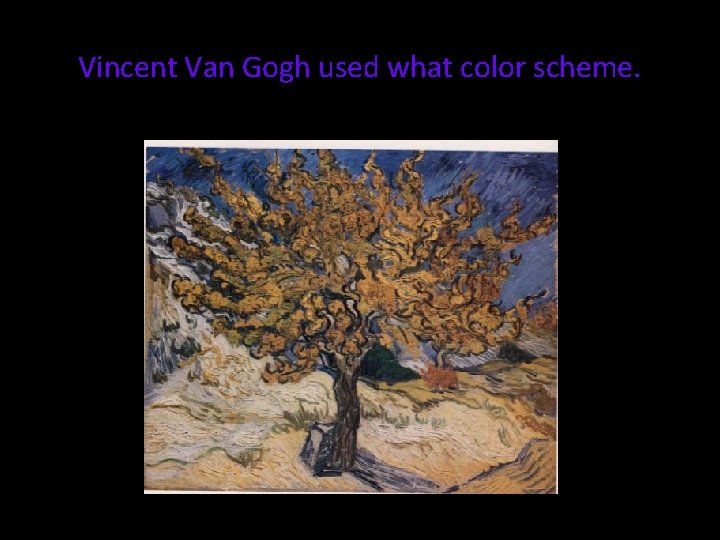
Vincent Van Gogh used what color scheme.
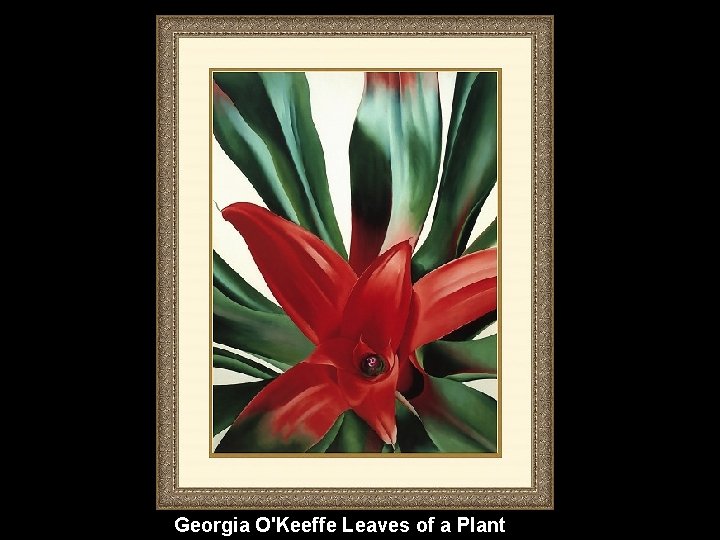
Georgia O'Keeffe Leaves of a Plant
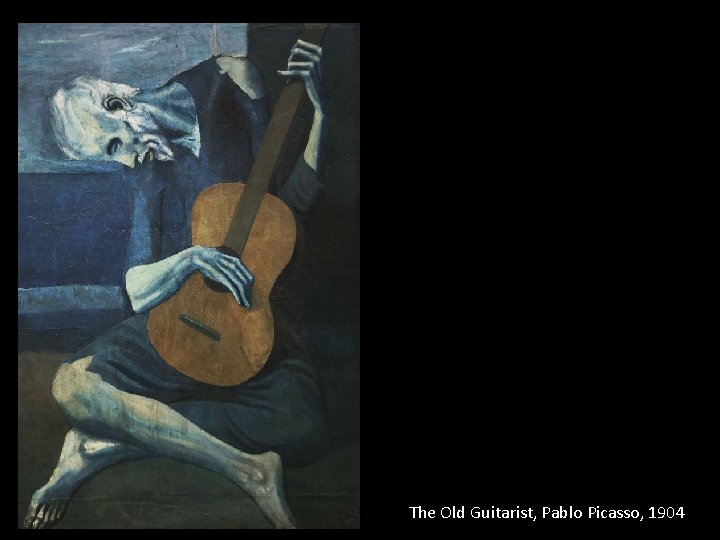
The Old Guitarist, Pablo Picasso, 1904
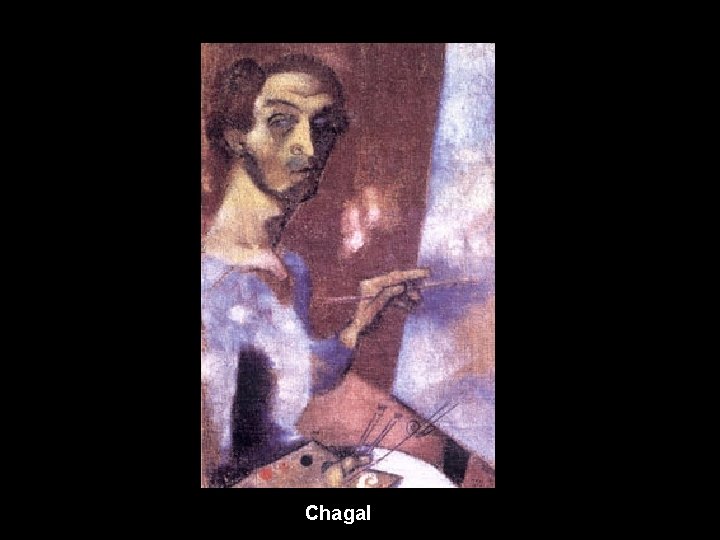
Chagal
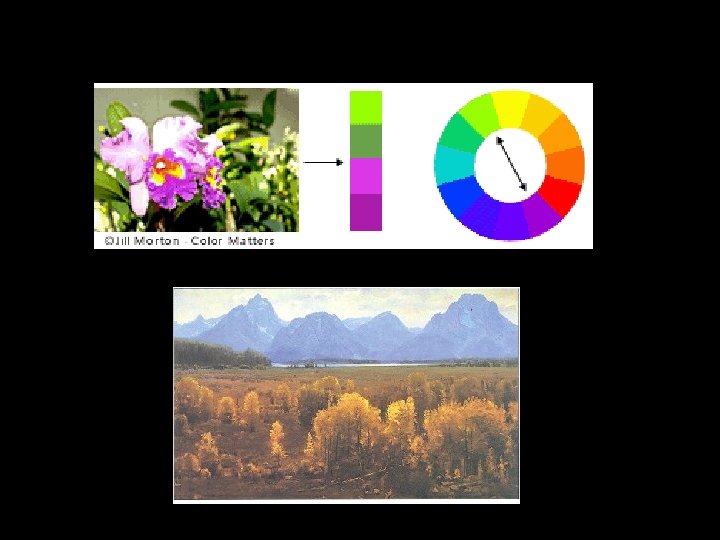
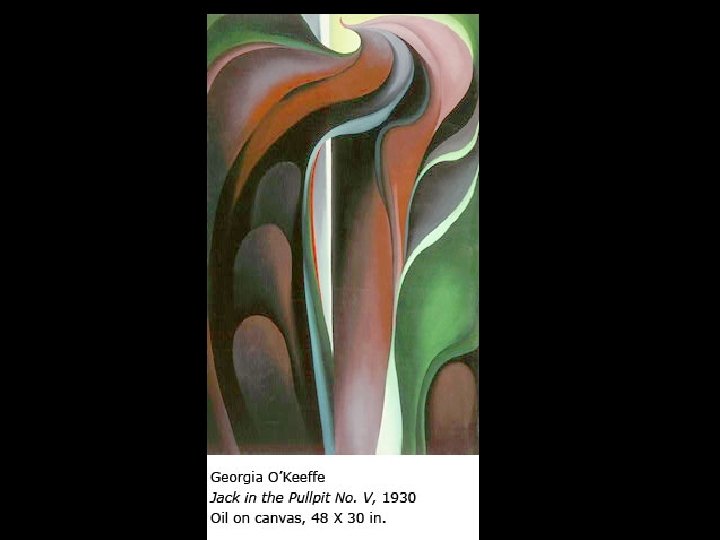
Complementary: Colors across from each other on the color wheel. Jasper Johns Georgia O'Keeffe
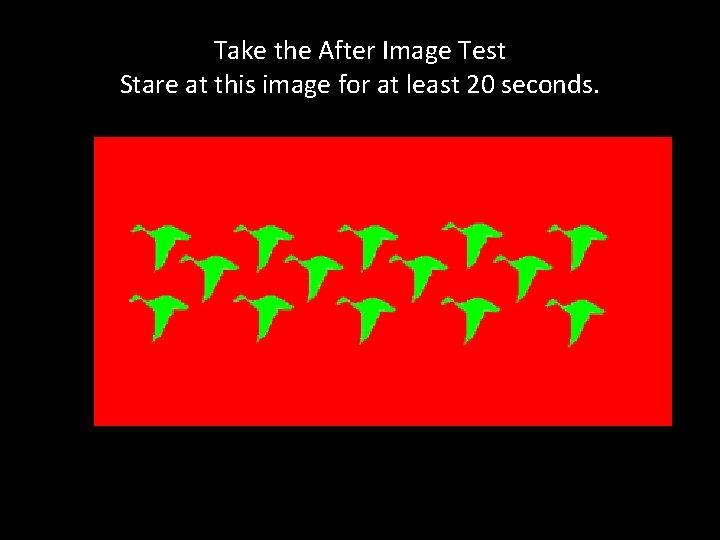
Take the After Image Test Stare at this image for at least 20 seconds.
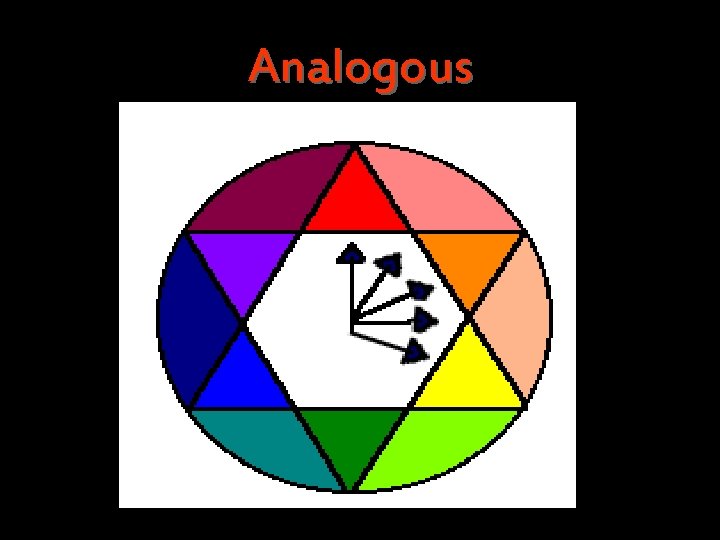
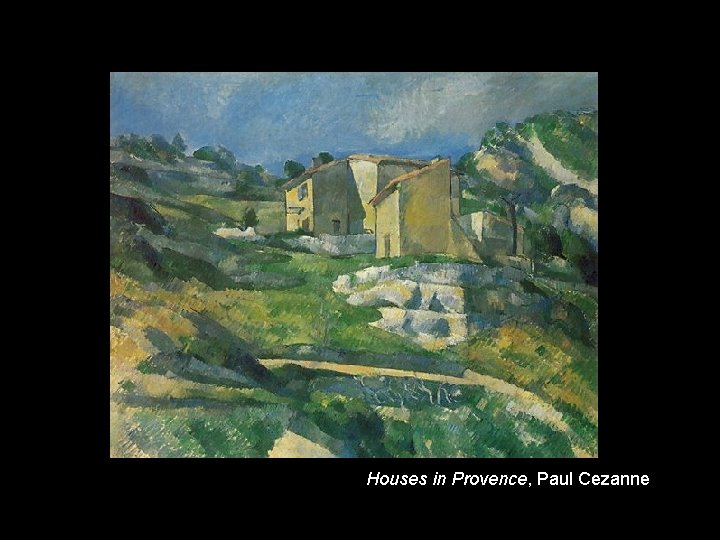
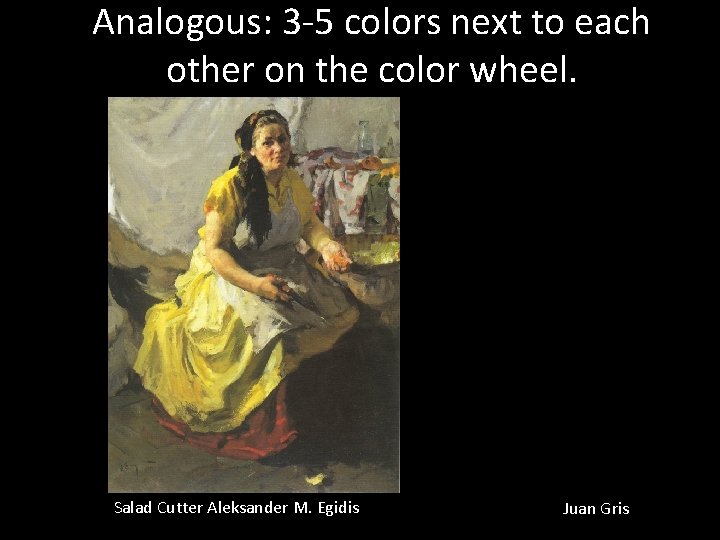
Analogous The analogous color scheme is 3 -5 colors adjacent to each other on the color wheel. This combination of colors provides very little contrast.
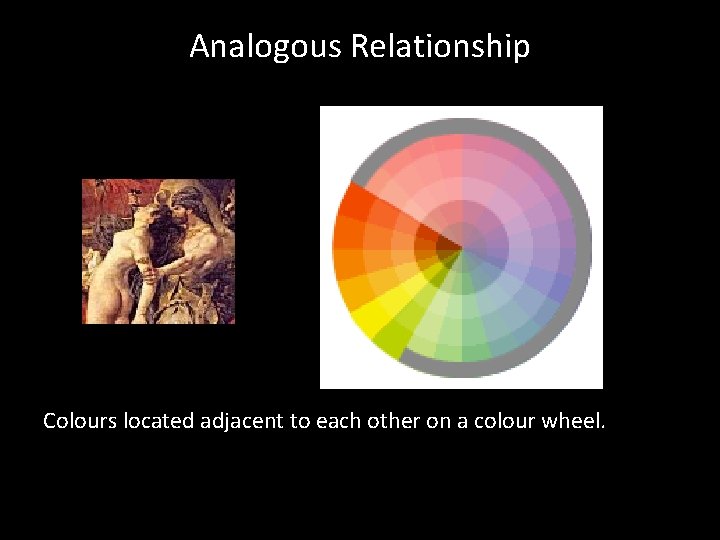
Analogous Relationship Colours located adjacent to each other on a colour wheel.
Houses in Provence, Paul Cezanne
Analogous: 3 -5 colors next to each other on the color wheel. Salad Cutter Aleksander M. Egidis Juan Gris
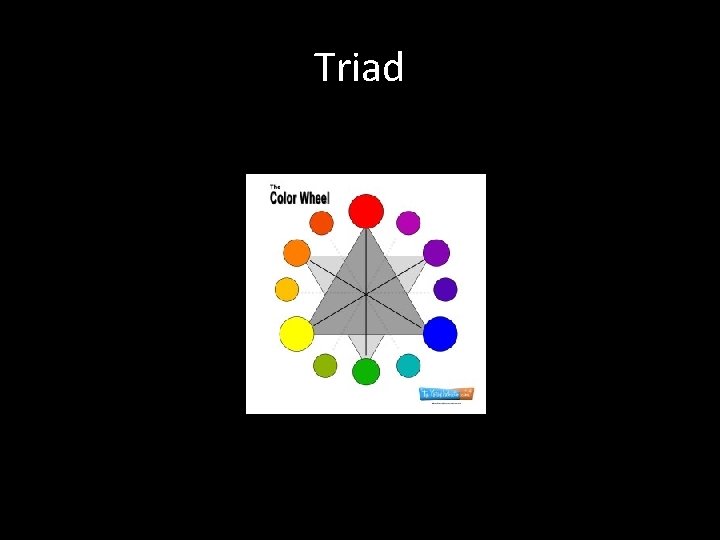
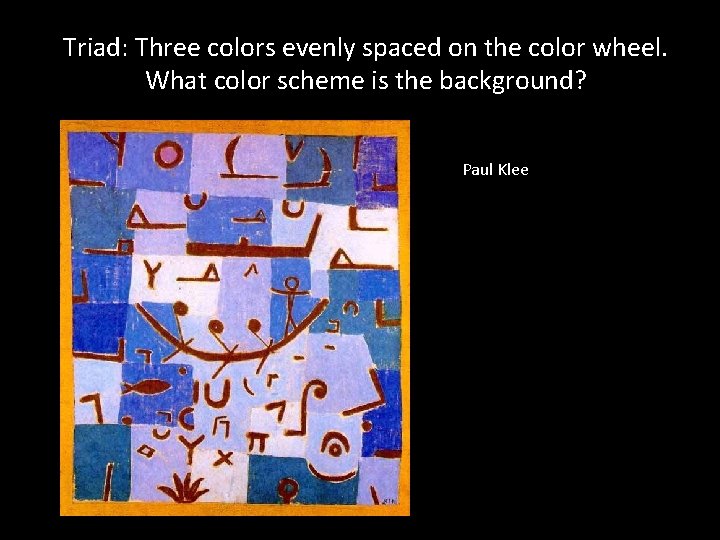
Triad
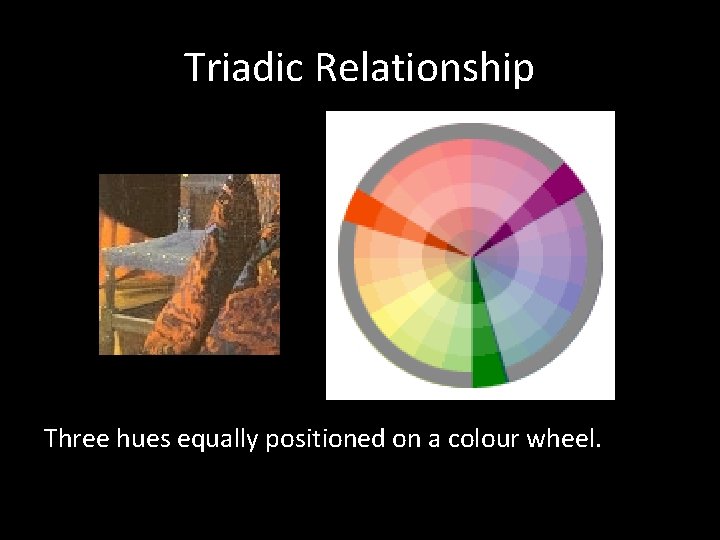
Triadic Relationship Three hues equally positioned on a colour wheel.
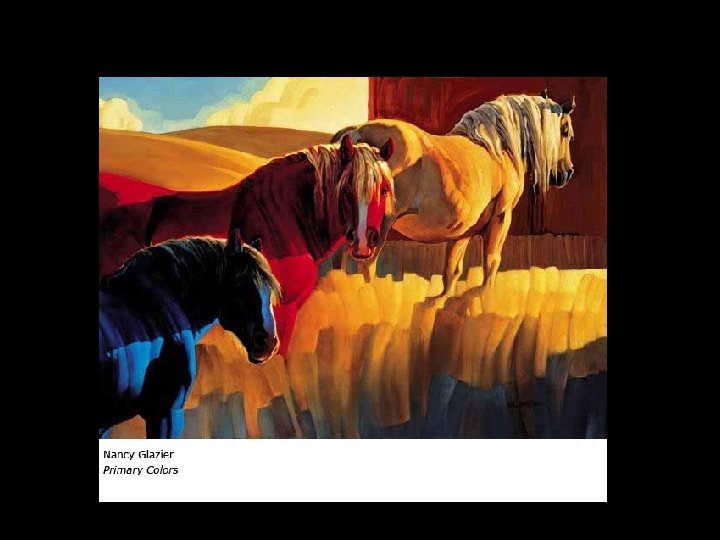
Triad: Three colors evenly spaced on the color wheel. What color scheme is the background? Paul Klee
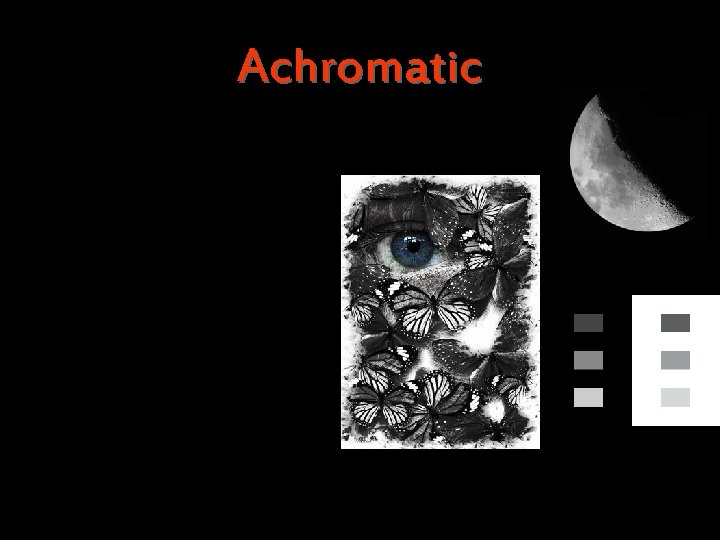
Achromatic Designating color perceived to have zero saturation and therefore no hue, such as neutral grays, white, or black
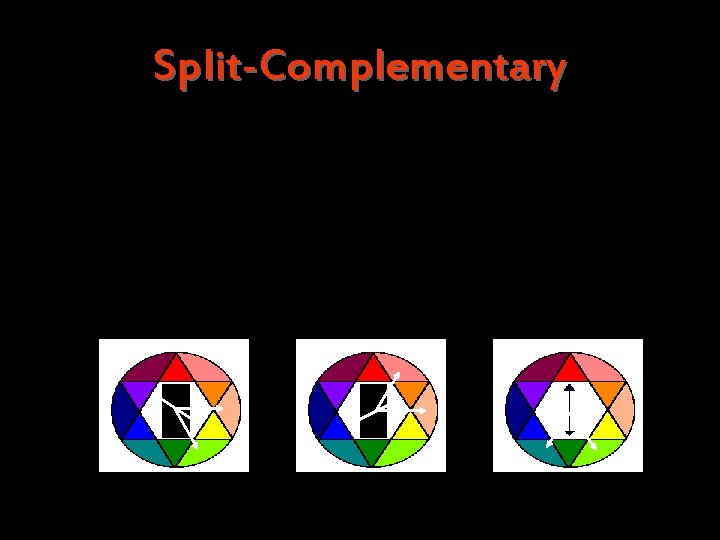
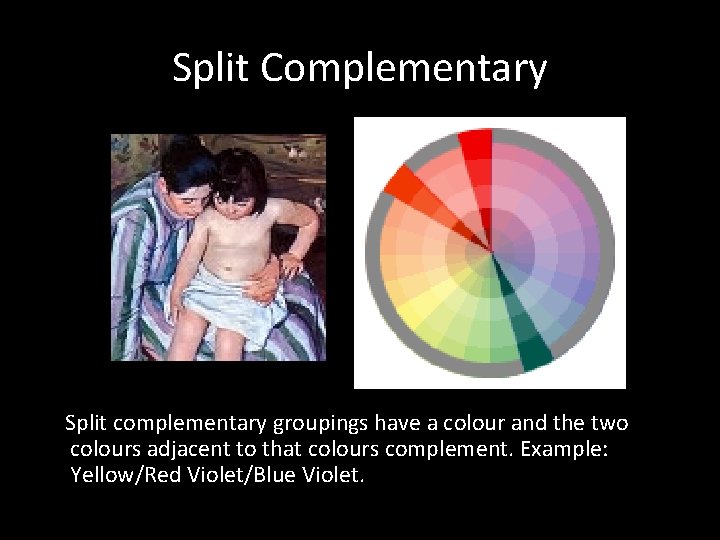
Split-Complementary Like complementary colors, split-complementary colors are also opposite each other, but include three or four colors, not just two. Split-complementary contains the actual color (hue) and the two colors on either side of its complement.
Split Complementary Split complementary groupings have a colour and the two colours adjacent to that colours complement. Example: Yellow/Red Violet/Blue Violet.
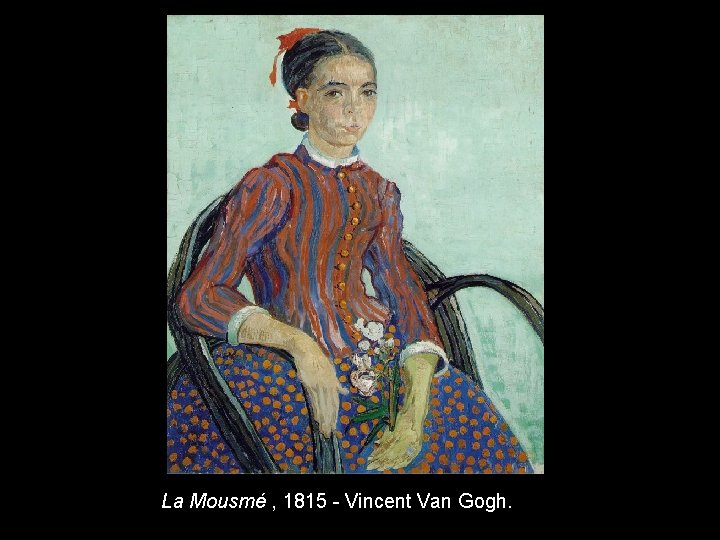
La Mousmé , 1815 - Vincent Van Gogh.
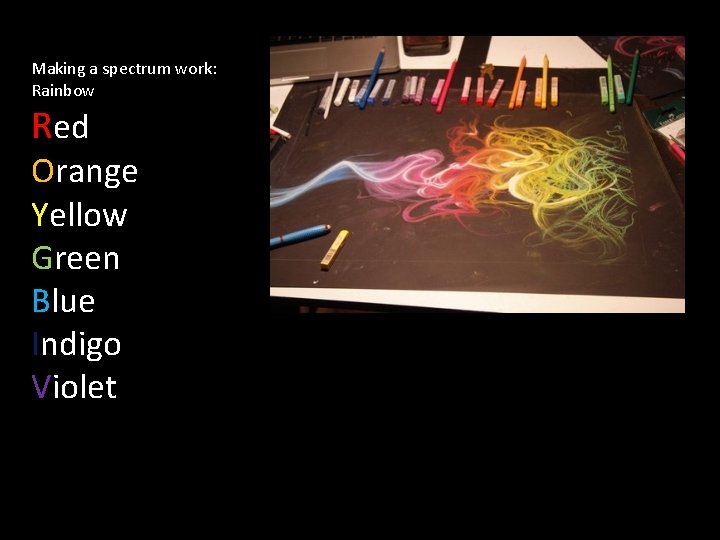
Making a spectrum work: Rainbow Red Orange Yellow Green Blue Indigo Violet
Colour Harmonies • • • Monochromatic Analogous Complementary Split Complementary Triadic
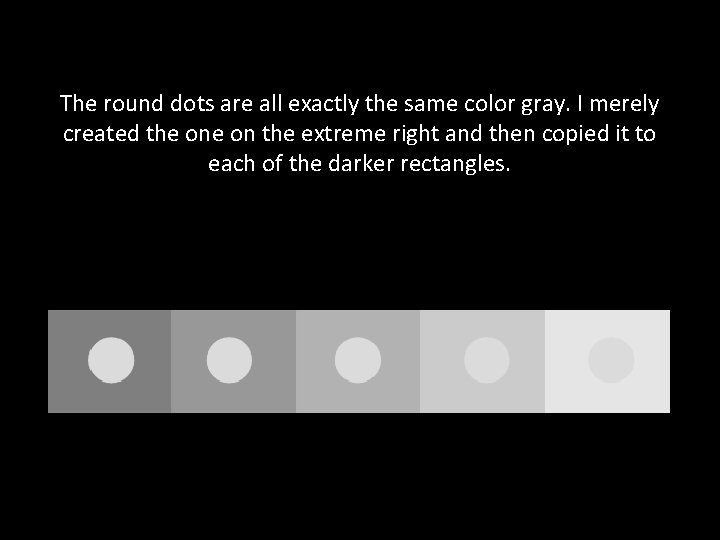
The round dots are all exactly the same color gray. I merely created the on the extreme right and then copied it to each of the darker rectangles.
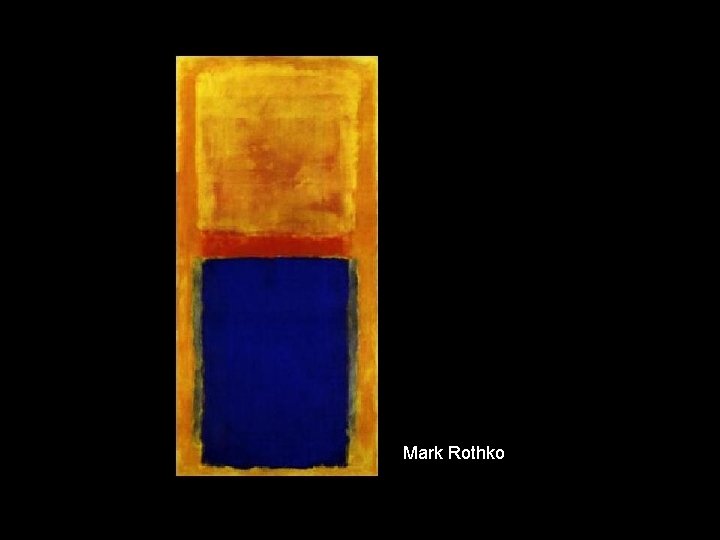
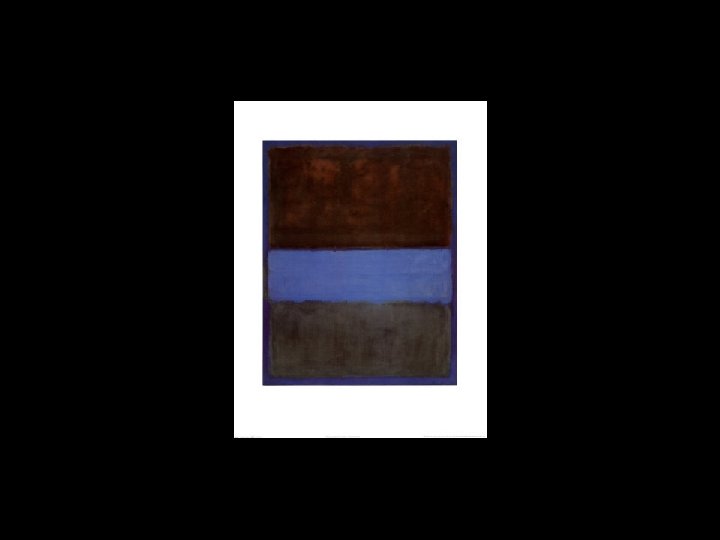
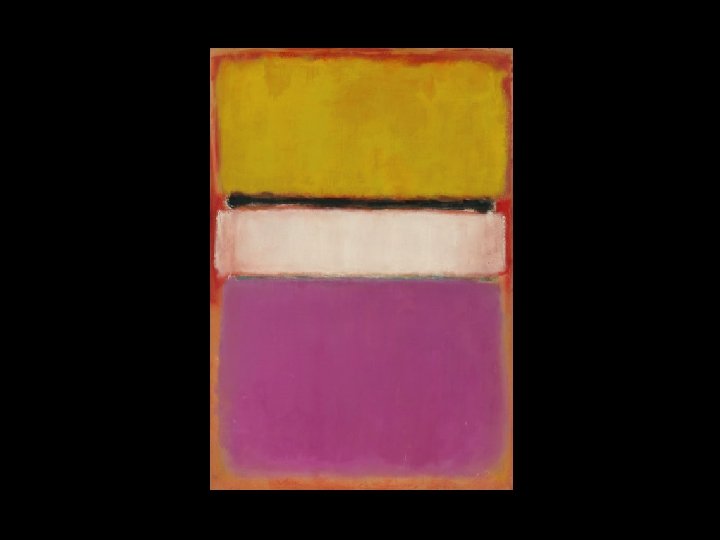
Mark Rothko
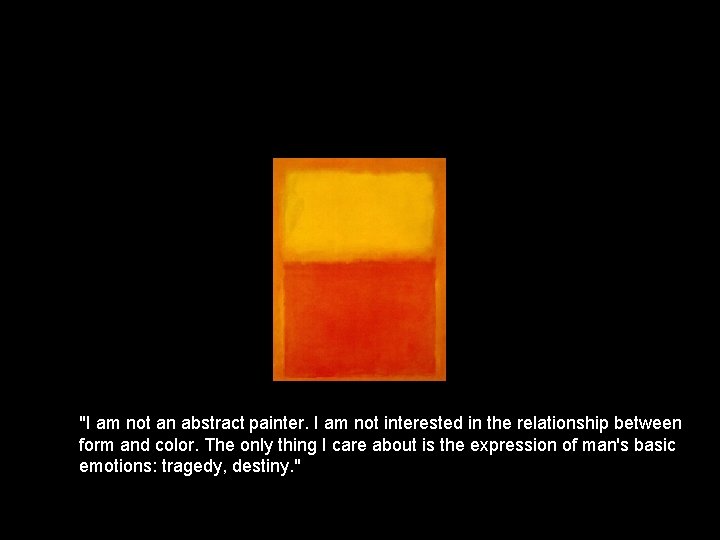
"I am not an abstract painter. I am not interested in the relationship between form and color. The only thing I care about is the expression of man's basic emotions: tragedy, destiny. "
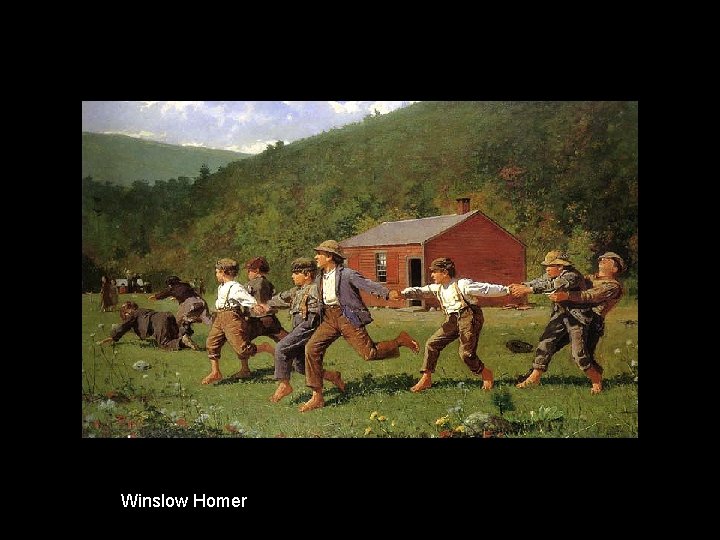
Winslow Homer
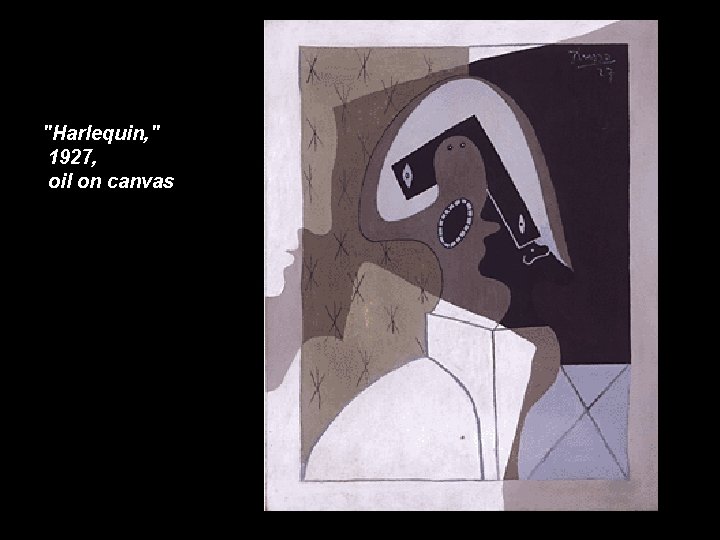
"Harlequin, " 1927, oil on canvas
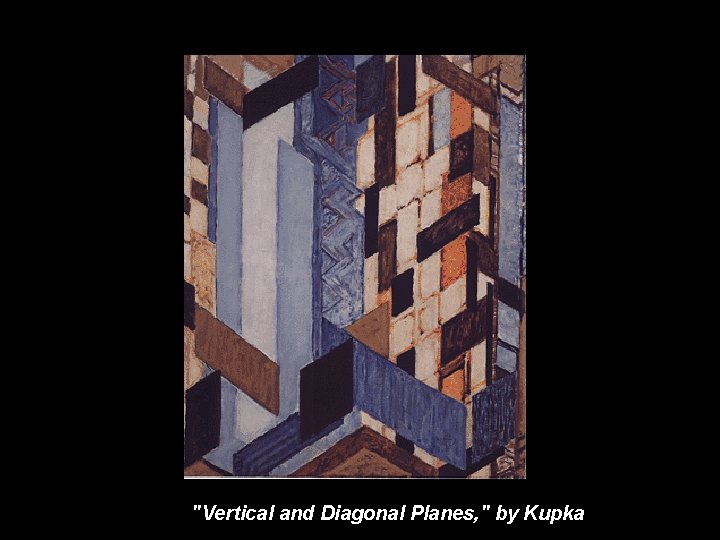
"Vertical and Diagonal Planes, " by Kupka
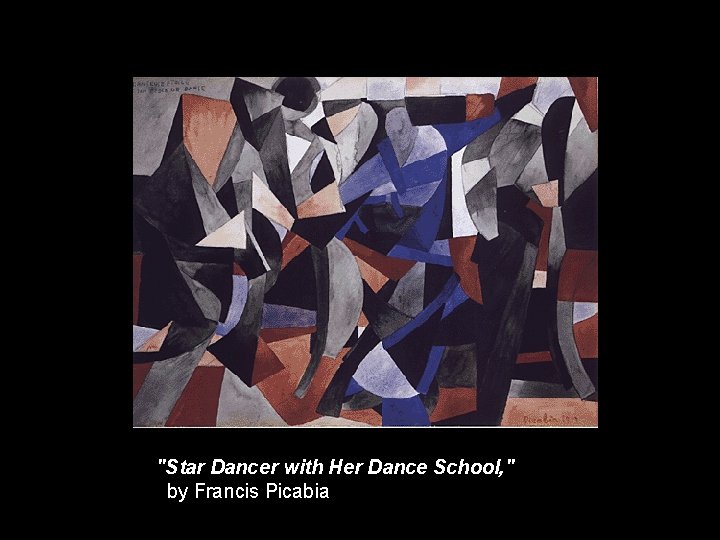
"Star Dancer with Her Dance School, " by Francis Picabia
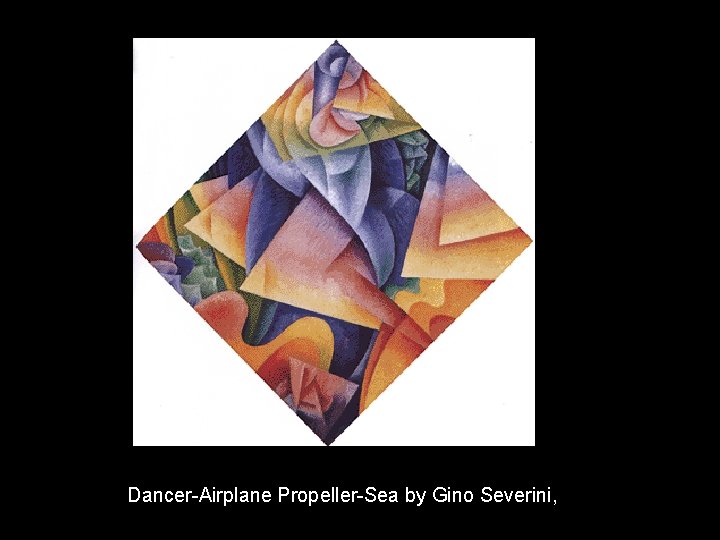
Dancer-Airplane Propeller-Sea by Gino Severini,
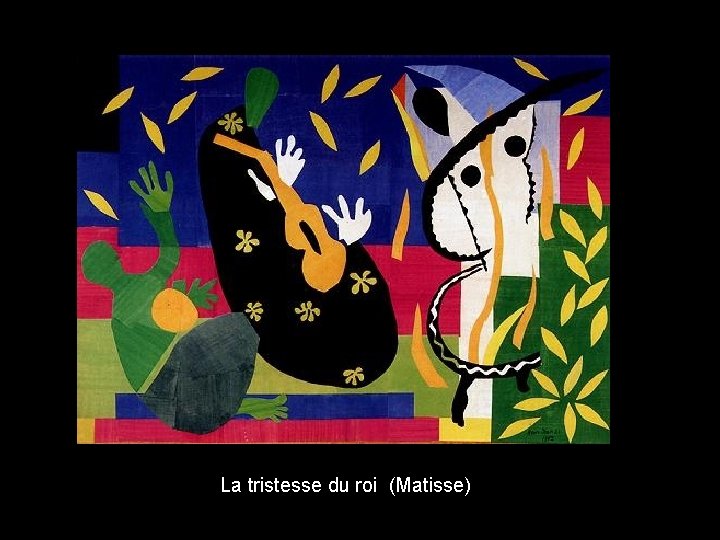
La tristesse du roi (Matisse)
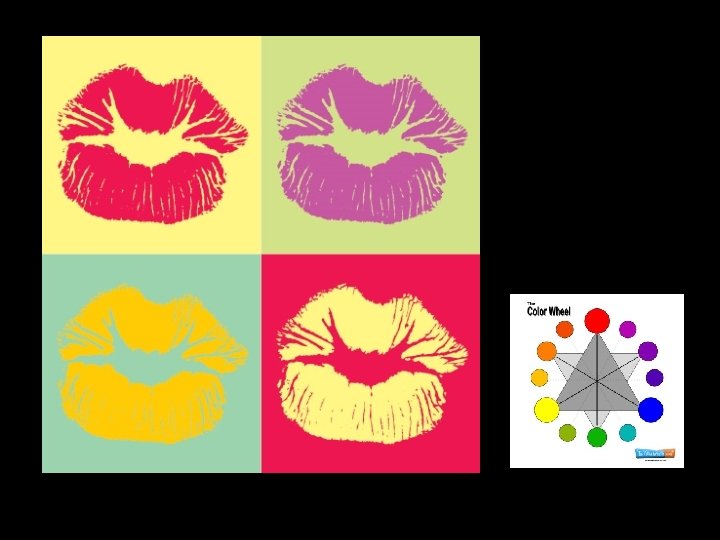
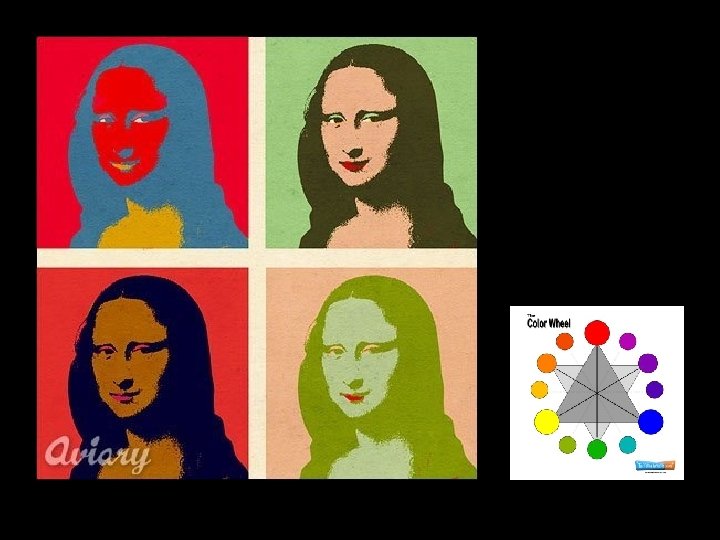
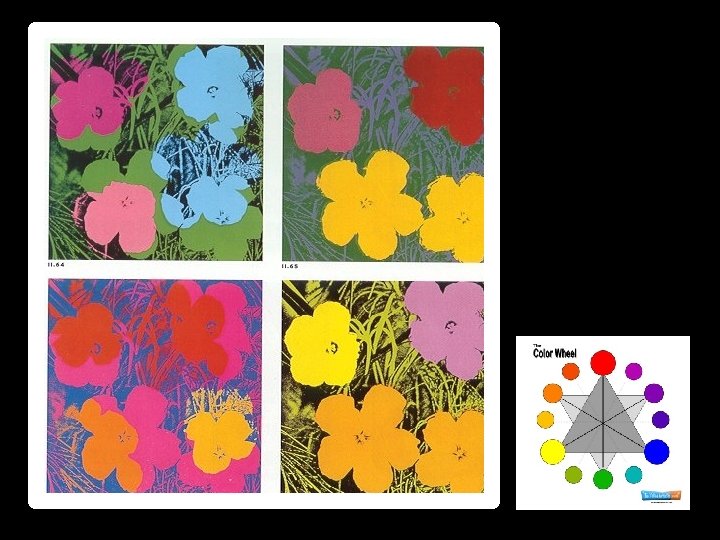
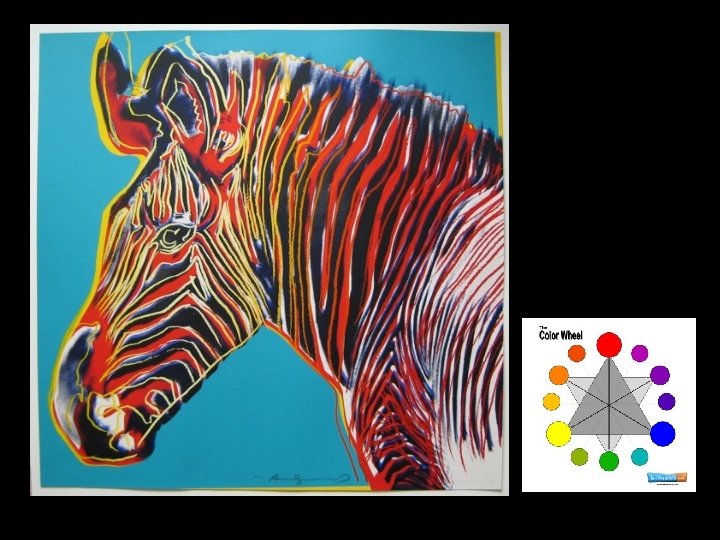
Pop Art
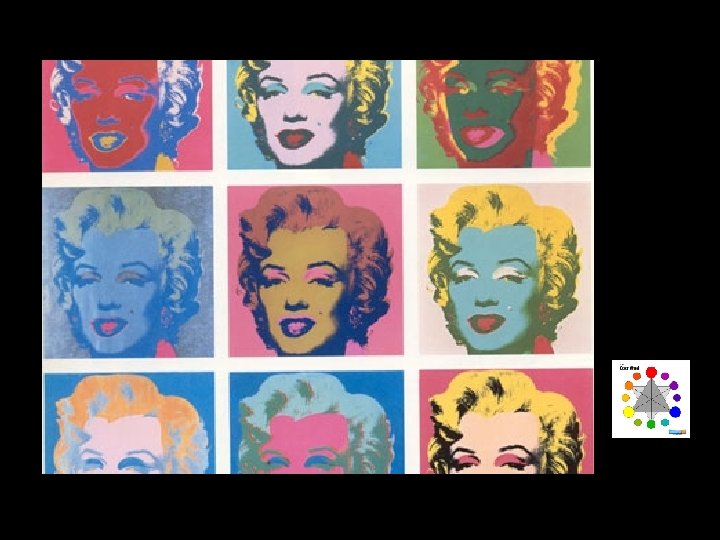
Born August 6, 1928, Pittsburgh, Pennsylvania, Died February 22, 1987, New York
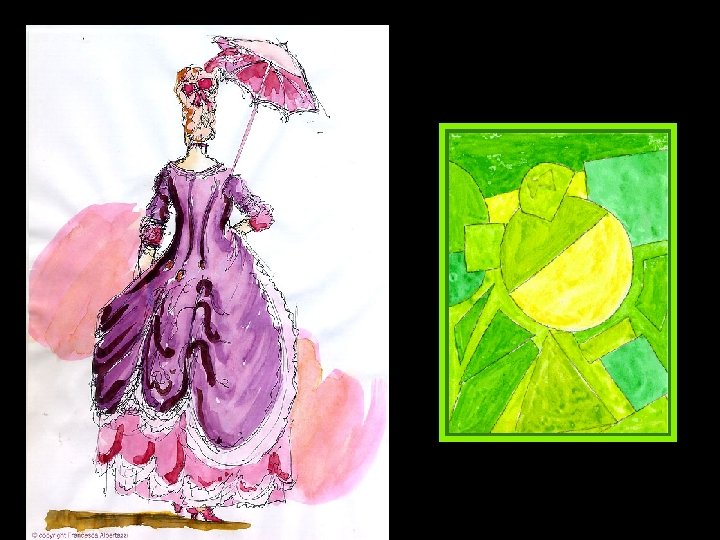
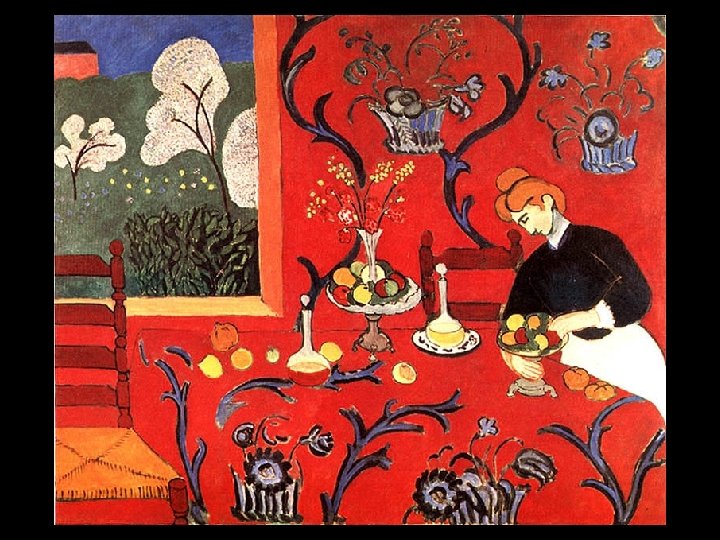
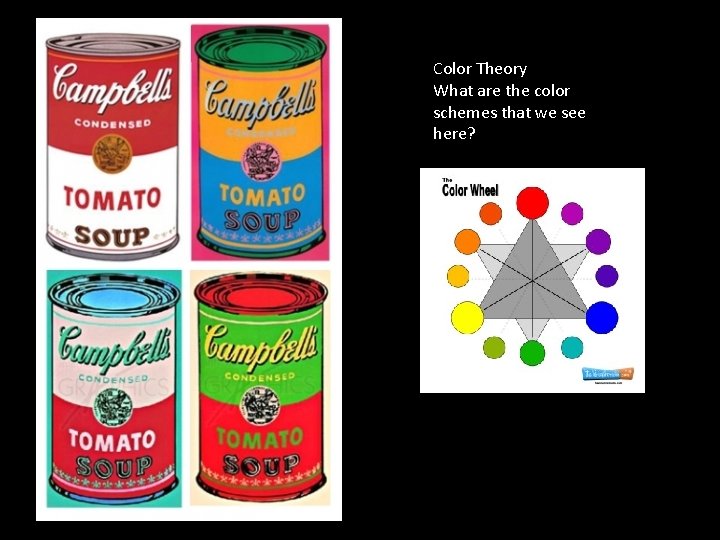
Color Theory What are the color schemes that we see here?
Complementary Triad Analogous Monochromatic