
Collimator test irradiation setup in Hsource test stand

- Slides: 9
Collimator test’ irradiation setup in H-source test stand G Bellodi, L 4 -RFQ spare WP 10 meeting, 18/06/2020
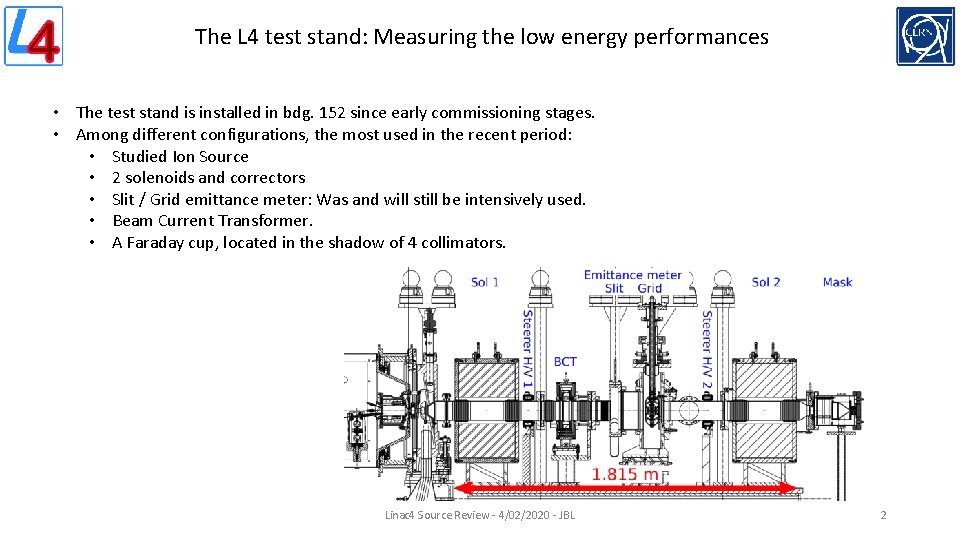
The L 4 test stand: Measuring the low energy performances • The test stand is installed in bdg. 152 since early commissioning stages. • Among different configurations, the most used in the recent period: • Studied Ion Source • 2 solenoids and correctors • Slit / Grid emittance meter: Was and will still be intensively used. • Beam Current Transformer. • A Faraday cup, located in the shadow of 4 collimators. Linac 4 Source Review - 4/02/2020 - JBL 2
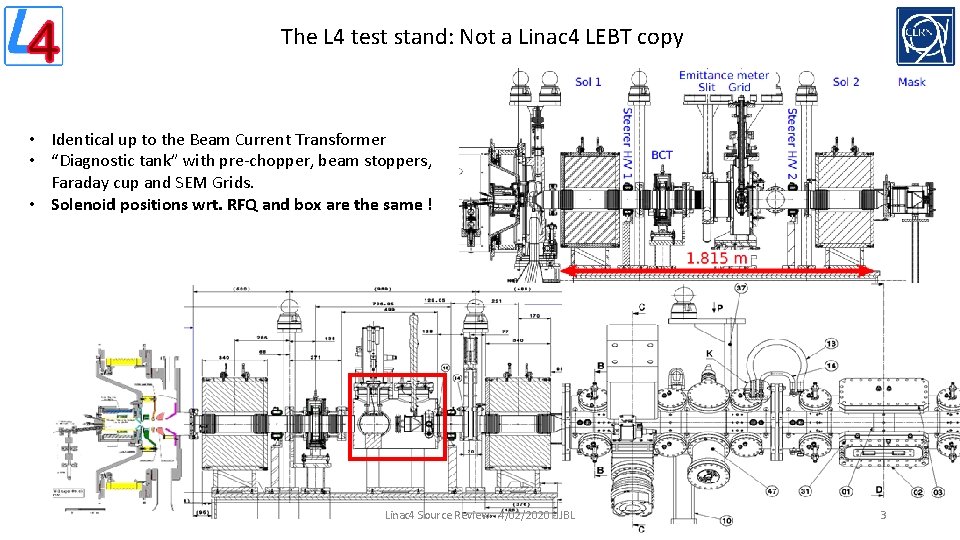
The L 4 test stand: Not a Linac 4 LEBT copy • Identical up to the Beam Current Transformer • “Diagnostic tank” with pre-chopper, beam stoppers, Faraday cup and SEM Grids. • Solenoid positions wrt. RFQ and box are the same ! Linac 4 Source Review - 4/02/2020 - JBL 3
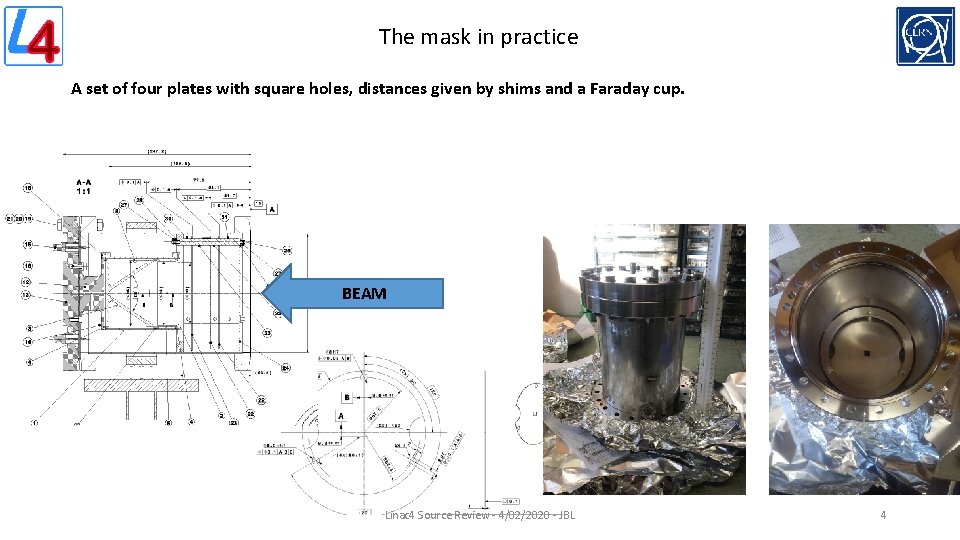
The mask in practice A set of four plates with square holes, distances given by shims and a Faraday cup. BEAM Linac 4 Source Review - 4/02/2020 - JBL 4
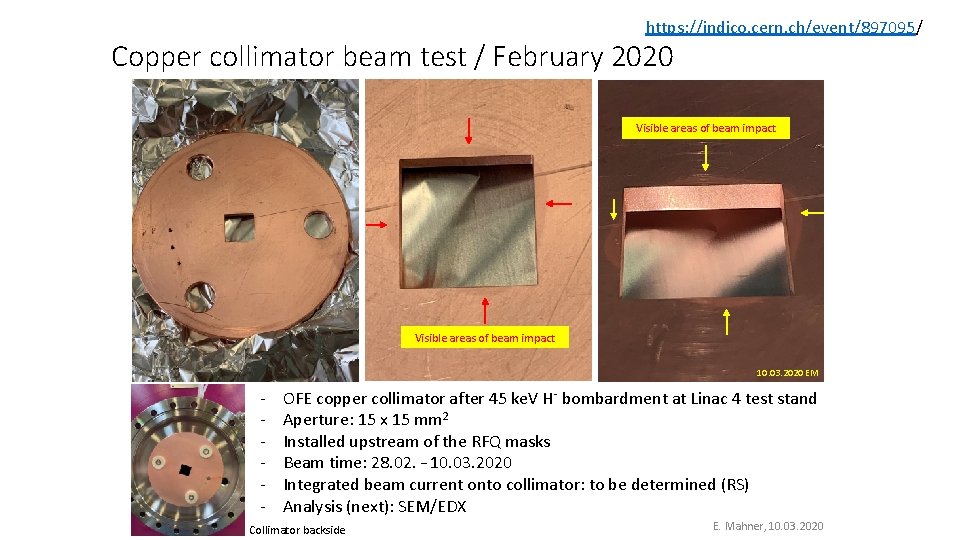
https: //indico. cern. ch/event/897095/ Copper collimator beam test / February 2020 Visible areas of beam impact 10. 03. 2020 EM - OFE copper collimator after 45 ke. V H- bombardment at Linac 4 test stand Aperture: 15 x 15 mm 2 Installed upstream of the RFQ masks Beam time: 28. 02. – 10. 03. 2020 Integrated beam current onto collimator: to be determined (RS) Analysis (next): SEM/EDX Collimator backside E. Mahner, 10. 03. 2020
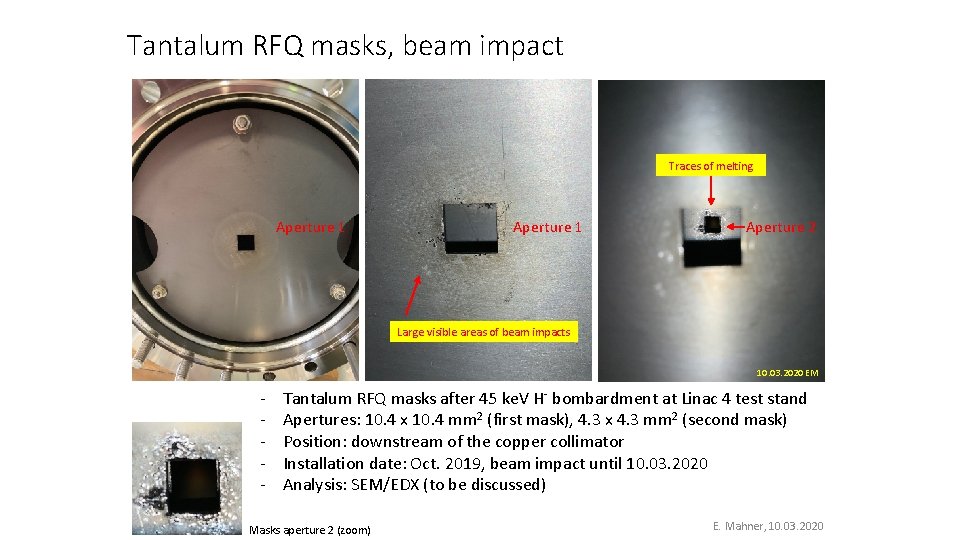
Tantalum RFQ masks, beam impact Traces of melting Aperture 1 Aperture 2 Large visible areas of beam impacts 10. 03. 2020 EM - Tantalum RFQ masks after 45 ke. V H- bombardment at Linac 4 test stand Apertures: 10. 4 x 10. 4 mm 2 (first mask), 4. 3 x 4. 3 mm 2 (second mask) Position: downstream of the copper collimator Installation date: Oct. 2019, beam impact until 10. 03. 2020 Analysis: SEM/EDX (to be discussed) Masks aperture 2 (zoom) E. Mahner, 10. 03. 2020
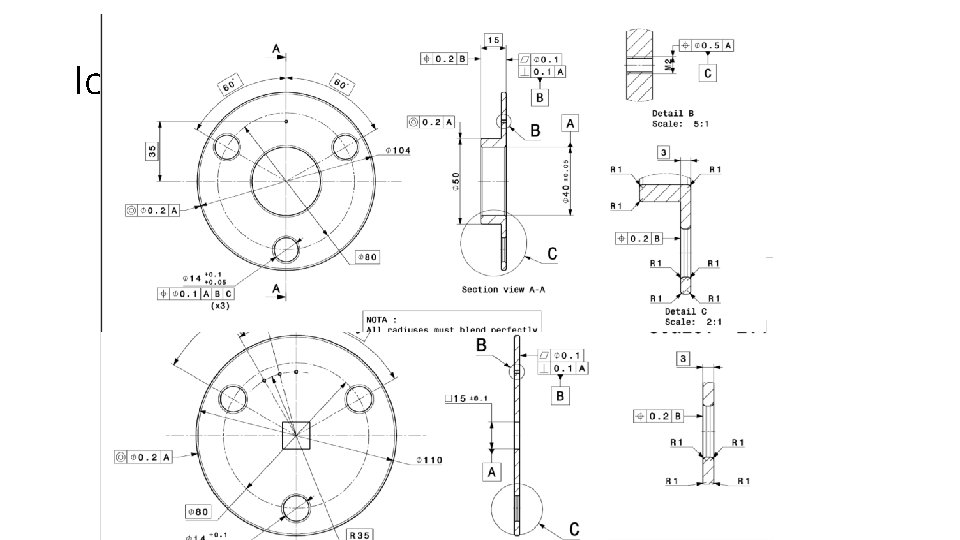
Insert a collimator at the place of the suppression electrode • Collimator thickness 3 mm • Located (centre at 258. 5 mm downstream the centre of the second solenoid) • Square hole +_7. 5 mm https: //indico. cern. ch/event/895036/
Ion trap and collimator
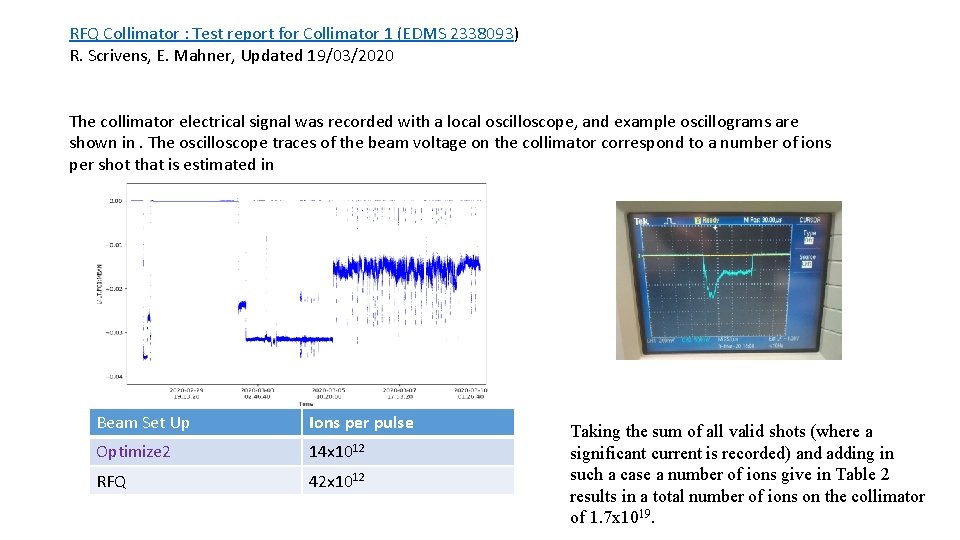
RFQ Collimator : Test report for Collimator 1 (EDMS 2338093) R. Scrivens, E. Mahner, Updated 19/03/2020 The collimator electrical signal was recorded with a local oscilloscope, and example oscillograms are shown in. The oscilloscope traces of the beam voltage on the collimator correspond to a number of ions per shot that is estimated in Beam Set Up Ions per pulse Optimize 2 14 x 1012 RFQ 42 x 1012 Taking the sum of all valid shots (where a significant current is recorded) and adding in such a case a number of ions give in Table 2 results in a total number of ions on the collimator of 1. 7 x 10¹⁹.