
COLLABORATION MAJOR LEARNING OUTCOME MLO 1 JANIE HERNANDEZ
COLLABORATION MAJOR LEARNING OUTCOME (MLO) 1 JANIE HERNANDEZ, MEGAN PHILIPS, AND MARIA RUIZ.
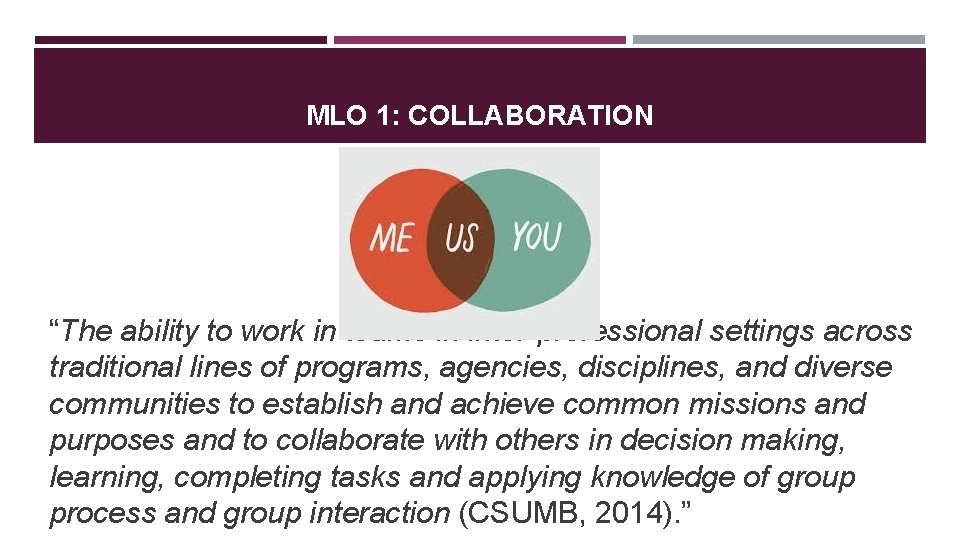
MLO 1: COLLABORATION “The ability to work in teams in inter-professional settings across traditional lines of programs, agencies, disciplines, and diverse communities to establish and achieve common missions and purposes and to collaborate with others in decision making, learning, completing tasks and applying knowledge of group process and group interaction (CSUMB, 2014). ”
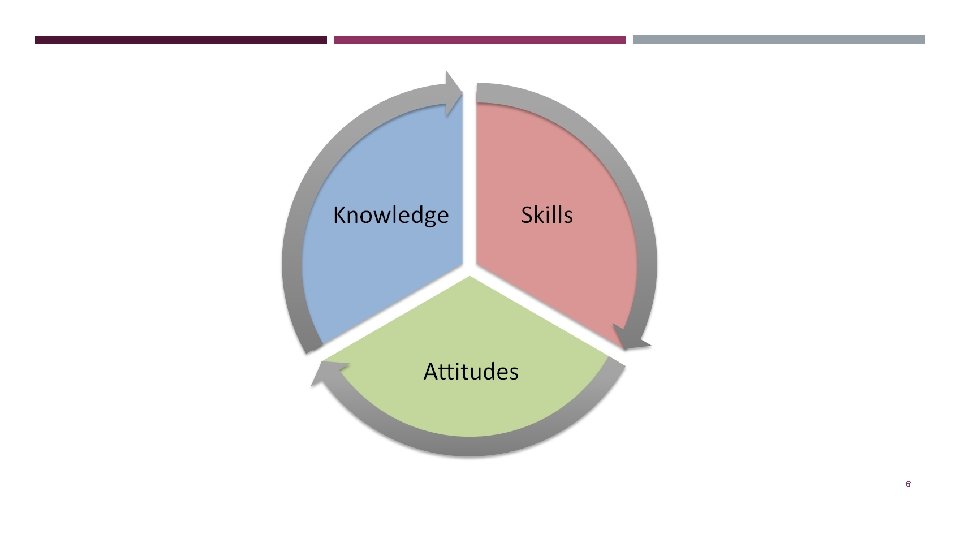
CORE COMPETENCIES � Knowledge: Must be able to define collaboration, know why it’s important, and how the community can be improved by using collaborative efforts. � Networking � Coalitions and Partnerships � Different Modalities of Learning 3
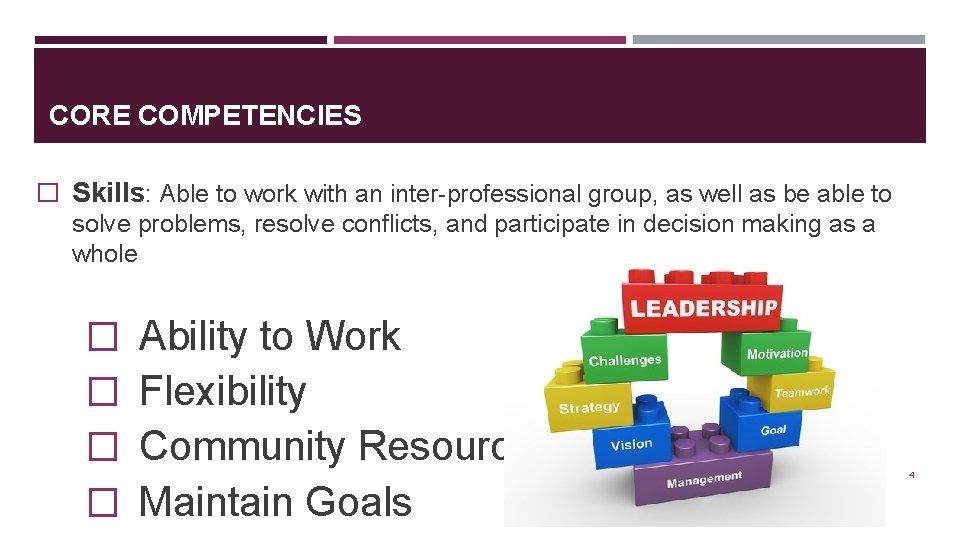
CORE COMPETENCIES � Skills: Able to work with an inter-professional group, as well as be able to solve problems, resolve conflicts, and participate in decision making as a whole � � Ability to Work Flexibility Community Resources Maintain Goals 4

CORE COMPETENCIES � Attitude: Be able to share resources, skills, and come together to achieve a common goal in a group setting. � � Understanding Open-minded Promote Change Learn from Past Actions 5
6
REFERENCES Cal State Monterey Bay HEALTH, HUMAN SERVICES & PUBLIC POLICY, . (2014). MLO 1 Collaboration. Retrieved 10 October 2014, from Brearton, H. (Ed. ). (2014, June 2). MLO 1 Collaboration. Retrieved October 10, 2014, from http: //hhspp. csumb. edu/collaborationmlo-1 Patterson, C. (2014). CHHS 330: collaborative community leadership [Class handout]. Department of Collaborative Health and Human Services, California State University, Monterey Bay, Seaside, CA 7
- Slides: 7