
Cognitive processes Engineering Psychology perception sensation attention thinking
- Slides: 26
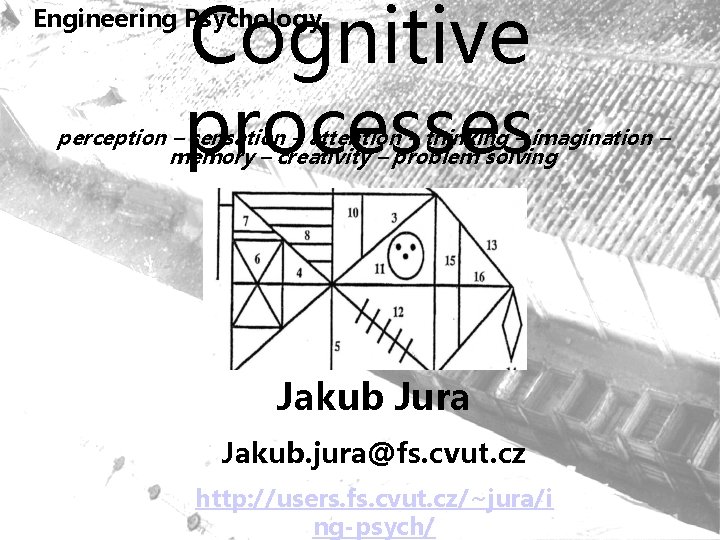
Cognitive processes Engineering Psychology perception – sensation – attention – thinking – imagination – memory – creativity – problem solving Jakub Jura Jakub. jura@fs. cvut. cz http: //users. fs. cvut. cz/~jura/i ng-psych/
What is Cognitive? • From latin cognoscere = getting to know • Distinguish emotional and rational • Descarte’s „Cogito ergo sum“. Mental processes mediate between stimulus and response.
Cognitive processes • Base Cognitive processes: – – – – Perception Sensation Attention Thinking Imagination Memory Learning • Advanced Cognitive processes – Creativity – Problem solving
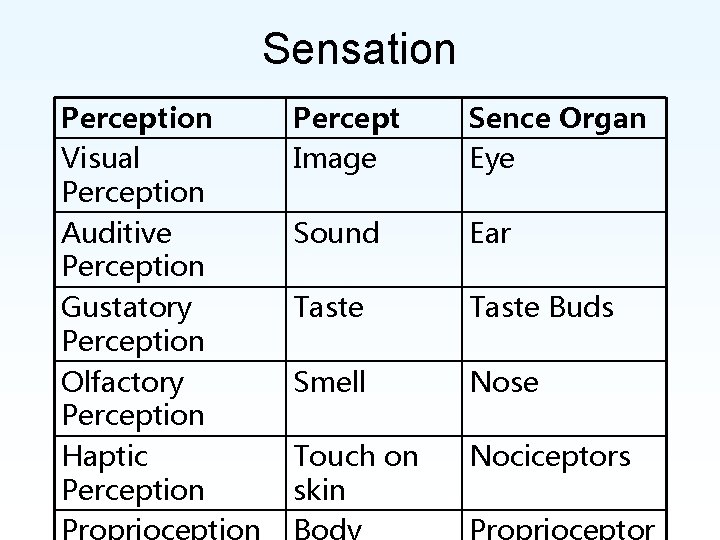
Sensation • Sensation is about sense organ and basic processes on this level. • Perception is about creating whole percept.
Sensation Perception Visual Perception Auditive Perception Gustatory Perception Olfactory Perception Haptic Perception Percept Image Sence Organ Eye Sound Ear Taste Buds Smell Nose Touch on skin Nociceptors
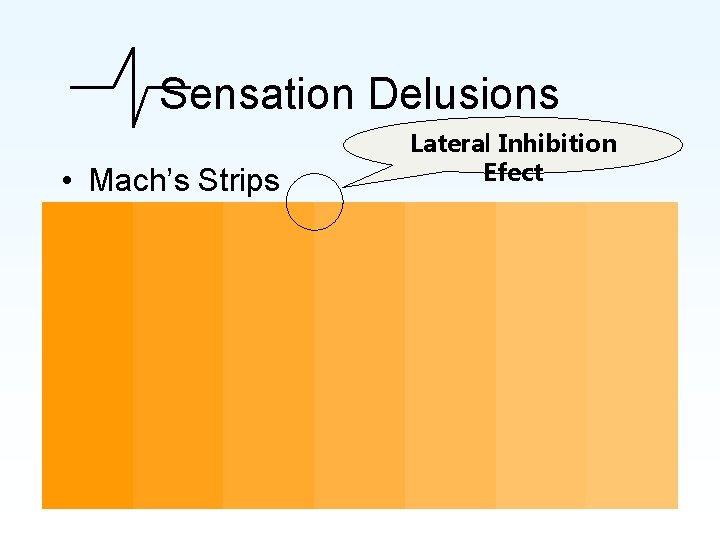
Sensation Delusions • Mach’s Strips Lateral Inhibition Efect
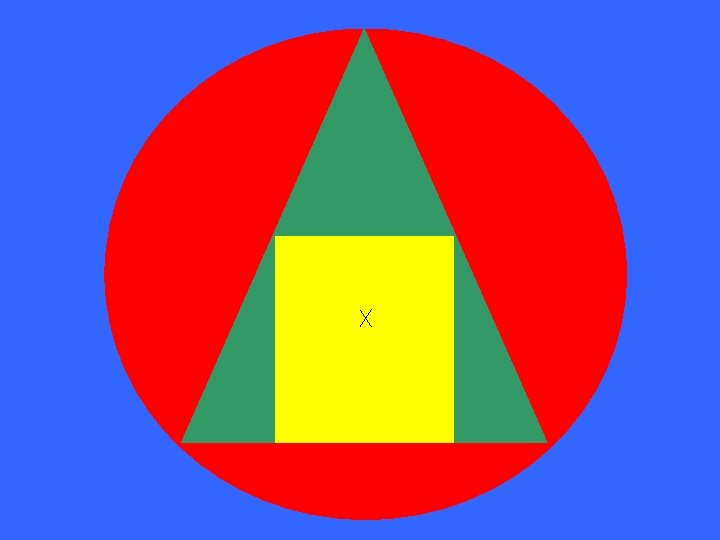
Negative afterimage
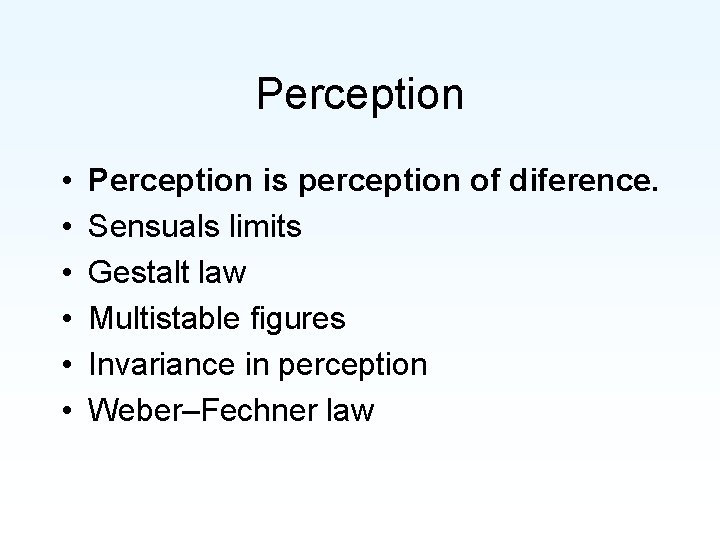
Perception • • • Perception is perception of diference. Sensuals limits Gestalt law Multistable figures Invariance in perception Weber–Fechner law
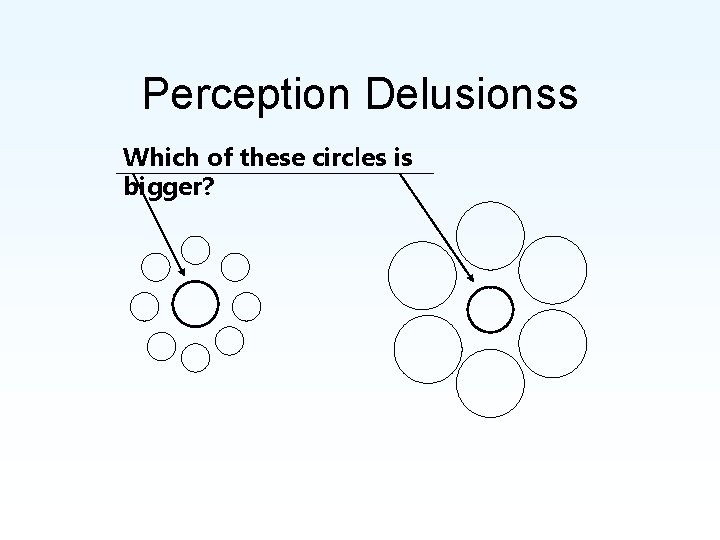
Perception Delusionss Which of these circles is bigger?
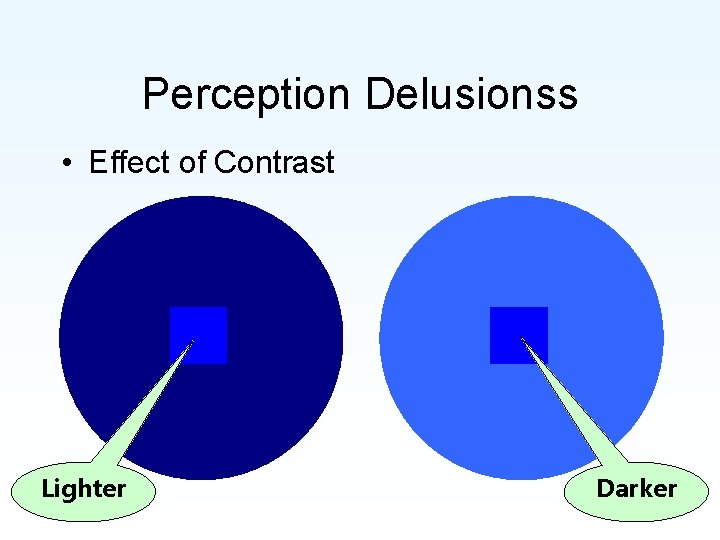
Perception Delusionss • Effect of Contrast Lighter Darker
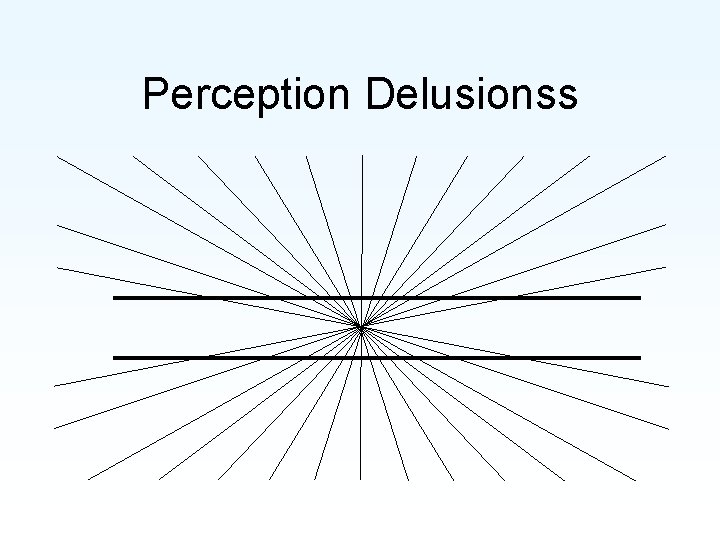
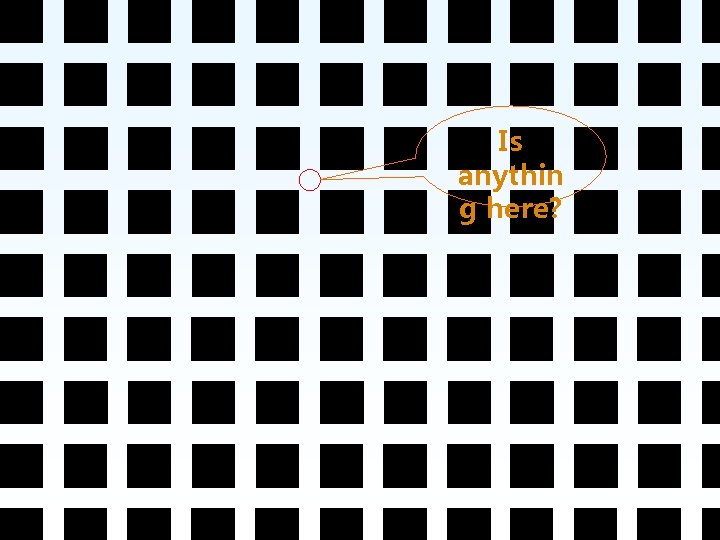
Perception Delusionss
Is anythin g here?
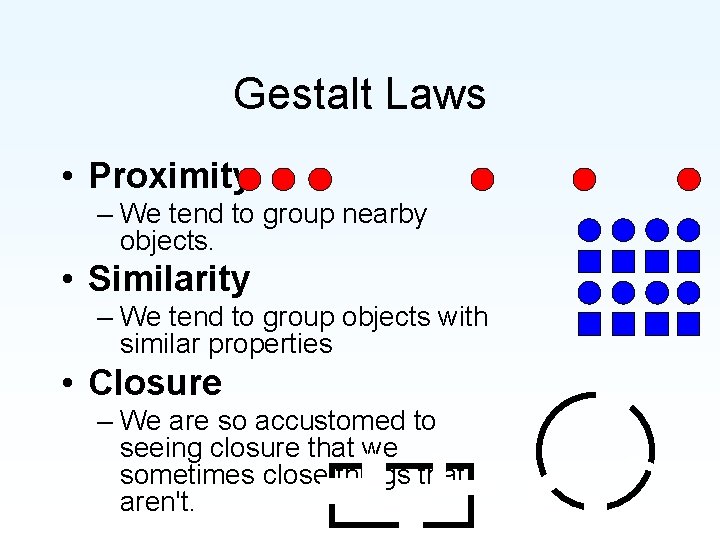
Gestalt Laws • Proximity – We tend to group nearby objects. • Similarity – We tend to group objects with similar properties • Closure – We are so accustomed to seeing closure that we sometimes close things that aren't.
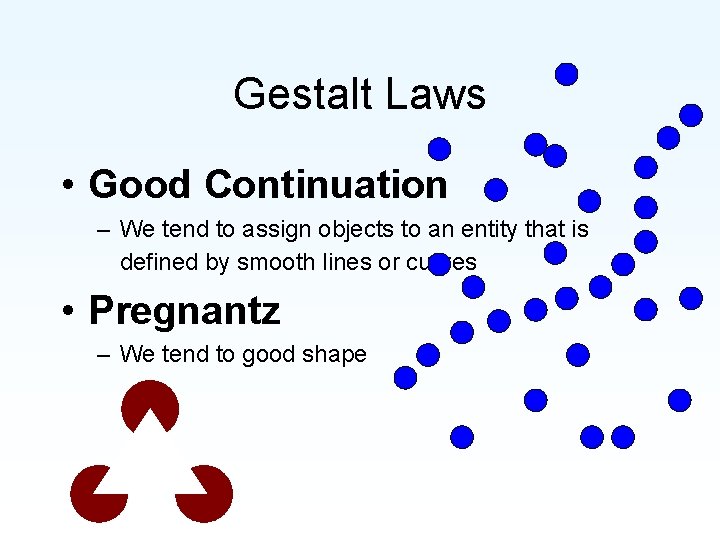
Gestalt Laws • Good Continuation – We tend to assign objects to an entity that is defined by smooth lines or curves • Pregnantz – We tend to good shape
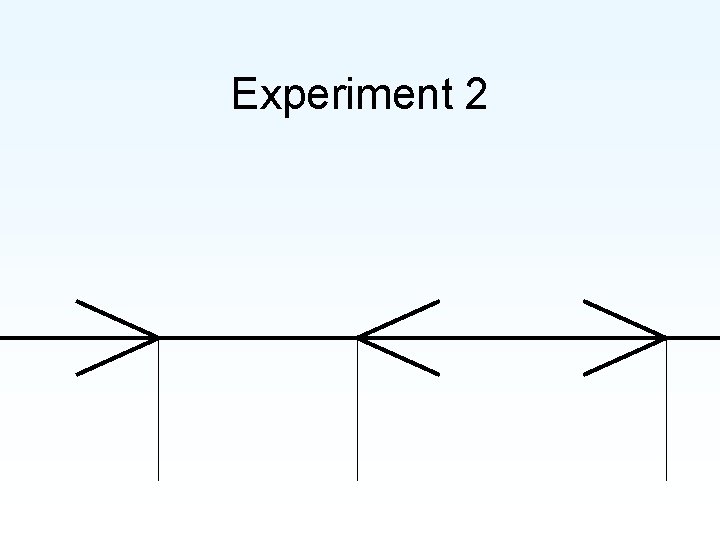
Experiment 2
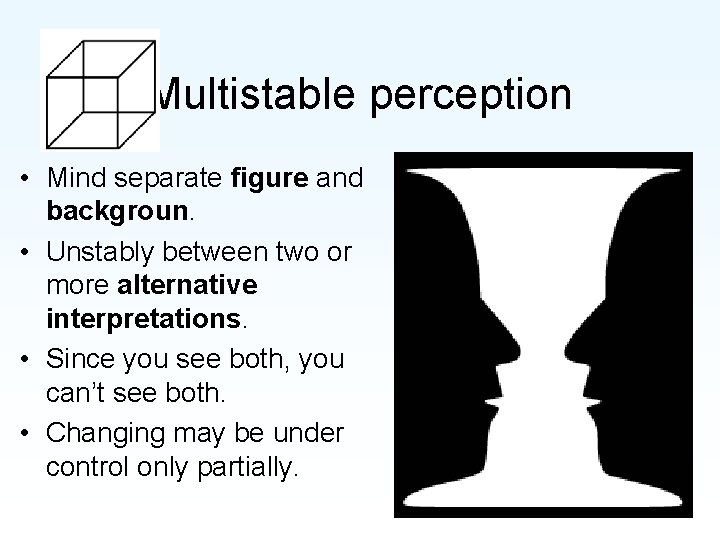
Multistable perception • Mind separate figure and backgroun. • Unstably between two or more alternative interpretations. • Since you see both, you can’t see both. • Changing may be under control only partially.
Invariance in perception • Objects are recognized independent of rotation, translation, scale, elastic deformations, different lighting, and different component features.
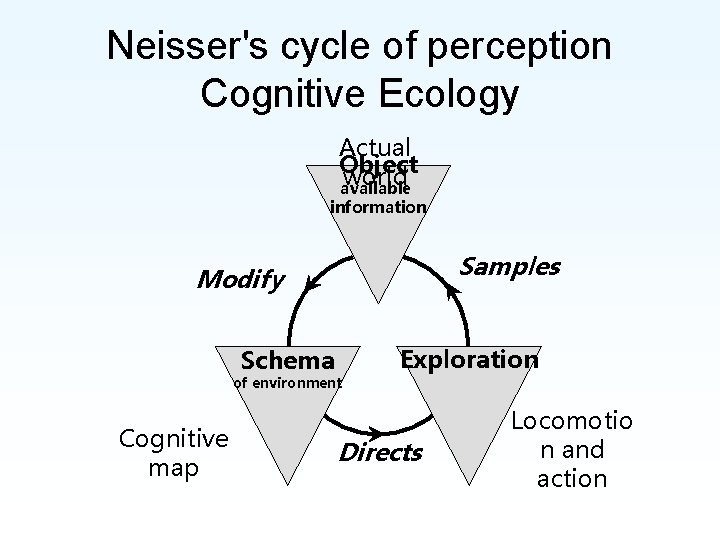
Neisser's cycle of perception Cognitive Ecology Actual Object world available information Samples Modify Schema of environment Cognitive map Exploration Directs Locomotio n and action
Psychophysics • • Ernest Heinrich Weber (1795– 1878) Gustav Theodor Fechner (1801– 1887) Stimulus Percept Stimulus Sensation Percept
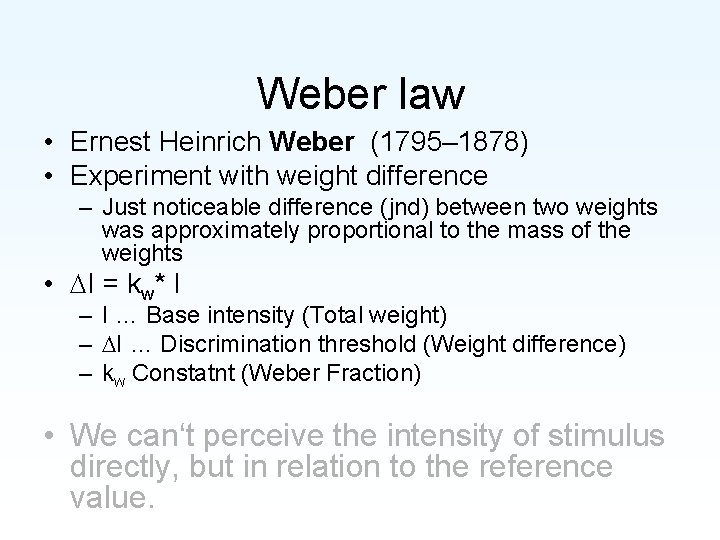
Weber law • Ernest Heinrich Weber (1795– 1878) • Experiment with weight difference – Just noticeable difference (jnd) between two weights was approximately proportional to the mass of the weights • I = kw* I – I … Base intensity (Total weight) – I … Discrimination threshold (Weight difference) – kw Constatnt (Weber Fraction) • We can‘t perceive the intensity of stimulus directly, but in relation to the reference value.
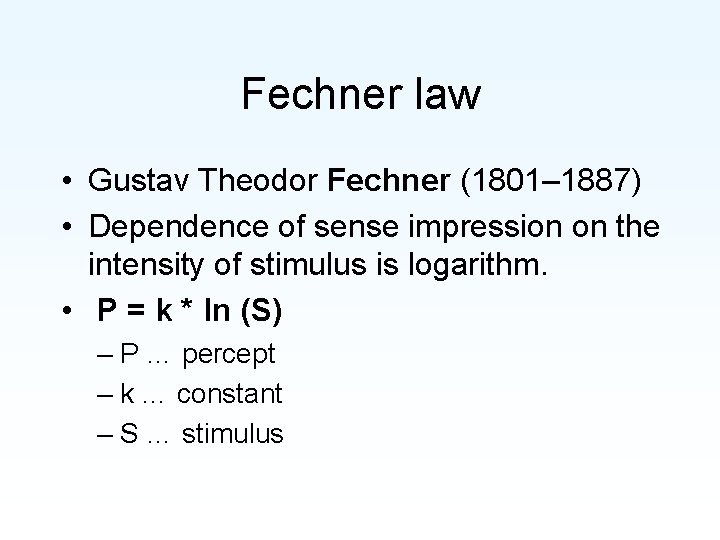
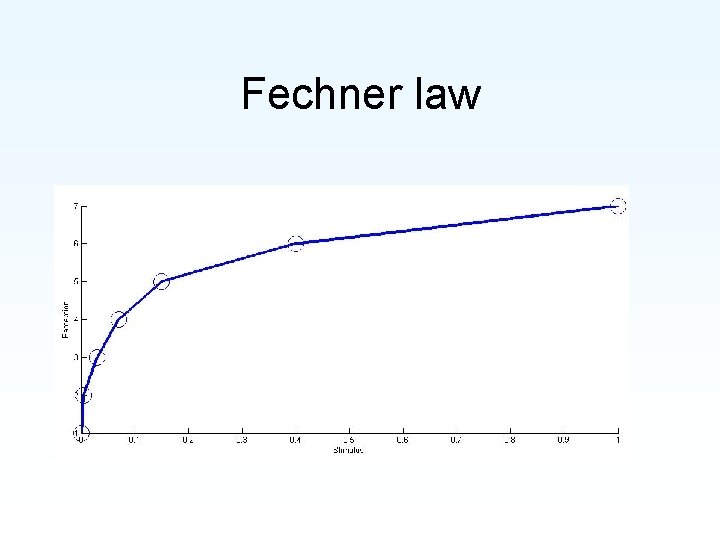
Fechner law • Gustav Theodor Fechner (1801– 1887) • Dependence of sense impression on the intensity of stimulus is logarithm. • P = k * ln (S) – P … percept – k … constant – S … stimulus
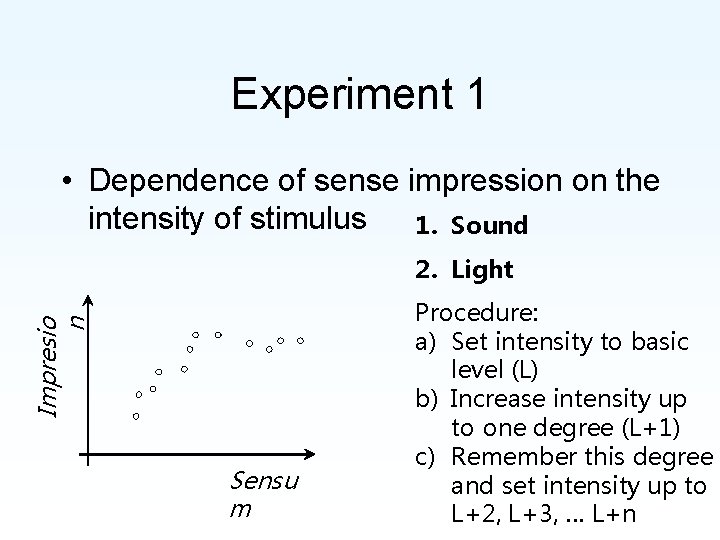
Experiment 1 • Dependence of sense impression on the intensity of stimulus 1. Sound Impresio n 2. Light Sensu m Procedure: a) Set intensity to basic level (L) b) Increase intensity up to one degree (L+1) c) Remember this degree and set intensity up to L+2, L+3, … L+n
Fechner law
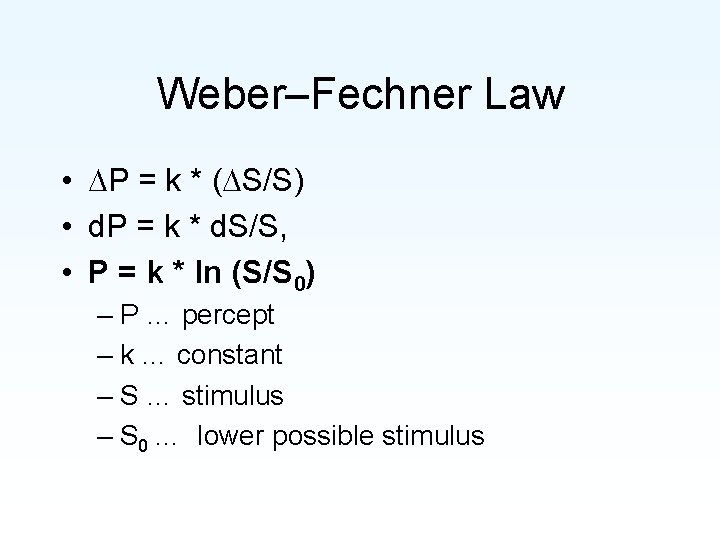
Weber–Fechner Law • P = k * ( S/S) • d. P = k * d. S/S, • P = k * ln (S/S 0) – P … percept – k … constant – S … stimulus – S 0 … lower possible stimulus
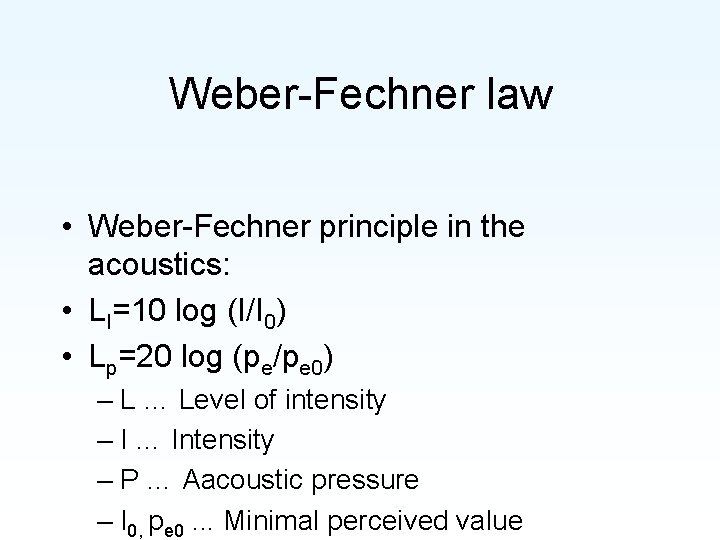
Weber-Fechner law • Weber-Fechner principle in the acoustics: • LI=10 log (I/I 0) • Lp=20 log (pe/pe 0) – L … Level of intensity – I … Intensity – P … Aacoustic pressure – I 0, pe 0. . . Minimal perceived value