
Cognitive Disabilities in Education How the brain works
Cognitive Disabilities in Education: How the brain works Enita Elecia Barrett Ed. D Lecturer/Special Needs Support Lead Qatar University Foundation Program 12 March 2020
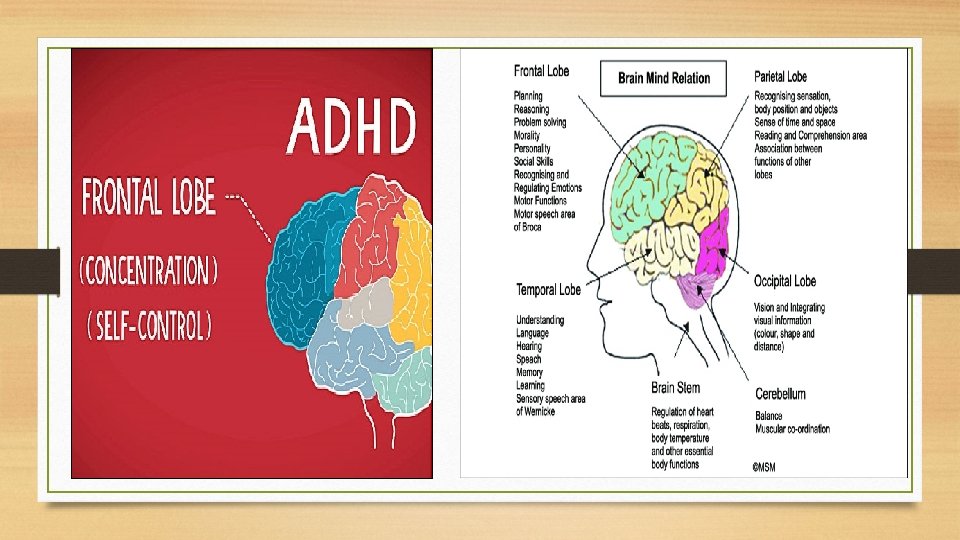
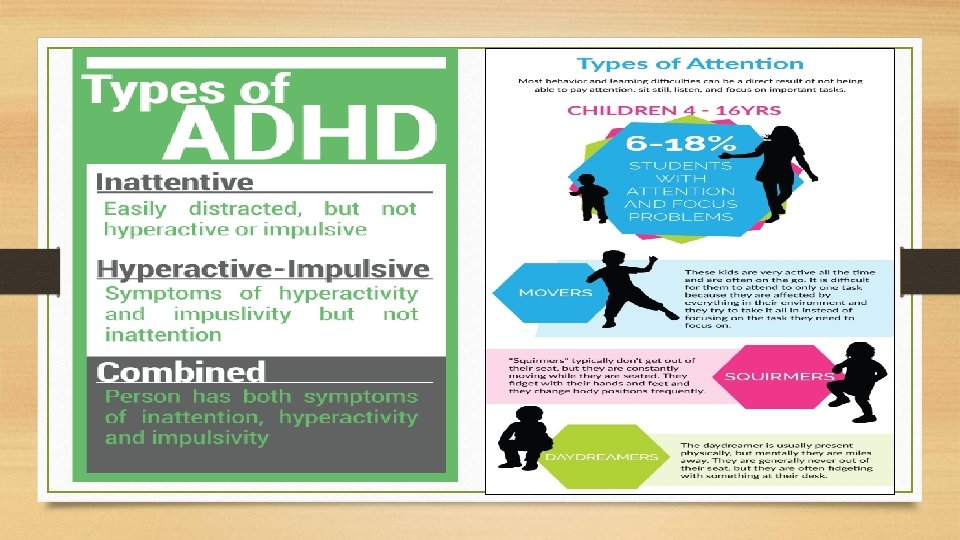
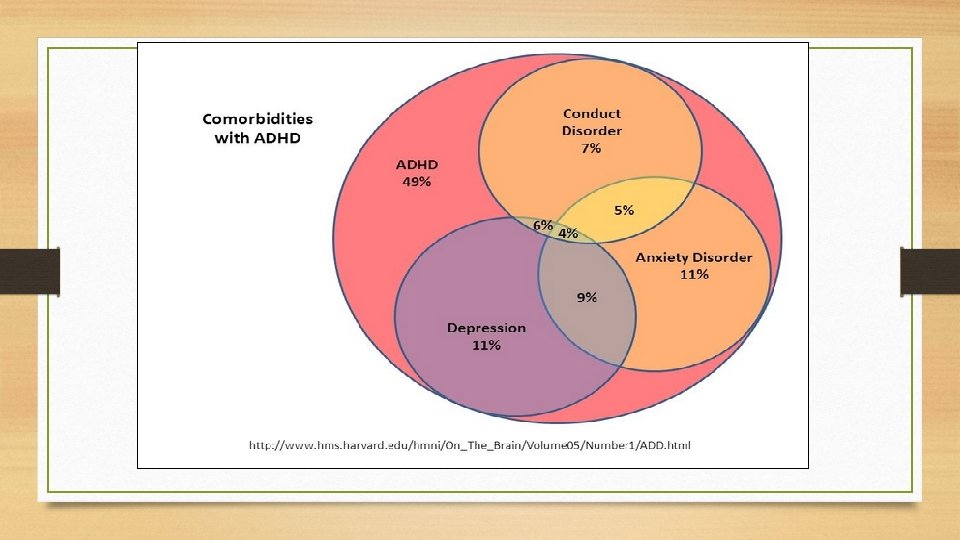
Objectives: • Discuss the relationships between parts of the brain and common human tendencies in an effort to arrive at an understanding of brain functions that influence varying levels learning abilities. • We will look at three specific types of disabilities ASD- Giftedness, ADHD-Dyslexia, discuss characteristics and reflect on our own classroom experiences to arrive at some of the ways these differences are sometimes manifested among older students.
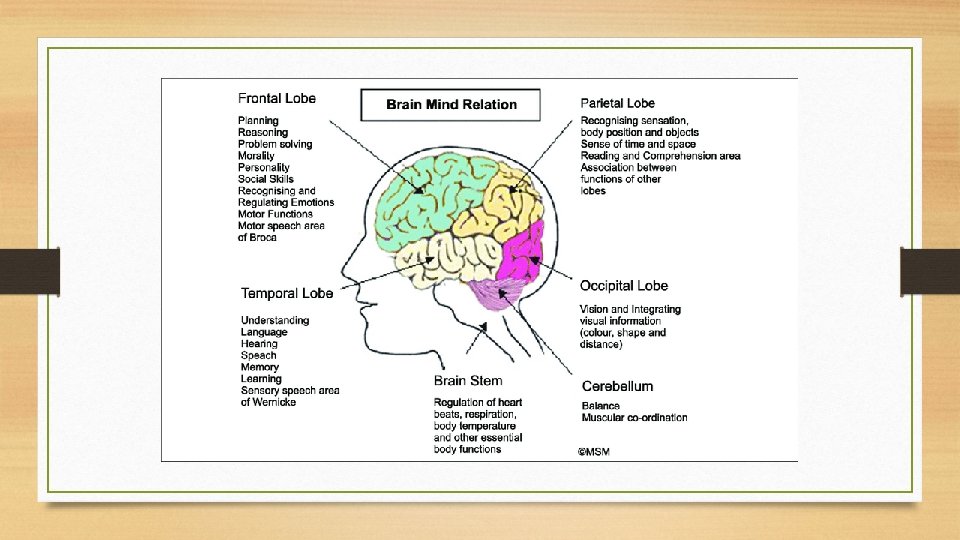
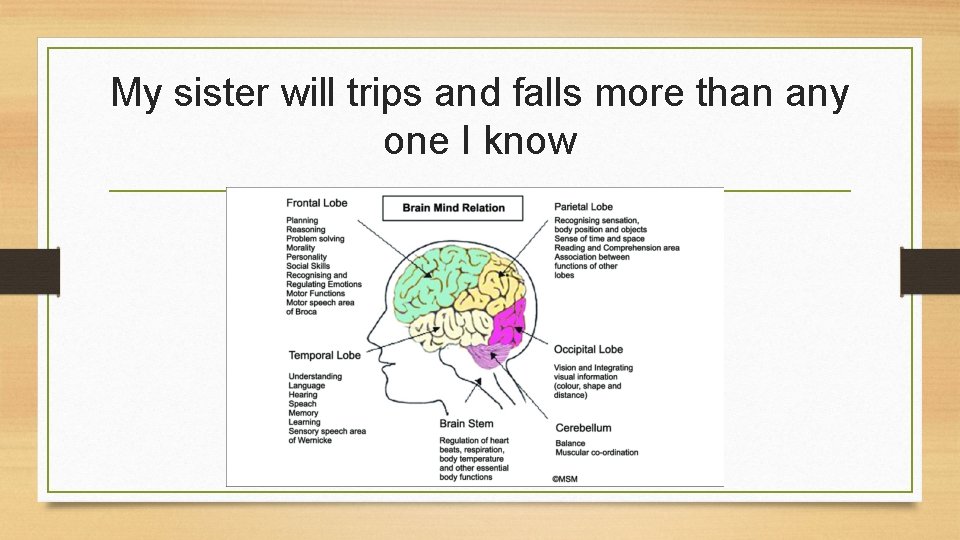
My sister will trips and falls more than any one I know
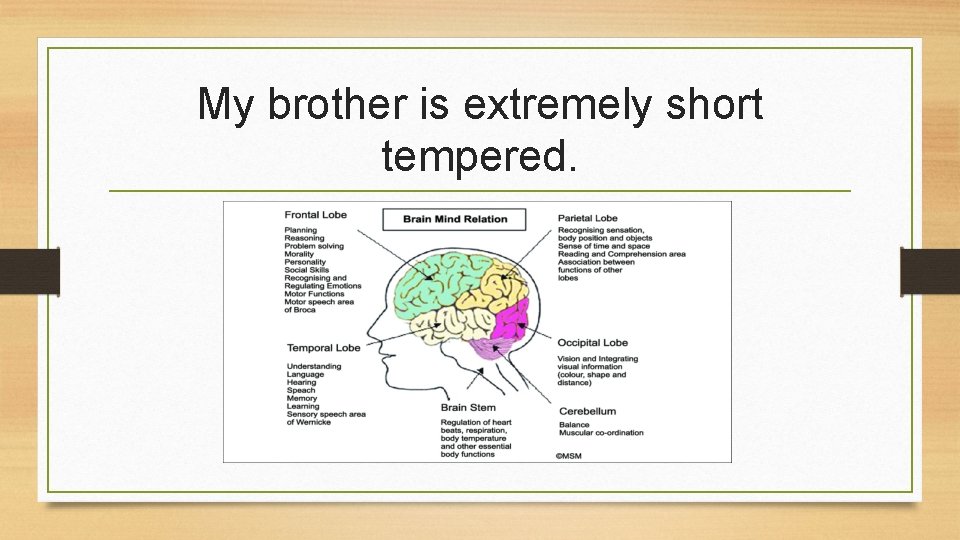
My brother is extremely short tempered.
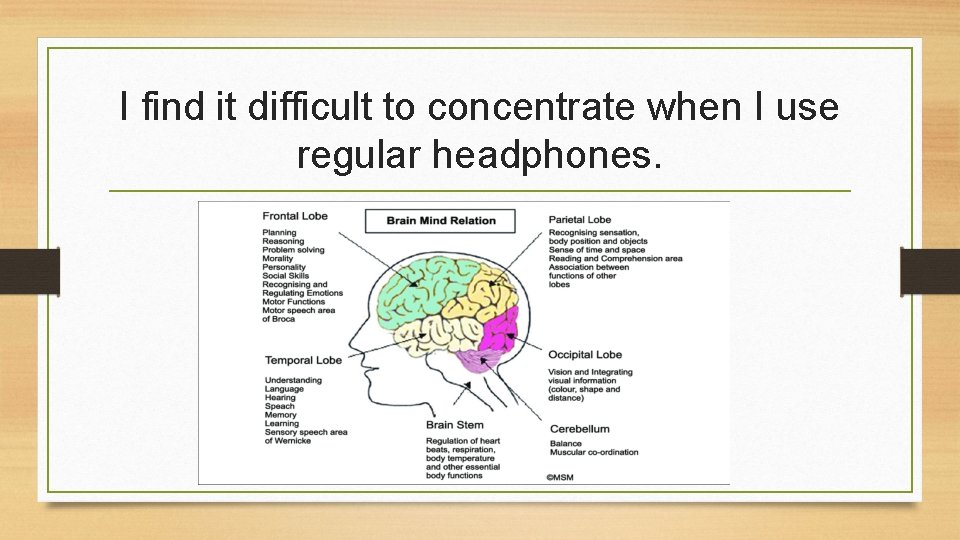
I find it difficult to concentrate when I use regular headphones.
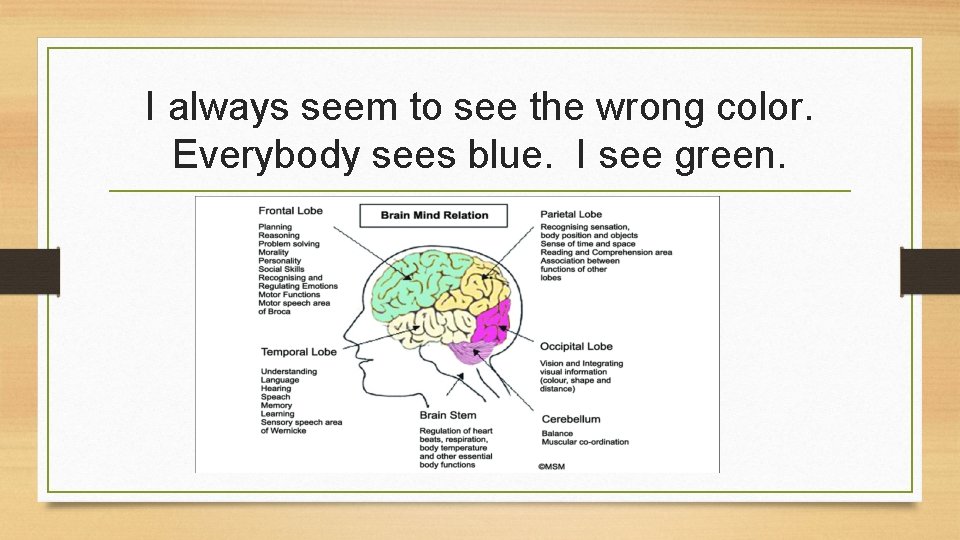
I always seem to see the wrong color. Everybody sees blue. I see green.
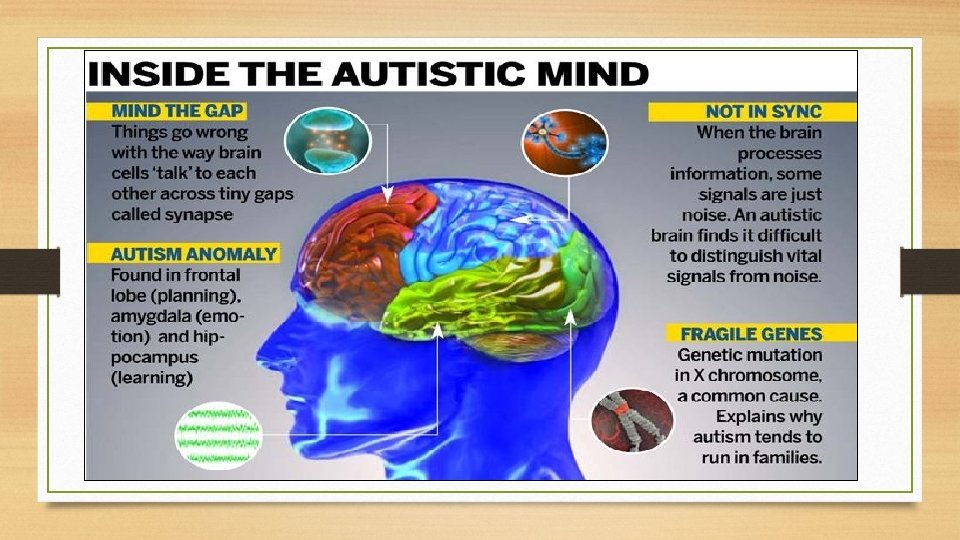
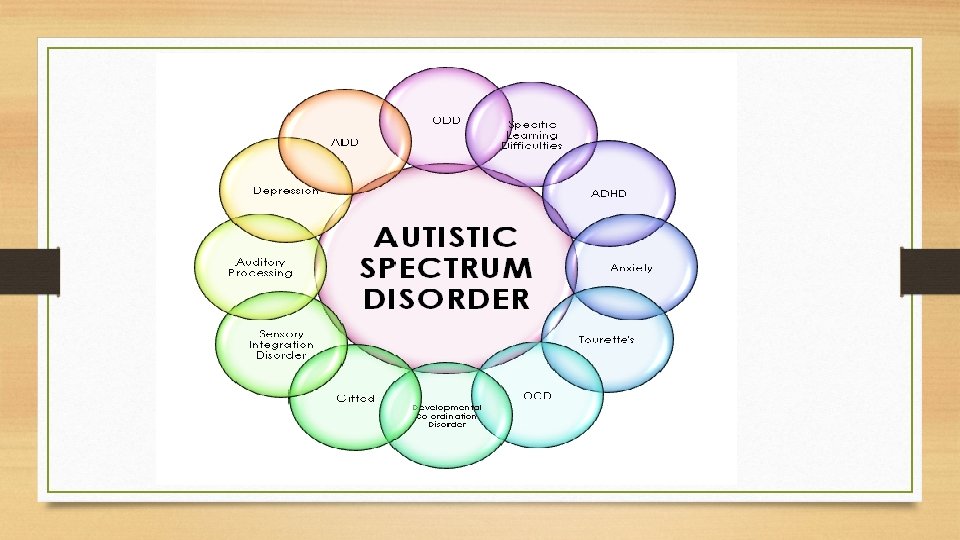
Autism Spectrum Disorder • Autism spectrum disorder (ASD) is a developmental disability that can cause significant social, communication and behavioral challenges. • https: //www. cdc. gov/ncbddd/autism/facts. html
ASD- Physical appearance • There is often nothing about how people with ASD look that sets them apart from other people, but people with ASD may communicate, interact, behave, and learn in ways that are different from most other people.
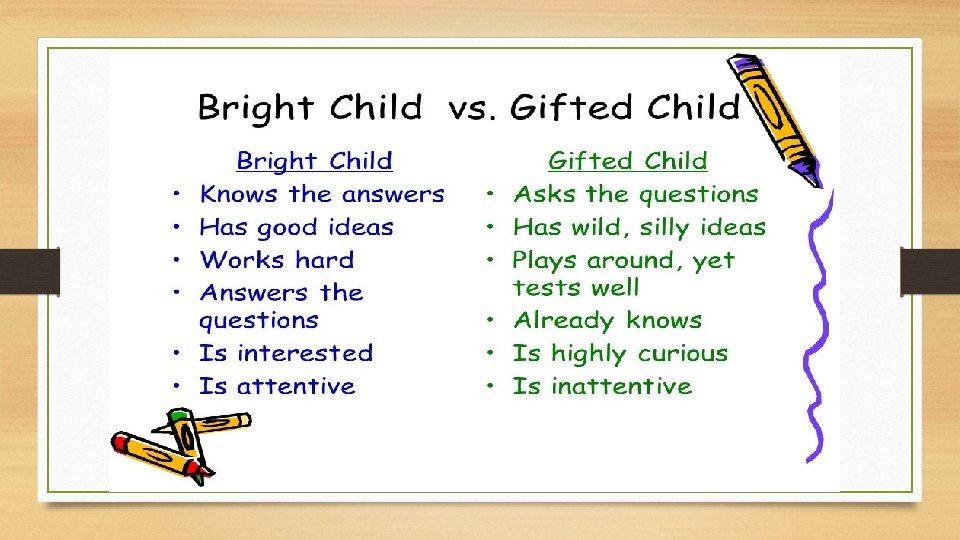
ASD- Abilities • The learning, thinking, and problem-solving abilities of people with ASD can range from gifted to severely challenged. Some people with ASD need a lot of help in their daily lives; others need less. (The Spectrum)
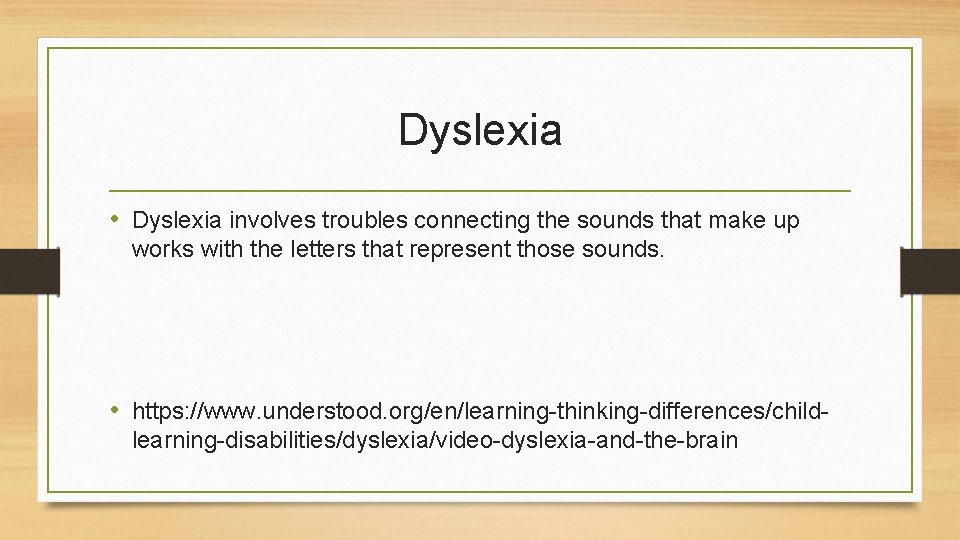
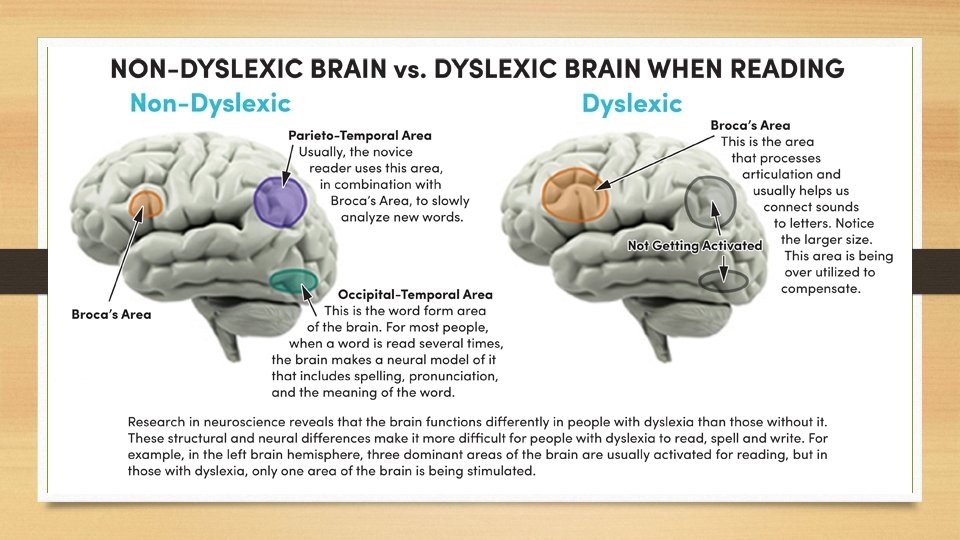
Dyslexia • Dyslexia involves troubles connecting the sounds that make up works with the letters that represent those sounds. • https: //www. understood. org/en/learning-thinking-differences/childlearning-disabilities/dyslexia/video-dyslexia-and-the-brain
Secondary Disabilities • Result of social interactions • Result of natural instinct to survive • Maybe negative habits- including learned helplessness • Learned helplessness - Comes from a place of self pity and manifested by students who believe that their abilities are far less than they actually are, and therefore expects others to do for the. - a reliance/over dependence on others
The National Autistic Society’s SPELL Framework • SPELL is a framework for understanding and responding to the needs of children and adults on the autism spectrum • . It focuses on five principles that have been identified as vital elements of best practice in autism, and emphasizes ways to change the environment and our approaches to meet the specific needs of each person. https: //www. autism. org. uk/about/strategies/spell. aspx
SPELL • S - STRUCTURE (get to know child, +, eg. describe behavior/meltdown/shutdown) • P - Positive +no judgement + encouraging language • E - Empathy- understand person, double empathy, sensory processing assessment, self aware (Operate from a place of mindfulness) • L - Low arousal- non confrontational, meet sense needs, environment, allow self calming, keep busy • L - Links - involve child, family support -consistent, child centered
Relevant Quotes from Fellow Presenters QUFP AE-Days Webinars 2020 • Chris Stryker- urged us to rethink our approaches as we adopt to our online situations - Recalibrate We are in prisons created by our perceptions. “Shakespeare”. We always possess the power to change our attitudes. • Aaron Balick advised us to check our thinking. If we are not emotionally intelligent we may not use what we learn effectively. This awareness of emotional health can go a long way if transferred to and utilized in our clacssrooms. • Naima Sarfraz used a quote – Vulnerability is a bridge to build connection. It is ok to tell ask the student to tell you how you can best help him or her. • Judy Thompson- 80% of the neurons in the brain are dedicated to finding patterns via the synapses. Consider the students who has deficits in ability to find patterns that facilitate learning.
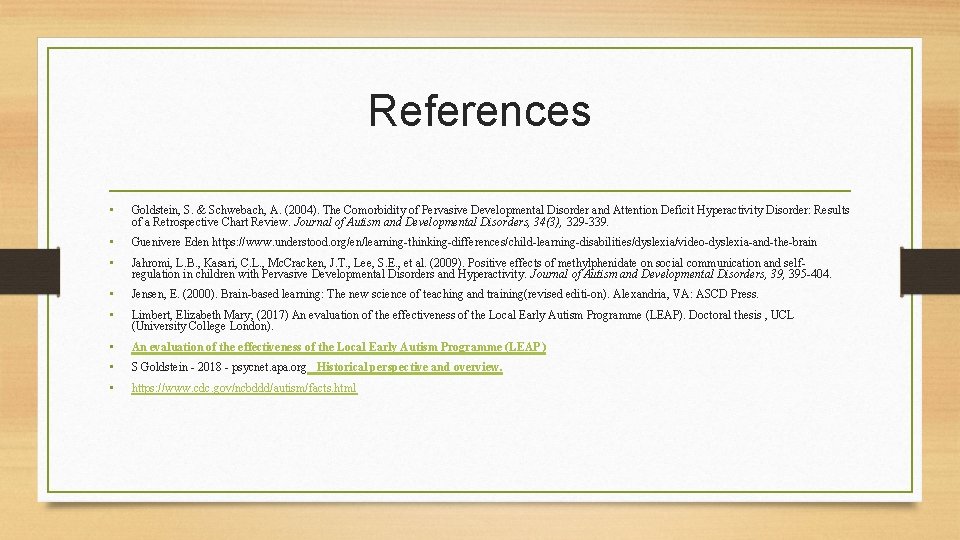
References • Goldstein, S. & Schwebach, A. (2004). The Comorbidity of Pervasive Developmental Disorder and Attention Deficit Hyperactivity Disorder: Results of a Retrospective Chart Review. Journal of Autism and Developmental Disorders, 34(3), 329 -339. • • Guenivere Eden https: //www. understood. org/en/learning-thinking-differences/child-learning-disabilities/dyslexia/video-dyslexia-and-the-brain • • Jensen, E. (2000). Brain-based learning: The new science of teaching and training(revised editi-on). Alexandria, VA: ASCD Press. • • • An evaluation of the effectiveness of the Local Early Autism Programme (LEAP) Jahromi, L. B. , Kasari, C. L. , Mc. Cracken, J. T. , Lee, S. E. , et al. (2009). Positive effects of methylphenidate on social communication and selfregulation in children with Pervasive Developmental Disorders and Hyperactivity. Journal of Autism and Developmental Disorders, 395 -404. Limbert, Elizabeth Mary; (2017) An evaluation of the effectiveness of the Local Early Autism Programme (LEAP). Doctoral thesis , UCL (University College London). S Goldstein - 2018 - psycnet. apa. org Historical perspective and overview. https: //www. cdc. gov/ncbddd/autism/facts. html
- Slides: 25