
Cognitive Development Food for thought Do babies have
Cognitive Development
Food for thought • Do babies have “naïve concepts” – that is, do that have some sense of physics, math, etc. from birth? • How can you tell what a baby knows? • How can you tell what a baby remembers?
Spatial Cognition • How do we know/remember where things are? • How do we find our way around in the world? • How is our brain involved in where we direct attention?
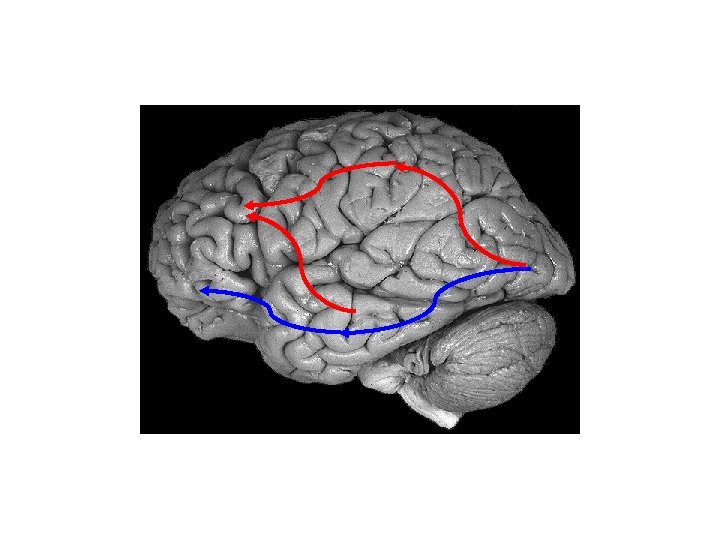
• Dorsal/ventral pathway – From visual cortex through parietal lobes into prefrontal cortex. – Dorsal pathway areas in visual cortex receive input from cells in the retina/thalamic pathway that are sensitive to movement and peripheral stimuli – “Where” pathway
Searching tasks • AB error A B
Searching tasks • AB error A B
Searching tasks • AB error A B
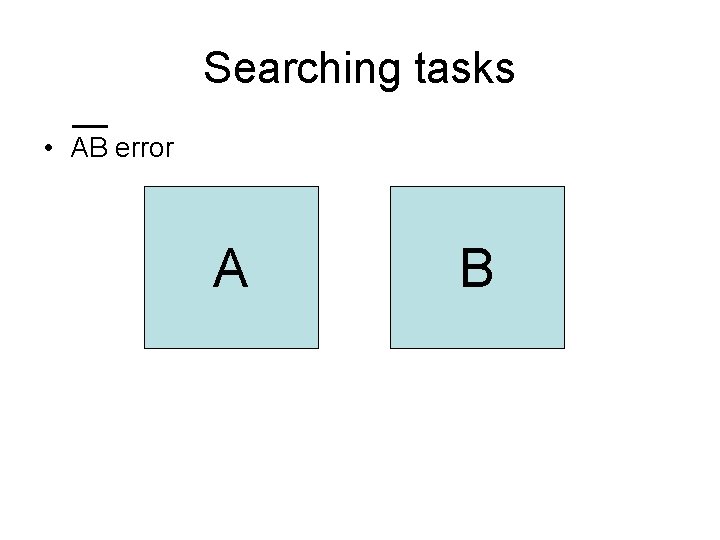
Searching tasks • AB error A B
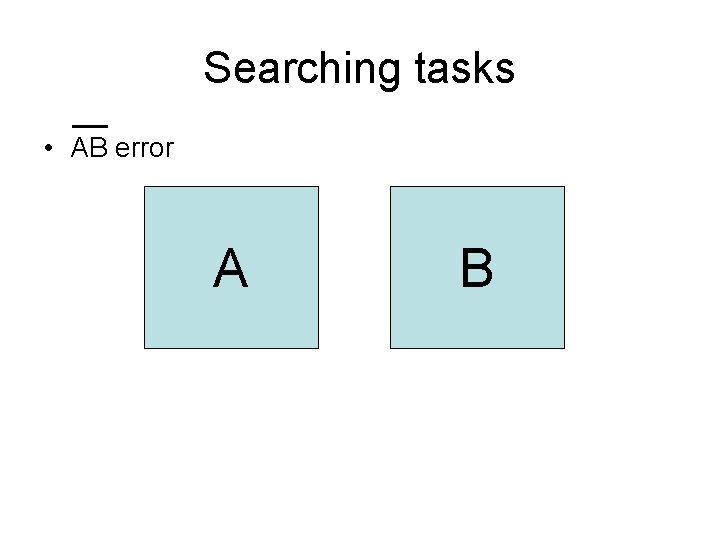
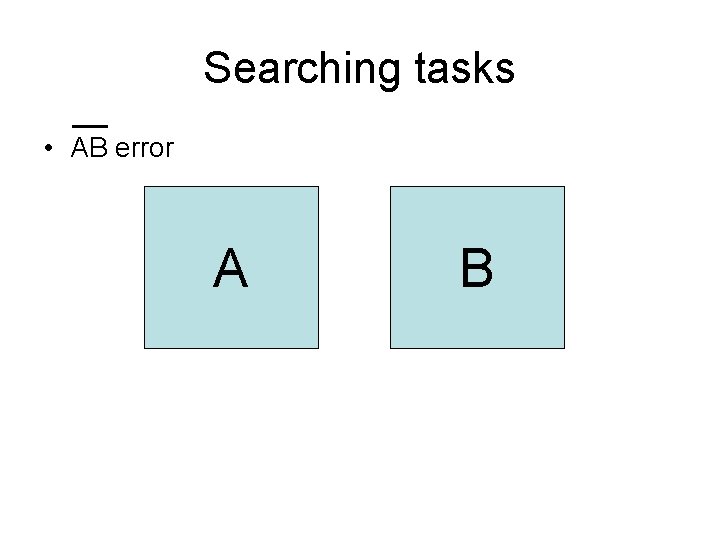
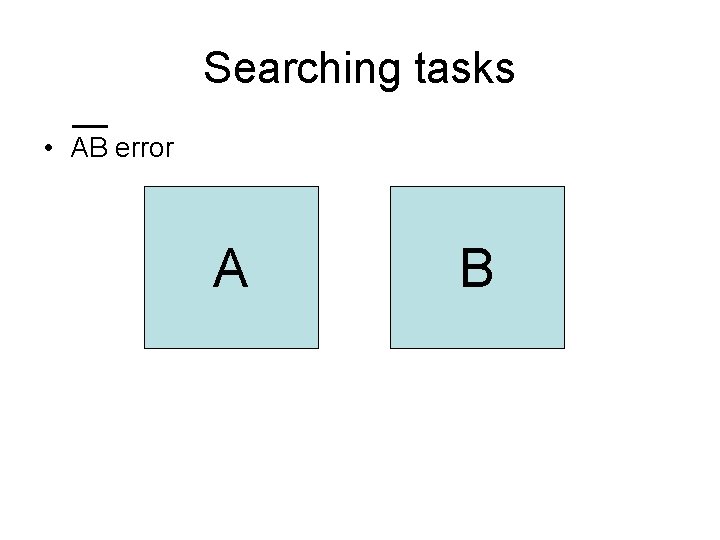
What does the AB task involve? • Memory for location – originally thought to be a memory task • Systematic changes in the length of delay required to get the AB error. • Implicates areas other than memory areas – Inhibition • Experience has an effect – Infants who walk are less likely to make the AB error – Healthy premature infants outperform term infants of the same conceptual age
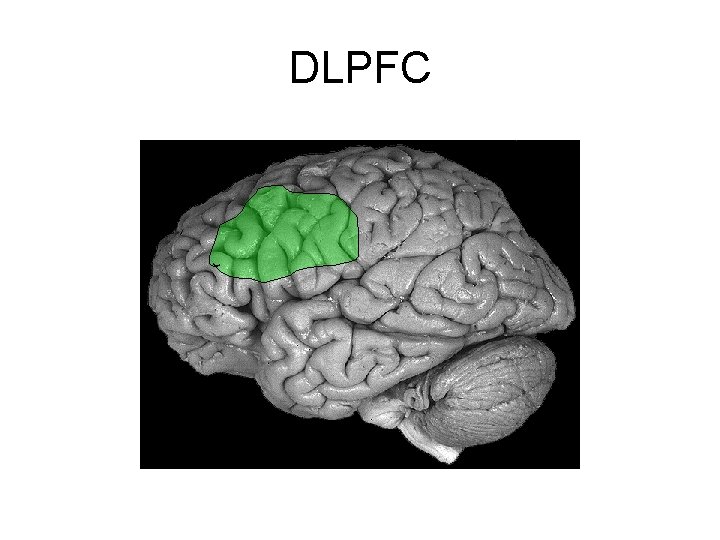
DLPFC
Spatial Attention • Right hemisphere – Global attention • Left Hemisphere – Local attention

SSSSSS S S S S T
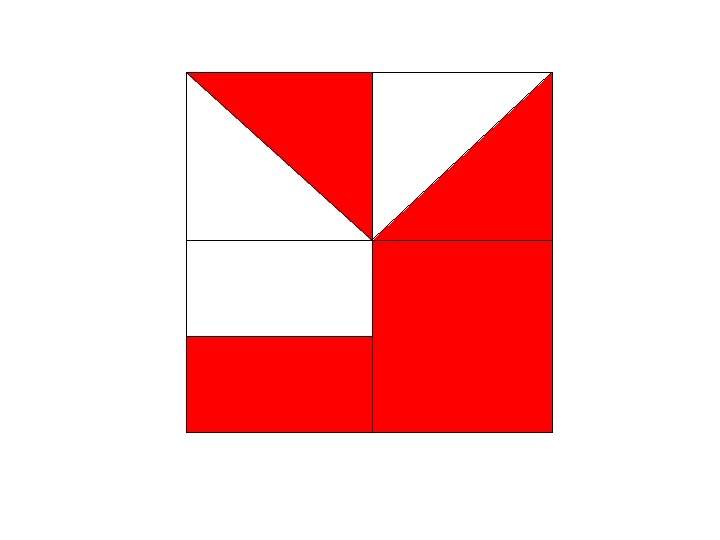
Brain basis of spatial attention • Children are less lateralized than adults • Children with lesions recover function – Recovery is very slow – Processing is not always typical • These differences are apparent in other tasks (e. g. , block construction).
Number processing • Infants attend differentially as if they understand number concepts
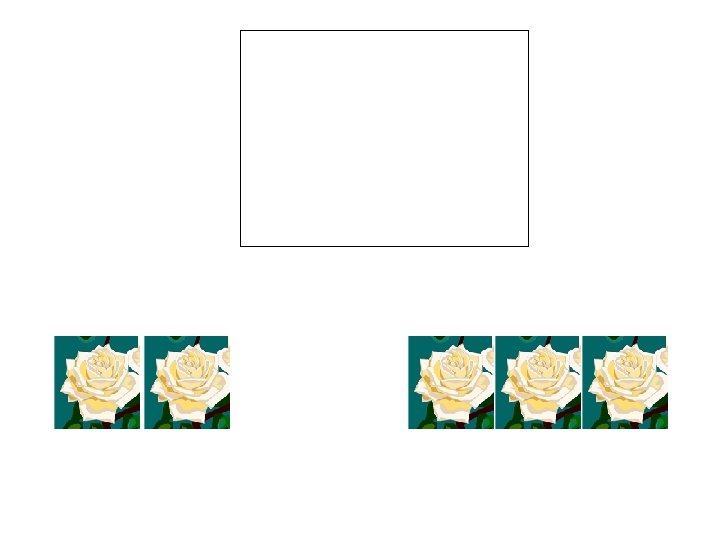
Number processing • Infants attend differentially as if they understand number concepts • Infants have a non-linguistic “counting” mechanisms
Systems for number representation • Object-file representations – Infants visually track objects and their properties, including number – Quantity is limited (up to 4 objects) – Object representations are affected by inferior parietal damage in adults – Activity in these areas is observed when people do object processing tasks
• Analog-magnitude representation – Number is represented not as an absolute integer based on its magnitude – Also likely to involve inferior parietal cortex – Unclear whether it’s the same part of inferior parietal cortex
• Integer lists – Later developing – One to one correspondence between number word and object – Probably involves inferior parietal cortex, as well and language areas
(More) food for thought • Can infants form memories? • What do infant memories look like? • If infants can form memories, why don’t adults remember things that happened to them when they were infants?
Memory • Explicit vs. implicit memory – Explicit memory • Able to talk about/describe what you remember • Characteristics of explicit memory – Fast – Flexible – Fallible – Implicit Memory • Not explicit
Brain systems • Explicit Memory – Medial Temporal Lobe • Hippocampus • Surrounding cortex – Medial thalamus – Cortex • Prefrontal • Association networks
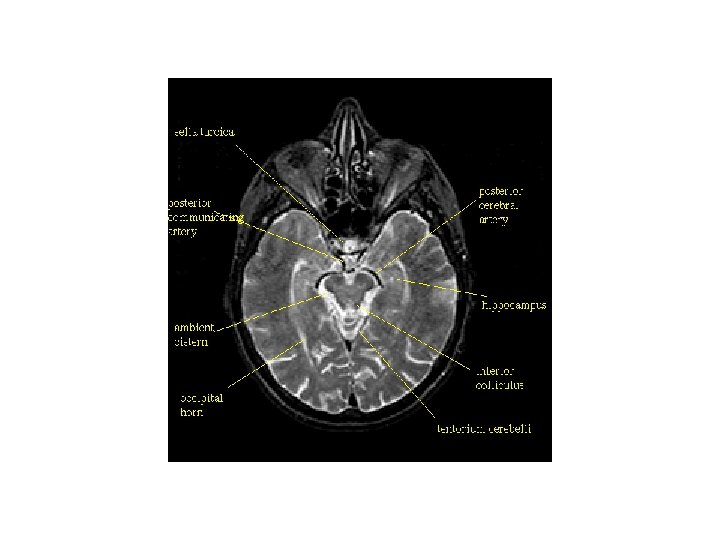
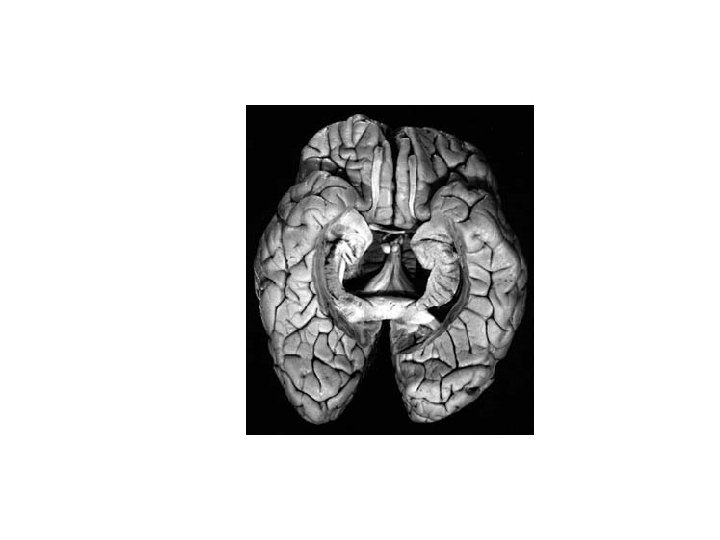
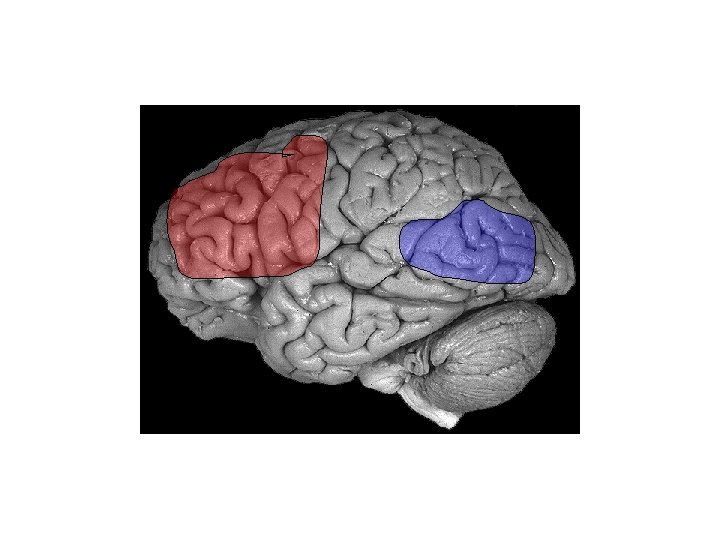
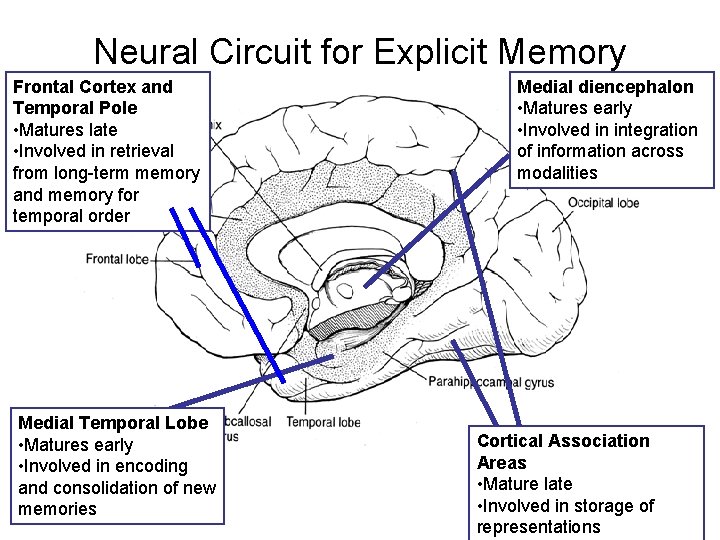
Neural Circuit for Explicit Memory Frontal Cortex and Temporal Pole • Matures late • Involved in retrieval from long-term memory and memory for temporal order Medial Temporal Lobe • Matures early • Involved in encoding and consolidation of new memories Medial diencephalon • Matures early • Involved in integration of information across modalities Cortical Association Areas • Mature late • Involved in storage of representations
• Implicit Memory – Basal ganglia, Caudate, Putamen (skilled learning) – Hippocampus, cerebellum (conditioning) – Perceptual areas (priming) • Most areas and functions mature early in development
Development of explicit memory • Early developing components of system – Medial temporal lobe • Habituation, novelty preference – Thalamus • Integration of information • Later developing components – Association cortex – Prefrontal cortex
How do you study explicit memory in nonverbal infants? • Imitation tasks • Infants can remember some aspects of events as early as 6 months of age • Infants remember events for long periods of time only at the end of the first year of life – 9 month olds remember for 1 month – 10 month-olds may remember for up to 6 months • Changes in this ability are related to changes in brain development
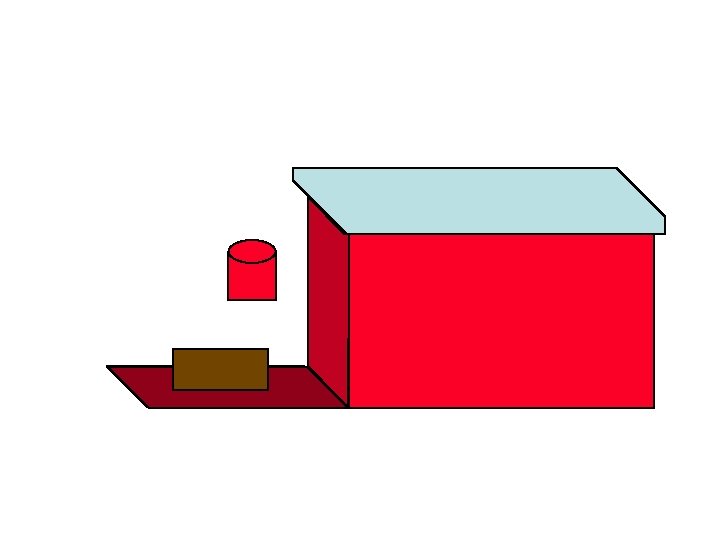
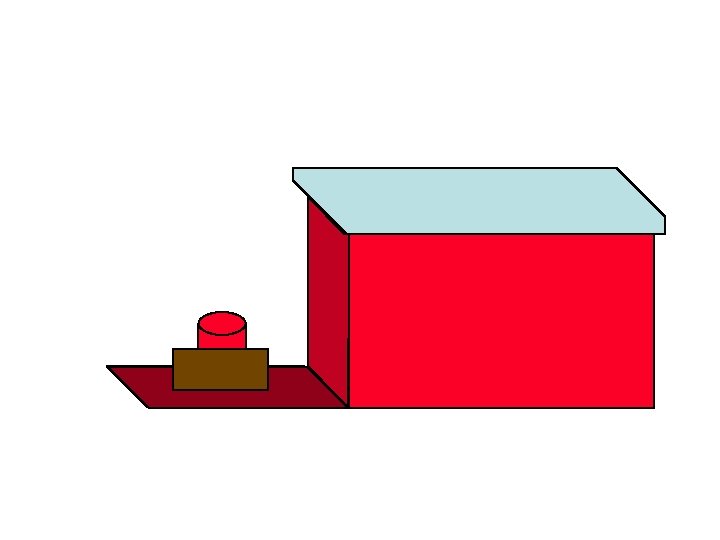
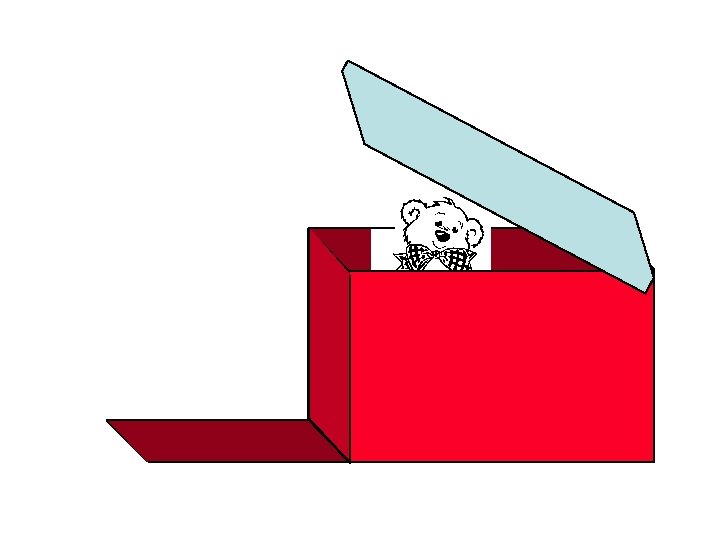
• About 50% of nine-month-olds recall events after 1 month • ERPs show that the same infants recognize pictures of the props used to enact these events
Memory development after infancy • Strategies – Rehearsal – Chunking • Source memory – Knowing where and when you learned information • Both strategy and source memory likely depend on maturation of frontal areas • Develop gradually over childhood
Later memory development • Source memory – Children begin to perform at adult-like levels in tasks of source memory by about age 6 – Likely involves frontal lobe areas that in adults are involved in source memory
Metamemory • Knowing what you know • Using strategies to improve your performance – Some lesion studies in adults suggest that frontal lobe damage impairs metamemory • Ventral medial prefrontal – Other research suggests that this depends on the nature of the task – Very little has been done about the brain basis of metamemory • Some behavioral research suggests that children start using strategies somewhere around age 6. • Not clear whether this is related to other memory development (e. g. source memory) that occur around this same time. • Likely continues through adolescence
Development of Implicit Memory • Procedural learning – Infants as young as 4 – 5 months can do some version of serial reaction time tasks – There is a gradual increase through at least childhood in speed of learning and accuracy • May involve motor as well as memory development
Conditioning • Infants can be conditioned from very early in life • Example: Contingent response paradigms • Suggests that the hippocampal – brainstem – cerebellum circuit is mature early in development • Some components of this implicit system are shared with the explicit system – So there is likely overlap in systems used for different tasks
Priming • Some evidence that infants can be primed • ERP study: Infants shown repeating or non-repeating stimuli – Infants brain activity is different for repeated than for unrepeated stimuli – Is this priming or recognition? ? ?
Categorization • Ability to understand that similar things belong in the same category • Sequential touching tasks – Develops in the second and third year of life
Generalization and analogy • Ability to apply information from one setting into another – Example: Imitation tasks • Can infants use different props to complete the same event? • Can infants solve problems with new tools, if they’ve been shown how with old tools
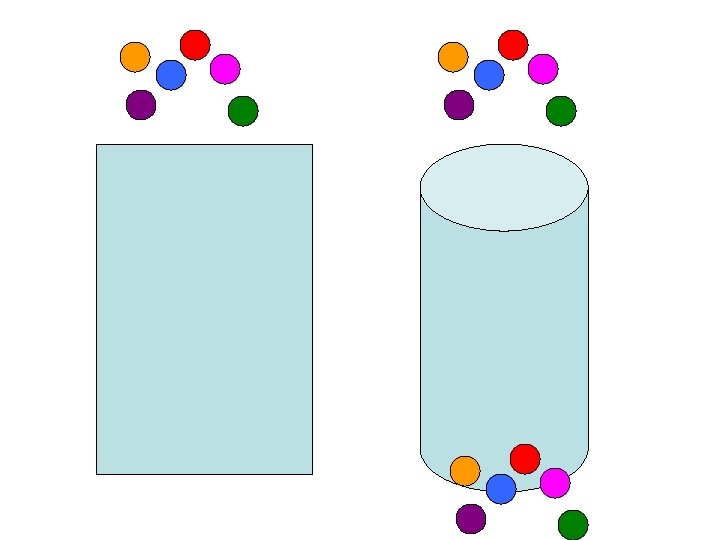
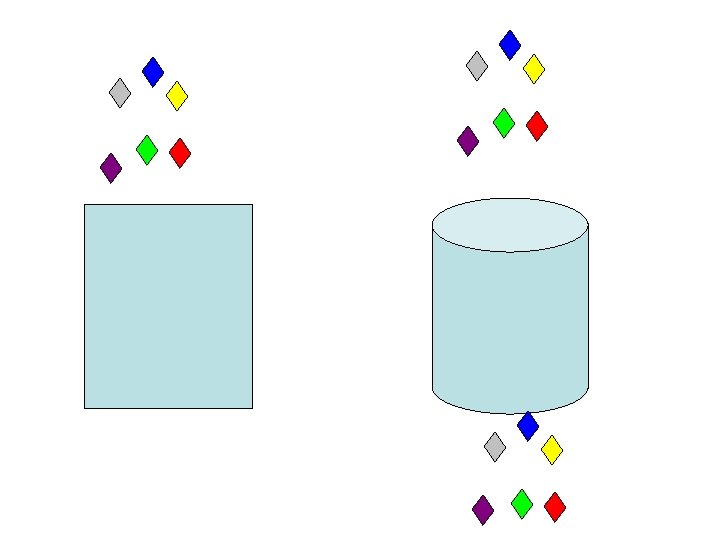
Generalization and analogy • Brain systems for categorization, analogy, and generalization are unknown, but likely involve frontal areas – Development is gradual – Analogy can be seen in preschoolers, full development occurs over childhood
- Slides: 48