
Code of for Profession of Dietetics Merijane Mc


- Slides: 26
Code of for Profession of Dietetics Merijane Mc. Talley , RDN, FAND
• Better understanding of the Code of Ethics from the Academy of Nutrition and Dietetics (AND) and to use the Code to guide you in decision making.
OBJECTIVES • 1. Know the difference between ethics and morals • 2. Know an ethical issue when you see it • 3. Be able to apply AND’s code of ethics
This presentation is timely • With the change of CMS regulations affecting CDMs. DSS are not required to have CPE (CONTINUING EDUCATION) BUT CDMs do! • As professionals we determine our portfolio (PLAN OF EDUCATION) and are to select areas that we are weak in so we remain competent HANDOUT #1
CODE OF ETHICS • The fundamental principles of the Code of Ethics are: • Dietetics practitioners conduct themselves with honesty, integrity and fairness. • Dietetics practitioners support and promote high standards of professional practice (for the benefit of clients, the public, and the profession) by reporting perceived violations of the Code of Ethics.
HAND OUT # 2
Discussion on Handout 2 • Bottom of the first column. Who does the code of ethics apply to? • Column 2 – someone please read principle 1 • Now principle 2 • The Code of Ethics is directly related to AND’s values: See the box in the upper left hand corner page 1462
Ethics vs Morals • Sometimes, individuals find they must separate their personal ethics from their professional ethics while at work. Examples might include a person who believes activities like gambling or drinking are immoral, or a worker who holds strong views on religion and the role it should play in society. These views are highly personal and may need to be set aside if the person works with a diverse group of people.
Morals
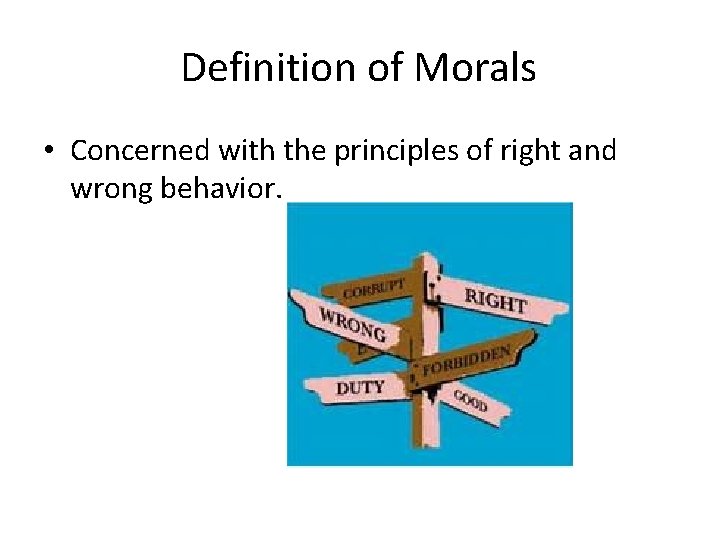
Definition of Morals • Concerned with the principles of right and wrong behavior.
Morals examples: • Examples ’ Mandela spent 27 years in prison and his moral courage was respected worldwide. ‘Today's soldiers trust each other, they trust their leaders, they trust the Army, and they also understand the moral dimensions of war. ’
Ethics Definition • /ˈe. THik/ • Noun a set of moral principles, especially ones relating to or affirming a specified group, field, or form of conduct: (Dietetics) • Powered by Oxford. Dictionaries · © Oxford University Press
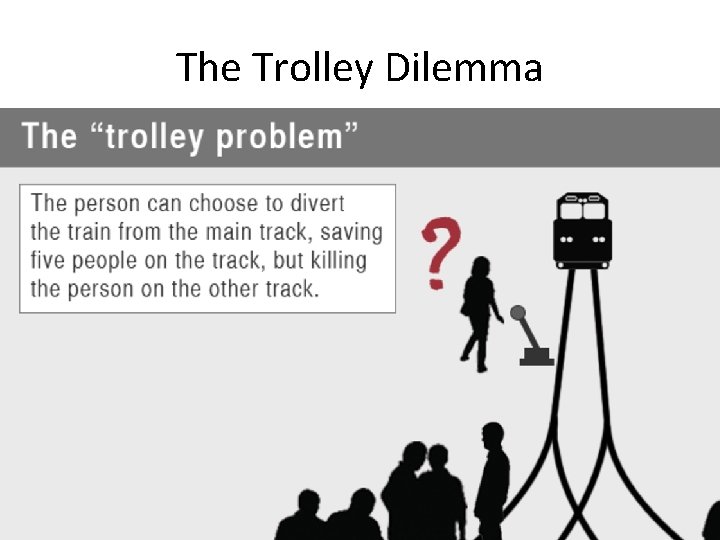
The Trolley Dilemma
The Famous Moral Dilemma • Now if all the people on the left were satan worshipers would that make the decision easier for a Christian? ? If You were not a member of AND or ANFP, which principle from Handout #2 is this?
Dietetics Professionals • Registered Dietitian Nutritionists & Nutrition & Dietetics Technicians, Registered, Are Ethically Obligated to Maintain Personal Competence in Practice • This is why we are here today. This is now a mandatory CPE every 5 years and CDM’s are now mandatory and they require CPEs also
Competency and Ethics • We can define competence as the ability to consistently deliver safe and reliable services. Registered dietitian nutritionists (RDNs) and nutrition and dietetics technicians, registered (NDTRs), CDMs who are competent use up-to-date knowledge and skills; Which Principle? • Make sound decisions based on appropriate data; communicate effectively with patients, customers, and other professionals; critically evaluate their own practice; and improve performance based on selfawareness, applied practice, and feedback from others
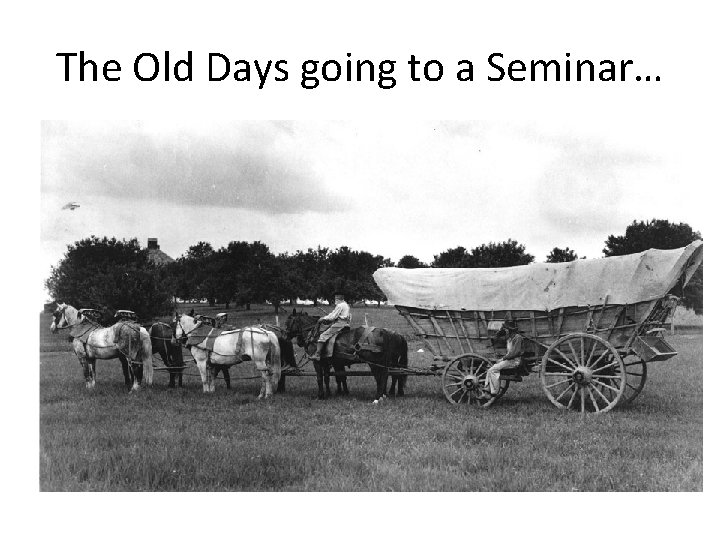
The Old Days going to a Seminar…
Administrators would say…. • They’ll talk to other supervisors and compare salaries and want more money. • We don’t want their heads full of new ideas • They don’t need CPE’s so why spend the money
HANDOUT #3 • Ethical and Legal Issues in Feeding and Hydration. • This is the Academy’s position. If you are in court you need to have a legal basis to stand by your decision. This would be your guide.
Patient’s have a right to choose • That is the Academy’s position • Clinical dilemmas involving nutrition and hydration occur when ethical principles conflict • We want to provide food for life but the individual has the right to choose their medical treatment.
American Bioethics • American bioethics affirms the individual’s right to self determination as the overriding principle. • Our Code of Ethics says we collaborate with others, seek counsel, makes referrals as appropriate. • We provide information to enable clients to make their own informed decisions
DECISION MAKERS • 1. Competent individual – informed and able to make own health care decisions. MD determines competency. • 2. Surrogate – authorized proxy to act in the person’s place when that individual loses the ability to make his or her own health care decisions. • 3. Family member (s) – implied decision-maker(s), if no formalized (documented durable power of attorney for health care) surrogate, when individual unable to make his or her own decisions.
Withdrawal of Nutrition Support • Does not mean withdrawal of comfort measures (pain meds, human touch and contact) • See Handout 3 – page 3 – The Collaborative Ethical Deliberation Process – NDTR ROLE – RDN ROLE – PAGE 4 – SUGGESTED DELIBERATIONS WITH OPTIONS OFFERED BY RDN – IF THE RDN CAN’T MORALLY AGREE – RECUSE SELF
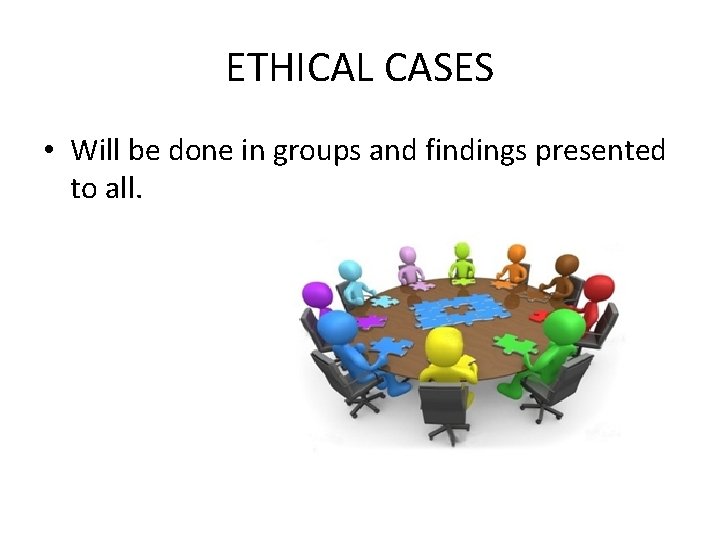
ETHICAL CASES • Will be done in groups and findings presented to all.