
Coastal Erosion Learning objectives To be able to
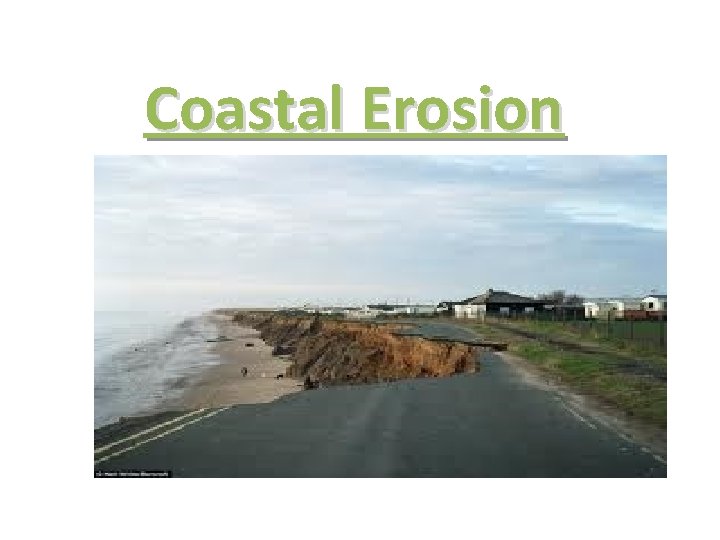
Coastal Erosion
Learning objectives • To be able to define the five processes of marine coastal erosion. • To be able to explain the factors affecting coastal erosion. • To describe the difference between concordant and discordant coastlines.
Homework Answer the exam question: “Describe two or more landforms resulting from coastal erosion and their formation (15 marks). ” Due: next lesson

Classwork Complete the worksheets that accompany the slides. Put it into your revision folder.
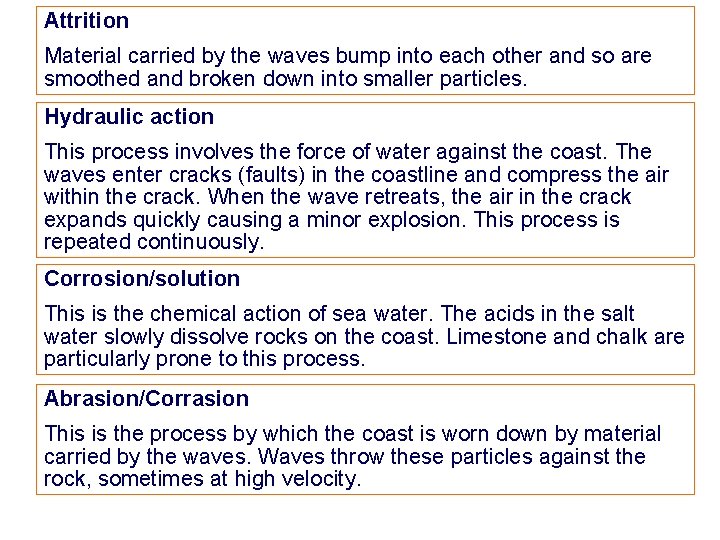
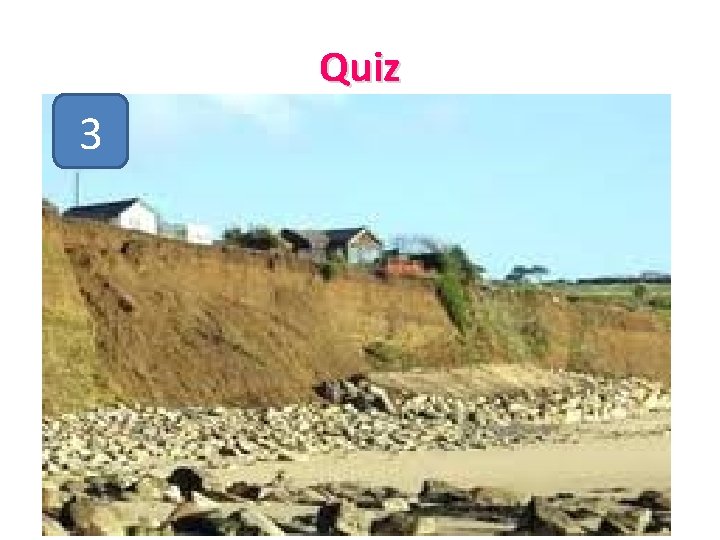
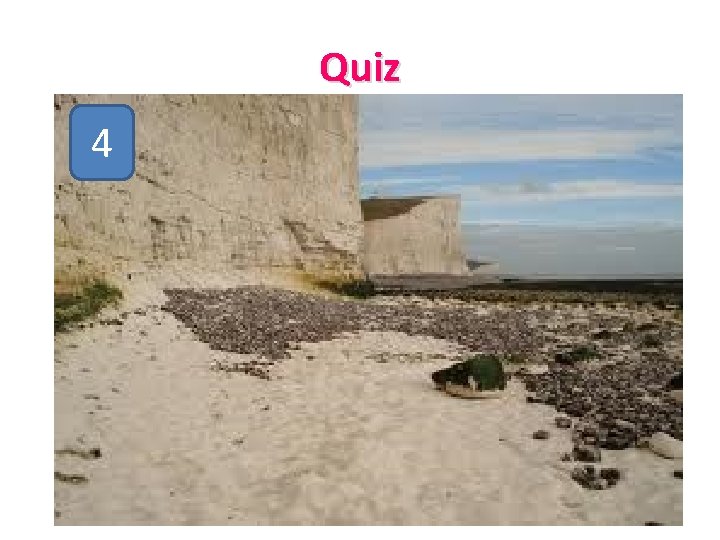
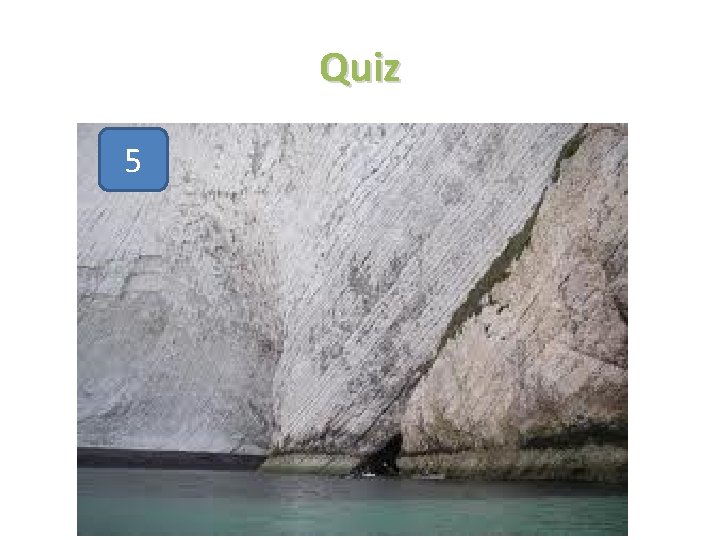
Attrition Material carried by the waves bump into each other and so are smoothed and broken down into smaller particles. Hydraulic action This process involves the force of water against the coast. The waves enter cracks (faults) in the coastline and compress the air within the crack. When the wave retreats, the air in the crack expands quickly causing a minor explosion. This process is repeated continuously. Corrosion/solution This is the chemical action of sea water. The acids in the salt water slowly dissolve rocks on the coast. Limestone and chalk are particularly prone to this process. Abrasion/Corrasion This is the process by which the coast is worn down by material carried by the waves. Waves throw these particles against the rock, sometimes at high velocity.
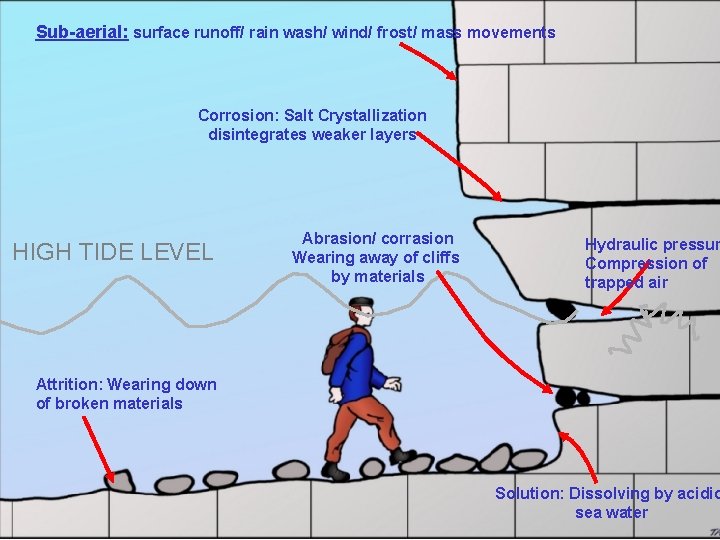
Sub-aerial: surface runoff/ rain wash/ wind/ frost/ mass movements Corrosion: Salt Crystallization disintegrates weaker layers HIGH TIDE LEVEL Abrasion/ corrasion Wearing away of cliffs by materials Hydraulic pressur Compression of trapped air Attrition: Wearing down of broken materials Tom Abbott, Biddulph High School and made available through. Solution: www. sln. org. uk/geography and only for non commercial use in schools Dissolving by acidic sea water
Think, pair, share Why does erosion matter?
Quiz 1
Quiz 2
Quiz 3
Quiz 4
Quiz 5
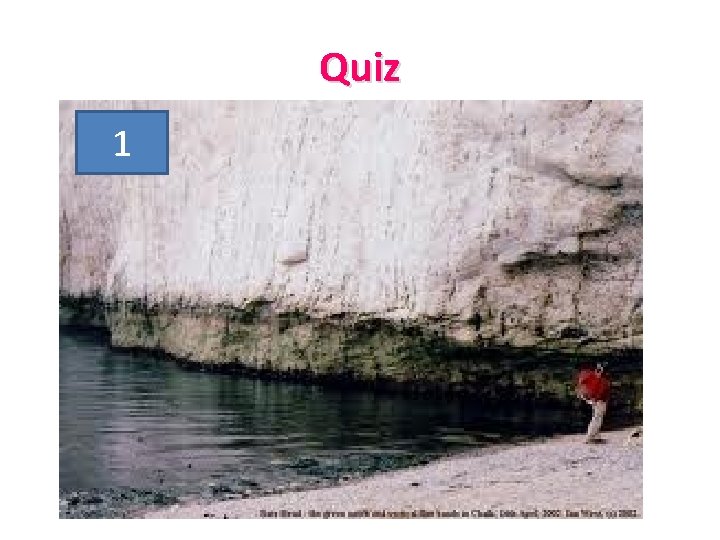
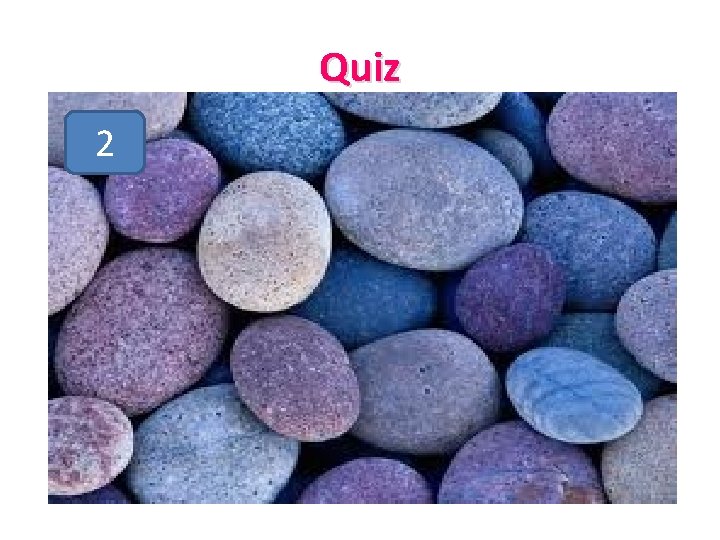
Answers SA 1. Solution – Evidence? 2. Attrition – Evidence? 3. Abrasion – Evidence? 4. Hydraulic action and abrasion – Evidence? 5. Corrosion– Evidence?
Sub-aerial or cliff face erosion Sub-aerial processes include: 1. 2. 3. Salt weathering – sodium and magnesium compounds expand in joints and cracks thereby weakening rock structures. Freeze-thaw weathering – The process whereby water freezes, expands and degrades jointed rocks Biological weathering – Carried out by molluscs, sponges and urchins.
Physical Factors which influence the rate of erosion • Wave characteristics – Key words: constructive/destructive • Coastal geometry – Key words: Wave refraction Nature of any beach present • Geology – Key words: Lithology/Concordant/Accordant/Discordant
Wave characteristics • Wave energy is determined by two factors: • Height (distance between trough and crest) • Length (distance between the two crests) • • Wave energy is results from three factors: The speed of the wind blowing over the surface of the sea The length of time a wave has been moving The fetch – the distance of open sea • Any or all of these factors can combine to make steeper, higherenergy waves. • The higher the wave energy, the higher the rate of erosion (all other things being equal).
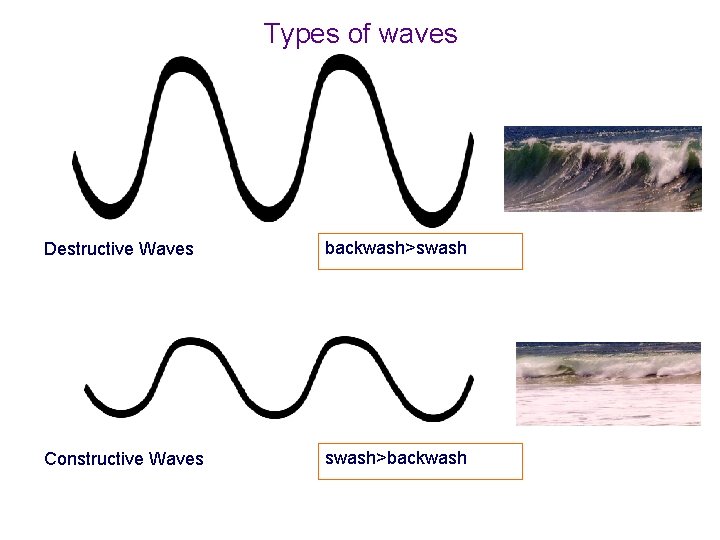
Types of waves Destructive Waves backwash>swash Constructive Waves swash>backwash
Coastal geometry • The GEOMORPHOLOGY (or shape) of the coastline will also affect the rate of erosion. Headlands cause wave refraction, making waves converge and combining their energy. Wider, shallower bays, meanwhile, allow waves to diverge, losing energy due to friction with the sea bed.
Geometry: Nature of any beach • Where the wave breaks effects the energy of the impact. • A wider beach will cause more wave energy to be lost due to friction before the waves can break. A narrower beach will mean that the breaking point of the waves is closer to the coastline. If the beach gradient is steep, this will encourage steeper, higher-energy waves.
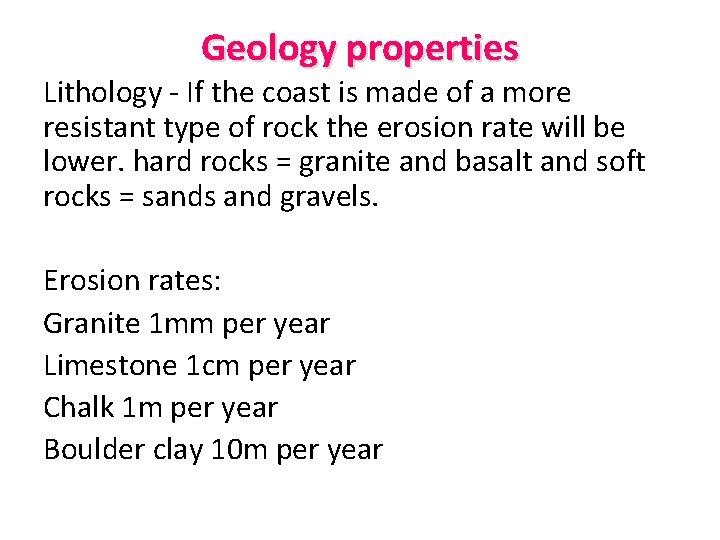
Geology properties Lithology - If the coast is made of a more resistant type of rock the erosion rate will be lower. hard rocks = granite and basalt and soft rocks = sands and gravels. Erosion rates: Granite 1 mm per year Limestone 1 cm per year Chalk 1 m per year Boulder clay 10 m per year
Geology structure Concordant Discordant Orientation is parallel to the coast (Coves) Orientation is at right angles to shore. (headland bays).
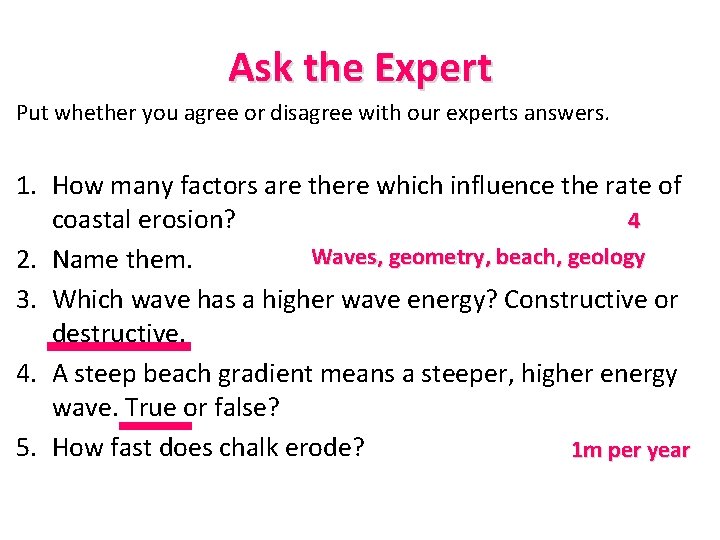
Ask the Expert Put whether you agree or disagree with our experts answers. 1. How many factors are there which influence the rate of coastal erosion? 4 Waves, geometry, beach, geology 2. Name them. 3. Which wave has a higher wave energy? Constructive or destructive. 4. A steep beach gradient means a steeper, higher energy wave. True or false? 5. How fast does chalk erode? 1 m per year
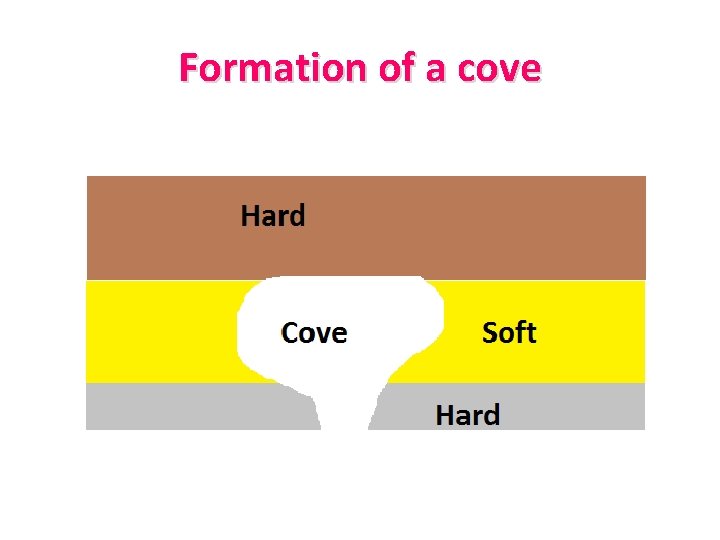
Formation of a cove

Exam practice 1. Decode the question 2. Using the marking criteria mark the mock answer. 3. Discussion – What mark would you give it? 4. How could this answer be improved?
Learning objectives • To be able to define the four processes of coastal erosion. • To be able to explain the factors affecting coastal erosion. • To describe the difference between concordant and discordant coastlines.

On post stick notes answer What did you learn this lesson? What would improve your learning?
- Slides: 27