
Coal Ash Ponds The Romeo and Juliet Story
- Slides: 20
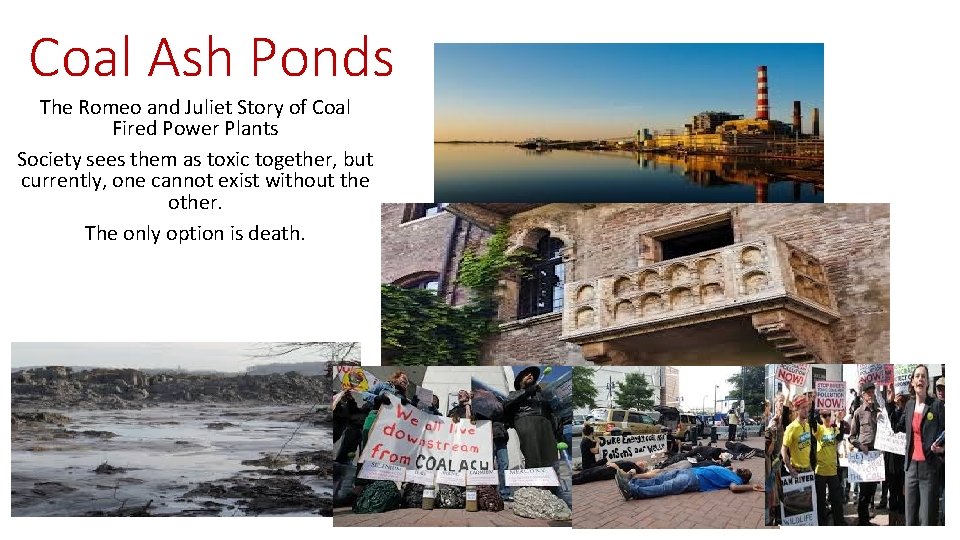
Coal Ash Ponds The Romeo and Juliet Story of Coal Fired Power Plants Society sees them as toxic together, but currently, one cannot exist without the other. The only option is death.
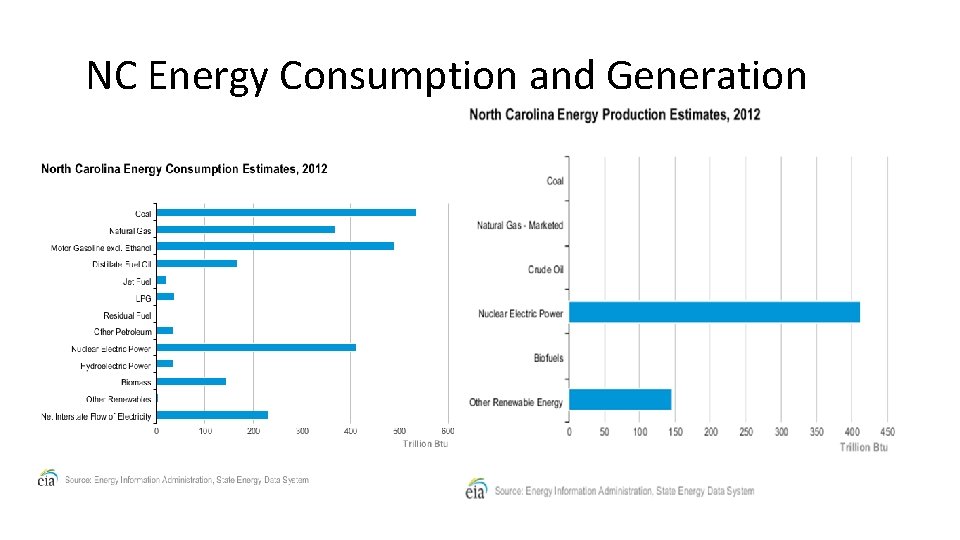
NC Energy Consumption and Generation
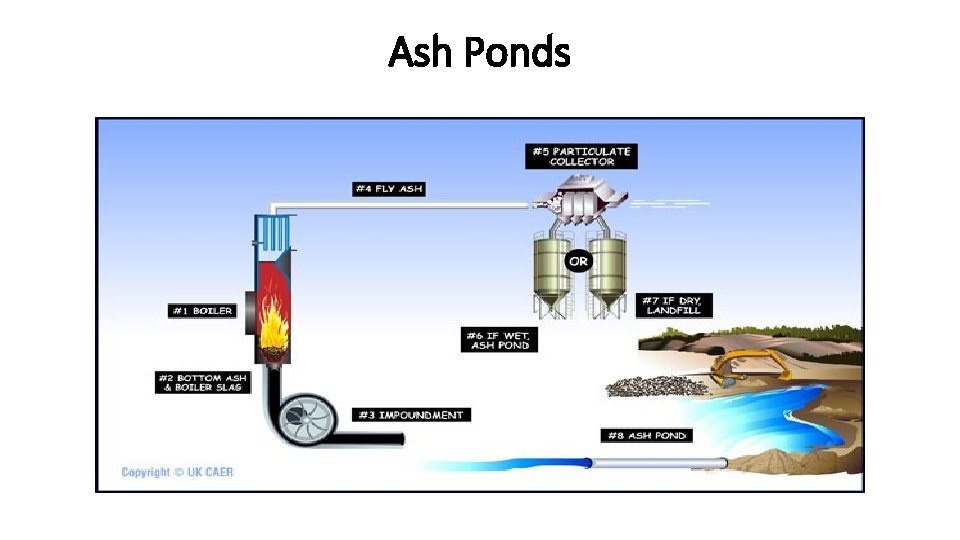
Ash Ponds
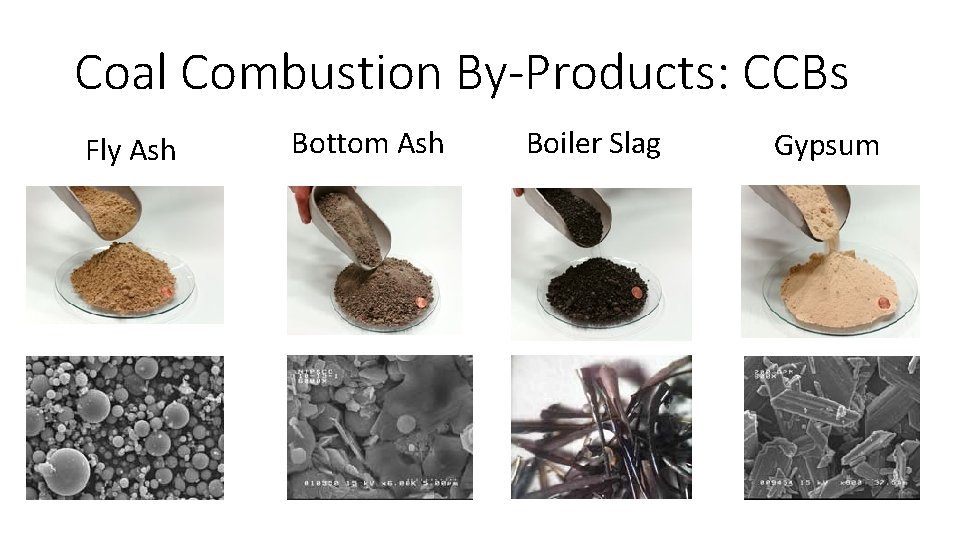
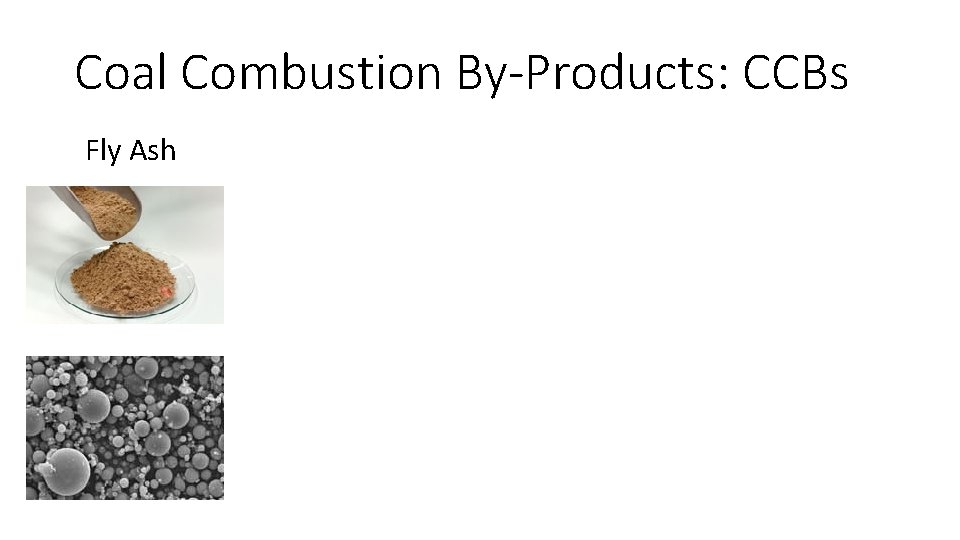
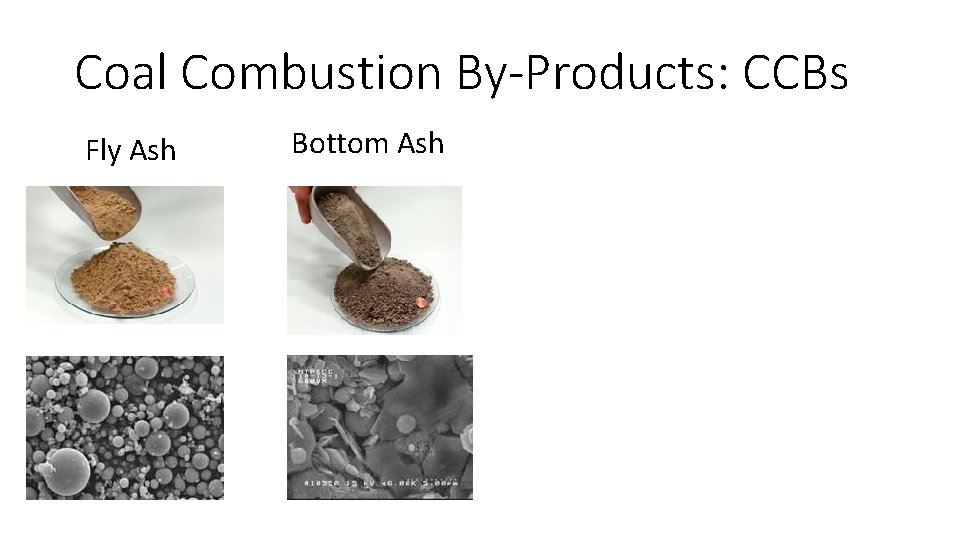
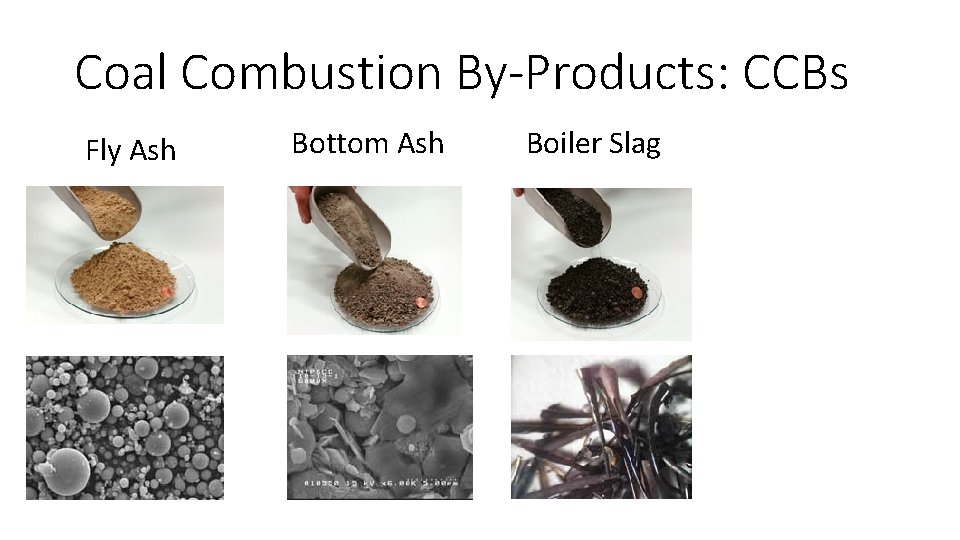
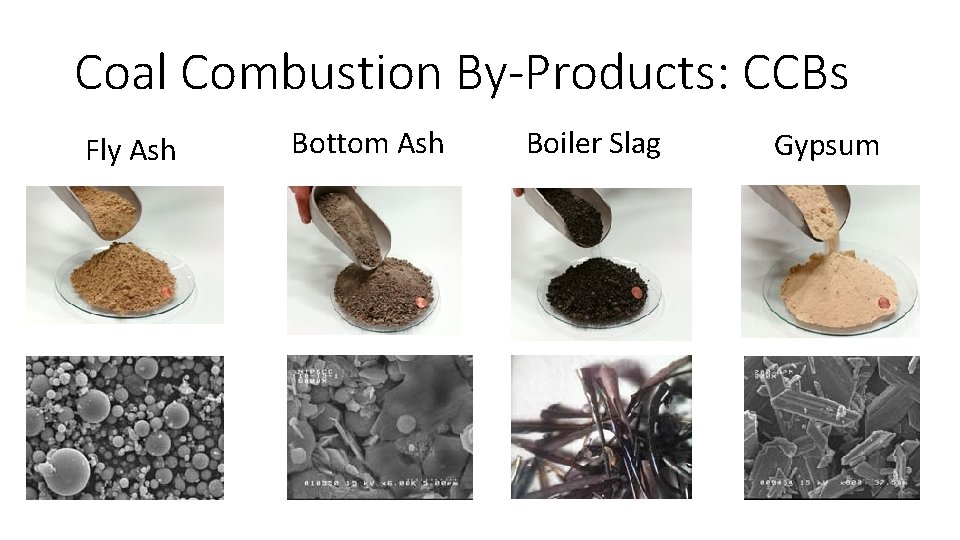
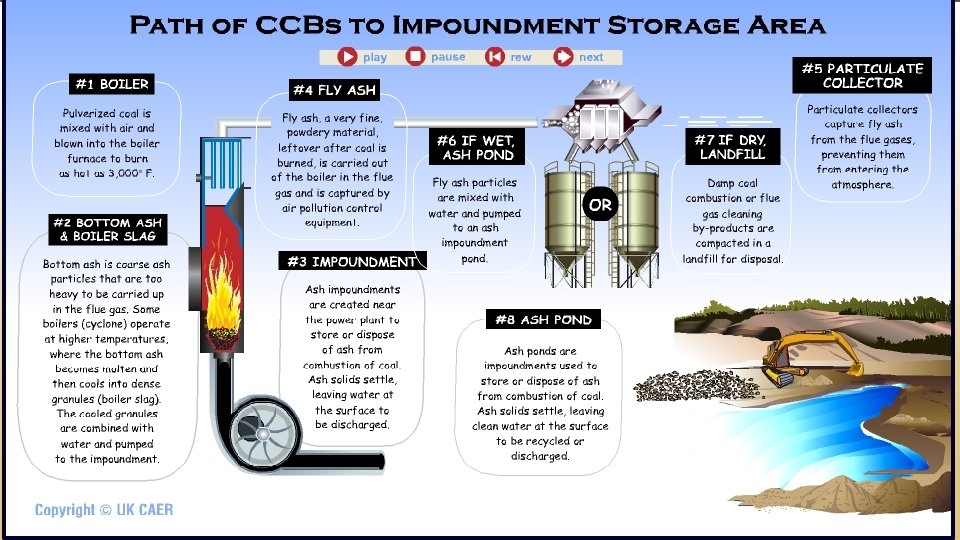
Coal Combustion By-Products: CCBs Fly Ash Bottom Ash Boiler Slag Gypsum
Coal Combustion By-Products: CCBs Fly Ash
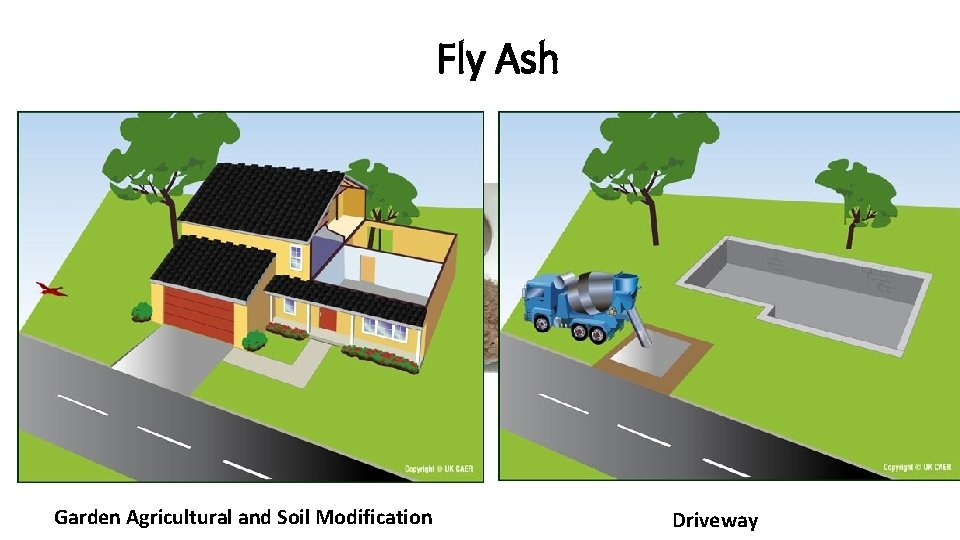
Fly Ash Class C Class F Foundation: footers/ basement walls Garden Agricultural and Soil Modification Roadways and Additives for flowable fills Driveway
Coal Combustion By-Products: CCBs Fly Ash Bottom Ash
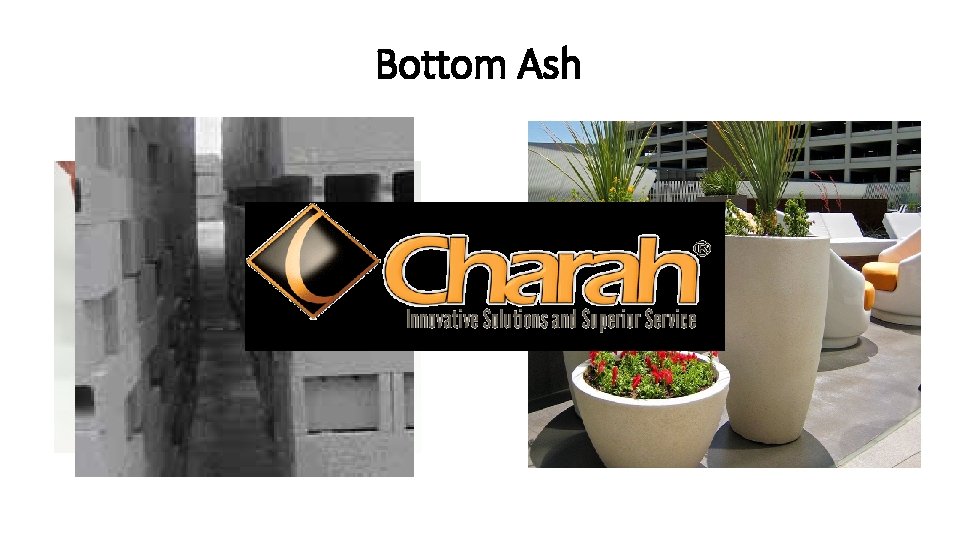
Bottom Ash
Coal Combustion By-Products: CCBs Fly Ash Bottom Ash Boiler Slag
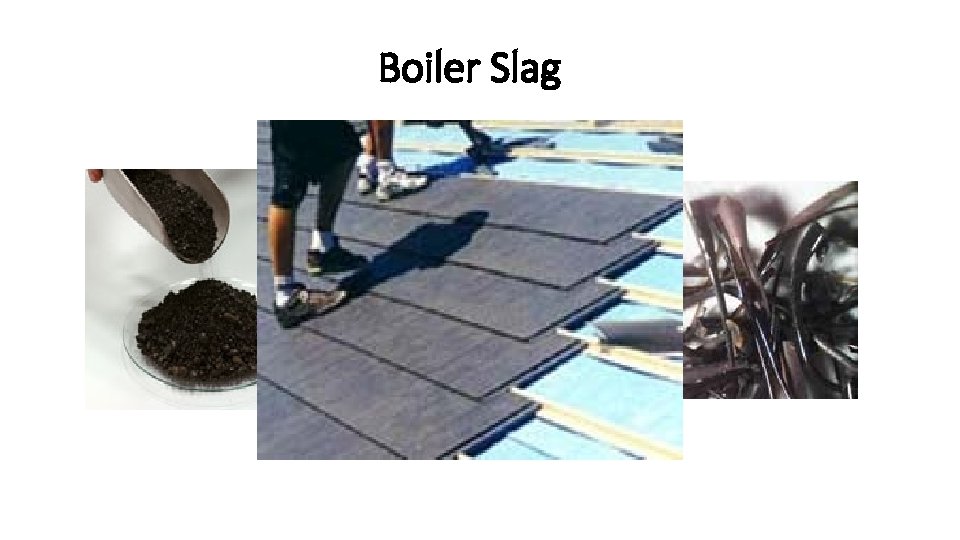
Boiler Slag
Coal Combustion By-Products: CCBs Fly Ash Bottom Ash Boiler Slag Gypsum
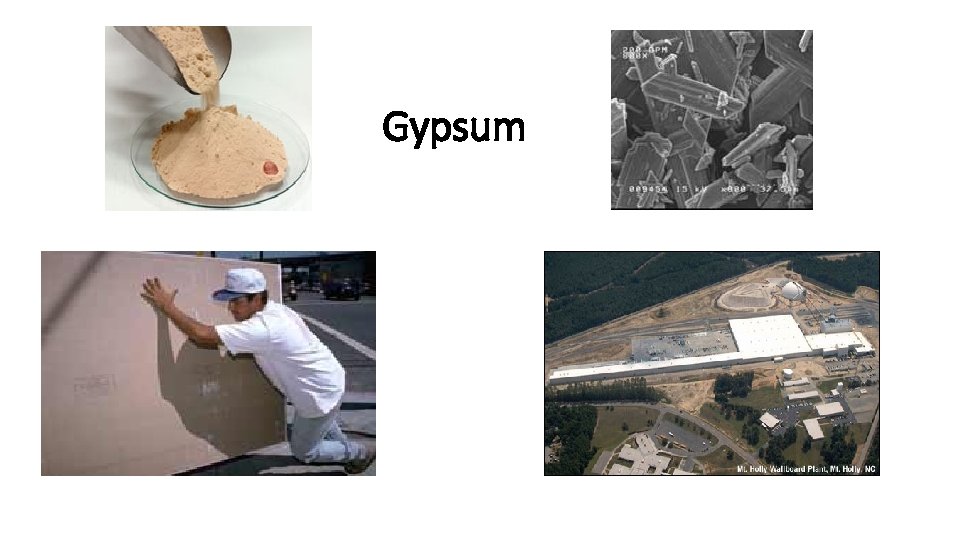
Gypsum
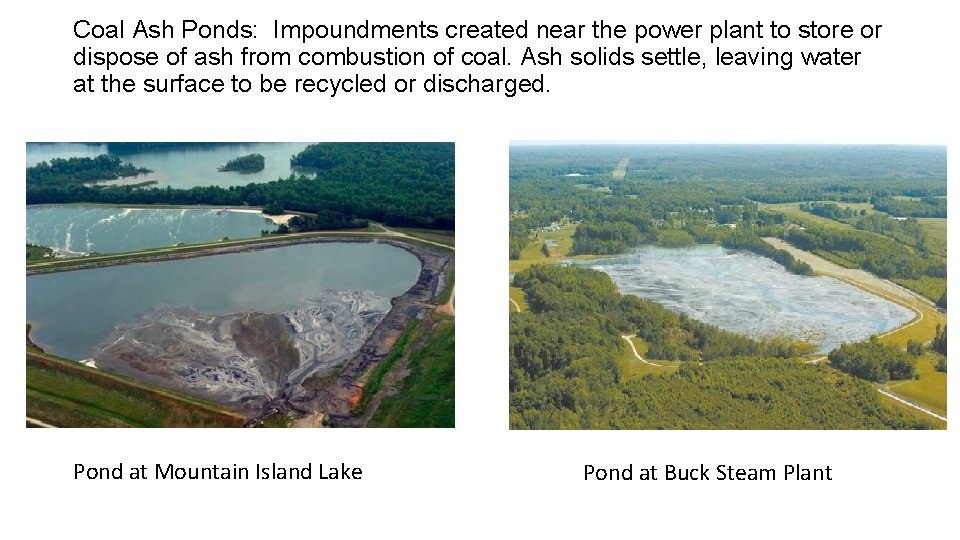
Coal Ash Ponds: Impoundments created near the power plant to store or dispose of ash from combustion of coal. Ash solids settle, leaving water at the surface to be recycled or discharged. Pond at Mountain Island Lake Pond at Buck Steam Plant
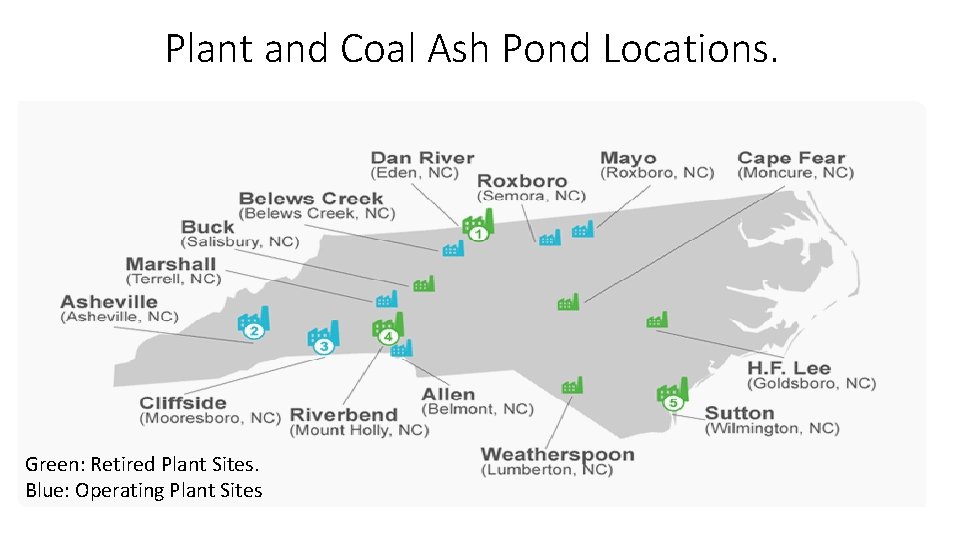
Plant and Coal Ash Pond Locations. Green: Retired Plant Sites. Blue: Operating Plant Sites
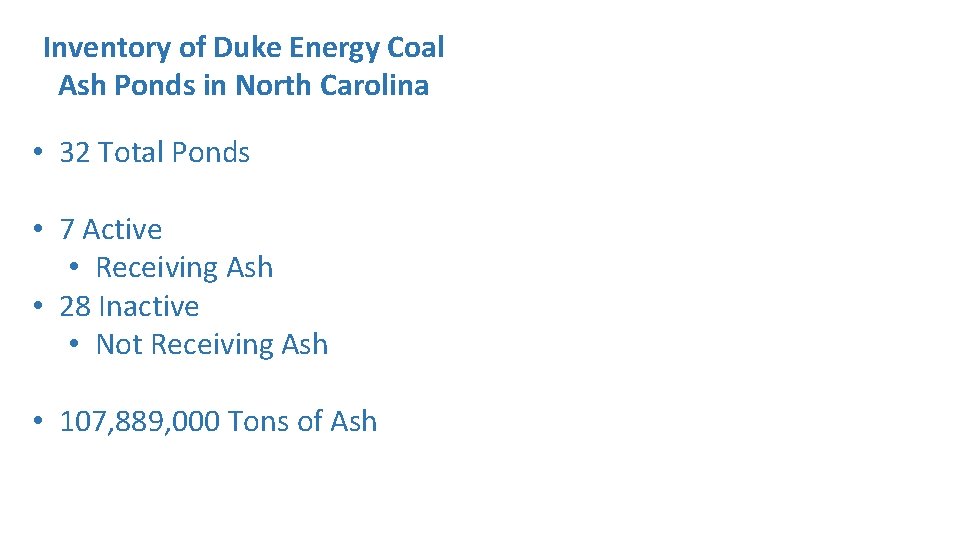
Inventory of Duke Energy Coal Ash Ponds in North Carolina • 32 Total Ponds • 7 Active • Receiving Ash • 28 Inactive • Not Receiving Ash • 107, 889, 000 Tons of Ash
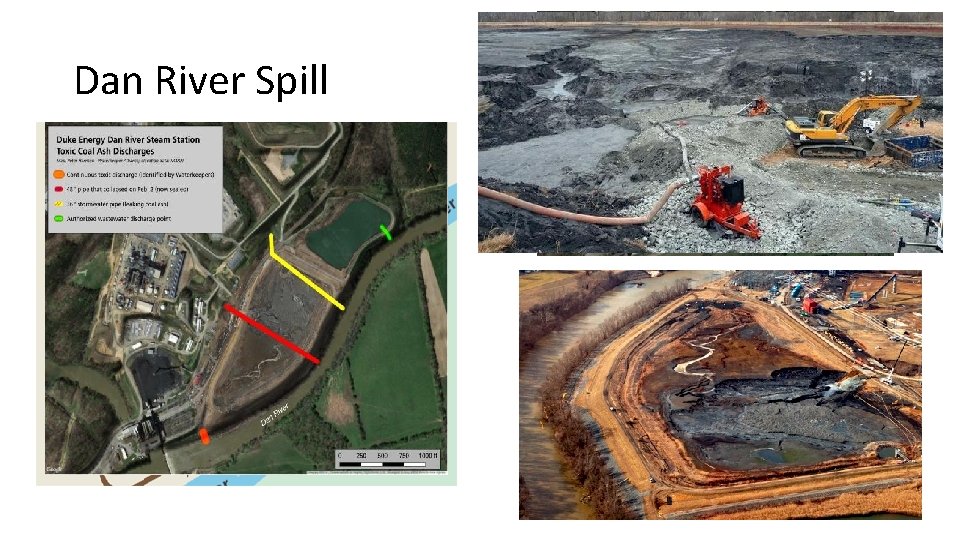
Dan River Spill
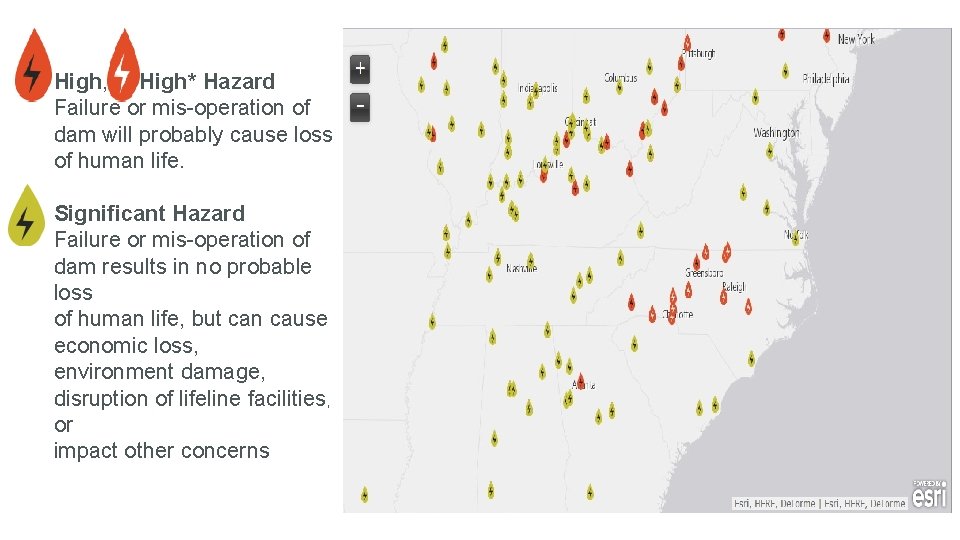
High, High* Hazard Failure or mis-operation of dam will probably cause loss of human life. Significant Hazard Failure or mis-operation of dam results in no probable loss of human life, but can cause economic loss, environment damage, disruption of lifeline facilities, or impact other concerns
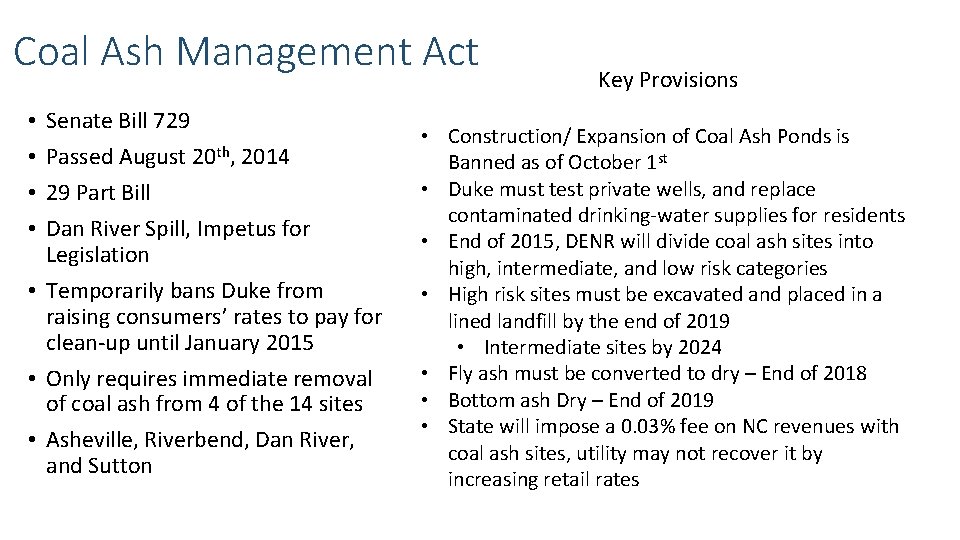
Coal Ash Management Act Senate Bill 729 Passed August 20 th, 2014 29 Part Bill Dan River Spill, Impetus for Legislation • Temporarily bans Duke from raising consumers’ rates to pay for clean-up until January 2015 • Only requires immediate removal of coal ash from 4 of the 14 sites • Asheville, Riverbend, Dan River, and Sutton • • Key Provisions • Construction/ Expansion of Coal Ash Ponds is Banned as of October 1 st • Duke must test private wells, and replace contaminated drinking-water supplies for residents • End of 2015, DENR will divide coal ash sites into high, intermediate, and low risk categories • High risk sites must be excavated and placed in a lined landfill by the end of 2019 • Intermediate sites by 2024 • Fly ash must be converted to dry – End of 2018 • Bottom ash Dry – End of 2019 • State will impose a 0. 03% fee on NC revenues with coal ash sites, utility may not recover it by increasing retail rates
EPA Regulations • CCBs are currently considered exempt wastes under the RCRA • EPA is proposing to regulate for the first time coal ash to address the risks • Two possible options, both fall under the RCRA • Subtitle C – Special wastes subject to regulation • Subtitle D – Section for non-hazard wastes • Appalachian Voices v. Gina Mc. Carthy • January, 29, 2014. • U. S. District Court of Columbia ruled EPA has mandatory duty to review coal ash under RCRA • Regulation to be finalized: December 19, 2014 State • DWR - Division of Water Resources • Wastewater discharged from Coal Ash ponds • Shares responsibility for the regulation of coal combustion residuals with the Division of Waste Management • Regulates beneficial uses of CCBs • DWM • Regulates fly ash landfills • Regulation of CCBs and residuals • DEML – Division of Energy, Mineral and Land Resources • Regulates Dam safety for the pond structures • NPDES – National Pollutant Discharge System • Division of DWR, regulates ash ponds through permits