
Coaching for Performance Session 1 1 Introductions Objectives
Coaching for Performance Session 1 1
Introductions Objectives Topics Definitions Principles of coaching The business coaching model Models A refresher on communication skills (giving and receiving feedback) Forms and templates 2
Session times Coffee 10. 30 am / 2. 30 pm Finish 12. 00 pm / 4. 00 p Timings and Housekeeping In an emergency: drop, cover hold Fire exits and meeting point Bathrooms Where’s the coffee? 3
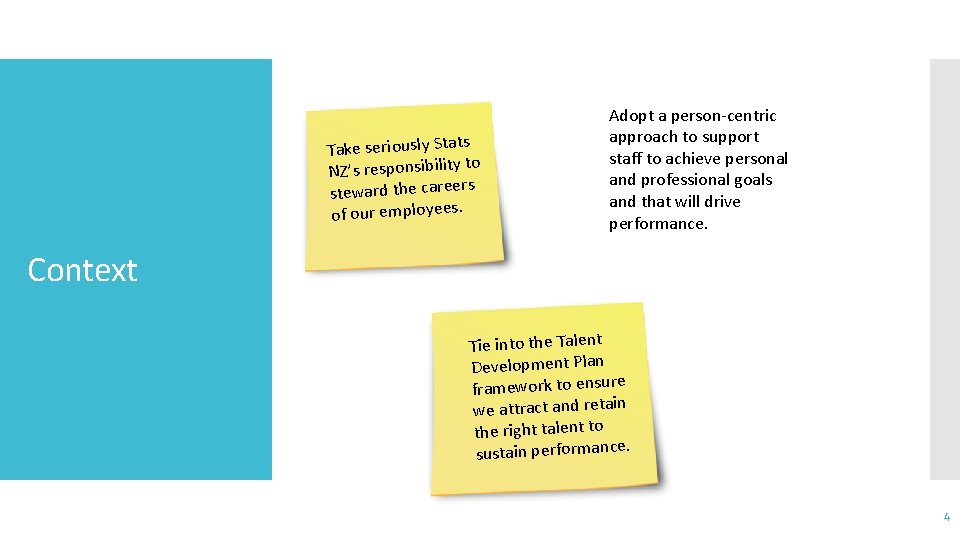
Take seriously Stats to NZ’s responsibility steward the careers of our employees. Adopt a person-centric approach to support staff to achieve personal and professional goals and that will drive performance. Context Tie into the Talent Development Plan framework to ensure we attract and retain the right talent to sustain performance. 4
He Whakatauki Piri papa te hoe, awhi papa te hoe – Keep the paddle close and embrace it Kia piritahi te waihoe – Enable us to paddle as one Ki te whai ao, kit e ao mārama – Through the turbulent waves, unto calmer seas 5
Principles: The “Why” of Coaching TO: improve performance identify goals to work towards help employee’s achieve their goals retain top staff develop leaders develop a person for the talent pipeline ensure success for new employees Manage the Stats NZ culture 6
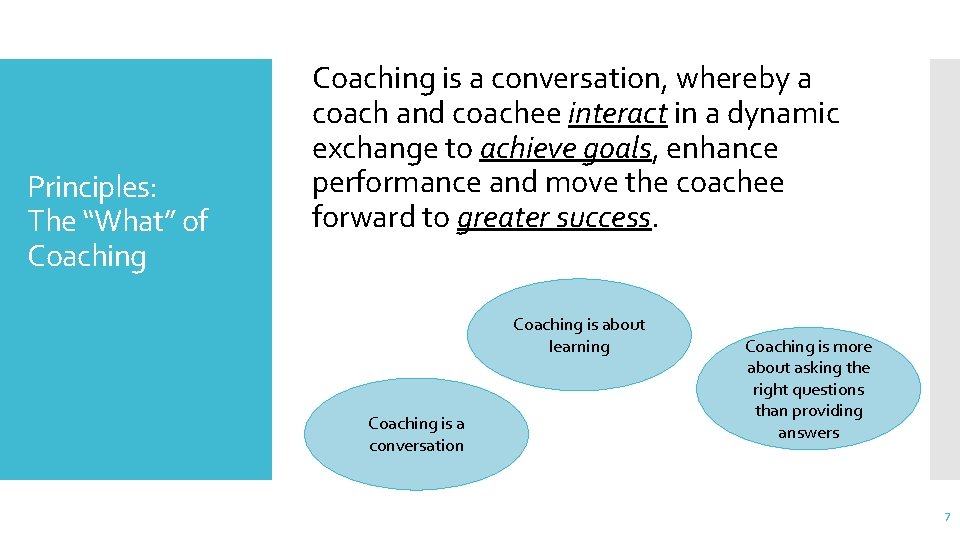
Principles: The “What” of Coaching is a conversation, whereby a coach and coachee interact in a dynamic exchange to achieve goals, enhance performance and move the coachee forward to greater success. Coaching is about learning Coaching is a conversation Coaching is more about asking the right questions than providing answers 7
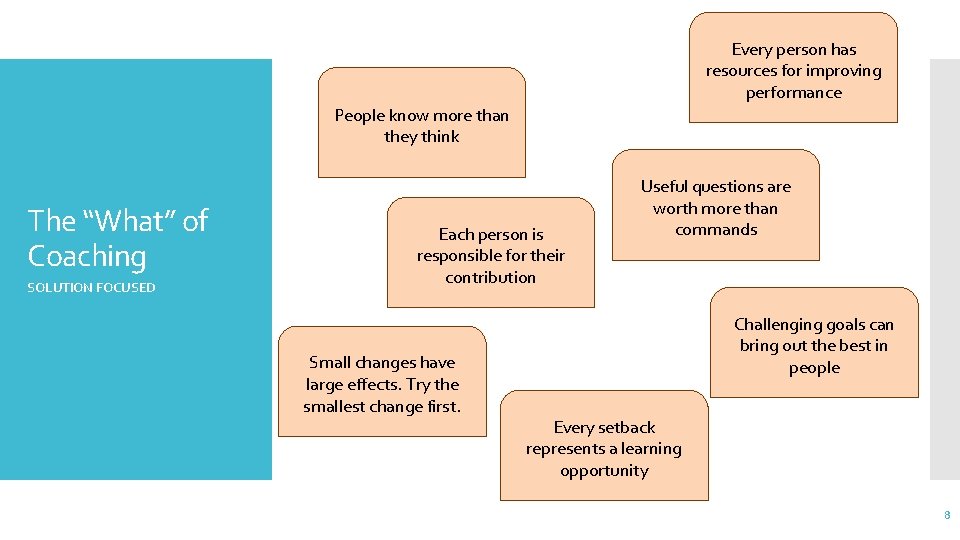
Every person has resources for improving performance People know more than they think The “What” of Coaching SOLUTION FOCUSED Each person is responsible for their contribution Small changes have large effects. Try the smallest change first. Useful questions are worth more than commands Challenging goals can bring out the best in people Every setback represents a learning opportunity 8
Snowball coaching Objective: get as many snowballs into the cup as many times as possible in 2 minutes. Constraints: Stand at least 1. 5 m apart No moving the cup to ‘catch’ the snowball No extra time allowed In pairs: 1. Create at least three snowballs. 2. One person stands still with the cup at waist height. 3. One person throws the snowball. Keep score. 4. 2 minutes per snowball thrower: 4 minutes in total 9
When Where You may have formed the impression that you can only coach at certain times, e. g. : Everyone can come across opportunities to coach, use a quiet meeting room or office space, e. g. : When setting objectives When delegating When and Where? With new staff BUT: you can coach at any time such as at performance review time – quiet office setting informally, following a meeting – without others around – keep it between the parties It’s not about how long you spend with people but how well you spend that time. 10
7 New Habits 7 Ask one question at a time. Just ONE question at a time. 11
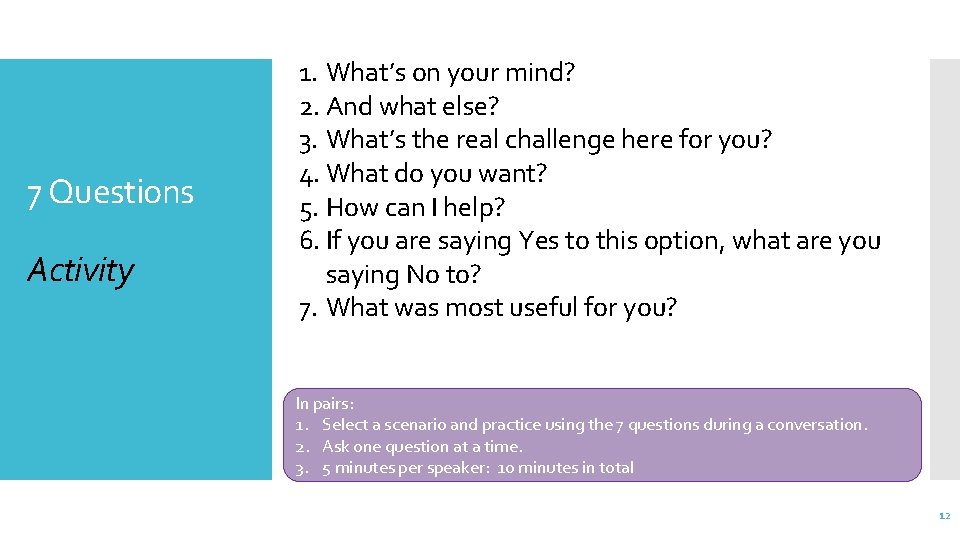
7 Questions Activity 1. What’s on your mind? 2. And what else? 3. What’s the real challenge here for you? 4. What do you want? 5. How can I help? 6. If you are saying Yes to this option, what are you saying No to? 7. What was most useful for you? In pairs: 1. Select a scenario and practice using the 7 questions during a conversation. 2. Ask one question at a time. 3. 5 minutes per speaker: 10 minutes in total 12
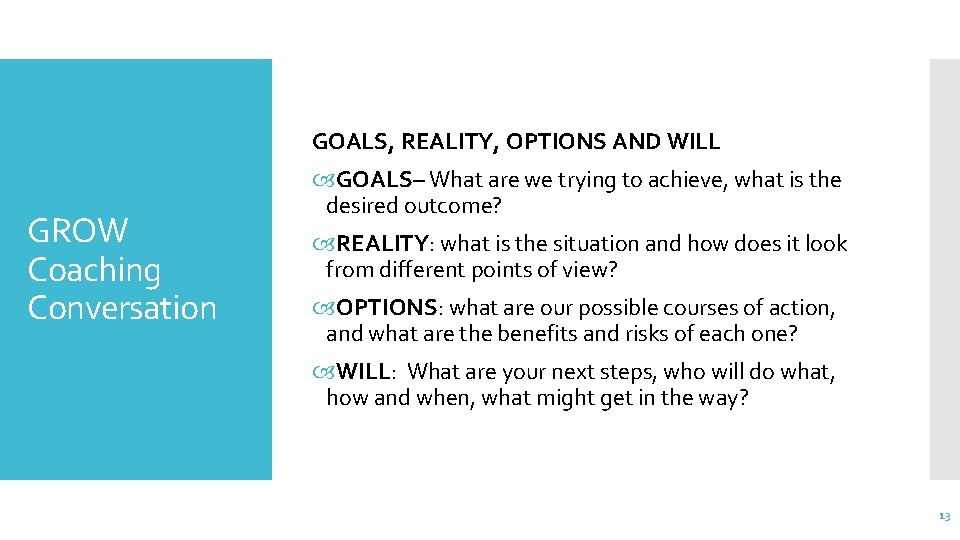
GOALS, REALITY, OPTIONS AND WILL GROW Coaching Conversation GOALS– What are we trying to achieve, what is the desired outcome? REALITY: what is the situation and how does it look from different points of view? OPTIONS: what are our possible courses of action, and what are the benefits and risks of each one? WILL: What are your next steps, who will do what, how and when, what might get in the way? 13

GROW In Action https: //www. youtube. com/watch? v=tnm 3 Vwf. X 7 Gs. G 14
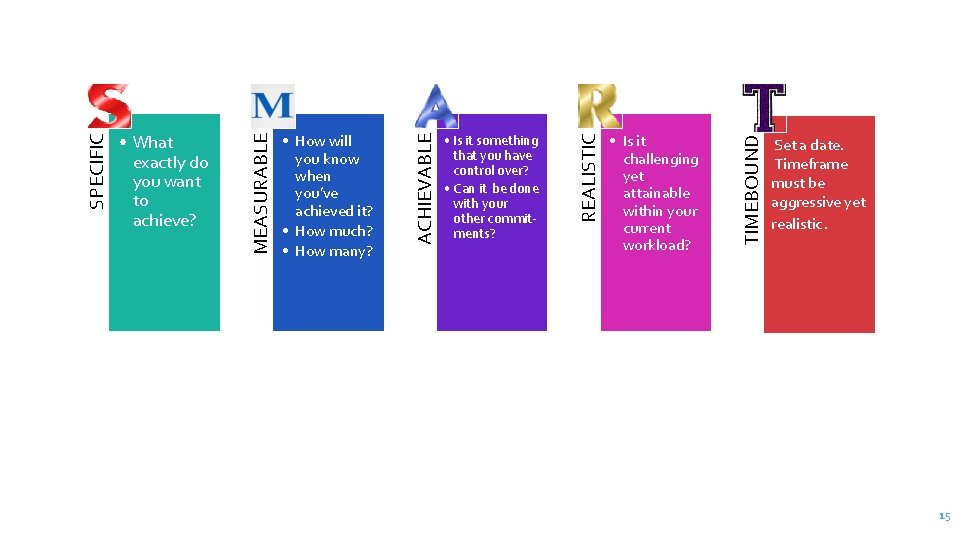
• Is it challenging yet attainable within your current workload? TIMEBOUND • Is it something that you have control over? • Can it be done with your other commitments? REALISTIC • How will you know when you’ve achieved it? • How much? • How many? ACHIEVABLE MEASURABLE SPECIFIC • What exactly do you want to achieve? Set a date. Timeframe must be aggressive yet realistic. 15
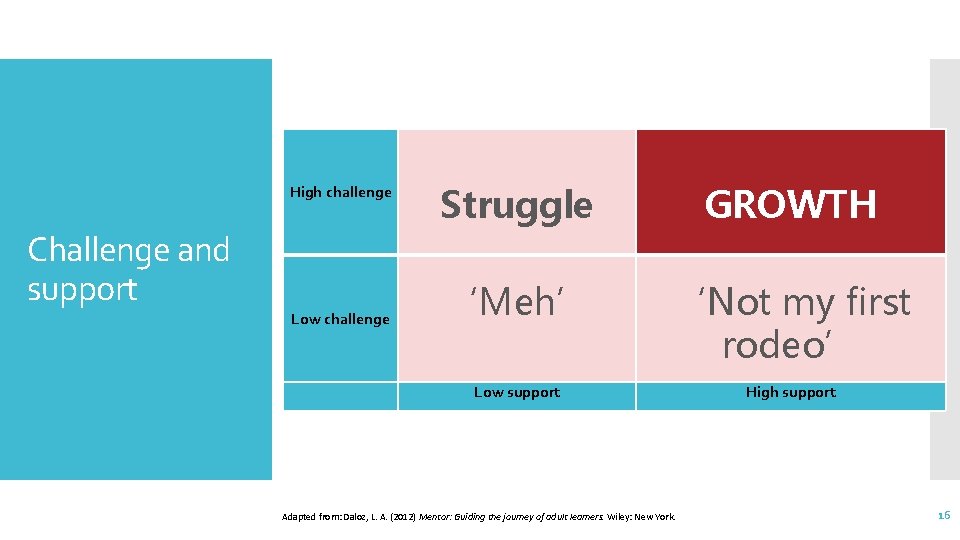
High challenge Challenge and support Low challenge Struggle GROWTH ‘Meh’ ‘Not my first rodeo’ Low support High support Adapted from: Daloz, L. A. (2012) Mentor: Guiding the journey of adult learners. Wiley: New York. 16
1. Start small 2. Break a habit Action planning 17

Coaching for Performance Session 2 18
Topics Objectives A refresher on communication skills (giving and receiving feedback) Boost and SBI model Forms and templates Introductions 19
Session times Coffee 10. 30 am / 2. 30 pm Finish 12. 00 pm / 4. 00 p Timings and Housekeeping In an emergency: drop, cover hold Fire exits and meeting point Bathrooms Where’s the coffee? 20
What worked well? What didn’t work so well? Debrief What templates worked for you? Has the coaching exercise changed your view on what your role as a manager is? 21
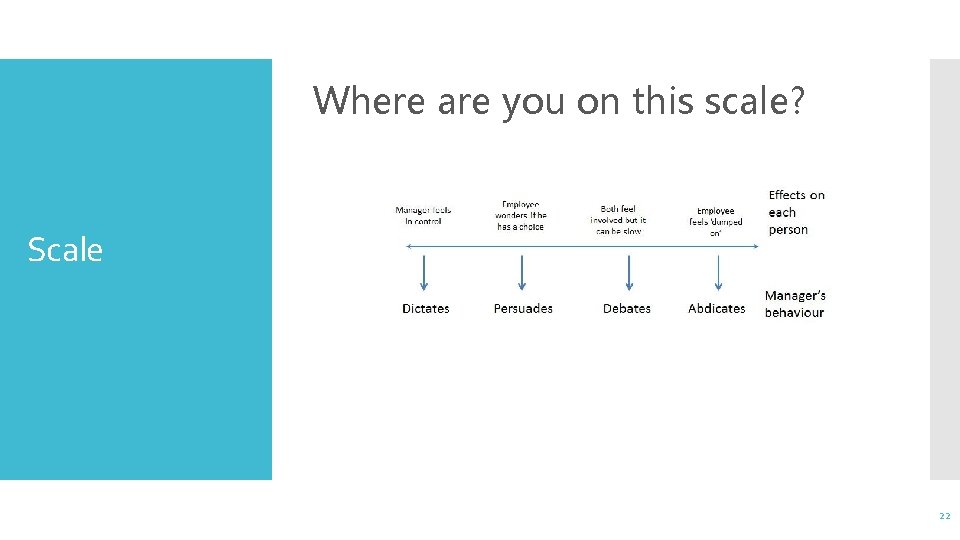
Where are you on this scale? Scale 22
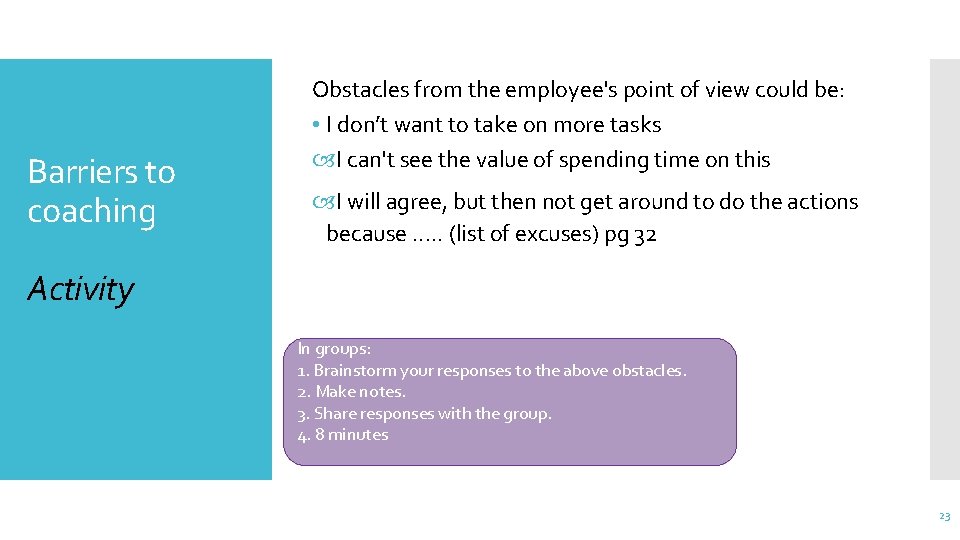
Barriers to coaching Obstacles from the employee's point of view could be: • I don’t want to take on more tasks I can't see the value of spending time on this I will agree, but then not get around to do the actions because. . . (list of excuses) pg 32 Activity In groups: 1. Brainstorm your responses to the above obstacles. 2. Make notes. 3. Share responses with the group. 4. 8 minutes 23
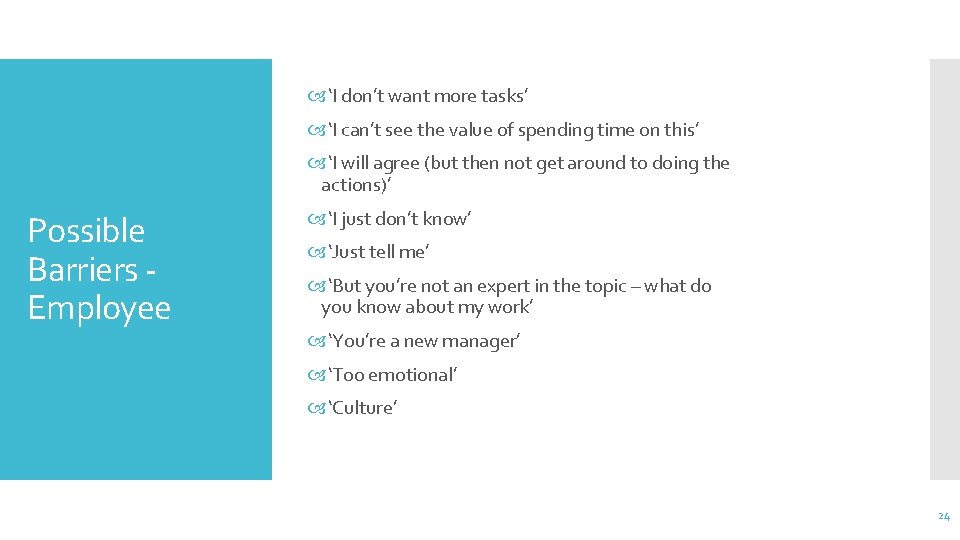
‘I don’t want more tasks’ ‘I can’t see the value of spending time on this’ ‘I will agree (but then not get around to doing the actions)’ Possible Barriers Employee ‘I just don’t know’ ‘Just tell me’ ‘But you’re not an expert in the topic – what do you know about my work’ ‘You’re a new manager’ ‘Too emotional’ ‘Culture’ 24
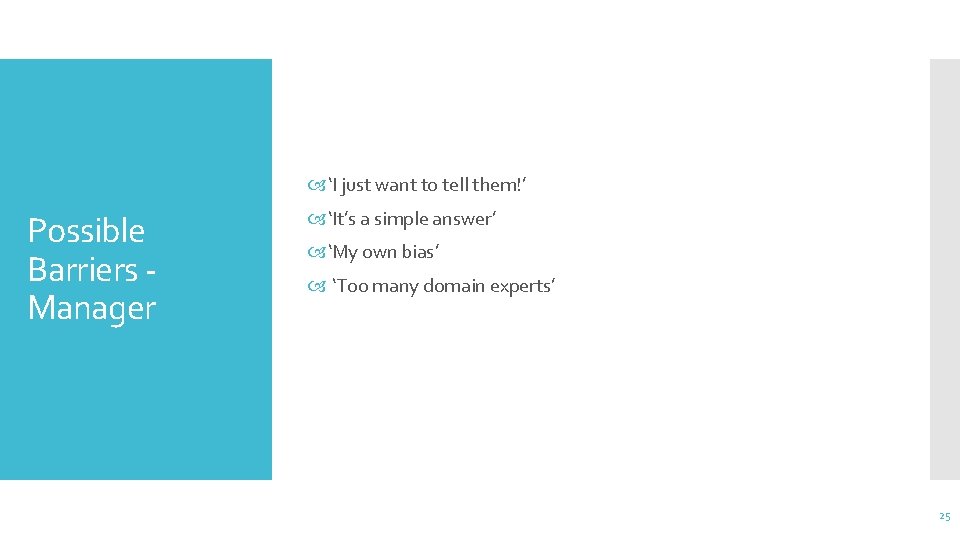
‘I just want to tell them!’ Possible Barriers Manager ‘It’s a simple answer’ ‘My own bias’ ‘Too many domain experts’ 25
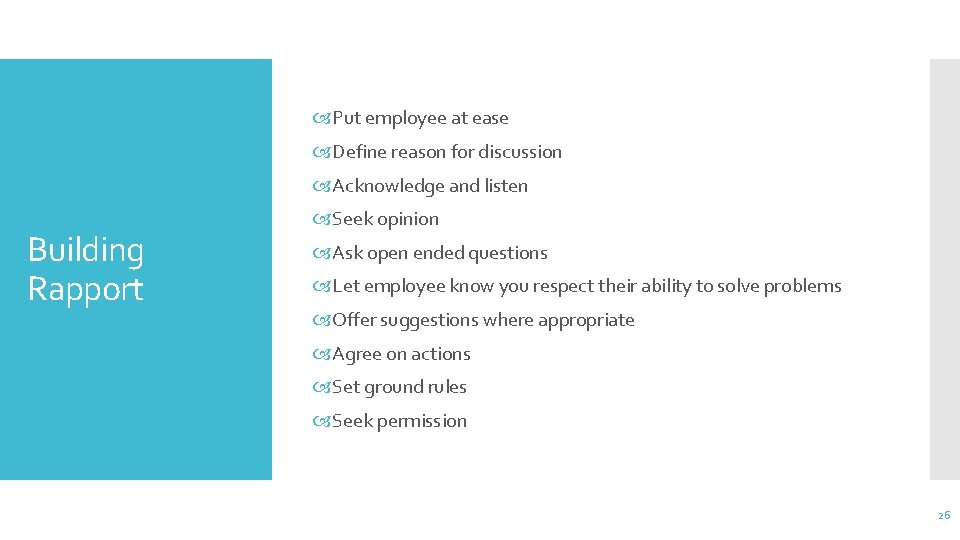
Put employee at ease Define reason for discussion Acknowledge and listen Building Rapport Seek opinion Ask open ended questions Let employee know you respect their ability to solve problems Offer suggestions where appropriate Agree on actions Set ground rules Seek permission 26
Listening Even though we don’t really know what the issue is, we’re quite sure we’ve got the answer they need. 27
Listening Every fibre of your body is twitching with a desire to fix it, solve it, offer a solution to it. 28

Giving and receiving feedback 29
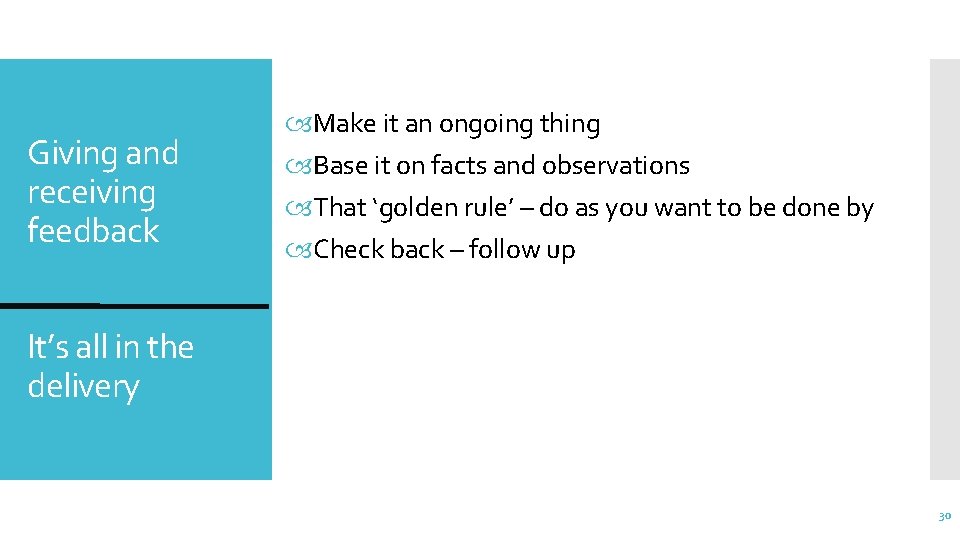
Giving and receiving feedback Make it an ongoing thing Base it on facts and observations That ‘golden rule’ – do as you want to be done by Check back – follow up It’s all in the delivery 30
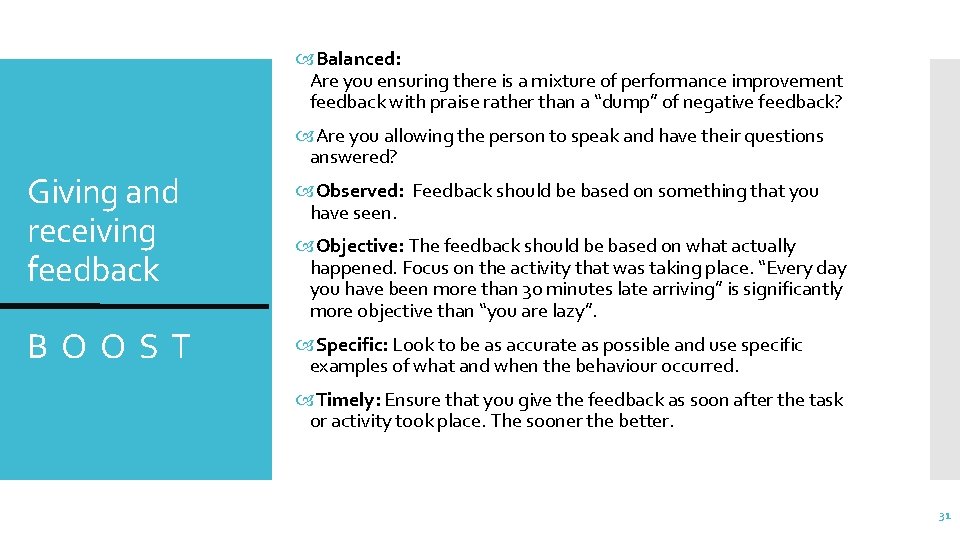
Balanced: Are you ensuring there is a mixture of performance improvement feedback with praise rather than a “dump” of negative feedback? Giving and receiving feedback B O O S T Are you allowing the person to speak and have their questions answered? Observed: Feedback should be based on something that you have seen. Objective: The feedback should be based on what actually happened. Focus on the activity that was taking place. “Every day you have been more than 30 minutes late arriving” is significantly more objective than “you are lazy”. Specific: Look to be as accurate as possible and use specific examples of what and when the behaviour occurred. Timely: Ensure that you give the feedback as soon after the task or activity took place. The sooner the better. 31
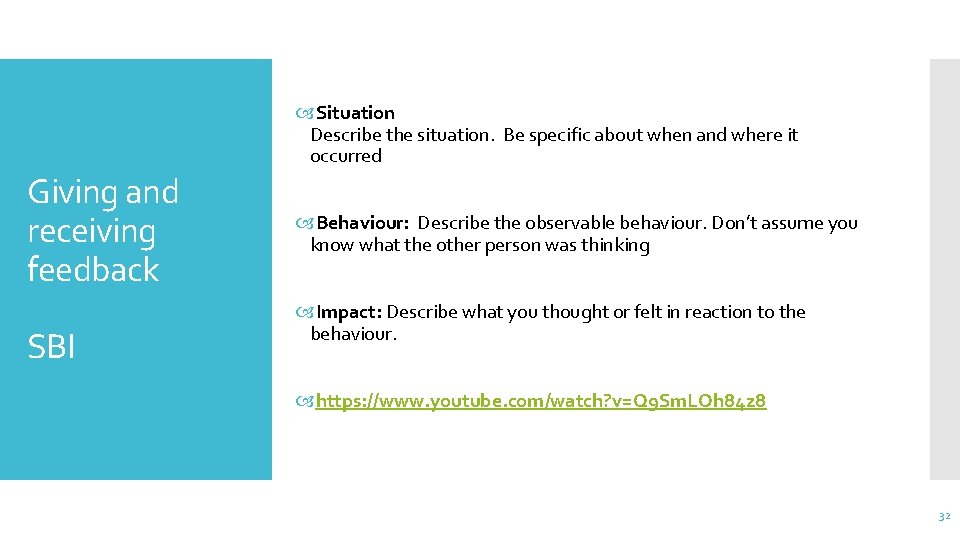
Situation Describe the situation. Be specific about when and where it occurred Giving and receiving feedback SBI Behaviour: Describe the observable behaviour. Don’t assume you know what the other person was thinking Impact: Describe what you thought or felt in reaction to the behaviour. https: //www. youtube. com/watch? v=Q 9 Sm. LOh 84 z 8 32
Examine options and consequences Action planning Encourage creative ways of thinking Help make decisions to solve problems Agree on small steps to build up the plan to its conclusion Give advice and direction sparingly Don’t expect every meeting to end in an action plan 33
Feedback Activity In pairs: 1. Select a scenario from the workbook and provide some feedback using either the BOOST model or the SBI model to your ‘employee’. 2. Use any of the feedback responses from the workbook. Pg. 27 3. 4 minutes per speaker: 8 minutes in total 34
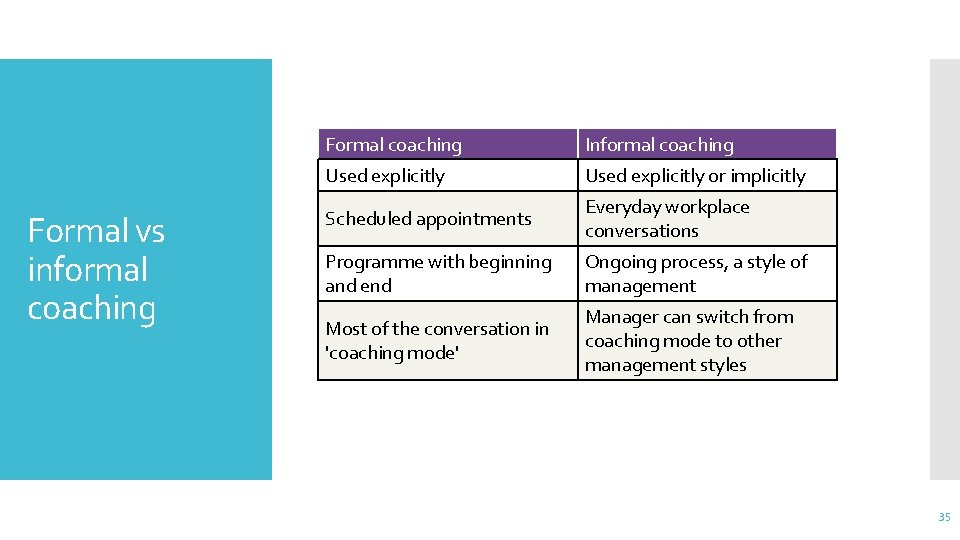
Formal vs informal coaching Formal coaching Informal coaching Used explicitly or implicitly Scheduled appointments Everyday workplace conversations Programme with beginning and end Ongoing process, a style of management Most of the conversation in 'coaching mode' Manager can switch from coaching mode to other management styles 35
Activity Test Yourself Answer the 10 multiple choice questions – Page 34 Identify your baseline knowledge of coaching 36

Forms, checklists, planners, discussion starters and more…. 37
Say Less The Coaching Habit Ask More Change the way you lead forever 38
J D I - Just do it! What’s next? Build your coaching habit: Start somewhere easy Start small Buddy up If you slip up – get back on the horse 39

Good luck! 40

41
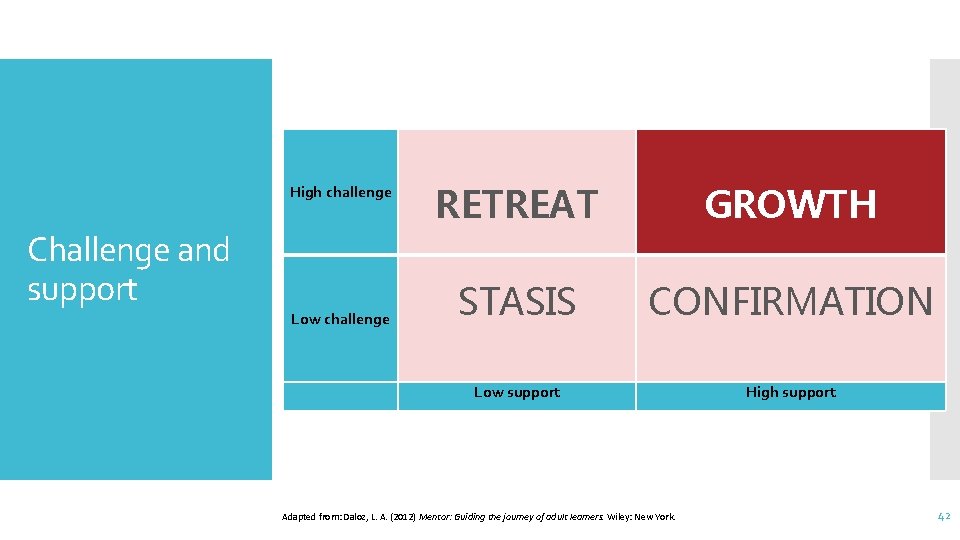
High challenge Challenge and support Low challenge RETREAT GROWTH STASIS CONFIRMATION Low support High support Adapted from: Daloz, L. A. (2012) Mentor: Guiding the journey of adult learners. Wiley: New York. 42

Unused slides 43
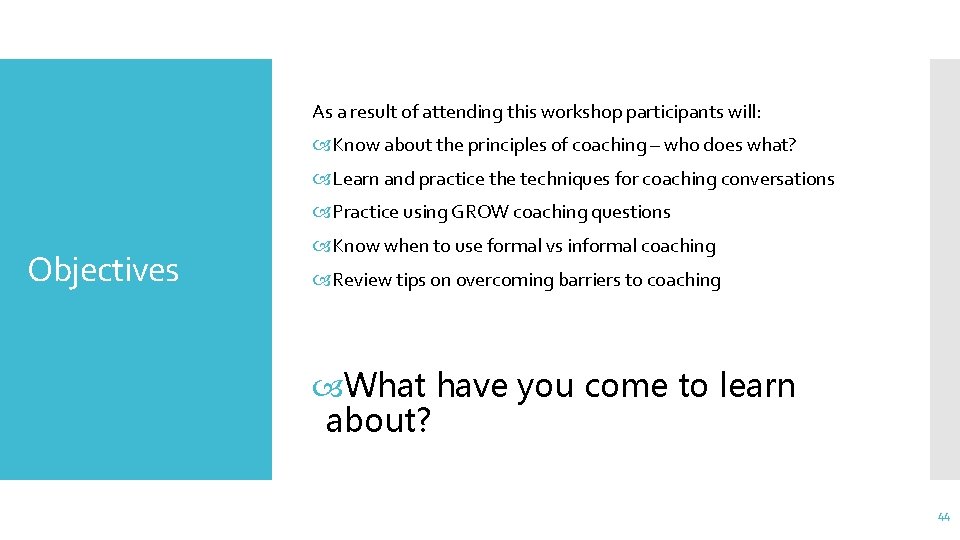
As a result of attending this workshop participants will: Know about the principles of coaching – who does what? Learn and practice the techniques for coaching conversations Practice using GROW coaching questions Objectives Know when to use formal vs informal coaching Review tips on overcoming barriers to coaching What have you come to learn about? 44

Principles of coaching 45
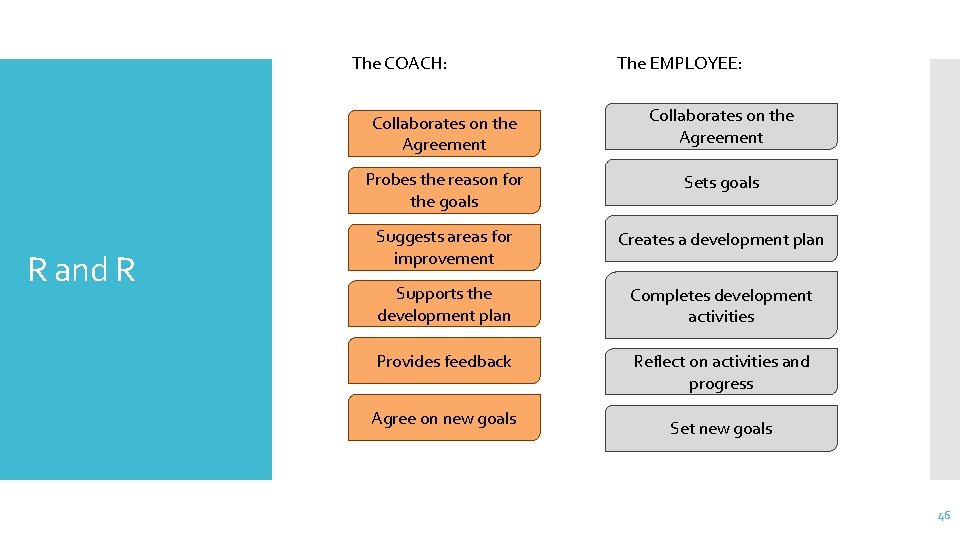
The COACH: R and R The EMPLOYEE: Collaborates on the Agreement Probes the reason for the goals Sets goals Suggests areas for improvement Creates a development plan Supports the development plan Completes development activities Provides feedback Reflect on activities and progress Agree on new goals Set new goals 46
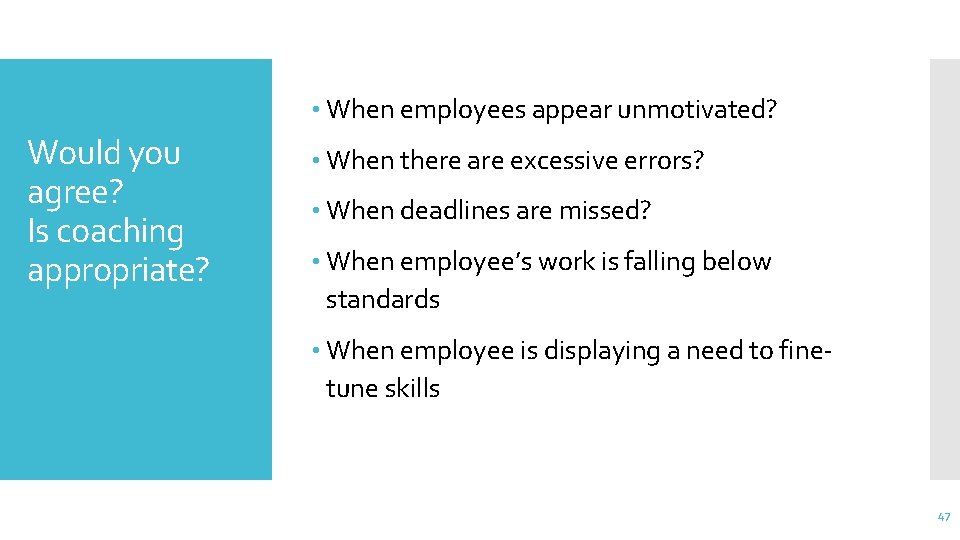
• When employees appear unmotivated? Would you agree? Is coaching appropriate? • When there are excessive errors? • When deadlines are missed? • When employee’s work is falling below standards • When employee is displaying a need to fine- tune skills 47
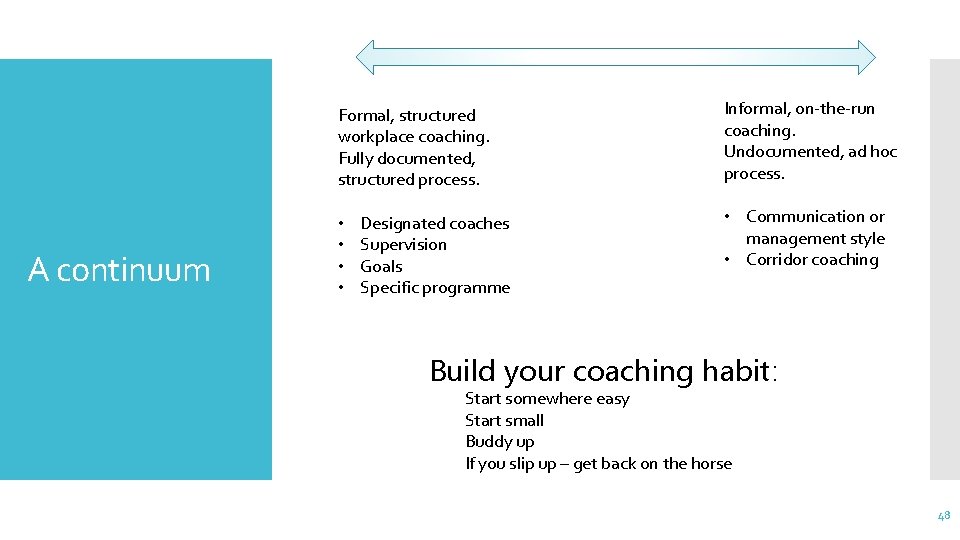
Formal, structured workplace coaching. Fully documented, structured process. A continuum • • Designated coaches Supervision Goals Specific programme Informal, on-the-run coaching. Undocumented, ad hoc process. • Communication or management style • Corridor coaching Build your coaching habit: Start somewhere easy Start small Buddy up If you slip up – get back on the horse 48
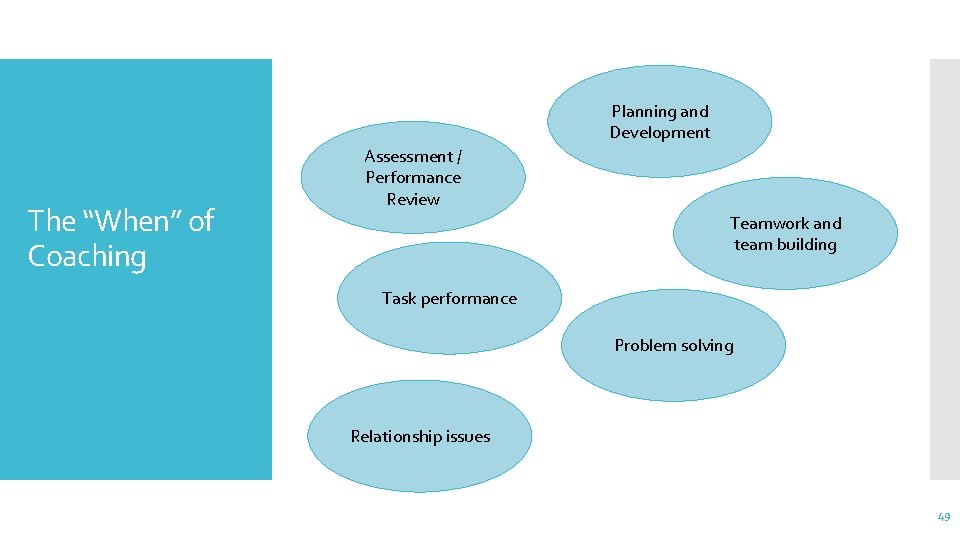
Planning and Development The “When” of Coaching Assessment / Performance Review Teamwork and team building Task performance Problem solving Relationship issues 49
Time for a break Wellington: 15 minutes for a cuppa
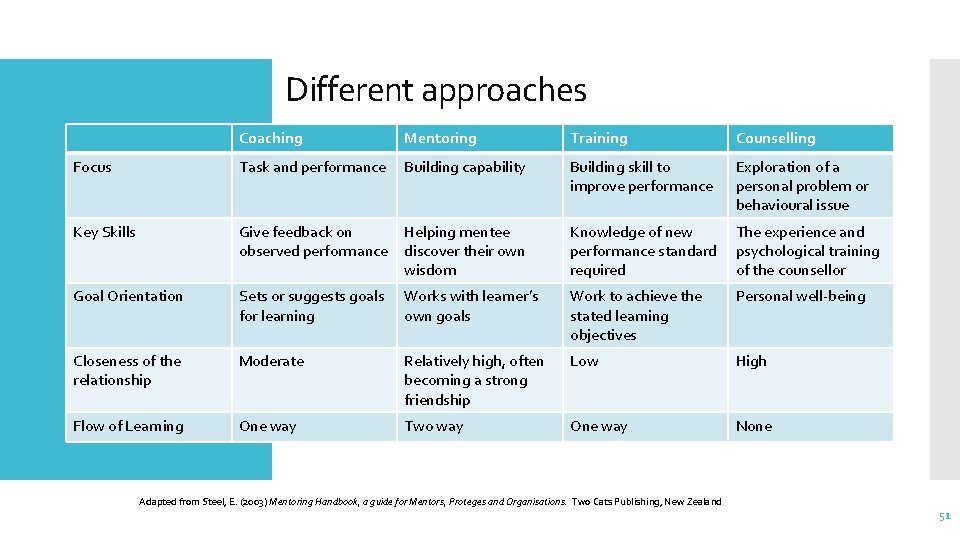
Different approaches Coaching Mentoring Training Counselling Focus Task and performance Building capability Building skill to improve performance Exploration of a personal problem or behavioural issue Key Skills Give feedback on observed performance Helping mentee discover their own wisdom Knowledge of new The experience and performance standard psychological training required of the counsellor Goal Orientation Sets or suggests goals for learning Works with learner’s own goals Work to achieve the stated learning objectives Personal well-being Closeness of the relationship Moderate Relatively high, often becoming a strong friendship Low High Flow of Learning One way Two way One way None Adapted from Steel, E. (2003) Mentoring Handbook, a guide for Mentors, Proteges and Organisations. Two Cats Publishing, New Zealand 51
Principles of coaching Coaching Process 52
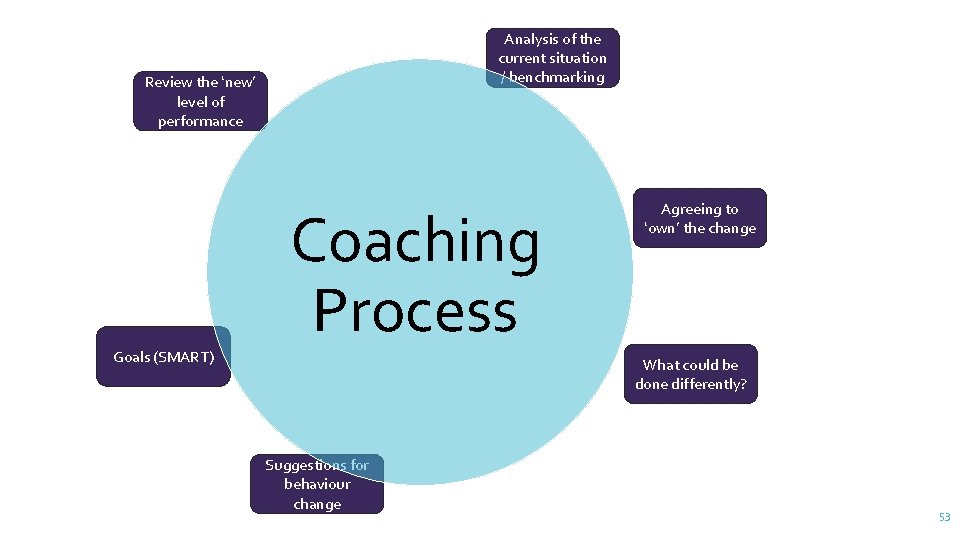
Analysis of the current situation / benchmarking Review the ‘new’ level of performance Goals (SMART) Coaching Process Agreeing to ‘own’ the change What could be done differently? Suggestions for behaviour change 53
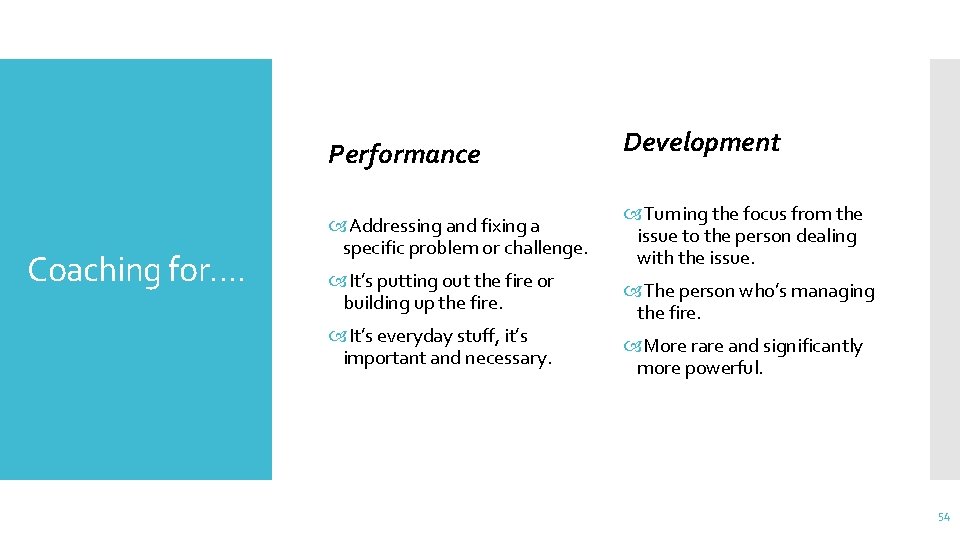
Performance Coaching for…. Addressing and fixing a specific problem or challenge. It’s putting out the fire or building up the fire. It’s everyday stuff, it’s important and necessary. Development Turning the focus from the issue to the person dealing with the issue. The person who’s managing the fire. More rare and significantly more powerful. 54
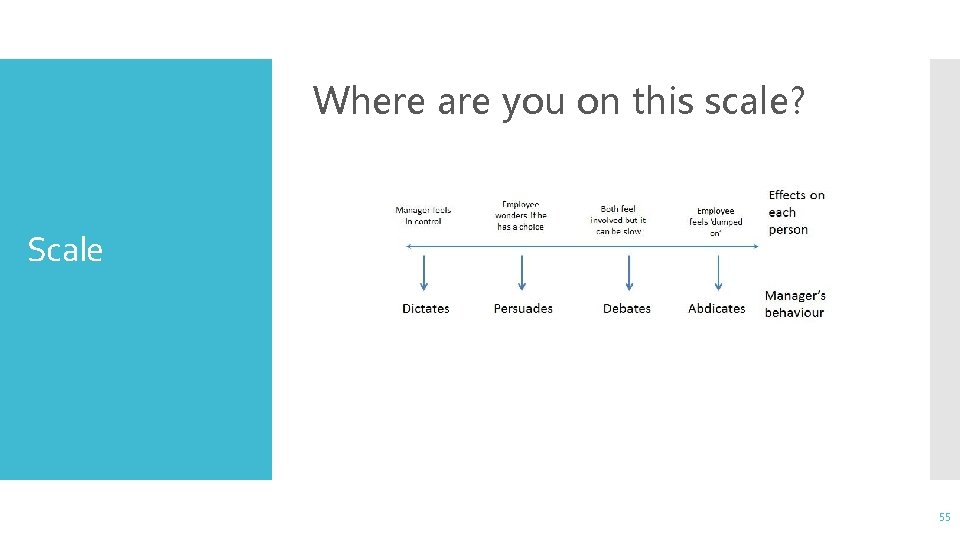
Where are you on this scale? Scale 55
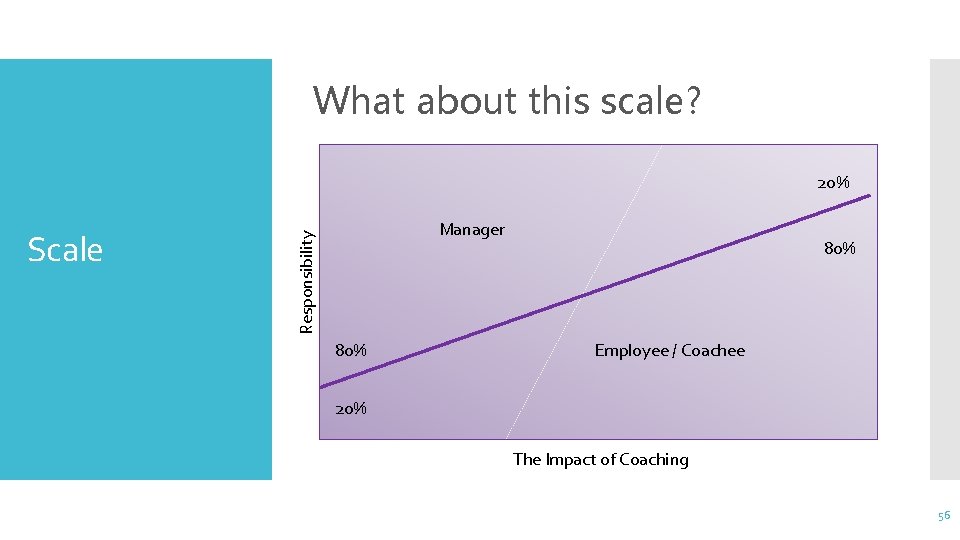
What about this scale? 20% Responsibility Scale Manager 80% Employee / Coachee 20% The Impact of Coaching 56
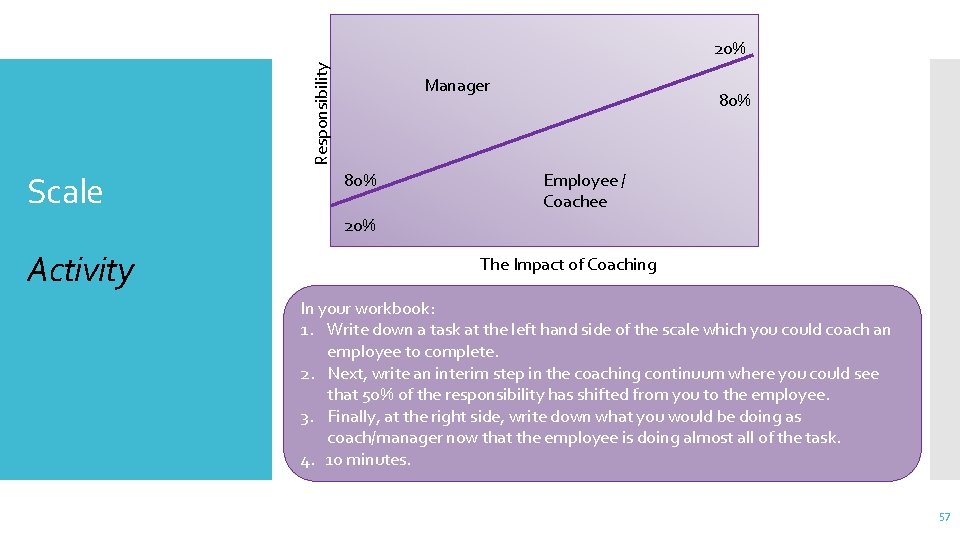
Responsibility 20% Scale Manager 80% Employee / Coachee 20% Activity The Impact of Coaching In your workbook: 1. Write down a task at the left hand side of the scale which you could coach an employee to complete. 2. Next, write an interim step in the coaching continuum where you could see that 50% of the responsibility has shifted from you to the employee. 3. Finally, at the right side, write down what you would be doing as coach/manager now that the employee is doing almost all of the task. 4. 10 minutes. 57
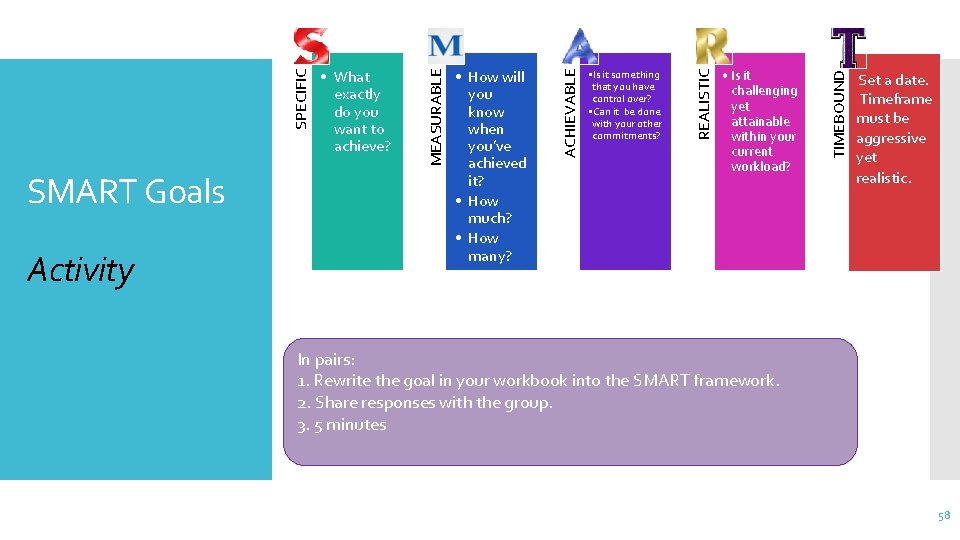
Activity • Is it challenging yet attainable within your current workload? TIMEBOUND • Is it something that you have control over? • Can it be done with your other commitments? REALISTIC • How will you know when you’ve achieved it? • How much? • How many? ACHIEVABLE MEASURABLE SPECIFIC SMART Goals • What exactly do you want to achieve? Set a date. Timeframe must be aggressive yet realistic. In pairs: 1. Rewrite the goal in your workbook into the SMART framework. 2. Share responses with the group. 3. 5 minutes 58
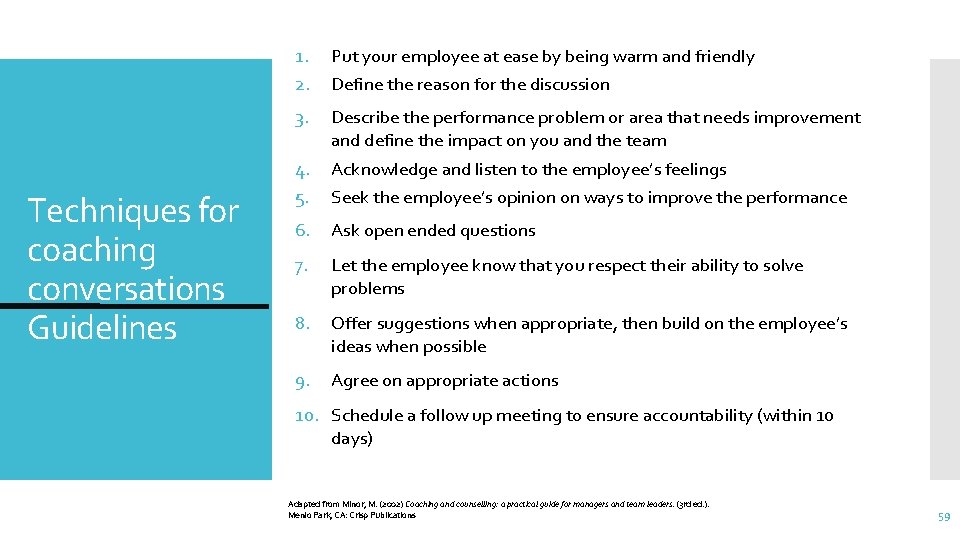
Techniques for coaching conversations Guidelines 1. 2. Put your employee at ease by being warm and friendly Define the reason for the discussion 3. Describe the performance problem or area that needs improvement and define the impact on you and the team 4. 5. Acknowledge and listen to the employee’s feelings Seek the employee’s opinion on ways to improve the performance 6. Ask open ended questions 7. Let the employee know that you respect their ability to solve problems 8. Offer suggestions when appropriate, then build on the employee’s ideas when possible 9. Agree on appropriate actions 10. Schedule a follow up meeting to ensure accountability (within 10 days) Adapted from Minor, M. (2002) Coaching and counselling: a practical guide for managers and team leaders. (3 rd ed. ). Menlo Park, CA: Crisp Publications 59
Listening Even though we don’t really know what the issue is, we’re quite sure we’ve got the answer they need. 60
Listening Every fibre of your body is twitching with a desire to fix it, solve it, offer a solution to it. 61
Time for a break Wellington: 15 minutes for a cuppa
Obstacles from the employee's point of view could be: Barriers to coaching • I don’t want to take on more tasks I can't see the value of spending time on this I will agree, but then not get around to do the actions because. . . (list of excuses) 63
- Slides: 63