
CO 2 Sequestration in Coal Seams B K
CO 2 Sequestration in Coal Seams B. K. Prusty Ph. D. (USA) Scientist Central Institute of Mining and Fuel Research
Global Warming • Global temperature rose by 0. 5 - 0. 9°C in the past century • Likely to increase by 1. 1 to 6. 4 °C between 1990 and 2100 • Rise of average atmospheric temperature across the globe is termed as global warming • Increased GHG concentration responsible • Minority opinion: Part of Earth's natural cycle
Greenhouse Effect • Shorter-wavelength solar radiation passes through Earth's atmosphere, and is absorbed by the surface of the Earth, causing it to warm • Part of the absorbed energy is radiated back to the atmosphere as long wave infrared radiation • The GHGs selectively transmit this infrared wave, trapping some and allowing some to pass through into space
• GHGs absorb these waves and reemits the waves downward, causing the lower atmosphere to warm • Carbon dioxide, methane, nitrous oxide, and fluorocarbons
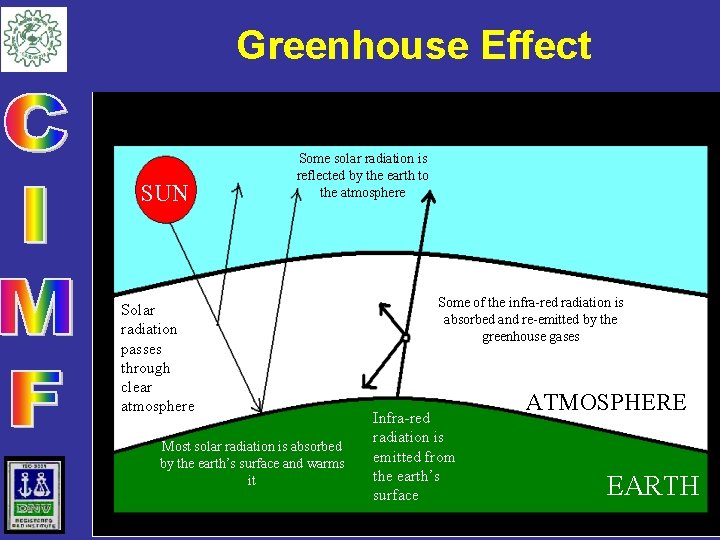
Greenhouse Effect SUN Some solar radiation is reflected by the earth to the atmosphere Solar radiation passes through clear atmosphere Most solar radiation is absorbed by the earth’s surface and warms it Some of the infra-red radiation is absorbed and re-emitted by the greenhouse gases Infra-red radiation is emitted from the earth’s surface ATMOSPHERE EARTH
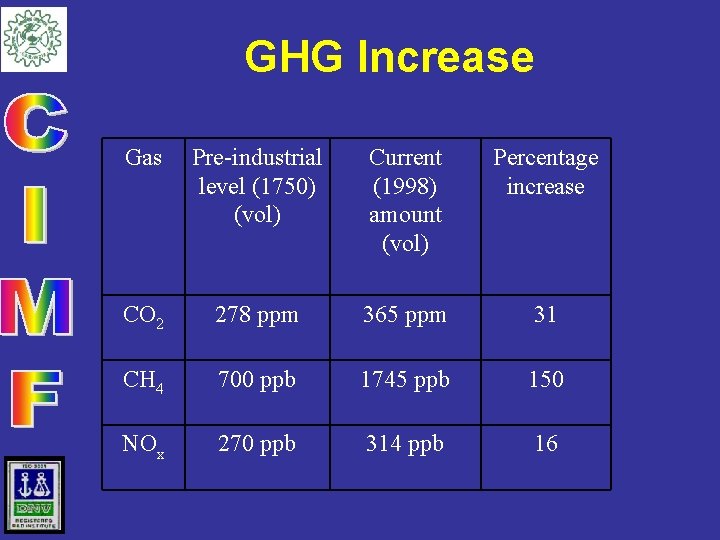
GHG Increase Gas Pre-industrial level (1750) (vol) Current (1998) amount (vol) Percentage increase CO 2 278 ppm 365 ppm 31 CH 4 700 ppb 1745 ppb 150 NOx 270 ppb 314 ppb 16
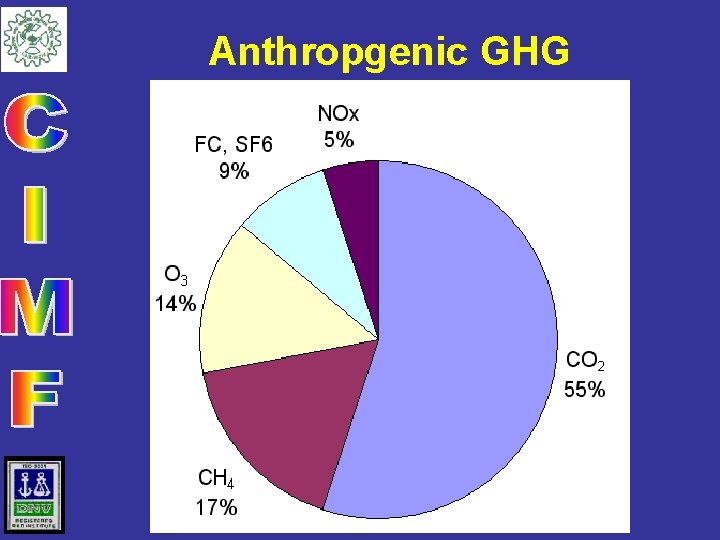
Anthropgenic GHG
GHG Emission from Coal • CO 2 the most important GHG because of its abundance • CO 2 Emission from coal burning. • Energy sector contributing about ~ 45% of total GHG emission (fossil fuel) • >85% of the global energy produced from fossil fuel • Continued reliance on fossil fuels forecast for future
• Fossil fuel consumption to increase 40% in next 20 years • CO 2 emissions to rise by 33% during that period • Continued use of low-cost, reliable fossil energy while reducing the CO 2 emissions is a major challenge • Control of CO 2 emission and its stabilisation critical for abatement of global warming
CH 4 Emission from Coal • CH 4 the 2 nd most important GHG. • Methane from coal mining, and handling. • CO 2 is emitted in larger quantity. • Methane has 21 times greater effect. • Globally 27 million tons of methane is emitted every year from coal mining. • Methane recovery from coal and its utilisation is one the mitigation options.
GHG Abatement Strategy • Kyoto Protocol agreed upon by more than 160 countries (1997) • Annex I countries to reduce emission by 5. 2% of 1990 level (during 2008 -12) • India has no obligation due to Non. Annex status • India can earn Carbon Credit by earning Certified Emission Reductions
CO 2 Emission Reduction • Efficient energy technology • Renewable sources • Carbon sequestration Sequestration is the removal of CO 2 from anthropogenic sources/atmosphere and disposing it for geologically significant time periods such as to prevent its interference in the global climate system.

Source: NETL
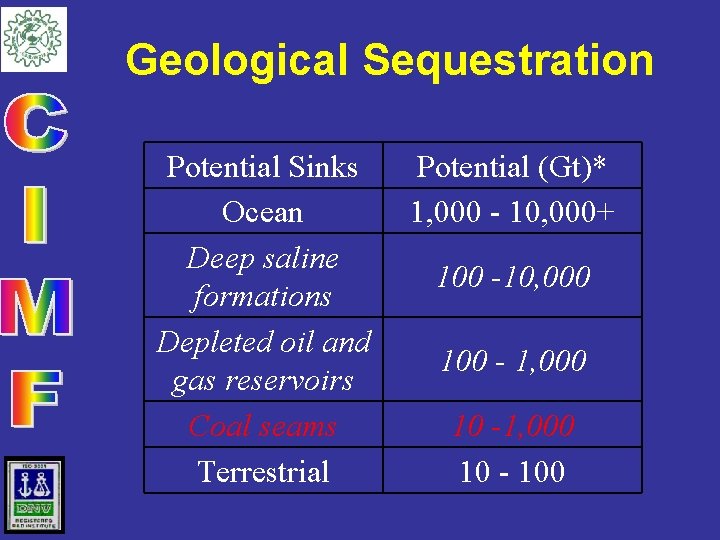
Geological Sequestration Potential Sinks Ocean Deep saline formations Depleted oil and gas reservoirs Coal seams Terrestrial Potential (Gt)* 1, 000 - 10, 000+ 100 -10, 000 100 - 1, 000 10 - 100
Coal Seam Methane • Huge gas (250 m 3/t) produced during coalification. • Methane, CO 2, N 2, Ethane and others. • Gas stays in the micro-pores. • Adsorbed state (90%). • Small portion as free gas in the macropores. • Very small quantity dissolved in the water.
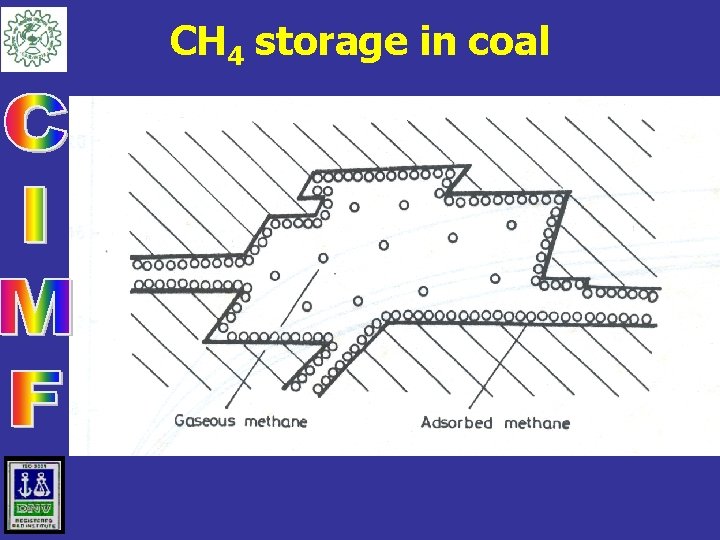
CH 4 storage in coal
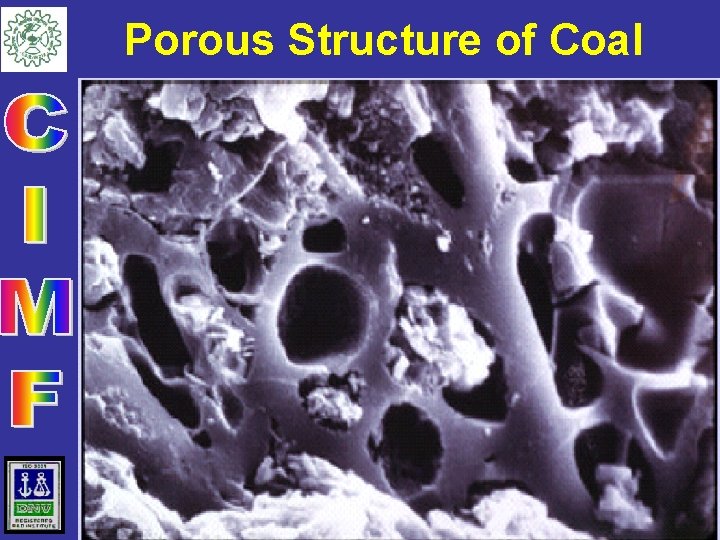
Porous Structure of Coal
Conventional vs. Coal Reservoir • Low pressure reservoir. • Both source and reservoir rock. • Gas stays in adsorbed state (liquid like density) • Larger vol. of gas per unit volume of reservoir due to adsorbed state. • Low porosity and permeability. • Initial water production declines. • Gas production attains peak before declining.
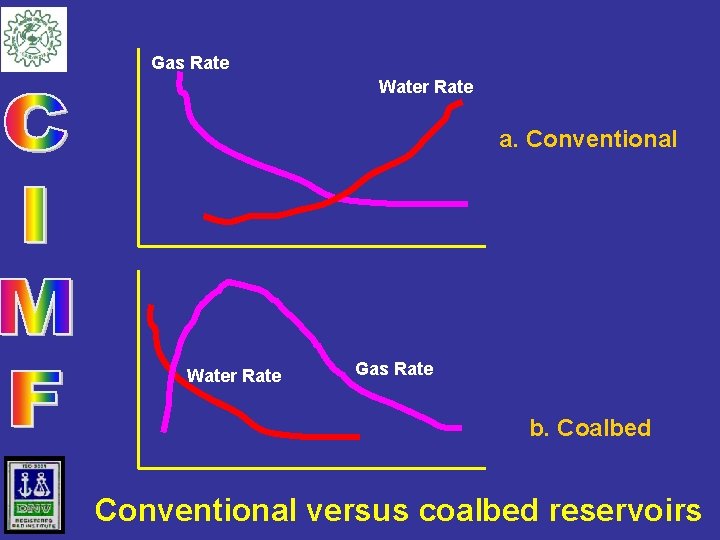
Gas Rate Water Rate a. Conventional Water Rate Gas Rate b. Coalbed Conventional versus coalbed reservoirs
Coalbed Reservoir • Dual Porosity: fracture porosity and matrix porosity. • Matrix porosity more significant for methane retention potential of coals. • The primary mechanism of methane retention in coal beds is adsorption on the coal surface within the matrix pore structure. • Fracture porosity in coal is due primarily to the presence of cleats. • Face cleat is the major cleat and may extend to a great distance. • Butt cleat usually extends only from one face cleat to the next.
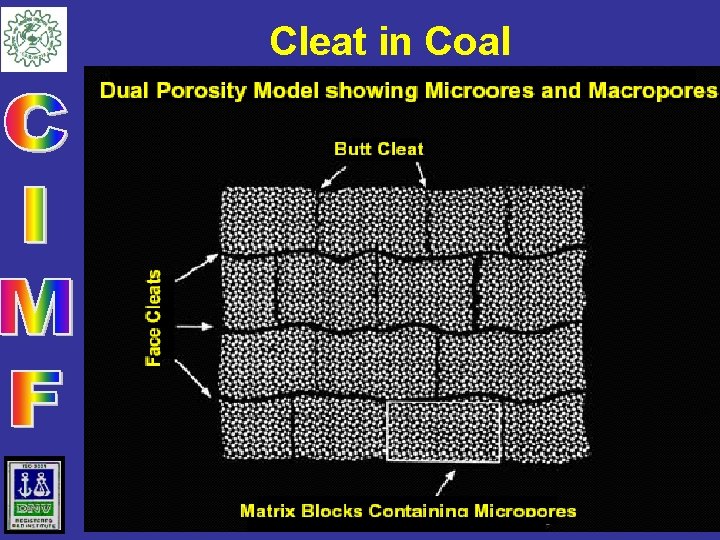
Cleat in Coal
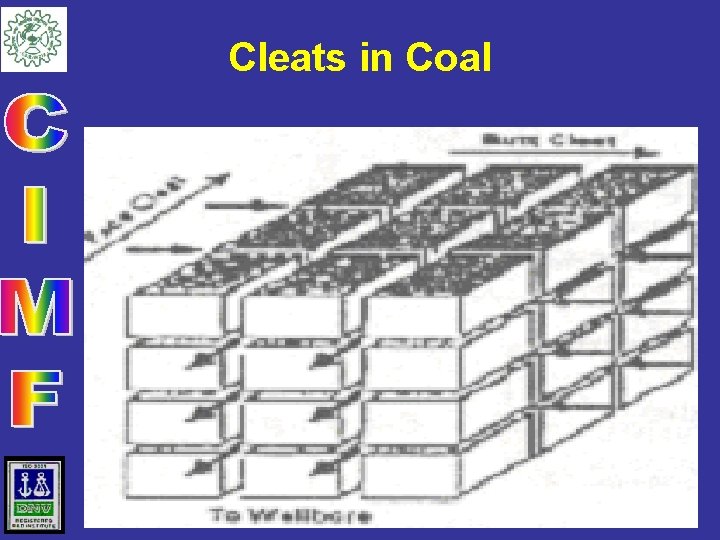
Cleats in Coal
Transport of methane in Coal Three Stage process • Desorption from coal surface. • Diffusion through micropores. • Flow in macropores (permeability dependent).
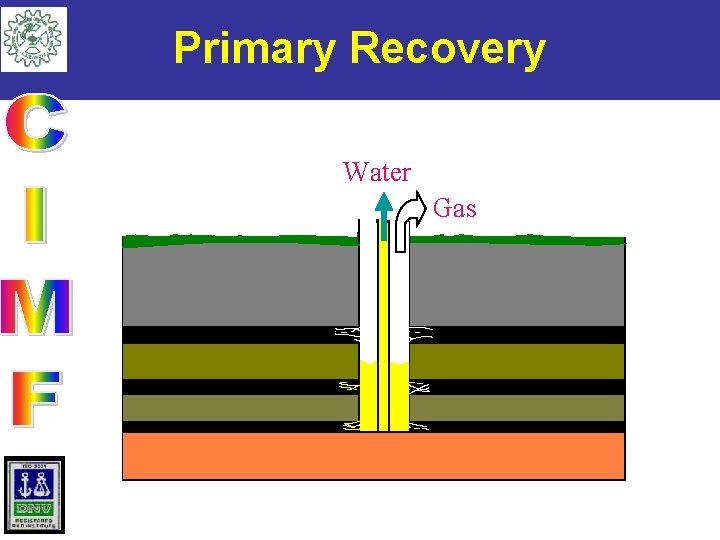
CBM Recovery • In-situ: Water and gas at high pressure • Primary recovery method: pump out water, reduce pressure, CH 4 desorb and flow to production well. • Hydro-fracturing for improving permeability • 20 -60% of gas recovered by primary method.
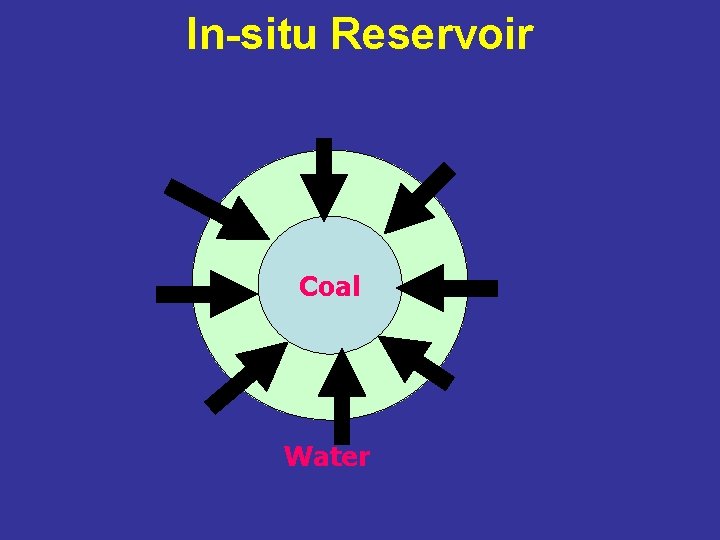
In-situ Reservoir Coal Water
Primary Recovery Water Gas
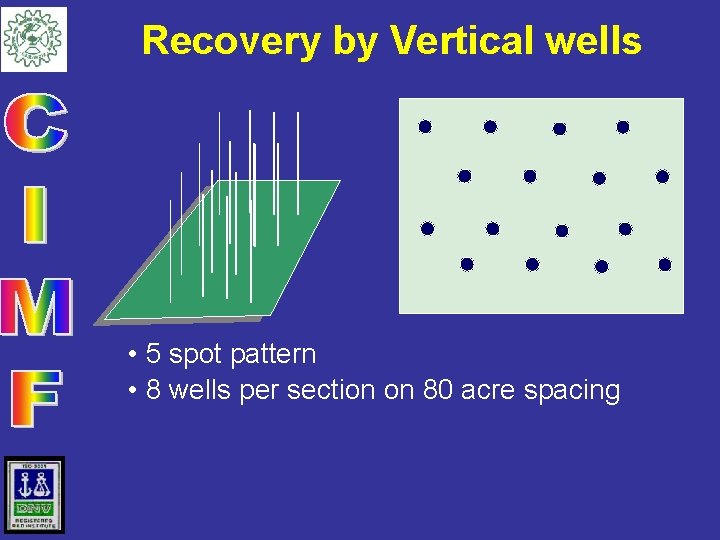
Vertical wells – the standard Recovery by Vertical wells technique for CBM • 5 spot pattern • 8 wells per section on 80 acre spacing
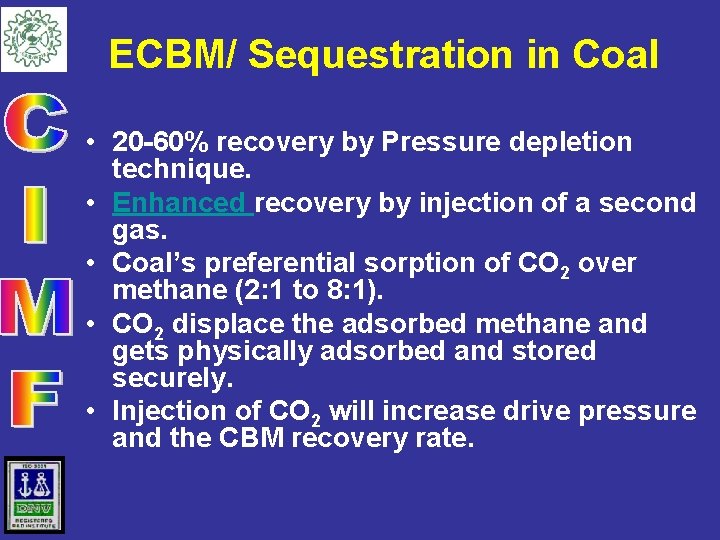
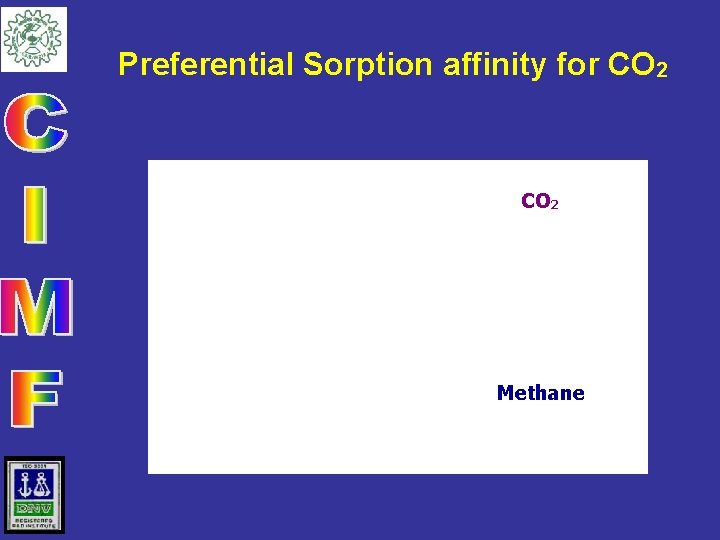
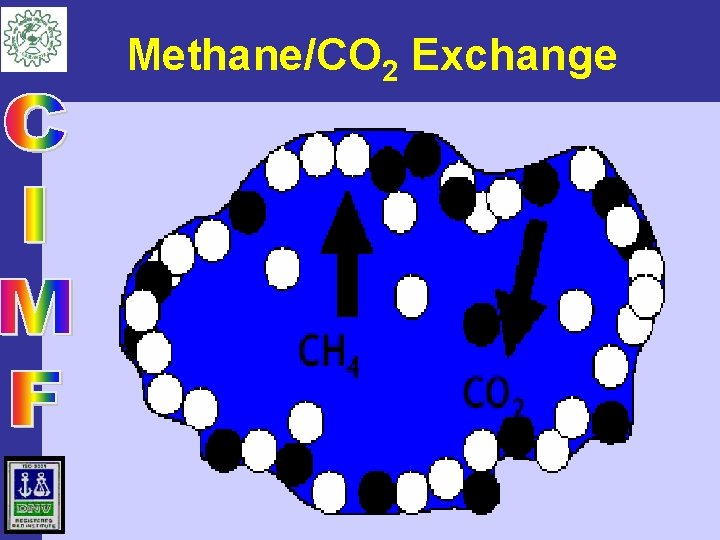
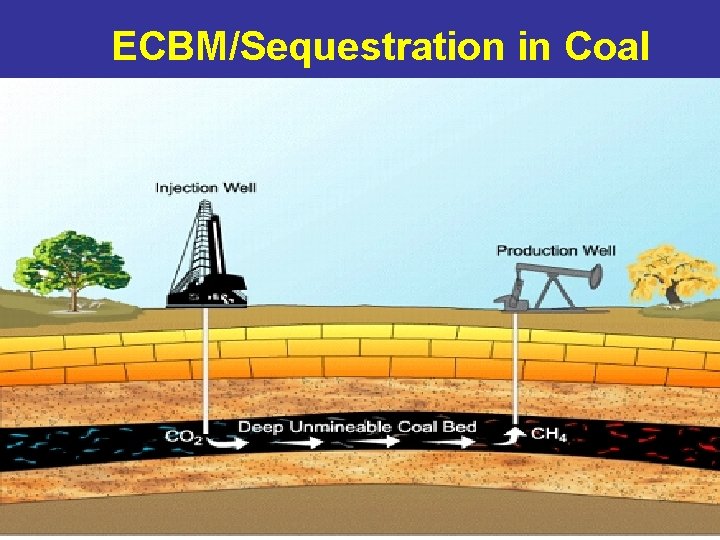
ECBM/ Sequestration in Coal • 20 -60% recovery by Pressure depletion technique. • Enhanced recovery by injection of a second gas. • Coal’s preferential sorption of CO 2 over methane (2: 1 to 8: 1). • CO 2 displace the adsorbed methane and gets physically adsorbed and stored securely. • Injection of CO 2 will increase drive pressure and the CBM recovery rate.
• CO 2 injection can achieve about 7090% recovery of gas-in-place • CO 2 sequestration in coal has potential to generate revenue through ECBM. • CO 2 -ECBM has twin advantage (economic & environment).
Preferential Sorption affinity for CO 2 Methane
Methane/CO 2 Exchange
ECBM/Sequestration in Coal

ECBM & Sequestration Synergy
CO 2 Injection Pilot: Allison • Located in the San Juan basin, in New Mexico, USA. • Operated by Burlington Resources. • The pilot consists of four injection wells and nine production wells, drilled on 320 acre spacing. • Injection pressure: 1300 -1600 psi (9 -11 MPa). CO 2 injection rate: 141. 5 × 10³ m 3/day. Later, due to injectivity loss, it was reduced to 84. 9 × 10³ m 3/day.
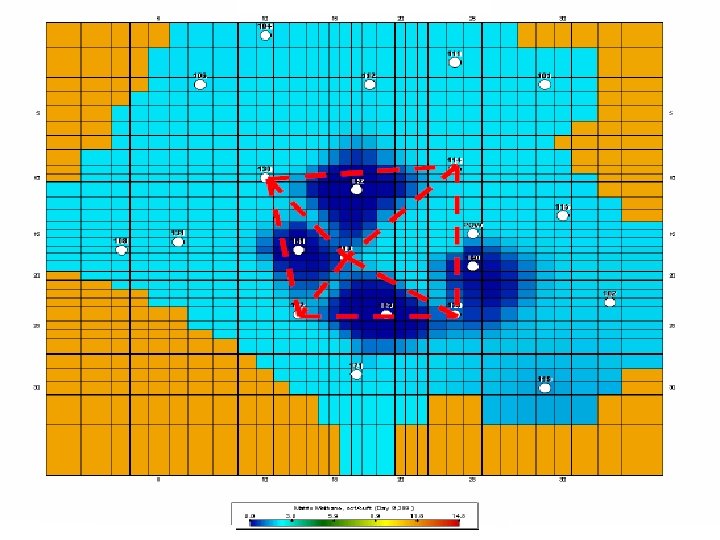
• In 6 -years, 370, 000 tons of CO 2 injected. • Breakthrough of CO 2 was minimal. After six years of injection, CO 2 content was 6%, slightly greater than pre-injection level of 4%. • This suggests that sequestration is happening. • Recovery improved from 77 to 95%. • Ratio of CO 2/CH 4 was ~ 2. 9: 1. • During injection reduction in injectivity of ~60% was observed. • Coal permeability near the well was reduced by up to two orders-of-magnitude; effects became less severe further from the well, and affected the coal a maximum distance of about 1, 000 feet (~300 m) from the well.
CBM Status in India • Area opened for exploration: 13600 Sq Km • Blocks awarded: 26 • Resources: 1374 BCM • Production Potential: 38 MMSCMD • Most prospective area: Jharia, Raniganj, Karanpura coalfields.
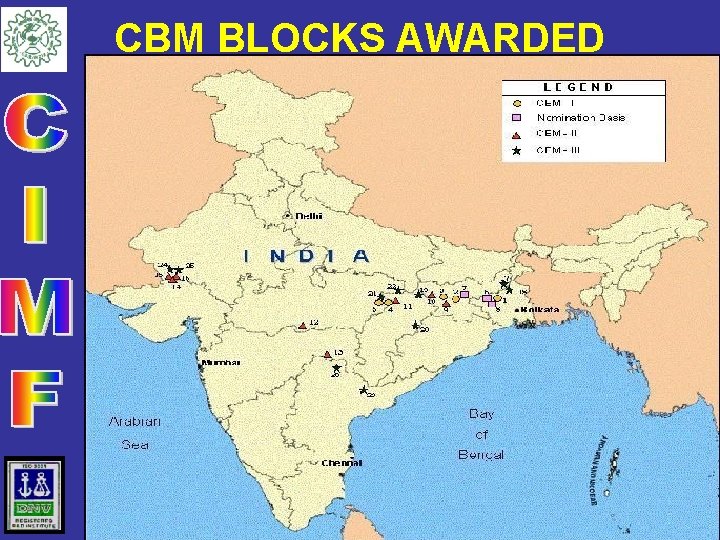
CBM BLOCKS AWARDED

THANK YOU !!!!!
- Slides: 39