
Clusters as a part of the European Recovery

- Slides: 12
Clusters as a part of the European Recovery Plan: Repair and prepare for future Vice-Minister of the Economy and Innovation of the Republic of Lithuania Jekaterina Rojaka 15 -10 -2020
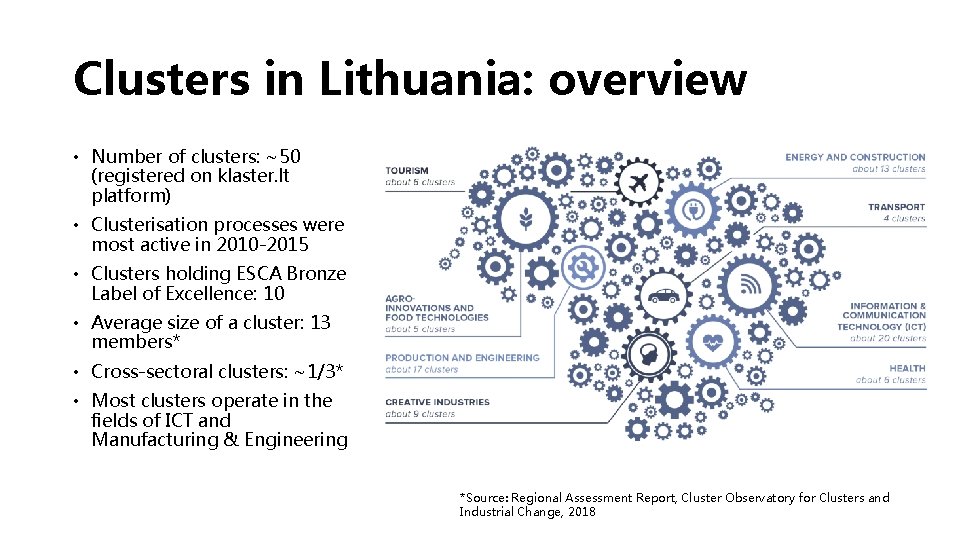
Clusters in Lithuania: overview • Number of clusters: ~50 (registered on klaster. lt platform) • Clusterisation processes were most active in 2010 -2015 • Clusters holding ESCA Bronze Label of Excellence: 10 • Average size of a cluster: 13 members* • Cross-sectoral clusters: ~1/3* • Most clusters operate in the fields of ICT and Manufacturing & Engineering *Source: Regional Assessment Report, Cluster Observatory for Clusters and Industrial Change, 2018
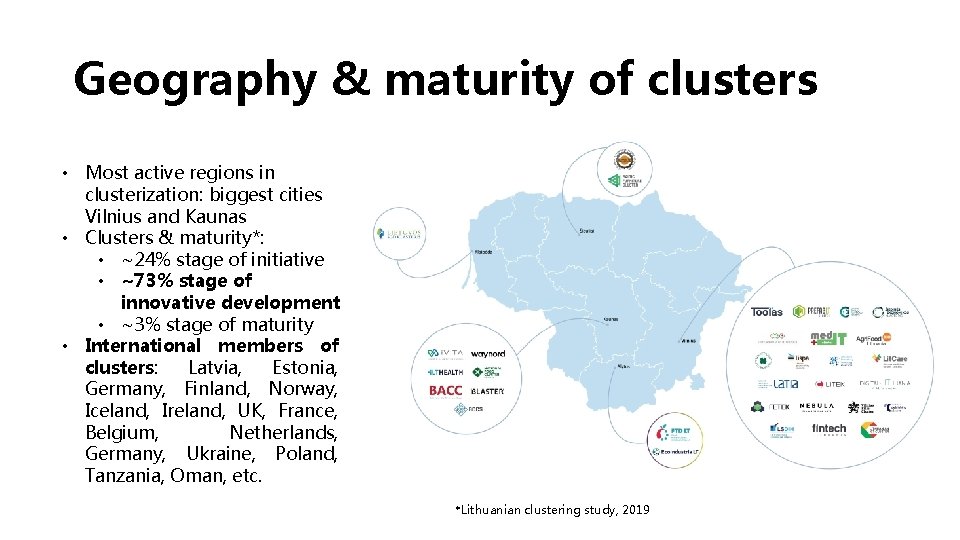
Geography & maturity of clusters • Most active regions in clusterization: biggest cities Vilnius and Kaunas • Clusters & maturity*: • ~24% stage of initiative • ~73% stage of innovative development • ~3% stage of maturity • International members of clusters: Latvia, Estonia, Germany, Finland, Norway, Iceland, Ireland, UK, France, Belgium, Netherlands, Germany, Ukraine, Poland, Tanzania, Oman, etc. *Lithuanian clustering study, 2019
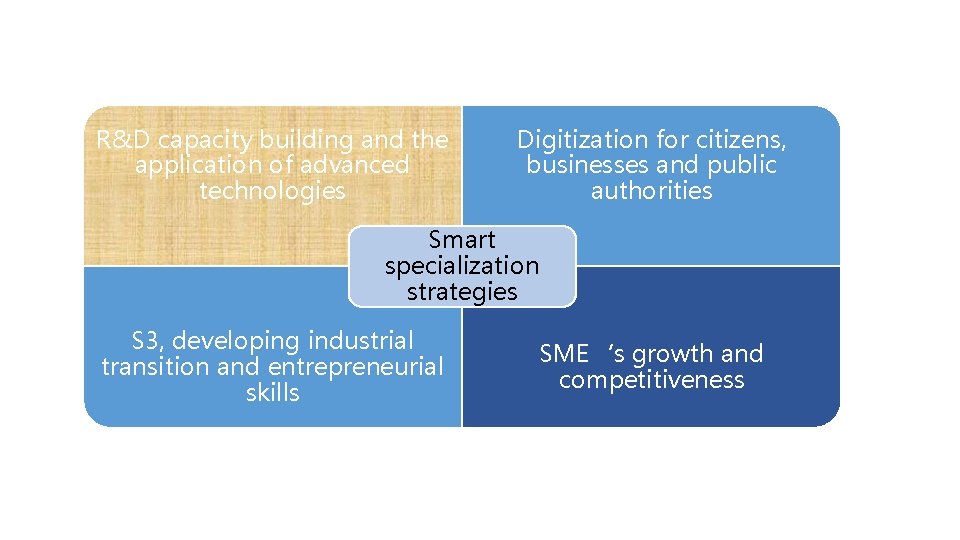
The role of clusters accelerating the European recovery • Smart specialization strategies • Circular economy • Digitalisation • Strengthening European value chains • Enhanced interregional & international cooperation
R&D capacity building and the application of advanced technologies Digitization for citizens, businesses and public authorities Smart specialization strategies S 3, developing industrial transition and entrepreneurial skills SME‘s growth and competitiveness
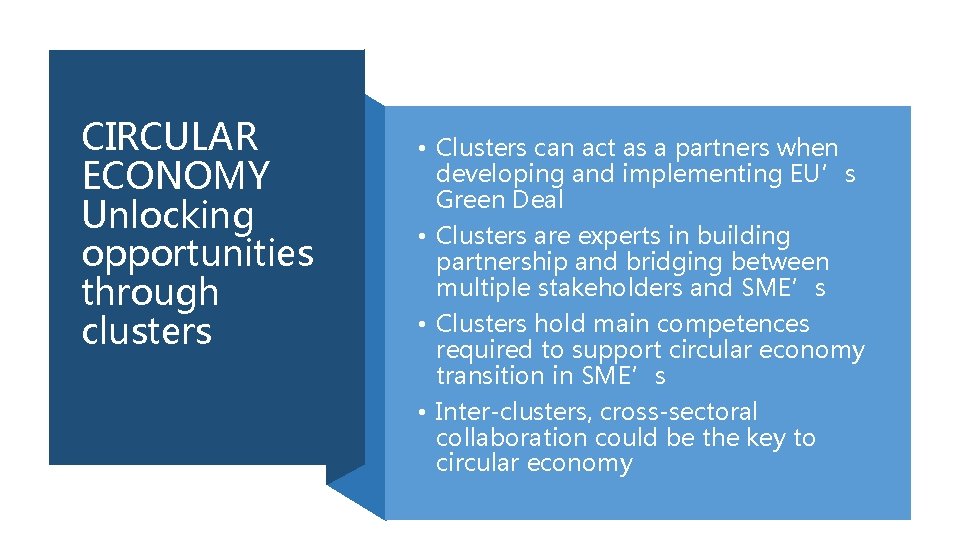
CIRCULAR ECONOMY Unlocking opportunities through clusters • Clusters can act as a partners when developing and implementing EU’s Green Deal • Clusters are experts in building partnership and bridging between multiple stakeholders and SME’s • Clusters hold main competences required to support circular economy transition in SME’s • Inter-clusters, cross-sectoral collaboration could be the key to circular economy
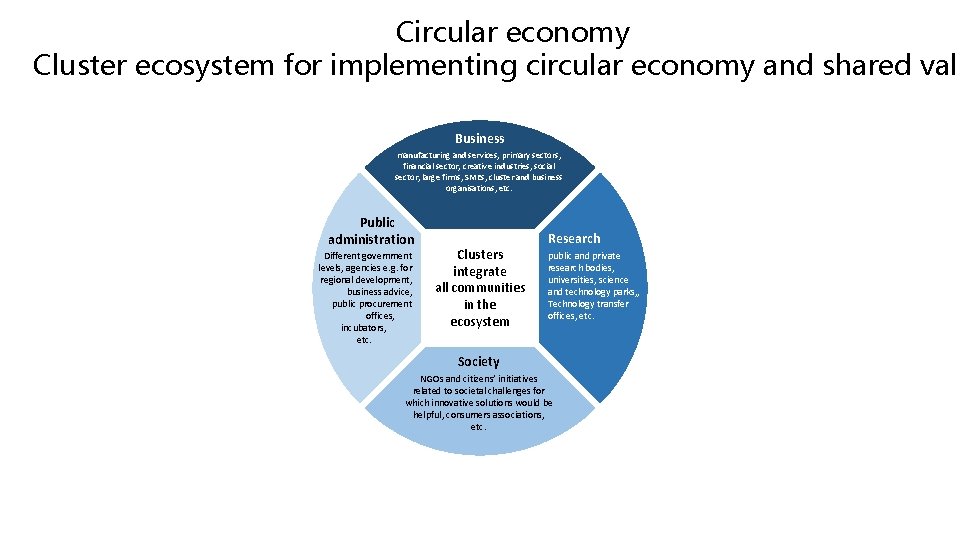
Circular economy Cluster ecosystem for implementing circular economy and shared valu Business manufacturing and services, primary sectors, financial sector, creative industries, social sector, large firms, SMEs, cluster and business organisations, etc. Public administration Different government levels, agencies e. g. for regional development, business advice, public procurement offices, incubators, etc. Clusters integrate all communities in the ecosystem Research public and private research bodies, universities, science and technology parks, , Technology transfer offices, etc. Society NGOs and citizens’ initiatives related to societal challenges for which innovative solutions would be helpful, consumers associations, etc.
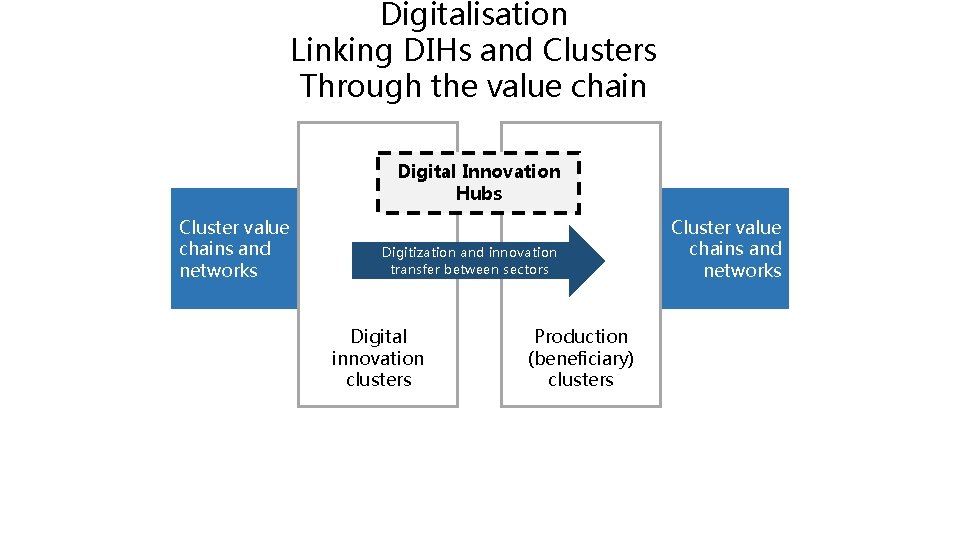
DIGITALISATIO N Linking DIHs and Clusters Cluster and DIH are not two entities in competition with each other. They are instead two realities that can dialogue and collaborate without losing their nature.
Digitalisation Linking DIHs and Clusters Through the value chain Digital Innovation Hubs Cluster value chains and networks Digitization and innovation transfer between sectors Digital innovation clusters Production (beneficiary) clusters Cluster value chains and networks
Strengthening European value chains • Promotion of cross-sectoral cooperation • Identification of the most important European value chains for LT • Encouraging clusters to innovate in value chain processes • Encouraging the development of business models consistent with value chain processes
Enhanced interregional & international cooperation • Clusters - strong international networks developers and international value chains beneficiaries • Clusters - strategic partners to export agencies • Clusters – useful tool for global matchmaking • Clusters - the tools for the analysis of the dynamics of global value chains and their value propositions
THANK YOU!