
Clouds Liquid water mixing ratio Liquid water density
- Slides: 52
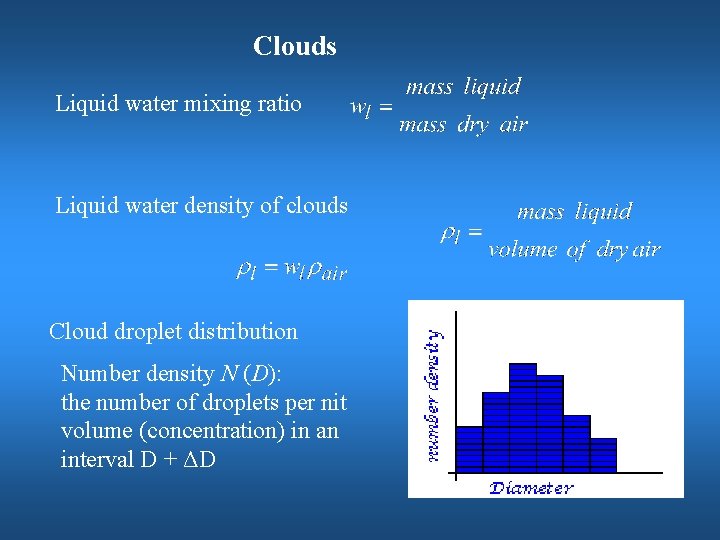
Clouds Liquid water mixing ratio Liquid water density of clouds Cloud droplet distribution Number density N (D): the number of droplets per nit volume (concentration) in an interval D + ΔD
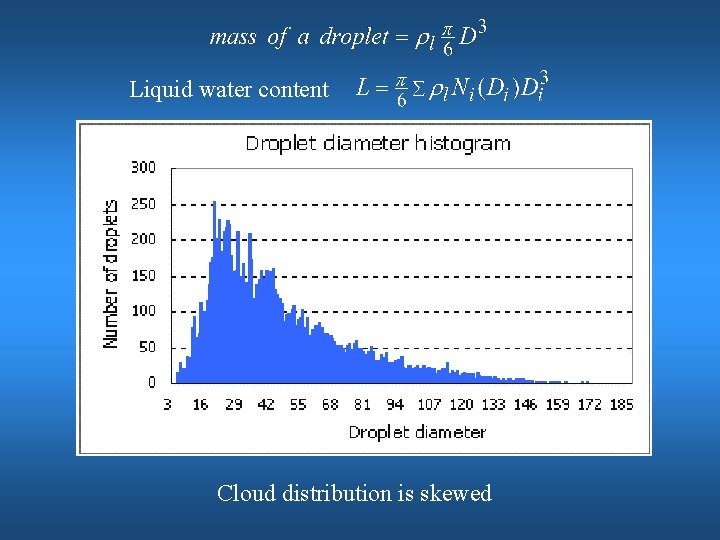
Liquid water content Cloud distribution is skewed
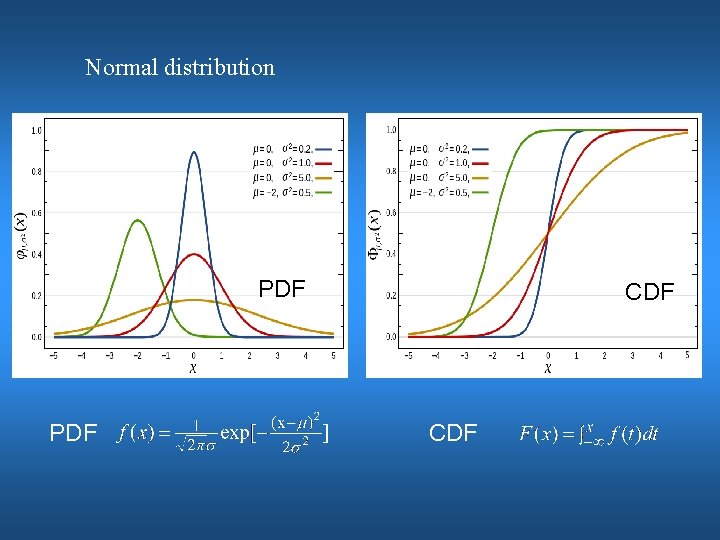
Normal distribution PDF CDF
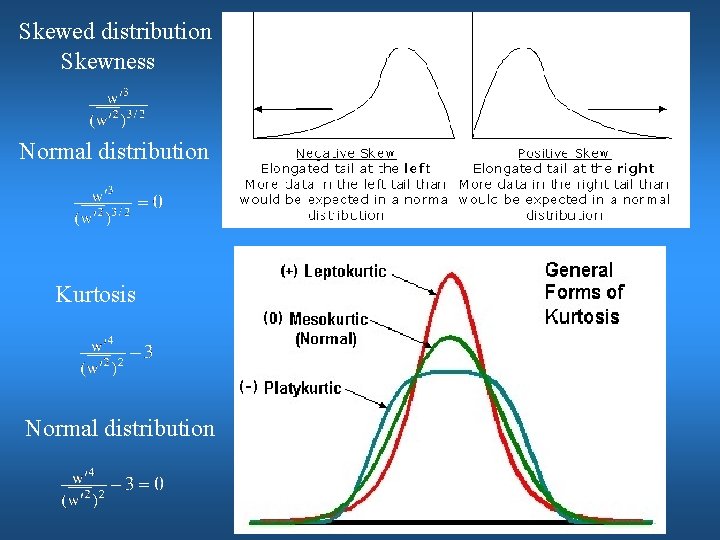
Skewed distribution Skewness Normal distribution Kurtosis Normal distribution
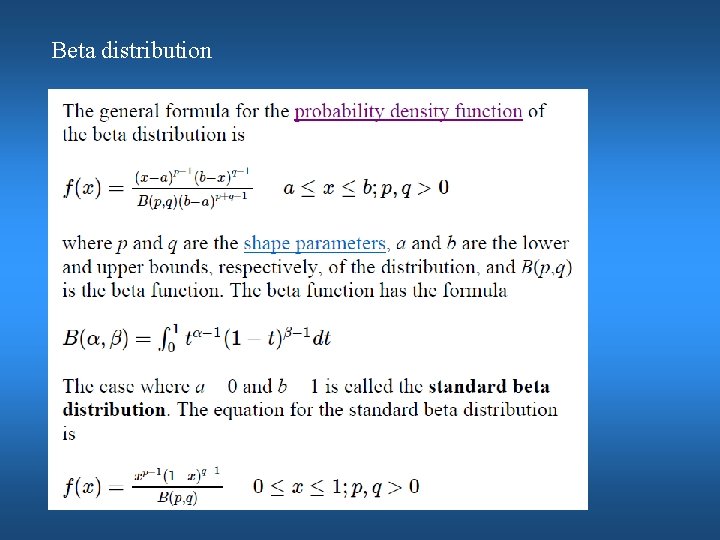
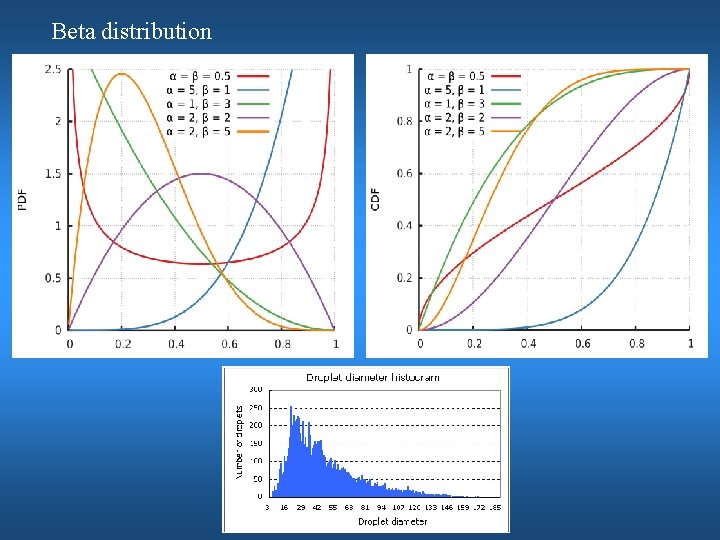
Beta distribution
Beta distribution
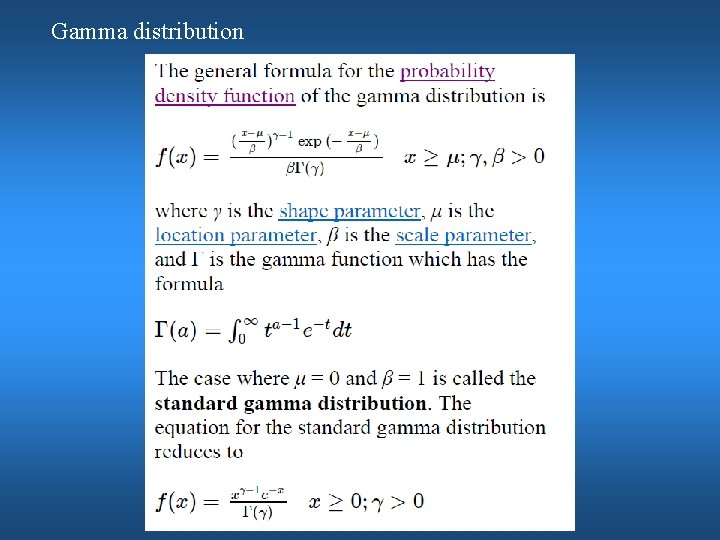
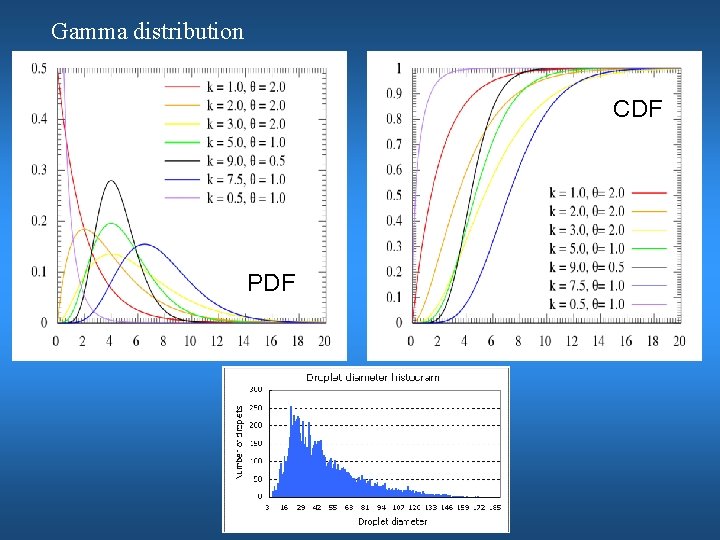
Gamma distribution
Gamma distribution CDF PDF
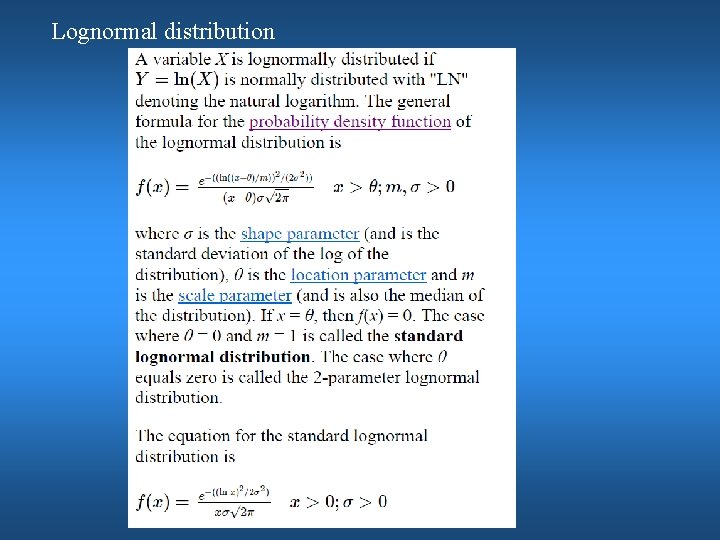
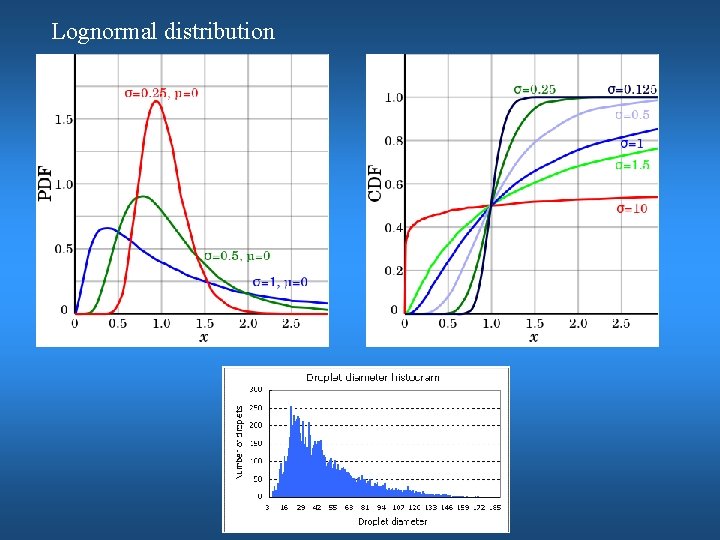
Lognormal distribution
Lognormal distribution
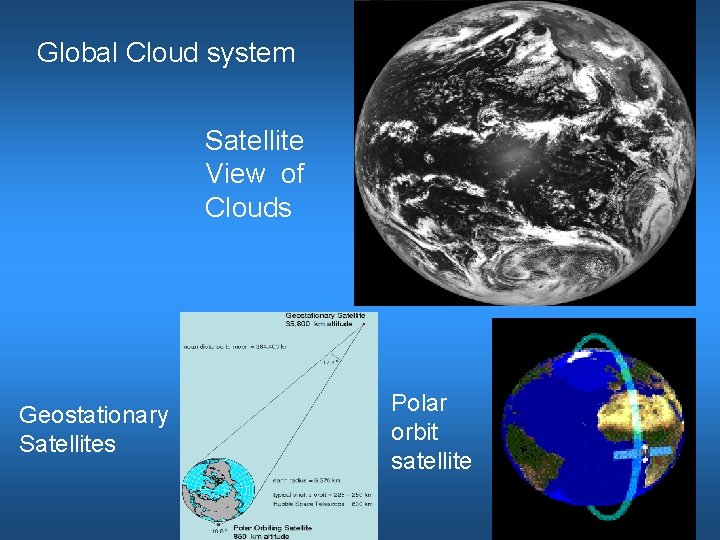
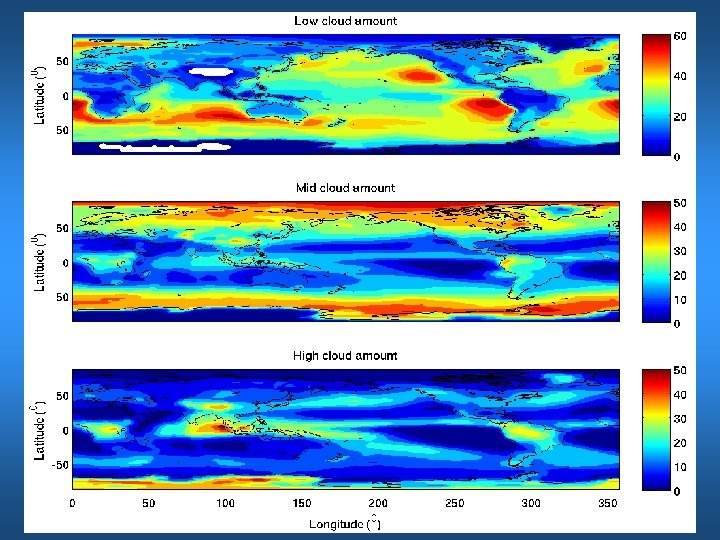
Global Cloud system Satellite View of Clouds Geostationary Satellites Polar orbit satellite
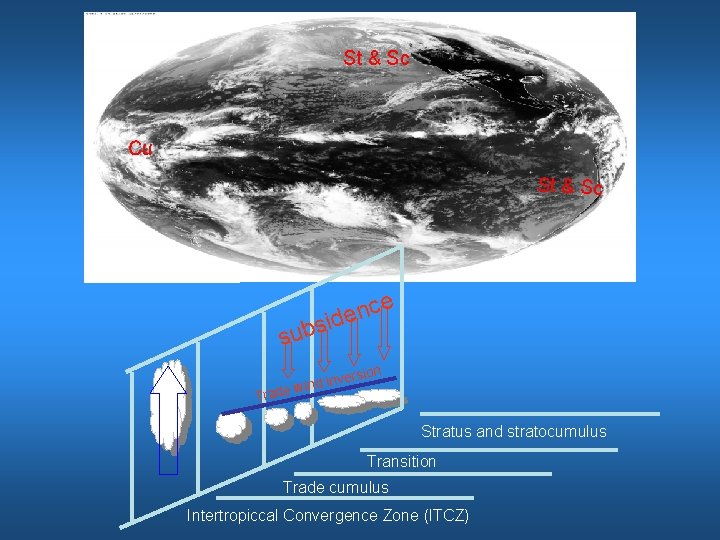
St & Sc Cu St & Sc ce n e bsid su ersion d inv de win Tra Stratus and stratocumulus Transition Trade cumulus Intertropiccal Convergence Zone (ITCZ)
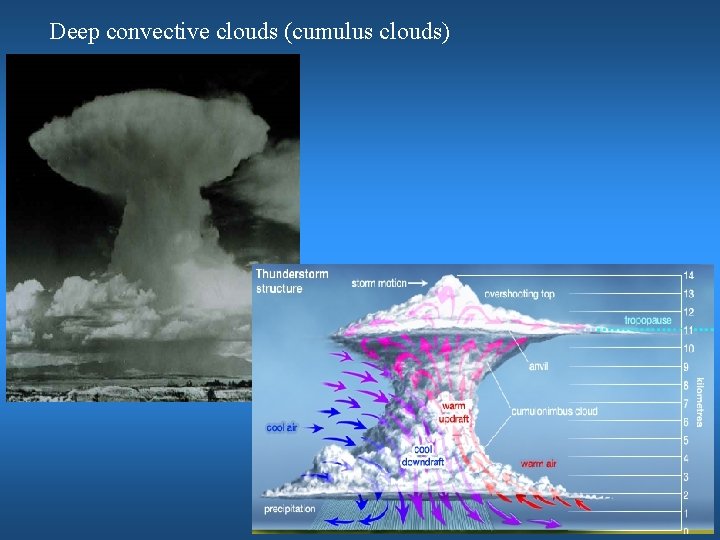
Deep convective clouds (cumulus clouds)
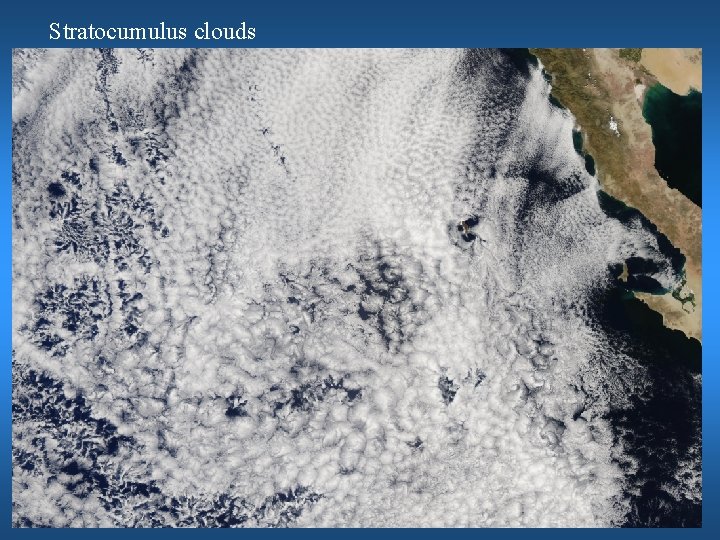
Stratocumulus clouds
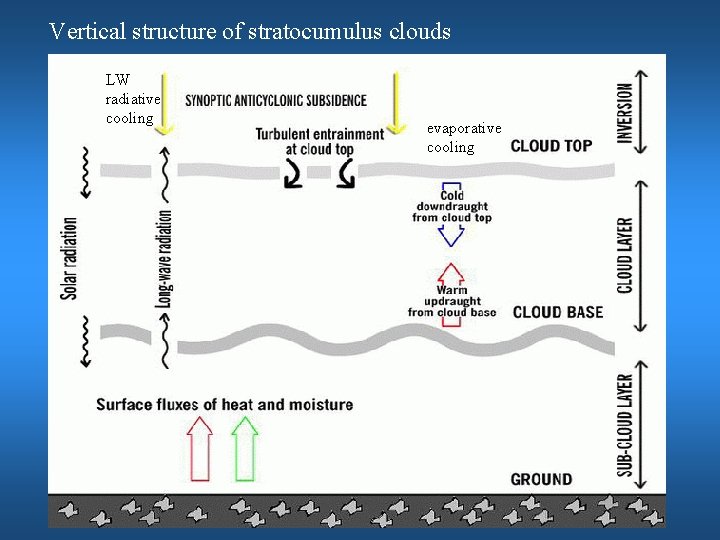
Vertical structure of stratocumulus clouds LW radiative cooling evaporative cooling
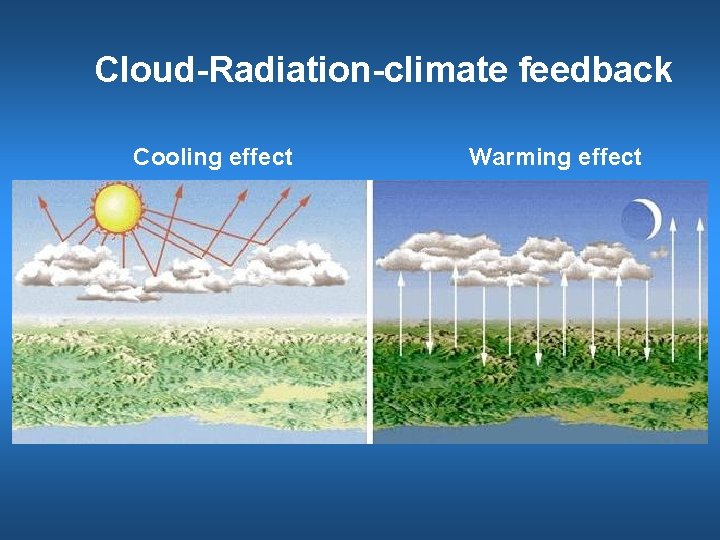
Cloud-Radiation-climate feedback Cooling effect Warming effect
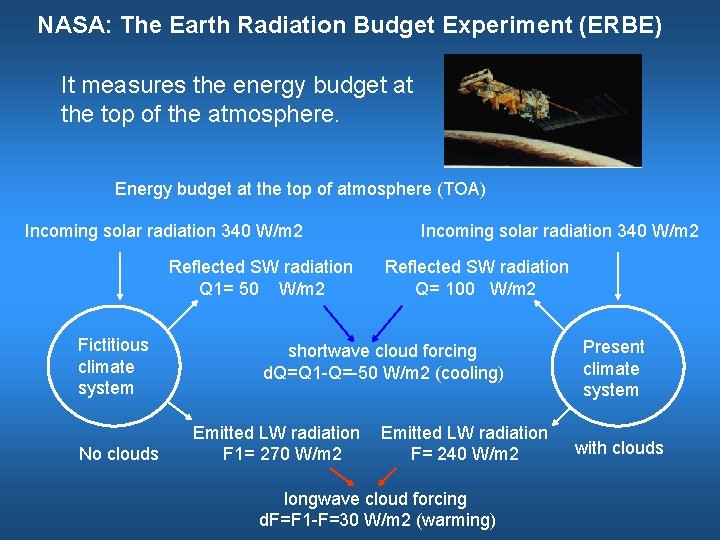
NASA: The Earth Radiation Budget Experiment (ERBE) It measures the energy budget at the top of the atmosphere. Energy budget at the top of atmosphere (TOA) Incoming solar radiation 340 W/m 2 Reflected SW radiation Q 1= 50 W/m 2 Fictitious climate system No clouds Incoming solar radiation 340 W/m 2 Reflected SW radiation Q= 100 W/m 2 shortwave cloud forcing d. Q=Q 1 -Q=-50 W/m 2 (cooling) Emitted LW radiation F 1= 270 W/m 2 Emitted LW radiation F= 240 W/m 2 longwave cloud forcing d. F=F 1 -F=30 W/m 2 (warming) Present climate system with clouds
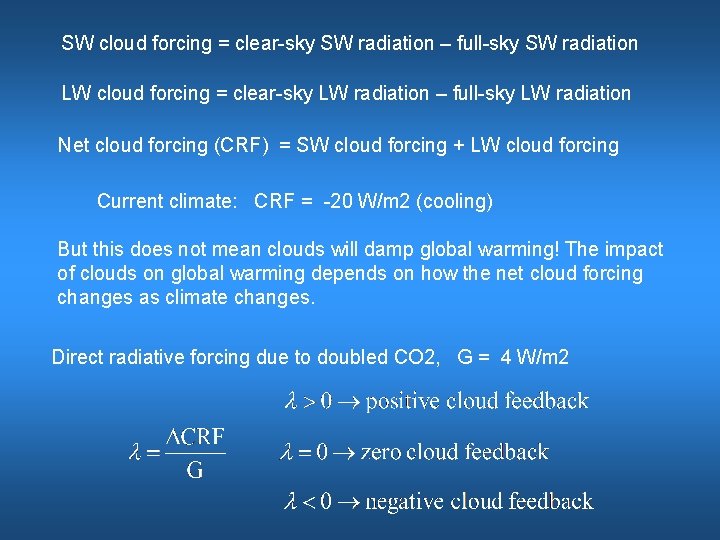
SW cloud forcing = clear-sky SW radiation – full-sky SW radiation LW cloud forcing = clear-sky LW radiation – full-sky LW radiation Net cloud forcing (CRF) = SW cloud forcing + LW cloud forcing Current climate: CRF = -20 W/m 2 (cooling) But this does not mean clouds will damp global warming! The impact of clouds on global warming depends on how the net cloud forcing changes as climate changes. Direct radiative forcing due to doubled CO 2, G = 4 W/m 2
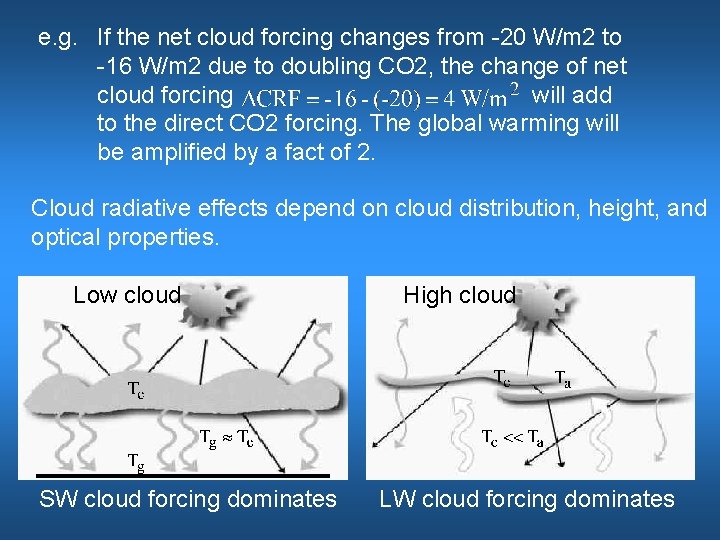
e. g. If the net cloud forcing changes from -20 W/m 2 to -16 W/m 2 due to doubling CO 2, the change of net cloud forcing will add to the direct CO 2 forcing. The global warming will be amplified by a fact of 2. Cloud radiative effects depend on cloud distribution, height, and optical properties. Low cloud SW cloud forcing dominates High cloud LW cloud forcing dominates
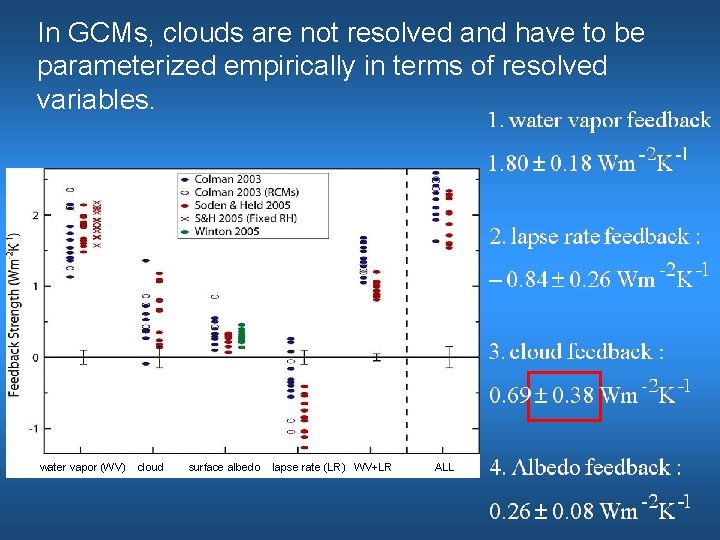
In GCMs, clouds are not resolved and have to be parameterized empirically in terms of resolved variables. water vapor (WV) cloud surface albedo lapse rate (LR) WV+LR ALL
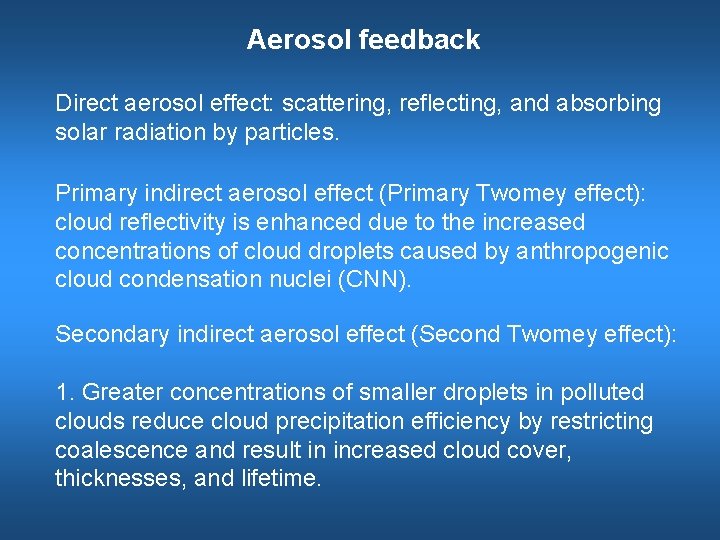
Aerosol feedback Direct aerosol effect: scattering, reflecting, and absorbing solar radiation by particles. Primary indirect aerosol effect (Primary Twomey effect): cloud reflectivity is enhanced due to the increased concentrations of cloud droplets caused by anthropogenic cloud condensation nuclei (CNN). Secondary indirect aerosol effect (Second Twomey effect): 1. Greater concentrations of smaller droplets in polluted clouds reduce cloud precipitation efficiency by restricting coalescence and result in increased cloud cover, thicknesses, and lifetime.
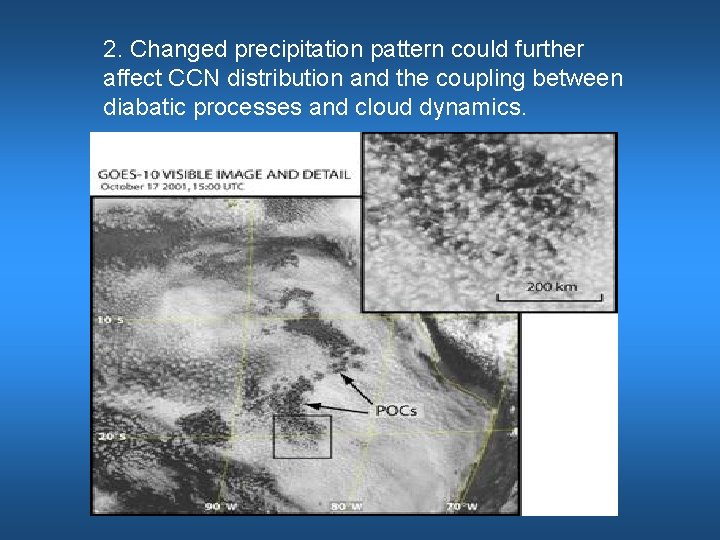
2. Changed precipitation pattern could further affect CCN distribution and the coupling between diabatic processes and cloud dynamics.
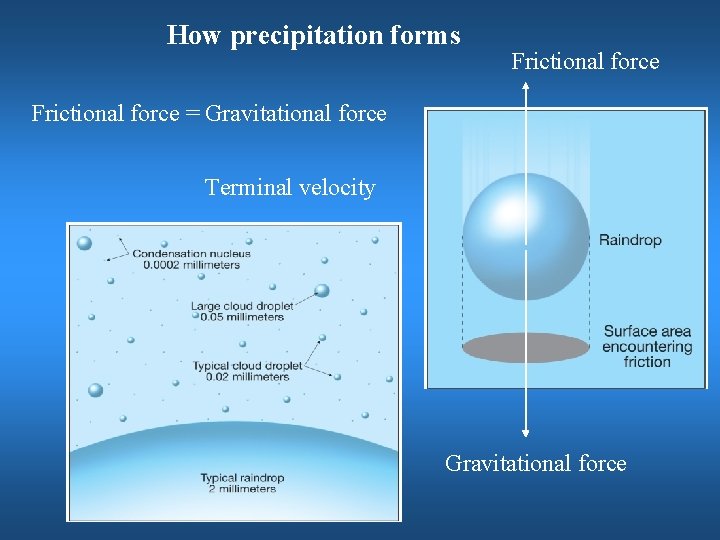
How precipitation forms Frictional force = Gravitational force Terminal velocity Gravitational force
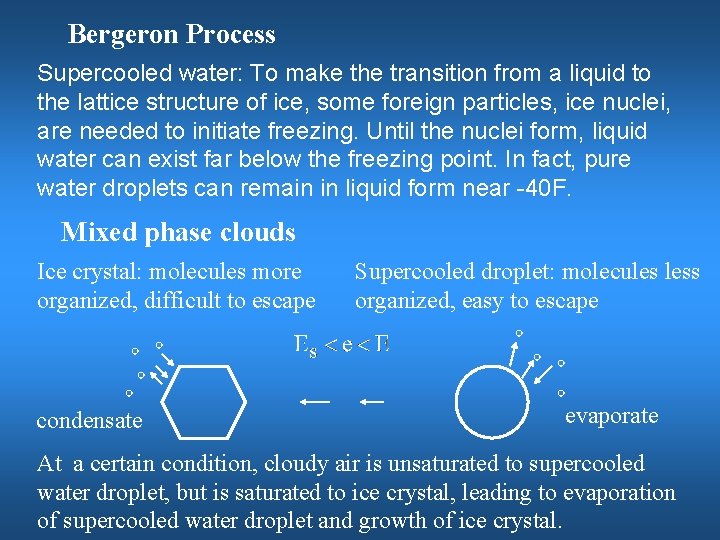
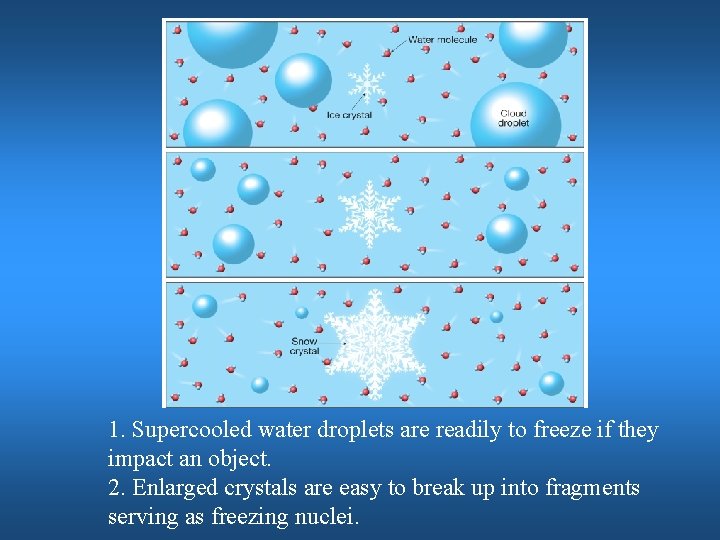
Bergeron Process Supercooled water: To make the transition from a liquid to the lattice structure of ice, some foreign particles, ice nuclei, are needed to initiate freezing. Until the nuclei form, liquid water can exist far below the freezing point. In fact, pure water droplets can remain in liquid form near -40 F. Mixed phase clouds Ice crystal: molecules more organized, difficult to escape condensate Supercooled droplet: molecules less organized, easy to escape evaporate At a certain condition, cloudy air is unsaturated to supercooled water droplet, but is saturated to ice crystal, leading to evaporation of supercooled water droplet and growth of ice crystal.
1. Supercooled water droplets are readily to freeze if they impact an object. 2. Enlarged crystals are easy to break up into fragments serving as freezing nuclei.
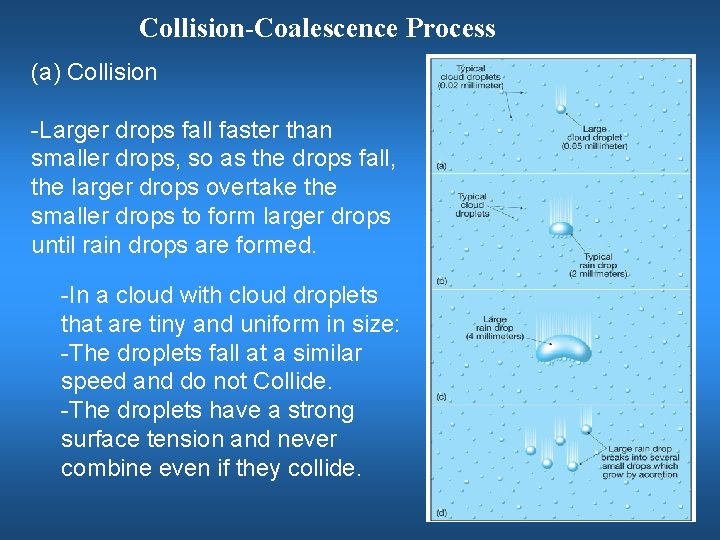
Collision-Coalescence Process (a) Collision -Larger drops fall faster than smaller drops, so as the drops fall, the larger drops overtake the smaller drops to form larger drops until rain drops are formed. -In a cloud with cloud droplets that are tiny and uniform in size: -The droplets fall at a similar speed and do not Collide. -The droplets have a strong surface tension and never combine even if they collide.
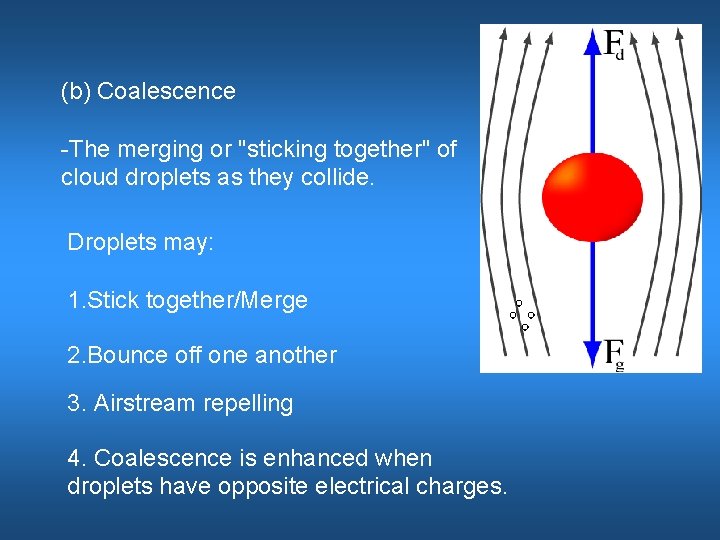
(b) Coalescence -The merging or "sticking together" of cloud droplets as they collide. Droplets may: 1. Stick together/Merge 2. Bounce off one another 3. Airstream repelling 4. Coalescence is enhanced when droplets have opposite electrical charges.
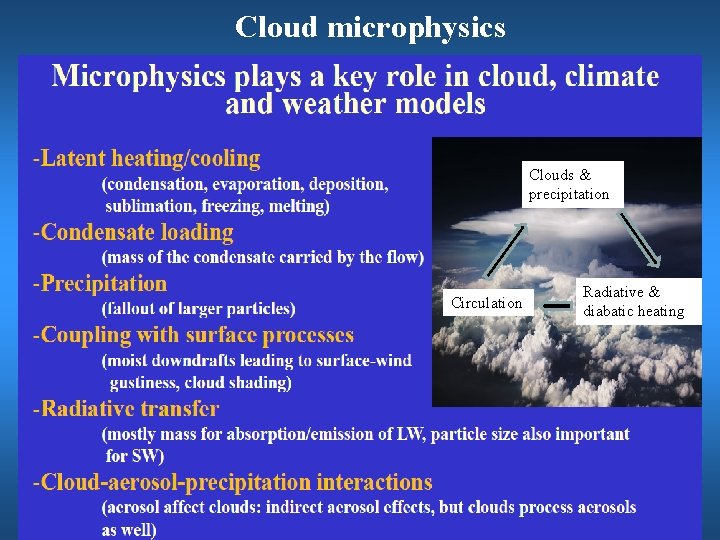
Cloud microphysics Clouds & precipitation Circulation Radiative & diabatic heating
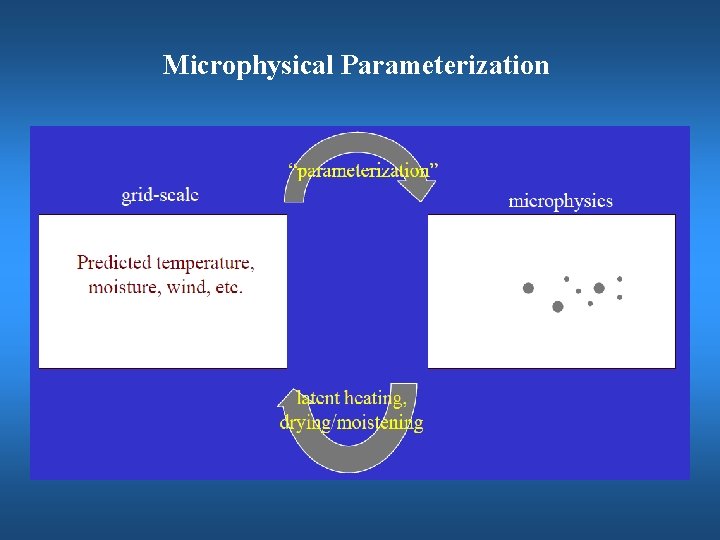
Microphysical Parameterization
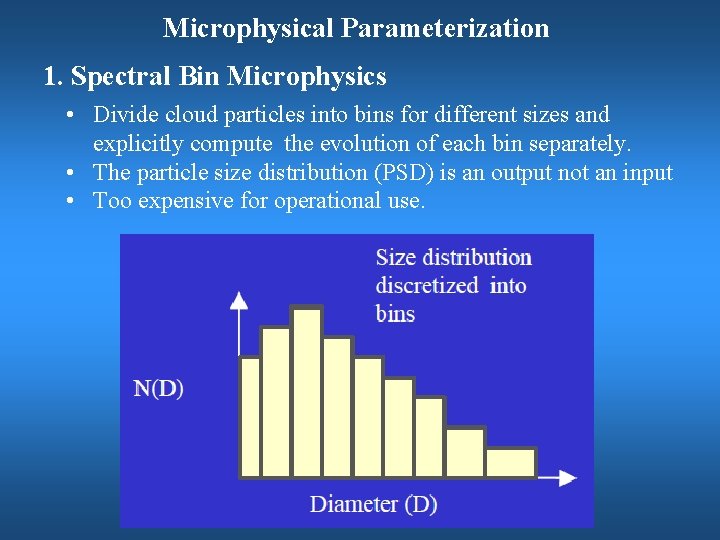
Microphysical Parameterization 1. Spectral Bin Microphysics • Divide cloud particles into bins for different sizes and explicitly compute the evolution of each bin separately. • The particle size distribution (PSD) is an output not an input • Too expensive for operational use.
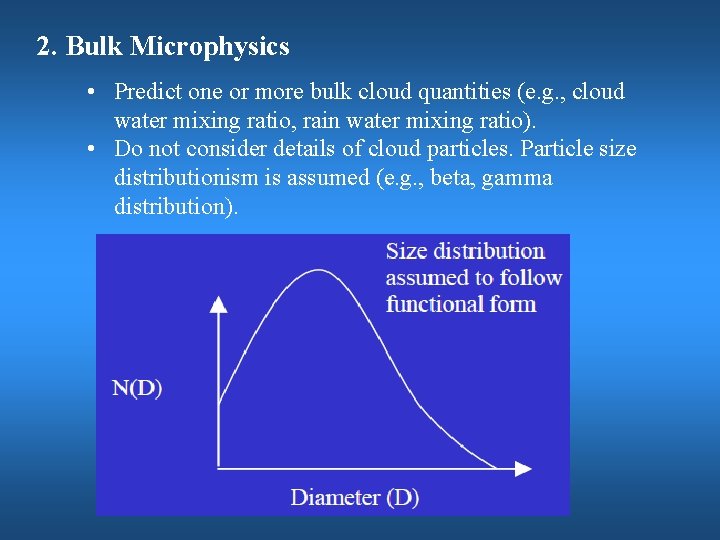
2. Bulk Microphysics • Predict one or more bulk cloud quantities (e. g. , cloud water mixing ratio, rain water mixing ratio). • Do not consider details of cloud particles. Particle size distributionism is assumed (e. g. , beta, gamma distribution).
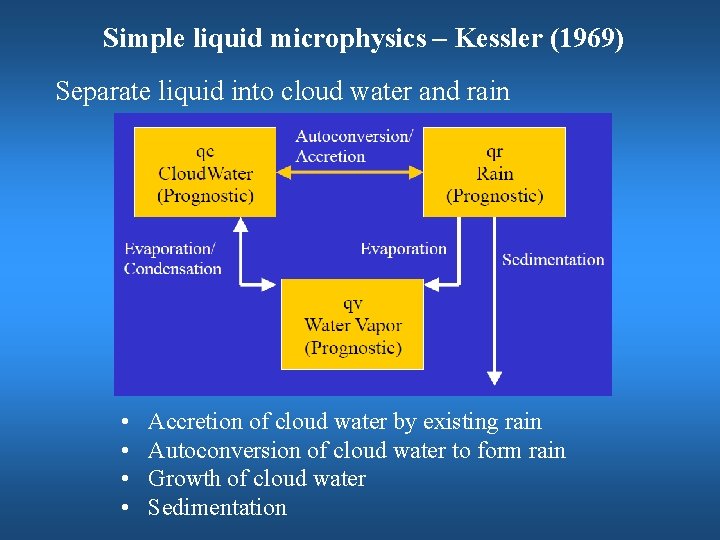
Simple liquid microphysics – Kessler (1969) Separate liquid into cloud water and rain • • Accretion of cloud water by existing rain Autoconversion of cloud water to form rain Growth of cloud water Sedimentation
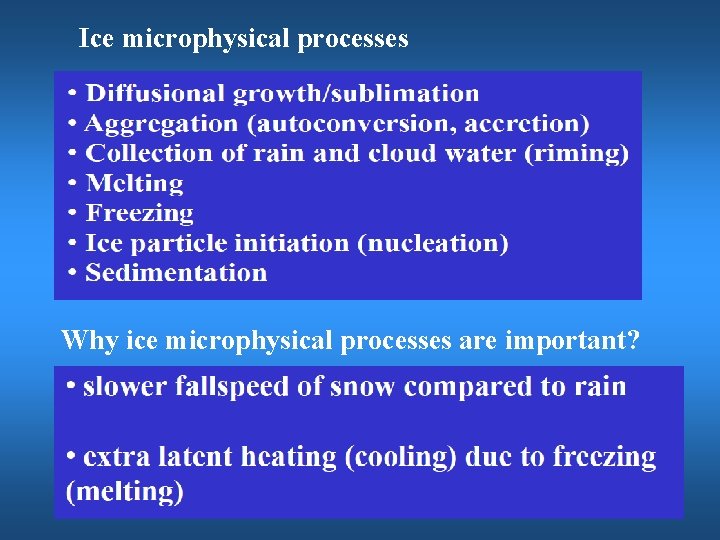
Ice microphysical processes Why ice microphysical processes are important?
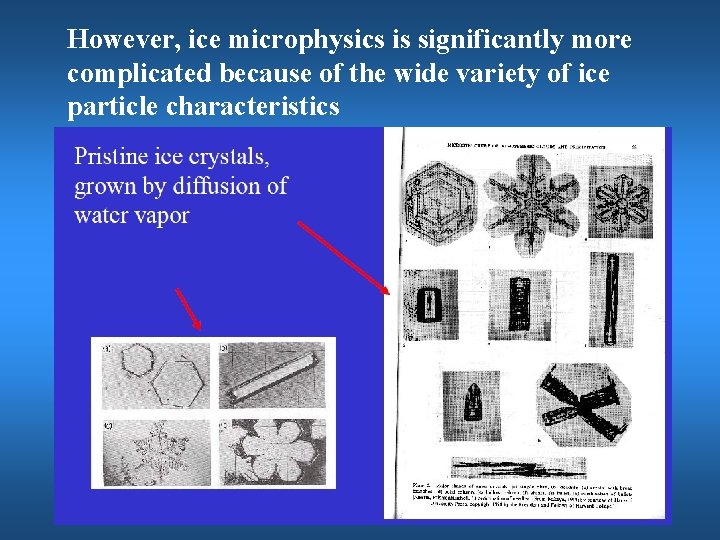
However, ice microphysics is significantly more complicated because of the wide variety of ice particle characteristics
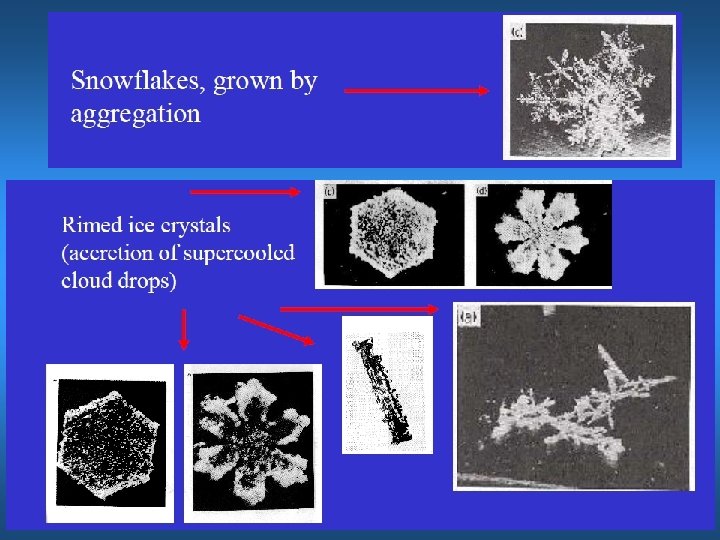
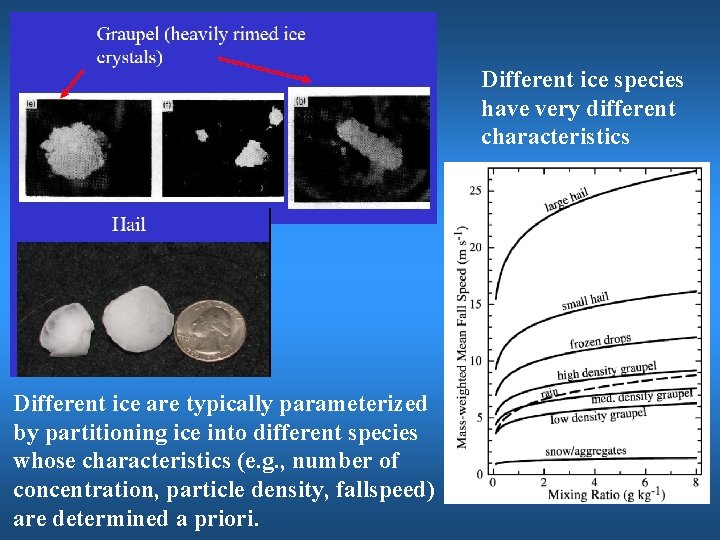
Different ice species have very different characteristics Different ice are typically parameterized by partitioning ice into different species whose characteristics (e. g. , number of concentration, particle density, fallspeed) are determined a priori.
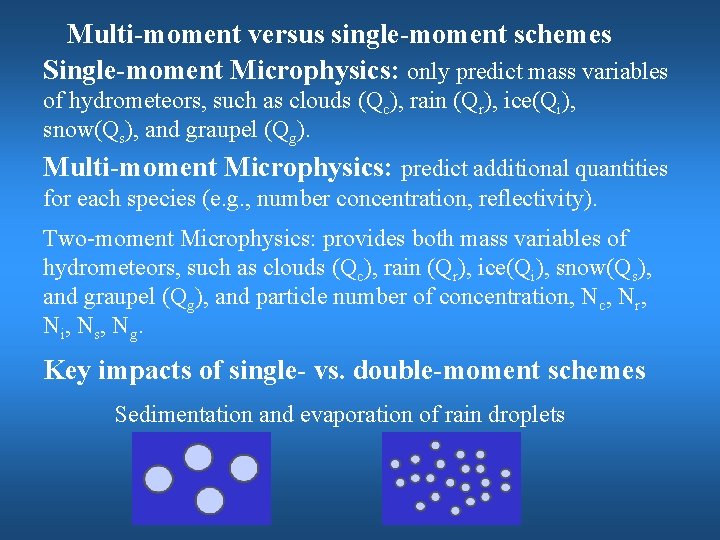
Multi-moment versus single-moment schemes Single-moment Microphysics: only predict mass variables of hydrometeors, such as clouds (Qc), rain (Qr), ice(Qi), snow(Qs), and graupel (Qg). Multi-moment Microphysics: predict additional quantities for each species (e. g. , number concentration, reflectivity). Two-moment Microphysics: provides both mass variables of hydrometeors, such as clouds (Qc), rain (Qr), ice(Qi), snow(Qs), and graupel (Qg), and particle number of concentration, Nc, Nr, Ni, Ns, Ng. Key impacts of single- vs. double-moment schemes Sedimentation and evaporation of rain droplets
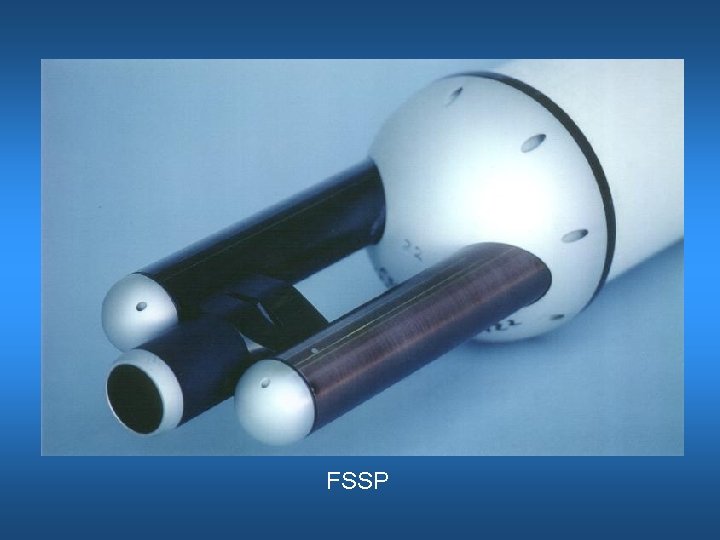
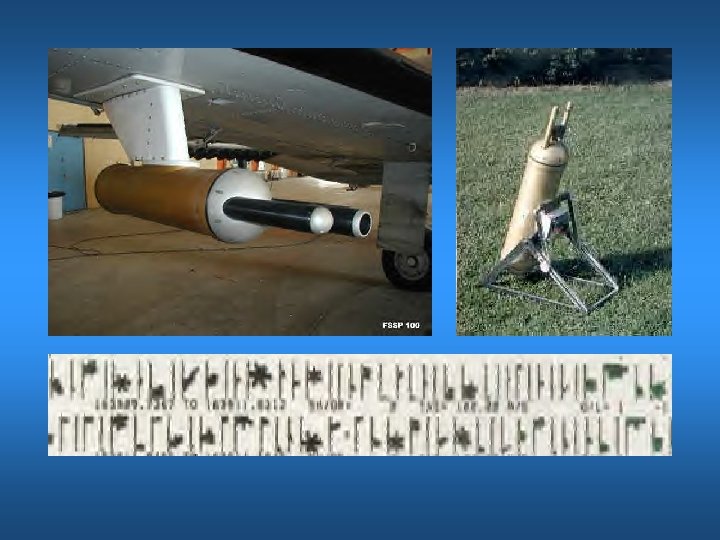
Cloud measurement FSSP (forward scattering spectrometer probe) The FSSP is of the general class of instruments called optical particle counters (OPCs) that detect single particles and size them by measuring the intensity of light that the particle scatters when passing through a light beam.
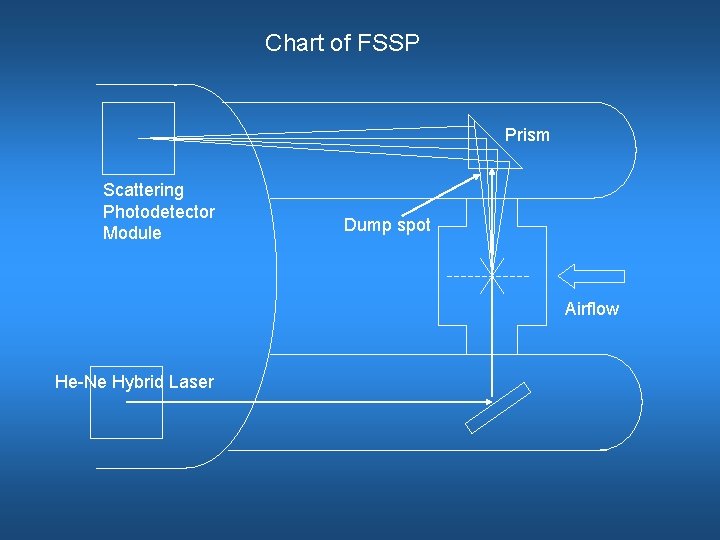
Chart of FSSP Prism Scattering Photodetector Module Dump spot Airflow He-Ne Hybrid Laser
FSSP
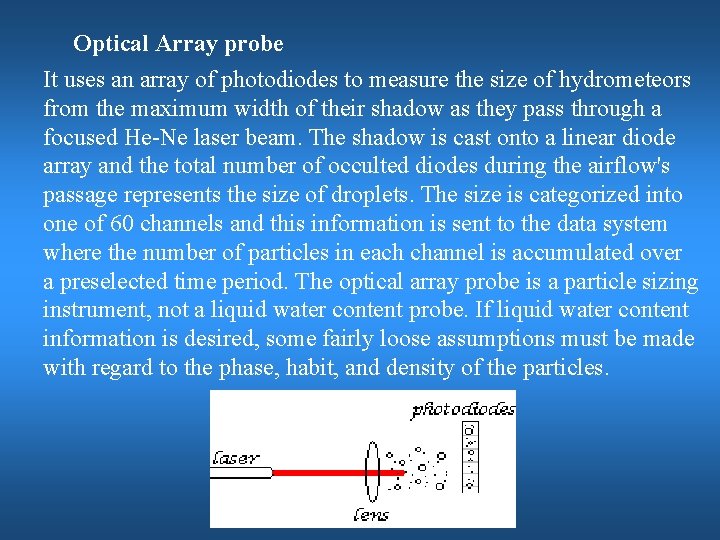
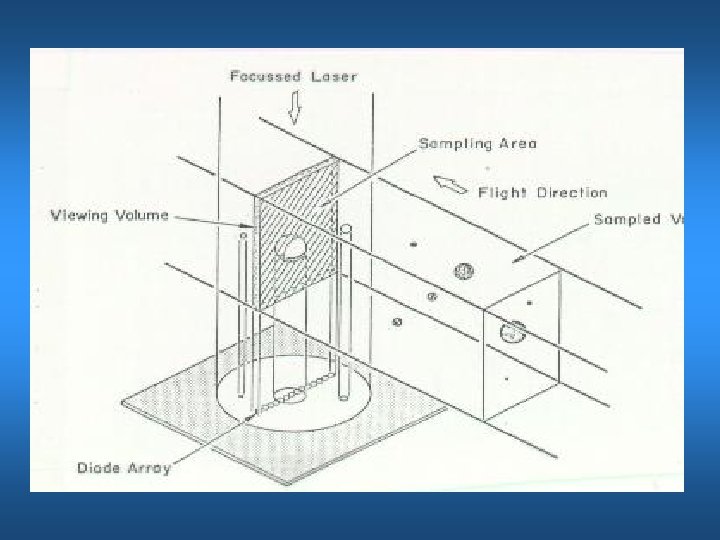
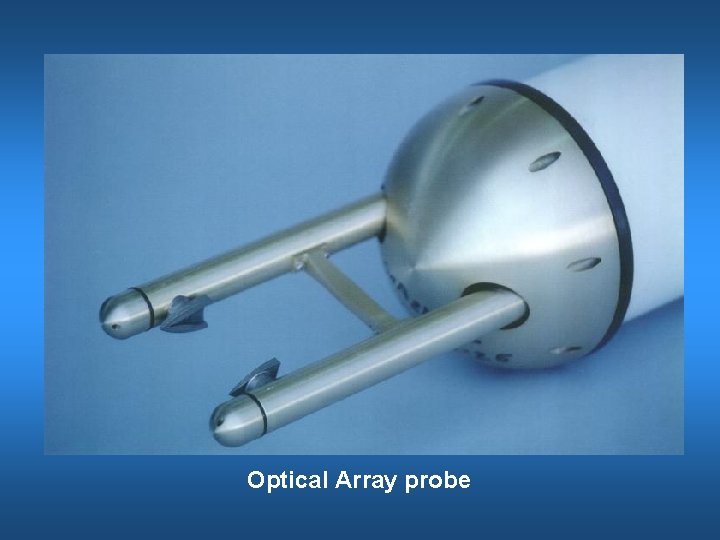
Optical Array probe It uses an array of photodiodes to measure the size of hydrometeors from the maximum width of their shadow as they pass through a focused He-Ne laser beam. The shadow is cast onto a linear diode array and the total number of occulted diodes during the airflow's passage represents the size of droplets. The size is categorized into one of 60 channels and this information is sent to the data system where the number of particles in each channel is accumulated over a preselected time period. The optical array probe is a particle sizing instrument, not a liquid water content probe. If liquid water content information is desired, some fairly loose assumptions must be made with regard to the phase, habit, and density of the particles.
Optical Array probe
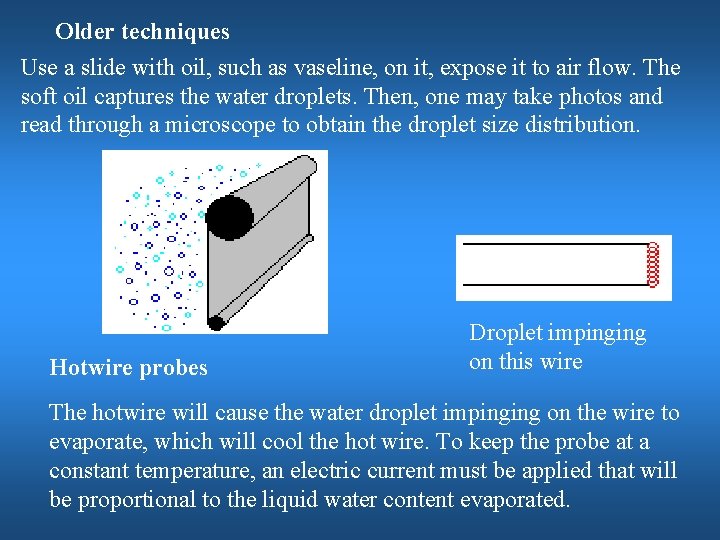
Older techniques Use a slide with oil, such as vaseline, on it, expose it to air flow. The soft oil captures the water droplets. Then, one may take photos and read through a microscope to obtain the droplet size distribution. Hotwire probes Droplet impinging on this wire The hotwire will cause the water droplet impinging on the wire to evaporate, which will cool the hot wire. To keep the probe at a constant temperature, an electric current must be applied that will be proportional to the liquid water content evaporated.
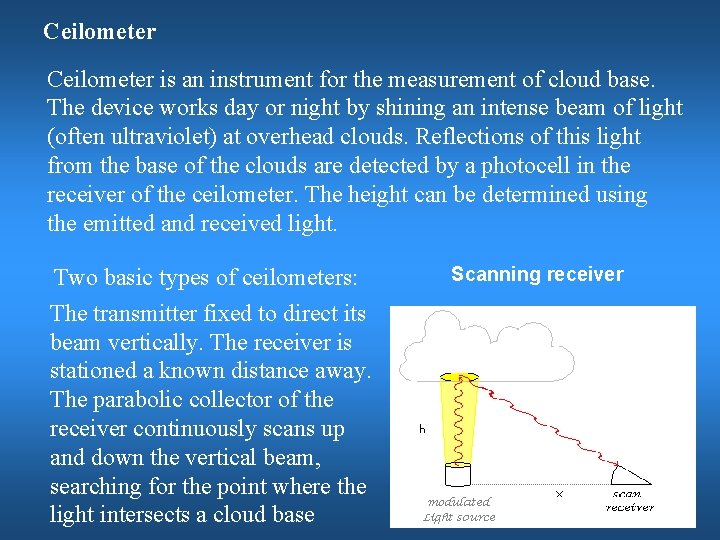
Ceilometer is an instrument for the measurement of cloud base. The device works day or night by shining an intense beam of light (often ultraviolet) at overhead clouds. Reflections of this light from the base of the clouds are detected by a photocell in the receiver of the ceilometer. The height can be determined using the emitted and received light. Two basic types of ceilometers: The transmitter fixed to direct its beam vertically. The receiver is stationed a known distance away. The parabolic collector of the receiver continuously scans up and down the vertical beam, searching for the point where the light intersects a cloud base Scanning receiver
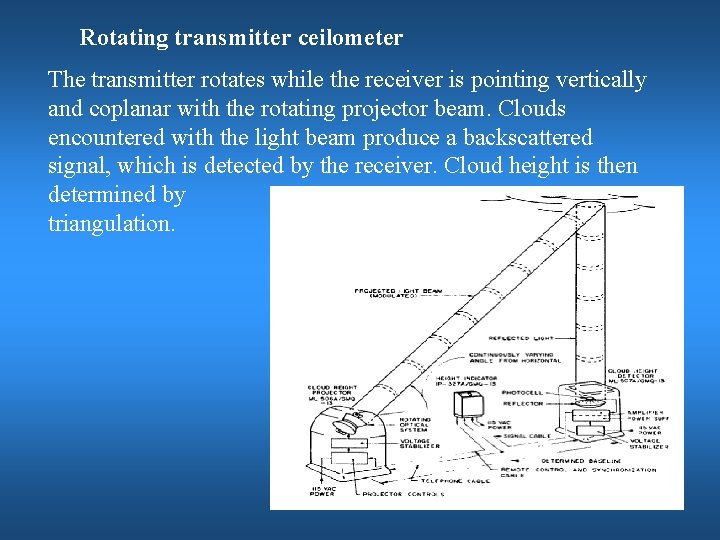
Rotating transmitter ceilometer The transmitter rotates while the receiver is pointing vertically and coplanar with the rotating projector beam. Clouds encountered with the light beam produce a backscattered signal, which is detected by the receiver. Cloud height is then determined by triangulation.
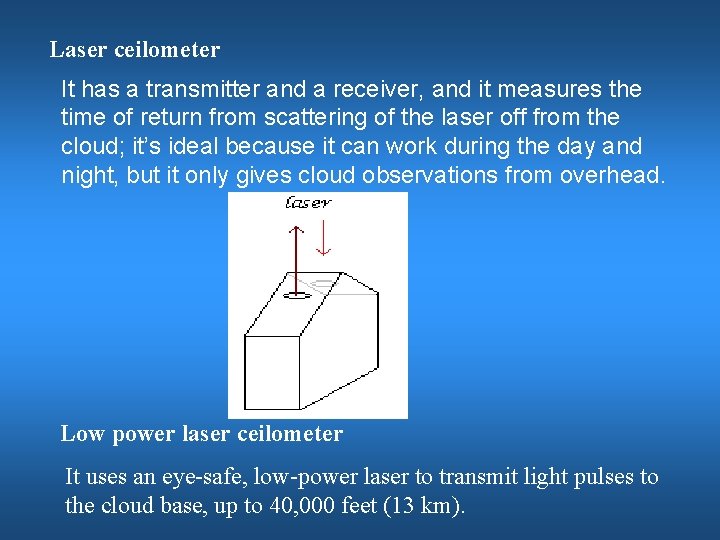
Laser ceilometer It has a transmitter and a receiver, and it measures the time of return from scattering of the laser off from the cloud; it’s ideal because it can work during the day and night, but it only gives cloud observations from overhead. Low power laser ceilometer It uses an eye-safe, low-power laser to transmit light pulses to the cloud base, up to 40, 000 feet (13 km).
Atmospheric Radiation Measurement Program http: //www. arm. gov/ http: //plot. dmf. arm. gov/plotbrowser/
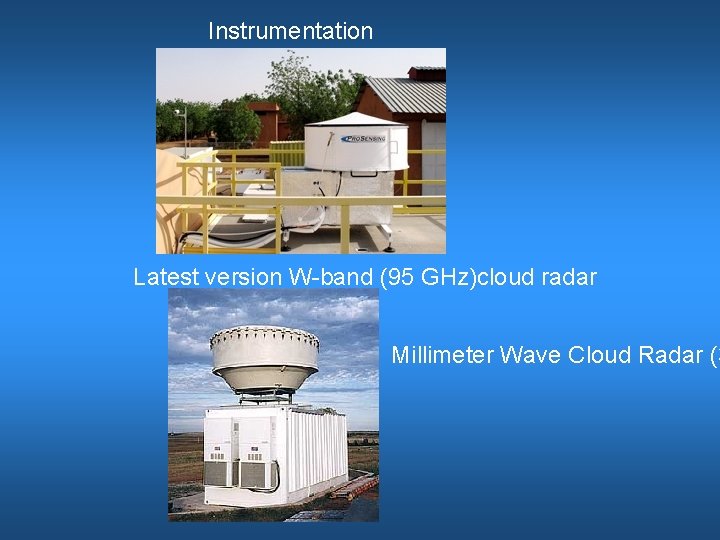
Instrumentation Latest version W-band (95 GHz)cloud radar Millimeter Wave Cloud Radar (3
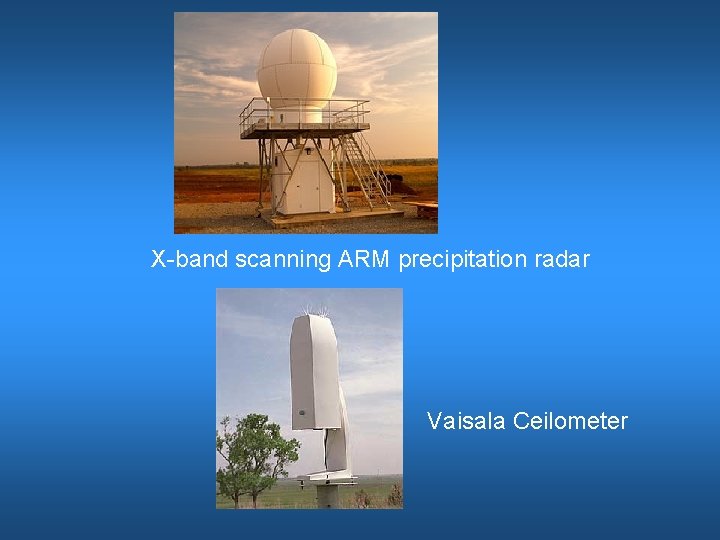
X-band scanning ARM precipitation radar Vaisala Ceilometer