
Cloning Learning Objectives Know that a clone is
Cloning Learning Objectives Know that a clone is genetically identical to its parent. Know that modern cloning techniques use small groups of cells to produce many identical offspring.
Learning Outcomes • All students know that clones are identical to each other • Most can define a clone and explain the importance of cloning plants to plant growers. They can describe tissue culture and embryo transplanting • Some will be able to interpret information about the advantages and disadvantages of different cloning techniques and make informed judgements about economic and ethical issues
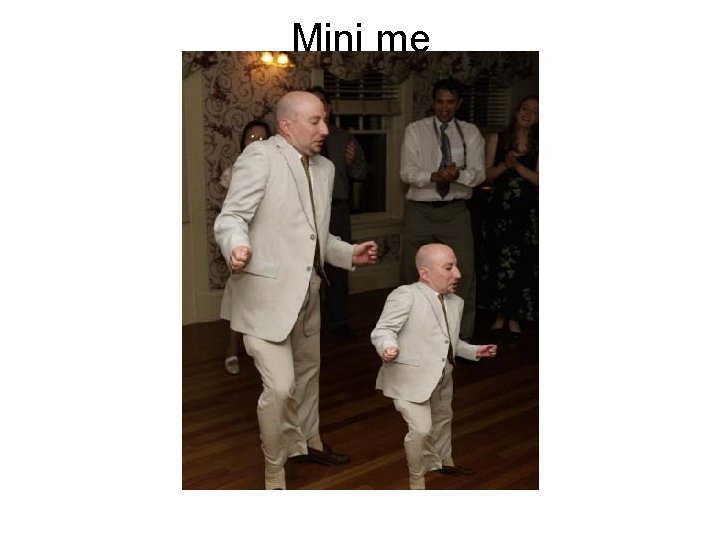
Mini me
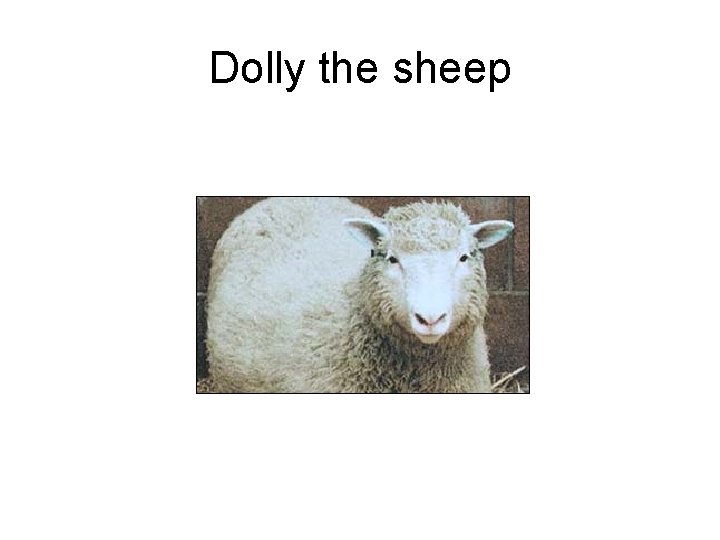
Dolly the sheep

Cloned cows
Cloning in plants
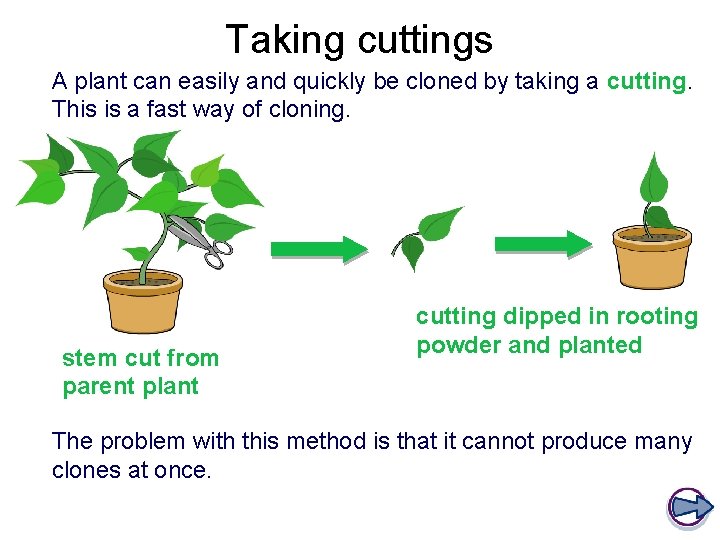
Taking cuttings A plant can easily and quickly be cloned by taking a cutting. This is a fast way of cloning. stem cut from parent plant cutting dipped in rooting powder and planted The problem with this method is that it cannot produce many clones at once.
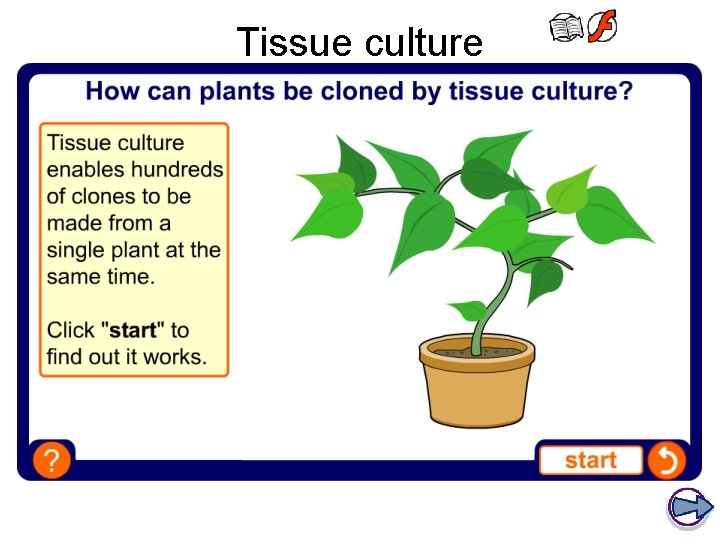
Tissue culture
Cloning in animals
Embryo transplantation It is more difficult to clone animals than plants. A technique used to create clone animals is embryo transplanting. For example, a cattle farmer would follow this process: 1. Sperm is taken from the best bull and used to fertilize an egg from the best cow. 2. The fertilized egg divides to form an embryo containing several cells. 3. The embryo is separated into individual cells, which go on to form new embryos. Each embryo contains the same genes. 4. The embryos are implanted into surrogate cows. 5. The cows give birth to calves, which are all clones of each other.
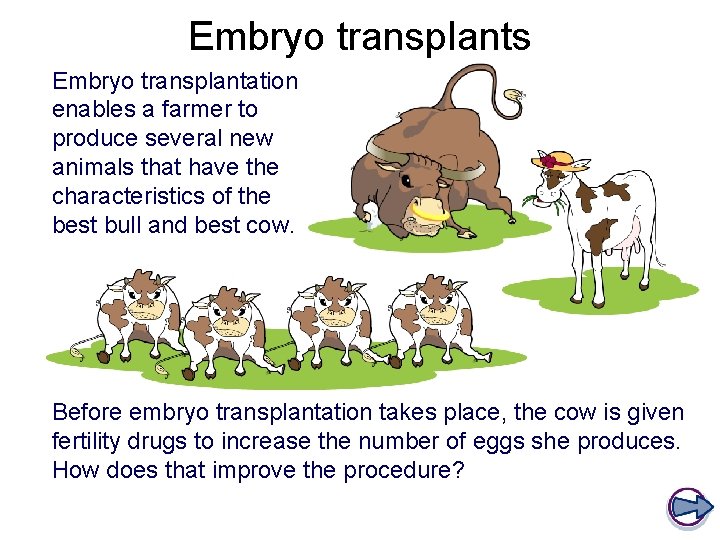
Embryo transplants Embryo transplantation enables a farmer to produce several new animals that have the characteristics of the best bull and best cow. Before embryo transplantation takes place, the cow is given fertility drugs to increase the number of eggs she produces. How does that improve the procedure?
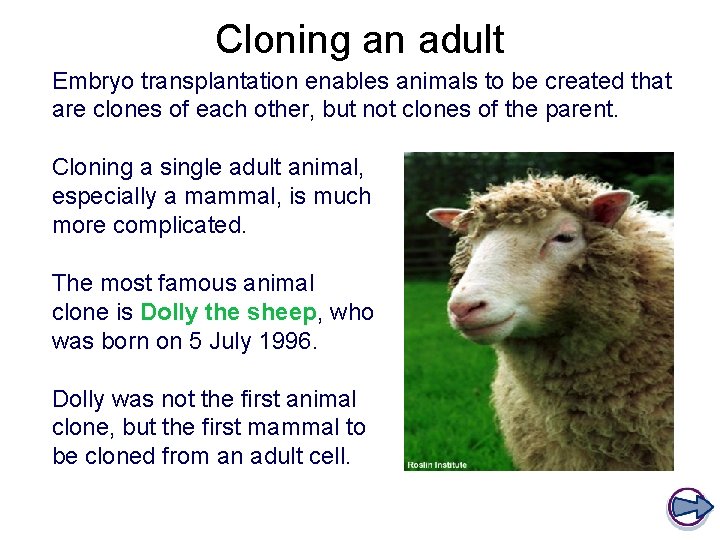
Cloning an adult Embryo transplantation enables animals to be created that are clones of each other, but not clones of the parent. Cloning a single adult animal, especially a mammal, is much more complicated. The most famous animal clone is Dolly the sheep, who was born on 5 July 1996. Dolly was not the first animal clone, but the first mammal to be cloned from an adult cell.
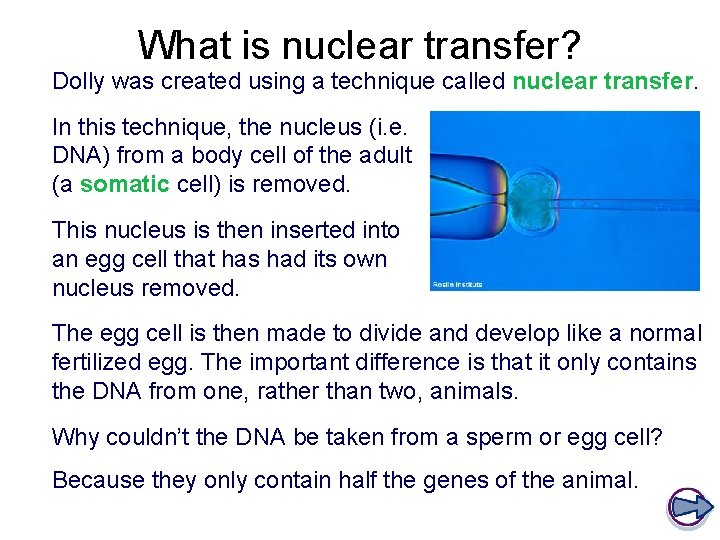
What is nuclear transfer? Dolly was created using a technique called nuclear transfer. In this technique, the nucleus (i. e. DNA) from a body cell of the adult (a somatic cell) is removed. This nucleus is then inserted into an egg cell that has had its own nucleus removed. The egg cell is then made to divide and develop like a normal fertilized egg. The important difference is that it only contains the DNA from one, rather than two, animals. Why couldn’t the DNA be taken from a sperm or egg cell? Because they only contain half the genes of the animal.
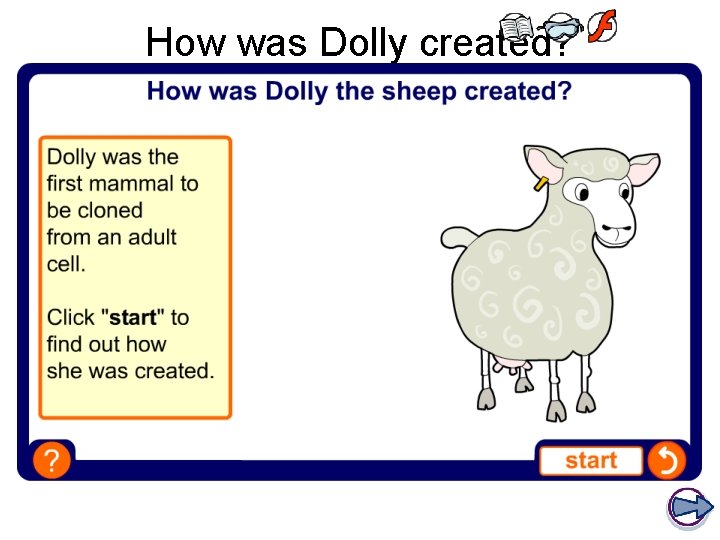
How was Dolly created?
- Slides: 14