
Clinical Management of Lysosomal Storage Disorders Lysosomal Storage



- Slides: 78
Clinical Management of Lysosomal Storage Disorders
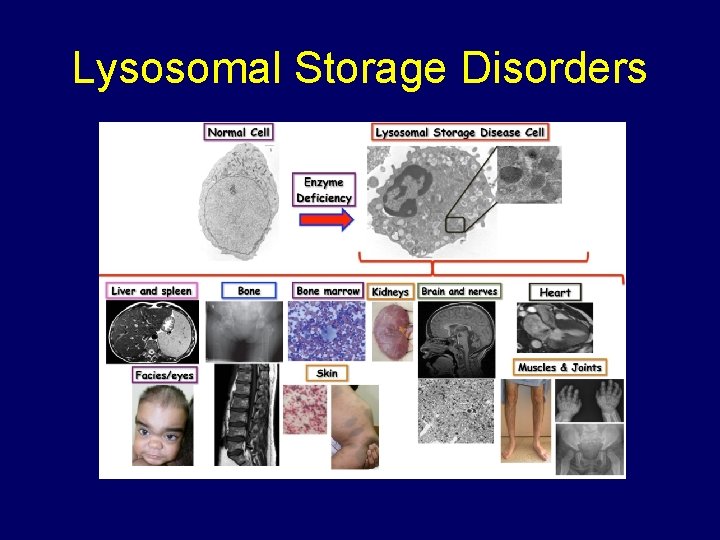
Lysosomal Storage Disorders
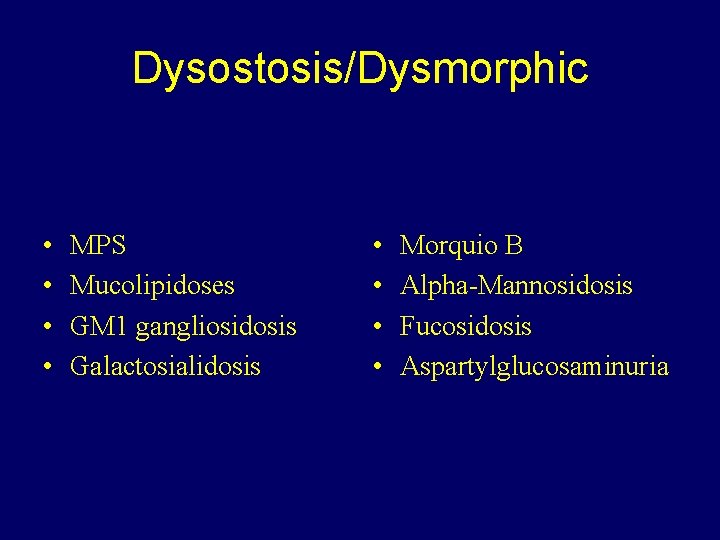
Dysostosis/Dysmorphic • • MPS Mucolipidoses GM 1 gangliosidosis Galactosialidosis • • Morquio B Alpha-Mannosidosis Fucosidosis Aspartylglucosaminuria
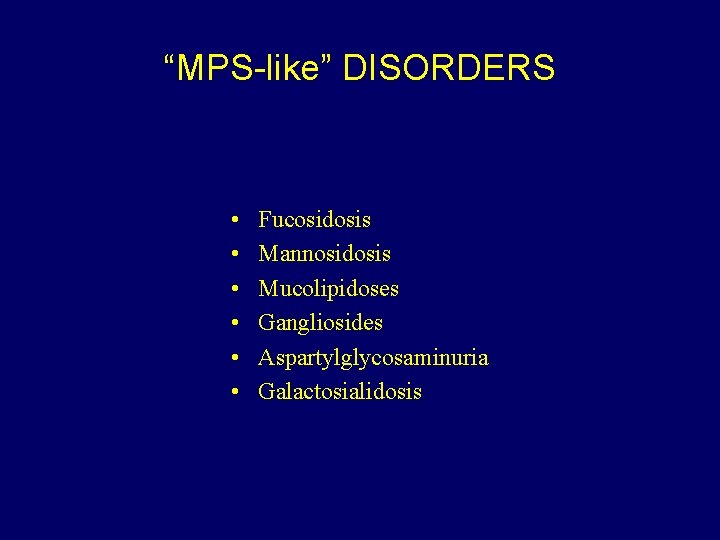
“MPS-like” DISORDERS • • • Fucosidosis Mannosidosis Mucolipidoses Gangliosides Aspartylglycosaminuria Galactosialidosis
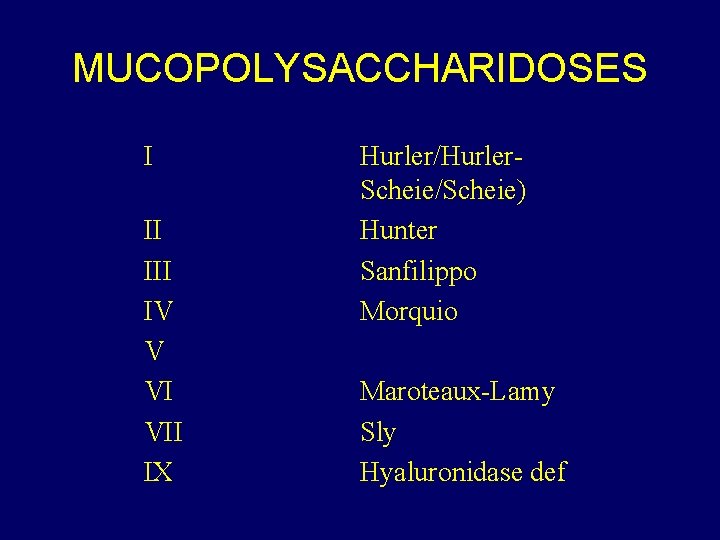
MUCOPOLYSACCHARIDOSES I II IV V VI VII IX Hurler/Hurler. Scheie/Scheie) Hunter Sanfilippo Morquio Maroteaux-Lamy Sly Hyaluronidase def
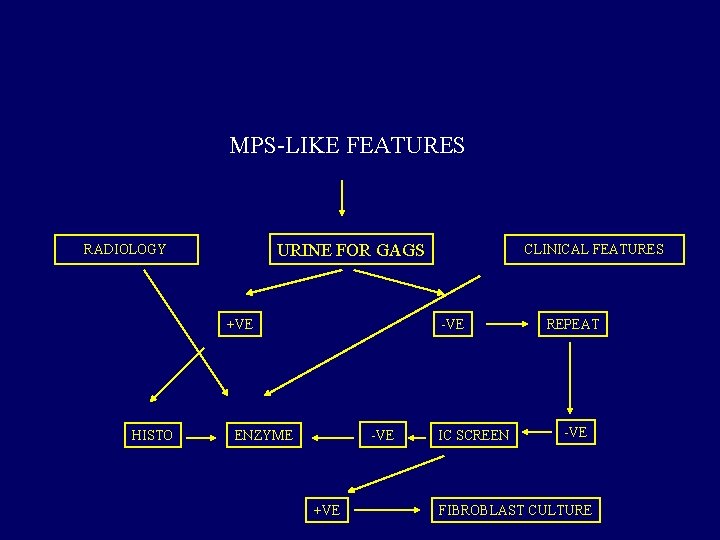
MPS-LIKE FEATURES URINE FOR GAGS RADIOLOGY +VE HISTO CLINICAL FEATURES -VE ENZYME +VE IC SCREEN REPEAT -VE FIBROBLAST CULTURE
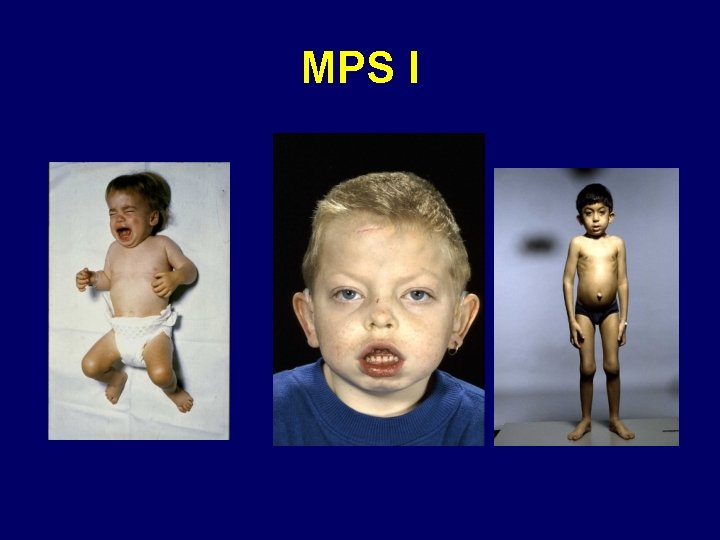
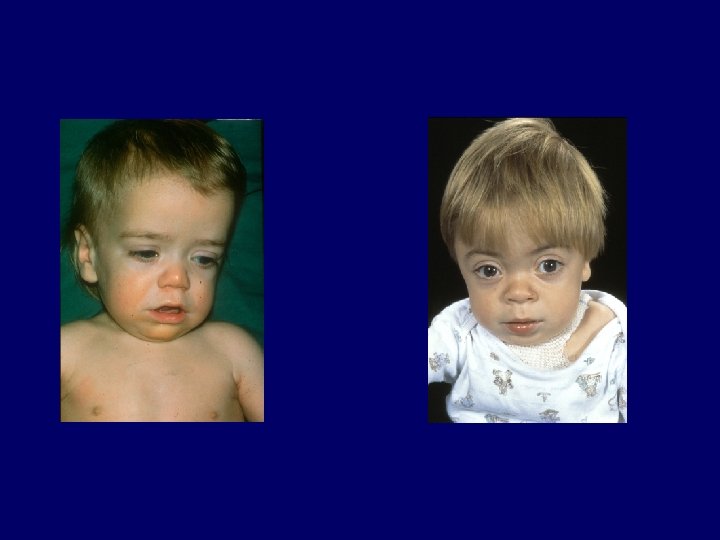
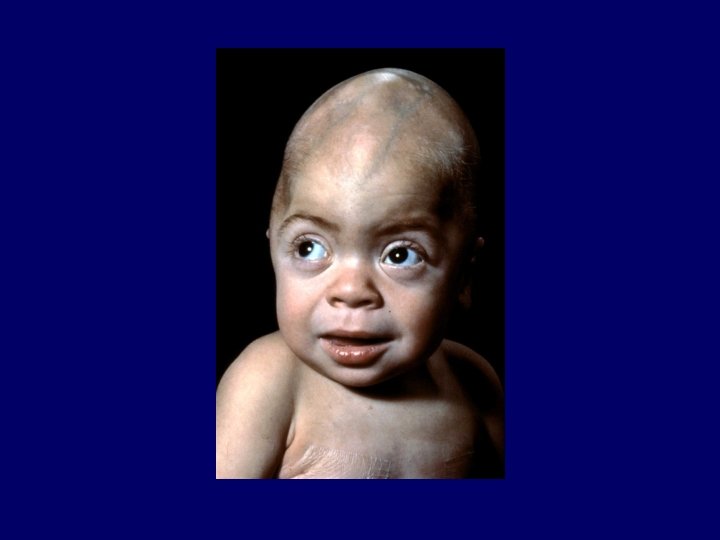
MPS I
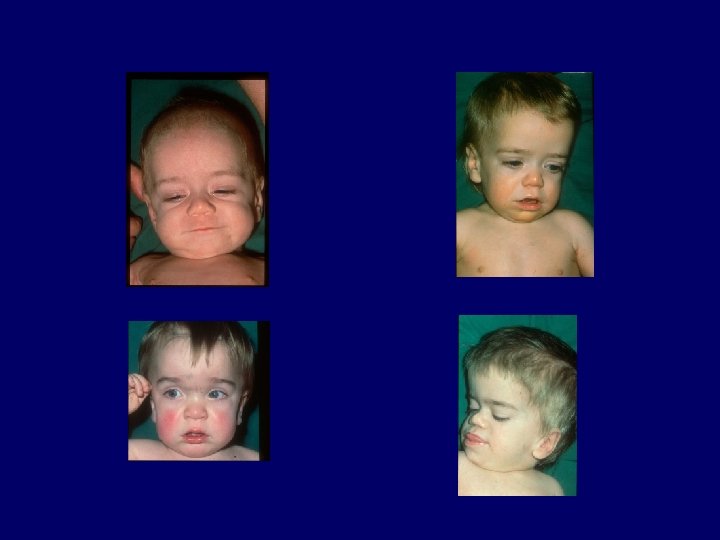
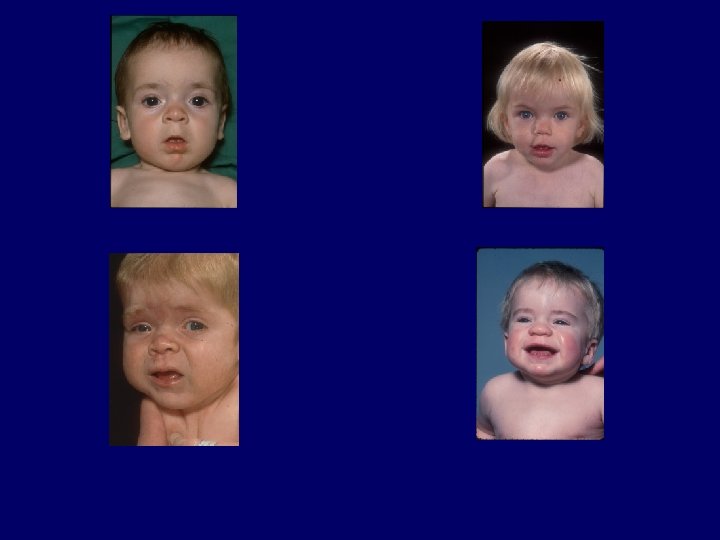
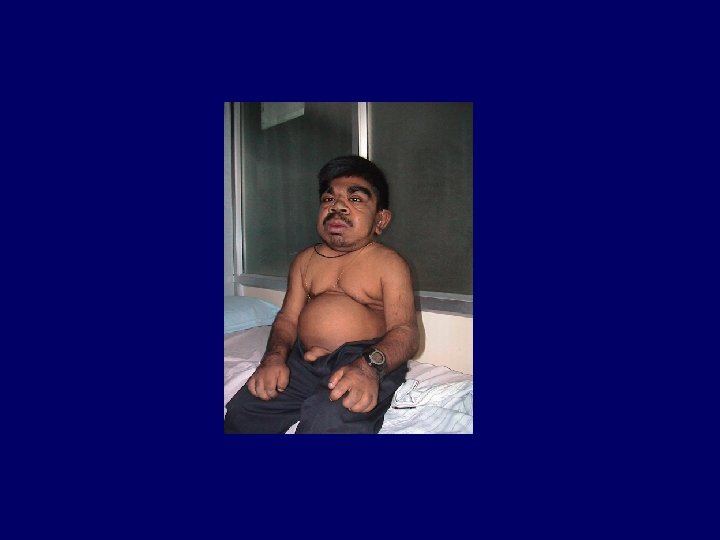
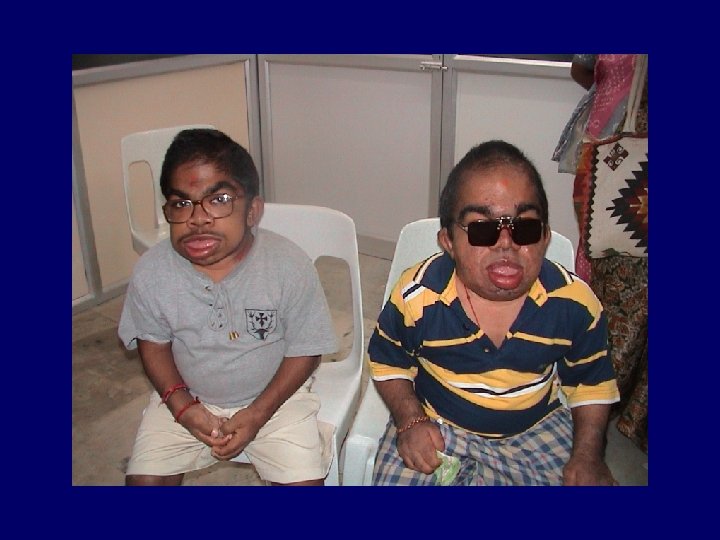
Hunter Disease (MPS II)
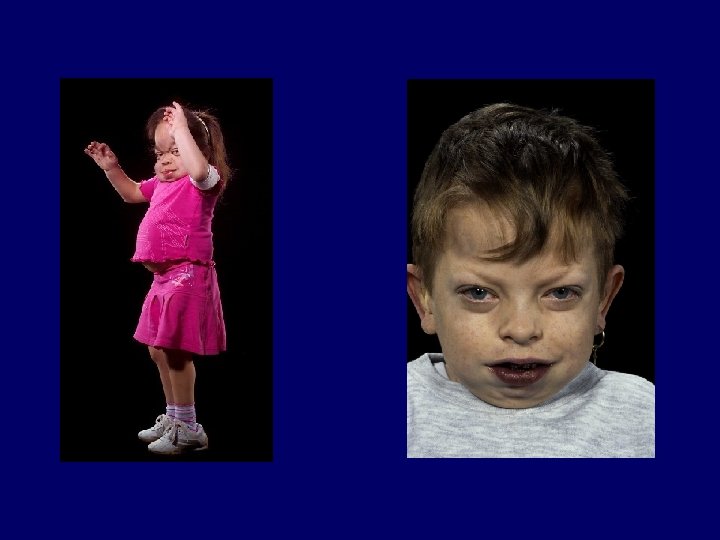
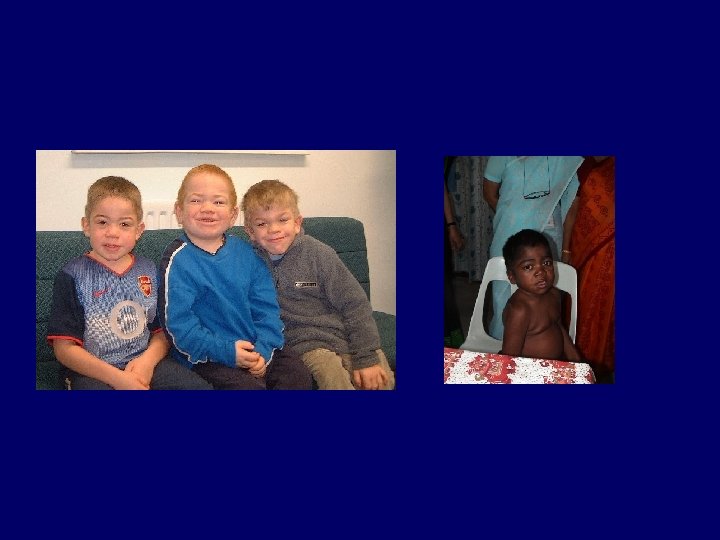
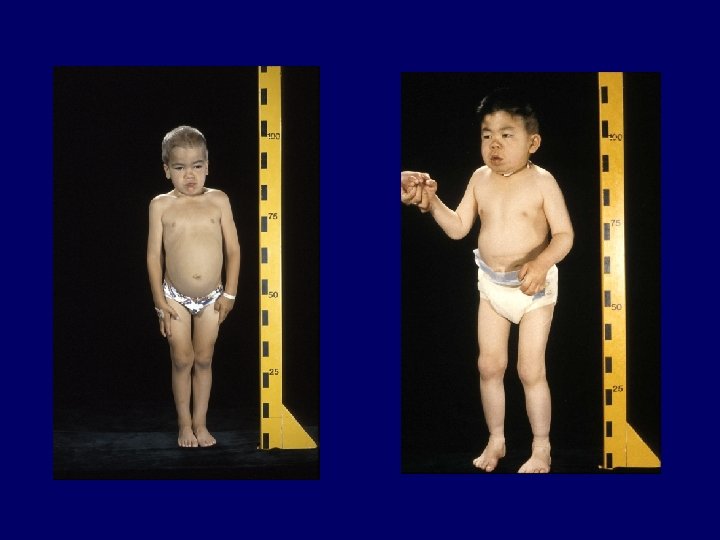
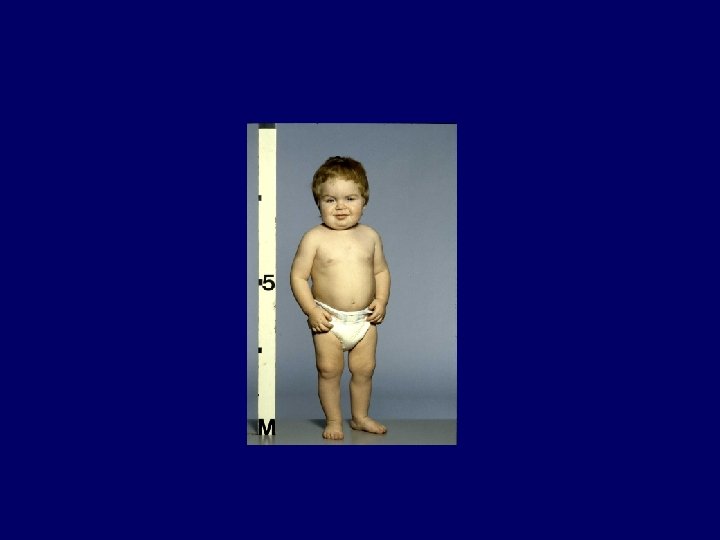
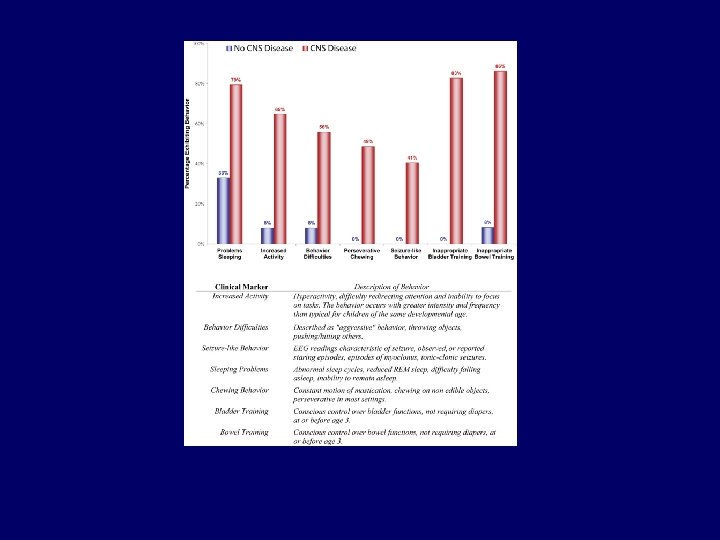
MPS II • Most issues same as with MPS I-H • Different facial appearance • Main clinical problem is diagnosing neurological involvement • This may be difficult to diagnose in first 5 years
Early clinical markers of central nervous system involvement in mucopolysaccharidosis type II. Holt J et al, J. Pediatr 2011 Aug; 159(2): 320 -6.
Holt J et al 2012
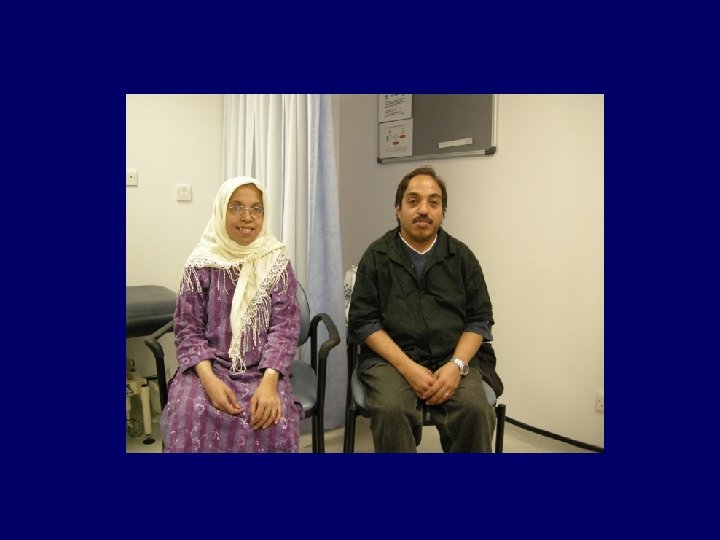
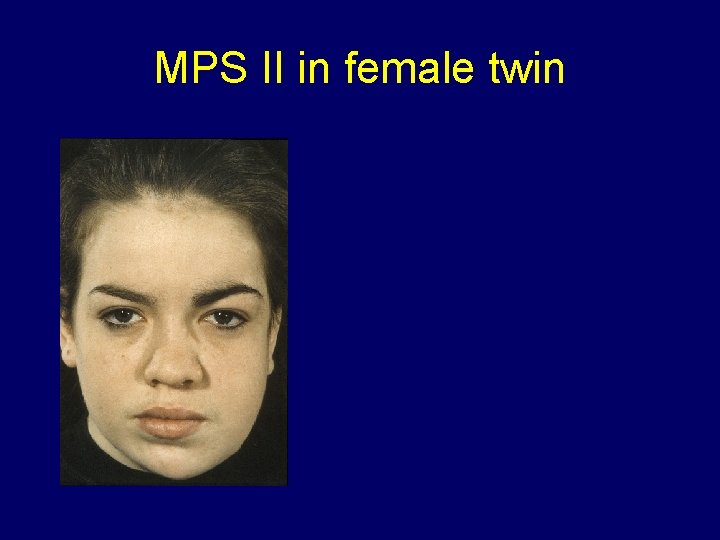
MPS II in female twin
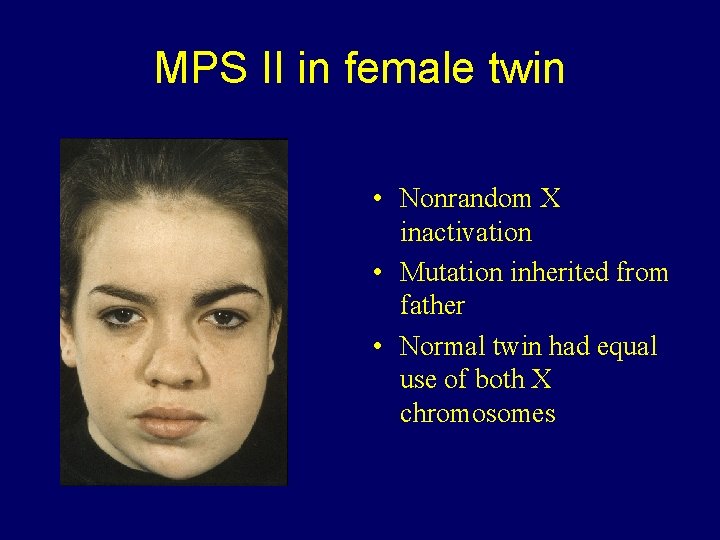
MPS II in female twin • Nonrandom X inactivation • Mutation inherited from father • Normal twin had equal use of both X chromosomes
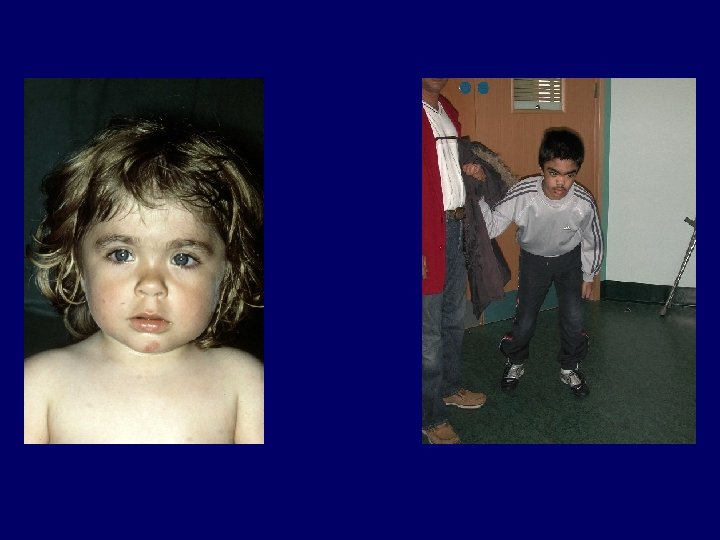
Sanfilippo Disease (MPS III) • Three stages – Stage 1 • URTI, “naughty behaviour” – Stage II • • Hyperactive Explosive rage Swallowing difficulty Progressive loss of skills • Stage III – Loss of mobility – Progressive spastic quadriparesis
Clinical Problems in MPS III • Sleep – Circadian rhythm is altered – May also have obstruction • Swallow – Oropharyngeal dysfunction – Take a long time to chew – Choking – Aspiration
Clinical Problems in MPS III • Behaviour – Attention deficit disorder – Oppositional defiant disorder – Autistic spectrum disorder – Depression – Combinations
Clinical Problems in MPS III • Orthopaedic/Rheumatological – Osteonecrosis of femoral head • Legg-Calve-Perthes’ like illness (slipped capital femoral epiphysis) • Often mistaken for sepsis – Scoliosis
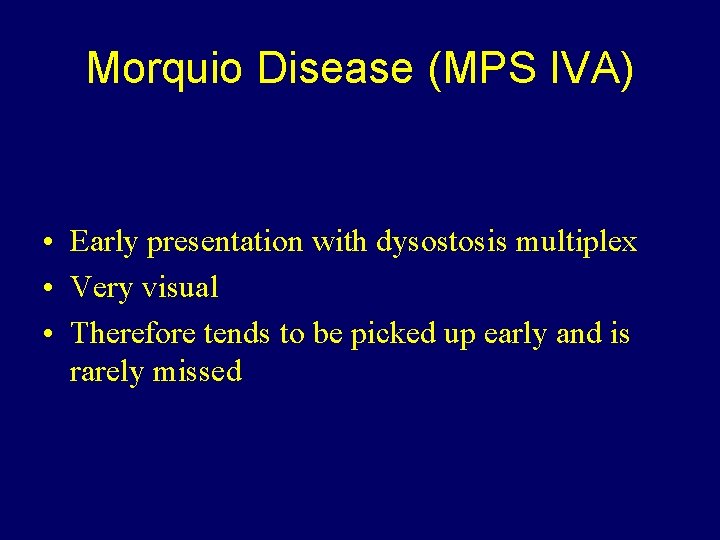
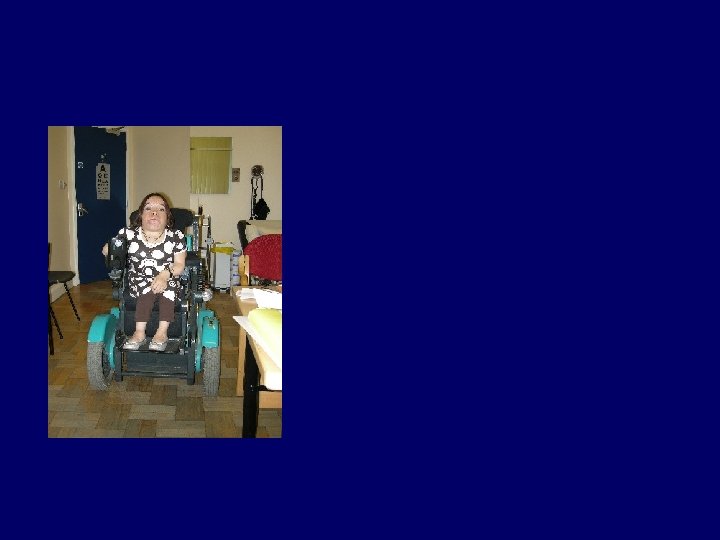
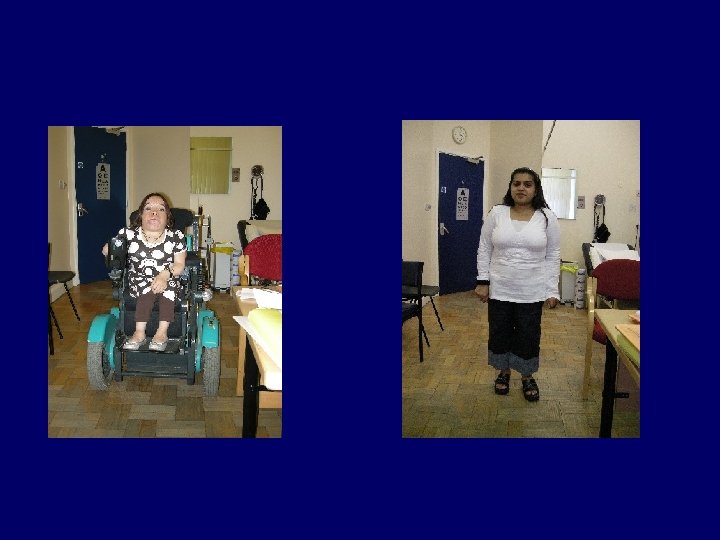
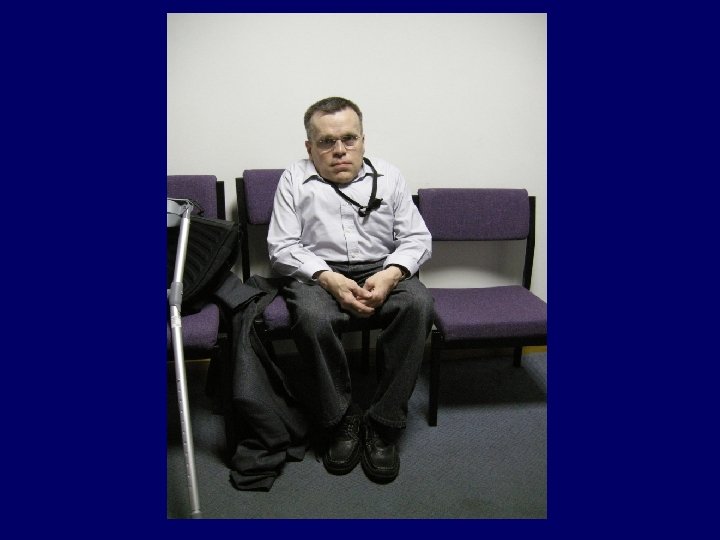
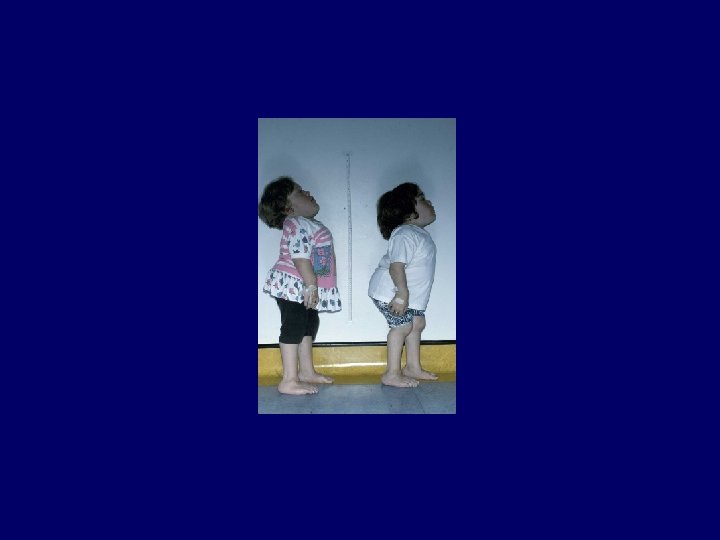
Morquio Disease (MPS IVA) • Early presentation with dysostosis multiplex • Very visual • Therefore tends to be picked up early and is rarely missed
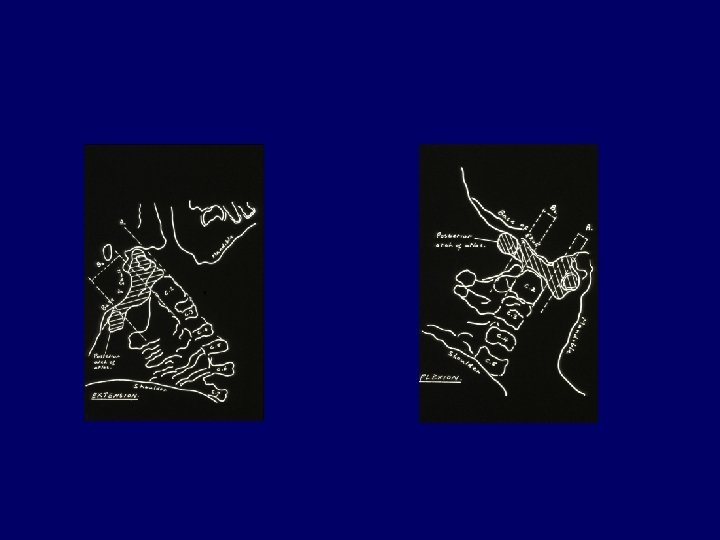
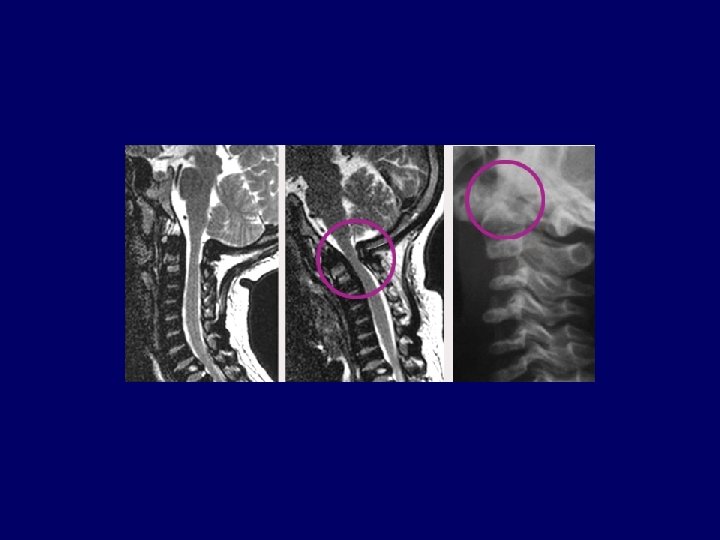
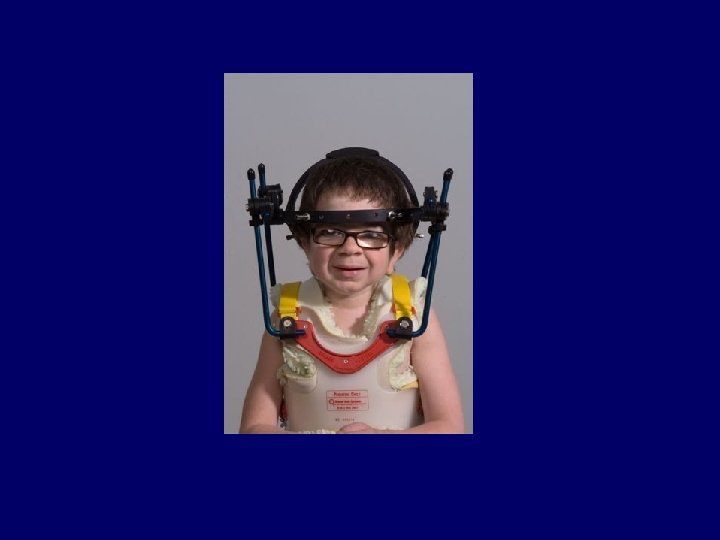
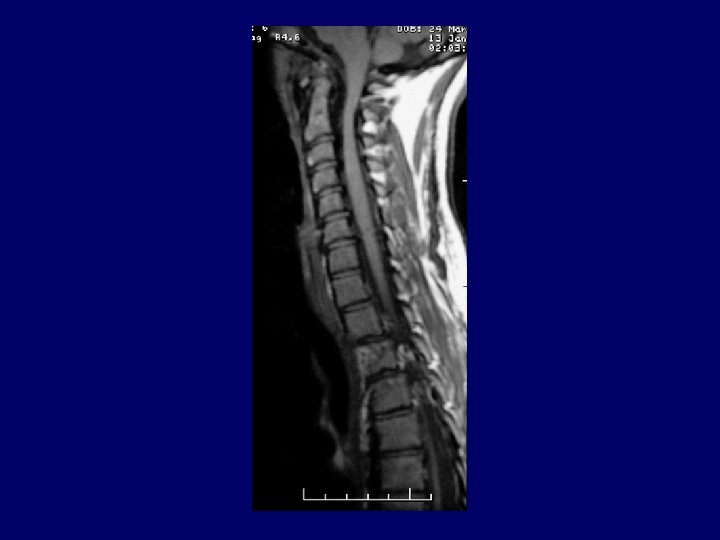
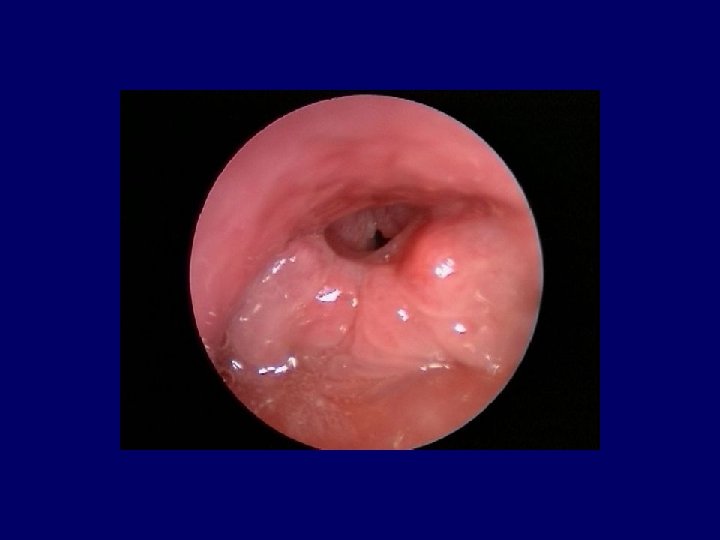
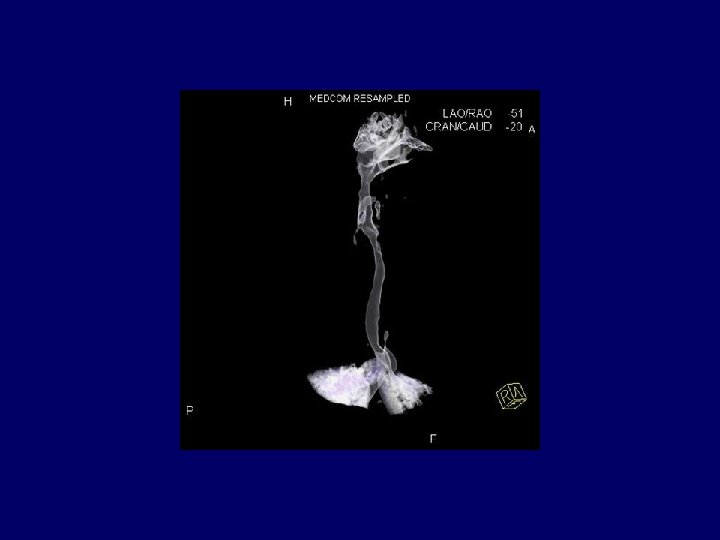
Clinical Problems in MPS IV • Cervical instability • Airway obstruction • Restrictive airway disease
Cardiomyopathy • • • MPS Infantile GSD type II (Pompe) Fabry Fucosidosis I cell disease
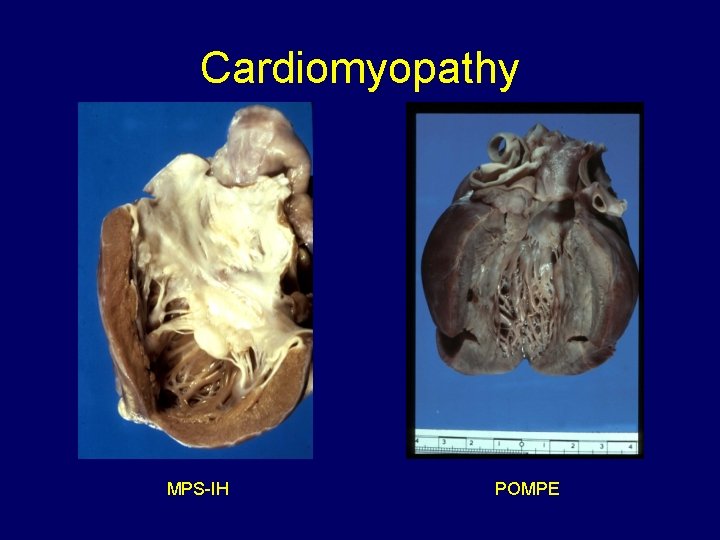
Cardiomyopathy MPS-IH POMPE
Clinical Problems • • Developmental delay Corneal clouding Recurrent respiratory infections Upper/lower airway obstruction Carpal tunnel syndrome Visual problems Hearing loss Orthopaedic problems
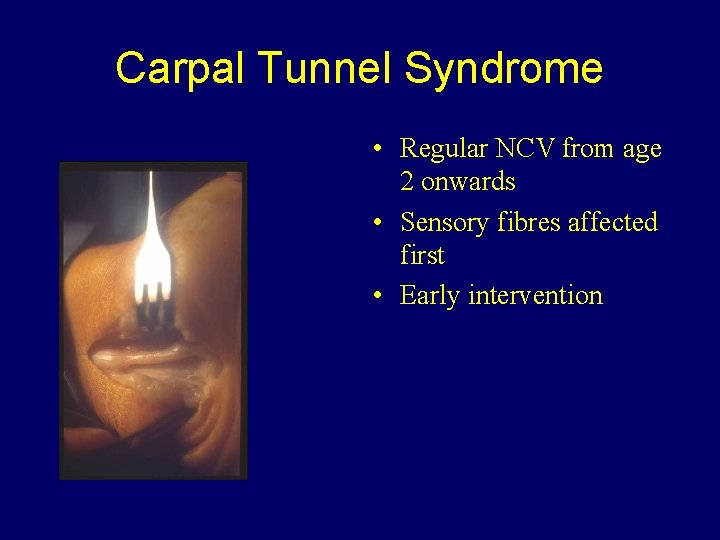
Carpal Tunnel Syndrome • Regular NCV from age 2 onwards • Sensory fibres affected first • Early intervention
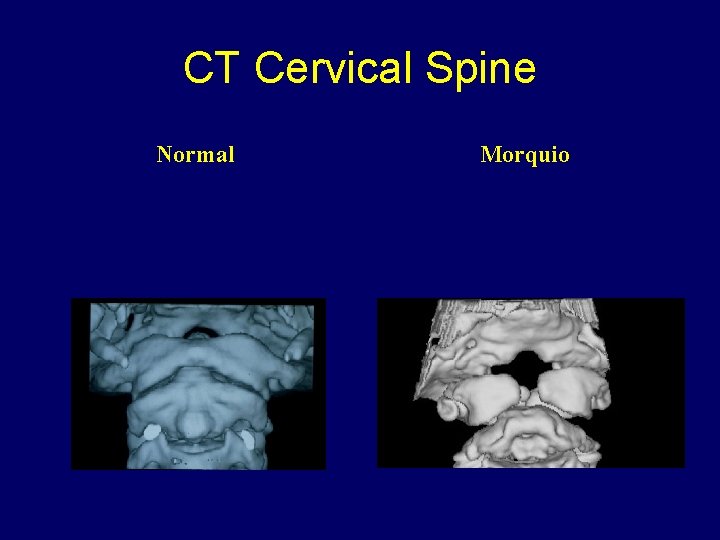
CT Cervical Spine Normal Morquio
Eye Problems • Corneal clouding • Retinopathy • Glaucoma
Respiratory Problems • Restrictive airway disease • Obstructive airway disease
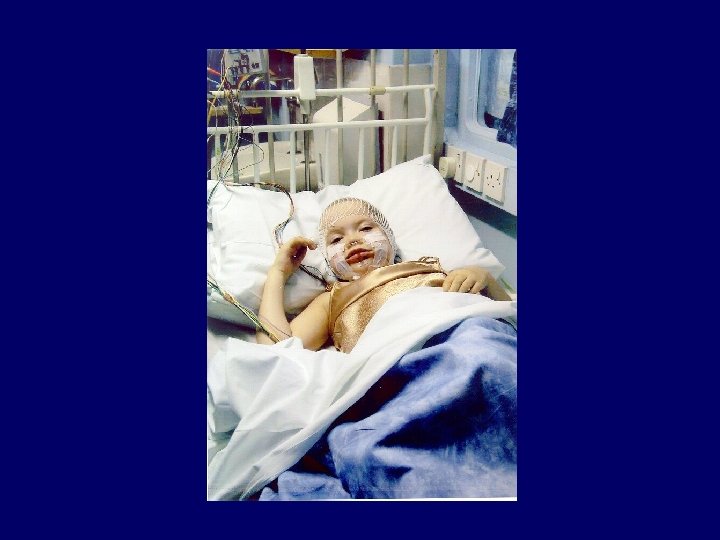
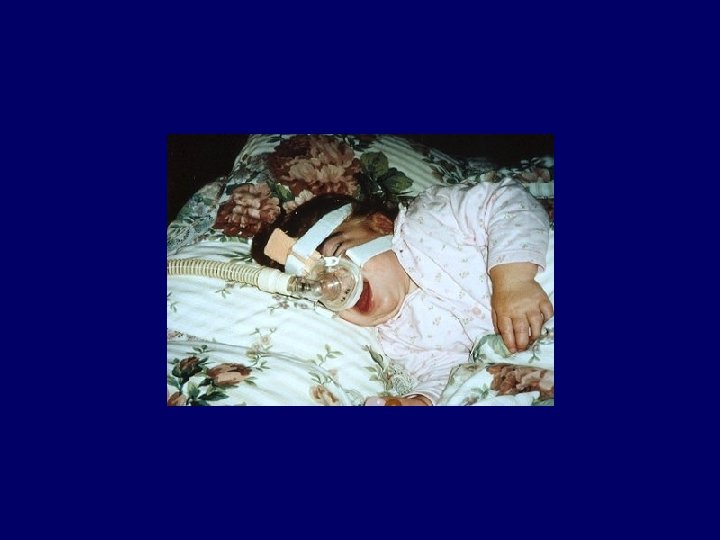
Obstructive Sleep Apnoea • May not always be associated with apnoea – Daytime sleepiness – Snoring • CPAP may be necessary
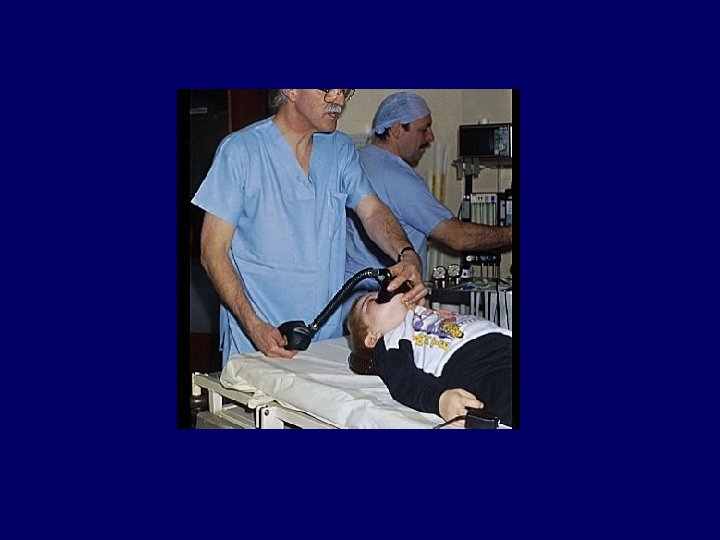
Anaesthesia • • Very complex Complicated upper airway Poor view of glottis May need flexible scope
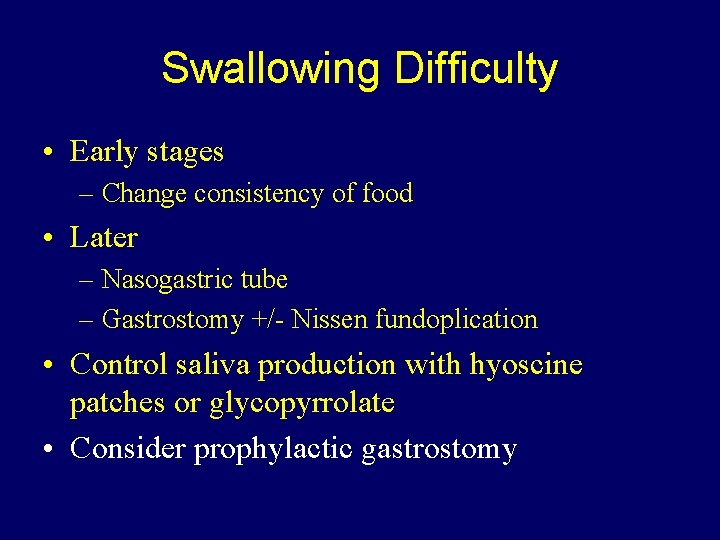
Swallowing Difficulty • Early stages – Change consistency of food • Later – Nasogastric tube – Gastrostomy +/- Nissen fundoplication • Control saliva production with hyoscine patches or glycopyrrolate • Consider prophylactic gastrostomy
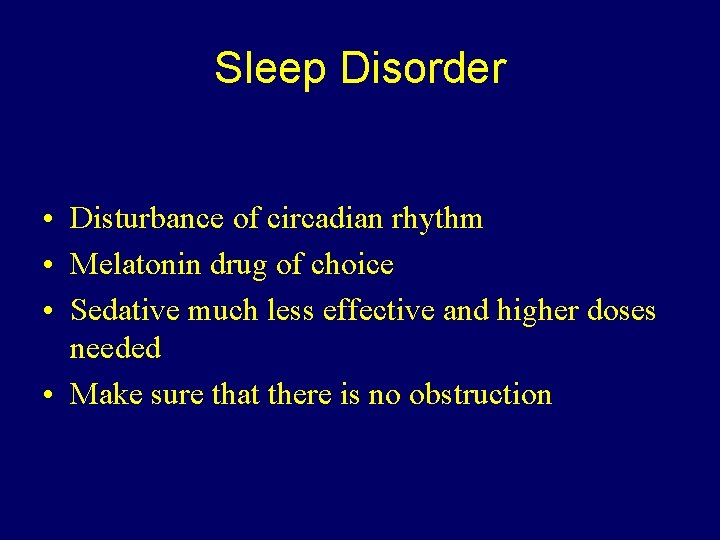
Sleep Disorder • Disturbance of circadian rhythm • Melatonin drug of choice • Sedative much less effective and higher doses needed • Make sure that there is no obstruction
Behavioural Problems • Psychiatric phenotype – Attention deficit disorder/Oppositional defiant disorder/Autistic spectrum disorder/Depression • Determine which neurotransmitter system – Dopaminergic – GABA – Ac. H – Serotonin
• ADHD – depression of dopamine and norepinephrine • Autism - glutamate
Management of Behaviour • CBT usually doesn’t work • Medication required – Aripiprazole – Risperidone – Methylphenidate – Mood stabilisers (sodium valproate)
Antipsychotic Medication • Risperidone- dopamine antagonist • Aripiprazole – dopamine agonist • Methyphenidate – dopamine and norepinephrine agonist • Much lower doses required
Hospital Specialties Required • • • LSD team Orthopaedics Spinal Orthopaedics Neurosurgery (cervical spine) Respiratory Cardiology
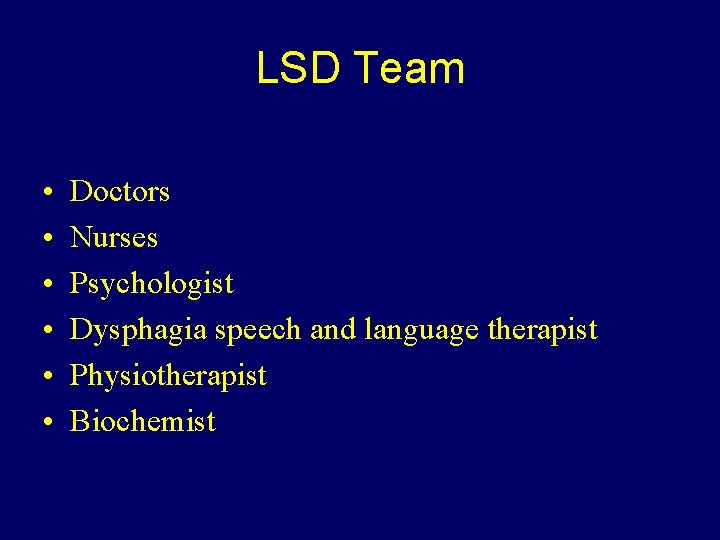
LSD Team • • • Doctors Nurses Psychologist Dysphagia speech and language therapist Physiotherapist Biochemist
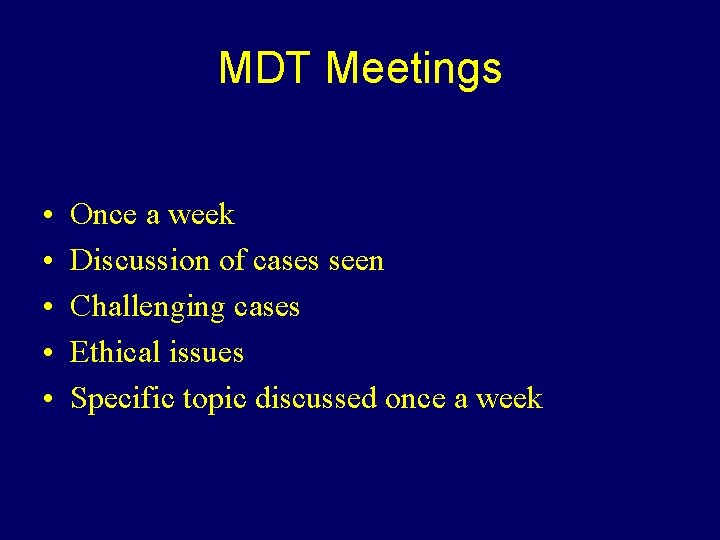
MDT Meetings • • • Once a week Discussion of cases seen Challenging cases Ethical issues Specific topic discussed once a week
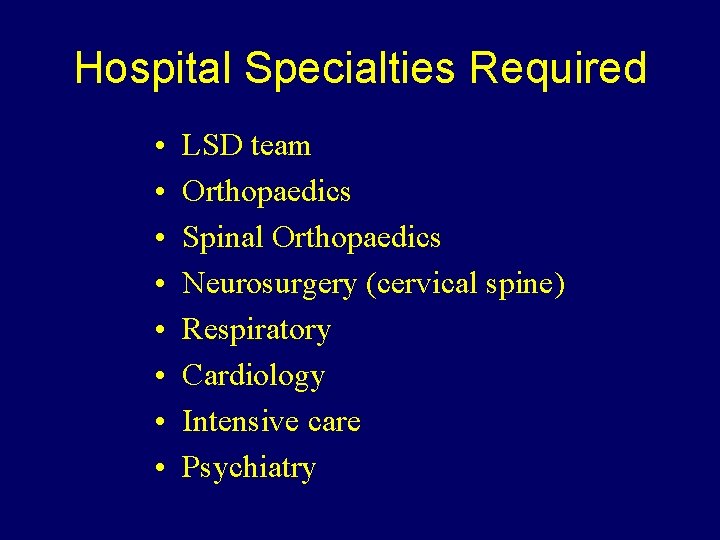
Hospital Specialties Required • • LSD team Orthopaedics Spinal Orthopaedics Neurosurgery (cervical spine) Respiratory Cardiology Intensive care Psychiatry
MDT Clinics • • • Pompe Niemann-Pick C Post BMT MPS Sanfilippo Morquio
Pompe Clinic • • Neurologist Cardiologist Physio SALT
NPC Clinic • Neurologist • Physio • SALT
Post BMT MPS Clinic • • BMT consultant Orthopaedic Physio Neurosurgeon
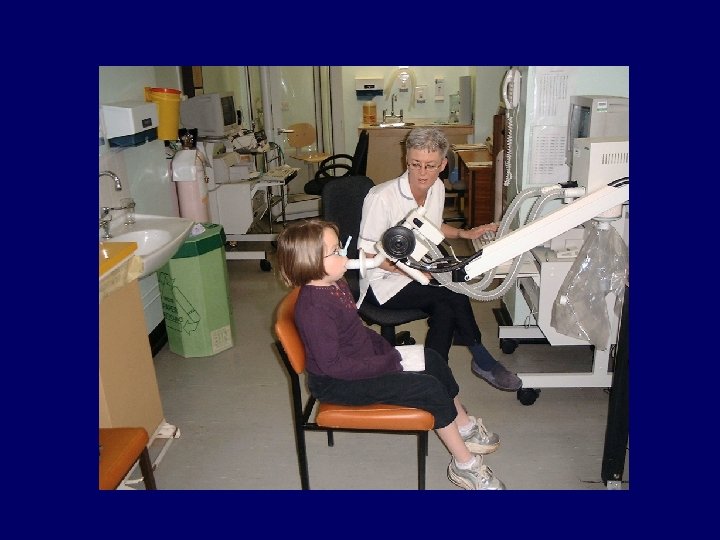
Morquio Clinic • Neurosurgeon • Respiratory (incl lung function) • Physio
Adult LSD Clinic
Transitional Needs • • Medical Psychological/Psychosexual Educational Community – Palliative care/Hospice • Social • Family