
Clinical Decision Support for Radiology orders Gerard Muro


- Slides: 28
Clinical Decision Support for Radiology orders Gerard Muro Seema Patel Juveria Ahmad
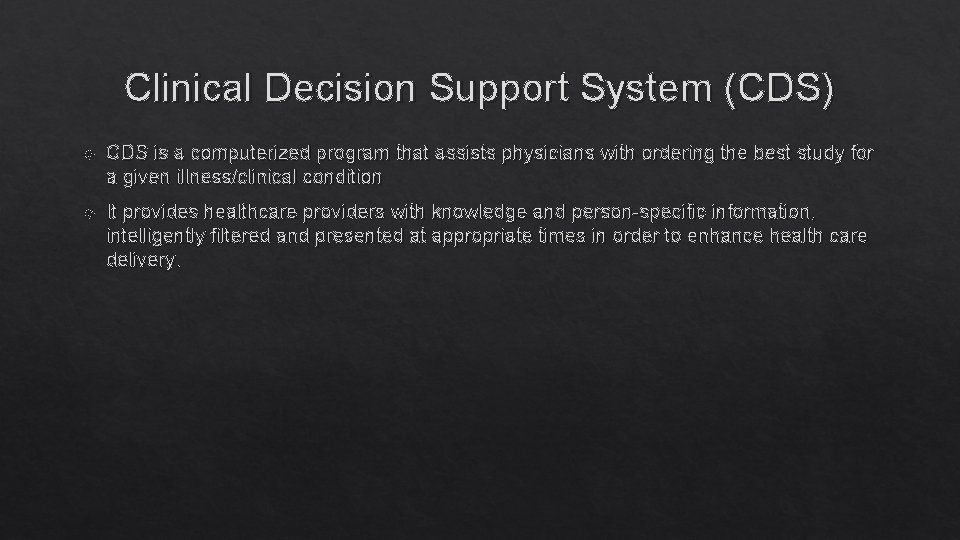
Clinical Decision Support System (CDS) CDS is a computerized program that assists physicians with ordering the best study for a given illness/clinical condition It provides healthcare providers with knowledge and person-specific information, intelligently filtered and presented at appropriate times in order to enhance health care delivery.
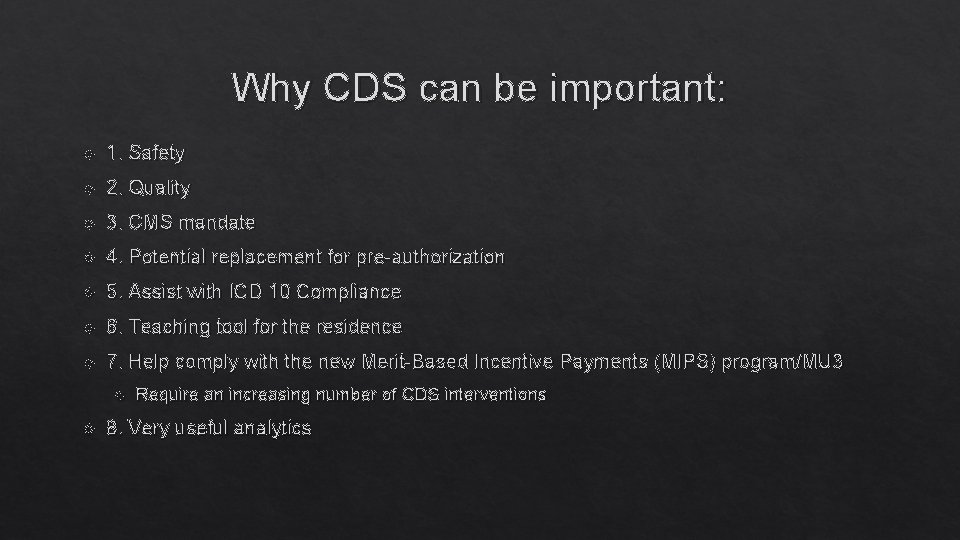
Why CDS can be important: 1. Safety 2. Quality 3. CMS mandate 4. Potential replacement for pre-authorization 5. Assist with ICD 10 Compliance 6. Teaching tool for the residence 7. Help comply with the new Merit-Based Incentive Payments (MIPS) program/MU 3 Require an increasing number of CDS interventions 8. Very useful analytics
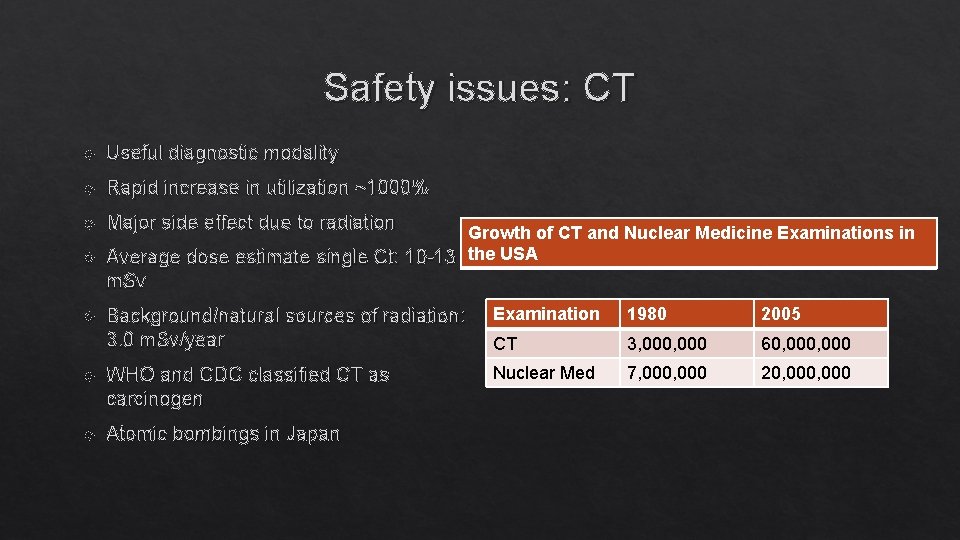
Safety issues: CT Useful diagnostic modality Rapid increase in utilization ~1000% Major side effect due to radiation Growth of CT and Nuclear Medicine Examinations in Average dose estimate single Ct: 10 -13 the USA m. Sv Background/natural sources of radiation: 3. 0 m. Sv/year Examination 1980 2005 CT 3, 000 60, 000 WHO and CDC classified CT as carcinogen Nuclear Med 7, 000 20, 000 Atomic bombings in Japan
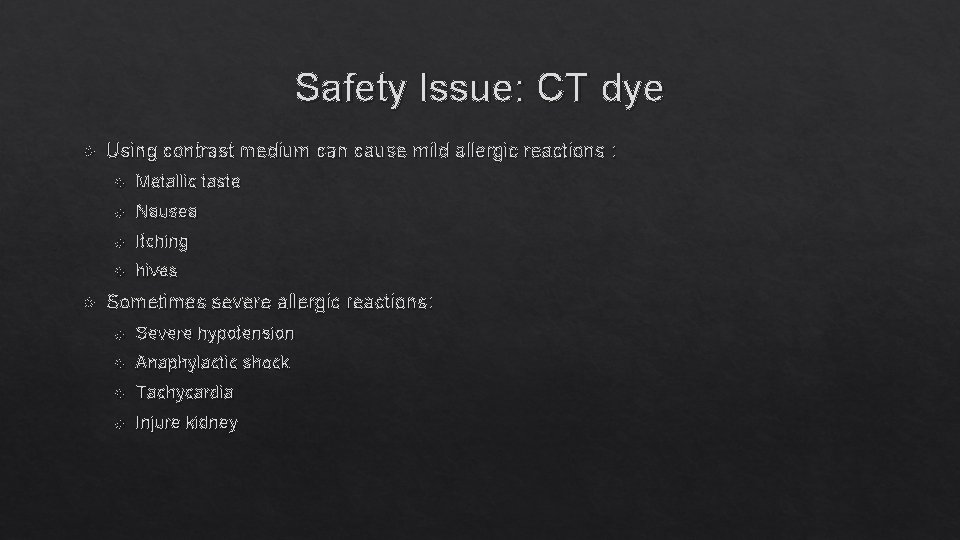
Safety Issue: CT dye Using contrast medium can cause mild allergic reactions : Metallic taste Nausea Itching hives Sometimes severe allergic reactions: Severe hypotension Anaphylactic shock Tachycardia Injure kidney
Safety issue: MRI Gadolinium based contrast agents (GBCA) are used for contrast-enhanced MRIs and MRAs which allows for enhanced imagery of abnormal tissue IV administration moves rapidly through the body and excreted primarily via the kidneys Generally safe for those with normal kidney function Issues for people without normal renal function Retention of gadolinium: nephrogenic systemic fibrosis (NSF)
Quality HITECH act expectations Enhance patient safety Improve quality of care Reduce waste such as unnecessary use of high-cost medical imaging HIT: promote evidence based practice for diagnostic imaging CDS helps achieve increased clinical efficiency and minimize inappropriate care Preliminary research and data suggests success Gaps between clinical guidelines and actual practice Low back pain Diagnosis of pulmonary emboli (blood clots) in Emergency Department
Successful implementation of CDS for radiology orders Henry ford hospital ACR provided CDS with integration capability with homegrown EHR system Consequences for ignoring CDS recs Weill-Cornell Integrate best practice guidelines from medical societies Brigham and women’s Primary focus: quality of the evidence for intervention to change physician behavior 30% reduction in CT use per 1, 000 patients in the ED Rockford health University of Wisconsin Mount Sinai
The CMS Mandate Protecting Access to Medicare Act (PAMA) Signed into law in April 2014 by President Obama Requires Physicians to use Clinical Decision Support when ordering imaging studies Applies to Advanced Imaging Only MRI, CT Scan, PET Scans Applies to outpatients only Original Deadline Jan 1, 2017 Pushed back to at least Summer 2017 Implications Hospitals/Radiology will not be paid unless ordered though this technology After 2020, non-compliant ordering physicians will require pre-authorizaton for ordering
CMS Mandate Before the Mandate can go into effect First: CMS Approval of Appropriate Use Criteria (AUC) Second: CMS Approval of Mechanisms
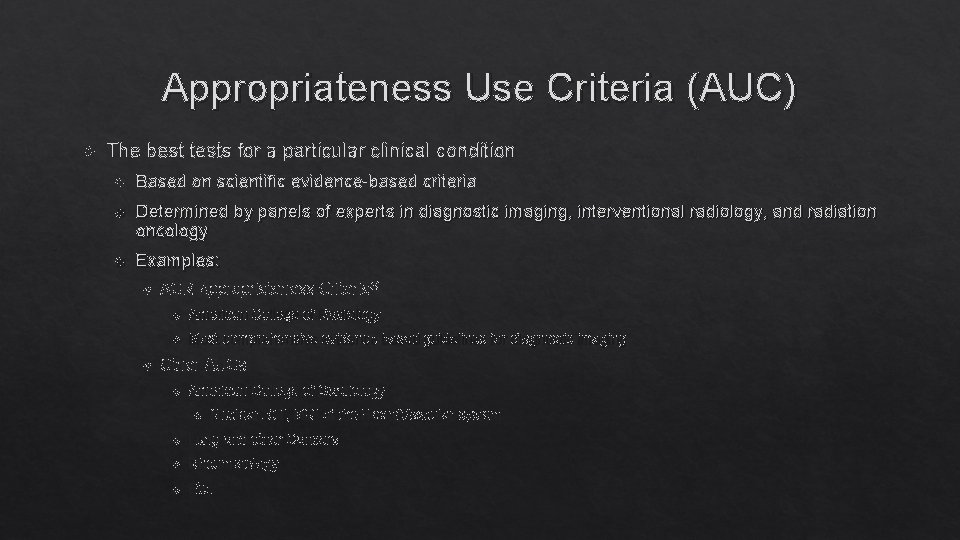
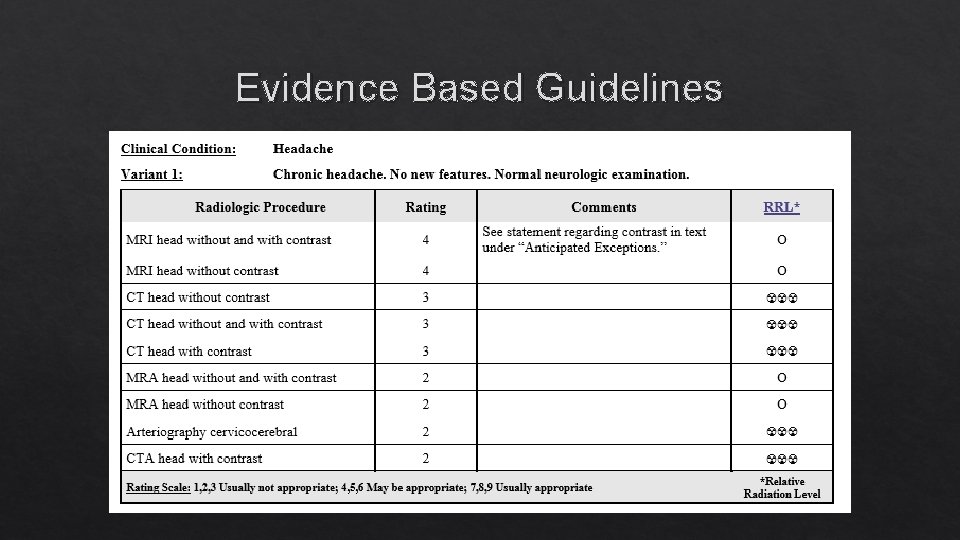
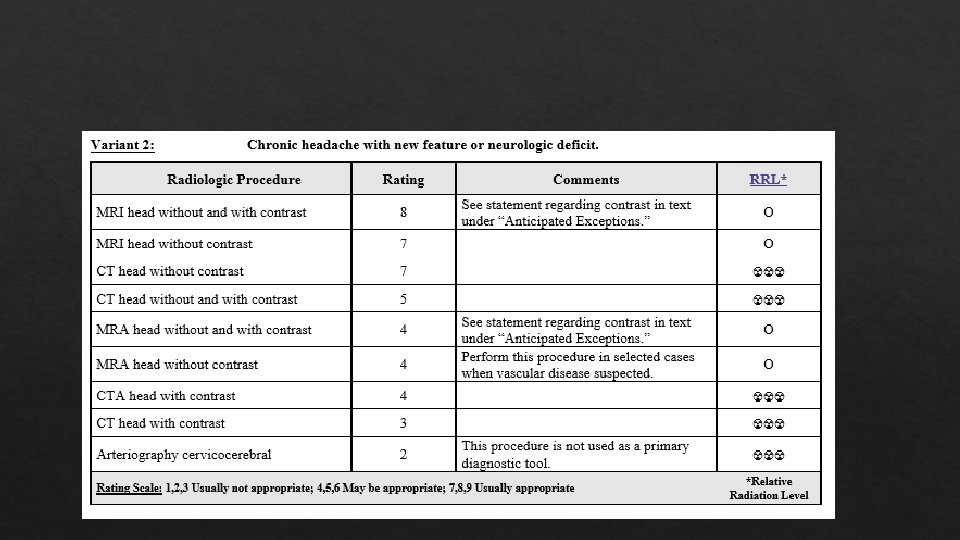
Appropriateness Use Criteria (AUC) The best tests for a particular clinical condition Based on scientific evidence-based criteria Determined by panels of experts in diagnostic imaging, interventional radiology, and radiation oncology Examples: ACR Appropriateness Criteria® American College of Radiology Most comprehensive evidence based guidelines for diagnostic imaging Other AUCs American College of Cardiology Nuclear, CT, MRI of the Heart/Vascular system Lung and other Cancers Rheumatology Etc.
Evidence Based Guidelines
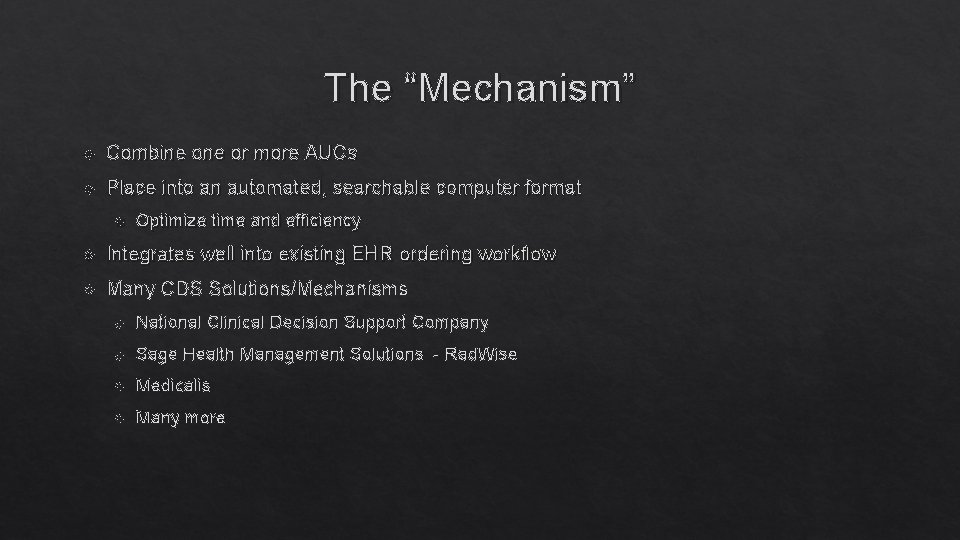
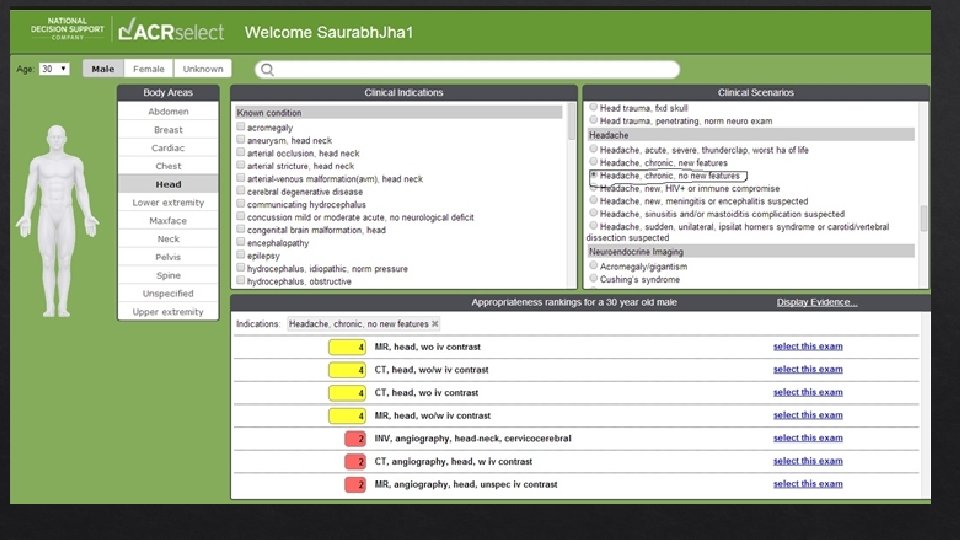
The “Mechanism” Combine or more AUCs Place into an automated, searchable computer format Optimize time and efficiency Integrates well into existing EHR ordering workflow Many CDS Solutions/Mechanisms National Clinical Decision Support Company Sage Health Management Solutions - Rad. Wise Medicalis Many more
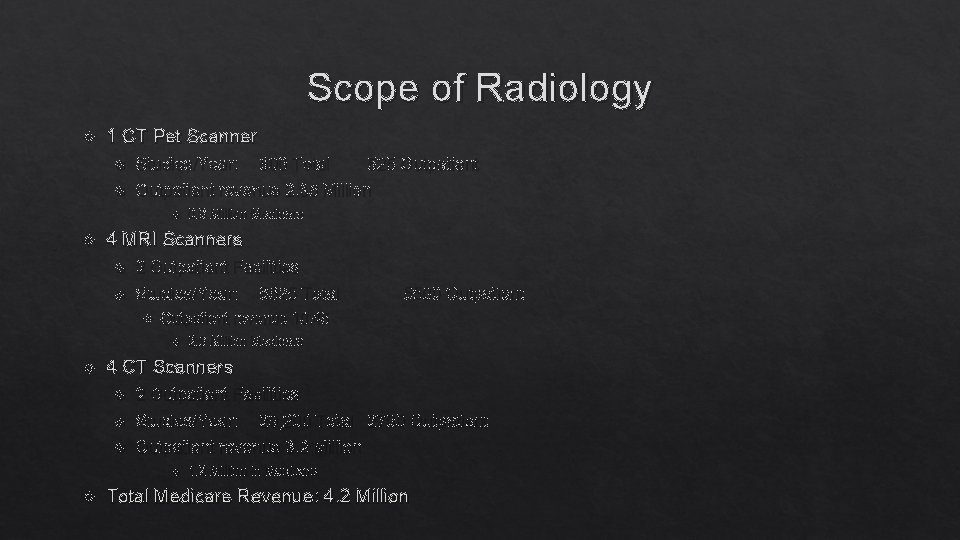
Scope of Radiology 1 CT Pet Scanner Studies/Year: Outpatient revenue 2. 36 Million 0. 9 Million Medicare 2 Outpatient Facilities Studies/Year: 8625 Total 5500 Outpatient revenue 10. 45 2. 9 Million Medicare 4 CT Scanners 2 Outpatient Facilities Studies/Year: Outpatient revenue 3. 2 Million 525 Outpatient 4 MRI Scanners 600 Total 29, 200 Total 2700 Outpatient 1. 2 Million in Medicare Total Medicare Revenue: 4. 2 Million
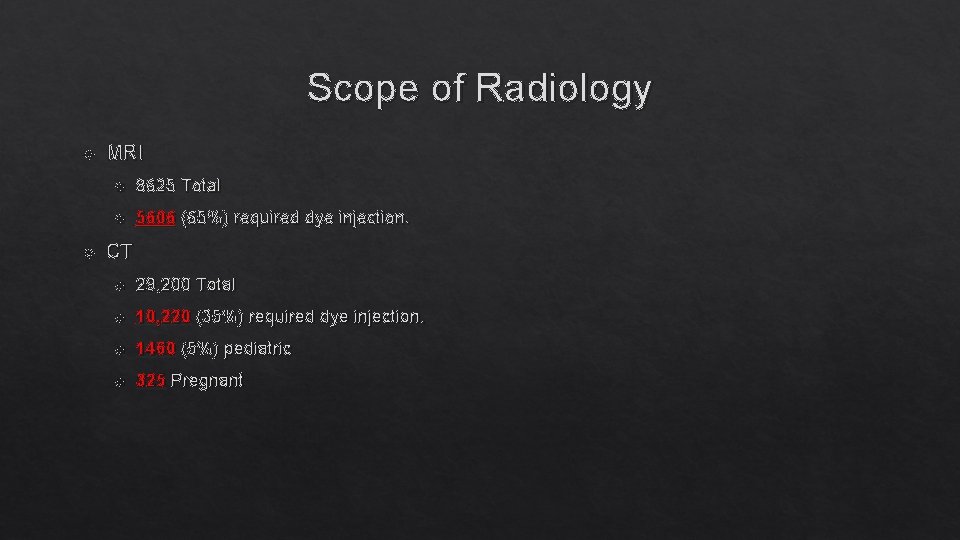
Scope of Radiology MRI 8625 Total 5606 (65%) required dye injection. CT 29, 200 Total 10, 220 (35%) required dye injection. 1460 (5%) pediatric 325 Pregnant
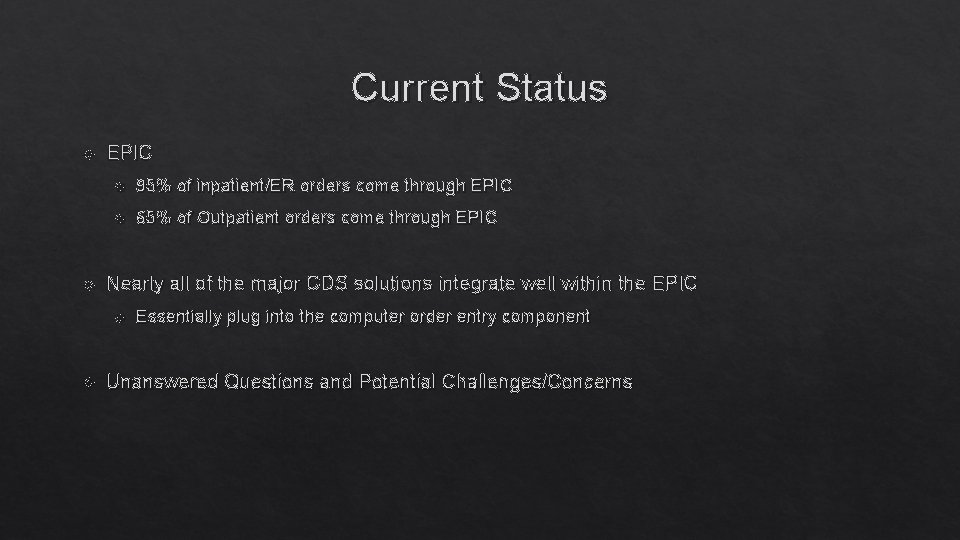
Current Status EPIC 95% of inpatient/ER orders come through EPIC 65% of Outpatient orders come through EPIC Nearly all of the major CDS solutions integrate well within the EPIC Essentially plug into the computer order entry component Unanswered Questions and Potential Challenges/Concerns
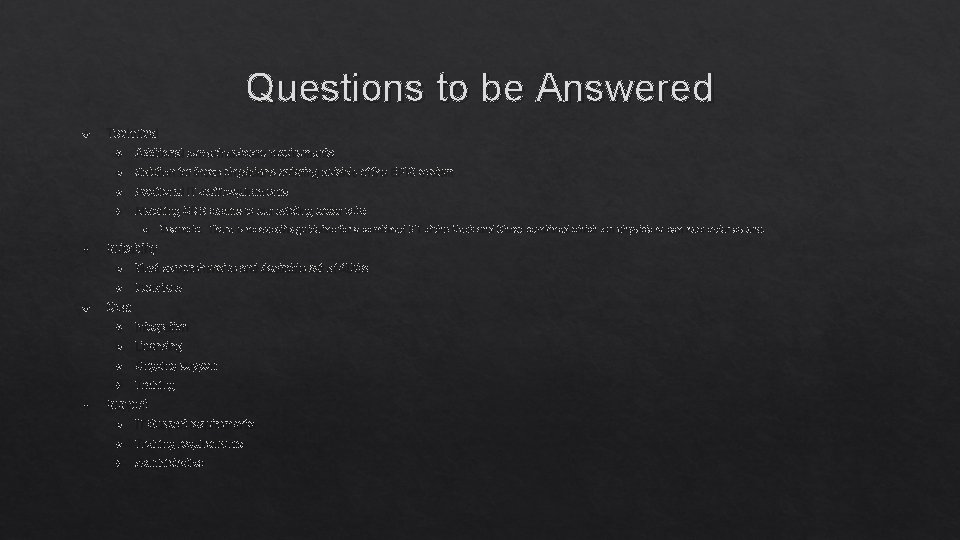
Questions to be Answered Technical Additional server/hardware requirements Solution for those physicians ordering outside of the EPIC system Additional IT staff requirements Matching CDS exams to our existing order sets Example: There is no specific guideline for a combined CT of the Neck and Chest combined which our physicians can now order as one. Suitability Most comprehensive and desirable set of AUCs Workflow Cost Integration Licensing Ongoing support Training Support IT Support requirements Training requirements Administrative
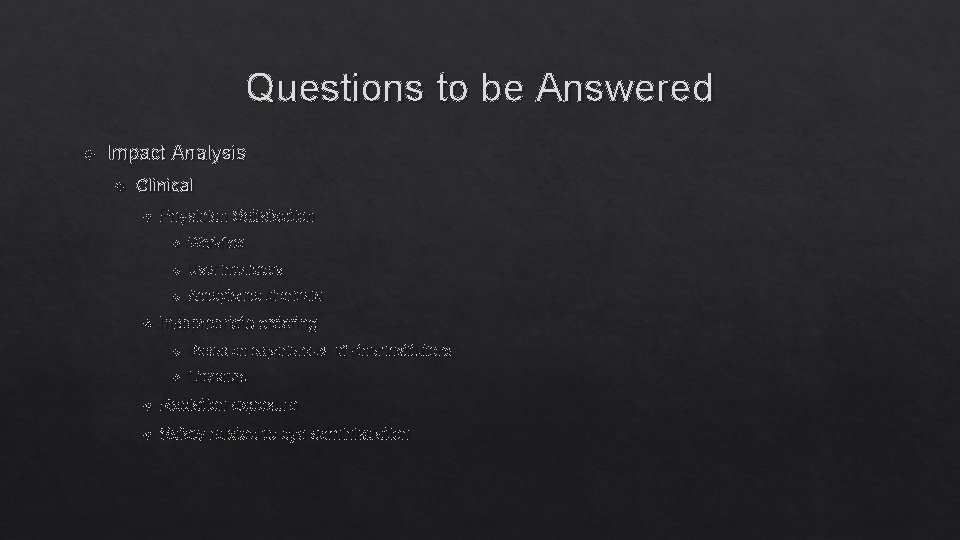
Questions to be Answered Impact Analysis Clinical Physician Satisfaction Workflow User interfaces Acceptance of criteria Inappropriate ordering Based on experiences of other institutions Literature Radiation exposure Safety related to dye administration
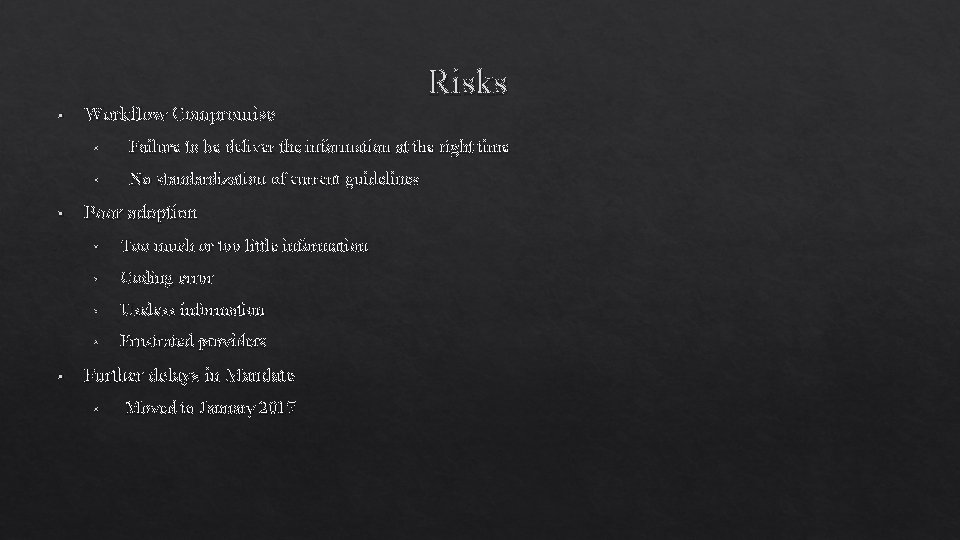
§ § § Workflow Compromise Risks • Failure to be deliver the information at the right time • No standardization of current guidelines Poor adoption • Too much or too little information • Coding error • Useless information • Frustrated providers Further delays in Mandate • Moved to January 2017
Proposal • • Benefits of CDS shows compelling evidence based on safety and quality • Ensure compliance with CMS mandate • Ensuring the Five Rights of CDS (patient, information, format, channel, time in workflow) • Potential for positive impact on the preauthorization process • Cost-Saving observed based on decrease of unnecessary radiology test ordering Request • Procure the necessary resources to research the proper implementation of Clinical Decision Support for our organization. • Goals • Initiate an in-depth investigation due lack of evidence available • Review potential vendors based on ease of implementation, usability, safety profile, and cost effectiveness
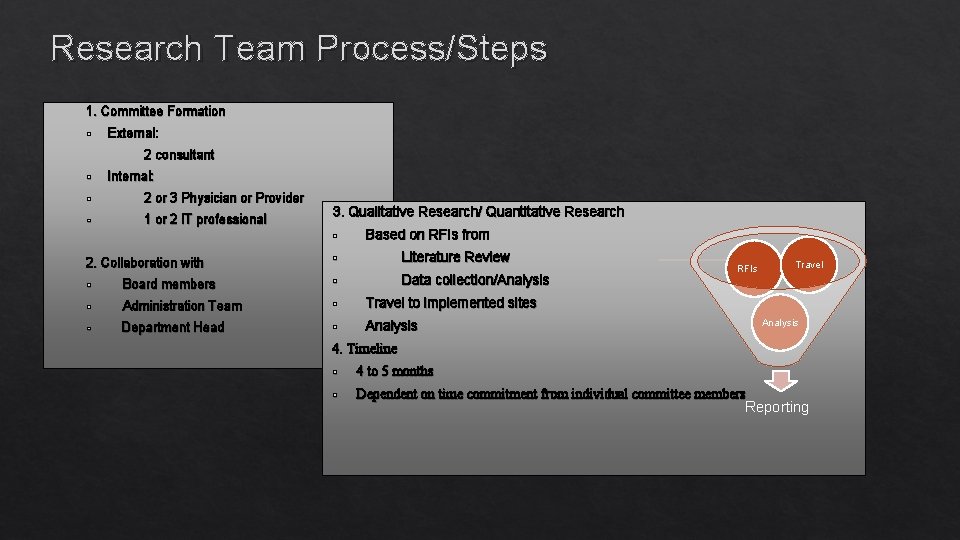
Research Team Process/Steps 1. Committee Formation § External: 2 consultant § Internal: § 2 or 3 Physician or Provider § 1 or 2 IT professional 3. Qualitative Research/ Quantitative Research § 2. Collaboration with Based on RFIs from § Literature Review Data collection/Analysis § Board members § § Administration Team § Travel to implemented sites § Department Head § Analysis RFIs Travel Analysis 4. Timeline § 4 to 5 months § Dependent on time commitment from individual committee members Reporting
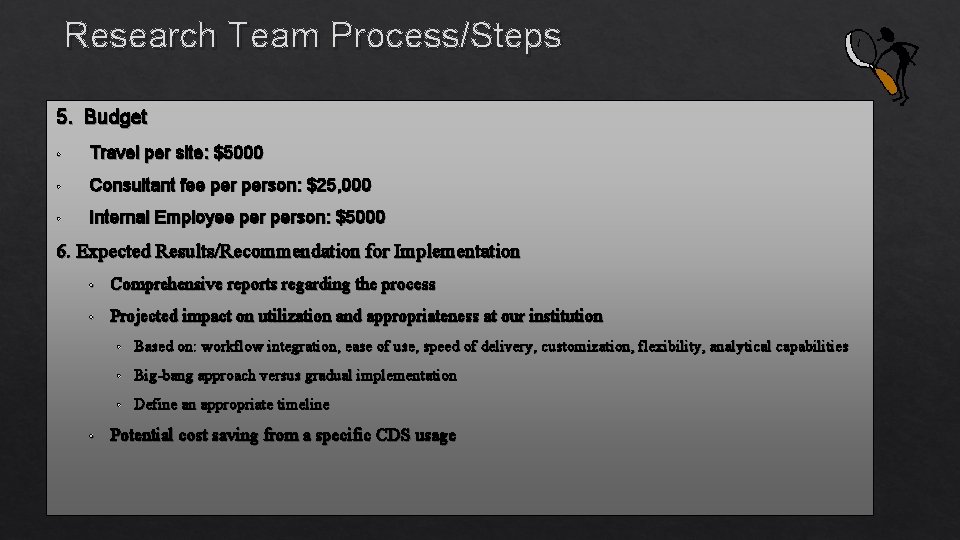
Research Team Process/Steps 5. Budget • Travel per site: $5000 • Consultant fee person: $25, 000 • Internal Employee person: $5000 6. Expected Results/Recommendation for Implementation • Comprehensive reports regarding the process • Projected impact on utilization and appropriateness at our institution • • Based on: workflow integration, ease of use, speed of delivery, customization, flexibility, analytical capabilities • Big-bang approach versus gradual implementation • Define an appropriate timeline Potential cost saving from a specific CDS usage
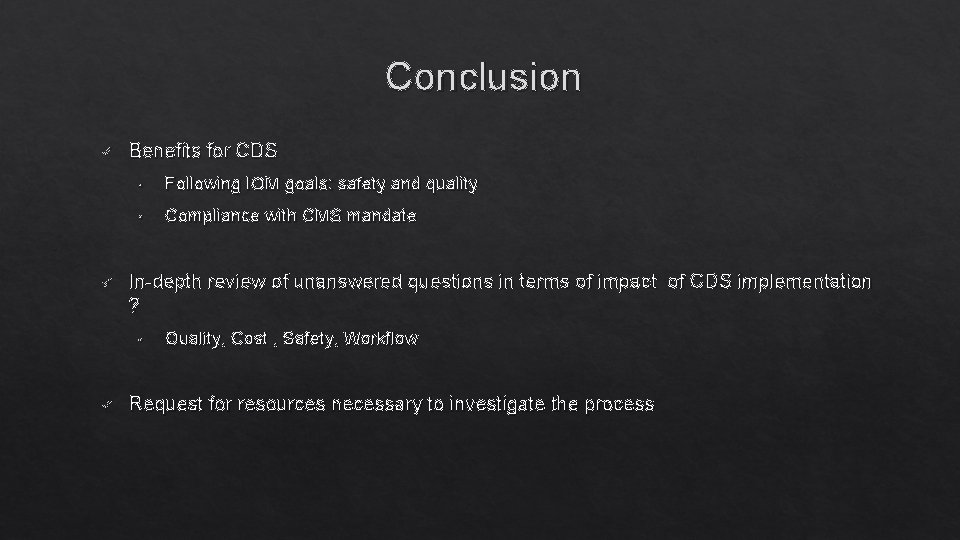
Conclusion ü ü Benefits for CDS • Following IOM goals: safety and quality • Compliance with CMS mandate In-depth review of unanswered questions in terms of impact of CDS implementation ? • ü Quality, Cost , Safety, Workflow Request for resources necessary to investigate the process
Questions?
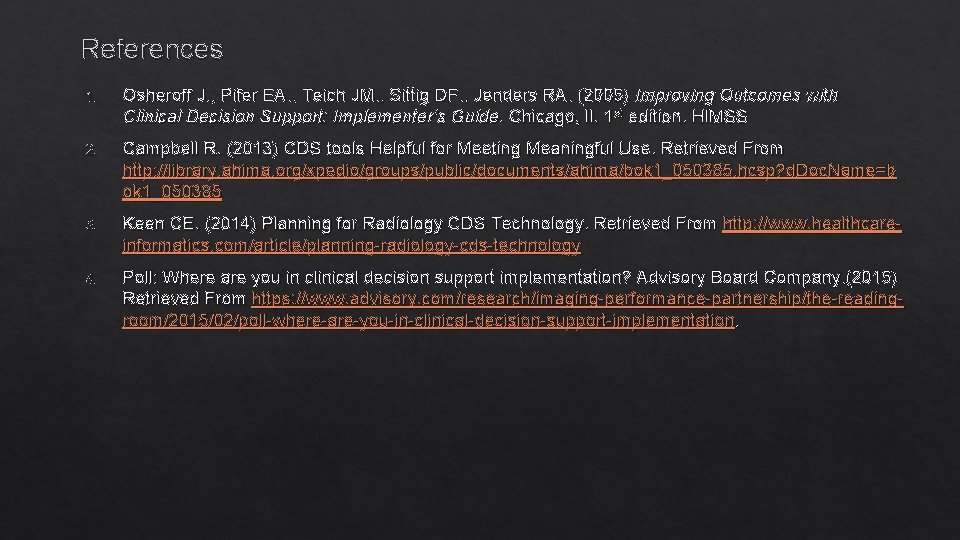
References 1. Osheroff J. , Pifer EA. , Teich JM. , Sittig DF. , Jenders RA. (2005) Improving Outcomes with Clinical Decision Support: Implementer’s Guide. Chicago, Il. 1 st edition. HIMSS 2. Campbell R. (2013) CDS tools Helpful for Meeting Meaningful Use. Retrieved From http: //library. ahima. org/xpedio/groups/public/documents/ahima/bok 1_050385. hcsp? d. Doc. Name=b ok 1_050385 3. Keen CE. (2014) Planning for Radiology CDS Technology. Retrieved From http: //www. healthcareinformatics. com/article/planning-radiology-cds-technology 4. Poll: Where are you in clinical decision support implementation? Advisory Board Company. (2015) Retrieved From https: //www. advisory. com/research/imaging-performance-partnership/the-readingroom/2015/02/poll-where-are-you-in-clinical-decision-support-implementation.
References: Rao, Q. A. & Newhouse, J. H. (2006). Risk of Nephropathy after Intravenous Administration of Contrast Material: A Critical Literature Analysis. Radiology, 239(2), 392 -397. Retrieved from http: //pubs. rsna. org. turing. library. northwestern. edu/doi/pdf/10. 1148/radiol. 2392050413 Katzberg, R. W. & Barrett, B. J. (2007). Risk of Iodinated Constrast Material-induced Nephropathy with Intravenous Administration. Radiology, 243(3), 622 -628. Retrieved from http: //pubs. rsna. org/doi/pdf/10. 1148/radiol. 2433061411 Amis, S. E. , Butler, P. F. , Applegate, K. E. , Birnbaum, S. B. , Brateman, L. F. , Hevezi, J. M. , Mettler, F. A. , Morin, R. L. , Pentecost, M. J. , Smith, G. G. , Strauss, K. J. & Zeman, R. K. (2007). American College of Radiology White Paper on Radiation Dose in Medicine. Journal of American College of Radiology, 4, 272 -284. Retrieved from http: //ac. els-cdn. com. turing. library. northwestern. edu/S 1546144007001081/1 -s 2. 0 -S 1546144007001081 -main. pdf? _tid=283 d 2 fe 0 -e 103 -11 e 58 c 50 -00000 aacb 35 e&acdnat=1456984118_1 aeb 679941 be 697 f 6 a 9 c 6 c 1 a 35 a 2 bdad Frush, D. P. & Applegate K. (2004). Computed Tomography and Radiation: understanding the Issues. Journal of the Americanl College of Radiology 1(2). Retrieved from : http: //ac. els-cdn. com. turing. library. northwestern. edu/S 1546144003000371/1 -s 2. 0 -S 1546144003000371 -main. pdf? _tid=acfa 521 a-e 105 -11 e 5 bde 2 -00000 aab 0 f 26&acdnat=1456985199_95 a 06162 b 52 acb 68 da 5 a 7 d 75 b 660 ca 75 Ip, I. K. , Gershanik, E. F. , Schneider, L. I. , Raja, A. S. , Mar, W. , Seltzer, S. , Healey, M. J. , Khorasami, R. (2014). Impact of IT-enabled Intervention on MRI Use for Back Pain. The American Journal of Medicine, 127(6). Retrieved from: http: //www. amjmed. com/article/S 0002 -9343%2814%2900115 -6/pdf Raja, A. S. , Ip, I. K. , Prevedello, L. M. , Sodickson, A. D. , Farkas, C. , Zane, R. D. , Hanson, R. , Goldhaber, S. Z. , Gill, R. R, & Khorasani, R. Effect of Computerized Clinical Decision Support on the Use and Yield of CT Pulmonary Angiography in the Emergency Department. Radiology, 262(2). Retrieved from http: //pubs. rsna. org/doi/pdf/10. 1148/radiol. 11110951 Sistrom, C. L. , Dang, P. A. , Weilburg, J. B. , Dreyer, K. J, . , Rosenthal, D. I. , & Thrall, J. H. (2009). Effect of Computerized Order Entry with Integrated Decision Support on the Growth of Outpatient Procedure Volumes: Seven-year Time Series Analysis. Radiology, 251(1). Retrieved from http: //pubs. rsna. org/doi/pdf/10. 1148/radiol. 2511081174