
Clinical Approaches to IPF Diagnosis and Monitoring Kevin

- Slides: 32
Clinical Approaches to IPF: Diagnosis and Monitoring Kevin R. Flaherty, MD, MS Associate Professor Pulmonary and Critical Care Medicine University of Michigan Health System Ann Arbor, Michigan
Faculty Disclosure It is the policy of The France Foundation to ensure balance, independence, objectivity, and scientific rigor in all its sponsored educational activities. All faculty participating in this activity will disclose to the participants any significant financial interest or other relationship with manufacturer(s) of any commercial product(s)/device(s) and/or provider(s) of commercial services included in this educational activity. The intent of this disclosure is not to prevent a faculty member with a relevant financial or other relationship from participating in the activity, but rather to provide participants with information on which they can base their own judgments. The France Foundation has identified and resolved any and all faculty conflicts of interest prior to the release of this activity. Kevin R. Flaherty, MD, has received grants/research support from Immune. Works, Inter. Mune, and the NIH; he has served as a consultant for Boehringer Ingelheim, Fibro. Gen, Genentech, Gilead, Glaxo. Smith. Kline, Immune. Works, Med. Immune, and Takeda; and he has received honoraria from Boehringer Ingelheim, Forest, Glaxo. Smith. Kline, and Pfizer.
Learning Objectives • Explain the epidemiology of IPF and the importance of accurate and early diagnosis • Indicate how to accurately diagnose IPF in conjunction with a multidisciplinary team
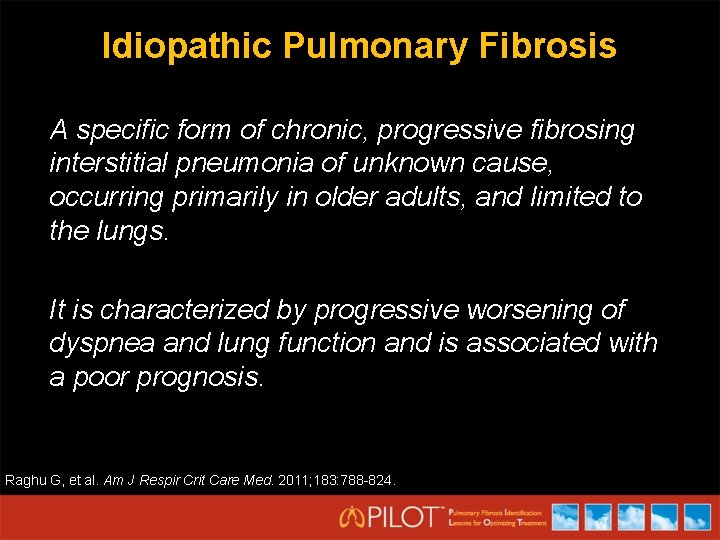
Idiopathic Pulmonary Fibrosis A specific form of chronic, progressive fibrosing interstitial pneumonia of unknown cause, occurring primarily in older adults, and limited to the lungs. It is characterized by progressive worsening of dyspnea and lung function and is associated with a poor prognosis. Raghu G, et al. Am J Respir Crit Care Med. 2011; 183: 788 -824.
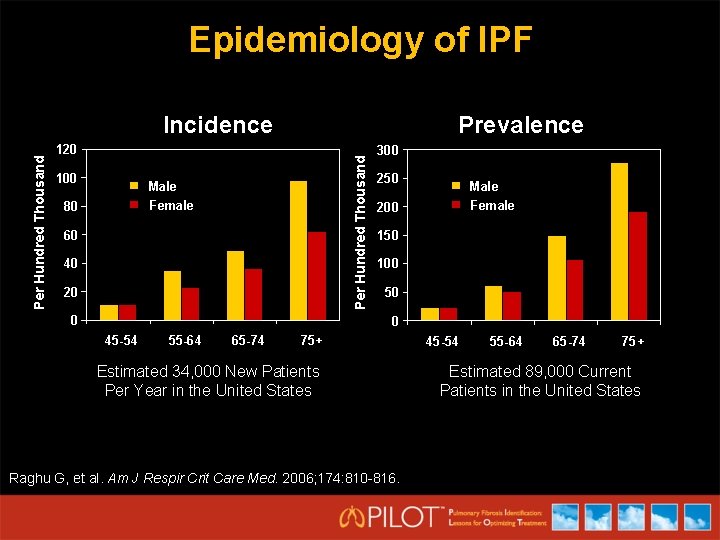
Epidemiology of IPF Prevalence 120 100 Per Hundred Thousand Incidence Male Female 80 60 40 20 0 300 250 Male Female 200 150 100 50 0 45 -54 55 -64 65 -74 75+ Estimated 34, 000 New Patients Per Year in the United States Raghu G, et al. Am J Respir Crit Care Med. 2006; 174: 810 -816. 45 -54 55 -64 65 -74 75+ Estimated 89, 000 Current Patients in the United States
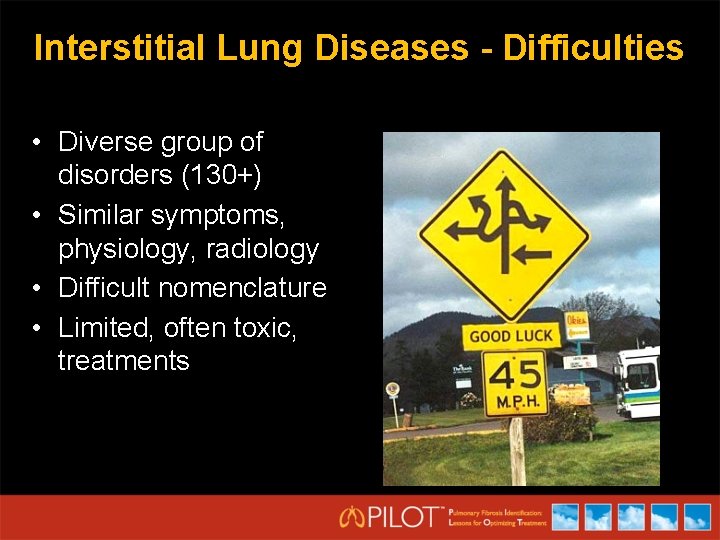
Interstitial Lung Diseases - Difficulties • Diverse group of disorders (130+) • Similar symptoms, physiology, radiology • Difficult nomenclature • Limited, often toxic, treatments
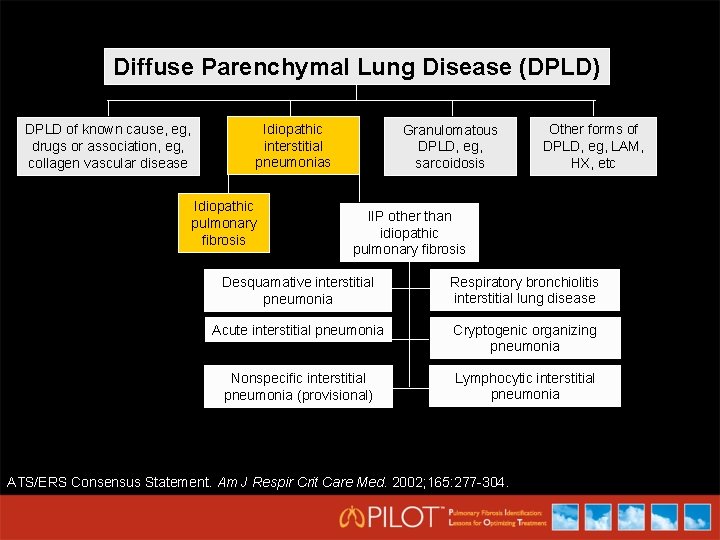
Diffuse Parenchymal Lung Disease (DPLD) DPLD of known cause, eg, drugs or association, eg, collagen vascular disease Idiopathic interstitial pneumonias Idiopathic pulmonary fibrosis Granulomatous DPLD, eg, sarcoidosis Other forms of DPLD, eg, LAM, HX, etc IIP other than idiopathic pulmonary fibrosis Desquamative interstitial pneumonia Respiratory bronchiolitis interstitial lung disease Acute interstitial pneumonia Cryptogenic organizing pneumonia Nonspecific interstitial pneumonia (provisional) Lymphocytic interstitial pneumonia ATS/ERS Consensus Statement. Am J Respir Crit Care Med. 2002; 165: 277 -304.
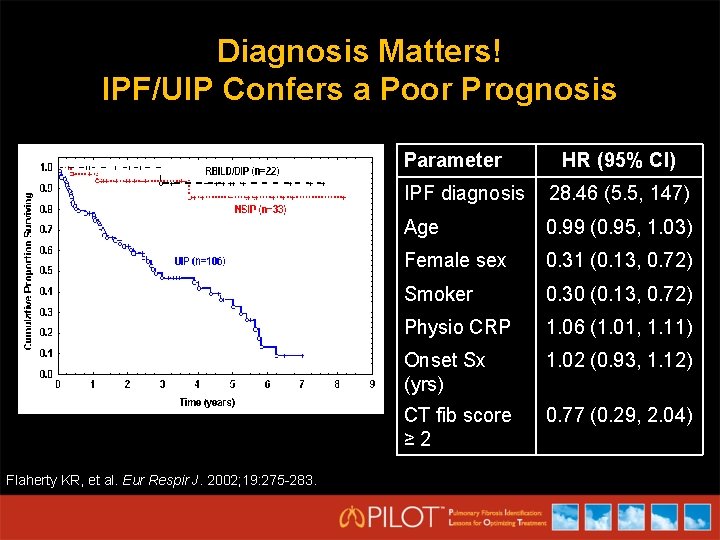
Diagnosis Matters! IPF/UIP Confers a Poor Prognosis Parameter Flaherty KR, et al. Eur Respir J. 2002; 19: 275 -283. HR (95% CI) IPF diagnosis 28. 46 (5. 5, 147) Age 0. 99 (0. 95, 1. 03) Female sex 0. 31 (0. 13, 0. 72) Smoker 0. 30 (0. 13, 0. 72) Physio CRP 1. 06 (1. 01, 1. 11) Onset Sx (yrs) 1. 02 (0. 93, 1. 12) CT fib score ≥ 2 0. 77 (0. 29, 2. 04)
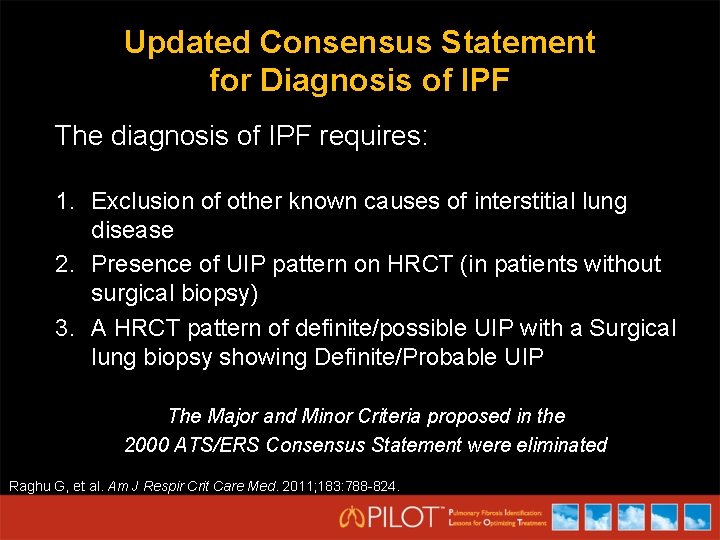
Updated Consensus Statement for Diagnosis of IPF The diagnosis of IPF requires: 1. Exclusion of other known causes of interstitial lung disease 2. Presence of UIP pattern on HRCT (in patients without surgical biopsy) 3. A HRCT pattern of definite/possible UIP with a Surgical lung biopsy showing Definite/Probable UIP The Major and Minor Criteria proposed in the 2000 ATS/ERS Consensus Statement were eliminated Raghu G, et al. Am J Respir Crit Care Med. 2011; 183: 788 -824.
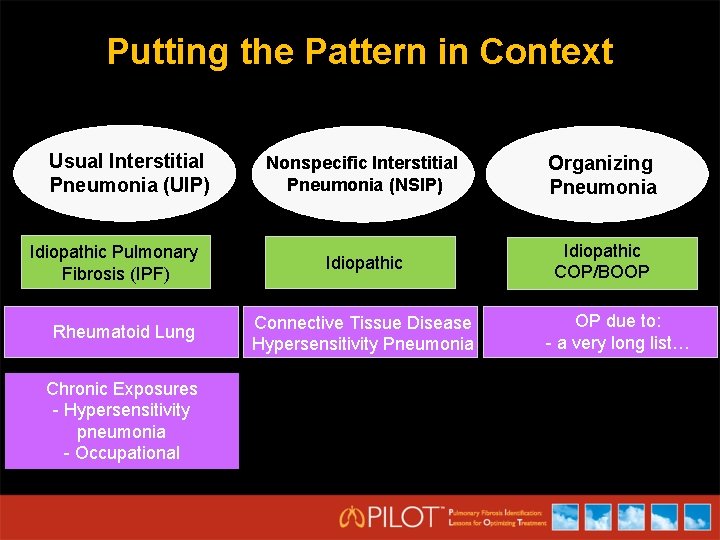
Putting the Pattern in Context Usual Interstitial Pneumonia (UIP) Idiopathic Pulmonary Fibrosis (IPF) Rheumatoid Lung Chronic Exposures - Hypersensitivity pneumonia - Occupational Nonspecific Interstitial Pneumonia (NSIP) Organizing Pneumonia Idiopathic COP/BOOP Connective Tissue Disease Hypersensitivity Pneumonia OP due to: - a very long list…
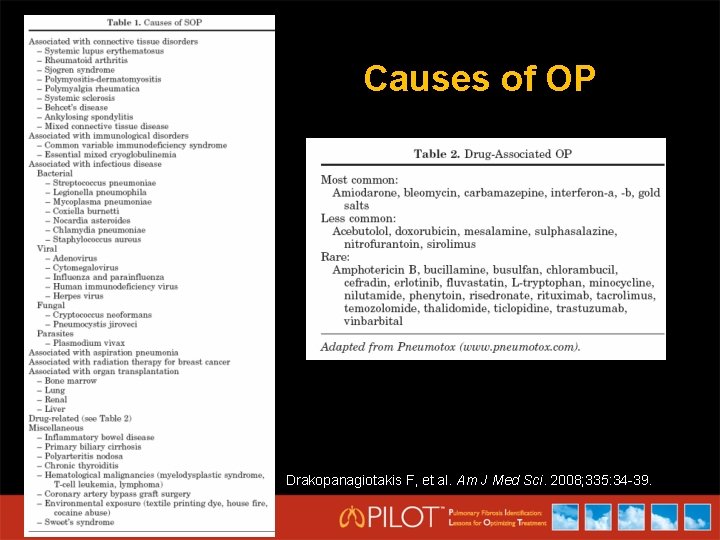
Causes of OP Drakopanagiotakis F, et al. Am J Med Sci. 2008; 335: 34 -39.
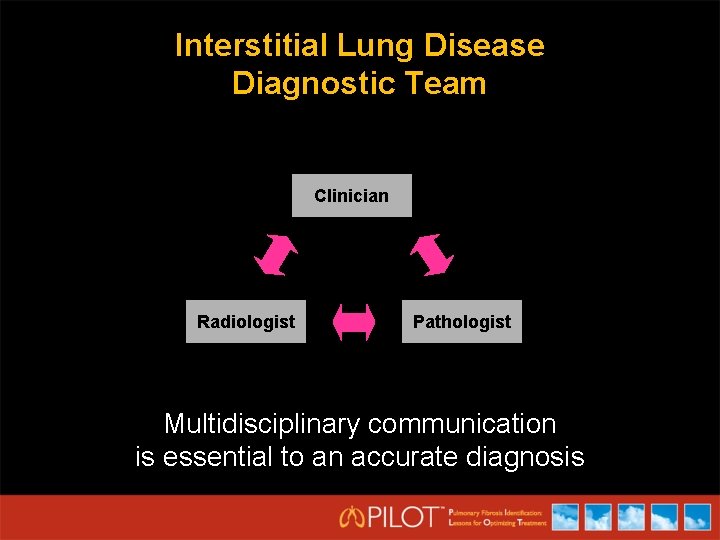
Interstitial Lung Disease Diagnostic Team Clinician Radiologist Pathologist Multidisciplinary communication is essential to an accurate diagnosis
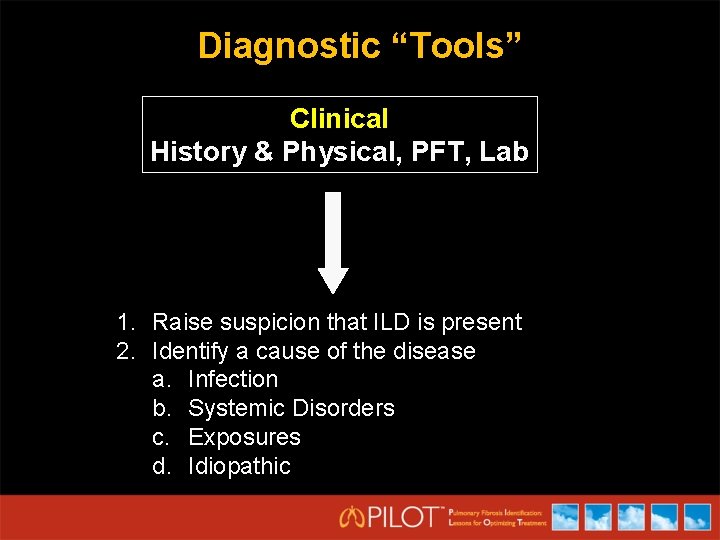
Diagnostic “Tools” Clinical History & Physical, PFT, Lab 1. Raise suspicion that ILD is present 2. Identify a cause of the disease a. Infection b. Systemic Disorders c. Exposures d. Idiopathic
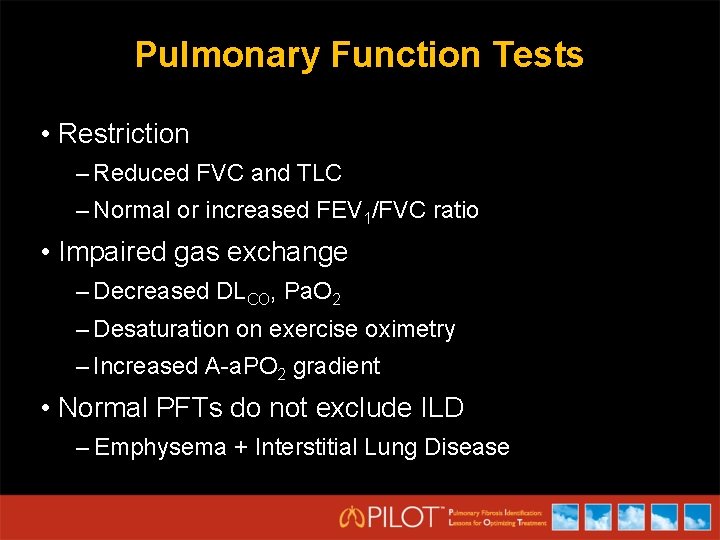
Pulmonary Function Tests • Restriction – Reduced FVC and TLC – Normal or increased FEV 1/FVC ratio • Impaired gas exchange – Decreased DLCO, Pa. O 2 – Desaturation on exercise oximetry – Increased A-a. PO 2 gradient • Normal PFTs do not exclude ILD – Emphysema + Interstitial Lung Disease
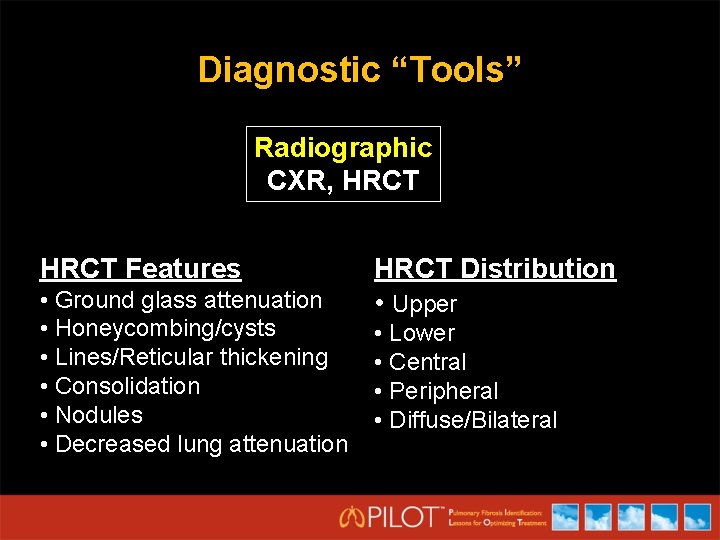
Diagnostic “Tools” Radiographic CXR, HRCT Features • Ground glass attenuation • Honeycombing/cysts • Lines/Reticular thickening • Consolidation • Nodules • Decreased lung attenuation HRCT Distribution • Upper • Lower • Central • Peripheral • Diffuse/Bilateral
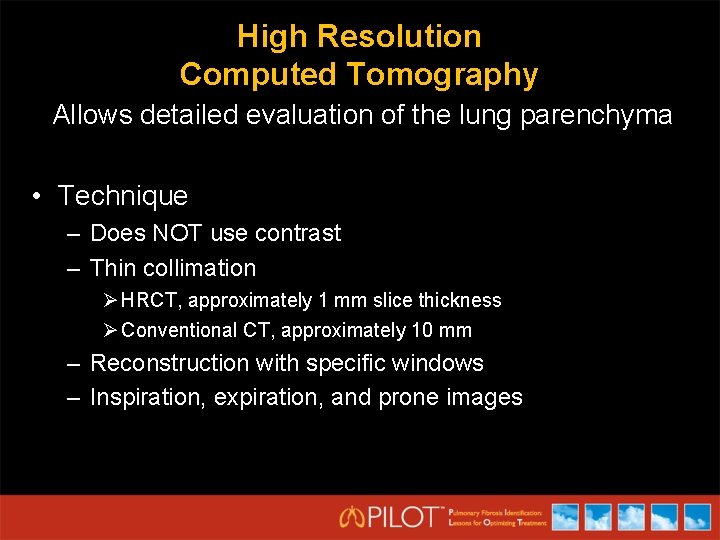
High Resolution Computed Tomography Allows detailed evaluation of the lung parenchyma • Technique – Does NOT use contrast – Thin collimation Ø HRCT, approximately 1 mm slice thickness Ø Conventional CT, approximately 10 mm – Reconstruction with specific windows – Inspiration, expiration, and prone images
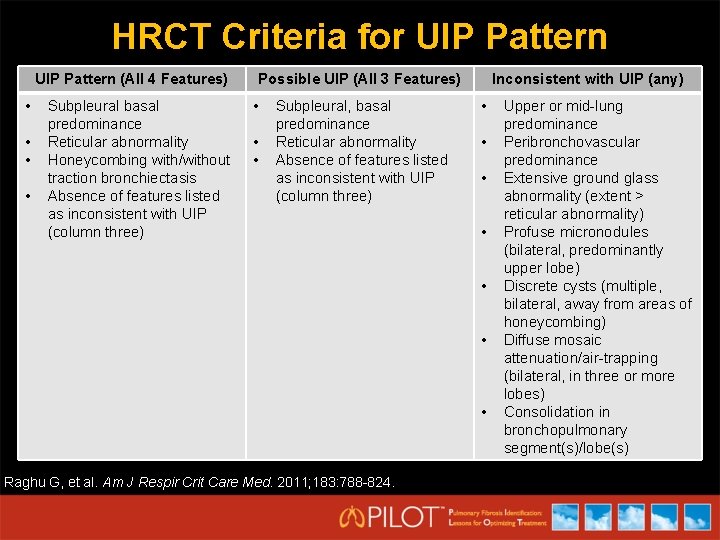
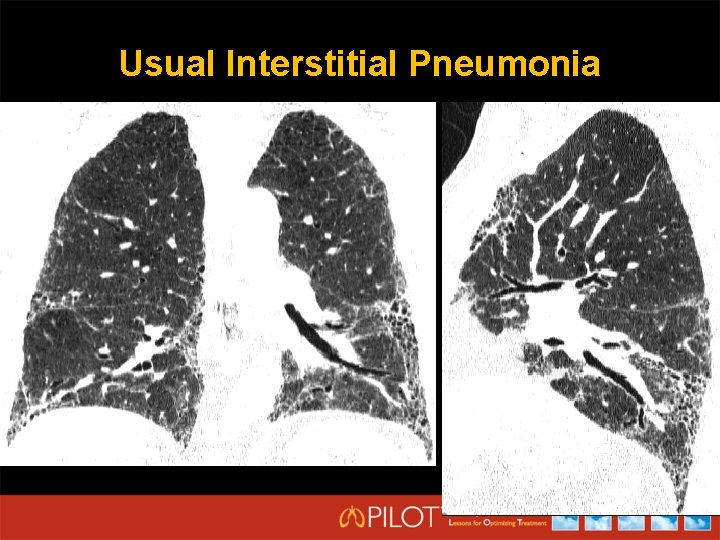
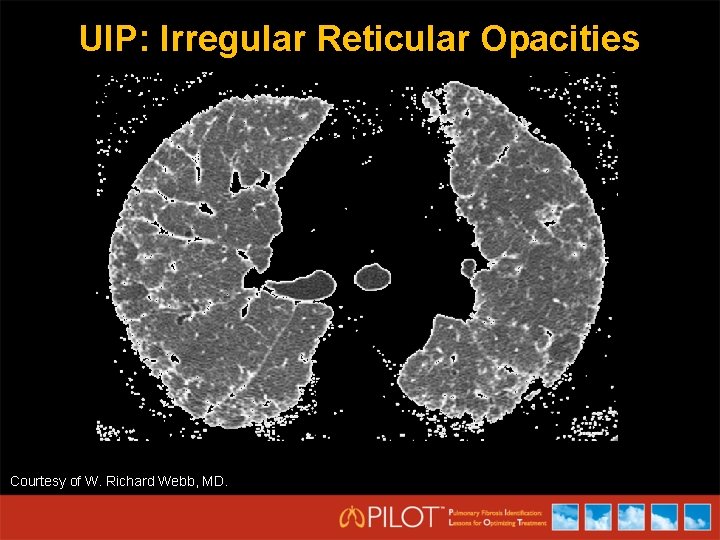
HRCT Criteria for UIP Pattern (All 4 Features) • • Subpleural basal predominance Reticular abnormality Honeycombing with/without traction bronchiectasis Absence of features listed as inconsistent with UIP (column three) Possible UIP (All 3 Features) • • • Subpleural, basal predominance Reticular abnormality Absence of features listed as inconsistent with UIP (column three) Inconsistent with UIP (any) • • Raghu G, et al. Am J Respir Crit Care Med. 2011; 183: 788 -824. Upper or mid-lung predominance Peribronchovascular predominance Extensive ground glass abnormality (extent > reticular abnormality) Profuse micronodules (bilateral, predominantly upper lobe) Discrete cysts (multiple, bilateral, away from areas of honeycombing) Diffuse mosaic attenuation/air-trapping (bilateral, in three or more lobes) Consolidation in bronchopulmonary segment(s)/lobe(s)
Usual Interstitial Pneumonia
UIP: Irregular Reticular Opacities Courtesy of W. Richard Webb, MD.
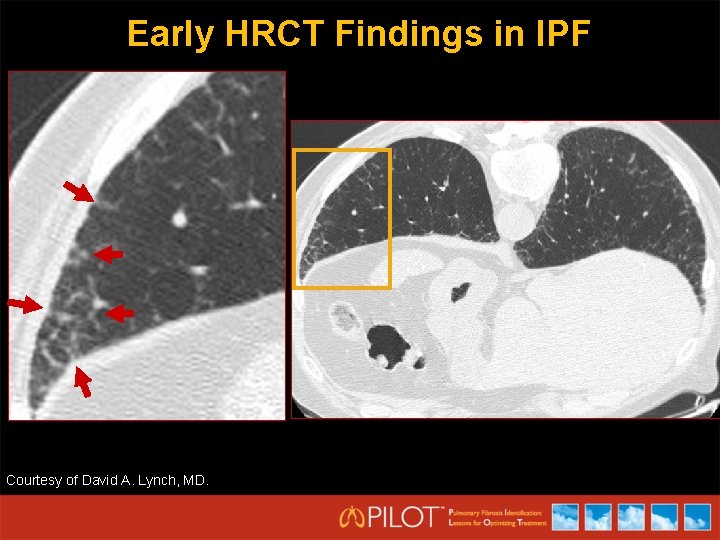
Early HRCT Findings in IPF Courtesy of David A. Lynch, MD.
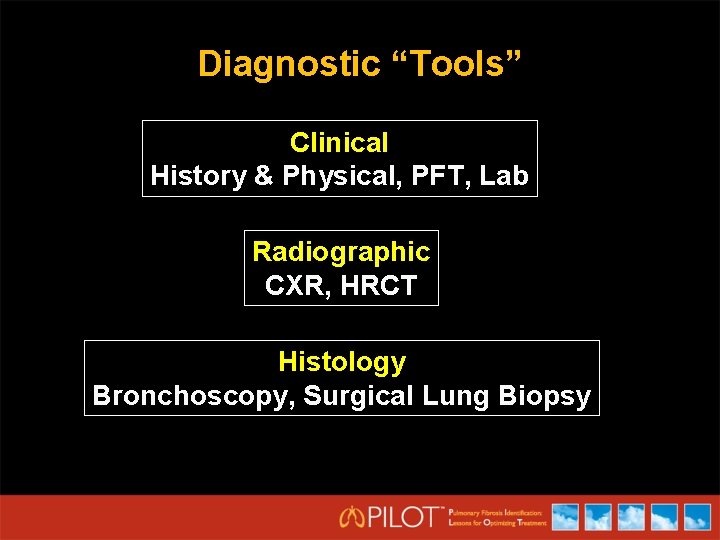
Diagnostic “Tools” Clinical History & Physical, PFT, Lab Radiographic CXR, HRCT Histology Bronchoscopy, Surgical Lung Biopsy
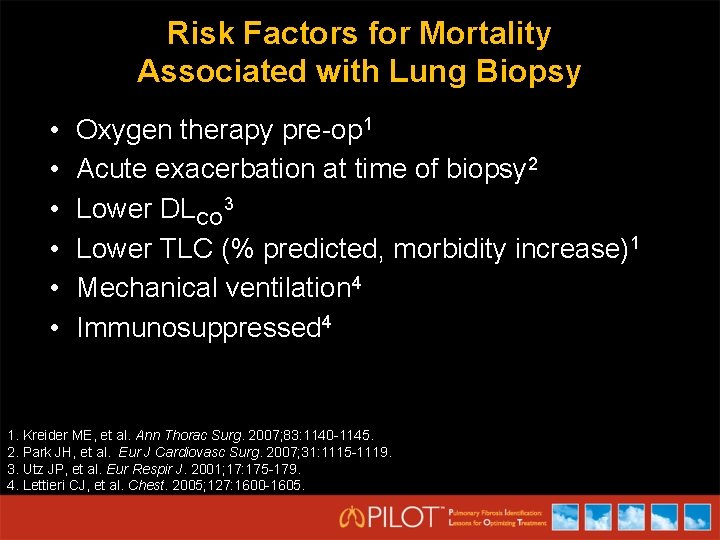
Risk Factors for Mortality Associated with Lung Biopsy • • • Oxygen therapy pre-op 1 Acute exacerbation at time of biopsy 2 Lower DLCO 3 Lower TLC (% predicted, morbidity increase)1 Mechanical ventilation 4 Immunosuppressed 4 1. Kreider ME, et al. Ann Thorac Surg. 2007; 83: 1140 -1145. 2. Park JH, et al. Eur J Cardiovasc Surg. 2007; 31: 1115 -1119. 3. Utz JP, et al. Eur Respir J. 2001; 17: 175 -179. 4. Lettieri CJ, et al. Chest. 2005; 127: 1600 -1605.
IPF: ‘Supportive’ Treatment • Close monitoring of symptoms and pulmonary function • Treatment of comorbid illness – ? GERD – ? Pulmonary Hypertension • Exercise – pulmonary rehabilitation • Oxygen
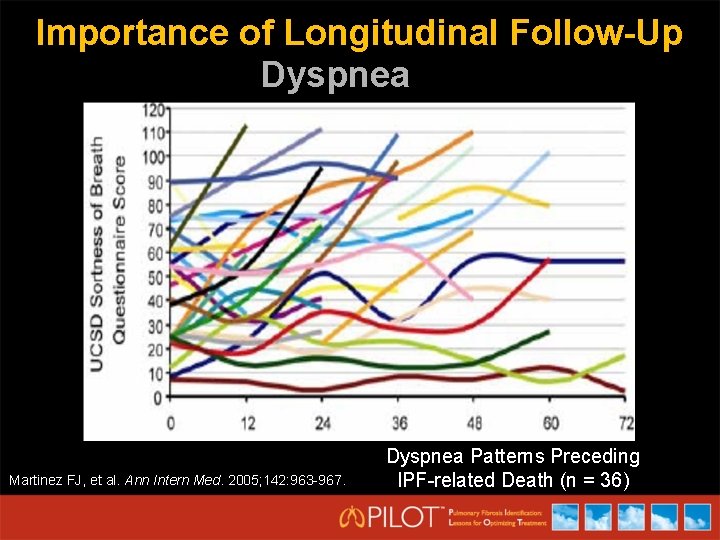
Importance of Longitudinal Follow-Up Dyspnea Martinez FJ, et al. Ann Intern Med. 2005; 142: 963 -967. Dyspnea Patterns Preceding IPF-related Death (n = 36)
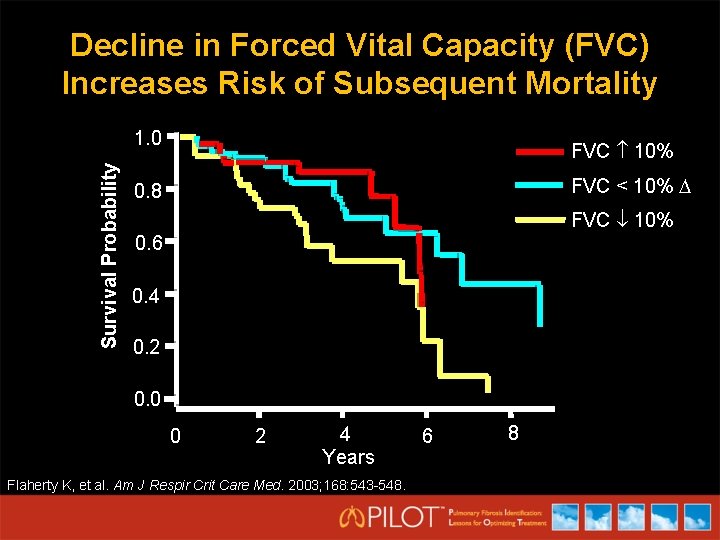
Decline in Forced Vital Capacity (FVC) Increases Risk of Subsequent Mortality Survival Probability 1. 0 FVC 10% FVC < 10% 0. 8 FVC 10% 0. 6 0. 4 0. 2 0. 0 0 2 4 Years Flaherty K, et al. Am J Respir Crit Care Med. 2003; 168: 543 -548. 6 8
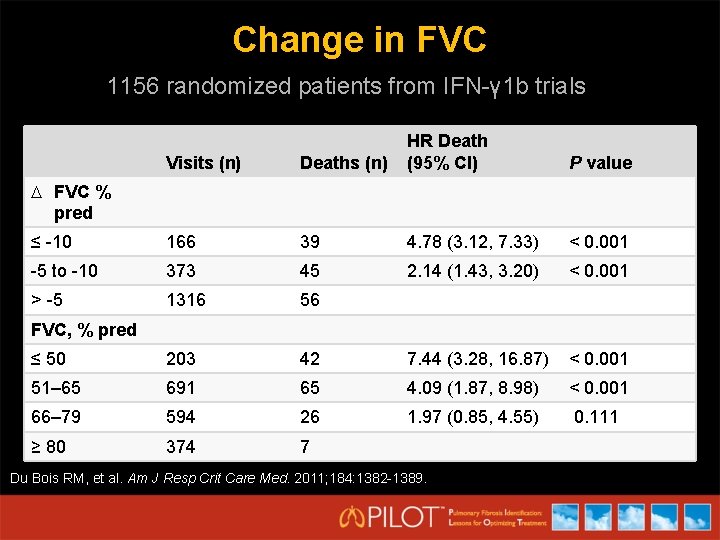
Change in FVC 1156 randomized patients from IFN-γ 1 b trials Visits (n) Deaths (n) HR Death (95% CI) ≤ -10 166 39 4. 78 (3. 12, 7. 33) < 0. 001 -5 to -10 373 45 2. 14 (1. 43, 3. 20) < 0. 001 > -5 1316 56 ≤ 50 203 42 7. 44 (3. 28, 16. 87) < 0. 001 51– 65 691 65 4. 09 (1. 87, 8. 98) < 0. 001 66– 79 594 26 1. 97 (0. 85, 4. 55) 0. 111 ≥ 80 374 7 P value FVC % pred FVC, % pred Du Bois RM, et al. Am J Resp Crit Care Med. 2011; 184: 1382 -1389.
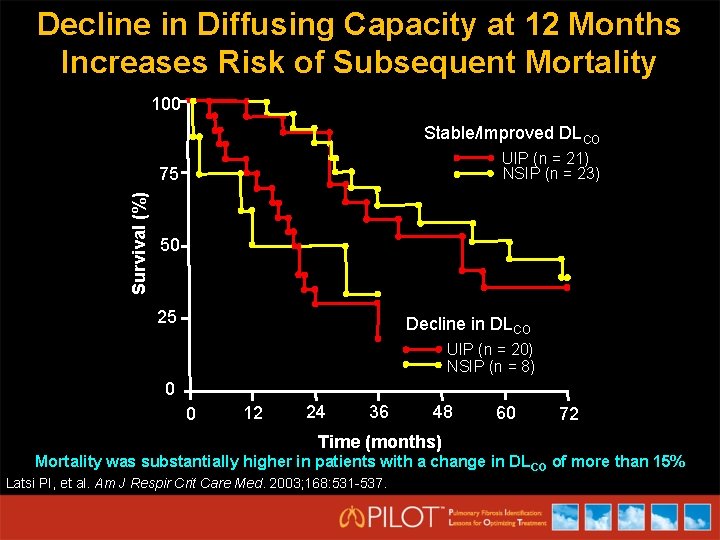
Decline in Diffusing Capacity at 12 Months Increases Risk of Subsequent Mortality 100 Stable/Improved DLCO UIP (n = 21) NSIP (n = 23) Survival (%) 75 50 25 Decline in DLCO UIP (n = 20) NSIP (n = 8) 0 0 12 24 36 48 60 72 Time (months) Mortality was substantially higher in patients with a change in DL CO of more than 15% Latsi PI, et al. Am J Respir Crit Care Med. 2003; 168: 531 -537.
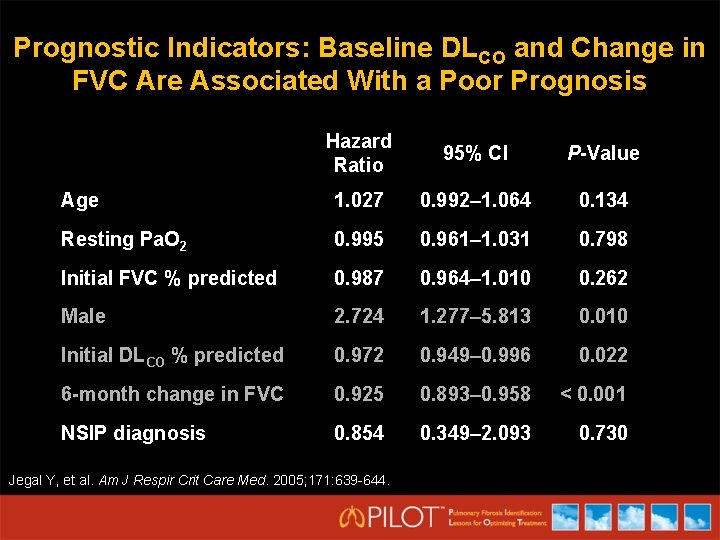
Prognostic Indicators: Baseline DLCO and Change in FVC Are Associated With a Poor Prognosis Hazard Ratio 95% CI P-Value Age 1. 027 0. 992– 1. 064 0. 134 Resting Pa. O 2 0. 995 0. 961– 1. 031 0. 798 Initial FVC % predicted 0. 987 0. 964– 1. 010 0. 262 Male 2. 724 1. 277– 5. 813 0. 010 Initial DLCO % predicted 0. 972 0. 949– 0. 996 0. 022 6 -month change in FVC 0. 925 0. 893– 0. 958 < 0. 001 NSIP diagnosis 0. 854 0. 349– 2. 093 0. 730 Jegal Y, et al. Am J Respir Crit Care Med. 2005; 171: 639 -644.
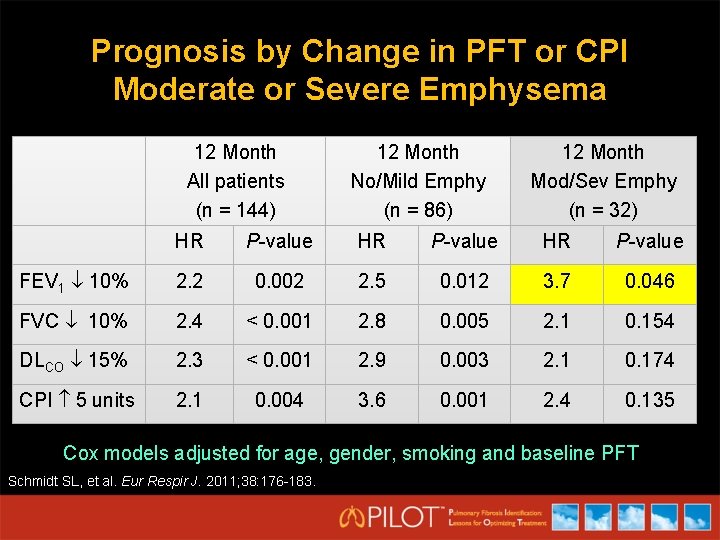
Prognosis by Change in PFT or CPI Moderate or Severe Emphysema 12 Month All patients (n = 144) 12 Month No/Mild Emphy (n = 86) 12 Month Mod/Sev Emphy (n = 32) HR P-value FEV 1 10% 2. 2 0. 002 2. 5 0. 012 3. 7 0. 046 FVC 10% 2. 4 < 0. 001 2. 8 0. 005 2. 1 0. 154 DLCO 15% 2. 3 < 0. 001 2. 9 0. 003 2. 1 0. 174 CPI 5 units 2. 1 0. 004 3. 6 0. 001 2. 4 0. 135 Cox models adjusted for age, gender, smoking and baseline PFT Schmidt SL, et al. Eur Respir J. 2011; 38: 176 -183.
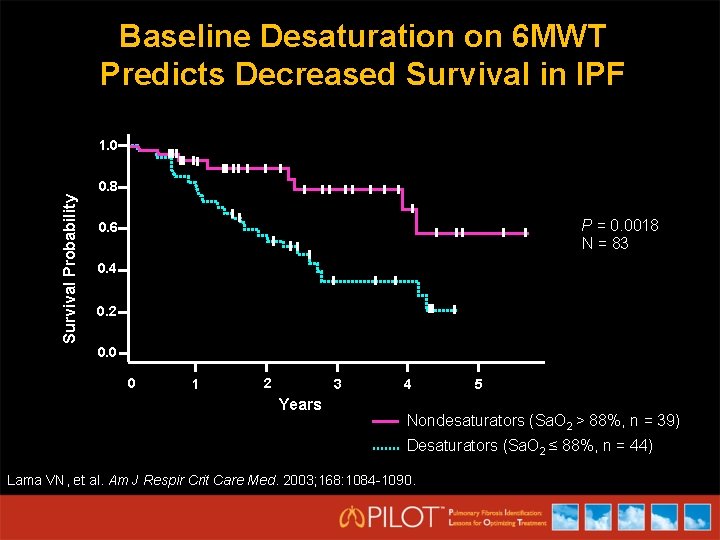
Baseline Desaturation on 6 MWT Predicts Decreased Survival in IPF 1. 0 Survival Probability 0. 8 P = 0. 0018 N = 83 0. 6 0. 4 0. 2 0. 0 0 1 2 3 Years 4 5 Nondesaturators (Sa. O 2 > 88%, n = 39) Desaturators (Sa. O 2 ≤ 88%, n = 44) Lama VN, et al. Am J Respir Crit Care Med. 2003; 168: 1084 -1090.
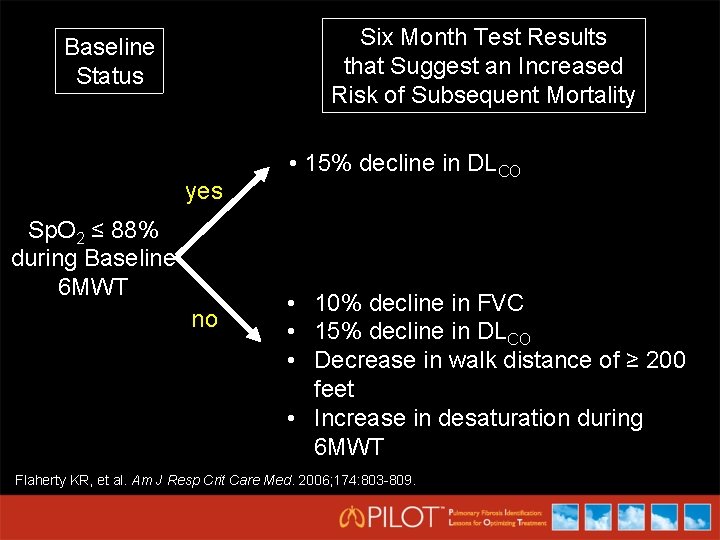
Six Month Test Results that Suggest an Increased Risk of Subsequent Mortality Baseline Status yes Sp. O 2 ≤ 88% during Baseline 6 MWT no • 15% decline in DLCO • 10% decline in FVC • 15% decline in DLCO • Decrease in walk distance of ≥ 200 feet • Increase in desaturation during 6 MWT Flaherty KR, et al. Am J Resp Crit Care Med. 2006; 174: 803 -809.
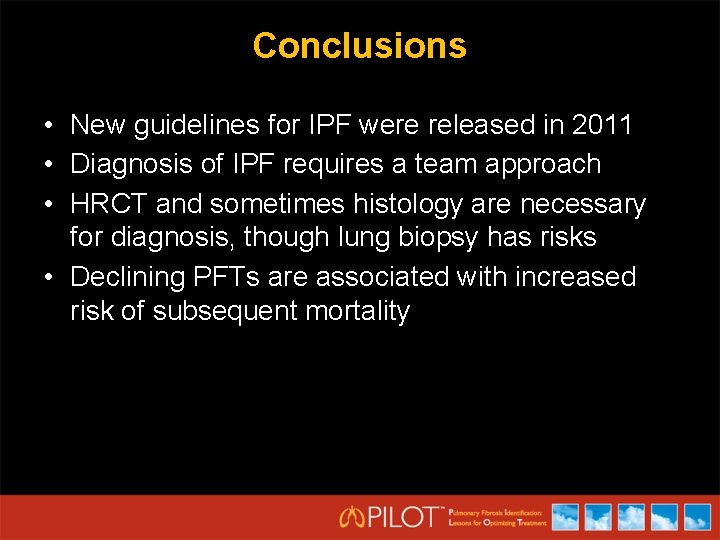
Conclusions • New guidelines for IPF were released in 2011 • Diagnosis of IPF requires a team approach • HRCT and sometimes histology are necessary for diagnosis, though lung biopsy has risks • Declining PFTs are associated with increased risk of subsequent mortality