
Climbing the ladder in high heels how to
Climbing the ladder in high heels: how to keep from slipping off Lynn M Schnapp, MD Professor of Medicine Division Chief Pulmonary, Critical Care, Allergy & Sleep Medicine Medical University of South Carolina
Disclosures n Research Funding n n National Institutes of Health BMS Ironwood I love what I do
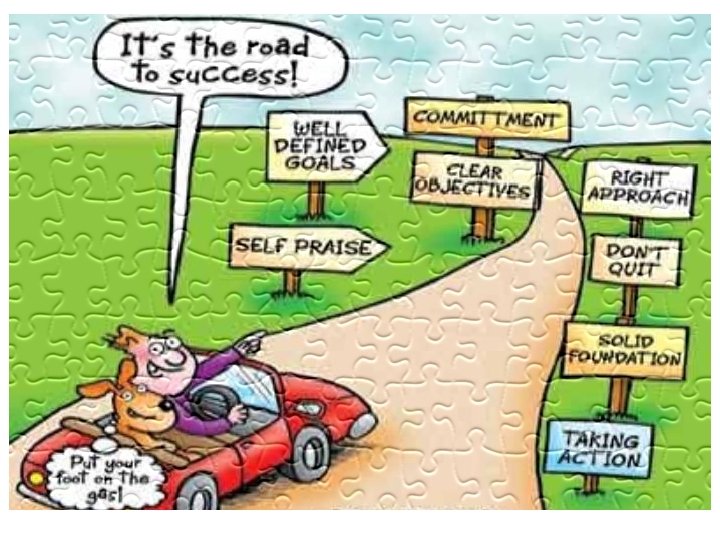
How to get there
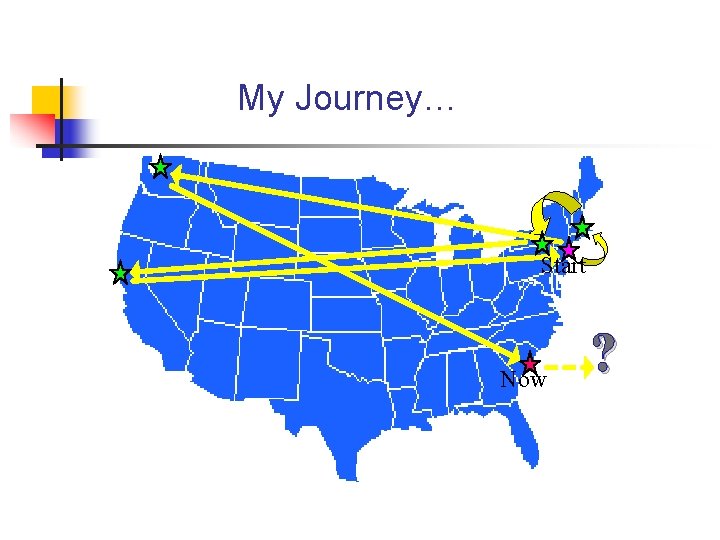
My Journey… Start Now ?
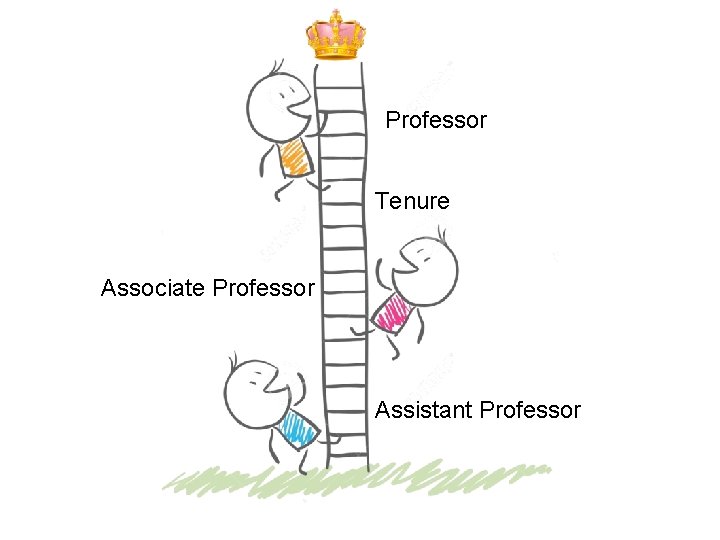
Professor Tenure Associate Professor Assistant Professor
Promotion n What is your faculty track? n n n Know your institutions tracks, criteria Does your faculty track align with your actual responsibilities? Can you switch tracks? What are the criteria for promotion in your track? What is the timeline for promotion n Is there an up and out policy?
Tenure n n n Am I on a tenure-track? What does tenure mean? What are the criteria for tenure? n n Based in demonstrated professional competence in teaching, scholarship, clinical practice and service Potential for future contributions in a like manner Institution's needs and resources No assistant professor will be awarded tenure unless concurrently promoted to associate professor
Climbing up the ladder n Meet with Chair annually n n Review Individual Development Plan with specific goals Maintain a complete and updated CV n n n Institutional CV NIH biosketch Short CV
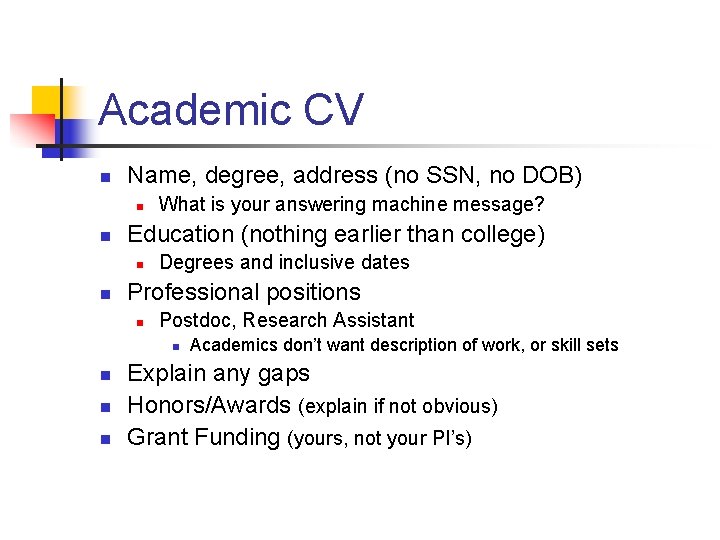
Academic CV n Name, degree, address (no SSN, no DOB) n n Education (nothing earlier than college) n n What is your answering machine message? Degrees and inclusive dates Professional positions n Postdoc, Research Assistant n n Academics don’t want description of work, or skill sets Explain any gaps Honors/Awards (explain if not obvious) Grant Funding (yours, not your PI’s)
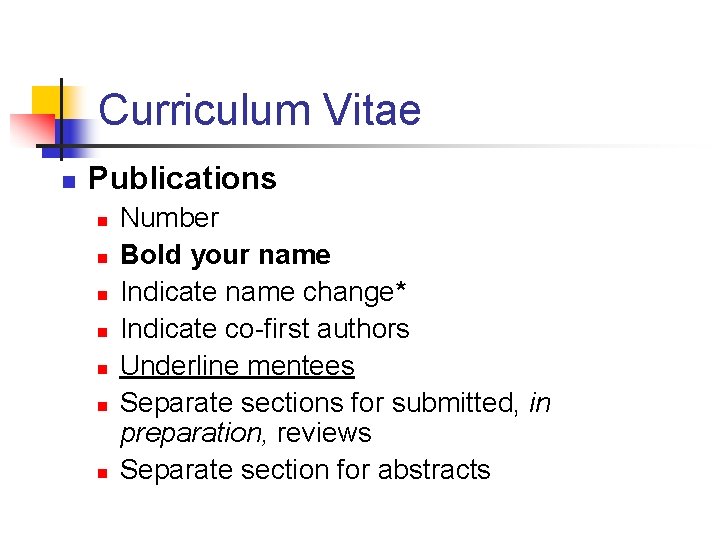
Curriculum Vitae n Publications n n n n Number Bold your name Indicate name change* Indicate co-first authors Underline mentees Separate sections for submitted, in preparation, reviews Separate section for abstracts
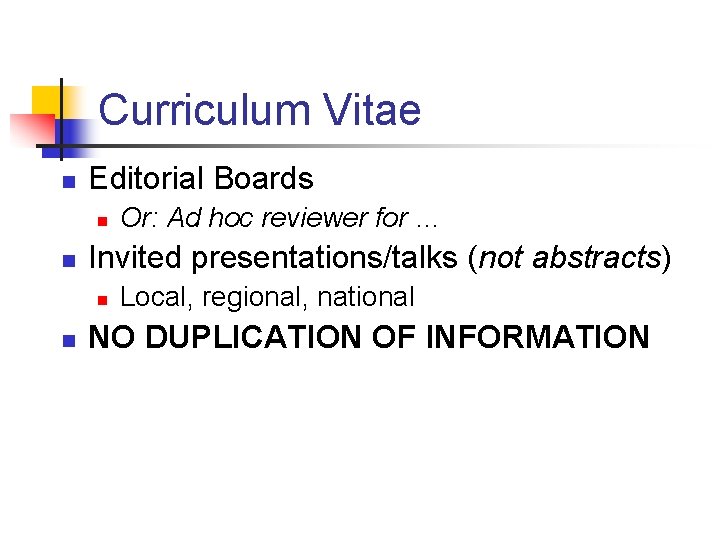
Curriculum Vitae n Editorial Boards n n Invited presentations/talks (not abstracts) n n Or: Ad hoc reviewer for … Local, regional, national NO DUPLICATION OF INFORMATION
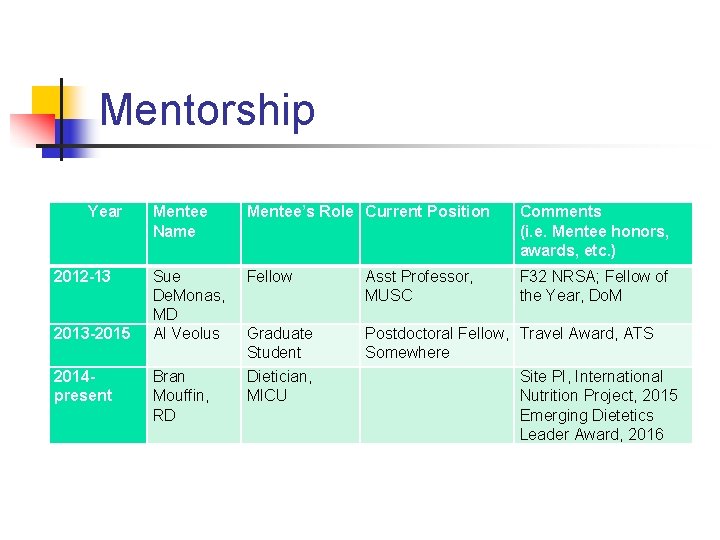
Mentorship Year 2012 -13 2013 -2015 2014 present Mentee Name Mentee’s Role Current Position Comments (i. e. Mentee honors, awards, etc. ) Sue De. Monas, MD Al Veolus Fellow Asst Professor, MUSC F 32 NRSA; Fellow of the Year, Do. M Graduate Student Dietician, MICU Postdoctoral Fellow, Travel Award, ATS Somewhere Site PI, International Nutrition Project, 2015 Emerging Dietetics Leader Award, 2016 Bran Mouffin, RD
Educational Portfolio n n n Academy of Medical Educators Membership on Society Educational Committee Highlight mentees on publications Submit educational activities as poster or manuscript Med. Ed Portal
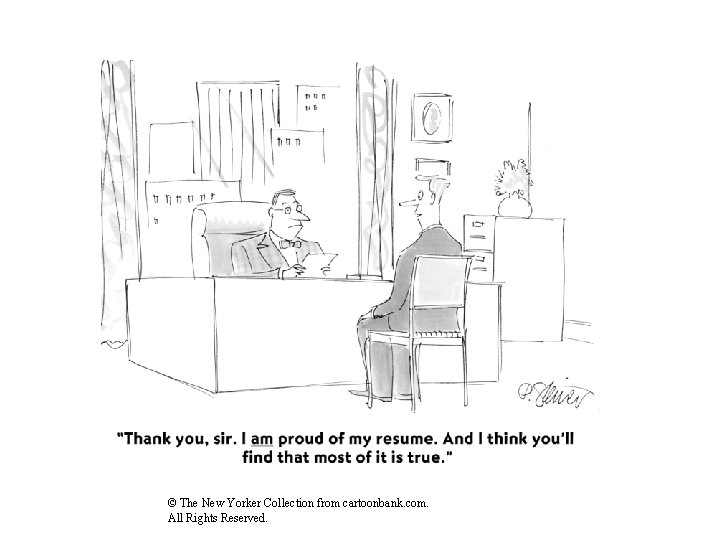
© The New Yorker Collection from cartoonbank. com. All Rights Reserved.
Developing a national reputation n n Requirement for promotion at academic medical centers, regardless of track Promotion to Associate: local/regional reputation Promotion to Professor: national and/or international reputation Parental kvelling rights
How is national reputation measured? n n n Scholarly productivity and its impact Extramural grant funding Invited presentations at national meetings Visiting professorships National awards External Study Sections
How is national reputation measured? n n n Leadership in national professional society Author of guideline, policy statements Editorial boards Invited chapters, book editor Regional and national clinical referrals Name recognition
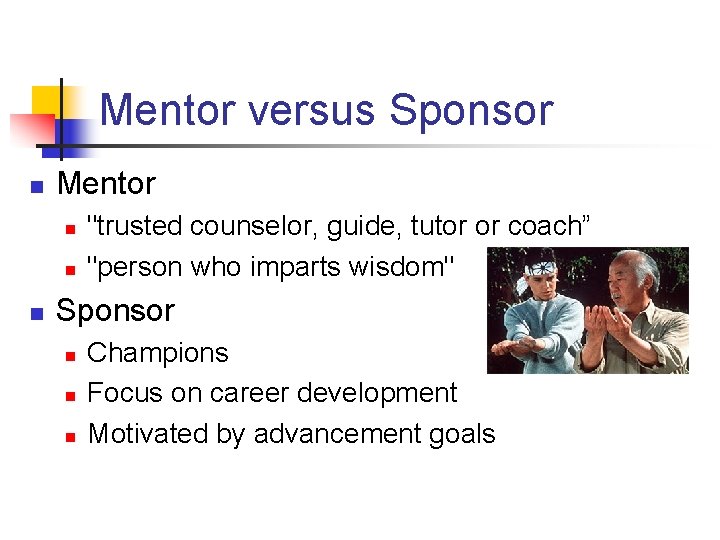
Mentor versus Sponsor n Mentor n n n "trusted counselor, guide, tutor or coach” "person who imparts wisdom" Sponsor n n n Champions Focus on career development Motivated by advancement goals
Mentor versus Sponsor n n n You need a mentor AND a sponsor Mentors talk with you Sponsors talk about you Mentors help you skill up Sponsors help you move up
Tiara Syndrome n n Symptoms include keeping your head down, delivering excellent work and hoping that the right people will notice — and place a tiara on your head! Hope is not a strategy!
Get yourself known n Network at conferences, at seminars, or when a speaker is invited to your institution n n Prepare a pitch for yourself to present the important elements of your work and achievements clearly and concisely when asked Ask questions at conferences during talks
Professional Meetings n Regional meetings good place to practice your presentation skills, build local networks n n National versus regional Always try to submit an abstract n n n Practice and get feedback before meeting Don’t go overboard. Quality is better than quantity Great for networking, collaborations
Professional Societies n n Identify the best society for your career goals Focus on one or two societies: n In-depth experience more helpful than superficial involvement
Learn the organizational structure of your society n n n How and when is committee membership determined How is meeting content determined? Are leaders elected or selected? Are there opportunities for junior members? Are there mentoring programs within your society?
Learn the organizational structure of your society n n n Email the appropriate individuals to get involved Include your CV, brief description Be patient Be persistent Be proactive
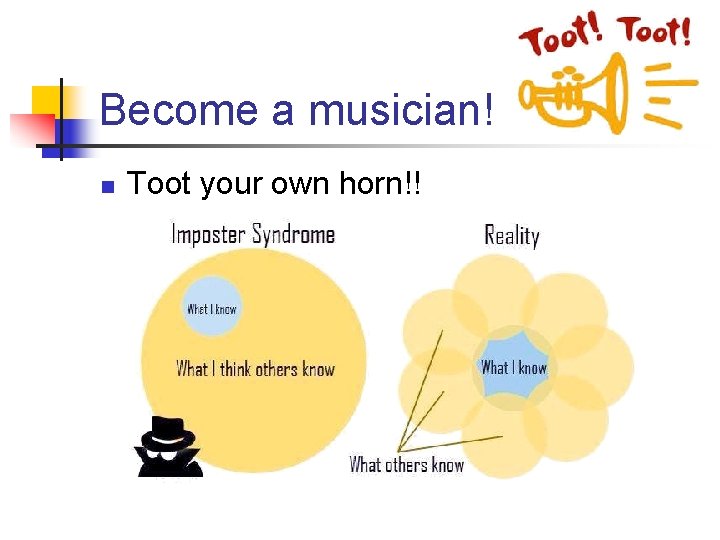
Become a musician! n Toot your own horn!!
Toot your horn n Identify awards, honors and get your mentor or sponsor to nominate you Provide draft of a glowing letter of support for yourself Volunteer for key activities n Propel you forward
How to get involved nationally n When opportunity knocks, answer! n n Be honest about your availability n n Provide substantive feedback when asked Know what is being asked of you Be true to your word n n Follow through Respect others
Putting it together n n Social Media Keep track of everything!! n n n Keep all your evaluations, letters from students, patients, etc Keep on updated and complete CV Have an “expert” review your CV
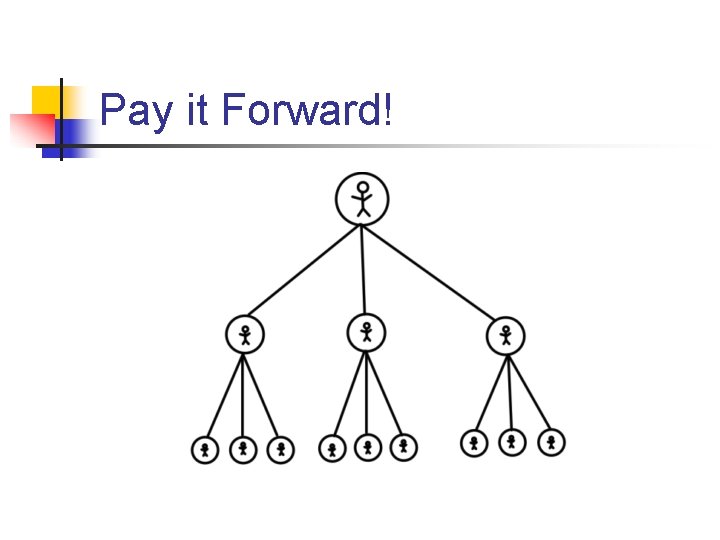
Pay it Forward!
Invest in good shoes!! Paul Green Aquatalia Haflinger
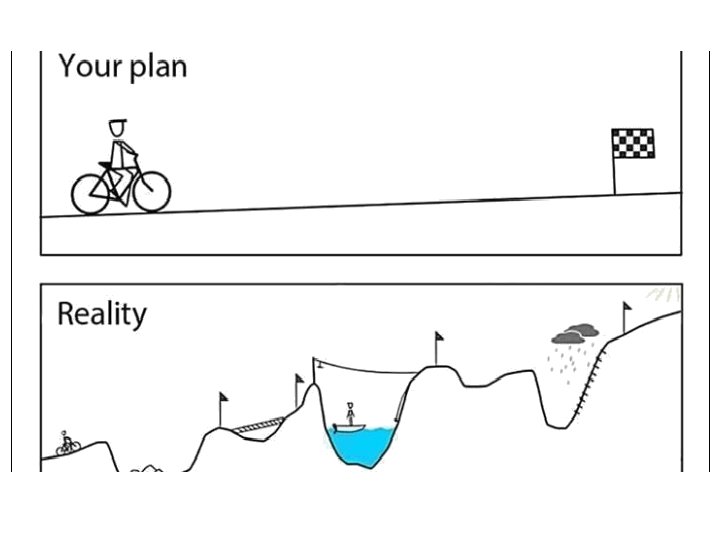
It’s a marathon, not a sprint
- Slides: 34